EN
EN



Electrofusion Machine: Complete Guide to HDPE Pipe Electrofusion Welding
What Is an Electrofusion Machine?
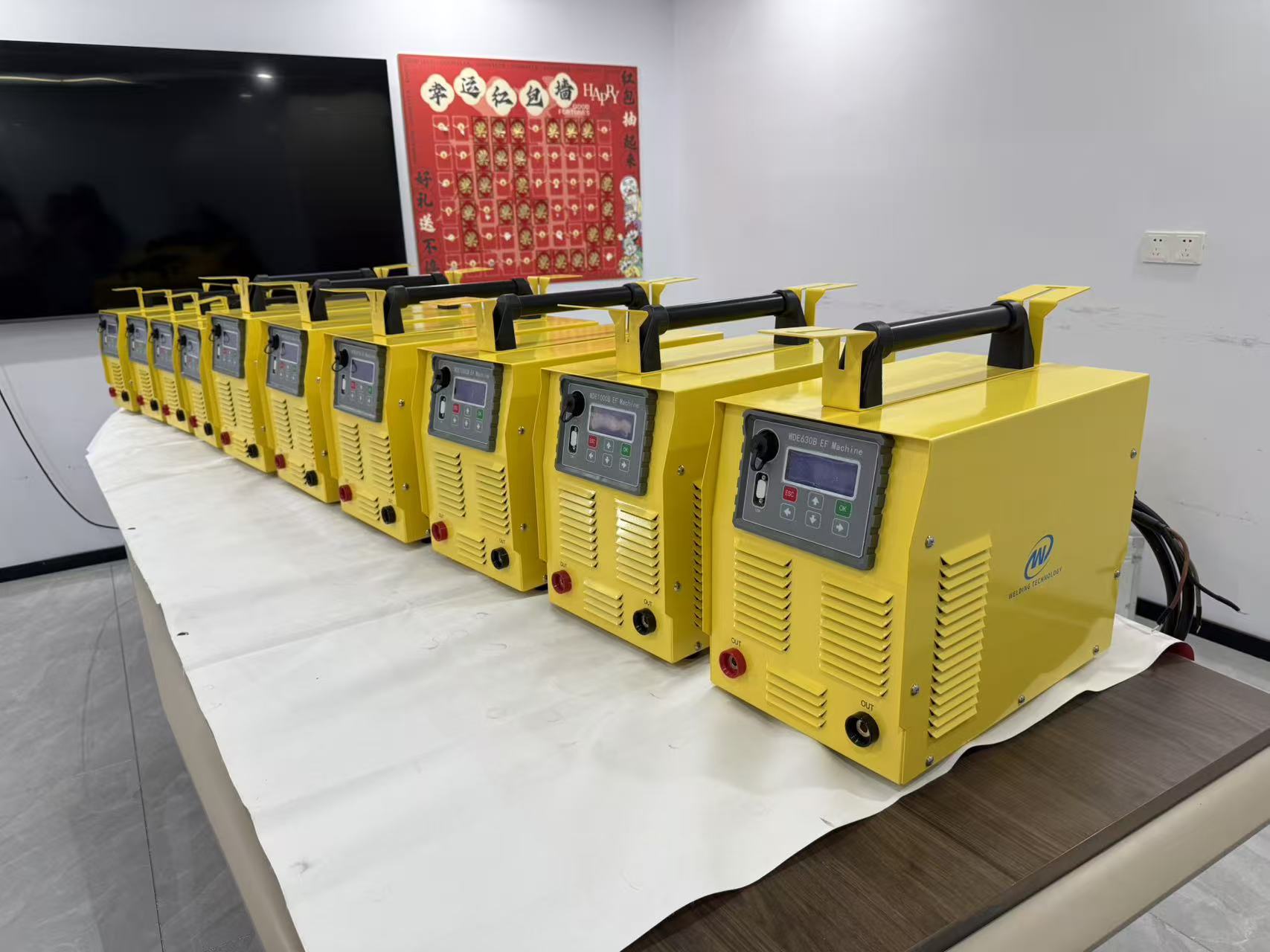
An Electrofusion Machine is a specialized welding device used to join HDPE, PE and other compatible thermoplastic pipes with electrofusion fittings.
Unlike conventional butt fusion, electrofusion welding uses fittings with built-in electrical resistance wires. The electrofusion machine supplies a controlled electrical current to the fitting terminals. The resistance wires generate heat, melting the fitting and the outer surface of the pipe. After the joint cools, the pipe and fitting form a strong and permanent connection.
Electrofusion technology is widely used for water supply, gas distribution, irrigation, industrial pipelines, municipal infrastructure and underground pipe systems.
For projects where space is limited or where fittings such as couplings, elbows, tees and branch connections are required, an electrofusion machine provides a practical pipe joining solution.
How Does an Electrofusion Machine Work?
The working principle of an HDPE Electrofusion Machine is relatively straightforward, but accurate preparation and controlled welding parameters are essential.
The typical electrofusion welding process includes the following steps:
1. Cut the Pipe
The HDPE or PE pipe should be cut squarely to ensure proper insertion into the electrofusion fitting.
A clean and straight pipe end helps maintain consistent contact between the pipe and fitting.
2. Clean the Welding Area
The outside surface of the pipe must be cleaned before welding.
Dust, dirt, grease and other contaminants can affect the quality of the fusion joint.
3. Remove the Oxidized Layer
The welding area should be mechanically scraped to remove the oxidized outer layer of the polyethylene pipe.
This is one of the most important preparation steps in electrofusion welding because an improperly prepared surface can affect fusion quality. Industry guidance emphasizes proper scraping and cleaning before the fusion cycle.
4. Insert the Pipe into the Fitting
After preparation, the pipe is inserted into the electrofusion fitting to the specified insertion depth.
The pipe and fitting should remain properly aligned during the welding process.
5. Connect the Electrofusion Machine
The machine cables are connected to the electrical terminals on the fitting.
Depending on the fitting and machine design, welding parameters may be entered manually or automatically identified through a barcode or other parameter-reading system.
6. Start the Fusion Cycle
The Electrofusion Welding Machine supplies controlled electrical energy to the resistance wires inside the fitting.
The wires generate heat, causing the fitting and pipe surfaces to melt and fuse together.
7. Allow the Joint to Cool
After the fusion cycle is completed, the joint must remain undisturbed during the specified cooling period.
Moving the pipe or fitting too early can affect the final joint quality.
The exact welding and cooling parameters should always follow the fitting manufacturer's instructions and the applicable project standard.
Why Choose an Electrofusion Machine for HDPE Pipe?
Electrofusion has become an important joining method for PE and HDPE pipeline systems.
Suitable for Complex Connections
Electrofusion fittings can be used for couplings, elbows, tees, branch connections and other pipeline configurations.
This makes an HDPE Electrofusion Machine useful for installation, modification and repair projects.
Ideal for Limited Working Spaces
One major advantage of electrofusion is its suitability for locations where large butt fusion equipment may be difficult to position.
This makes electrofusion particularly useful for pipeline repairs, tie-ins and installations in confined working areas.
Consistent Welding Process
A modern electrofusion machine controls the electrical energy supplied to the fitting, helping operators achieve a repeatable fusion process when the pipe preparation, alignment and fitting specifications are correct.
Strong and Permanent Pipe Joints
The pipe and fitting are fused together during the heating cycle, creating a continuous thermoplastic connection.
Electrofusion is commonly used in water and utility pipeline systems where reliable joints are required.
Electrofusion Machine vs. Butt Fusion Machine
Electrofusion and butt fusion are both widely used methods for joining PE and HDPE pipes, but they are designed for different applications.
| Feature | Electrofusion Machine | Butt Fusion Machine |
|---|---|---|
| Joining method | Electrofusion fitting | Direct pipe-to-pipe fusion |
| Main application | Fittings, repairs and connections | Pipe-to-pipe joining |
| Working space | Suitable for confined areas | Requires more operating space |
| Fittings | Couplings, elbows, tees, saddles, etc. | Usually requires compatible butt-fusion components |
| Equipment | Compact control unit and cables | Heating plate, planer and clamping system |
| Operation | Controlled electrical fusion cycle | Heating, pressure and cooling cycle |
| Typical applications | Repairs, branches, tie-ins and fittings | Long straight pipelines |
For long straight sections of PE pipe, butt fusion can be an efficient solution. For fittings, repairs, branch connections or restricted installation areas, electrofusion can offer greater flexibility.
Main Applications of Electrofusion Machines
An Electrofusion Machine for HDPE Pipe can be used across a wide range of industries.
1. Municipal Water Supply
HDPE pipelines are widely used for water distribution systems.
Electrofusion machines can be used to connect fittings and complete pipeline branches, repairs and modifications.
2. Natural Gas Distribution
Electrofusion is also used in PE gas pipeline systems where the appropriate pipe, fittings, equipment and joining procedures are specified for the project.
3. Irrigation Systems
Agricultural and landscape irrigation systems often require multiple pipe branches and fitting connections.
Electrofusion provides a practical method for connecting HDPE fittings in these applications.
4. Industrial Piping
Industrial facilities may use PE pipe systems for water, chemical and other compatible fluid transportation applications.
Electrofusion equipment can help installers complete complex pipeline configurations.
5. Pipeline Repair and Maintenance
One important application of electrofusion is pipeline repair.
When an existing pipeline needs to be modified or repaired, electrofusion fittings can provide a flexible joining solution, particularly where installation space is restricted.
6. Underground Infrastructure
HDPE pipelines are commonly used in underground utility projects.
Electrofusion technology can be applied to fitting connections and other joining requirements during underground pipeline installation.
Key Features to Consider When Choosing an Electrofusion Machine
Choosing the right Electrofusion Welding Machine requires more than simply comparing prices.
Welding Range
Check the compatible pipe and fitting size range before purchasing.
Different projects may require different welding ranges, so the machine should match the pipe dimensions used on the job site.
Input Voltage
Confirm the available power supply at the installation site.
Depending on the machine model and market, different electrical configurations may be available.
Welding Parameter Control
A reliable electrofusion machine should provide accurate control of welding parameters.
For professional pipeline projects, stable voltage and controlled fusion time are important for repeatable welding results.
Display and Operation
A clear digital display can make it easier for operators to monitor welding parameters and machine status.
User-friendly controls are especially valuable for contractors who perform frequent electrofusion work.
Data Recording
For projects requiring traceability, a machine with data logging or welding record functions can be useful.
Recorded welding information can help contractors document the fusion process and support project quality management.
Protection and Reliability
The machine may be used on construction sites where dust, temperature changes and transportation can affect equipment.
A robust design and appropriate protection system can help improve equipment reliability during field operation.
How to Improve Electrofusion Welding Quality
The performance of an electrofusion machine is only one part of the overall welding process.
Proper operating procedures are equally important.
Keep the Pipe Surface Clean
Before welding, remove dirt, moisture, grease and other contaminants from the fusion area.
Scrape the Fusion Zone Correctly
The oxidized layer should be removed evenly from the welding area.
Incomplete surface preparation is one of the common causes of poor electrofusion joints.
Maintain Proper Alignment
The pipe should be correctly aligned with the fitting.
Movement during the fusion process should be avoided.
Use the Correct Welding Parameters
Fusion voltage and time depend on the fitting and equipment.
Do not simply use a generic welding time for every fitting. Always follow the fitting manufacturer's specified parameters.
Respect Cooling Time
After the fusion cycle, allow the joint to cool according to the specified procedure.
The joint should not be disturbed before the required cooling period is completed.
Common Electrofusion Welding Problems
Several factors can affect the quality of an electrofusion joint.
Poor Surface Preparation
If the pipe surface is not properly scraped and cleaned, the fusion interface may not bond correctly.
Pipe Misalignment
Incorrect alignment can create uneven contact between the pipe and fitting.
Incorrect Fusion Parameters
Using incorrect voltage, fusion time or other parameters may affect the heating process.
Movement During Cooling
Even when the fusion cycle is completed, the joint needs sufficient time to cool and stabilize.
Damaged or Incorrect Fittings
The fitting should be compatible with the pipe material, dimensions and applicable project requirements.
For these reasons, operators should follow the equipment manufacturer's instructions, fitting manufacturer's specifications and relevant project standards.
Electrofusion Machine for Professional HDPE Pipe Projects
A professional HDPE Electrofusion Machine should provide stable electrical output, accurate parameter control and reliable operation.
At HANGZHOU WELDING TECHNOLOGY CO., LTD., we focus on thermoplastic pipe welding equipment and PE pipe joining solutions. Our product range includes hydraulic butt fusion machines, CNC automatic butt fusion machines, workshop fitting machines, multi-angle band saws, electrofusion machines and related tools.
The company states that it has more than 15 years of experience in thermoplastic welding technology and serves customers in more than 100 countries and regions. Its quality system includes ISO 9001:2015 certification and CE compliance.
Our electrofusion welding solutions are designed for contractors, pipeline installers, distributors and engineering companies working with PE and HDPE pipe systems.
How to Choose the Right Electrofusion Machine for Your Project
Before purchasing an electrofusion machine, consider the following questions:
What pipe materials will you be welding?
What is the required pipe and fitting diameter range?
What power supply is available at the job site?
Will the machine be mainly used indoors or outdoors?
Do you need manual or automatic parameter input?
Do you require welding data recording?
What types of electrofusion fittings will you use?
Are the machine and fittings compatible with your project standards?
Do you need customized cables, connectors or accessories?
What technical support and after-sales service does the supplier provide?
Providing these details to the manufacturer can help you select a suitable model rather than choosing a machine based only on price.
Frequently Asked Questions About Electrofusion Machines
What is an electrofusion machine used for?
An electrofusion machine is used to join PE and HDPE pipes with electrofusion fittings. It supplies controlled electrical energy to resistance wires embedded inside the fitting.
Can an electrofusion machine weld HDPE pipe?
Yes. Electrofusion machines are commonly used for joining HDPE and PE pipes with compatible electrofusion fittings.
What fittings can be used with an electrofusion machine?
Depending on the machine and project requirements, electrofusion fittings can include couplings, elbows, tees, reducers, branch saddles and other compatible fittings.
Is electrofusion better than butt fusion?
The two methods serve different purposes. Butt fusion is commonly used for joining compatible pipe ends, while electrofusion is particularly useful for fittings, repairs, tie-ins and locations where working space is limited.
How long does electrofusion welding take?
The fusion time depends on the fitting size, fitting manufacturer and specified welding parameters. The exact fusion and cooling time should be obtained from the fitting manufacturer rather than using a universal value.
What is the most important step before electrofusion welding?
Proper pipe preparation is critical. The welding surface should be clean, and the specified fusion zone should be mechanically scraped to remove the oxidized layer before the fitting is installed.
Can electrofusion machines be used for pipeline repair?
Yes. Electrofusion is commonly used for pipeline repair, tie-ins and modifications, especially when the available working space is limited.
How do I choose an electrofusion machine supplier?
Compare the welding range, electrical specifications, parameter control, machine quality, certifications, technical support, spare parts availability and after-sales service.
Conclusion
An Electrofusion Machine is an important piece of equipment for modern PE and HDPE pipe installation.
By combining controlled electrical heating with compatible electrofusion fittings, the technology provides a practical solution for pipe connections, fittings, repairs, branches and pipeline modifications.
However, successful electrofusion welding depends on more than the machine itself. Proper pipe preparation, accurate scraping, correct alignment, suitable welding parameters and sufficient cooling time all contribute to joint quality.
If you are looking for an HDPE Electrofusion Machine, Electrofusion Welding Machine or complete PE pipe welding solution, selecting equipment according to your pipe size, application, power supply and project requirements is an important first step.
Contact HANGZHOU WELDING TECHNOLOGY CO., LTD. to discuss your electrofusion welding requirements and find a suitable solution for your HDPE pipe project.