
 EN


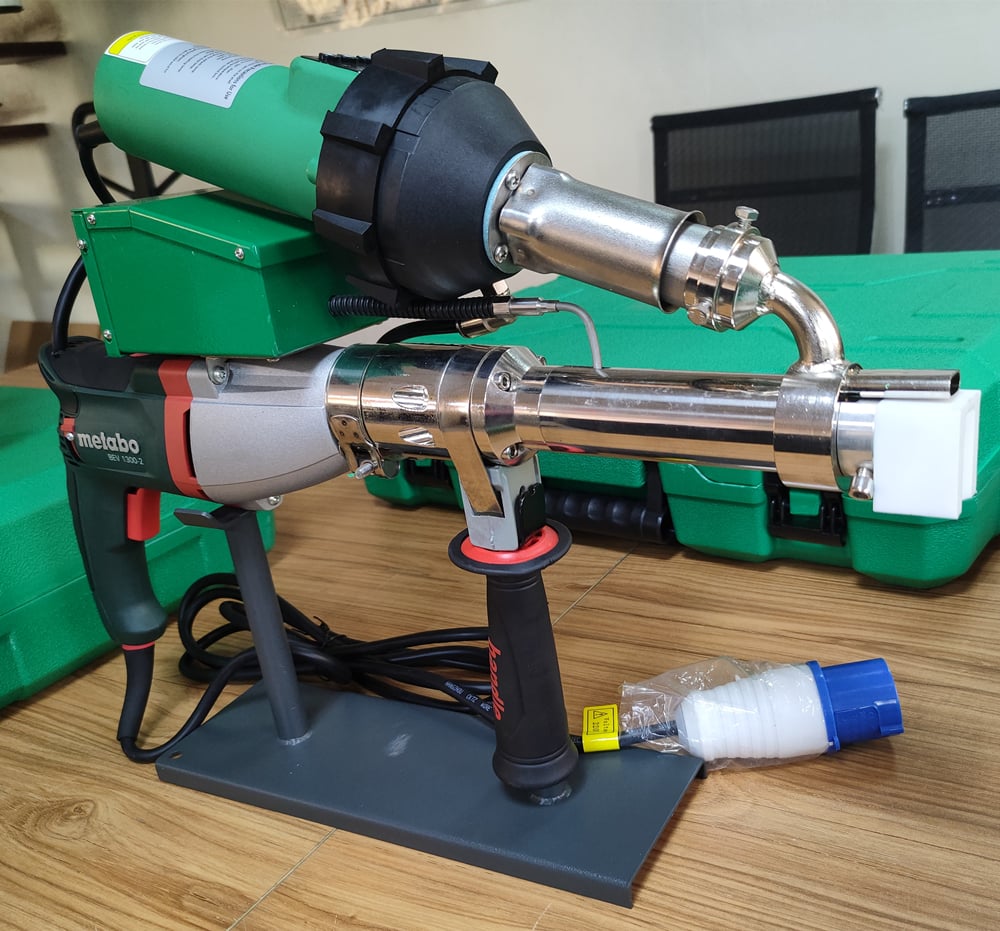
A handheld welding machine represents a fundamental shift in how industrial professionals approach welding projects. Whether working on construction sites, maintenance operations, or specialized fabrication tasks, a handheld welding machine delivers unmatched flexibility that stationary equipment simply cannot provide. The ability to bring welding capability directly to the workpiece—rather than transporting the workpiece to a fixed station—opens new possibilities for efficiency, cost management, and project timelines across multiple industries and applications.
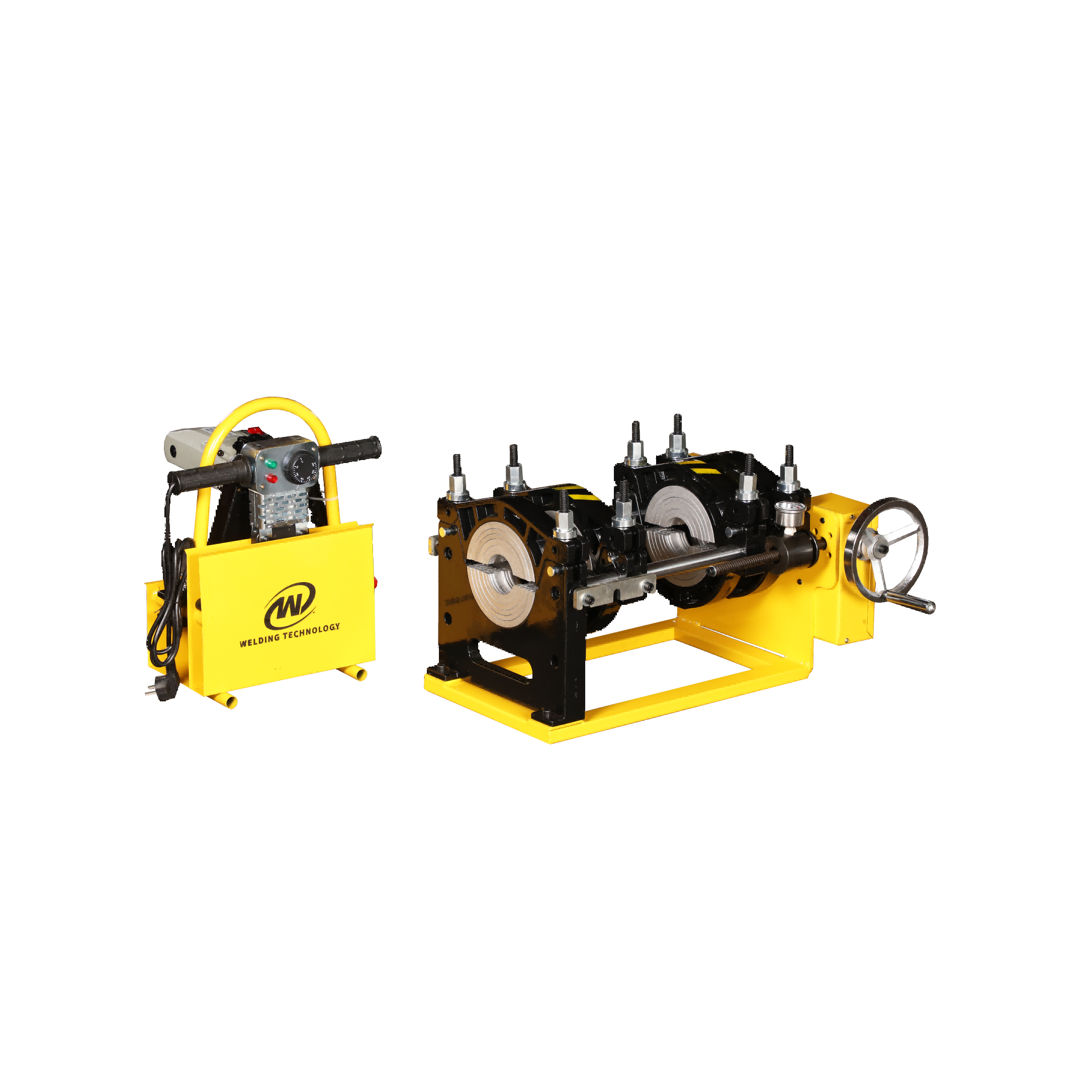
The modern handheld welding machine combines portability with professional-grade performance, making it an essential tool for field operations, emergency repairs, and dynamic job sites. By eliminating the constraints of fixed infrastructure, a handheld welding machine allows operators to respond quickly to changing demands, work in confined spaces, and maintain consistent quality across diverse welding scenarios. Understanding how a handheld welding machine increases flexibility reveals why so many organizations now prioritize portable welding solutions as part of their operational toolkit.
Portability and On-Site Access
Bringing Welding Capability to the Workpiece
One of the most significant advantages of a handheld welding machine is its ability to operate wherever the work needs to be done. In traditional setups, large or immovable workpieces must be transported to a welding station, which creates logistical challenges, increases material handling costs, and ties up production schedules. A handheld welding machine eliminates this constraint by allowing operators to perform high-quality welds directly at the point of need, whether on a steel bridge, offshore platform, or maintenance site. This portability fundamentally changes project planning, reducing setup time and enabling faster turnaround on critical repairs.
Flexibility Across Multiple Locations
Field-based industries benefit enormously from the flexibility that a handheld welding machine provides. Pipeline maintenance, structural repair, equipment fabrication, and installation work all demand the ability to weld in locations where a handheld welding machine becomes the only practical option. The compact design and reduced infrastructure requirements mean that a handheld welding machine can be deployed across multiple job sites, storage facilities, and temporary work areas without expensive equipment relocation. This operational flexibility directly reduces downtime and allows teams to maximize labor productivity.
Precision, Control, and Quality Consistency
Operator Control in Varied Environments
A handheld welding machine grants operators direct control over weld parameters while maintaining visual access to the joint being welded. This hands-on control is particularly valuable in complex fabrication tasks, where a handheld welding machine allows the operator to adjust technique, angle, and speed in real time. The flexibility inherent in a handheld welding machine design enables consistent weld quality across different material types, thicknesses, and joint configurations. Unlike automated systems that require extensive setup for configuration changes, a handheld welding machine can adapt quickly to new specifications, making it ideal for custom work and specialized projects.
Specialized Joint Access
Certain welding applications require access to joints that fixed equipment simply cannot reach. A handheld welding machine provides the mobility needed to work inside confined spaces, around existing structures, and in positions where traditional equipment placement is impossible. This accessibility flexibility means that a handheld welding machine becomes invaluable for maintenance operations, retrofit work, and emergency repairs where working around obstacles is unavoidable. The ergonomic design of modern portable units ensures that operators can maintain control and precision even in challenging physical positions.
Cost Efficiency and Operational Flexibility
Reduced Infrastructure Investment
Deploying a handheld welding machine requires significantly less infrastructure than establishing a dedicated welding facility. Organizations that utilize a handheld welding machine avoid the substantial capital expenses associated with building welding stations, installing power distribution systems, and creating specialized work environments. A handheld welding machine operates on standard electrical connections or portable power sources, making it adaptable to existing facilities and temporary job sites. This cost efficiency extends to maintenance expenses as well, since a handheld welding machine typically requires less specialized infrastructure maintenance than stationary equipment.
Quick Deployment and Scalability
When project demands fluctuate or emergency situations arise, a handheld welding machine offers immediate deployment flexibility. Teams can quickly activate additional welding capacity by bringing a handheld welding machine into service without lead time for equipment installation or facility preparation. This scalability feature allows organizations to respond to unexpected work surges, seasonal demand variations, and urgent repair situations without the constraints of fixed infrastructure. The financial flexibility of a handheld welding machine makes it particularly attractive for contract work, temporary staffing arrangements, and projects with uncertain scope or timeline.
Enhanced Workforce Productivity
Reduced Material Handling and Transportation
By bringing a handheld welding machine to the workpiece, teams eliminate the time-consuming process of moving large assemblies to a welding station. This reduction in material handling directly increases the percentage of time operators spend on actual value-added welding work. For large fabrication shops managing multiple projects simultaneously, the operational flexibility of a handheld welding machine means less congestion at fixed welding stations and faster overall project completion. Workforce scheduling becomes more flexible when a handheld welding machine allows operators to work on multiple projects or move between locations as needed.
Training and Cross-Functional Applications
A handheld welding machine supports versatile workforce deployment by allowing trained operators to contribute across different project types and locations. The operational flexibility of a handheld welding machine means that skilled welders can support urgent maintenance, emergency repairs, or project expansion without reassignment to fixed workstations. This cross-functional capability improves labor utilization and provides organizations with greater scheduling flexibility when responding to changing business demands. Teams trained on a handheld welding machine can tackle diverse applications, from structural repairs to custom fabrication, maximizing the value of their technical expertise.
FAQ
How does a handheld welding machine compare to fixed welding equipment in terms of production capacity?
A handheld welding machine is optimized for flexibility and adaptability rather than maximum production volume. For high-volume, repetitive welding operations, fixed equipment may offer faster cycle times. However, a handheld welding machine excels in projects requiring varied specifications, frequent setup changes, or work in multiple locations. Organizations often find that the operational flexibility of a handheld welding machine actually increases overall productivity when accounting for reduced material handling, quicker project turnaround, and the ability to work in locations where fixed equipment cannot be deployed.
What types of materials and thicknesses can a handheld welding machine effectively weld?
A handheld welding machine can work with a wide range of materials including mild steel, stainless steel, and various alloys, with thickness capabilities typically spanning from thin sheet metal to substantial structural sections. The specific material range and thickness capacity depend on the particular model and power rating of your handheld welding machine. Modern portable units offer impressive versatility, allowing operators to switch between different welding processes and adjust parameters quickly. Consulting equipment specifications ensures that your selected handheld welding machine matches the exact material requirements of your typical projects.
What safety considerations are important when using a handheld welding machine on job sites?
Operating a handheld welding machine requires proper operator training, appropriate personal protective equipment, and adherence to safety protocols specific to the job site environment. Unlike fixed welding stations where safety infrastructure is built into the facility, a handheld welding machine operator must ensure that ground connections are secure, adequate ventilation exists, and bystanders are protected from arc radiation and heat. Portable power sources must be properly grounded, and operators should receive site-specific safety briefings before deploying a handheld welding machine in new or challenging locations. Regular equipment inspection and maintenance ensure that a handheld welding machine operates safely throughout its service life.