
 EN


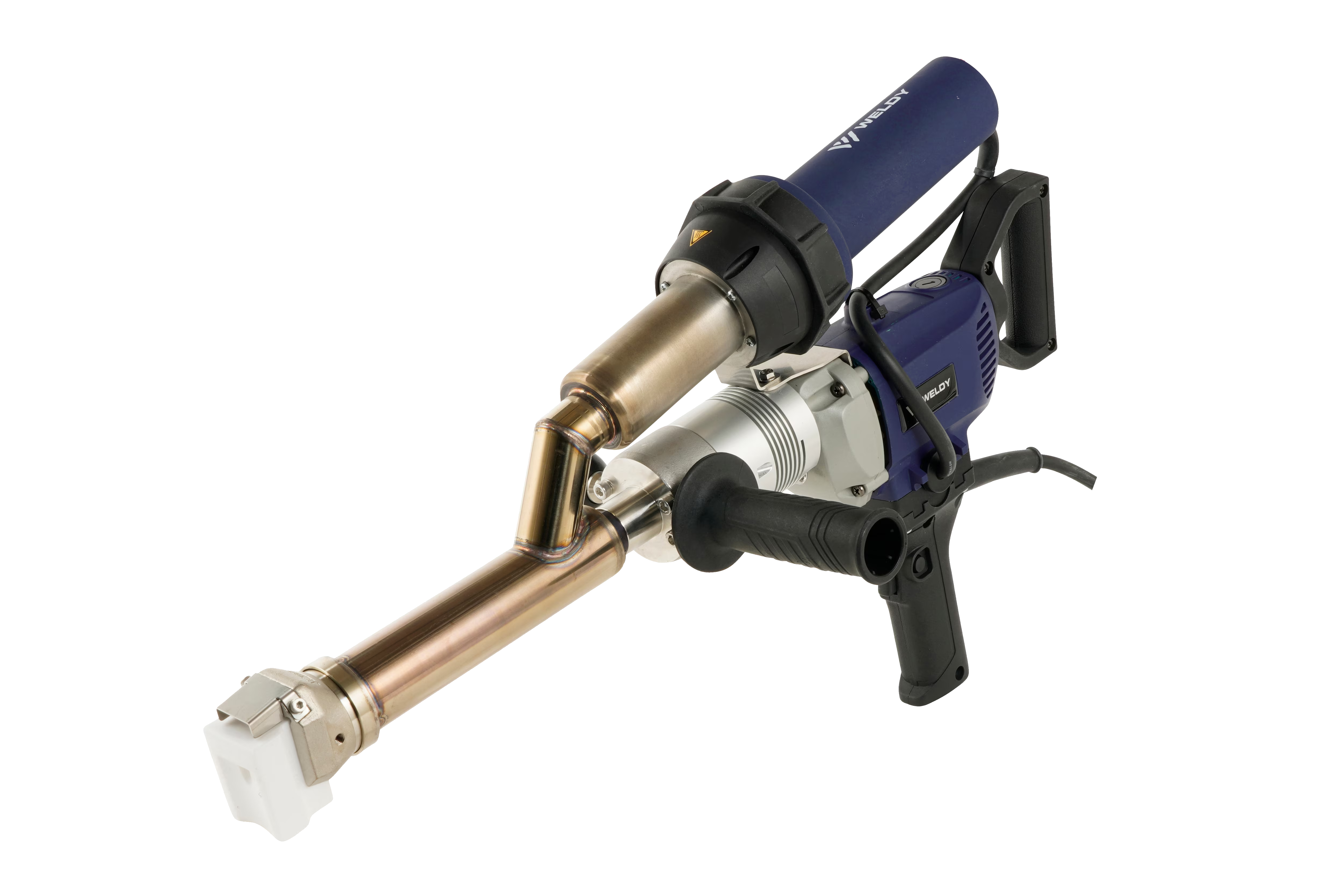
A handheld welding machine has become indispensable for professionals working in remote locations, construction sites, and emergency repair scenarios where traditional stationary equipment simply cannot reach. The versatility and mobility of a handheld welding machine make it the preferred choice for field applications where access to permanent workshop facilities is limited or impossible. Unlike heavy industrial welding setups, a handheld welding machine enables technicians to bring welding capability directly to the job site, dramatically improving project timelines and reducing operational costs.
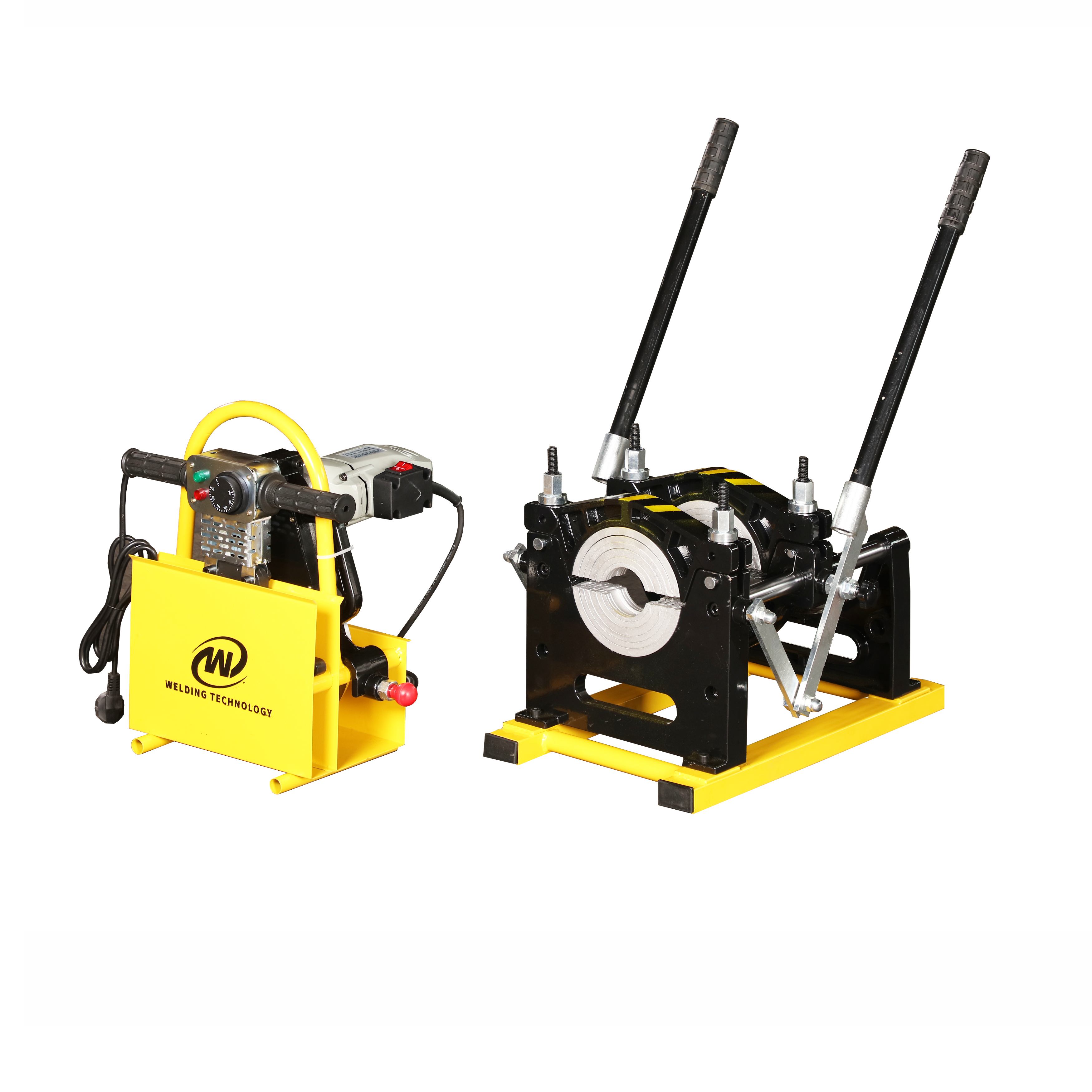
Field applications demand equipment that balances power with practicality. A handheld welding machine delivers exactly that combination by providing sufficient welding capacity while maintaining the portability necessary for technicians to move between work zones quickly. Whether managing pipeline repairs, structural reinforcement, or emergency infrastructure restoration, the handheld welding machine proves its value through immediate deployment capability and reduced equipment transportation requirements.
Mobility and Accessibility in Remote Locations
Bringing Welding Capability to Challenging Sites
Remote field locations present unique challenges where conventional workshop welding equipment becomes logistically impractical. A handheld welding machine solves this problem by combining compact design with sufficient power output to handle demanding repair and fabrication tasks. Technicians can carry a handheld welding machine across difficult terrain, into confined spaces, and up elevated structures where transporting stationary equipment would prove impossible. This mobility transforms project feasibility by extending welding services to locations previously considered inaccessible.
Reduced Transportation and Setup Time
Every minute spent transporting and setting up equipment directly impacts project profitability and timeline adherence. A handheld welding machine minimizes these inefficiencies through streamlined portability and rapid operational readiness. Crews can position a handheld welding machine exactly where work is needed without requiring dedicated installation infrastructure. This immediate availability means technicians begin productive work faster, reducing labor costs and accelerating project completion dates significantly.
Cost Efficiency and Operational Benefits
Lower Capital and Maintenance Investment
Purchasing and maintaining stationary welding equipment represents substantial capital expenditure and ongoing servicing costs. A handheld welding machine offers a cost-effective alternative by reducing initial investment while simplifying maintenance requirements. The compact design of a handheld welding machine means fewer components requiring regular inspection and replacement, directly lowering total cost of ownership. Field teams can perform basic maintenance independently, eliminating expensive downtime associated with repairs at specialized facilities.
Flexibility Across Multiple Projects
Construction companies and service providers managing multiple concurrent projects benefit tremendously from equipment flexibility. A handheld welding machine can transition between different job sites and application types without requiring specialized reconfiguration. This versatility means a single investment in a handheld welding machine serves numerous projects, maximizing return on equipment investment. Contractors can allocate their handheld welding machine resources based on current priorities without equipment bottlenecks disrupting workflow or forcing expensive equipment rentals.
Performance Reliability Under Field Conditions
Robust Design for Harsh Environments
Field environments expose equipment to dust, moisture, temperature extremes, and rough handling that would quickly damage delicate workshop machinery. A handheld welding machine is engineered specifically for this rugged operational context with durable materials and sealed components protecting critical systems. The industrial-grade construction of a handheld welding machine ensures consistent performance whether deployed in desert conditions, coastal environments, or high-altitude locations. This reliability translates directly to predictable project outcomes and eliminated work stoppages caused by equipment failure.
Consistent Quality Output in Varied Conditions
Maintaining welding quality standards becomes challenging when operating outside controlled workshop environments. Modern handheld welding machine technology incorporates advanced power regulation and temperature monitoring systems that compensate for environmental variations. Whether facing fluctuating power supply conditions or significant temperature variations, a handheld welding machine maintains output quality through intelligent electronic compensation. This consistent performance capability means field teams produce welds meeting the same structural integrity standards as workshop-fabricated connections, eliminating quality concerns that might otherwise require rework.
Extended Runtime and Energy Efficiency
Field operations often demand extended working periods between refueling or recharging cycles. A handheld welding machine provides impressive runtime efficiency, minimizing interruptions while delivering powerful welding capability throughout extended shifts. Modern handheld welding machine designs optimize power consumption without sacrificing output performance, meaning crews accomplish more work per fuel cycle or battery charge. This operational efficiency directly reduces project duration and labor costs in field applications where every hour of productive work impacts overall project economics.
Real-World Application Scenarios
Infrastructure and Pipeline Maintenance
Pipeline systems, water mains, and utility infrastructure often require emergency repairs in locations far from service centers. A handheld welding machine enables rapid response to these critical situations by providing immediate welding capability at the failure site. Repair crews can reach damaged sections and complete structural restoration without transporting equipment long distances or waiting for mobile welding services. This emergency response capability makes a handheld welding machine essential for infrastructure maintenance organizations managing geographically dispersed assets.
Structural Steel and Construction Repairs
Construction sites frequently encounter structural issues requiring immediate on-site welding solutions. A handheld welding machine allows site managers to address reinforcement requirements, connection repairs, and fabrication adjustments without halting overall project progress. Whether working at height, within confined spaces, or across multiple building locations, a handheld welding machine provides necessary capabilities precisely where work occurs. This site-based welding flexibility accelerates construction timelines and improves overall project efficiency.
Emergency Response and Field Repairs
Emergency situations frequently demand rapid equipment response where traditional logistics prove insufficient. A handheld welding machine enables emergency response teams to deploy immediately to locations requiring structural repair or equipment restoration. Whether addressing natural disaster damage, accident site repairs, or urgent industrial restoration, a handheld welding machine provides critical capability for time-sensitive scenarios. Disaster management organizations increasingly recognize the strategic value of maintaining handheld welding machine resources for emergency deployment.
FAQ
What specifications should I prioritize when selecting a handheld welding machine for field work?
When choosing a handheld welding machine for field applications, prioritize power output range sufficient for your typical materials and thicknesses, portability weight that field crews can reasonably transport, and robust weatherproofing suitable for your deployment environment. Battery runtime or fuel efficiency directly impacts field productivity, making these specifications critical for remote applications. Additionally, ease of operation and maintenance accessibility ensure your handheld welding machine remains deployable without requiring specialized technical support on site.
How does a handheld welding machine compare to traditional workshop equipment in terms of durability?
A handheld welding machine is specifically engineered for rugged field conditions with sealed components, reinforced housings, and shock-resistant design that surpasses many workshop-bound alternatives. While workshop equipment prioritizes precision and stability within controlled environments, a handheld welding machine prioritizes resilience and operational reliability under challenging conditions. The field-focused engineering of a handheld welding machine typically results in longer functional lifespan under actual deployment scenarios than equipment designed primarily for stationary workshop use.
Can a handheld welding machine handle high-volume production work in field settings?
A handheld welding machine excels at field repair and fabrication tasks but may not match stationary equipment output volumes during extended continuous operation. However, for typical field applications involving episodic welding across multiple project phases, a handheld welding machine provides adequate capacity and throughput. Modern designs incorporate features like extended runtime, rapid heat dissipation, and efficient power management that maximize productive output within field operational constraints, making a handheld welding machine suitable for most on-site requirements.