
 EN


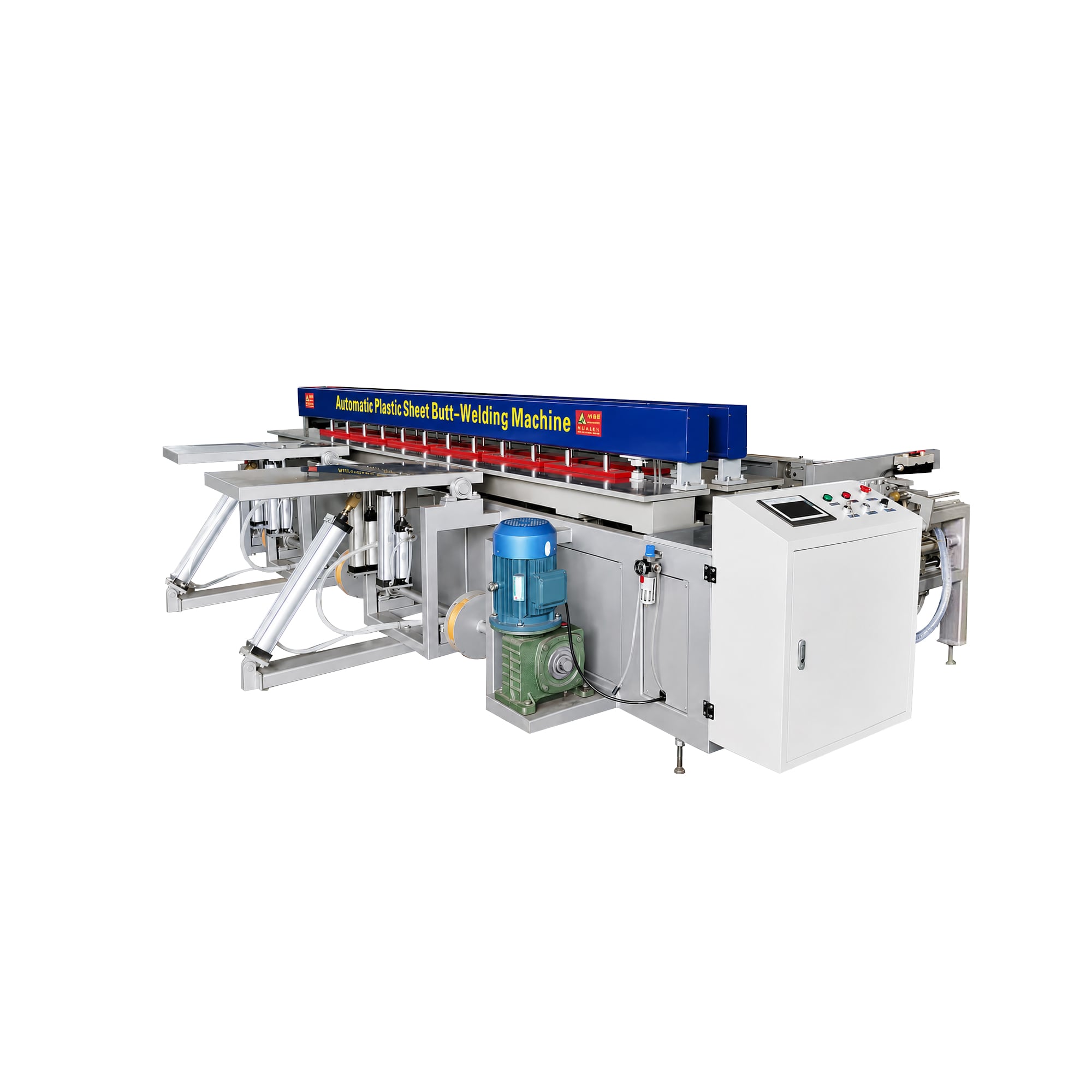
A plastic sheet butt welding machine is a specialized industrial tool designed to join thermoplastic materials by creating a strong, permanent bond along the edges of plastic sheets. This type of equipment has become essential in modern manufacturing, offering precision and efficiency for applications where traditional joining methods fall short. Understanding the practical applications and capabilities of a plastic sheet butt welding machine helps industrial professionals select the right equipment for their production requirements and optimize their manufacturing workflows.
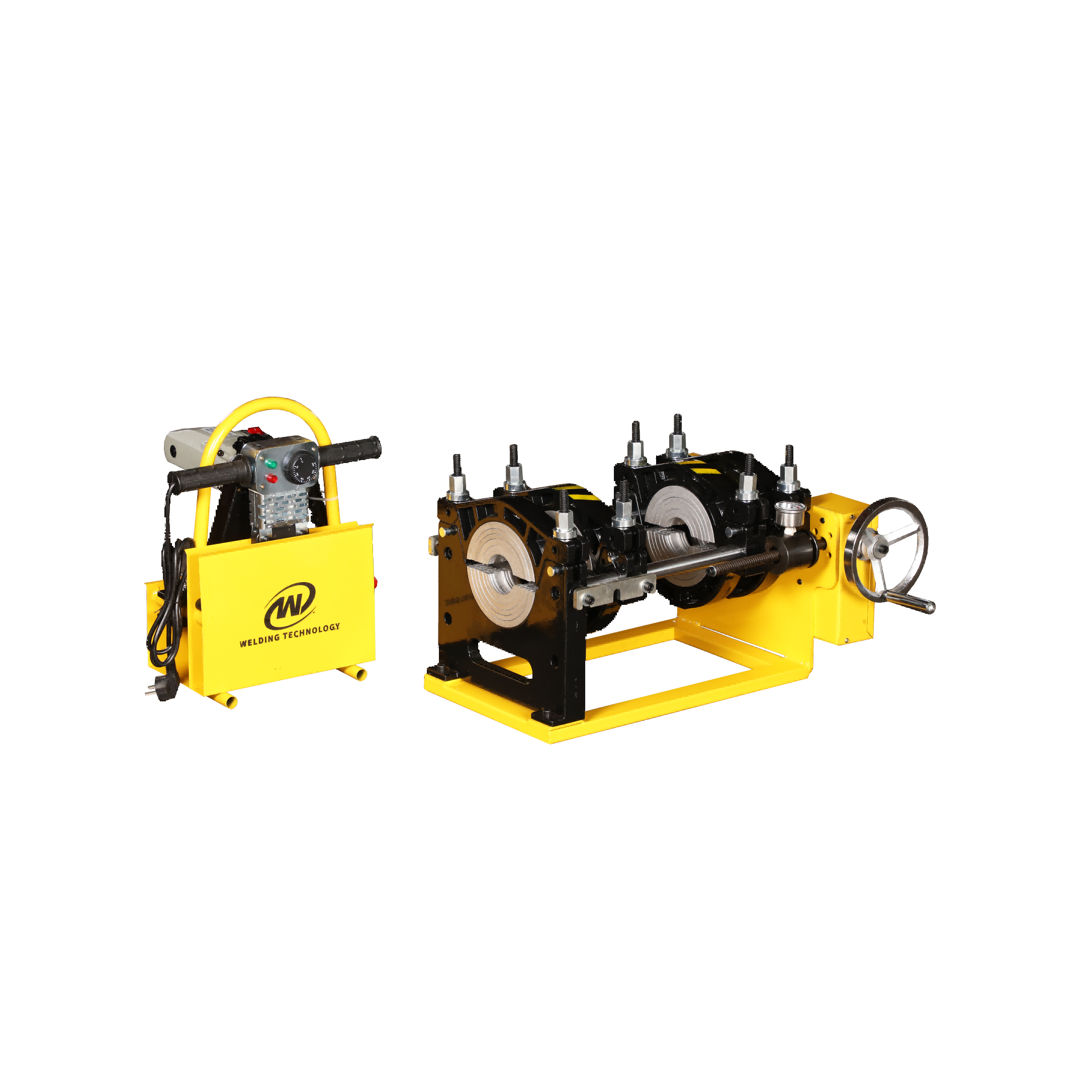
The plastic sheet butt welding machine operates by heating the edges of two plastic sheets until they reach a molten state, then pressing them together to form a unified structure. This controlled heating and joining process ensures minimal material waste while producing welds with consistent strength and durability. Industries ranging from chemical processing to construction rely on this technology to manufacture components that meet strict quality standards and performance specifications.
Manufacturing and Fabrication Applications
Production of Plastic Tanks and Containers
One of the primary industrial uses for a plastic sheet butt welding machine is manufacturing storage tanks, chemical containers, and industrial reservoirs. Manufacturing these components requires joining large sheets of thermoplastic material such as polyethylene, polypropylene, or PVDF into seamless structures capable of withstanding internal pressure and chemical exposure. A plastic sheet butt welding machine delivers the precision needed to create welds that prevent leakage while maintaining the structural integrity of the finished container across extended service lifecycles.
The controlled heat and pressure applied by a plastic sheet butt welding machine ensure that the molecular bonds between plastic sheets are formed correctly, eliminating weak points that could compromise container reliability. This precision is especially critical in industries processing corrosive chemicals or hazardous materials, where container failure represents both safety and environmental risk. Manufacturers using this equipment can produce tanks with consistent wall thickness and weld quality, reducing rejection rates and customer returns.
Geomembrane and Liner Production
Environmental engineering and water management industries depend heavily on a plastic sheet butt welding machine for fabricating geomembranes and pond liners used in landfill containment, wastewater treatment, and agricultural applications. These products require seamless barriers that prevent fluid infiltration or migration across large surface areas. A plastic sheet butt welding machine enables manufacturers to join individual sheets into expansive, continuous barriers while maintaining the material properties necessary for long-term environmental protection.
When creating geomembranes, the integrity of every weld directly impacts project performance and regulatory compliance. A plastic sheet butt welding machine provides the heat control and pressure consistency required to produce welds that meet or exceed industry standards for thickness, tensile strength, and durability. This capability makes the equipment invaluable for environmental containment projects where failure would result in significant remediation costs and regulatory penalties.
Industrial Component Manufacturing and Customization
Ducting and HVAC System Components
Industries manufacturing ducting systems, air distribution components, and specialized HVAC equipment utilize a plastic sheet butt welding machine to fabricate custom ducts and fittings from thermoplastic materials. These components require joints that maintain airtightness and withstand pressure differentials common in industrial ventilation systems. A plastic sheet butt welding machine enables manufacturers to create ductwork with consistently sealed welds that prevent air leakage and ensure system efficiency across diverse environmental conditions.
The precision welding capability of a plastic sheet butt welding machine allows HVAC component manufacturers to customize duct dimensions and configurations to meet specific application requirements without relying on standardized off-the-shelf products. This flexibility is particularly valuable in retrofit projects, specialized industrial facilities, and installations requiring non-standard dimensions or material specifications that a plastic sheet butt welding machine can accommodate through careful thermal control and operator technique.
Protective Barriers and Industrial Panels
Manufacturing protective barriers, machine guards, and industrial panels requires a plastic sheet butt welding machine capable of joining materials that will be exposed to mechanical stress, temperature fluctuations, and chemical environments. These components protect personnel and equipment across production facilities, processing plants, and hazardous work environments. A plastic sheet butt welding machine produces structurally sound panels with welds that resist peeling, cracking, and degradation under industrial operating conditions.
When fabricating protective equipment, the failure of a single weld can compromise safety performance and facility compliance with industrial standards. A plastic sheet butt welding machine delivers consistent, repeatable welds that manufacturers can validate through testing and quality assurance protocols. This reliability makes the equipment essential for safety-critical applications where equipment performance directly impacts worker protection and regulatory adherence.
Specialized Industrial Applications and Material Handling
Chemical Processing Equipment
Chemical processing industries utilize a plastic sheet butt welding machine to fabricate corrosion-resistant equipment, reactors, and piping systems from high-performance thermoplastics such as PVDF, polypropylene, and engineering polymers. These materials offer superior chemical resistance compared to metals, enabling safer handling of aggressive compounds and extending equipment lifespan in demanding environments. A plastic sheet butt welding machine enables manufacturers to create complex chemical processing equipment with sealed joints that prevent contamination and ensure process integrity.
The ability of a plastic sheet butt welding machine to join specialty plastics without introducing metallurgical defects or corrosion points makes it indispensable in pharmaceutical, semiconductor, and fine chemical manufacturing. Equipment fabricated using this technology can process materials that would corrode or contaminate metal systems, expanding the range of applications and improving overall facility safety. Chemical processing companies depend on a plastic sheet butt welding machine to maintain product purity and equipment reliability across temperature-sensitive and chemically aggressive processes.
Water Treatment and Infrastructure
Water treatment facilities and municipal infrastructure projects increasingly rely on a plastic sheet butt welding machine for manufacturing pipes, fittings, and treatment vessel components from plastic materials that resist corrosion and scale buildup. These applications require joints capable of withstanding sustained pressure, thermal cycling, and exposure to treated and untreated water. A plastic sheet butt welding machine delivers the thermal precision necessary to create welds that maintain structural performance across decades of service life in water management systems.
Infrastructure projects utilizing a plastic sheet butt welding machine benefit from longer service intervals, reduced maintenance requirements, and lower total cost of ownership compared to traditional metal systems. The consistent weld quality produced by this equipment ensures that water treatment facilities can operate reliably while meeting modern environmental standards and drinking water safety regulations. plastic sheet butt welding machine technology continues to expand the possibilities for sustainable water infrastructure development.
FAQ
What materials can a plastic sheet butt welding machine join?
A plastic sheet butt welding machine is designed to join thermoplastic materials including polyethylene, polypropylene, PVDF, PEEK, and other engineered polymers. The equipment accommodates materials with varying melting points through adjustable temperature settings and heating duration controls. Different material types require specific thermal profiles, and experienced operators can optimize the equipment settings to achieve high-quality welds in virtually any thermoplastic material commonly used in industrial applications.
How does a plastic sheet butt welding machine ensure weld strength?
A plastic sheet butt welding machine ensures weld strength by precisely controlling heating temperature, duration, and applied pressure during the welding process. The equipment heats material edges to their optimal melting point, allowing molecular chains to intermix and form strong chemical bonds. Consistent pressure application ensures even fusion across the entire joint interface, eliminating weak points and voids that would compromise structural performance or create leak paths in pressure-containing applications.
What industries benefit most from using a plastic sheet butt welding machine?
Industries that benefit most from a plastic sheet butt welding machine include chemical processing, water treatment, environmental engineering, HVAC manufacturing, and industrial equipment fabrication. Any sector requiring durable plastic structures, corrosion-resistant vessels, or seamless barriers finds significant value in this equipment. Additionally, industries manufacturing custom components or specialized equipment increasingly utilize a plastic sheet butt welding machine to meet unique requirements that standard fabrication methods cannot address effectively or economically.