
 EN
EN


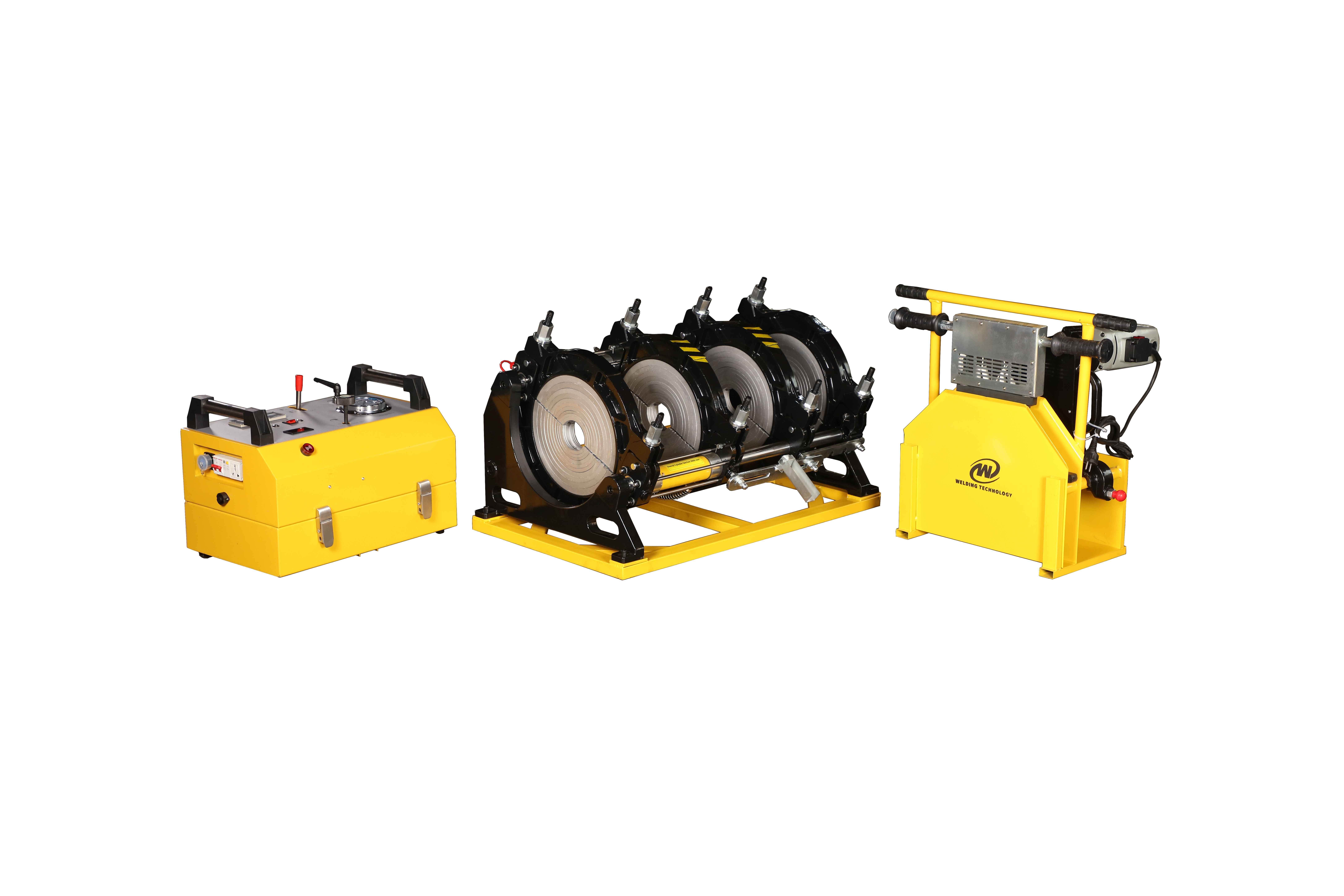
An hdpe cutting saw represents a significant advancement in material processing technology, transforming how professionals approach projects involving high-density polyethylene materials. Precision cutting is fundamental to project success, and the right equipment ensures clean edges, minimal waste, and superior finished product quality. Understanding how an hdpe cutting saw improves cutting precision reveals why this tool has become indispensable across manufacturing, construction, and fabrication sectors worldwide.
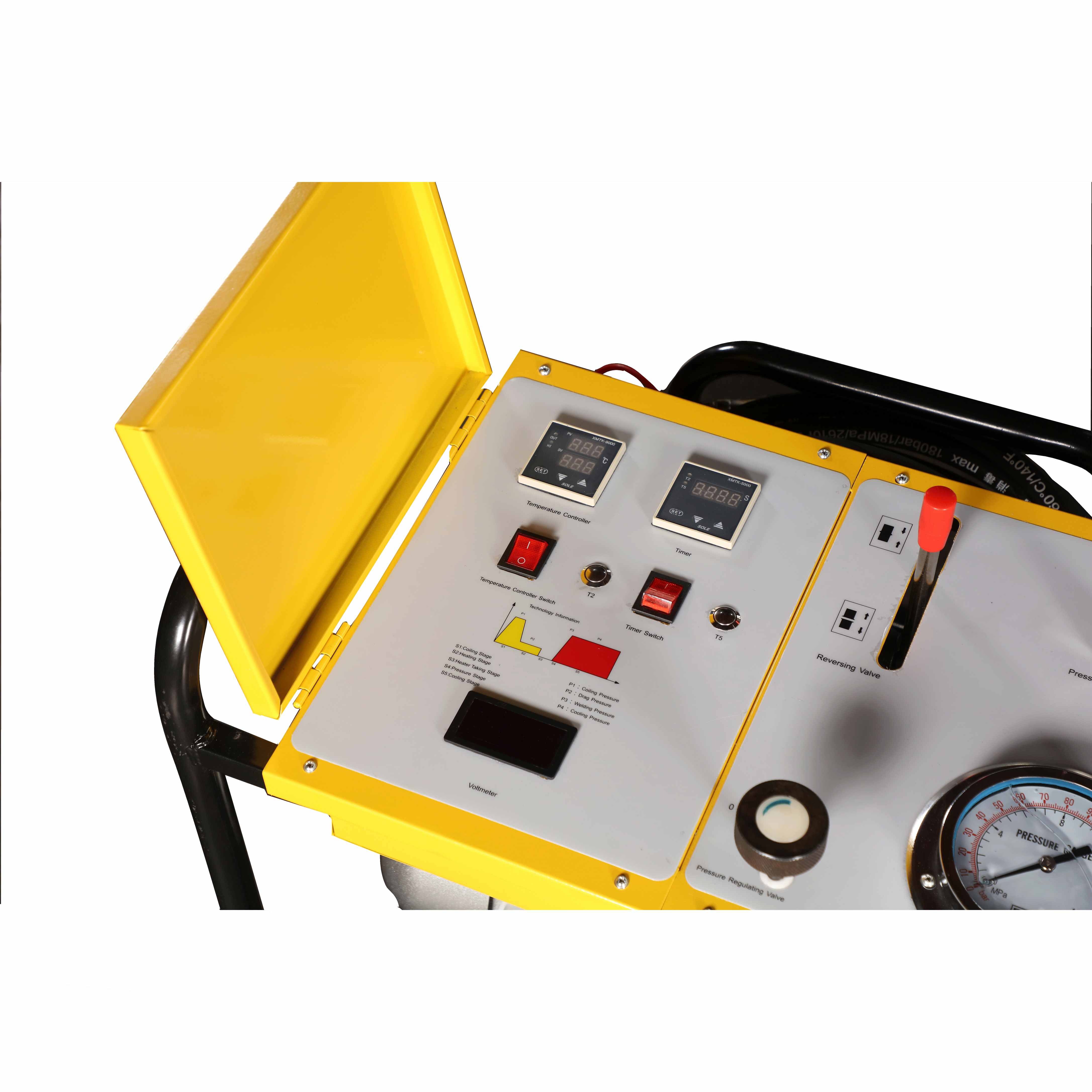
The hdpe cutting saw combines engineered precision with practical durability, making it ideal for demanding applications where accuracy directly impacts project outcomes. Whether cutting pipes, sheets, blocks, or specialized HDPE components, this equipment delivers consistent results that manual methods or inferior tools cannot match. This guide explores the mechanisms through which an hdpe cutting saw achieves superior precision, the specific advantages it brings to professional projects, and how to optimize its performance for maximum cutting accuracy.
How an HDPE Cutting Saw Enhances Edge Quality and Accuracy
Precision Blade Technology in HDPE Cutting Saws
An hdpe cutting saw utilizes advanced blade technology specifically engineered for high-density polyethylene materials. The blade geometry, tooth design, and cutting speed are optimized to prevent common issues like melting, tear-out, and rough edges that occur with improper cutting methods. Premium hdpe cutting saw models feature blades with precise tooth spacing and angle calibration that produce clean, square cuts every time. This precision-engineered design ensures the hdpe cutting saw maintains consistent performance across different HDPE thicknesses and densities.
The cutting mechanism of an hdpe cutting saw operates at controlled speeds that prevent thermal degradation of the material. Unlike high-speed cutters that generate excessive heat and cause material warping, an hdpe cutting saw regulates blade rotation to maintain optimal cutting temperatures. This controlled approach protects material integrity while delivering the dimensional accuracy required in professional applications. Professionals using an hdpe cutting saw report significantly fewer edge defects and rework requirements compared to conventional cutting methods.
Material-Specific Design Features
An hdpe cutting saw incorporates design features that address the unique properties of high-density polyethylene. The material's flexibility and tendency to bind during cutting is counteracted through the hdpe cutting saw's precision feed mechanisms and blade design. These features work together to maintain consistent cutting force and prevent the blade from wandering or producing angled cuts. The stability provided by an hdpe cutting saw framework ensures that even thin or flexible HDPE sections are cut with perfect perpendicularity.
Dust collection systems integrated into modern hdpe cutting saw designs further enhance cutting precision by maintaining clear visibility and reducing particulate interference during operation. An hdpe cutting saw with effective dust management produces cleaner cuts because operators maintain visual control and the blade operates free from material accumulation. This environmental control is essential for achieving the microfinish quality that high-precision applications demand.
Precision Advantages for Professional Project Outcomes
Reduced Material Waste and Cost Efficiency
When an hdpe cutting saw delivers precise cuts on the first attempt, material waste decreases dramatically compared to projects using less accurate methods. Projects involving expensive HDPE components or specialty materials benefit significantly from the precision that an hdpe cutting saw provides. The ability to cut components to exact specifications means less rework, fewer rejected pieces, and better utilization of raw material inventory. For large-volume operations, the cumulative savings from using an hdpe cutting saw justify the equipment investment within months.
The accuracy of an hdpe cutting saw also prevents costly mistakes during assembly stages. Components that are cut precisely fit together without gaps or forcing, reducing assembly time and eliminating the need for secondary finishing operations. Manufacturers report that transitioning to an hdpe cutting saw reduces per-unit production costs by enabling faster assembly cycles and minimizing quality control rejections. This economic advantage extends to smaller operations where every percentage point of efficiency improvement impacts project profitability.
Enhanced Assembly Fit and Functional Performance
An hdpe cutting saw ensures that cut components meet tolerance specifications that assembly equipment and functional requirements demand. When pipe sections are cut to exact lengths, plumbing and fluid transport systems operate without leaks caused by poor fitting. Similarly, HDPE sheets cut with an hdpe cutting saw maintain flatness and edge straightness that prevents gaps in protective installations or structural assemblies. Professional projects involving HDPE depend on this precision to achieve the reliability and durability their end-use applications require.
The precision of an hdpe cutting saw becomes especially critical in aerospace, medical device, and food-processing applications where component fit tolerances are extremely tight. An hdpe cutting saw that maintains dimensional consistency across production runs enables manufacturers to provide products with reliable, repeatable performance. Customers benefit from equipment and components that function flawlessly, which builds trust and encourages repeat business relationships in competitive markets.
Optimizing HDPE Cutting Saw Performance for Maximum Precision
Maintenance and Calibration Practices
Sustaining the precision advantages of an hdpe cutting saw requires regular maintenance and periodic calibration checks. The blade sharpness, alignment, and rotational accuracy of an hdpe cutting saw directly influence cut quality, making preventive maintenance essential. Operators should establish schedules for blade inspection, replacement, and system calibration to ensure that an hdpe cutting saw maintains its precision capabilities over extended use. Dust removal, lubrication of moving parts, and blade tension verification are routine tasks that preserve hdpe cutting saw performance.
Modern hdpe cutting saw systems often include built-in diagnostic features that alert operators to misalignment or blade degradation before significant accuracy loss occurs. Implementing manufacturer-recommended calibration procedures ensures that an hdpe cutting saw remains true and produces consistently accurate cuts. Technicians trained in hdpe cutting saw maintenance understand material-specific requirements and can quickly identify issues that compromise precision.
Operator Technique and Setup Optimization
The precision potential of an hdpe cutting saw is fully realized only when operators follow proper setup and cutting procedures. Securing the HDPE material firmly prevents shifting that causes angled or misaligned cuts, and an hdpe cutting saw with adjustable clamping systems accommodates various material sizes. Proper feed rate adjustment ensures the blade doesn't overload or generate excessive heat, both factors that compromise precision. Experienced operators understand how to configure an hdpe cutting saw for specific material thicknesses and types, optimizing both speed and accuracy.
Material marking and reference alignment before cutting further enhances the precision an hdpe cutting saw delivers. Using measurement guides and marking cut lines clearly allows operators to position material accurately. An hdpe cutting saw equipped with digital measurement displays or precision guides removes guesswork from the cutting process. Training programs that emphasize these techniques help organizations maximize their investment in an hdpe cutting saw and achieve superior project results consistently.
FAQ
What cutting speeds does an hdpe cutting saw typically use?
An hdpe cutting saw operates at controlled speeds ranging from 1500 to 4000 RPM, depending on material thickness and blade specifications. These speeds are calibrated specifically for HDPE to prevent melting and ensure clean cuts. Manufacturers provide speed recommendations based on hdpe cutting saw model and intended application, and operators should follow these guidelines for optimal precision and material protection.
Can an hdpe cutting saw cut other plastic materials besides HDPE?
While an hdpe cutting saw is engineered specifically for high-density polyethylene, many models can cut other thermoplastic materials like PVC and polypropylene with good results. However, cutting parameters including speed, blade type, and cooling may need adjustment for an hdpe cutting saw when processing different plastics. Always consult the equipment manufacturer's specifications before using an hdpe cutting saw on materials outside its primary design range to avoid blade damage or poor cut quality.
How often should hdpe cutting saw blades be replaced?
The replacement frequency for an hdpe cutting saw blade depends on cutting volume and material composition. High-volume operations may need to replace blades weekly, while lighter-use applications might extend blade life to several months. An hdpe cutting saw blade showing visible wear, dullness, or producing rough edges should be replaced immediately to maintain cutting precision. Monitoring cut quality is the most reliable indicator of when an hdpe cutting saw blade requires replacement.