
 EN
EN


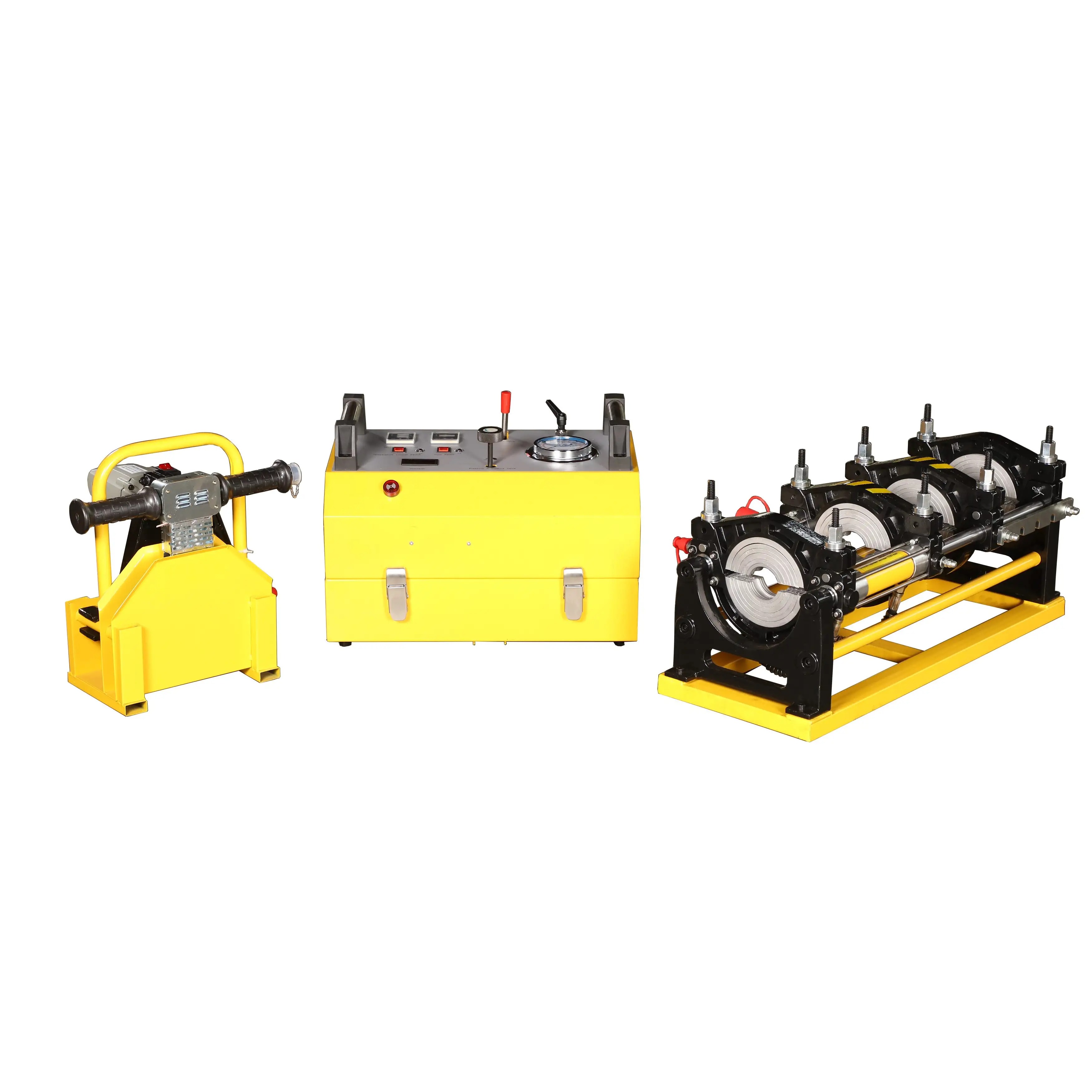
Construction projects demand precision, speed, and reliability from every tool in your arsenal. An hdpe cutting saw stands as a game-changing asset that directly addresses these needs by enabling faster material processing and superior cut quality. Whether you are managing infrastructure development, pipeline installation, or custom fabrication work, the right hdpe cutting saw transforms how your team handles high-density polyethylene materials. The efficiency gains ripple across project timelines, labor costs, and overall operational profitability.
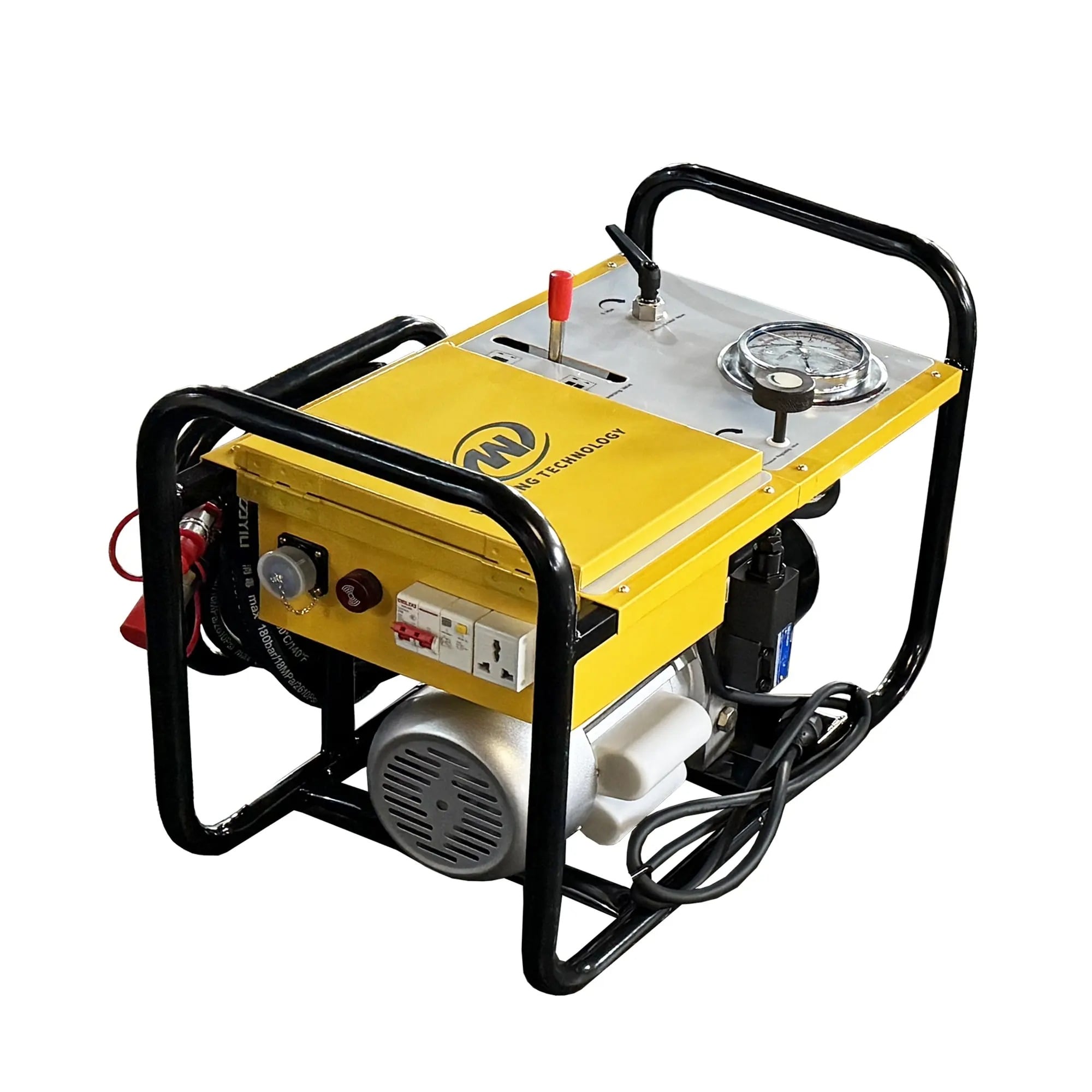
The construction industry increasingly relies on HDPE materials for their durability, flexibility, and chemical resistance. However, traditional cutting methods often introduce inefficiencies, material waste, and safety hazards. An advanced hdpe cutting saw eliminates these friction points by providing controlled, repeatable cuts at higher throughput rates. Understanding how this technology improves your operational workflow is essential for staying competitive in modern construction.
Why HDPE Cutting Saw Technology Delivers Superior Performance
Precision and Accuracy in Material Processing
An hdpe cutting saw engineered for construction applications delivers cuts with minimal deviation and exceptional surface quality. HDPE materials require a cutting approach that prevents crushing, tearing, or stress cracking along the cut edge. The hdpe cutting saw achieves this through calibrated blade speed, optimized tooth geometry, and controlled feed rate mechanics. This precision directly reduces material loss, which accumulates into significant savings on large-scale projects where hundreds or thousands of meters of HDPE piping, sheets, or profiles are processed.
Speed and Production Throughput
Construction timelines are unforgiving, and delays in material preparation cascade through the entire schedule. An hdpe cutting saw accelerates your cutting operations, allowing crews to prepare materials faster and move to installation phases without bottlenecks. Modern designs feature variable speed controls and multi-angle cutting capabilities that adapt to different material thicknesses and project requirements. Teams using an hdpe cutting saw typically report 40 to 60 percent faster cycle times compared to manual cutting methods or general-purpose equipment, directly compressing project duration and labor exposure.
Cost Efficiency and Resource Optimization
Reducing Material Waste and Scrap Loss
Every millimeter of wasted material represents lost investment in supply chain and procurement. An hdpe cutting saw minimizes kerf width and produces clean edges that fit joining systems without rework. This waste reduction becomes pronounced in high-volume applications such as municipal water systems, agricultural drainage networks, or industrial piping networks where kilometers of HDPE are deployed. The cumulative savings from reduced scrap alone justify investment in a dedicated hdpe cutting saw system, particularly for construction firms handling consistent volumes.
Labor Cost and Workforce Productivity
Manual cutting operations consume substantial labor hours and introduce ergonomic strain on crew members. An automated or semi-automated hdpe cutting saw reduces the physical effort required per cut and minimizes fatigue-related errors and safety incidents. Operators spend less time positioning materials, managing hand tools, and recovering from repetitive motion stress. This productivity gain means fewer personnel hours per project and improved employee retention through safer, less demanding work conditions. For construction firms operating on tight margin structures, this labor efficiency directly impacts profitability.
Safety, Consistency, and Operational Reliability
Enhanced Workplace Safety Standards
Construction environments demand rigorous safety protocols, and an hdpe cutting saw built for industrial use incorporates guards, emergency stops, and controlled blade engagement mechanisms that protect operators from contact injuries. HDPE materials can produce high-velocity chips during cutting, and a purpose-built hdpe cutting saw contains these projectiles through enclosures and debris management systems. Standardized equipment operation also reduces variability in how cuts are performed, lowering the likelihood of accidents caused by improvised techniques or equipment misuse.
Repeatability and Quality Assurance
Construction projects increasingly demand dimensional consistency, especially when components must integrate with prefabricated systems or undergo subsequent processing. An hdpe cutting saw delivers repeatable results within tight tolerances across hundreds or thousands of cuts. This consistency simplifies quality control, reduces downstream rework, and ensures that all cut materials meet specifications without requiring secondary finishing. For contractors managing multiple concurrent projects or working under strict compliance standards, this reliability is invaluable.
Practical Applications and Industry Impact
Infrastructure and Municipal Projects
Municipal water and sewer systems increasingly specify HDPE for durability and corrosion resistance. Construction contractors undertaking these projects process large volumes of HDPE pipe, and an hdpe cutting saw becomes essential for maintaining schedule and budget. Site-based cutting with an hdpe cutting saw enables field crews to customize lengths, fit connections, and adapt to unexpected dimensional changes without delays or callbacks to manufacturing facilities.
Industrial and Commercial Installations
Specialized construction applications including chemical processing plants, food production facilities, and agricultural systems rely on HDPE's chemical compatibility and durability. An hdpe cutting saw allows contractors to prepare HDPE components on-site, reducing lead times and enabling responsive project execution. The ability to cut precise lengths and angles transforms HDPE from a standardized product into a customizable solution for complex installations.
FAQ
What makes an HDPE cutting saw different from general-purpose cutting equipment?
An hdpe cutting saw is specifically engineered for the material properties of high-density polyethylene, including controlled blade speed, optimized tooth design, and cooling mechanisms that prevent material melting or deformation. General-purpose tools lack these specifications and typically produce inferior cut quality, higher scrap rates, and safety hazards when used on HDPE. An hdpe cutting saw delivers consistent results tailored to HDPE characteristics, making it the proper choice for construction applications.
How much material waste can an HDPE cutting saw prevent?
An hdpe cutting saw typically reduces kerf width and material loss by 30 to 50 percent compared to manual or general-purpose cutting methods. For large projects processing hundreds of meters of HDPE, this waste reduction translates to thousands of dollars in material savings. The exact savings depend on material thickness, cut complexity, and your current baseline, but most construction firms see measurable cost recovery within the first few projects using an hdpe cutting saw.
Can an HDPE cutting saw handle multi-angle cuts required for complex installations?
Modern hdpe cutting saw systems include adjustable cutting heads and guides that enable angle cuts, beveled edges, and complex geometries required for specialized connections and installations. This versatility expands the tool's utility beyond straight crosscuts and enables contractors to handle diverse project requirements with a single investment. An hdpe cutting saw with these capabilities eliminates the need for multiple equipment purchases and reduces setup complexity on job sites.