
 EN
EN


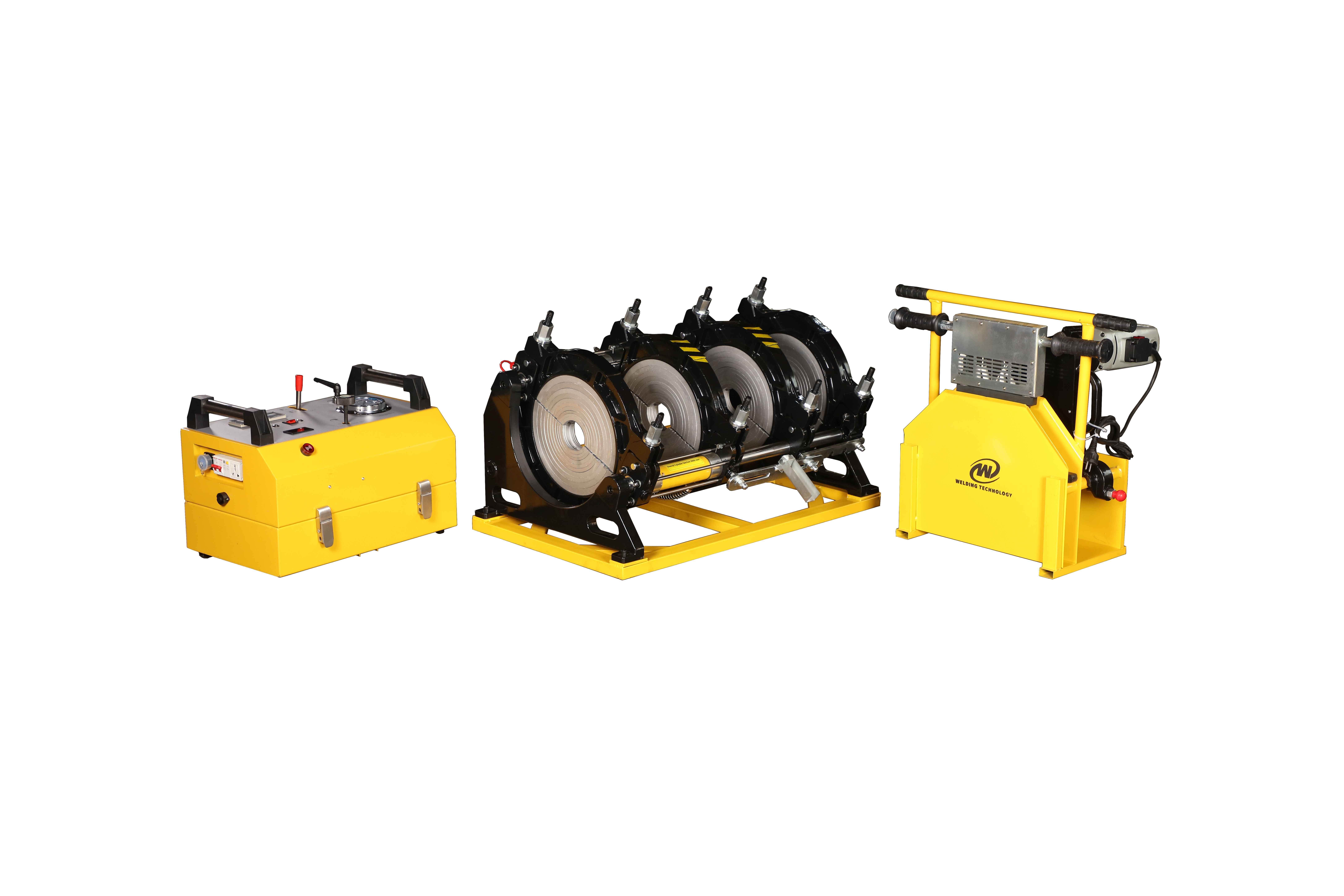
The quality of your pipe cutting directly impacts the integrity of your entire piping system. An hdpe cutting saw represents one of the most critical investments in achieving consistently clean, burr-free cuts that meet industry standards and project specifications. Without the right cutting equipment, you risk compromised joint connections, increased installation time, and potential system failures that can compromise performance and safety in demanding industrial and municipal applications.
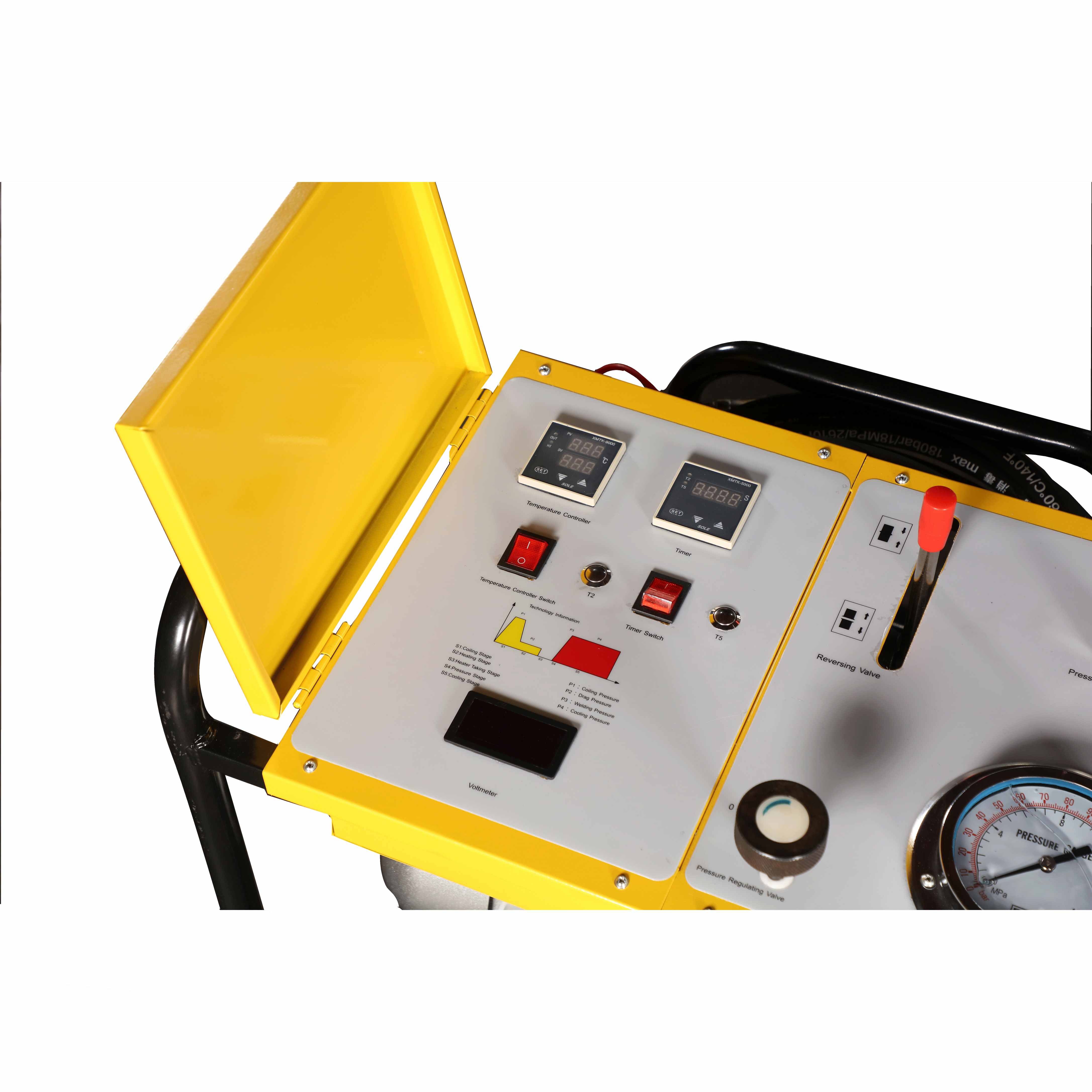
An hdpe cutting saw is specifically engineered to handle the unique material properties of high-density polyethylene, which requires precision and control that standard cutting tools cannot provide. The importance of this specialized equipment extends beyond simple convenience, affecting everything from installation accuracy to long-term system durability and cost efficiency in your operations.
Understanding the Material Properties of HDPE Pipe
Why HDPE Requires Specialized Cutting Solutions
HDPE pipe material behaves distinctly differently from metal pipes during the cutting process. The molecular structure of HDPE requires controlled cutting action to prevent melting, crushing, or irregular edge formation that compromises subsequent fusion joints. An hdpe cutting saw addresses these material-specific challenges by applying the correct blade speed, pressure, and cutting geometry designed explicitly for thermoplastic properties.
When improper cutting tools are used on HDPE pipe, the material can experience thermal degradation, edge delamination, or uneven surfaces that prevent proper socket fusion or butt fusion connections. These defects become apparent only after installation, creating costly rework scenarios and potential system downtime. The precision offered by a dedicated hdpe cutting saw eliminates these risks by delivering consistently square, clean edges that accept fusion heat evenly and completely.
The Impact of Cut Quality on Joint Performance
The quality of your pipe cut directly determines the structural integrity of your fusion joint. An hdpe cutting saw produces edges with minimal surface irregularities, ensuring proper contact between mating surfaces during the fusion process. This contact uniformity is essential because any gap, waviness, or contamination at the cut surface weakens the final joint and creates potential leak paths.
Industry standards for HDPE installations explicitly recognize that clean cuts are prerequisites for certification and warranty compliance. Using a proper hdpe cutting saw ensures your installation meets or exceeds these rigorous requirements, protecting your project reputation and avoiding costly non-compliance issues.
Precision and Efficiency Benefits of the Right Cutting Equipment
Achieving Repeatable Cut Quality Across Large Projects
On large-scale installations involving hundreds or thousands of pipe segments, cutting consistency becomes a critical productivity metric. An hdpe cutting saw enables your installation team to achieve identical cut quality on every piece, eliminating the variability that occurs with manual or improvised cutting methods. This consistency reduces fusion rework, accelerates installation schedules, and improves overall project economics.
The mechanical stability and precision of a dedicated hdpe cutting saw means that operators spend less time troubleshooting edge quality issues and more time advancing installation progress. Training requirements decrease because the equipment itself enforces proper cutting parameters, reducing operator skill dependency and enabling faster crew deployment across multiple project sites.
Reducing Installation Time and Labor Costs
Every minute spent cutting pipe represents direct labor expense on your project budget. An hdpe cutting saw accelerates the cutting phase by delivering quick, clean results without the need for secondary finishing or edge cleanup operations. The time savings multiply across large projects, translating to measurable reductions in total installation cost and schedule compression that benefits your bottom line.
Beyond direct cutting speed, an hdpe cutting saw reduces fusion rework time because joints form correctly on the first attempt. Eliminating rework cycles represents substantial cost recovery compared to manual cutting methods that frequently require re-cutting and re-fusion when initial results fall below specification.
System Reliability and Long-Term Performance Advantages
Preventing Joint Failures and System Integrity Issues
HDPE piping systems operate under demanding conditions including pressure cycling, temperature fluctuations, and environmental stress. The fusion joint quality that results from using a proper hdpe cutting saw directly influences system longevity and reliability throughout the installation lifecycle. Joints formed from clean, precisely cut pipe edges maintain structural integrity and resist failure modes that plague systems installed with inferior cutting methods.
Preventing joint failure is infinitely more cost-effective than managing system repairs, environmental remediation, or catastrophic failure consequences. An hdpe cutting saw protects your project by ensuring every joint meets the fusion quality standards necessary for multi-decade system operation without leaks or performance degradation.
Compliance with Industry Standards and Certification Requirements
Professional HDPE installations must comply with standards established by organizations such as ASTM International and the Plastic Pipe and Fittings Association. These standards explicitly require clean, square pipe cuts as foundational prerequisites for certification and warranty eligibility. An hdpe cutting saw ensures your installation methodology aligns with these institutional requirements, protecting your project certifications and maintaining system warranty validity.
Documentation and certification become increasingly important in regulated industries including water treatment, municipal infrastructure, and chemical transport applications. Using a proper hdpe cutting saw creates an auditable record that your installation process incorporated industry-standard cutting practices, satisfying regulatory review and inspection requirements.
FAQ
What distinguishes an HDPE cutting saw from general-purpose cutting equipment?
An hdpe cutting saw is optimized specifically for thermoplastic material properties, incorporating blade geometry, speed control, and cutting pressure designed explicitly for HDPE. General-purpose saws lack these specialized parameters and cannot produce the clean, burr-free edges required for proper fusion joint formation. The precision and material-specific engineering of an hdpe cutting saw directly translate to superior cut quality that general equipment simply cannot achieve.
How does using an HDPE cutting saw impact project timelines and costs?
An hdpe cutting saw accelerates installation by eliminating edge finishing operations and fusion rework cycles. The consistency it delivers means faster crew deployment and reduced operator training requirements. On large projects, these efficiency gains compound into substantial schedule compression and labor cost reduction, making the investment in proper hdpe cutting saw equipment highly economical compared to improvised cutting approaches.
Are there warranty or compliance implications related to using an HDPE cutting saw?
Yes, professional HDPE installations must meet industry standards that explicitly require clean, square cuts. Using a proper hdpe cutting saw ensures your installation methodology complies with ASTM and association standards, maintaining system warranty validity and satisfying regulatory inspection requirements. This compliance protection represents significant risk mitigation across regulated applications including water infrastructure and industrial transport systems.