
 EN


Manufacturers across industries recognize the critical importance of integrating a welding pipe machine into their production lines. The decision to invest in this specialized equipment reflects a fundamental shift toward automation, consistency, and operational excellence. A welding pipe machine delivers unprecedented control over the welding process, ensuring that every joint meets stringent quality standards while maintaining the speed and throughput that modern manufacturing demands. This technology has become indispensable for organizations seeking to reduce defects, lower labor costs, and enhance competitive positioning in increasingly demanding markets.
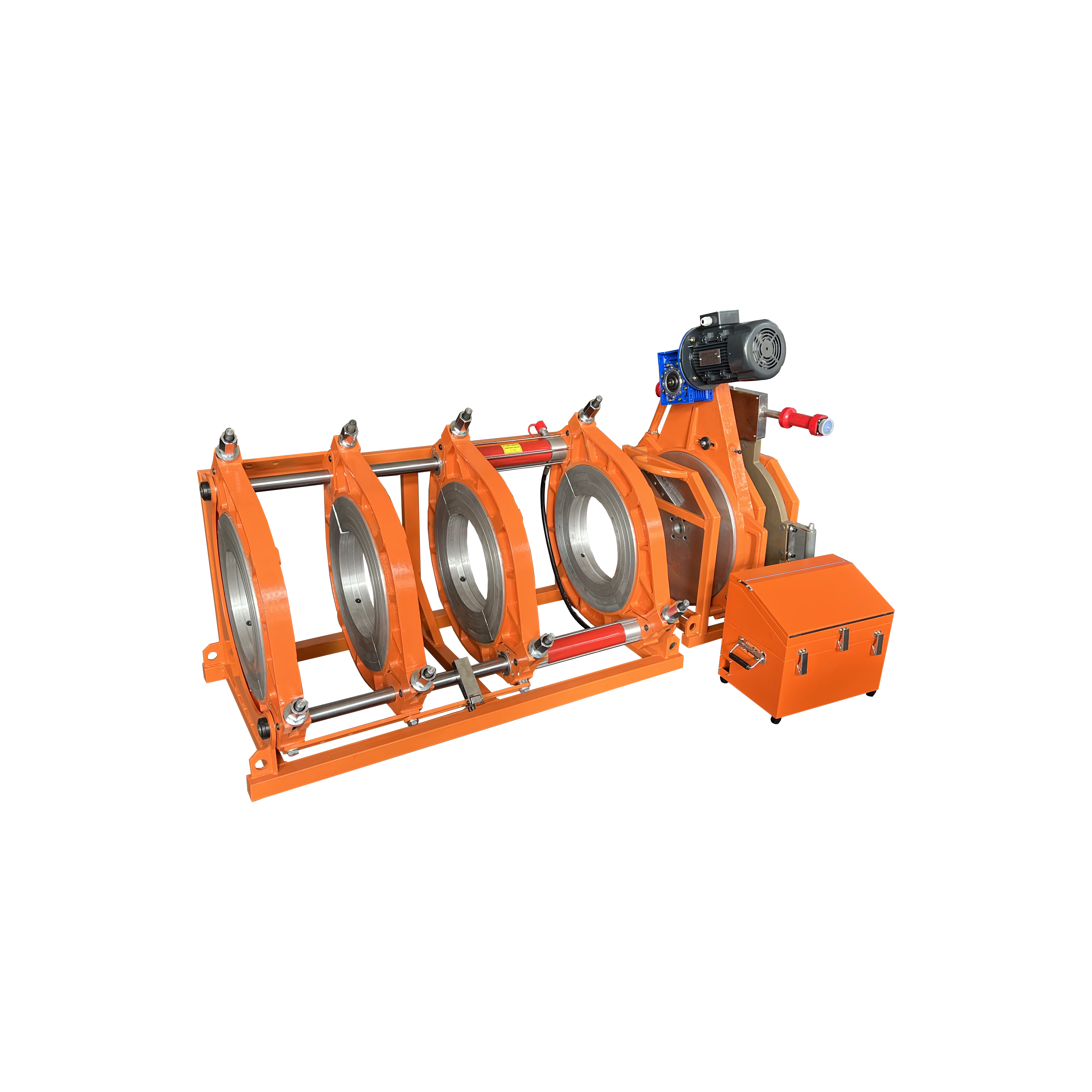
The adoption of a welding pipe machine represents far more than a simple equipment upgrade. It embodies a strategic commitment to process reliability, workforce safety, and product integrity. When manufacturers deploy this equipment in their operations, they gain access to repeatable, measurable outcomes that manual welding simply cannot match. The welding pipe machine transforms production from an art dependent on individual operator skill into a science driven by precise parameters, real-time monitoring, and documented traceability. This shift creates competitive advantages that extend across quality, cost, and time-to-market metrics.
Precision and Consistency in Joint Quality
Eliminating Variability Through Automation
A welding pipe machine operates within tightly defined parameters that remain constant across every cycle. Unlike manual welders whose performance varies based on fatigue, experience level, and environmental conditions, a welding pipe machine delivers identical weld profiles, penetration depths, and bead geometries. This consistency is critical in industries where pipe integrity directly impacts safety and performance. The welding pipe machine can be programmed to execute precise arc travel speeds, heat input levels, and cooling sequences that produce welds meeting or exceeding industry specifications every single time. Manufacturers benefit from dramatically reduced scrap rates, fewer rework cycles, and enhanced customer confidence in product reliability.
Meeting Rigorous Industry Standards
Industry codes and standards such as ASME, API, and ISO demand welds that meet strict criteria for strength, ductility, and defect tolerance. A welding pipe machine provides the repeatability required to consistently achieve these certifications. The equipment incorporates monitoring systems that track heat input, travel speed, and cooling rates throughout each weld cycle. When a welding pipe machine detects parameters drifting outside acceptable ranges, it alerts operators and records deviations for quality documentation. This capability enables manufacturers to maintain compliance documentation with confidence, reducing audit risk and supporting customer qualification audits. The welding pipe machine transforms quality assurance from a reactive inspection process into a proactive, data-driven system.
Operational Efficiency and Cost Reduction
Accelerating Production Throughput
A welding pipe machine operates continuously at optimized speeds, unaffected by operator fatigue or skill variation. This consistency translates to predictable cycle times and reliable production schedules. Manufacturers can calculate exact production capacity, plan delivery timelines with confidence, and optimize workflow around the welding pipe machine's proven output rates. The speed advantage becomes particularly significant on high-volume orders where a welding pipe machine running consistently outperforms manual crews by substantial margins. Over a production run of thousands of pipe joints, these cumulative time savings compound into significant competitive advantages. The welding pipe machine enables manufacturers to meet aggressive delivery windows while maintaining quality, a combination that strengthens customer relationships and market reputation.
Reducing Labor Costs and Improving Safety
While a welding pipe machine requires capital investment, it significantly reduces direct labor requirements per unit produced. Operators transition from executing repetitive welding tasks to roles focused on machine setup, monitoring, and quality verification. This shift reduces workforce exposure to welding fumes, intense heat, and repetitive strain injuries associated with manual welding. A welding pipe machine creates safer working conditions while allowing manufacturers to reassign skilled personnel toward higher-value tasks such as process optimization and troubleshooting. The combination of lower hourly labor requirements and improved workplace safety makes the welding pipe machine attractive from both financial and ethical perspectives. Organizations investing in this equipment demonstrate commitment to workforce well-being while simultaneously improving margins.
Strategic Competitive and Compliance Advantages
Building Market Differentiation
Manufacturers equipped with a welding pipe machine gain visibility in competitive bids and customer discussions. Clients seeking reliable suppliers value the assurance that comes from automated, traceable production processes. A welding pipe machine enables manufacturers to offer superior warranties, shorter lead times, and documented quality certifications that distinguish them from competitors relying on manual processes. This differentiation becomes especially valuable in regulated industries such as oil and gas, power generation, and chemical processing where supply chain visibility and quality documentation carry premium value. The welding pipe machine positions manufacturers as technology-forward, reliable partners capable of handling complex requirements.
Meeting Evolving Customer and Regulatory Demands
Global supply chains increasingly demand traceability, quality certification, and environmental compliance from suppliers. A welding pipe machine generates detailed production records that satisfy these requirements while supporting continuous improvement initiatives. Manufacturers can demonstrate precisely how each component was produced, creating transparency that builds customer confidence and supports regulatory compliance. The welding pipe machine also reduces material waste through optimized heat input and consistent joint geometry, supporting sustainability goals that customers and regulators increasingly demand. By investing in a welding pipe machine, manufacturers position themselves to meet tomorrow's requirements today, avoiding the disruption of retrofitting or process changes later.
FAQ
What specific types of pipes can a welding pipe machine handle?
A welding pipe machine accommodates various pipe materials including carbon steel, stainless steel, and alloy compositions across a range of diameters and wall thicknesses. Modern welding pipe machine systems feature adjustable parameters and interchangeable tooling that enable operators to quickly reconfigure for different pipe specifications. The versatility of a welding pipe machine makes it suitable for manufacturers serving diverse customer bases with varying pipe requirements. Specific capability depends on the welding pipe machine model and configuration, so manufacturers should verify specifications against their production portfolio before equipment selection.
How does a welding pipe machine contribute to reducing downtime?
A welding pipe machine minimizes unplanned downtime through predictable operation, reduced rework requirements, and built-in diagnostic systems that identify maintenance needs before critical failures occur. The consistency provided by a welding pipe machine means fewer defects requiring rework, which would otherwise interrupt production flow. Preventive maintenance schedules for a welding pipe machine are well-established and manageable, allowing manufacturers to plan maintenance during scheduled downtime rather than experiencing unexpected interruptions. The reliability of a welding pipe machine contributes directly to overall equipment effectiveness and production continuity.
What training is required for operators to use a welding pipe machine?
Operators require training in machine setup, parameter programming, safety protocols, and basic troubleshooting for a welding pipe machine, but the learning curve is significantly shorter than becoming a skilled manual welder. Most manufacturers can train operators on a welding pipe machine within days or weeks rather than months or years. Equipment suppliers typically provide comprehensive training programs covering equipment operation, maintenance, and quality verification. Organizations investing in a welding pipe machine should budget for initial training and ongoing skill development to maximize equipment utilization and maintain consistent output quality.