
 EN


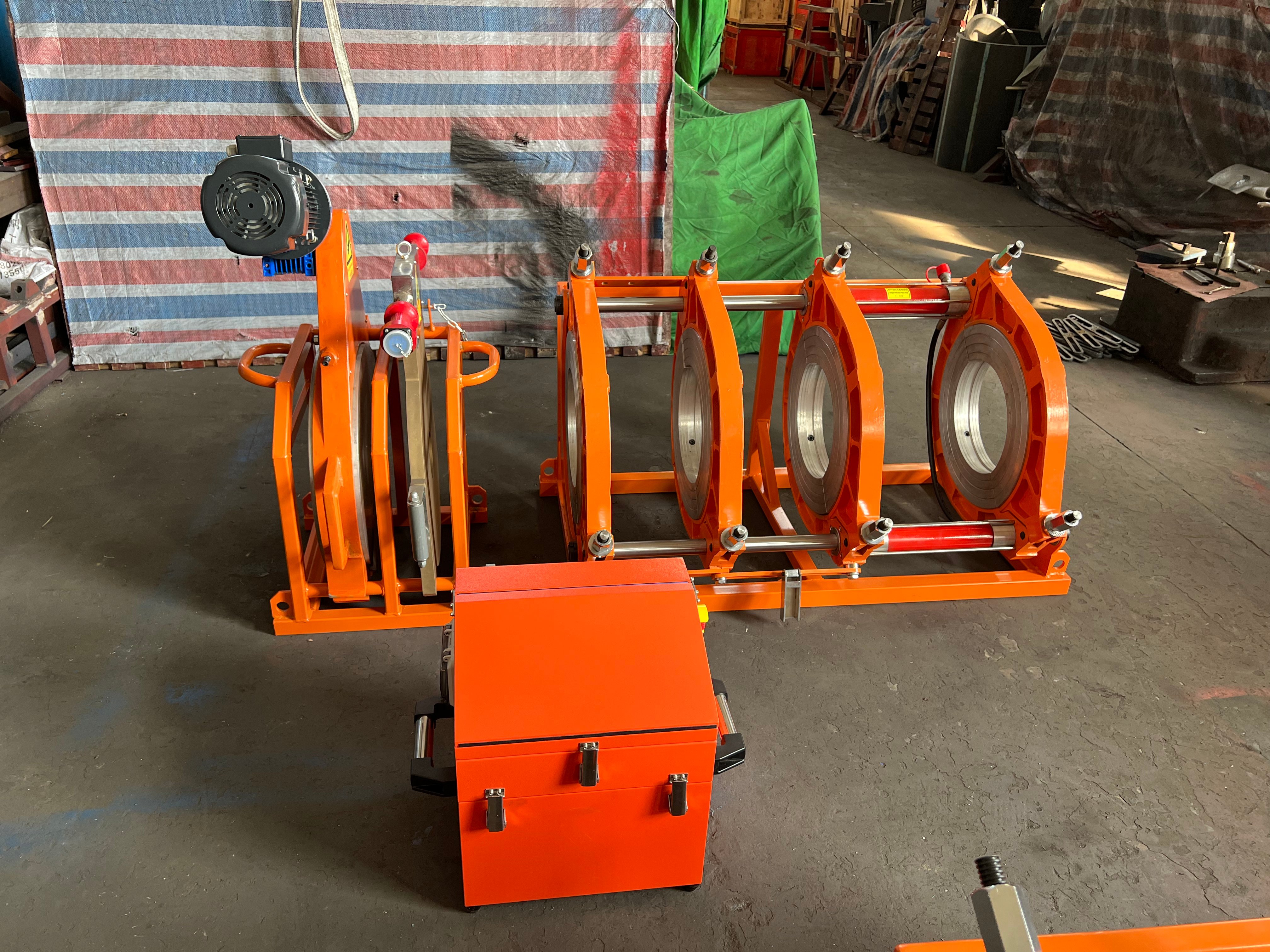
Manufacturing facilities worldwide recognize that production efficiency directly impacts profitability and competitiveness. An automatic welding machine stands as one of the most transformative technologies available to modern industrial operations. By automating the welding process, these systems dramatically reduce labor dependency, minimize defects, and accelerate output rates. Understanding how an automatic welding machine enhances production efficiency is essential for any facility seeking to optimize operational performance and maintain market leadership in today's demanding industrial landscape.
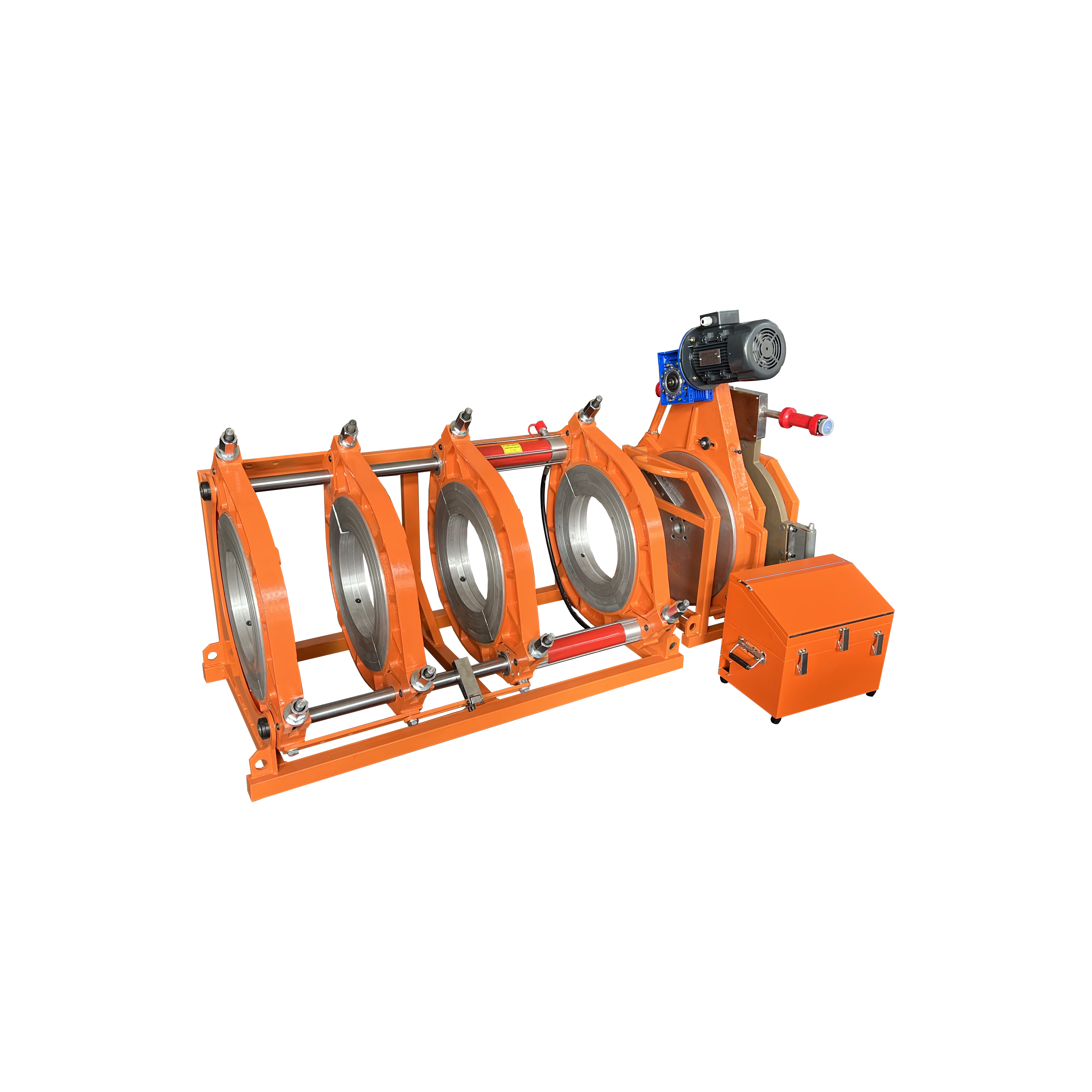
The integration of an automatic welding machine into your production workflow represents a strategic investment that yields measurable returns. Modern automatic welding systems combine precision engineering with advanced control systems to deliver consistent weld quality while operating continuously at speeds that far exceed manual capabilities. The efficiency gains achieved through implementing an automatic welding machine extend beyond raw production speed to encompass quality consistency, operator safety, and resource optimization. This article explores the specific mechanisms through which an automatic welding machine improves production efficiency and the tangible benefits manufacturers experience when adopting this technology.
How Automatic Welding Machines Reduce Production Cycle Times
Continuous Operation and Speed Advantages
Traditional manual welding inherently limits production capacity because welders require breaks, experience fatigue, and work at variable speeds depending on complexity and environmental conditions. An automatic welding machine operates without these limitations, maintaining consistent welding speeds throughout an entire production run. The automatic welding machine can complete joints in seconds rather than minutes, transforming weekly production targets into daily achievements. This acceleration directly translates to reduced lead times, faster order fulfillment, and higher throughput per facility.
Elimination of Manual Process Steps
An automatic welding machine streamlines the entire welding workflow by eliminating time-consuming manual setup and adjustment tasks. Operators no longer spend hours positioning components, adjusting torches, or fine-tuning parameters for each joint. The automatic welding machine handles part alignment, heat application, and welding coordination automatically. This efficiency improvement compounds across production runs, creating significant cumulative time savings that free operators to focus on quality monitoring and equipment maintenance rather than repetitive manual operations.
Improving Weld Quality and Consistency Through Automation
Precision Control and Repeatability
An automatic welding machine delivers unmatched precision because computer-controlled systems follow exact parameters consistently with every weld. Unlike manual welders whose technique varies based on fatigue, experience level, or environmental factors, an automatic welding machine executes identical motion sequences and applies identical heat profiles to every joint. This consistency dramatically reduces rework rates, scrap generation, and customer returns. Facilities using an automatic welding machine experience measurable improvements in first-pass yield rates, directly enhancing production efficiency by eliminating the waste associated with defective work.
Reduced Defect Rates and Material Waste
The precision capabilities of an automatic welding machine substantially lower defect rates compared to manual welding. Inconsistent weld penetration, porosity, and weak joints become rare when an automatic welding machine maintains exact temperature profiles, travel speeds, and arc lengths. This quality improvement reduces material waste from scrap and minimizes expensive rework activities. Facilities report that implementing an automatic welding machine typically reduces defect rates by 70 to 90 percent, recovering material costs and labor hours previously lost to quality issues.
Optimizing Labor Utilization and Operational Costs
Strategic Workforce Reallocation
Deploying an automatic welding machine does not eliminate welding jobs; instead, it transforms the role of welding personnel toward higher-value activities. Rather than performing repetitive manual welding, operators employed with an automatic welding machine focus on equipment programming, quality inspection, troubleshooting, and process optimization. This shift elevates workforce productivity by reducing time spent on monotonous tasks and increasing time invested in decision-making roles. An automatic welding machine enables one operator to oversee multiple welding stations simultaneously, multiplying effective labor output without proportional hiring increases.
Reduction in Labor-Related Production Losses
Manual welding operations suffer production interruptions due to operator fatigue, lunch breaks, shift changes, and skill-related variations. An automatic welding machine operates continuously regardless of shift schedules or personnel availability, maintaining constant production momentum. Facilities equipped with an automatic welding machine experience fewer bottlenecks caused by operator absence or performance fluctuations. The stable, predictable output rate enabled by an automatic welding machine simplifies production scheduling, improves inventory management, and enhances the facility's ability to meet delivery commitments consistently.
Integration with Modern Manufacturing Systems
Data Collection and Process Optimization
Contemporary automatic welding machines feature sophisticated sensors and data logging systems that track every parameter throughout the welding process. An automatic welding machine captures voltage, amperage, travel speed, and other variables, creating detailed records of each weld performed. This data enables continuous process refinement, allowing manufacturers to identify optimization opportunities and detect early equipment degradation before failures occur. The analytical capabilities of an automatic welding machine transform reactive maintenance into predictive maintenance, preventing production disruptions and extending equipment service life.
Scalability and Flexible Production
An automatic welding machine accommodates production scaling without proportional increases in facility footprint or labor costs. As demand fluctuates, manufacturers can reprogram an automatic welding machine to adjust production rates, switch between product variants, or optimize parameters for different material types. This flexibility enables facilities to respond rapidly to market changes while maintaining efficiency advantages. An automatic welding machine scales production capacity through software adjustments rather than physical expansion, providing cost-effective growth strategies that sustain competitive advantages in dynamic markets.
FAQ
What specific measurable improvements result from implementing an automatic welding machine?
Facilities implementing an automatic welding machine typically achieve 60 to 80 percent increases in welding throughput, 70 to 90 percent reductions in defect rates, and 40 to 50 percent decreases in overall production cycle times. An automatic welding machine also reduces material waste by 50 to 70 percent through improved consistency and lowers labor costs per unit by enabling operators to manage multiple automated stations. Return on investment timelines typically range from 18 to 36 months depending on production volume and joint complexity.
How does an automatic welding machine maintain quality while increasing speed?
An automatic welding machine decouples speed from quality because computer systems optimize welding parameters for each specific joint type, material composition, and thickness. Rather than rushing through welds carelessly, an automatic welding machine executes precisely calculated motion sequences at optimal speeds that balance production velocity with penetration requirements. Real-time monitoring systems within the automatic welding machine detect anomalies immediately, triggering alerts or automatic adjustments to maintain specified quality standards throughout production runs.
Can an automatic welding machine adapt to different product types and production requirements?
Modern automatic welding machine systems feature programmable controllers that store multiple welding profiles for different component geometries, material types, and joint configurations. Operators transition an automatic welding machine between product lines by simply selecting the appropriate program, enabling rapid changeovers without physical reconfiguration. An automatic welding machine accommodates both high-volume standardized production and flexible batch manufacturing, making this technology suitable for diverse industrial applications across manufacturing sectors.