
 EN


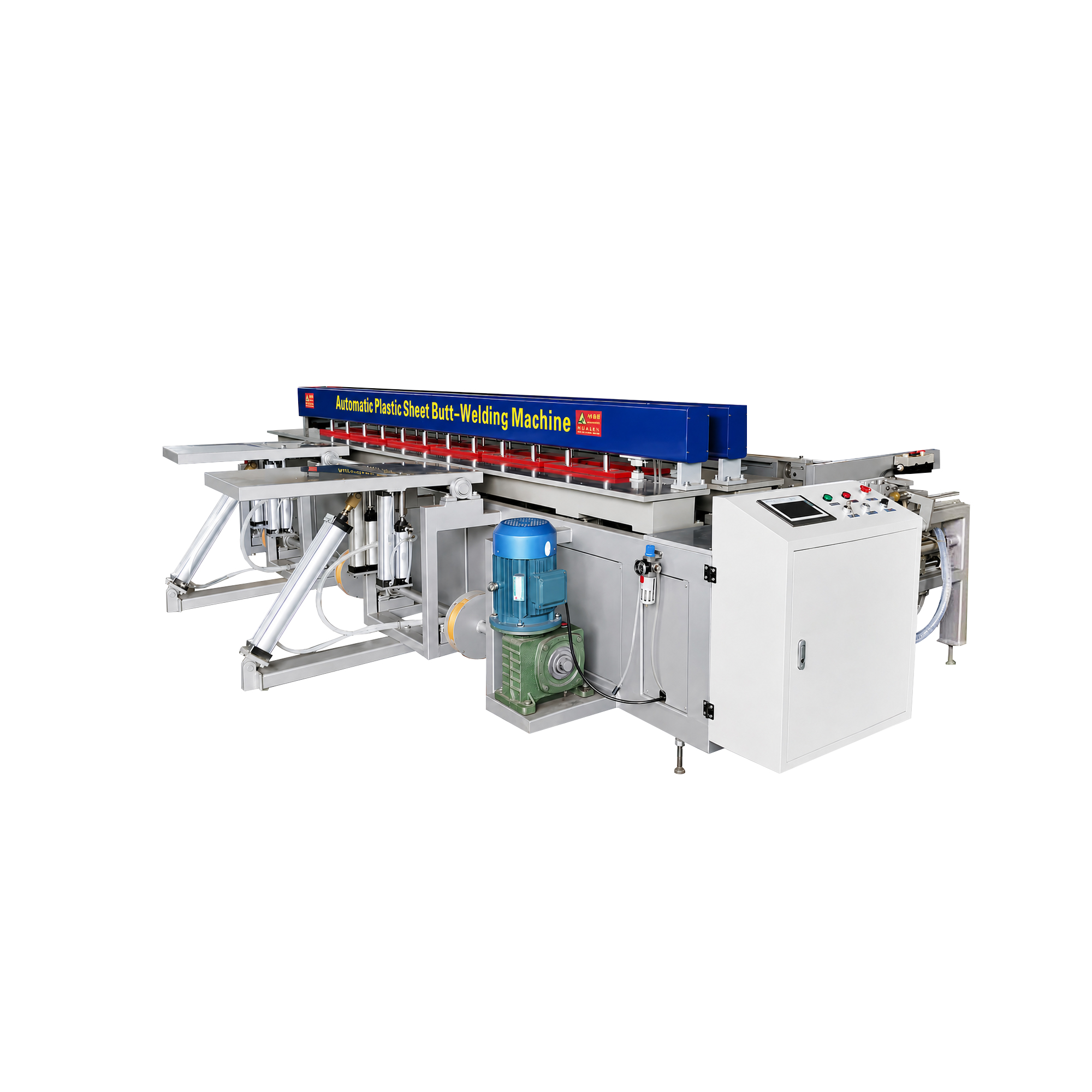
Manufacturers across industries rely on a plastic sheet butt welding machine to achieve strong, consistent, and reliable joints in plastic materials. This technology has become fundamental to modern plastic fabrication because it addresses critical challenges in joining large plastic sheets without compromising material integrity. The plastic sheet butt welding machine method produces welds with superior strength compared to adhesive bonding, making it the preferred choice for applications demanding long-term durability and structural reliability.
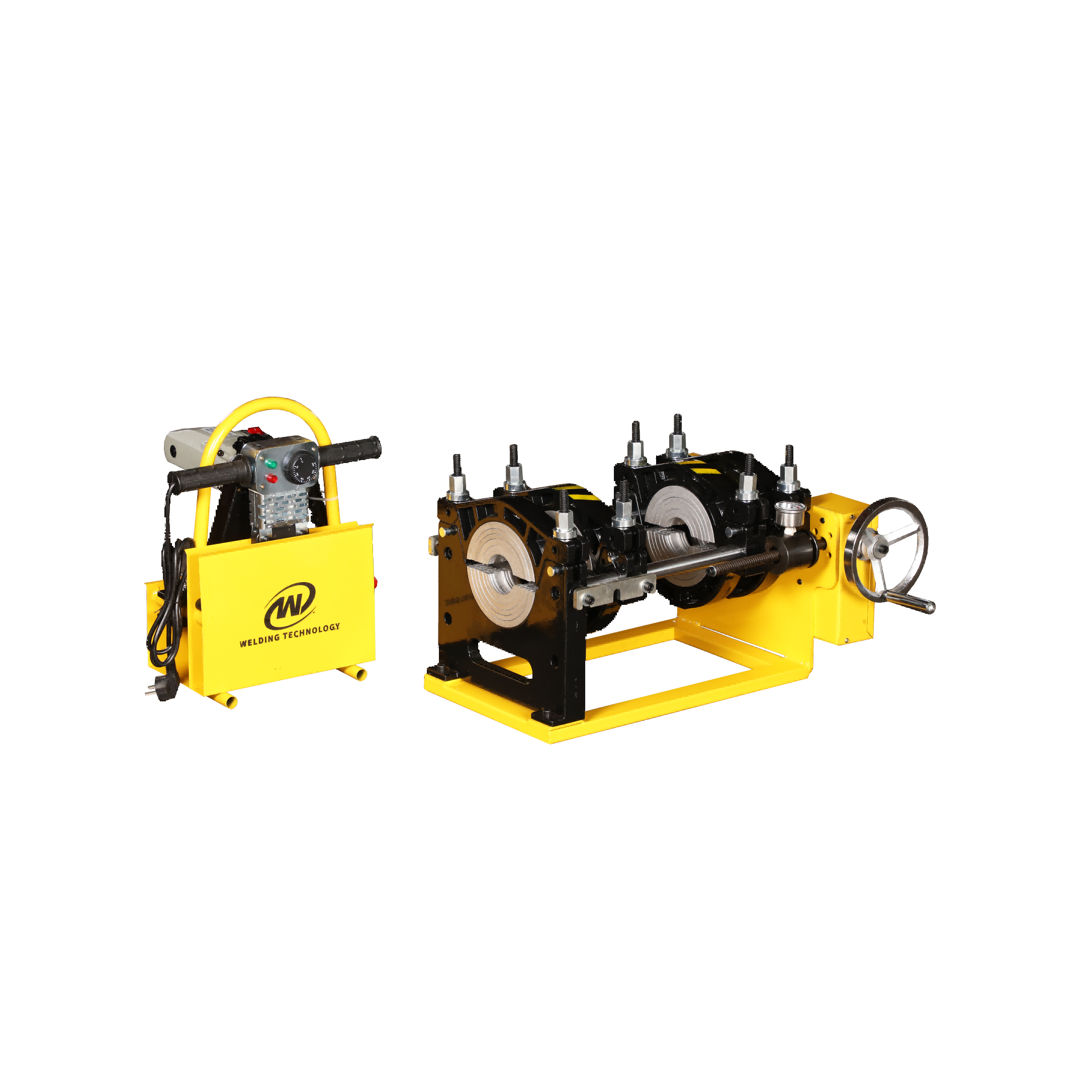
The decision to implement a plastic sheet butt welding machine in manufacturing operations reflects strategic thinking about quality, cost efficiency, and production flexibility. Manufacturers recognize that investing in this equipment reduces defect rates, minimizes material waste, and enables faster production cycles compared to alternative joining methods. A plastic sheet butt welding machine integrates thermal control, precision alignment, and automated pressure application to create welds that meet or exceed industry standards, making it an essential tool for competitive manufacturers.
Superior Weld Quality and Material Properties
Achieving Molecular-Level Bond Strength
When a plastic sheet butt welding machine operates, it heats the edges of plastic sheets to their melting point and applies controlled pressure to fuse them together. This process creates a molecular bond that integrates the plastic material at the atomic level, resulting in joints that are as strong as the parent material itself. Unlike adhesive methods, which create a separate adhesive layer vulnerable to degradation, a plastic sheet butt welding machine produces homogeneous welds where the plastic flows and reforms as a single unified mass. This fundamental difference explains why industries with stringent performance requirements prefer this technology.
Consistency and Repeatability Advantages
A plastic sheet butt welding machine delivers consistent results across thousands of production cycles because the process operates within precisely controlled parameters. Temperature, pressure, and heating duration are programmed and monitored electronically, eliminating human variables that cause inconsistency with manual joining methods. Manufacturers benefit from reduced quality variation, fewer rejected parts, and predictable mechanical properties in the finished product. When every plastic sheet butt welding machine cycle produces identical welds, manufacturers can confidently guarantee product performance to their customers.
Cost Reduction and Production Efficiency
Minimizing Material Waste and Rework
A plastic sheet butt welding machine significantly reduces material loss compared to mechanical fastening or adhesive bonding approaches. Fastening methods require material removal for drilling holes and create stress concentrations at fastener locations that may cause premature failure. Adhesive approaches often result in squeeze-out waste and require clamping space around joint areas. Conversely, a plastic sheet butt welding machine uses the plastic material itself as the joining medium, eliminating waste materials and allowing joints to be positioned exactly where needed. This efficiency directly improves material yield and lowers per-unit production costs.
Accelerating Production Throughput
Speed is another compelling reason manufacturers adopt a plastic sheet butt welding machine for their operations. The welding cycle typically completes in seconds to minutes depending on sheet thickness and material type, allowing manufacturers to process significantly more assemblies per shift. Modern plastic sheet butt welding machine systems include features like automated part loading, integrated cooling stations, and conveyor integration that further accelerate throughput. When production times decrease without sacrificing quality, manufacturers gain competitive advantage through higher output capacity and lower labor costs per unit.
Versatility Across Materials and Applications
Compatibility with Multiple Plastic Types
A plastic sheet butt welding machine successfully joins thermoplastic materials including polyethylene, polypropylene, PVC, and specialized engineering plastics. Different materials require different temperature and pressure settings, but the same plastic sheet butt welding machine equipment can be reconfigured for multiple material types. This versatility allows manufacturers to use one machine across different product lines and production runs, maximizing equipment utilization and reducing capital investment requirements. Manufacturers who work with diverse plastic materials particularly value the flexibility that a plastic sheet butt welding machine provides.
Meeting Diverse Industry Requirements
Industries ranging from chemical storage tank fabrication to automotive fluid delivery systems depend on a plastic sheet butt welding machine to create reliable products. Geomembranes for environmental containment, large plastic water tanks, and automotive fuel system components all benefit from the strong, durable joints produced by this technology. A plastic sheet butt welding machine adapts to different sheet thicknesses and part geometries, serving manufacturers across sectors with varying specifications and performance demands. This broad applicability explains why a plastic sheet butt welding machine has become an industry standard across multiple manufacturing sectors.
Environmental and Safety Advantages
Eliminating Harmful Adhesive Emissions
A plastic sheet butt welding machine eliminates the need for solvent-based adhesives that emit volatile organic compounds and create workplace health hazards. The thermal welding process uses only heat and pressure, producing no chemical residue, toxic fumes, or environmental contaminants. Manufacturers using a plastic sheet butt welding machine reduce their regulatory compliance burden related to adhesive storage, handling, and disposal. Workers experience improved air quality and reduced exposure to harmful chemicals, creating safer manufacturing environments while supporting environmental responsibility goals.
Improving Workplace Safety and Hygiene
A plastic sheet butt welding machine incorporates safety features including temperature monitoring, automatic shutoff systems, and enclosed operating chambers that protect workers from thermal hazards. The equipment eliminates skin contact risks associated with adhesive application and the respiratory exposure linked to solvent fumes. Modern plastic sheet butt welding machine models include ergonomic design features that reduce repetitive strain injuries and operator fatigue during extended production runs. These safety improvements protect worker well-being while reducing insurance claims and workers' compensation costs for manufacturers.
FAQ
What plastic materials can be joined using a plastic sheet butt welding machine?
A plastic sheet butt welding machine successfully joins thermoplastic materials including polyethylene, polypropylene, PVC, HDPE, LDPE, and many engineering plastics. The equipment cannot weld thermoset plastics or composite materials that contain fibers. Material compatibility depends on the plastic sheet butt welding machine temperature capabilities and the material's melting point. Manufacturers should verify their specific material against equipment specifications before operation.
How does a plastic sheet butt welding machine compare to other joining methods like adhesives or fasteners?
A plastic sheet butt welding machine creates stronger, more durable joints than adhesive bonding because it produces molecular fusion rather than a separate adhesive layer. Compared to mechanical fastening, a plastic sheet butt welding machine eliminates stress concentrations from holes and fasteners while reducing weight and part complexity. A plastic sheet butt welding machine welds are faster to produce, generate less waste, and provide superior long-term performance in demanding applications, making it the preferred choice for manufacturers prioritizing reliability and efficiency.
What maintenance does a plastic sheet butt welding machine require for optimal performance?
Regular maintenance of a plastic sheet butt welding machine includes cleaning heating elements to prevent plastic buildup, checking alignment mechanisms for accuracy, and inspecting pressure systems for leaks. Manufacturers should calibrate temperature sensors periodically to ensure accurate thermal control throughout the plastic sheet butt welding machine's operational life. Following the manufacturer's maintenance schedule and keeping detailed service records ensures consistent weld quality and extends equipment lifespan, protecting the manufacturer's investment in this critical technology.