
 EN


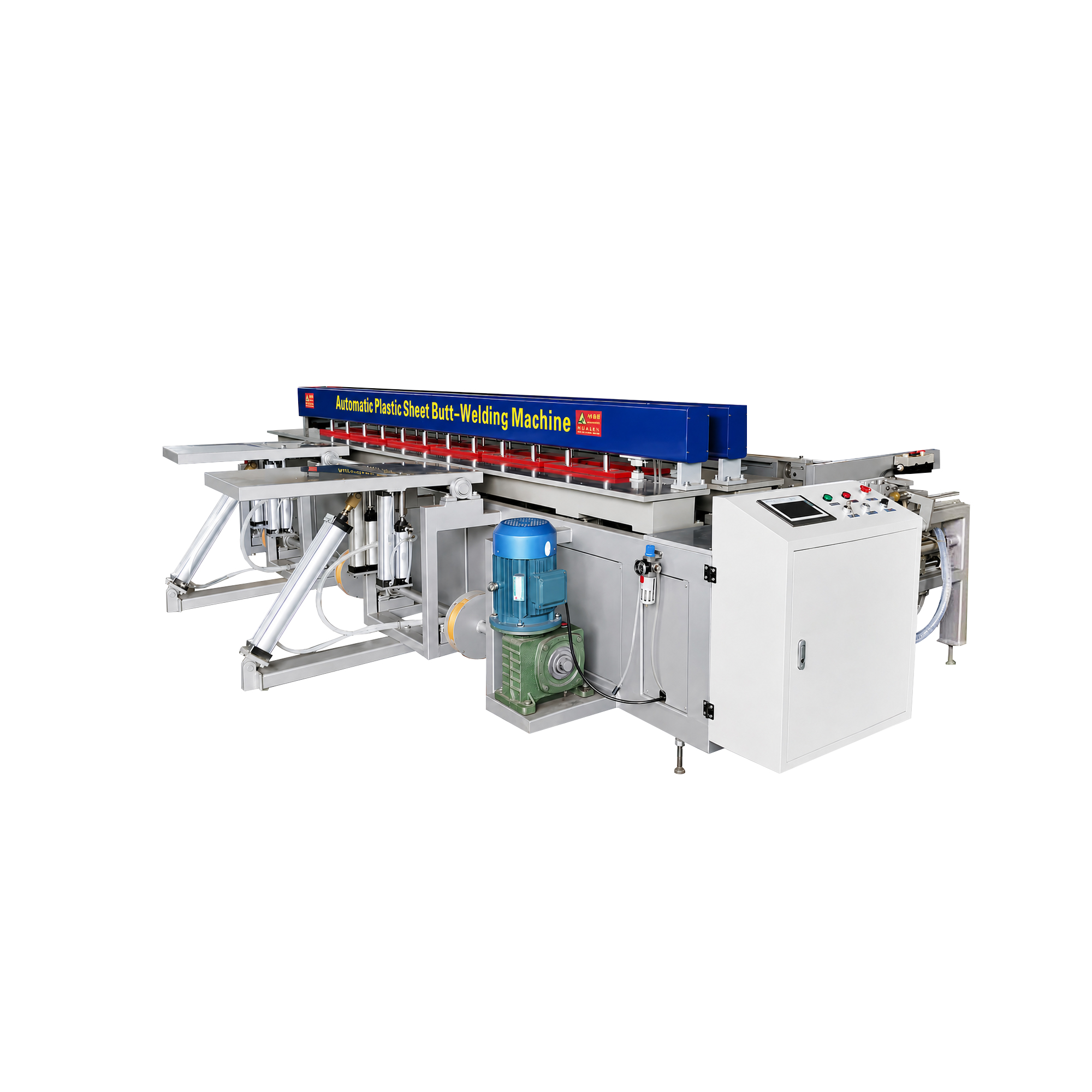
A plastic sheet butt welding machine represents one of the most critical investments in modern fabrication operations. For manufacturers working with thermoplastic materials, the plastic sheet butt welding machine has become indispensable to achieving consistent, high-quality joints that meet industry standards. The importance of a plastic sheet butt welding machine extends far beyond simple material joining—it directly impacts production efficiency, product reliability, and overall operational cost management. Understanding why a plastic sheet butt welding machine matters requires examining its role in the fabrication workflow and the tangible benefits it delivers to businesses across diverse industrial sectors.
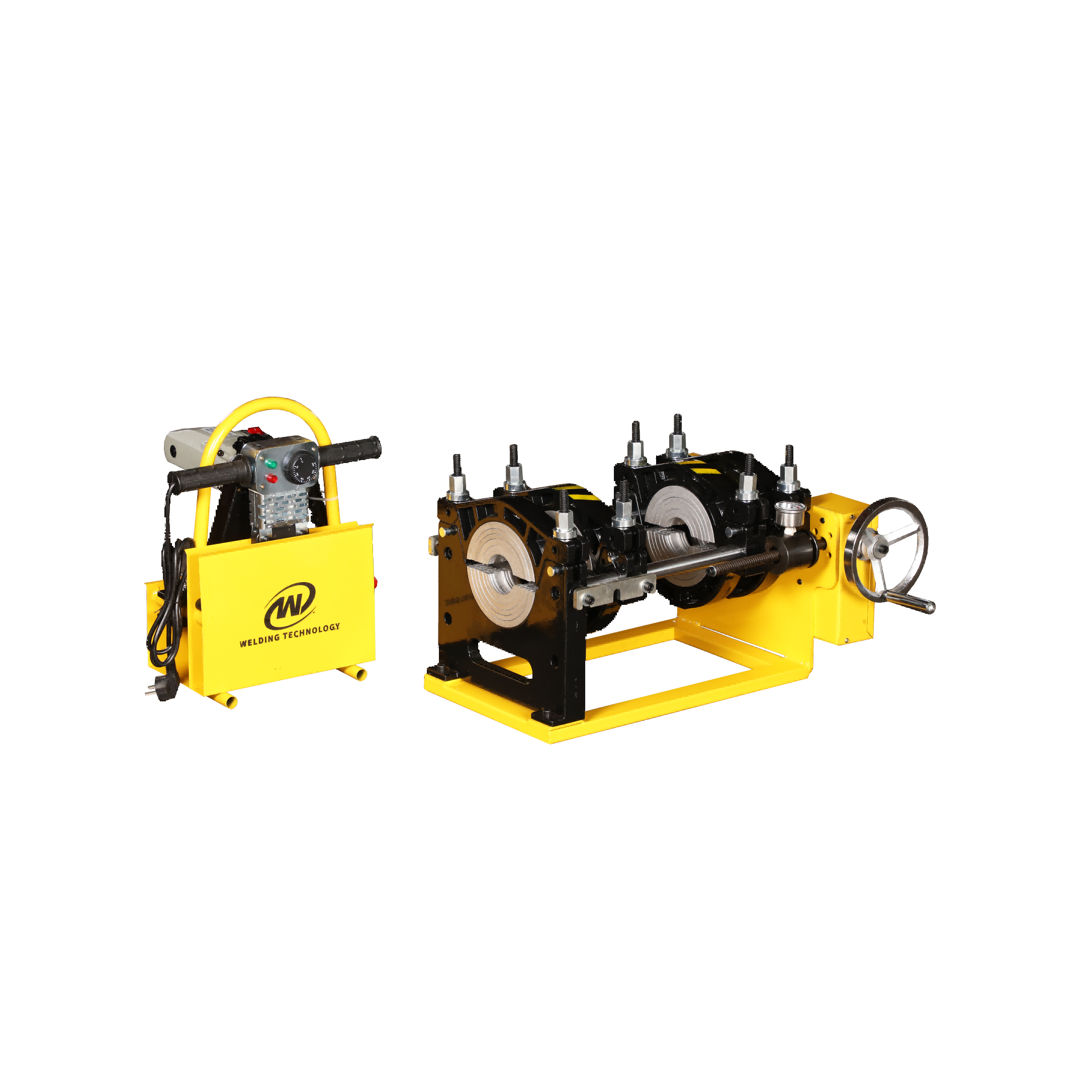
In today's competitive fabrication environment, manufacturers cannot afford inconsistent weld quality or production delays. A plastic sheet butt welding machine eliminates the unpredictability of manual joining methods by automating the welding process with precise temperature control, consistent heating duration, and uniform pressure application. The technology behind a plastic sheet butt welding machine ensures that every joint produced meets exact specifications, reducing scrap rates and rework expenses. This level of precision transforms raw plastic sheets into components ready for immediate deployment in automotive, piping, roofing, and specialized industrial applications.
Quality and Precision in Joint Creation
Achieving Consistent Weld Integrity
The primary advantage of using a plastic sheet butt welding machine lies in its ability to produce joints with exceptional consistency. When two plastic sheets are joined using a plastic sheet butt welding machine, the equipment heats the mating surfaces to an optimal temperature that allows polymer chains to interlock and fuse. This molecular-level bonding process cannot be reliably replicated through manual techniques, which introduces human variability. A plastic sheet butt welding machine maintains exact thermal profiles throughout production runs, ensuring that every weld exhibits identical strength characteristics and durability. This consistency directly translates to reduced warranty claims, fewer field failures, and enhanced reputation in the marketplace.
Reducing Defects and Material Waste
Material waste represents a significant cost burden in fabrication environments. A poorly executed manual weld often requires complete rework or material disposal, whereas a plastic sheet butt welding machine's precision minimizes defects from inception. The equipment's automated controls prevent common issues such as insufficient melting depth, thermal degradation, or uneven pressure distribution. By reducing defective joints to near-zero levels, a plastic sheet butt welding machine enables manufacturers to maximize material yield and reduce per-unit production costs. Additionally, the repeatability of a plastic sheet butt welding machine means that design engineers can reliably predict joint performance, allowing for thinner wall sections and optimized material utilization across product designs.
Operational Efficiency and Production Capability
Accelerating Throughput Without Compromising Quality
Production speed remains a critical competitive differentiator in manufacturing. A plastic sheet butt welding machine dramatically increases output velocity compared to manual or semi-automated alternatives. The equipment completes individual welds in a fraction of the time required for slower methods, enabling manufacturers to fulfill larger orders within tight deadlines. When integrated into a fabrication workflow, a plastic sheet butt welding machine becomes the foundation for meeting ambitious production targets. The speed advantage of a plastic sheet butt welding machine does not sacrifice quality—in fact, consistent automation often improves joint performance by eliminating fatigue-related errors that accumulate during extended manual operations.
Scalability and Operational Flexibility
Growth-oriented fabrication shops require equipment that adapts to changing production demands. A plastic sheet butt welding machine accommodates varying sheet thicknesses, material types, and geometries through programmable settings and quick-change tooling configurations. This flexibility enables manufacturers using a plastic sheet butt welding machine to serve multiple market segments and product lines using a single versatile platform. The ability to rapidly transition between different welding parameters makes a plastic sheet butt welding machine an economical choice for job shops and contract manufacturers facing diverse customer requirements. Operational scalability directly reduces capital expenses compared to purchasing multiple specialized machines.
Long-Term Cost Management and Business Impact
Calculating Return on Investment
The investment in a plastic sheet butt welding machine yields quantifiable returns through reduced labor requirements, diminished material scrap, and decreased rework cycles. A plastic sheet butt welding machine typically requires only one operator to manage setup and material handling, whereas multiple skilled technicians would be necessary for equivalent manual production output. Labor cost reduction alone justifies the equipment purchase within 12–24 months for most industrial operations. Beyond direct labor savings, a plastic sheet butt welding machine eliminates waste-related expenses and reduces inventory holding costs by ensuring first-pass acceptance rates exceed 98 percent. Organizations that deploy a plastic sheet butt welding machine often discover additional financial benefits through extended equipment lifespan, improved customer retention, and enhanced market competitiveness.
Supporting Regulatory Compliance and Quality Standards
Industrial applications frequently require compliance with stringent quality standards and regulatory frameworks. A plastic sheet butt welding machine creates comprehensive documentation trails that satisfy ISO 9001, aerospace specifications, and industry-specific requirements. The equipment's consistency enables manufacturers to provide certification data proving that every joint meets specified performance criteria. A plastic sheet butt welding machine transforms compliance from a reactive burden into a proactive competitive advantage, allowing manufacturers to confidently serve highly regulated markets such as medical device fabrication, petrochemical applications, and automotive systems. This capability opens revenue opportunities that manual processes simply cannot support.
FAQ
What materials can a plastic sheet butt welding machine process?
A plastic sheet butt welding machine primarily processes thermoplastic materials, including polyethylene, polypropylene, polyvinyl chloride, and polyvinylidene fluoride. The machine's heating elements and pressure systems can be calibrated for each material's specific melting temperature and pressure requirements. Manufacturers can consult material specification sheets to determine whether their applications are compatible with a plastic sheet butt welding machine technology. Different thermoplastics require different parameter settings, but a single plastic sheet butt welding machine can accommodate multiple materials through programmable control interfaces.
How does a plastic sheet butt welding machine compare to other joining methods?
Unlike adhesive bonding, which introduces chemical dependencies and curing delays, a plastic sheet butt welding machine creates immediate mechanical bonds through material fusion. Compared to mechanical fastening methods, a plastic sheet butt welding machine produces joints without stress concentrations, eliminating potential leak points and failure initiation sites. A plastic sheet butt welding machine exceeds the performance characteristics of ultrasonic or friction welding methods when processing thicker materials and larger surface areas. The choice of a plastic sheet butt welding machine reflects requirements for durability, hermeticity, and production efficiency across most industrial fabrication scenarios.
What operator training requirements exist for a plastic sheet butt welding machine?
Modern plastic sheet butt welding machine equipment features intuitive touchscreen interfaces and automated sequence programming that reduce operator training duration significantly. Most operators achieve proficiency within 2–4 weeks of hands-on experience. A plastic sheet butt welding machine manufacturers typically provide comprehensive training programs covering material preparation, parameter adjustment, safety protocols, and maintenance procedures. Ongoing training refresher sessions help operators maintain consistency and respond to production challenges. Investment in plastic sheet butt welding machine technology includes access to manufacturer support resources that facilitate rapid problem resolution and continuous improvement initiatives.