
 EN


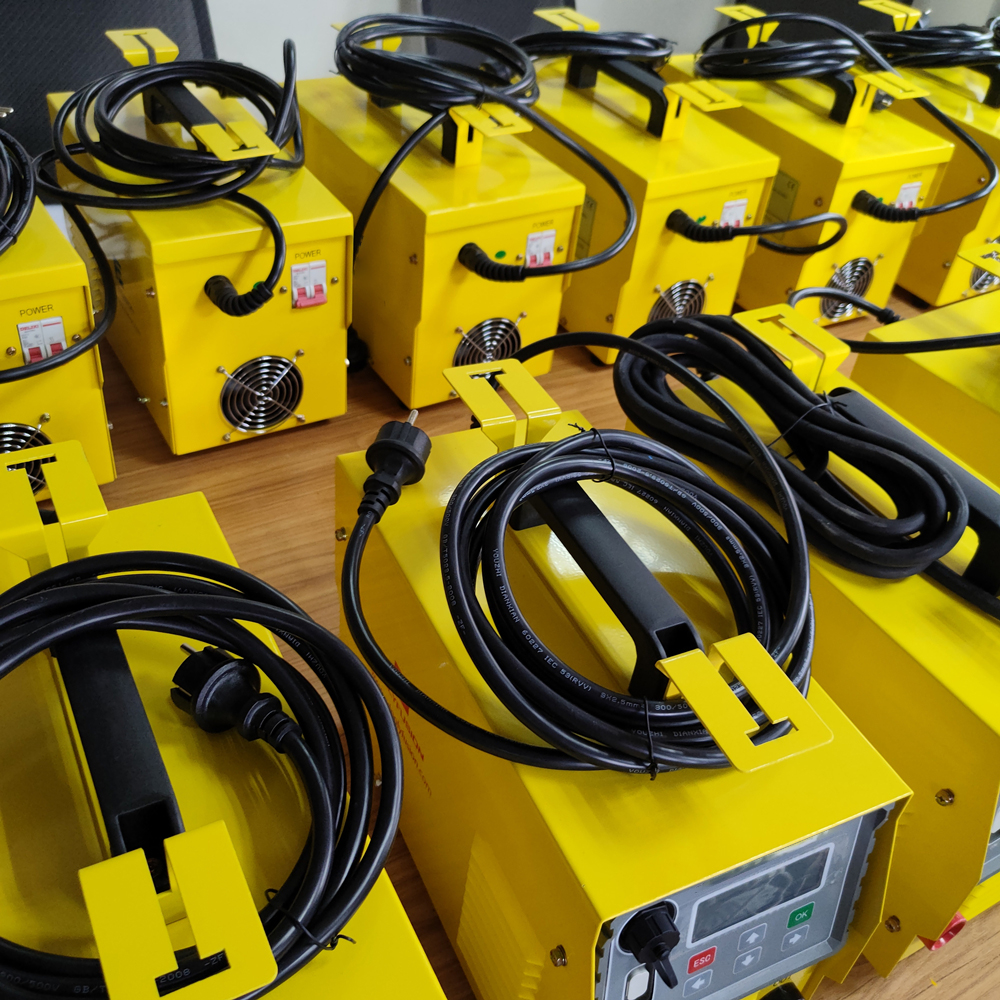
Pipeline safety depends on reliable, secure connections that can withstand pressure, temperature fluctuations, and environmental stress. An electrofusion machine plays a critical role in achieving these performance standards by creating fusion-welded joints between polyethylene and other thermoplastic pipes. Unlike mechanical fittings or adhesive-based methods, an electrofusion machine uses electrical resistance heating to melt and bond pipe materials at the molecular level, producing joints that are as strong as the pipe material itself. This fundamental advantage has made the electrofusion machine the preferred technology in water distribution, gas transmission, mining operations, and industrial fluid transport systems worldwide.
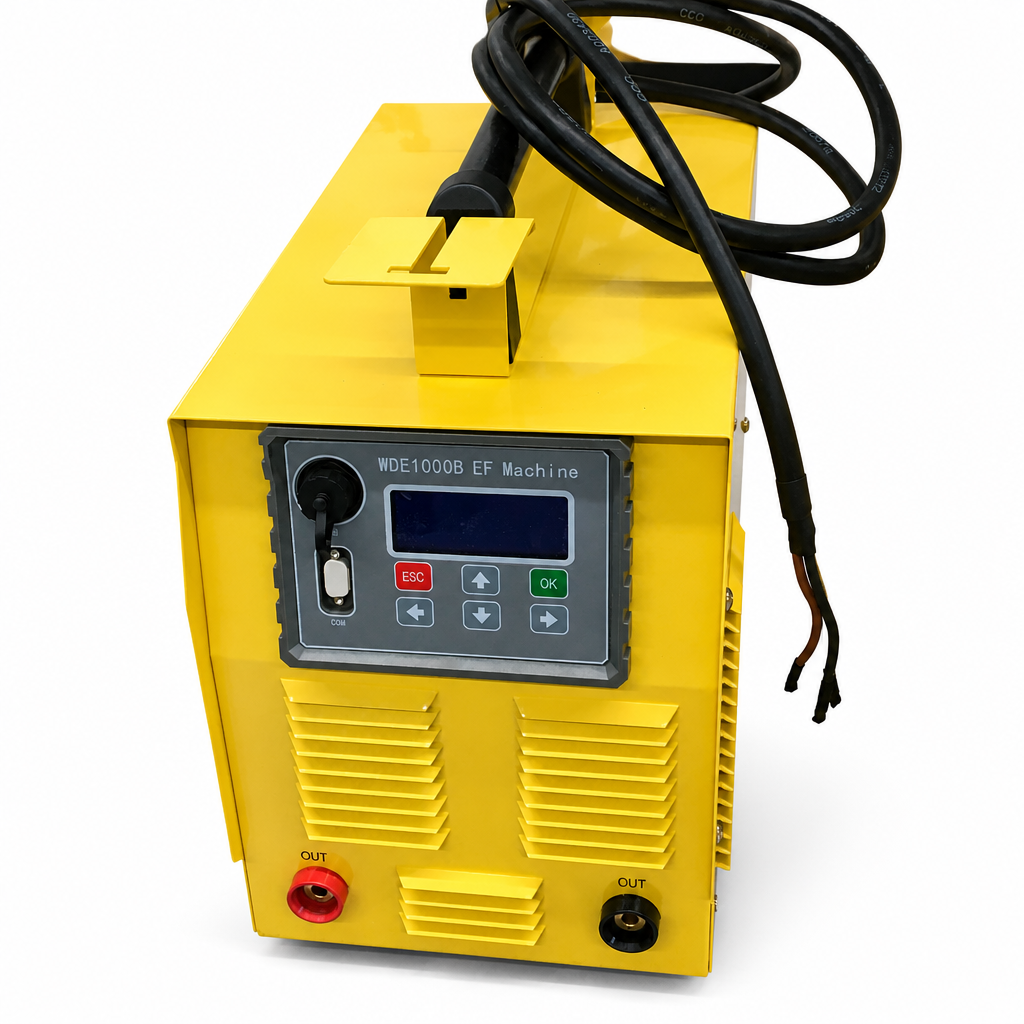
The safety advantages of using an electrofusion machine extend beyond simple joint strength. Every pipeline system carries inherent risks: pressure surges, material degradation, environmental contamination, and installation variability can all compromise connection integrity. An electrofusion machine addresses these risks through precise temperature control, consistent heating profiles, and repeatable welding parameters that eliminate human error and inconsistency. Understanding how an electrofusion machine improves safety requires examining its technical design, operational reliability, and real-world performance across demanding industrial environments.
How an Electrofusion Machine Creates Superior Joint Integrity
Fusion Welding Mechanism and Molecular Bonding
An electrofusion machine operates by inserting a specialized electrofusion fitting into the pipe end and applying electrical current through embedded heating coils. This current generates precise, controlled heat that melts both the fitting interior and the outer pipe surface, creating a molten interface where the two materials fuse together permanently. Unlike mechanical couplings that rely on friction or threaded connections prone to loosening, an electrofusion machine produces a molecular bond that becomes part of the pipe structure itself. This welded joint exhibits uniform strength throughout its cross-section, eliminating weak points that pressure or stress could exploit.
Consistency and Repeatability in Electrofusion Operations
Every electrofusion machine model incorporates microprocessor-controlled heating cycles that follow precise time-temperature profiles optimized for specific pipe materials and diameters. An electrofusion machine automatically monitors heating progression, prevents overheating that could damage the pipe, and confirms when fusion is complete through electrical resistance feedback. This automation ensures that every joint created by an electrofusion machine meets identical quality standards, regardless of operator experience or environmental conditions. Field technicians cannot rush the process or apply excessive heat, because an electrofusion machine enforces the correct procedure through its control system.
Safety-Critical Advantages of Electrofusion Machine Technology
Pressure Integrity and Long-Term Reliability
Pipelines carrying high-pressure water, gas, or industrial fluids require connection systems that maintain full system pressure without failure. An electrofusion machine creates joints that pass rigorous pressure testing at 1.5 to 2.0 times the maximum operating pressure, and field data shows these joints remain stable for decades under continuous service. Because an electrofusion machine fuses the pipe material itself rather than joining separate components, the joint strength approaches the pipe's rated bursting pressure. This safety margin prevents catastrophic failures, containment breaches, and the environmental or health consequences of pipeline rupture.
Environmental Contamination Prevention and Sealing
Water distribution systems risk contamination if connections allow external groundwater, microorganisms, or chemical infiltration to enter the pipeline. An electrofusion machine creates hermetically sealed joints with zero dead-leg or pocket spaces where contaminants could accumulate or biofilm could develop. The fusion weld completely eliminates gaps, crevices, and surfaces that mechanical fittings often create at thread interfaces or coupling shoulders. For drinking water pipelines and medical gas systems, an electrofusion machine provides the contamination control that regulatory standards demand and public health requires.
Installation Safety and Operational Reliability
Field personnel working with an electrofusion machine benefit from built-in safety features that other connection methods lack. Modern electrofusion machines include automatic shut-off if the power connection is interrupted, preventing dangerous partial heating that could create weak or unpredictable joints. An electrofusion machine displays real-time information about heating progress, confirms when cooling is complete, and alerts operators to any system malfunction. These safety interlocks mean that installation crews cannot accidentally create defective joints or apply an electrofusion machine incorrectly without immediate notification.
Performance Validation and Regulatory Compliance Through Electrofusion Machines
Testing Standards and Certification Protocols
An electrofusion machine must meet rigorous international standards including ISO 12176, ASTM D2657, and EN 15218 that specify equipment design, heating profiles, and joint performance requirements. These standards define how an electrofusion machine should behave, what safety features it must include, and what operating parameters it must maintain. Manufacturers of an electrofusion machine must test their equipment against pulling tests, pressure cycling tests, and environmental stress tests to prove that joints created by their electrofusion machine will not fail in real conditions. Pipeline operators rely on these certified standards to verify that an electrofusion machine installation meets their safety and reliability requirements.
Documentation, Traceability, and Risk Management
Professional electrofusion work requires that every joint created by an electrofusion machine be documented with date, operator identity, equipment serial number, and electrical parameters recorded during the fusion cycle. This traceability allows pipeline operators to investigate any joint concerns and link performance data back to specific electrofusion machine units or operator training records. An electrofusion machine with digital logging capability automatically stores this information, creating an auditable record that satisfies regulatory inspections and liability requirements. When a pipeline system must prove that all connections meet safety standards, an electrofusion machine with comprehensive documentation provides the evidence pipeline engineers and inspectors demand.
FAQ
Can an electrofusion machine work with all pipe materials and sizes?
An electrofusion machine is specifically designed for thermoplastic pipes, primarily polyethylene and polypropylene, ranging from 20mm to 630mm in diameter depending on the equipment model. Different electrofusion machine models are configured for specific material types and diameter ranges, so operators must match their equipment to their application. An electrofusion machine cannot be used on metallic pipes or materials that do not melt and fuse, so material compatibility must always be verified before beginning work. Manufacturers provide detailed specifications indicating which an electrofusion machine model works with which pipe materials and size ranges.
How long does an electrofusion machine take to complete a single joint?
Fusion time for an electrofusion machine typically ranges from 20 to 60 seconds depending on fitting size and pipe diameter, followed by a cooling period of 3 to 10 minutes during which the joint must remain undisturbed. An electrofusion machine displays countdown timers so operators know exactly when heating is complete and when cooling is finished, eliminating guesswork about joint readiness. Smaller diameter pipes fused by an electrofusion machine may complete in under 30 seconds, while large diameter applications using an electrofusion machine may require several minutes of heating time. Total job time is significantly faster than manual threading or adhesive curing, making an electrofusion machine efficient for large-scale pipeline installations.
What happens if an electrofusion machine connection fails in the field?
Properly executed electrofusion machine joints rarely fail under normal operating conditions, but if a defective joint is discovered, the failed fitting can be cut out and replaced with a new electrofusion machine connection using a repair tee or coupling. Pipeline systems are often designed with isolation valves and redundant routes so that a single joint failure does not shut down the entire network, containing the impact of any rare malfunction. An electrofusion machine connection that fails during pressure testing or before the system goes into service indicates either a material defect or operator error, both of which can be addressed immediately. Field repair using the same electrofusion machine technology restores the pipeline to full service once the root cause is identified.