
 EN
EN


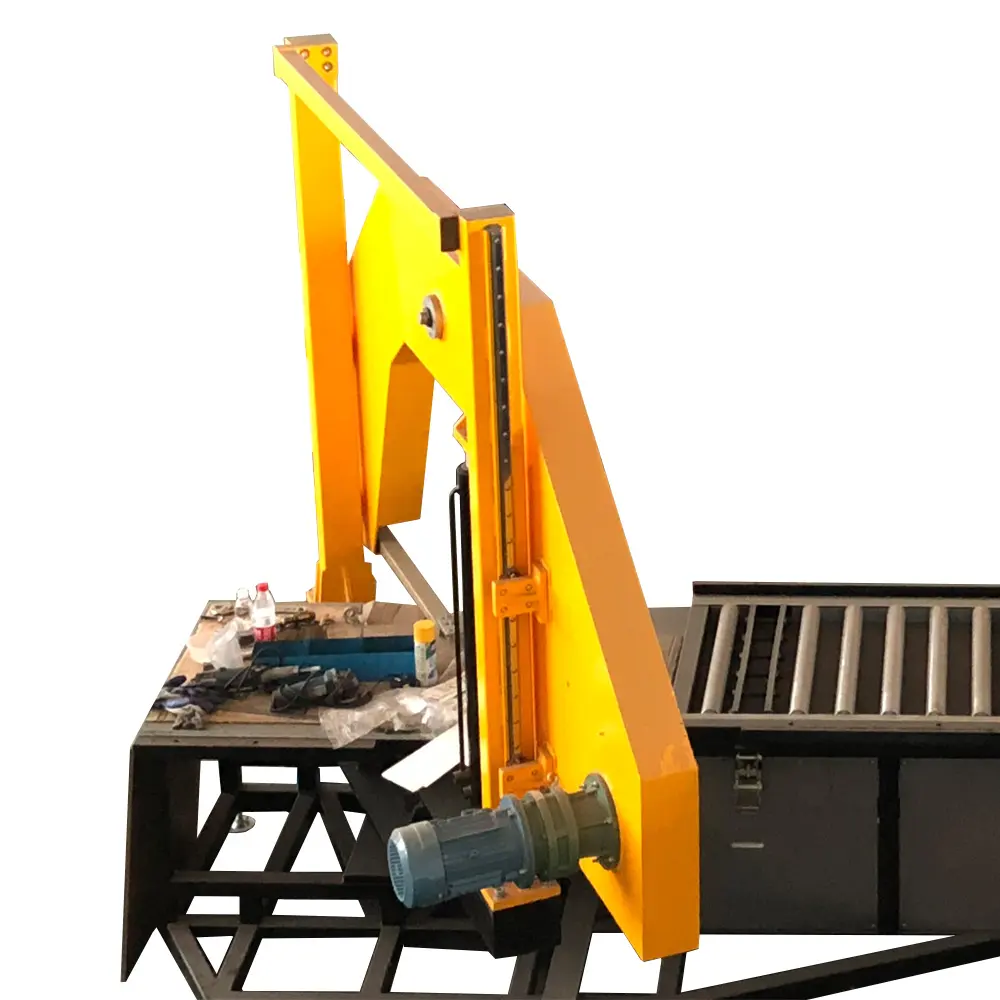
Modern manufacturing environments demand precision, efficiency, and reliability in every step of the production process, particularly when working with thermoplastic materials used in infrastructure, industrial piping, and specialized fabrication applications. Among the critical tools that enable manufacturers to achieve consistent quality and operational excellence, the plastic band cutting saw stands out as an indispensable piece of equipment. This specialized cutting tool addresses fundamental challenges in processing high-density polyethylene, polypropylene, and other engineered plastics that have become central to contemporary industrial production. Understanding why this equipment matters requires examining not just its mechanical function, but its broader impact on manufacturing workflows, product quality, cost efficiency, and competitive positioning in increasingly demanding markets.
The importance of a plastic band cutting saw in manufacturing extends far beyond simple material separation. This equipment directly influences dimensional accuracy, surface finish quality, material waste reduction, production throughput, operator safety, and ultimately the profitability of manufacturing operations. As industries continue adopting advanced polymer materials for their superior chemical resistance, durability, and cost-effectiveness compared to traditional materials like metal and concrete, the ability to process these materials with precision becomes a defining capability. Manufacturers who invest in proper cutting technology position themselves to meet stringent quality standards, reduce rework costs, accelerate production cycles, and respond effectively to custom fabrication requirements that characterize modern industrial markets.
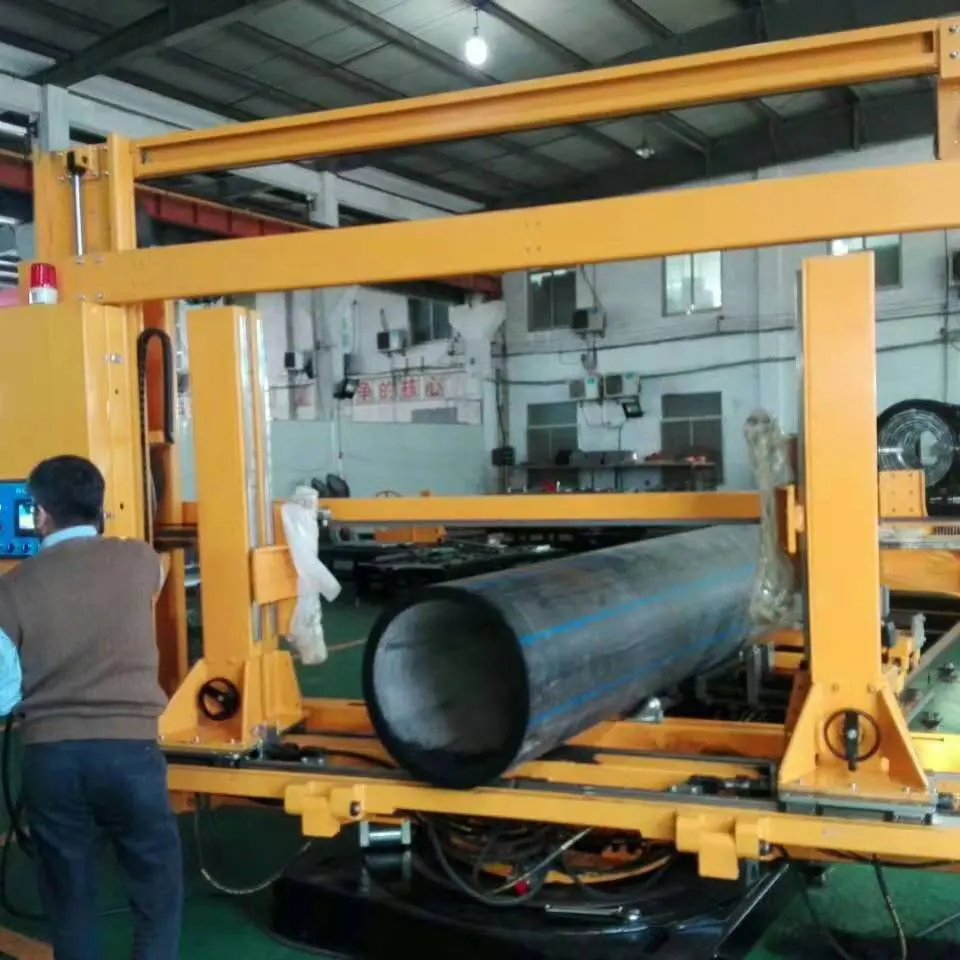
Precision and Consistency Requirements in Plastic Component Manufacturing
Dimensional Accuracy Demands in Modern Applications
Manufacturing operations involving thermoplastic materials face increasingly stringent dimensional tolerance requirements driven by application criticality and system integration needs. A plastic band cutting saw delivers the precision necessary to meet these specifications consistently across production runs. Unlike manual cutting methods or general-purpose tools, specialized band saws designed for plastic materials maintain cutting accuracy within tight tolerances, typically ranging from plus or minus one millimeter to even tighter specifications depending on blade configuration and machine quality. This precision proves essential when producing components for fusion welding applications, where proper fit-up directly affects joint integrity and long-term system performance.
The mechanical design of a quality plastic band cutting saw incorporates features specifically engineered to minimize deflection, vibration, and thermal expansion that compromise cutting accuracy. Rigid frame construction, precision blade guides, and controlled feed mechanisms work together to maintain blade position throughout the cutting cycle. This structural stability becomes particularly important when processing larger diameter pipes, thick-walled sections, or dense engineering plastics that impose substantial cutting forces. Manufacturing facilities producing saddle fittings, branch connections, or custom fabrications cannot achieve required dimensional consistency without equipment capable of maintaining geometry through thousands of cutting cycles.
Surface Finish Quality and Downstream Process Impact
The surface condition created by the cutting process significantly influences subsequent manufacturing operations and final product performance. A properly configured plastic band cutting saw produces clean, square cuts with minimal burring, heat-affected zones, or material deformation. This surface quality directly impacts fusion welding preparation time, fitting assembly accuracy, and the structural integrity of welded joints. When cut surfaces exhibit excessive roughness, melted material, or dimensional irregularities, manufacturers must invest additional labor in secondary finishing operations that increase production costs and cycle times while introducing potential quality variability.
The blade technology employed in specialized plastic cutting band saws plays a crucial role in achieving optimal surface finish. Tooth geometry, pitch selection, cutting speed, and blade material must align with the specific plastic being processed. High-density polyethylene requires different cutting parameters than polypropylene or polyvinyl chloride to prevent chip welding, excessive heat generation, or premature blade wear. Manufacturing operations that utilize a plastic band cutting saw designed specifically for their material types achieve superior results compared to adapting general metalworking equipment, which often produces unacceptable surface conditions requiring extensive remediation.
Repeatability Across Production Volumes
Manufacturing efficiency depends fundamentally on the ability to replicate results consistently across individual units, production batches, and extended time periods. A plastic band cutting saw engineered for industrial applications provides the repeatability necessary for volume production environments. Adjustable work stops, digital measurement systems, and indexed positioning features enable operators to set precise cut lengths and angles that remain consistent part after part. This repeatability reduces dimensional variation in finished components, minimizing rejection rates and ensuring interchangeability in assembly operations.
The economic impact of cutting repeatability extends throughout the manufacturing value chain. When every component meets dimensional specifications without requiring individual inspection or adjustment, assembly operations flow smoothly, inventory management simplifies, and customer quality requirements are satisfied predictably. For manufacturers producing standardized fitting dimensions or working to engineering drawings with specified tolerances, the consistency delivered by a dedicated plastic band cutting saw translates directly into competitive advantage through reduced quality costs, faster turnaround times, and enhanced reputation for reliability.
Operational Efficiency and Production Throughput Optimization
Cycle Time Reduction and Workflow Enhancement
Production throughput represents a fundamental driver of manufacturing profitability, making equipment that accelerates processing cycles economically valuable. A plastic band cutting saw significantly reduces the time required to prepare materials compared to manual sawing, abrasive cutting, or makeshift cutting methods. Powered feed systems, optimized cutting speeds, and efficient chip evacuation enable rapid material processing while maintaining cut quality. For operations processing multiple pieces per day or managing high-volume production runs, these cycle time reductions compound into substantial productivity gains that justify equipment investment through improved capacity utilization and labor efficiency.
The workflow benefits extend beyond raw cutting speed to include setup efficiency, changeover flexibility, and operational simplicity. Modern plastic band cutting saw designs incorporate quick-adjustment features, intuitive controls, and ergonomic material handling that minimize non-productive time. Operators can transition between different material sizes, cut lengths, and angle settings with minimal downtime, maintaining production flow even in mixed-production environments. This operational flexibility proves particularly valuable for custom fabrication shops and manufacturers serving diverse customer requirements where production runs vary in size, specification, and urgency.
Labor Efficiency and Skill Requirement Optimization
Manufacturing labor represents a significant and growing cost component, making equipment that enhances worker productivity strategically important. A well-designed plastic band cutting saw enables one operator to achieve cutting output that would otherwise require multiple workers using manual methods. The automation of feed control, cutting cycle execution, and material clamping reduces physical demands while increasing output per labor hour. This labor efficiency becomes especially valuable in markets experiencing skilled labor shortages or facing competitive pressure to reduce per-unit production costs.
The skill requirements for operating a plastic band cutting saw are substantially lower than those needed for manual precision cutting or operating complex machining equipment. Standardized procedures, intuitive controls, and built-in safety features enable relatively inexperienced operators to produce consistent results after basic training. This accessibility reduces training costs, decreases dependency on specialized craftsmen, and provides workforce flexibility that supports production scaling and cross-training initiatives. Manufacturing operations can staff cutting functions more reliably and economically, reducing vulnerability to personnel turnover and skills gaps.
Material Utilization and Waste Minimization
Raw material costs constitute a substantial portion of manufacturing expenses, making efficient material utilization a direct profitability driver. A plastic band cutting saw with narrow kerf width removes minimal material during the cutting process, maximizing the usable yield from each piece of stock material. This efficiency becomes particularly significant when processing expensive engineering plastics or working with material supplied in fixed lengths where optimization of cutting patterns directly affects material costs. The precision cutting capability also reduces rejection rates from dimensional errors, further improving material utilization rates.
Beyond direct material savings, efficient cutting processes reduce the volume of scrap requiring disposal or recycling, lowering waste management costs and supporting environmental sustainability objectives. Many manufacturing operations face increasing pressure to demonstrate environmental responsibility and reduce their ecological footprint. The material efficiency enabled by a quality plastic band cutting saw contributes measurably to these sustainability goals while simultaneously improving cost performance through reduced material consumption and waste handling expenses.
Quality Assurance and Manufacturing Standards Compliance
Meeting Industry Specifications and Customer Requirements
Manufacturing operations serving infrastructure, industrial, and specialized application markets must consistently meet demanding quality standards established by industry organizations, regulatory bodies, and customer specifications. The precision and consistency delivered by a plastic band cutting saw directly support compliance with these requirements. Dimensional tolerances, surface finish specifications, and geometric accuracy standards that define acceptable component quality depend fundamentally on the capabilities of cutting equipment. Manufacturers attempting to meet these standards with inadequate cutting tools face chronic quality problems, increased inspection costs, and elevated rejection rates.
Quality management systems and certification programs require manufacturers to demonstrate process control and capability. A plastic band cutting saw provides the process consistency necessary to establish statistical control, document capability indices, and satisfy audit requirements. The equipment enables manufacturers to produce objective evidence of dimensional compliance, maintain traceability, and implement effective quality assurance protocols. This capability proves essential when pursuing quality certifications, qualifying for demanding customer supply chains, or competing for projects with stringent quality requirements.
Reducing Defects and Rework Costs
Quality failures impose multiple costs on manufacturing operations including material waste, rework labor, production delays, and potential customer dissatisfaction. A plastic band cutting saw minimizes these quality costs by consistently producing cuts that meet specifications on the first attempt. The elimination of common cutting defects such as uneven surfaces, excessive burrs, dimensional errors, and heat damage reduces the need for secondary finishing operations and virtually eliminates rejections due to cutting process failures. This first-time quality capability translates directly into cost savings and improved production efficiency.
The quality consistency achieved with proper cutting equipment also simplifies inspection procedures and reduces quality control labor requirements. When cutting processes demonstrate stable capability, manufacturers can implement reduced inspection protocols rather than requiring 100 percent verification of every component. This inspection efficiency reduces quality department labor costs while maintaining confidence in product conformance. The reliable performance of a plastic band cutting saw essentially builds quality into the production process rather than relying on inspection to identify and remove defective components.
Documentation and Traceability Support
Modern manufacturing increasingly requires detailed documentation of processing parameters, material traceability, and quality verification data. Advanced plastic band cutting saw systems can integrate with manufacturing execution systems to automatically record cutting parameters, production quantities, and quality metrics. This documentation capability supports traceability requirements, facilitates process analysis, and provides objective evidence for quality management systems. Manufacturers serving regulated industries or supplying critical applications benefit significantly from equipment that supports comprehensive documentation without imposing additional administrative burden.
The data generated by documented cutting processes enables continuous improvement initiatives through statistical analysis, trend identification, and correlation studies. Manufacturing operations can identify opportunities for process optimization, predict maintenance requirements, and validate the effectiveness of improvement actions using the data foundation provided by modern cutting equipment. This analytical capability transforms the plastic band cutting saw from a simple production tool into a source of actionable intelligence that drives operational excellence across the manufacturing enterprise.
Safety Enhancement and Risk Mitigation
Operator Safety and Injury Prevention
Workplace safety represents both an ethical imperative and an economic necessity for responsible manufacturing operations. A properly designed plastic band cutting saw incorporates multiple safety features that protect operators from injury hazards associated with cutting processes. Blade guards, emergency stop controls, two-hand operation systems, and automatic shut-off mechanisms minimize exposure to moving blades and pinch points. These engineered safety features prove far more reliable than procedural controls or operator vigilance in preventing accidents, reducing both human suffering and the substantial costs associated with workplace injuries.
The ergonomic design of industrial plastic band cutting saw equipment reduces physical strain and repetitive motion injuries that commonly affect manufacturing workers. Powered material handling, adjustable work heights, and controlled cutting forces minimize the physical demands placed on operators during normal production activities. This ergonomic consideration becomes increasingly important as workforces age and regulatory attention to cumulative trauma disorders intensifies. Manufacturing operations that prioritize operator wellbeing through proper equipment selection experience lower injury rates, reduced workers compensation costs, and improved employee satisfaction and retention.
Process Risk Reduction and Operational Reliability
Beyond direct operator safety, a plastic band cutting saw reduces process risks that threaten production continuity and product quality. The controlled cutting environment provided by dedicated equipment minimizes fire hazards associated with friction heating, reduces exposure to airborne particles and fumes, and eliminates many of the unpredictable outcomes common with improvised cutting methods. This process stability contributes to safer overall manufacturing operations while protecting against production disruptions, quality excursions, and potential liability exposures.
Operational reliability represents another dimension of risk mitigation where quality cutting equipment delivers value. A plastic band cutting saw designed for industrial duty cycles provides predictable performance over extended service life with minimal unplanned downtime. This reliability protects manufacturers against production interruptions that disappoint customers, miss delivery commitments, and damage business relationships. The equipment investment essentially functions as insurance against operational disruptions while simultaneously delivering productivity, quality, and efficiency benefits that generate positive returns independent of risk mitigation value.
Compliance with Safety Regulations and Standards
Manufacturing operations face increasing regulatory scrutiny regarding workplace safety, environmental protection, and equipment standards compliance. A plastic band cutting saw meeting relevant safety standards and regulatory requirements simplifies compliance efforts while reducing exposure to citations, penalties, and potential operational restrictions. Equipment bearing appropriate safety certifications demonstrates due diligence in protecting worker safety and satisfies requirements imposed by insurance carriers, regulatory agencies, and corporate risk management programs.
The documented safety performance and regulatory compliance of proper cutting equipment also protects manufacturers from liability exposure in the unfortunate event of incidents or injuries. Equipment meeting recognized safety standards, properly maintained, and operated according to manufacturer guidelines provides defensible evidence of reasonable care. This liability protection becomes increasingly valuable in litigious business environments where manufacturers face potential claims from employees, contractors, and other parties. The legal protection afforded by compliant equipment represents substantial but often underappreciated value that justifies investment in quality manufacturing tools.
Strategic Manufacturing Capabilities and Competitive Positioning
Custom Fabrication and Application Flexibility
Market differentiation increasingly depends on the ability to satisfy specific customer requirements rather than competing solely on standardized product offerings. A plastic band cutting saw enables manufacturers to economically serve custom fabrication requests, special applications, and non-standard specifications that command premium pricing and foster customer loyalty. The equipment provides the precision, flexibility, and efficiency necessary to process custom dimensions, unique angles, and specialized configurations without prohibitive costs or extended lead times. This capability opens market opportunities unavailable to competitors limited to standard product catalogs or dependent on inflexible production systems.
The application versatility of a quality plastic band cutting saw extends across diverse material types, size ranges, and component geometries. Manufacturers can serve multiple market segments, adapt to evolving customer needs, and pursue emerging opportunities without major equipment changes or capability gaps. This strategic flexibility proves particularly valuable in dynamic markets characterized by technological change, shifting customer preferences, and competitive pressure. Manufacturing operations that maintain broad capability through versatile equipment position themselves to capture opportunities and withstand market disruptions more effectively than rigidly specialized competitors.
Production Scalability and Growth Enablement
Business growth requires production capabilities that scale efficiently as demand increases. A plastic band cutting saw provides the foundation for volume expansion without proportional increases in labor, facility space, or quality challenges. The equipment productivity enables manufacturers to increase output substantially within existing facilities, deferring or eliminating expensive facility expansions. This scalability characteristic proves essential for businesses pursuing growth strategies, entering new markets, or responding to major customer opportunities that require rapid capacity increases.
The process standardization enabled by proper cutting equipment also simplifies the training and workforce expansion necessary to support business growth. Documented procedures, consistent equipment operation, and predictable performance outcomes enable manufacturers to onboard new production workers rapidly without compromising quality or efficiency. This workforce scalability removes a common constraint on business expansion while maintaining the operational consistency that protects brand reputation and customer satisfaction during growth phases.
Technology Integration and Manufacturing Innovation
Modern manufacturing increasingly emphasizes technology integration, data utilization, and continuous improvement methodologies that depend on capable, well-instrumented production equipment. Advanced plastic band cutting saw systems support these strategic initiatives through digital controls, data connectivity, and integration with manufacturing execution systems. This technological sophistication enables manufacturers to implement Industry 4.0 concepts, optimize production through data analytics, and participate in smart manufacturing ecosystems that define competitive advantage in contemporary industrial markets.
The innovation potential unlocked by capable cutting equipment extends to product development, process improvement, and customer solution engineering. Manufacturers equipped with precision cutting capabilities can prototype new designs efficiently, test alternative materials economically, and collaborate with customers on application-specific solutions. This innovation capacity creates opportunities for value-added services, technical differentiation, and customer relationships that transcend simple product transactions. The strategic value of a plastic band cutting saw encompasses not only current production efficiency but also future innovation potential that positions manufacturers for sustained competitive success.
FAQ
What makes a plastic band cutting saw different from a regular band saw?
A plastic band cutting saw incorporates specific design features optimized for thermoplastic materials including specialized blade tooth geometry, adjustable cutting speeds appropriate for plastic rather than metal, chip evacuation systems designed for plastic particles, and frame geometry suited to typical plastic component dimensions. The blade selection, cutting parameters, and machine configuration differ substantially from metal-cutting band saws to prevent material melting, achieve clean cuts, and deliver the surface finish quality required for plastic fabrication applications.
Can a plastic band cutting saw process different types and sizes of plastic materials?
Quality plastic band cutting saw equipment provides adjustable capacity and versatile configuration that accommodates various thermoplastic types including high-density polyethylene, polypropylene, polyvinyl chloride, and engineering plastics. The equipment typically handles a range of material diameters and thicknesses through adjustable blade guides, variable feed rates, and adaptable work-holding systems. However, optimal performance requires appropriate blade selection and cutting parameter adjustment based on specific material properties, with some materials demanding specialized blade types or cutting speeds to achieve best results.
How does cutting precision affect the quality of welded plastic joints?
Cutting precision directly influences fusion welding success by determining fit-up accuracy, surface cleanliness, and geometric alignment between components being joined. Clean, square cuts produced by a plastic band cutting saw ensure proper contact between fusion surfaces, minimize gaps that compromise joint strength, and reduce preparation time before welding. Surface irregularities, dimensional errors, or contamination from poor cutting processes create weak points in welded joints and increase the likelihood of leaks, structural failures, or premature system deterioration in critical applications.
What operational costs should manufacturers consider beyond initial equipment purchase?
Total cost of ownership for a plastic band cutting saw includes blade replacement costs, electrical power consumption, routine maintenance expenses, and any facility infrastructure required for installation. However, these ongoing costs typically represent a small fraction of the labor savings, material efficiency gains, quality improvement benefits, and productivity increases the equipment delivers. Manufacturers should evaluate equipment investment based on comprehensive economic analysis including both direct costs and operational benefits rather than focusing narrowly on purchase price, as proper equipment typically generates positive return on investment within the first year of operation through efficiency gains and quality improvements.
Table of Contents
- Precision and Consistency Requirements in Plastic Component Manufacturing
- Operational Efficiency and Production Throughput Optimization
- Quality Assurance and Manufacturing Standards Compliance
- Safety Enhancement and Risk Mitigation
- Strategic Manufacturing Capabilities and Competitive Positioning
-
FAQ
- What makes a plastic band cutting saw different from a regular band saw?
- Can a plastic band cutting saw process different types and sizes of plastic materials?
- How does cutting precision affect the quality of welded plastic joints?
- What operational costs should manufacturers consider beyond initial equipment purchase?