
 EN
EN


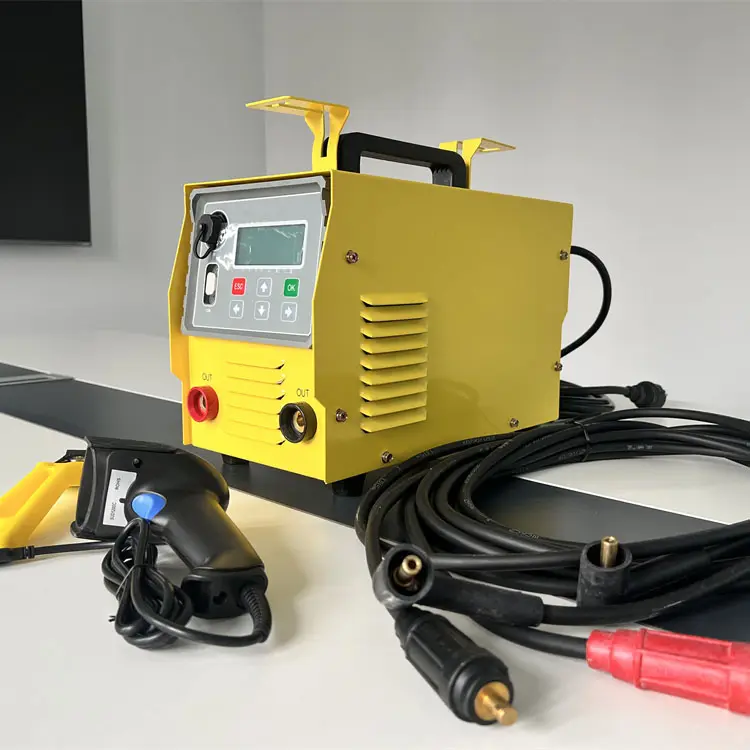
A plastic pipe electric fusion welder is a specialized welding device designed to join thermoplastic pipes and fittings through a controlled heating process known as electrofusion. This technology has revolutionized the way polyethylene, polypropylene, and other plastic piping systems are assembled, offering a reliable and efficient method for creating permanent, leak-proof connections in critical infrastructure applications. Understanding what a plastic pipe electric fusion welder is and how it operates is essential for professionals involved in water distribution, gas transmission, industrial piping, and municipal infrastructure projects where joint integrity and long-term durability are paramount.
The working principle of a plastic pipe electric fusion welder centers on the precise application of electrical current to embedded heating elements within specialized electrofusion fittings, which then melt the adjacent pipe and fitting surfaces to create a homogeneous molecular bond. This process differs fundamentally from mechanical joining methods or chemical adhesives, as it creates a fusion zone where the materials literally merge at the molecular level. The result is a joint that often exceeds the structural strength of the pipe itself, making the plastic pipe electric fusion welder an indispensable tool for applications demanding absolute reliability under pressure, temperature variations, and long service life expectations.
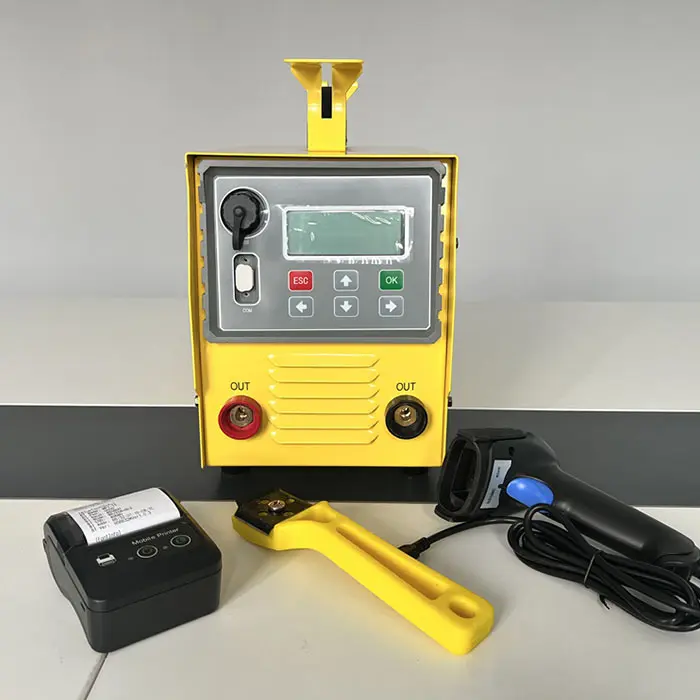
Understanding the Core Components of a Plastic Pipe Electric Fusion Welder
Control Unit and Power Supply System
The control unit serves as the brain of a plastic pipe electric fusion welder, managing the entire welding cycle from initiation to completion. This sophisticated electronic system monitors and regulates the voltage and current delivered to the electrofusion fitting, ensuring that the heating process follows a precise temperature-time profile. Modern control units incorporate microprocessor technology that automatically adjusts parameters based on fitting specifications, ambient temperature, and real-time resistance measurements. The power supply system typically operates on standard electrical networks but transforms the incoming power into controlled low-voltage, high-current output suitable for the resistive heating elements embedded in electrofusion fittings.
Advanced plastic pipe electric fusion welder models feature digital displays that provide operators with real-time feedback on welding parameters, including voltage, current, fusion time, and cooling time. These displays also present diagnostic information that helps identify potential issues before they compromise joint quality. The control unit stores welding data for traceability purposes, which is particularly important in projects requiring quality documentation and compliance verification. Some units can transfer this data to external systems for archival and analysis, supporting quality management protocols in large-scale infrastructure projects.
Electrical Connection Interface and Safety Features
The electrical connection interface of a plastic pipe electric fusion welder consists of cable assemblies and terminal connectors designed to establish secure, low-resistance contact with the electrofusion fitting terminals. These connections must be robust and reliable, as any resistance variation during the welding cycle can affect heat distribution and compromise joint quality. Most systems employ spring-loaded or screw-type connectors that maintain consistent contact pressure throughout the welding process, compensating for thermal expansion and minor movement.
Safety features integrated into a plastic pipe electric fusion welder include ground fault detection, short circuit protection, and automatic shutdown mechanisms that activate if abnormal conditions are detected. These protective systems prevent equipment damage and reduce operator risk during field operations. Many units also incorporate polarity detection to ensure correct connection orientation, as reversed polarity can lead to incomplete fusion or fitting damage. Additionally, modern welders feature weatherproof housings and impact-resistant construction suitable for demanding jobsite environments where exposure to moisture, dust, and mechanical stress is inevitable.
The Electrofusion Welding Process Step by Step
Surface Preparation and Fitting Assembly
The electrofusion welding process begins with meticulous surface preparation, which is critical for achieving optimal joint quality. Operators must remove the oxidized outer layer from the pipe surface where the fitting will be positioned, typically using a mechanical scraping tool designed specifically for this purpose. This step eliminates contaminants and surface oxidation that could interfere with molecular bonding during fusion. The scraped surface should appear clean and slightly roughened, providing fresh material for the fusion interface. After scraping, the surface must be cleaned with a lint-free cloth and appropriate cleaning solution to remove any remaining debris, oils, or moisture.
Once preparation is complete, the electrofusion fitting is positioned over the prepared pipe sections, ensuring proper alignment and insertion depth as specified by the fitting manufacturer. Alignment is crucial because any angular deviation or gap can create stress concentrations that compromise long-term joint performance. The pipe ends should be held firmly in position using mechanical clamps or alignment tools throughout the welding and cooling phases. This prevents movement that could disrupt the fusion zone formation. The plastic pipe electric fusion welder operator then connects the electrical leads to the fitting terminals, verifying secure contact and correct polarity before initiating the welding cycle.
Heating Phase and Molecular Fusion
When the plastic pipe electric fusion welder initiates the heating cycle, electrical current flows through the resistive wire coils embedded in the electrofusion fitting. These coils, typically made from nickel-chromium or similar alloys, convert electrical energy into thermal energy through resistive heating. The generated heat radiates outward from the coils, raising the temperature of both the fitting inner surface and the pipe outer surface to the melting point of the thermoplastic material. For polyethylene systems, this temperature typically ranges between 160 and 220 degrees Celsius, depending on the specific polymer grade and formulation.
As the material reaches its melting point, the molecular chains within the thermoplastic structure become mobile, allowing intermixing between the pipe and fitting surfaces. This molecular diffusion creates what engineers call the fusion zone, a region where the boundary between pipe and fitting essentially disappears at the microscopic level. The plastic pipe electric fusion welder maintains precise temperature control throughout this phase, as overheating can cause material degradation while insufficient heating results in incomplete fusion. The heating duration is predetermined based on fitting specifications, which account for fitting wall thickness, heating coil configuration, and material characteristics. During this phase, visual indicators on the fitting, such as witness marks or flow indicators, may become visible as melted material flows into designated observation zones.
Cooling Phase and Joint Solidification
Following the heating phase, the plastic pipe electric fusion welder automatically transitions to the cooling phase, during which electrical current ceases but mechanical restraint must be maintained. This cooling period is as critical as the heating phase because the molten fusion zone must solidify without disturbance to achieve optimal molecular alignment and crystalline structure formation. Any movement or stress applied during cooling can create internal defects, voids, or weak zones that may not be visible externally but significantly reduce joint strength and longevity.
The cooling time specified by fitting manufacturers typically ranges from several minutes to over an hour, depending on fitting size, wall thickness, and ambient temperature conditions. The plastic pipe electric fusion welder may include timers or audible alerts to indicate when the cooling phase is complete and clamps can be safely removed. During cooling, the fusion zone solidifies progressively from the outer edges toward the center, where the heating coils are located. This directional solidification helps consolidate the joint and minimize internal stress. Operators should avoid subjecting the joint to pressure, bending loads, or temperature extremes until the full cooling period has elapsed and the joint has achieved its design strength.
Technical Advantages of Using a Plastic Pipe Electric Fusion Welder
Consistency and Quality Control Benefits
One of the primary advantages of a plastic pipe electric fusion welder is the exceptional consistency it delivers across multiple joints. Unlike manual welding techniques that depend heavily on operator skill and are susceptible to human error, electrofusion welding follows a predetermined, electronically controlled cycle that eliminates much of the variability associated with manual processes. The microprocessor-controlled heating profile ensures that each joint receives identical treatment in terms of temperature exposure and fusion time, assuming proper surface preparation and fitting assembly. This consistency translates to predictable joint performance and reduced failure rates in service.
Quality control is further enhanced through the traceability features built into modern plastic pipe electric fusion welder systems. Many units record welding parameters for each joint, including date, time, operator identification, fitting barcode data, voltage, current, and completion status. This data can be downloaded and archived as permanent quality documentation, providing verifiable evidence that each joint was completed according to specifications. For projects subject to regulatory oversight or warranty requirements, this documentation capability offers substantial value. Additionally, the automated nature of the process reduces the likelihood of procedural shortcuts or deviations that might occur under time pressure or adverse working conditions.
Versatility Across Pipe Sizes and Materials
A plastic pipe electric fusion welder demonstrates remarkable versatility in its ability to accommodate a wide range of pipe diameters, from small-diameter distribution lines to large-diameter transmission mains. Most commercial units can handle fittings from 20 millimeters to over 1200 millimeters in diameter, with power output capabilities scaled appropriately for each size range. This versatility eliminates the need for multiple specialized tools on complex projects involving varied pipe sizes, simplifying logistics and reducing equipment investment. The modular design of many systems allows voltage and current adjustment either automatically through barcode scanning of fitting specifications or manually through control panel inputs.
Beyond size flexibility, the plastic pipe electric fusion welder is compatible with various thermoplastic materials commonly used in piping applications. Polyethylene remains the most prevalent material for electrofusion applications, including high-density polyethylene used in water and gas distribution, as well as medium-density grades for industrial applications. Polypropylene and other advanced polymers can also be joined using electrofusion technology, provided that compatible fittings and appropriate welding parameters are employed. This material flexibility allows the same welding equipment to serve multiple project types, from municipal water systems to chemical processing plants, maximizing equipment utilization and return on investment.
Practical Applications and Industry Implementation
Municipal Water and Gas Distribution Networks
Municipal utilities represent one of the largest application sectors for plastic pipe electric fusion welder technology, particularly in the construction and rehabilitation of water distribution and natural gas delivery networks. The leak-free joints produced through electrofusion are essential in these applications where system integrity directly impacts public safety, environmental protection, and operational efficiency. Water utilities benefit from the corrosion resistance of thermoplastic piping systems combined with the reliability of electrofusion joints, which eliminate the gradual degradation associated with mechanical couplings or threaded connections. Gas distribution networks demand absolute joint integrity due to the hazardous nature of natural gas, making the molecular-level fusion achieved with a plastic pipe electric fusion welder particularly valuable.
The implementation of electrofusion technology in municipal projects often involves standardized procedures and operator certification programs that ensure consistent quality across large networks with multiple contractors and work crews. Many utilities maintain their own plastic pipe electric fusion welder equipment fleets and operate in-house training programs to develop and maintain workforce competency. The traceability features of modern welding equipment support utility asset management systems, allowing welding records to be incorporated into geographic information systems and maintenance databases. This integration facilitates long-term performance monitoring and helps identify patterns that may inform future design or procedural improvements.
Industrial Process Piping and Chemical Handling
Industrial facilities handling corrosive chemicals, high-purity fluids, or abrasive slurries increasingly rely on thermoplastic piping systems joined with plastic pipe electric fusion welder equipment. The chemical resistance of materials like polypropylene and polyethylene, combined with the joint integrity of electrofusion, provides superior performance compared to metallic alternatives in many process environments. Chemical processing plants, semiconductor manufacturing facilities, and food processing operations benefit from systems that resist corrosion, minimize contamination risk, and offer extended service life with minimal maintenance requirements.
The precision and repeatability inherent in electrofusion technology are particularly valuable in industrial settings where process reliability and uptime are critical economic factors. A failed joint in a chemical transfer line can result in hazardous material releases, production interruptions, and costly remediation efforts. The consistent joint quality delivered by a plastic pipe electric fusion welder reduces these risks substantially. Additionally, the welding process produces minimal emissions and requires no open flame, making it suitable for use in confined spaces, explosive atmospheres, and other challenging industrial environments where traditional welding methods would be prohibited or require extensive safety measures.
Mining and Resource Extraction Operations
Mining operations utilize plastic pipe electric fusion welder technology extensively for tailings disposal systems, dewatering applications, and process water distribution in environments where corrosive fluids, abrasive particles, and aggressive environmental conditions challenge conventional piping materials. The ability to create reliable joints in remote locations with minimal infrastructure support makes electrofusion particularly suitable for mining projects. Portable welding units can operate from generator power in areas without electrical grid access, and the relatively compact nature of the equipment facilitates transport to difficult-access work sites.
The durability of electrofusion joints under cyclic loading, thermal stress, and ground movement conditions common in mining environments provides operational advantages that translate directly to reduced maintenance costs and improved system availability. Mining tailings lines, in particular, benefit from the abrasion resistance of thermoplastic materials and the structural integrity of fusion joints, which resist the erosive effects of slurry transport over long distances. The plastic pipe electric fusion welder enables rapid installation of temporary or permanent piping systems that can be expanded, modified, or relocated as mining operations progress, offering flexibility that rigid metallic systems cannot match.
Operational Considerations and Best Practices
Environmental Factors Affecting Weld Quality
Environmental conditions at the work site significantly influence the performance of a plastic pipe electric fusion welder and the quality of resulting joints. Ambient temperature represents one of the most critical environmental variables, as it affects the initial temperature of pipe and fitting materials, the rate of heat transfer during the fusion cycle, and the cooling rate following current cessation. Manufacturers typically specify acceptable ambient temperature ranges for electrofusion operations, commonly between minus 5 and plus 45 degrees Celsius. Operations outside these ranges may require modified procedures, extended fusion times, or special precautions to achieve satisfactory results.
Moisture presence poses another significant environmental challenge, as water on pipe surfaces can interfere with proper fusion by creating steam pockets or preventing intimate contact between melting surfaces. Operators must ensure that prepared pipe surfaces are completely dry before fitting assembly and welding, which may require special measures during rainy conditions or in humid environments. Wind can also affect welding operations by accelerating heat loss from exposed surfaces and cooling the fusion zone prematurely. Protective enclosures or windbreaks may be necessary when using a plastic pipe electric fusion welder in exposed locations. Additionally, direct sunlight can cause uneven heating of fittings and pipes before welding, potentially creating temperature gradients that affect fusion uniformity.
Operator Training and Competency Requirements
Despite the automated nature of electrofusion welding, operator competency remains essential for achieving consistently reliable joints. Comprehensive training programs typically cover material fundamentals, surface preparation techniques, fitting handling and storage, welding equipment operation, quality verification procedures, and troubleshooting methods. Many jurisdictions and project specifications require operators to complete certified training courses and demonstrate proficiency before performing production welding on critical infrastructure projects. These certification programs often include both theoretical instruction and hands-on practical exercises that ensure operators understand not just the procedural steps but also the underlying principles that govern joint quality.
Ongoing competency maintenance through periodic retraining and performance monitoring helps ensure that operators maintain current knowledge of evolving best practices and equipment technologies. Organizations that maintain high welding quality standards often implement quality control systems that include random joint inspection, documentation review, and operator performance feedback. The sophisticated diagnostic capabilities of modern plastic pipe electric fusion welder equipment support these quality systems by providing objective data on welding parameters and alerting supervisors to deviations from established norms. This combination of initial training, certification, ongoing evaluation, and technology-enabled monitoring creates a comprehensive quality assurance framework.
Equipment Maintenance and Calibration Protocols
Regular maintenance and periodic calibration of a plastic pipe electric fusion welder are essential for sustained performance and weld quality consistency. Maintenance protocols typically include inspection of electrical cables and connectors for damage, corrosion, or looseness; verification of control unit functionality through diagnostic routines; cleaning of contact surfaces to ensure low resistance connections; and inspection of housing integrity and environmental seals. Electrical connection components experience wear through repeated connection cycles and exposure to jobsite conditions, making their periodic replacement necessary. Most manufacturers provide detailed maintenance schedules specifying inspection intervals and replacement criteria for consumable components.
Calibration procedures verify that the plastic pipe electric fusion welder delivers accurate voltage and current output across its operating range and that timing functions operate within specified tolerances. Many jurisdictions and quality management systems require annual calibration by qualified technicians using traceable reference standards. Calibration records become part of the quality documentation system, demonstrating that welding equipment used on a project was operating within specifications. Some advanced welding units include self-diagnostic functions that continuously monitor performance parameters and alert operators to deviations that may indicate the need for service or calibration. This predictive maintenance capability helps prevent equipment failures during critical project phases and reduces the risk of producing defective joints due to out-of-specification equipment performance.
FAQ
What types of pipes can be joined using a plastic pipe electric fusion welder?
A plastic pipe electric fusion welder is primarily designed for joining thermoplastic pipes, with polyethylene being the most common material, including high-density polyethylene, medium-density polyethylene, and polyethylene of raised temperature resistance. Polypropylene pipes can also be joined using electrofusion technology with compatible fittings. The key requirement is that the pipe material must be thermoplastic, capable of melting and re-solidifying, and that appropriate electrofusion fittings manufactured from compatible material are available. The welder accommodates various pipe diameters typically ranging from 20 millimeters to over 1000 millimeters, depending on the equipment capacity and available fitting sizes.
How long does a typical electrofusion welding cycle take from start to finish?
The complete electrofusion welding cycle duration varies based on fitting size, wall thickness, and ambient conditions, but generally consists of a heating phase lasting from 30 seconds for small fittings to several minutes for large-diameter connections, followed by a mandatory cooling period that can range from 10 minutes for small fittings to 60 minutes or more for large fittings. The plastic pipe electric fusion welder automatically controls the heating time based on fitting specifications, but the operator must respect the cooling time before removing clamps or subjecting the joint to any stress. Total process time from surface preparation through final cooling completion typically ranges from 20 minutes for small connections to over 90 minutes for large-diameter joints, though multiple joints can be staged to optimize productivity on projects with numerous connections.
Can electrofusion joints be tested immediately after completion?
Electrofusion joints should not be subjected to pressure testing or mechanical stress until the complete cooling cycle has elapsed and the fusion zone has fully solidified and achieved sufficient strength. While visual inspection can be performed immediately to verify that fusion indicators have activated properly and no obvious defects are present, destructive testing or system pressurization should be delayed until the joint has reached handling strength, typically corresponding to the end of the specified cooling period. For critical applications, many specifications require an additional conditioning period of several hours or longer before pressure testing, allowing the joint to achieve full design strength and permitting any residual thermal stresses to dissipate. The plastic pipe electric fusion welder documentation and fitting manufacturer guidelines provide specific timing requirements that should be followed for optimal results and to maintain warranty coverage.
What are the most common causes of electrofusion joint failure?
The most common causes of electrofusion joint failure include inadequate surface preparation such as insufficient scraping or contamination remaining on pipe surfaces, improper fitting alignment or pipe insertion depth causing asymmetric fusion zones, movement during the heating or cooling phases that disrupts molecular bonding, ambient conditions outside acceptable ranges such as extreme cold or moisture presence, use of incompatible materials or expired fittings, incorrect welding parameters due to equipment malfunction or operator error, and premature loading before the joint has achieved adequate strength. Proper operator training, adherence to manufacturer procedures, appropriate use of a calibrated plastic pipe electric fusion welder, and attention to environmental conditions eliminate most of these failure modes. When procedures are followed correctly and equipment operates within specification, electrofusion joints typically exhibit failure rates well below one percent and often achieve service lives exceeding fifty years in properly designed systems.