
 EN
EN


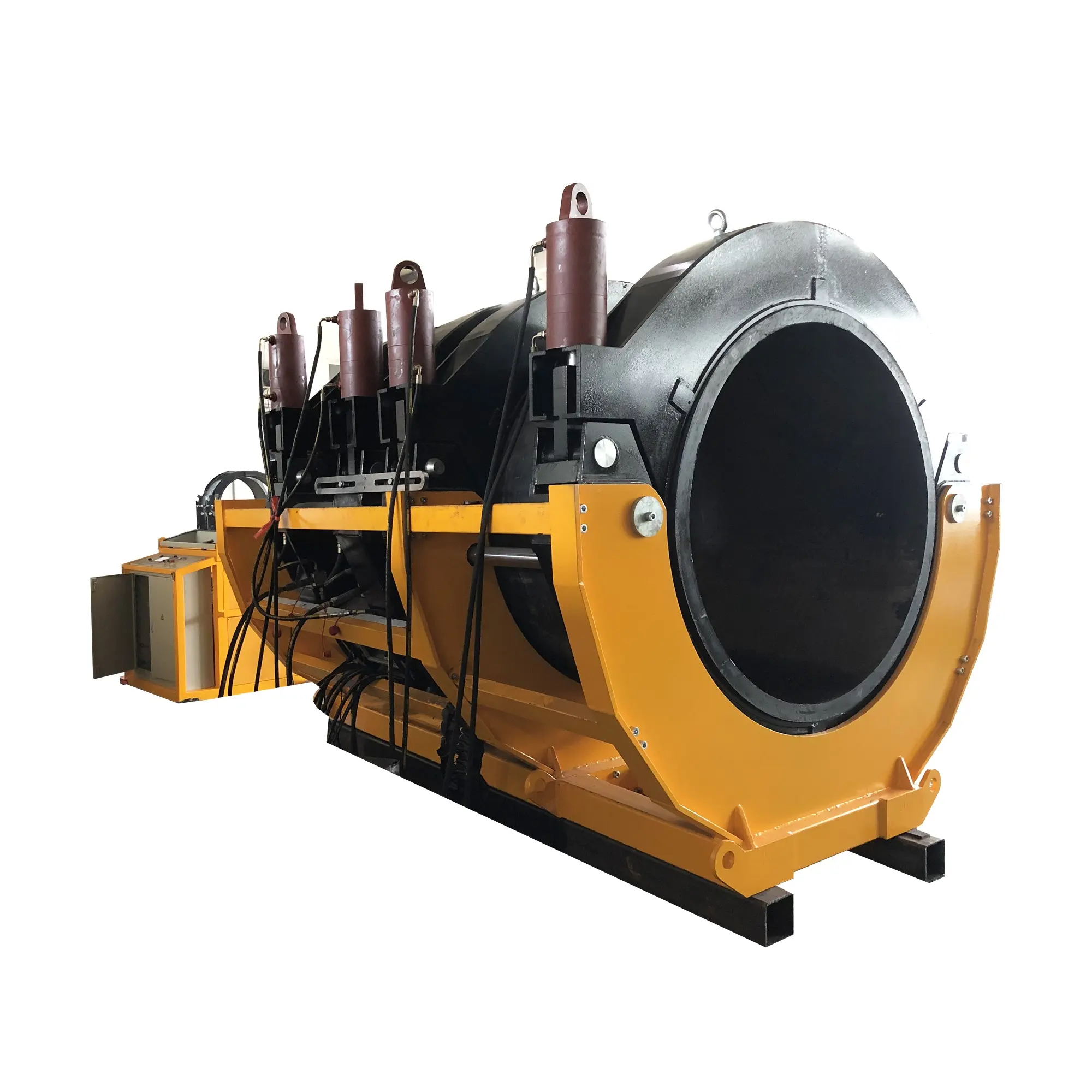
Reliable pipe connections form the backbone of critical infrastructure systems across water distribution networks, natural gas pipelines, industrial processing facilities, and municipal wastewater management operations. The integrity of these connections directly impacts system performance, operational safety, and long-term maintenance costs. A high-quality pipe welding machine serves as the foundational tool that transforms raw pipe sections into leak-proof, structurally sound joints capable of withstanding decades of operational stress, pressure fluctuations, and environmental exposure. Understanding how modern welding equipment achieves consistent, reliable connections requires examining the precise mechanisms, operational protocols, and quality control features that distinguish professional-grade systems from basic joining methods.
The reliability of pipe connections depends fundamentally on the welding technology employed during joint fabrication. Unlike mechanical coupling systems that rely on external compression or threaded interfaces, fusion welding creates molecular-level bonds between pipe sections through controlled thermal processes. This approach eliminates potential leak paths associated with gaskets, O-rings, or threaded interfaces while producing joints that match or exceed the parent pipe material's structural properties. The effectiveness of this bonding process hinges on precise temperature control, alignment accuracy, pressure application timing, and cooling management—all parameters that a properly designed pipe welding machine regulates with exacting precision throughout every phase of the joining cycle.
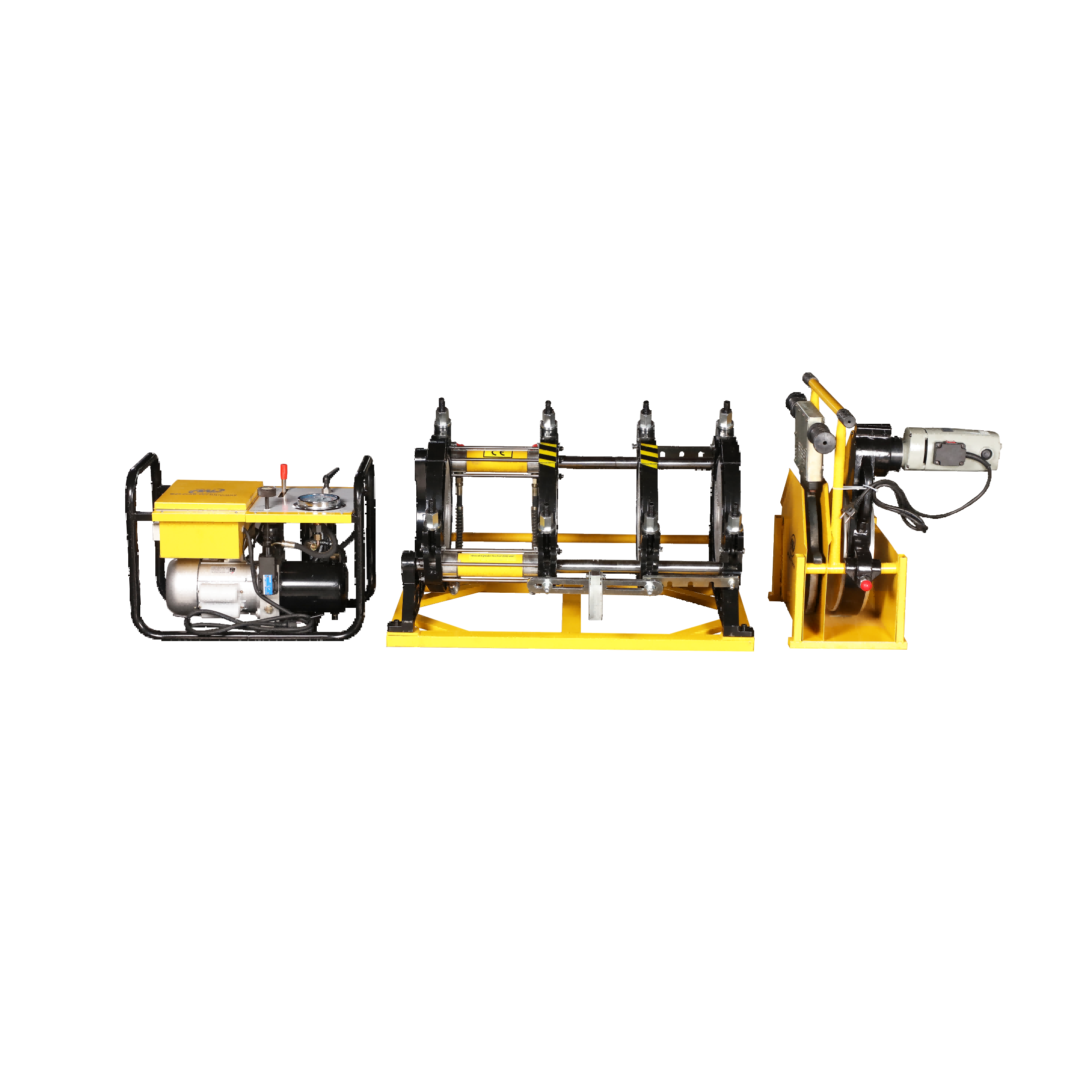
The Fundamental Mechanisms Behind Reliable Fusion Welding
Controlled Thermal Energy Application for Molecular Bonding
The core function of any pipe welding machine centers on delivering precisely controlled thermal energy to pipe surfaces at the joint interface. For thermoplastic piping systems including high-density polyethylene, polypropylene, and polyvinyl chloride materials, this process involves heating opposing pipe ends to their specific melt temperature without causing material degradation. Advanced pipe welding machine systems incorporate calibrated heating plates with embedded temperature sensors that maintain surface temperatures within narrow tolerances, typically plus or minus three degrees Celsius of the target setpoint. This thermal precision ensures uniform material softening across the entire joint interface, creating conditions for optimal molecular chain entanglement when the heated surfaces contact under controlled pressure.
The heating phase duration directly influences joint quality through its impact on melt depth uniformity. Professional-grade equipment calculates heating time based on pipe wall thickness, material type, and ambient conditions, automatically adjusting cycle parameters to compensate for temperature variations. During this phase, the pipe welding machine maintains consistent contact pressure between pipe faces and heating plates, preventing uneven heat transfer that could create weak zones within the fusion area. The result is a uniform melt layer of appropriate thickness—typically between one and two millimeters—that provides sufficient molten material for complete interfacial bonding without excessive material displacement during the joining phase.
Precision Alignment Systems Preventing Joint Defects
Alignment accuracy represents a critical factor separating reliable connections from problematic joints prone to premature failure. Even minor angular misalignment between pipe sections creates stress concentrations within the weld bead that act as initiation points for crack propagation under cyclic loading or pressure surges. A professional pipe welding machine addresses this challenge through integrated alignment mechanisms that position pipe sections concentrically within tight tolerances before, during, and after the fusion process. Four-jaw clamping systems with independent adjustment capability allow operators to correct initial pipe ovality while maintaining precise centerline alignment throughout the welding cycle.
Modern equipment incorporates laser alignment systems or mechanical indicators that provide real-time feedback on pipe positioning relative to the welding machine's centerline axis. This capability proves especially valuable when joining pipes with significant wall thickness variations or when working with materials that exhibit thermal expansion during heating phases. The alignment system must maintain positioning accuracy as hydraulic cylinders apply joining pressure, ensuring that molten material flows uniformly around the entire joint circumference rather than concentrating on one side. This uniform material distribution creates balanced bead geometry with consistent bead height and width measurements around the complete joint perimeter—visual indicators of proper fusion that correlate directly with long-term connection reliability.
Hydraulic Pressure Control During Critical Fusion Phases
The application of appropriate joining pressure at precisely timed intervals distinguishes successful fusion welding from inadequate joint formation. After the heating phase concludes and the pipe welding machine retracts the heating plate, a brief transition period allows the operator to bring heated pipe faces together before surface cooling reduces melt viscosity. During this critical window, the equipment's hydraulic system must deliver controlled force that pushes molten material outward from the joint interface, forming the characteristic bead while ensuring intimate molecular contact across the entire fusion zone. Insufficient pressure results in voids or incomplete bonding, while excessive force expels too much molten material, creating thin joints with reduced structural capacity.
Advanced pipe welding machine designs incorporate pressure regulation systems that maintain constant force throughout the cooling phase despite thermal contraction and material flow. Hydraulic cylinders with proportional control valves adjust output pressure based on feedback from load cells or pressure transducers, compensating for friction variations and ensuring that joining force remains within specification-defined ranges. This closed-loop control proves particularly important during the initial moments after pipe contact when molten material exhibits high flow rates before viscosity increases during cooling. The sustained pressure application continues until the joint cools sufficiently to achieve dimensional stability, preventing separation forces from creating micro-gaps within the fusion zone that would compromise long-term joint integrity.
Quality Assurance Features That Guarantee Connection Reliability
Automated Parameter Monitoring and Documentation Systems
Consistent joint quality across hundreds or thousands of connections requires systematic monitoring of every critical welding parameter throughout each fusion cycle. Professional-grade pipe welding machine platforms integrate data acquisition systems that continuously record heating temperature, heating time, pressure application timing, joining pressure magnitude, and cooling duration for every completed joint. This comprehensive documentation creates verifiable quality records that demonstrate compliance with project specifications and industry standards such as ISO 21307, DVS 2207, or ASTM F2620. When questions arise regarding specific joints months or years after installation, these electronic records provide definitive evidence of proper welding procedures and parameter compliance.
Beyond basic data logging, advanced systems incorporate real-time parameter validation that compares actual cycle values against predefined acceptable ranges throughout the welding process. If heating temperature drifts outside tolerance bands, pressure application timing exceeds specified limits, or any other parameter deviates from acceptable values, the pipe welding machine immediately alerts the operator and marks the joint record for review. Some systems prevent clamp release until the operator acknowledges out-of-specification conditions, ensuring that questionable joints receive appropriate attention before installation continues. This proactive quality management approach prevents defective connections from entering service while providing objective criteria for accepting or rejecting specific joints based on measurable process data rather than subjective visual assessment alone.
Bead Geometry Standards and Visual Inspection Protocols
The external appearance of a completed fusion joint provides valuable information about internal bond quality when evaluated against established bead geometry criteria. Reliable connections produced by properly operated pipe welding machine equipment exhibit characteristic bead profiles with smooth, symmetrical contours around the complete joint circumference. Bead height measurements typically range between pipe wall thickness divided by ten and wall thickness divided by three, with consistent dimensions at multiple points around the joint perimeter. Beads extending significantly beyond these ranges often indicate excessive joining pressure or prolonged heating times, while undersized beads suggest insufficient pressure or inadequate heating that may result in incomplete fusion across the joint interface.
Professional welding protocols require systematic visual inspection of every completed joint against documented acceptance criteria before allowing the connection to enter service. Inspectors examine bead symmetry, checking for consistent height and width measurements at four quadrant positions around the joint circumference. They look for surface defects including cracks, porosity, contamination inclusions, or cold joints where insufficient heat prevented proper molecular bonding. The pipe welding machine's role in producing acceptable bead geometry extends beyond the fusion process itself to include proper heating plate maintenance and cleanliness protocols that prevent contamination transfer to pipe surfaces during the heating phase. Regular verification of equipment calibration and heating plate condition ensures that the welding system continues delivering the precise thermal and mechanical conditions necessary for consistent joint quality across extended project durations.
Material-Specific Welding Procedures for Diverse Applications
Different thermoplastic pipe materials require distinct welding parameters to achieve optimal joint performance, and a versatile pipe welding machine must accommodate these material-specific requirements through adjustable control systems. High-density polyethylene pipes, commonly employed in water distribution and natural gas service, typically require heating plate temperatures between 200 and 230 degrees Celsius with joining pressures calculated based on the standard dimension ratio of the pipe being welded. Polypropylene materials used in chemical processing and high-temperature applications demand slightly elevated heating temperatures, typically 220 to 250 degrees Celsius, to achieve proper melt viscosity for complete interfacial bonding.
The equipment must also accommodate variations in pipe diameter and wall thickness that directly influence heating time calculations and pressure requirements. Small-diameter pipes with thin walls reach fusion temperature more quickly than large-diameter, thick-walled sections, requiring shorter heating phases to prevent excessive material degradation. The pipe welding machine's control system should incorporate calculation algorithms or reference tables that guide operators in selecting appropriate parameters for specific pipe sizes and materials. Some advanced systems include material-specific welding procedure libraries that automatically configure all relevant parameters when the operator inputs pipe material type, diameter, and wall thickness, eliminating calculation errors and ensuring consistent application of proven welding procedures across different project phases and operator skill levels.
Operational Factors That Influence Joint Reliability
Environmental Condition Management During Welding Operations
The ambient environment surrounding welding operations exerts significant influence on joint quality through its effects on heating efficiency, cooling rates, and material contamination potential. Wind speed presents a particular challenge for outdoor pipe welding machine operations, as moving air accelerates heat loss from heated pipe surfaces during the brief transition between heating plate removal and pipe joining. Industry standards typically specify maximum allowable wind speeds, often limited to six meters per second without supplemental wind protection, beyond which joint quality becomes unpredictable regardless of equipment capability. Professional contractors employ portable wind screens or enclosures around the welding zone to maintain stable thermal conditions that support reliable fusion regardless of ambient weather conditions.
Temperature extremes also affect welding parameters and joint formation mechanics. Cold ambient conditions increase the thermal energy required to bring pipe surfaces to fusion temperature while accelerating cooling rates during the joining phase. The pipe welding machine operator must extend heating times in cold weather while potentially increasing joining pressure to compensate for higher melt viscosity at lower ambient temperatures. Conversely, hot weather operations reduce heating time requirements while potentially necessitating cooling time extensions to ensure adequate joint solidification before releasing clamps. Precipitation introduces contamination risks that can prevent proper molecular bonding, requiring operators to protect pipe ends from moisture exposure and verify surface dryness before beginning the heating phase. Equipment designs that incorporate environmental sensors and parameter adjustment recommendations help operators adapt welding procedures to prevailing conditions while maintaining reliable joint formation across diverse project environments.
Operator Training and Procedural Consistency Requirements
Even the most sophisticated pipe welding machine cannot guarantee reliable connections without skilled operators who understand fusion welding fundamentals and follow established procedures consistently across every joint. Comprehensive operator training programs address equipment operation sequences, parameter selection logic, quality inspection criteria, and troubleshooting approaches for common welding defects. Trainees practice on sample materials before welding production joints, developing the manual skills necessary for proper pipe preparation, alignment verification, and heating plate insertion timing. This hands-on experience builds procedural consistency that translates directly to improved joint quality and reduced rejection rates during actual project execution.
Certification programs administered by equipment manufacturers or industry organizations provide objective verification of operator competency through written examinations and practical welding demonstrations. Certified operators demonstrate proficiency in equipment setup, parameter calculation, procedure execution, and joint inspection against established acceptance criteria. Many project specifications mandate certified operator involvement for critical applications including high-pressure gas transmission lines, potable water mains, or industrial process piping where joint failure consequences justify the additional quality assurance investment. The combination of capable pipe welding machine equipment and properly trained operators creates a quality management system that consistently delivers reliable pipe connections meeting or exceeding design life expectations across diverse installation conditions and application requirements.
Maintenance Protocols That Sustain Equipment Performance
Long-term reliability of pipe connections depends partly on the ongoing performance consistency of the pipe welding machine itself, making systematic equipment maintenance an essential component of quality assurance programs. Heating plate condition directly affects thermal energy transfer efficiency and surface contamination risks during the heating phase. Regular cleaning removes accumulated residue from previous welds while inspection identifies surface damage including scratches, gouges, or coating deterioration that could compromise heat distribution uniformity. Heating element resistance testing verifies consistent electrical performance, while temperature sensor calibration ensures that displayed temperatures accurately reflect actual surface conditions throughout the specified operating range.
Hydraulic system maintenance addresses fluid cleanliness, seal condition, and pressure control accuracy that influence joining force application consistency. Contaminated hydraulic fluid increases wear rates on pump components and control valves while potentially causing erratic pressure delivery during critical fusion phases. Regular fluid analysis and filtration system monitoring prevent contamination-related performance degradation that could compromise joint quality through inconsistent pressure application. Calibration verification procedures confirm that pressure gauges, load cells, and temperature displays provide accurate readings within manufacturer-specified tolerances, ensuring that recorded welding parameters reflect actual process conditions. Organizations that implement structured maintenance schedules and document completion of preventive service tasks demonstrate their commitment to sustained equipment performance and reliable joint production throughout extended project durations spanning months or years of continuous welding operations.
Advanced Technologies Enhancing Modern Welding Reliability
Digital Control Systems With Parameter Optimization Capabilities
Contemporary pipe welding machine designs increasingly incorporate microprocessor-based control systems that elevate welding consistency beyond the capabilities of earlier electromechanical equipment. Digital controllers execute complex parameter calculations instantaneously based on operator inputs regarding pipe material, diameter, wall thickness, and ambient conditions, eliminating manual calculation errors that could result in inappropriate heating times or pressure applications. These systems store extensive libraries of proven welding procedures developed through laboratory testing and field validation, allowing operators to access optimized parameters for virtually any pipe configuration without consulting printed reference materials or performing manual calculations that introduce potential errors.
Real-time process monitoring capabilities embedded in digital control platforms provide continuous feedback regarding actual parameter delivery compared to target values throughout each welding cycle phase. If heating plate temperature drifts from the setpoint due to voltage fluctuations or element aging, the controller extends heating time automatically to ensure that pipes receive adequate thermal energy for proper fusion. If hydraulic pressure delivery varies from target values, the system adjusts pump output or valve positions to maintain specification compliance without operator intervention. This closed-loop control approach compensates for equipment wear, environmental variations, and material property differences that affect welding process mechanics, maintaining consistent joint quality across thousands of connections despite changing conditions that would compromise performance with simpler control systems. The result is enhanced reliability through systematic elimination of process variations that create quality inconsistencies even when operators follow identical procedures with identical equipment configurations.
Automated Joint Documentation and Traceability Systems
Large-scale pipeline projects involving thousands of individual welds present substantial documentation challenges when quality records must demonstrate compliance with project specifications and regulatory requirements. Modern pipe welding machine platforms address this need through integrated data management systems that automatically capture, store, and organize comprehensive records for every completed joint throughout the project duration. Each joint record includes time and date stamps, equipment identification, operator credentials, pipe specifications, welding parameters, and quality acceptance status, creating a complete audit trail that supports regulatory compliance verification and long-term asset management objectives.
Advanced systems incorporate wireless connectivity that transmits joint records to centralized databases in real time, enabling project managers to monitor welding progress and quality metrics remotely without collecting paper documentation from field locations. Geographic positioning data links individual joints to specific installation locations, supporting asset management systems that track pipeline infrastructure throughout operational lifespans spanning decades. When future maintenance activities require excavation or repair work, this comprehensive documentation provides definitive information regarding joint installation dates, welding parameters, and quality verification results that inform maintenance planning and risk assessment processes. The systematic documentation capabilities of modern pipe welding machine equipment transform quality assurance from a subjective, inspection-dependent process into an objective, data-driven system that provides verifiable evidence of reliable joint formation across entire project scopes.
Enhanced Safety Features Protecting Operators and Equipment
Reliable pipe connections require not only quality welding equipment but also safe operating conditions that protect personnel from thermal, mechanical, and electrical hazards inherent in fusion welding processes. Contemporary pipe welding machine designs incorporate multiple safety systems including emergency stop controls, heating plate retraction interlocks, and hydraulic pressure relief valves that prevent equipment damage and operator injury during both normal operations and fault conditions. Insulated heating plate frames prevent accidental contact with hot surfaces, while guarding systems protect operators from moving hydraulic components during clamping and joining operations.
Electrical safety features include ground fault protection, thermal overload cutouts, and voltage monitoring systems that disconnect power automatically when potentially dangerous conditions develop. These protective systems prevent equipment damage that could compromise welding capability while eliminating shock hazards that threaten operator safety. Hydraulic system designs incorporate burst-proof hoses, redundant pressure relief valves, and leak detection provisions that contain fluid releases and prevent uncontrolled movements that could trap or strike personnel working near the equipment. The comprehensive safety architecture integrated into professional pipe welding machine platforms reflects manufacturer recognition that reliable long-term performance depends on sustainable operating practices that protect both human resources and capital equipment throughout extended project durations and challenging field conditions.
FAQ
What makes fusion welding more reliable than mechanical pipe connections?
Fusion welding creates molecular-level bonds between pipe sections that eliminate potential leak paths associated with mechanical connections relying on gaskets, threads, or compression fittings. A properly executed fusion joint using appropriate pipe welding machine equipment produces connections with strength properties matching or exceeding the parent pipe material, while mechanical joints introduce stress concentration points and sealing interfaces vulnerable to degradation over time. Fusion joints contain no consumable sealing components requiring periodic replacement, reducing long-term maintenance requirements and eliminating potential failure modes associated with gasket deterioration, thread wear, or compression fitting loosening under thermal cycling or ground movement.
How do environmental conditions affect pipe welding reliability?
Wind speed, ambient temperature, precipitation, and humidity all influence fusion welding process mechanics and joint quality outcomes. Wind accelerates heat loss from pipe surfaces during the critical transition between heating and joining phases, potentially preventing adequate fusion if wind speeds exceed specified limits without protection measures. Cold temperatures increase heating time requirements and melt viscosity while hot conditions accelerate cooling rates, requiring parameter adjustments to maintain optimal fusion conditions. Moisture contamination prevents molecular bonding by creating steam barriers at the joint interface. Professional pipe welding machine operations incorporate environmental monitoring and protection measures including wind screens, parameter adjustments, and moisture control protocols that maintain reliable joint formation across diverse ambient conditions encountered during field installations.
What training do operators need to produce reliable welded connections?
Competent pipe welding machine operation requires comprehensive training covering fusion welding theory, equipment operation procedures, parameter calculation methods, joint inspection criteria, and defect recognition skills. Formal training programs combine classroom instruction with hands-on practice on sample materials before operators weld production joints. Many organizations require operator certification through examinations administered by equipment manufacturers or industry organizations that verify both theoretical knowledge and practical welding skills. Certification programs typically require operators to demonstrate proficiency in equipment setup, alignment verification, parameter selection, procedure execution, and quality inspection against established acceptance criteria. Ongoing training updates address new equipment features, revised industry standards, and lessons learned from field experience that enhance operator capabilities throughout their careers.
How often does pipe welding equipment require calibration and maintenance?
Maintenance frequency depends on equipment utilization intensity, operating environment conditions, and manufacturer recommendations, but most professional pipe welding machine platforms require systematic preventive maintenance at regular intervals. Heating plate cleaning should occur daily during active use to remove residue accumulation, while comprehensive heating element testing and temperature sensor calibration typically occur quarterly or after every 500 to 1000 welding cycles. Hydraulic system maintenance including fluid analysis, filter replacement, and seal inspection generally follows similar quarterly intervals or manufacturer-specified service hours. Formal calibration verification comparing equipment performance against traceable reference standards typically occurs annually or after major repairs to confirm that temperature displays, pressure gauges, and timing systems provide accurate readings within specified tolerances. Organizations implementing structured maintenance schedules and documenting service completion demonstrate commitment to sustained equipment performance and consistent joint quality throughout extended operational periods.