Professional HDPE Thermofusion Machine Industrial - Advanced Pipe Joining Solutions

Get a Free Quote

Our representative will contact you soon.
E-mail
Name
Mobile/WhatsApp
Company Name
Message
0/1000

hdpe thermofusion machine industrial

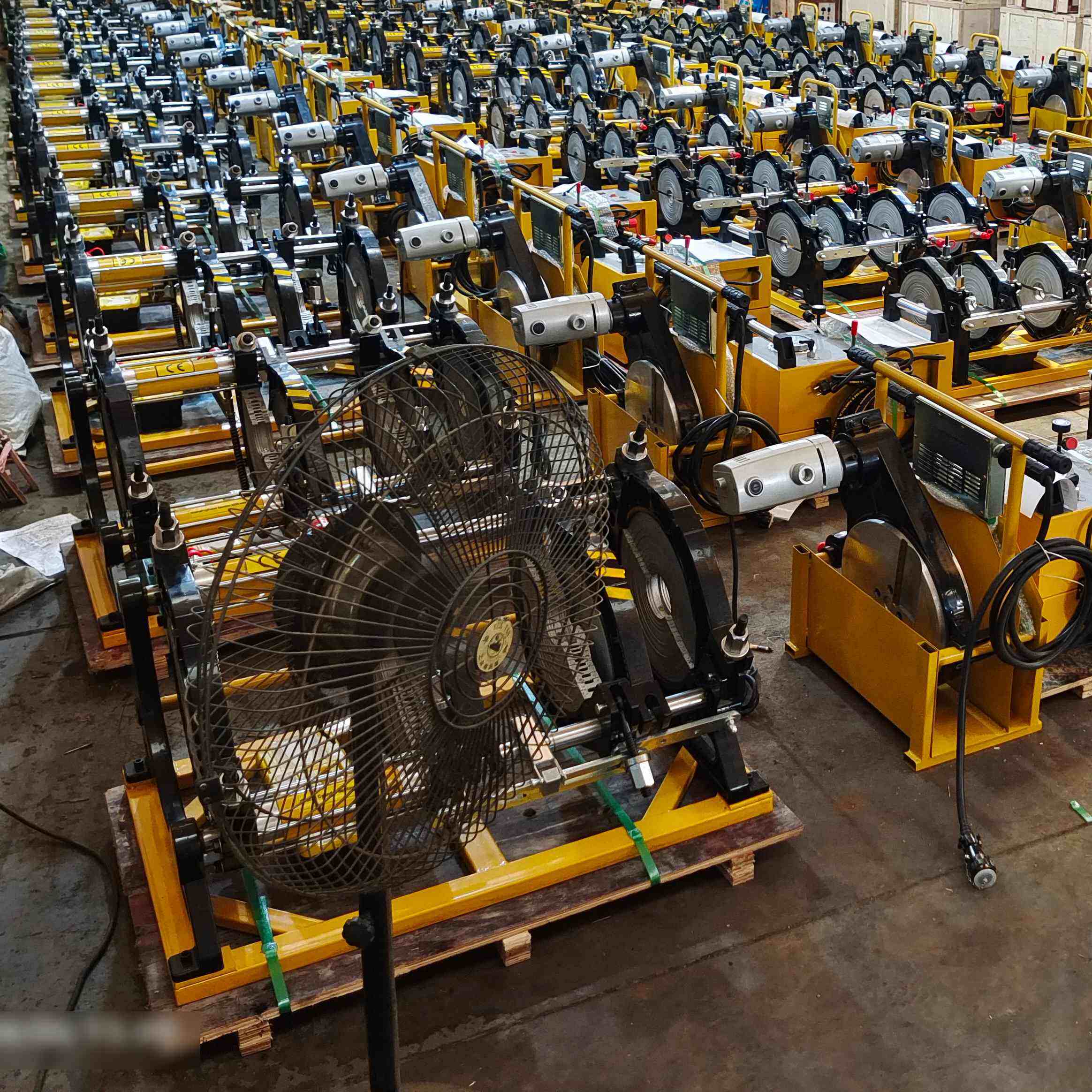
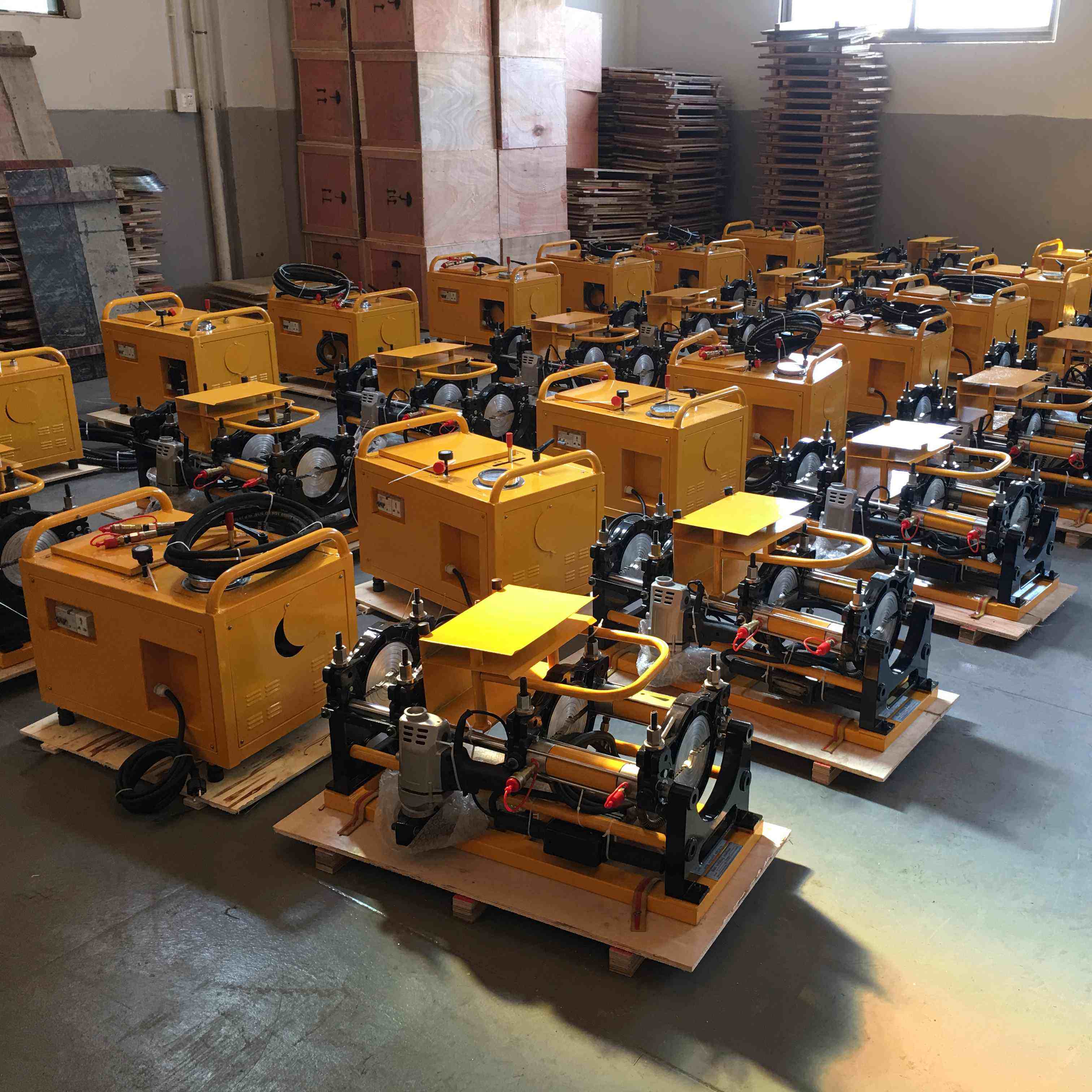
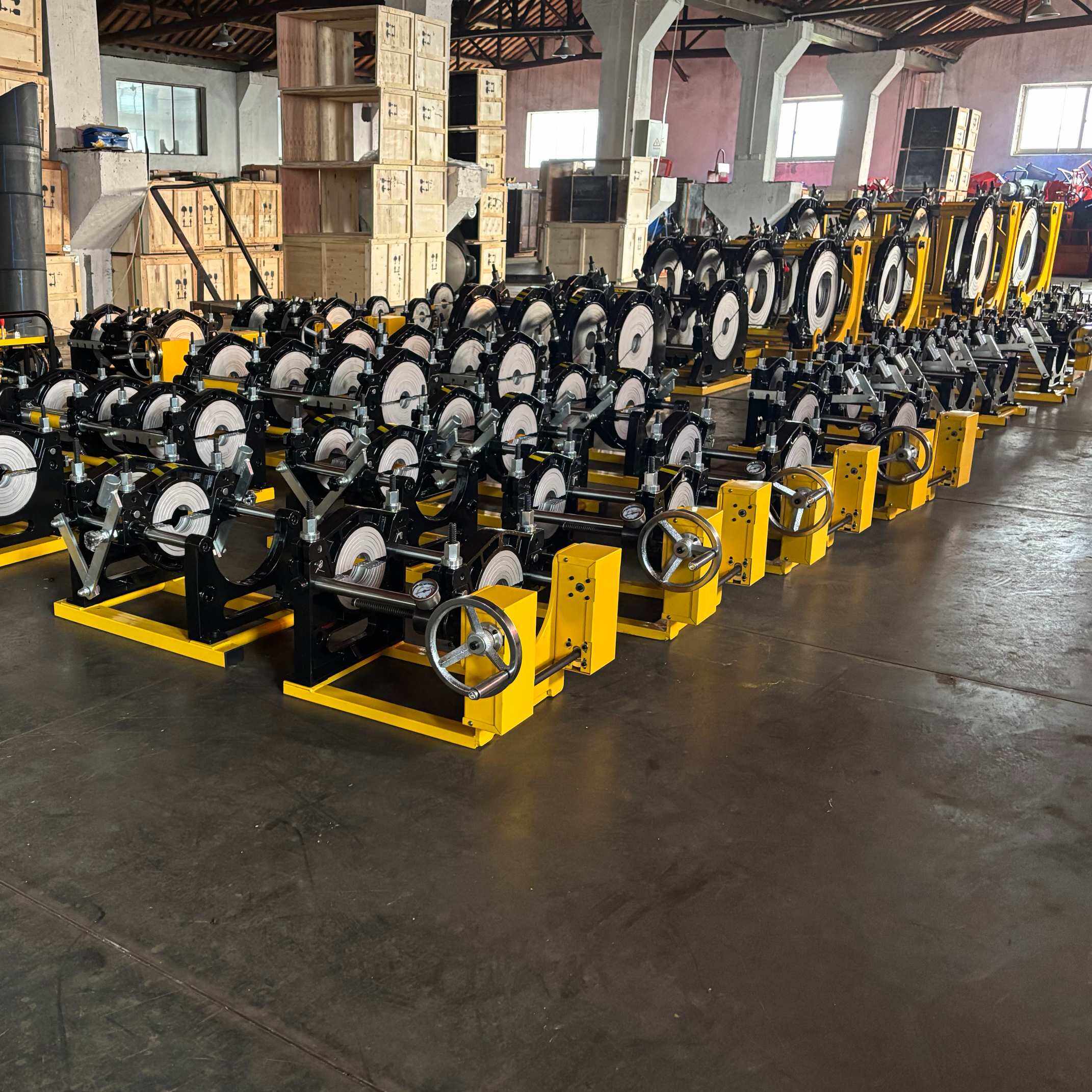
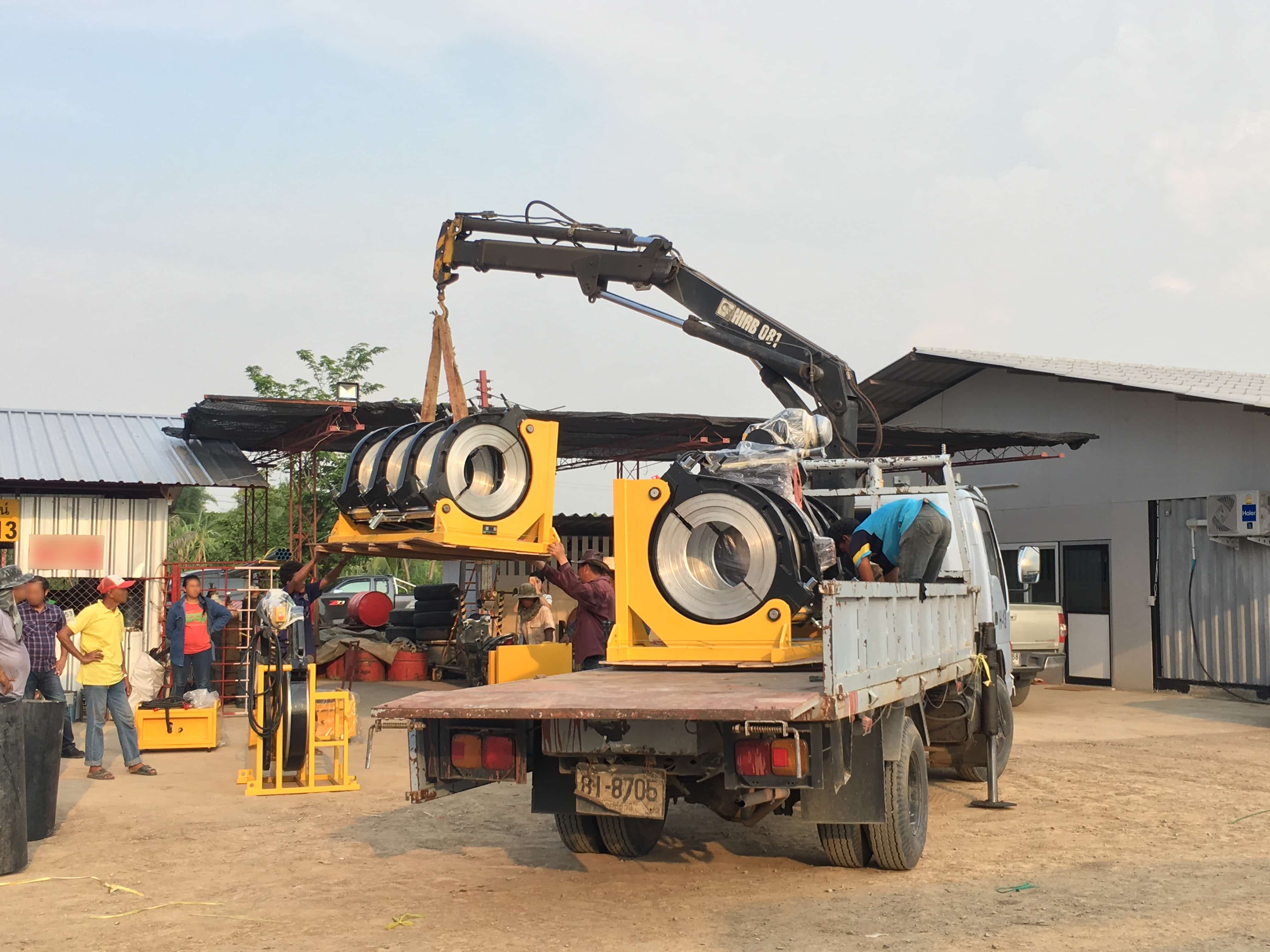
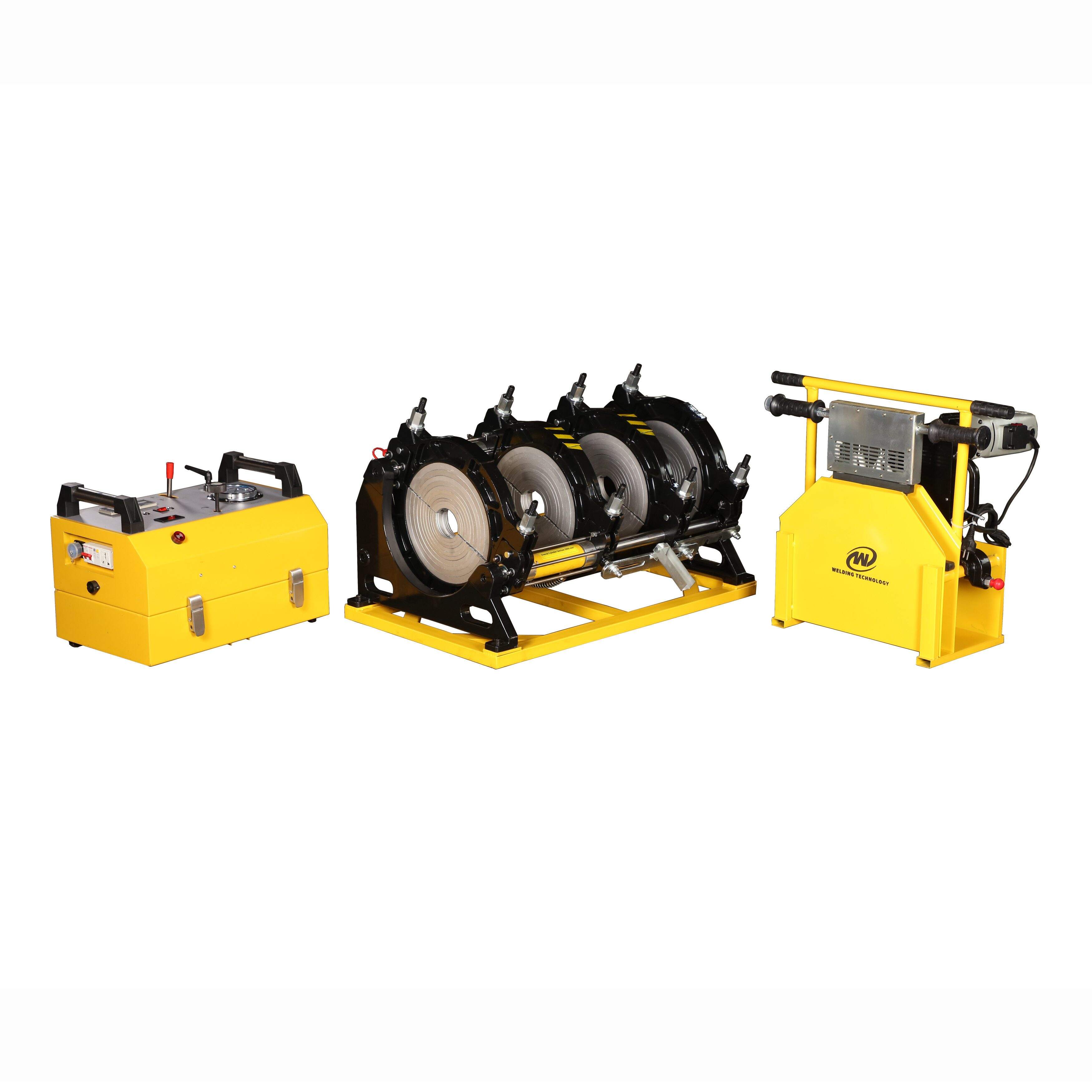
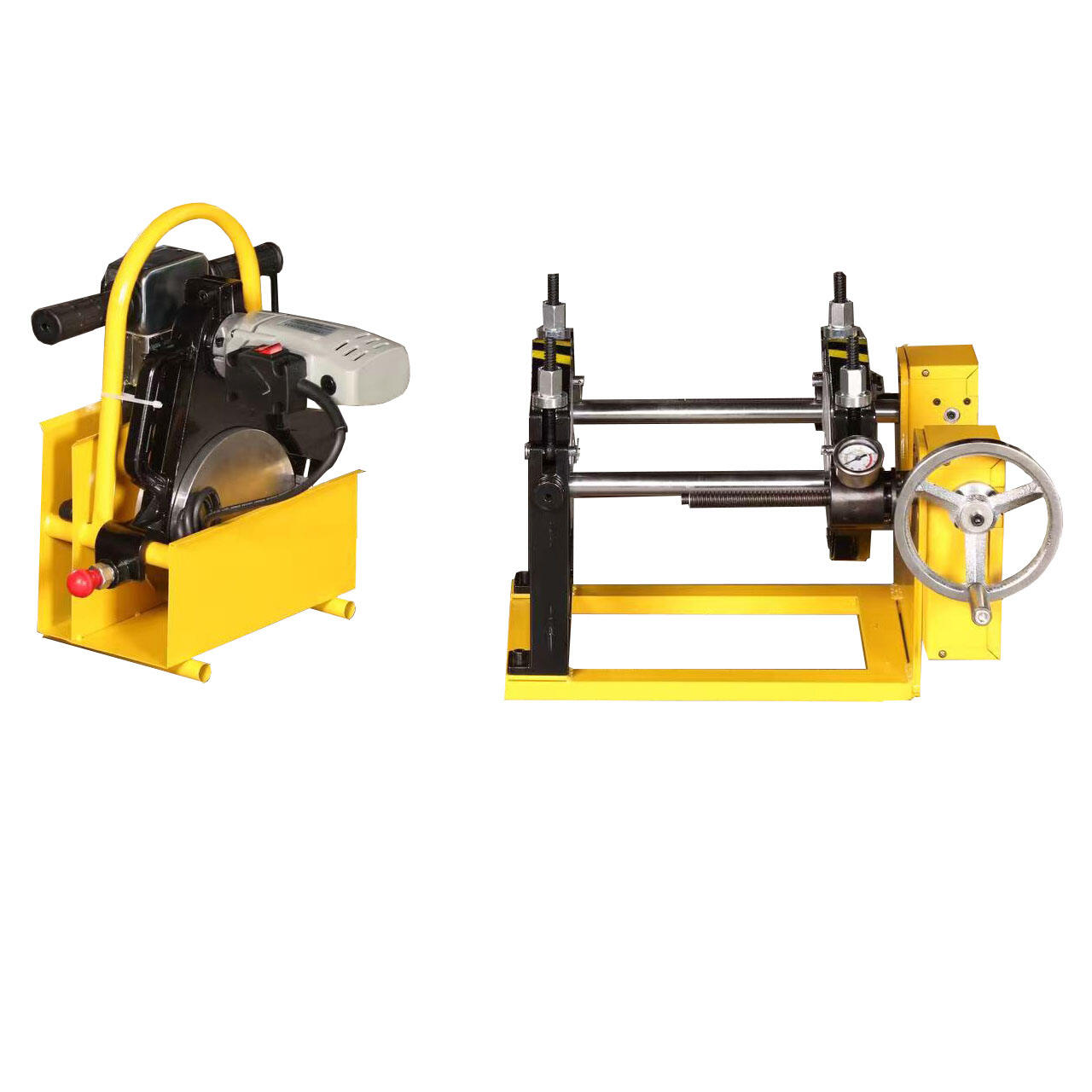
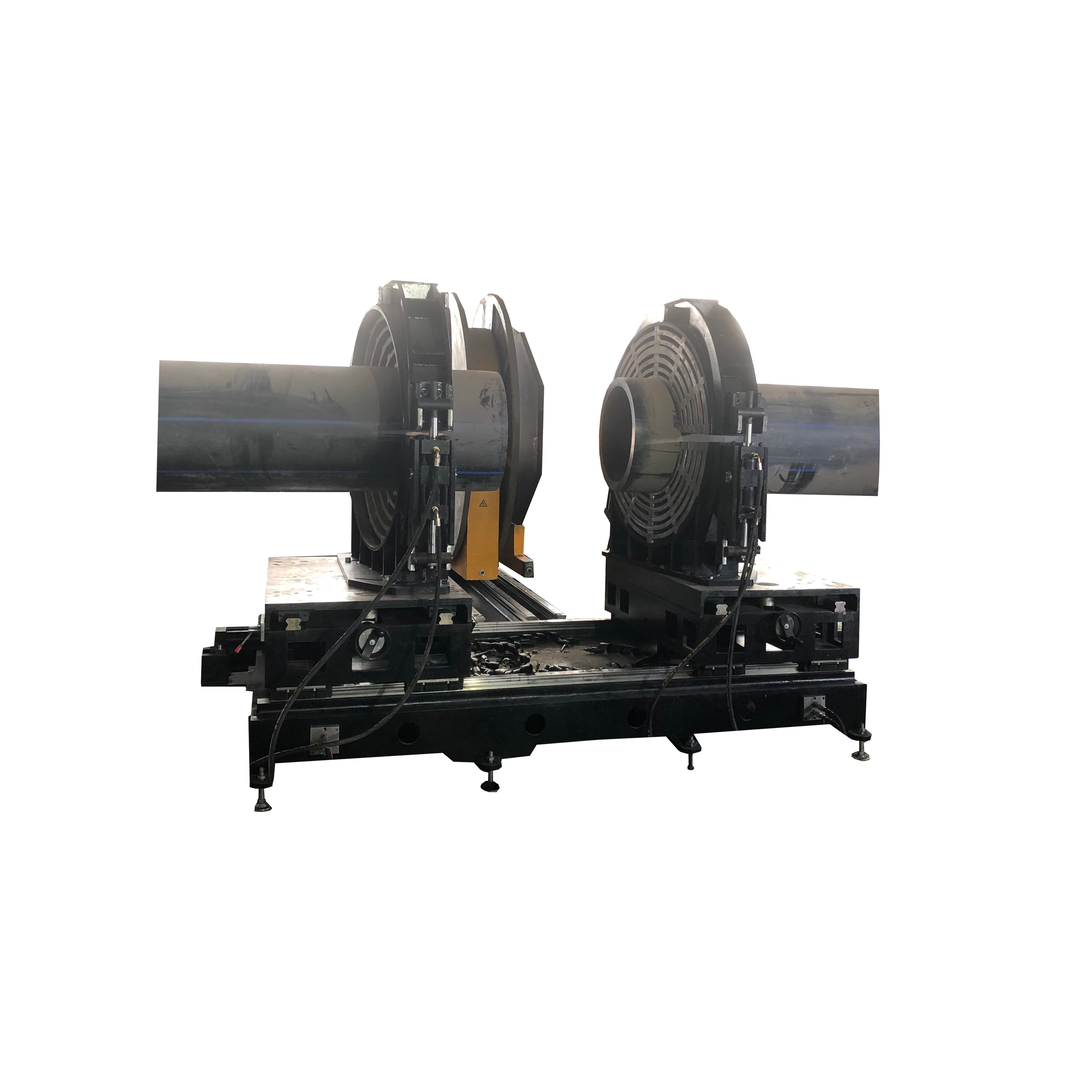
The HDPE thermofusion machine industrial represents a cutting-edge solution for joining high-density polyethylene pipes and fittings in commercial and industrial applications. This sophisticated equipment utilizes advanced thermal fusion technology to create seamless, permanent connections that exceed the strength of the original pipe material. The HDPE thermofusion machine industrial operates by precisely heating pipe ends and fittings to optimal fusion temperatures, typically ranging from 200 to 230 degrees Celsius, ensuring consistent molecular bonding across the joint interface. The machine's primary function centers on delivering controlled heat distribution through specialized heating plates while maintaining precise pressure and timing parameters throughout the fusion process. Modern HDPE thermofusion machine industrial units feature digital temperature controls, automated pressure regulation systems, and programmable fusion cycles that eliminate guesswork and human error from the welding process. The technological framework incorporates advanced heating elements with uniform temperature distribution, ensuring complete penetration and consistent joint quality across varying pipe diameters and wall thicknesses. These machines accommodate pipe sizes ranging from small residential applications to large-scale industrial installations, with some units capable of handling pipes up to 1600mm in diameter. The HDPE thermofusion machine industrial finds extensive application in water distribution systems, gas transmission pipelines, sewage treatment facilities, industrial process piping, and underground utility networks. The equipment's versatility extends to mining operations, chemical processing plants, and infrastructure projects where reliable, leak-proof connections are paramount. Environmental considerations make the HDPE thermofusion machine industrial particularly valuable, as the fusion process produces zero emissions and creates joints that resist corrosion, chemical degradation, and ground movement. The machine's robust construction ensures reliable performance in challenging industrial environments, while user-friendly interfaces simplify operation and reduce training requirements for technicians and welding professionals.

New Product Releases

The HDPE thermofusion machine industrial delivers exceptional joint strength that often exceeds the tensile strength of the original pipe material itself. This superior connection integrity results from the molecular bonding process that occurs during thermal fusion, creating seamless joints without mechanical fasteners or adhesives that could potentially fail over time. Operators benefit from significantly reduced installation time compared to traditional joining methods, as the HDPE thermofusion machine industrial eliminates the need for complex threading, solvent welding, or mechanical coupling systems. The automated nature of modern units streamlines the fusion process, allowing single operators to complete joints efficiently while maintaining consistent quality standards throughout large-scale installations. Cost-effectiveness represents another compelling advantage, as the HDPE thermofusion machine industrial reduces long-term maintenance expenses by creating leak-proof connections that resist environmental stresses, chemical exposure, and ground settlement. The elimination of ongoing joint maintenance translates to substantial savings over the system's operational lifespan, particularly in underground applications where access requires costly excavation. The machine's versatility accommodates various HDPE grades and pipe specifications, making it suitable for diverse industrial applications from water distribution to chemical processing systems. Safety improvements result from the controlled fusion environment that eliminates exposure to toxic solvents or adhesives commonly used in alternative joining methods. The HDPE thermofusion machine industrial operates with minimal environmental impact, producing no harmful emissions or waste byproducts during the fusion process. Quality control benefits include consistent joint formation through precise temperature and pressure monitoring, reducing the likelihood of installation defects that could compromise system integrity. The equipment's portability enables on-site fusion operations, eliminating the need for pre-fabricated joints and reducing transportation costs. Training requirements remain minimal due to intuitive control systems and automated operation sequences that guide operators through each step of the fusion process. Maintenance costs stay low thanks to robust construction and simple mechanical systems that require routine cleaning and calibration rather than complex repairs. The HDPE thermofusion machine industrial supports sustainable construction practices by enabling the use of recyclable HDPE materials while creating long-lasting installations that reduce replacement frequency and associated environmental impacts.

Practical Tips

Global Fusion Welding Machinery Market Booms, Hangzhou Welding Leads Chinese Manufacturing to Serve 100+ Countries

11

Feb

Global Fusion Welding Machinery Market Booms, Hangzhou Welding Leads Chinese Manufacturing to Serve 100+ Countries

View More
Technological Innovation Drives Industry Upgrade, Hangzhou Welding Leads the Development of Thermoplastic Welding Technology

11

Feb

Technological Innovation Drives Industry Upgrade, Hangzhou Welding Leads the Development of Thermoplastic Welding Technology

View More
Accelerating Global Layout, Hangzhou Welding Technology Drives International Market Development with the Dual Wheels of

11

Feb

Accelerating Global Layout, Hangzhou Welding Technology Drives International Market Development with the Dual Wheels of "Products + Services"

View More

Get a Free Quote

Our representative will contact you soon.
E-mail
Name
Mobile/WhatsApp
Company Name
Message
0/1000

hdpe thermofusion machine industrial

Advanced Temperature Control Technology

Advanced Temperature Control Technology

The HDPE thermofusion machine industrial incorporates state-of-the-art temperature control systems that ensure precise heating throughout the entire fusion process. This sophisticated technology utilizes digital controllers with accuracy levels within plus or minus two degrees Celsius, guaranteeing optimal fusion temperatures for various HDPE formulations and environmental conditions. The temperature control system features multiple heating zones that can be independently adjusted to accommodate different pipe wall thicknesses and ambient temperatures, ensuring uniform heat distribution across the entire joint interface. Advanced thermal sensors continuously monitor heating plate temperatures and provide real-time feedback to the control system, automatically adjusting power output to maintain target temperatures throughout the fusion cycle. The HDPE thermofusion machine industrial employs rapid heating capabilities that significantly reduce setup time while maintaining precise temperature stability during the critical fusion phases. This technology proves particularly valuable in challenging environmental conditions where ambient temperatures might otherwise affect fusion quality, as the intelligent control system compensates for external factors automatically. The heating elements utilize advanced materials and coatings that provide uniform heat distribution while resisting contamination and oxidation that could compromise fusion quality over time. Temperature ramping protocols built into the HDPE thermofusion machine industrial ensure gradual heating that prevents thermal shock and material degradation, while cooling sequences maintain joint integrity during the critical solidification phase. The system's memory capabilities store optimal temperature profiles for different pipe specifications, allowing operators to quickly select appropriate settings without manual calibration for each joint. Safety features include over-temperature protection systems that prevent equipment damage and ensure operator safety during extended operation periods. The temperature control technology extends equipment lifespan by preventing overheating damage to internal components while maintaining consistent performance standards throughout thousands of fusion cycles. This precision temperature management directly contributes to joint reliability and long-term system performance, making the HDPE thermofusion machine industrial an indispensable tool for critical infrastructure applications.
Automated Pressure Regulation System

Automated Pressure Regulation System

The automated pressure regulation system integrated into the HDPE thermofusion machine industrial represents a breakthrough in fusion welding technology, delivering precise force application throughout the entire joining process. This sophisticated system eliminates human error in pressure application while ensuring optimal molecular bonding between pipe surfaces during the fusion phase. The pressure regulation technology employs hydraulic or pneumatic actuators controlled by advanced electronic systems that monitor and adjust applied force in real-time based on pipe specifications and material characteristics. The HDPE thermofusion machine industrial calibrates pressure levels automatically according to pipe diameter, wall thickness, and material grade, removing guesswork from the fusion process and guaranteeing consistent results across varying installation conditions. The system maintains steady pressure during the heating phase, ensuring complete surface contact between pipe ends while preventing excessive deformation that could compromise joint geometry. During the fusion phase, the automated pressure system applies precise joining forces that optimize molecular penetration without causing material displacement or internal stress concentrations. The pressure regulation technology accommodates varying ambient conditions and pipe characteristics by adjusting force levels dynamically throughout the fusion cycle, ensuring optimal results regardless of environmental variables. Safety mechanisms built into the pressure system prevent excessive force application that could damage equipment or create unsafe working conditions, while pressure monitoring systems provide continuous feedback on system performance. The automated nature of the pressure regulation reduces operator fatigue during extended fusion operations and eliminates the physical strain associated with manual pressure application systems. This technology proves particularly valuable in large-diameter pipe installations where manual pressure application would be impossible or unsafe, enabling the HDPE thermofusion machine industrial to handle projects ranging from small utility connections to major infrastructure installations. The pressure system's precision contributes directly to joint quality by ensuring optimal material flow during fusion while preventing common defects such as incomplete penetration or excessive flash formation. Diagnostic capabilities within the pressure regulation system provide valuable feedback on joint quality and equipment performance, enabling preventive maintenance and quality assurance throughout the installation process.
Comprehensive Quality Assurance Features

Comprehensive Quality Assurance Features

The HDPE thermofusion machine industrial incorporates extensive quality assurance features that monitor, document, and verify every aspect of the fusion process to ensure superior joint integrity and system reliability. These comprehensive quality control systems represent a significant advancement over traditional joining methods, providing objective documentation of fusion parameters and joint quality that meets the most stringent industry standards and regulatory requirements. The quality assurance framework includes real-time monitoring of critical fusion parameters such as temperature profiles, pressure curves, heating duration, and cooling times, with automatic data logging that creates permanent records for each completed joint. Advanced diagnostic systems within the HDPE thermofusion machine industrial analyze fusion data in real-time, identifying potential quality issues before they compromise joint integrity and alerting operators to corrective actions when necessary. The equipment's quality control features include automated sequence verification that ensures proper completion of each fusion phase, preventing premature joint separation or inadequate fusion that could lead to system failures. Digital documentation capabilities generate detailed reports for each fusion operation, including graphical representations of temperature and pressure curves that provide valuable insights into joint formation quality and process consistency. The HDPE thermofusion machine industrial employs sophisticated algorithms that compare actual fusion parameters against established standards, automatically flagging deviations that might indicate equipment malfunctions or operator errors. Quality assurance extends to preventive maintenance features that monitor equipment condition and performance trends, alerting operators to calibration requirements or component wear before they affect fusion quality. The system's quality control database maintains historical records of all fusion operations, enabling trend analysis and process optimization that continuously improve installation quality and efficiency. Advanced quality features include joint cooling verification that ensures adequate solidification time before joint handling, preventing premature stress application that could compromise long-term joint integrity. The HDPE thermofusion machine industrial supports third-party quality verification through standardized data export formats that facilitate regulatory compliance and project documentation requirements. These comprehensive quality assurance capabilities provide peace of mind for critical infrastructure applications where joint failure could result in significant environmental or safety consequences, making the equipment essential for high-stakes installations in water distribution, gas transmission, and industrial process systems.

Get a Free Quote

Our representative will contact you soon.
E-mail
Name
Mobile/WhatsApp
Company Name
Message
0/1000