HDPE Thermofusion Machine Industrial - Advanced Pipe Fusion Equipment for Infrastructure Projects

Get a Free Quote

Our representative will contact you soon.
E-mail
Name
Mobile/WhatsApp
Company Name
Message
0/1000

hdpe thermofusion machine industrial

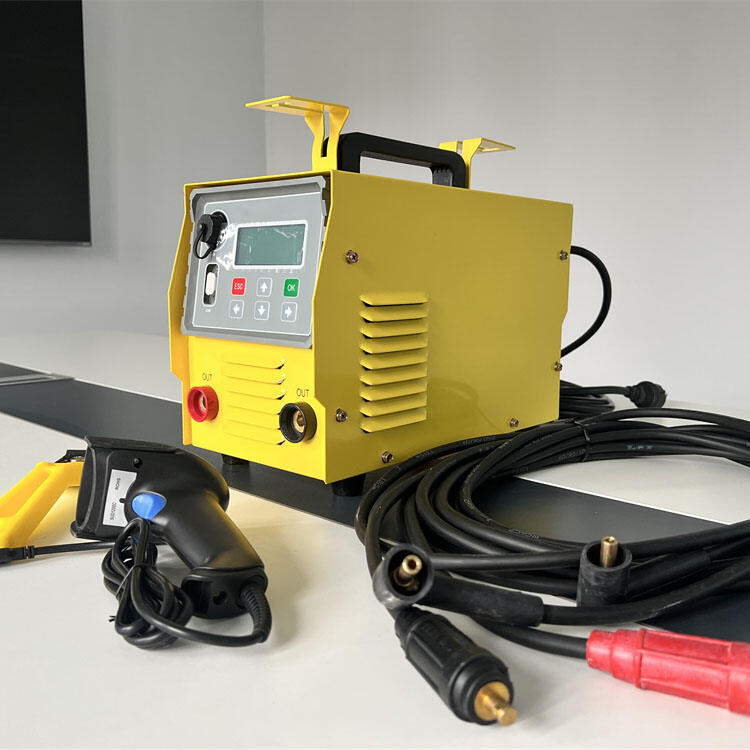
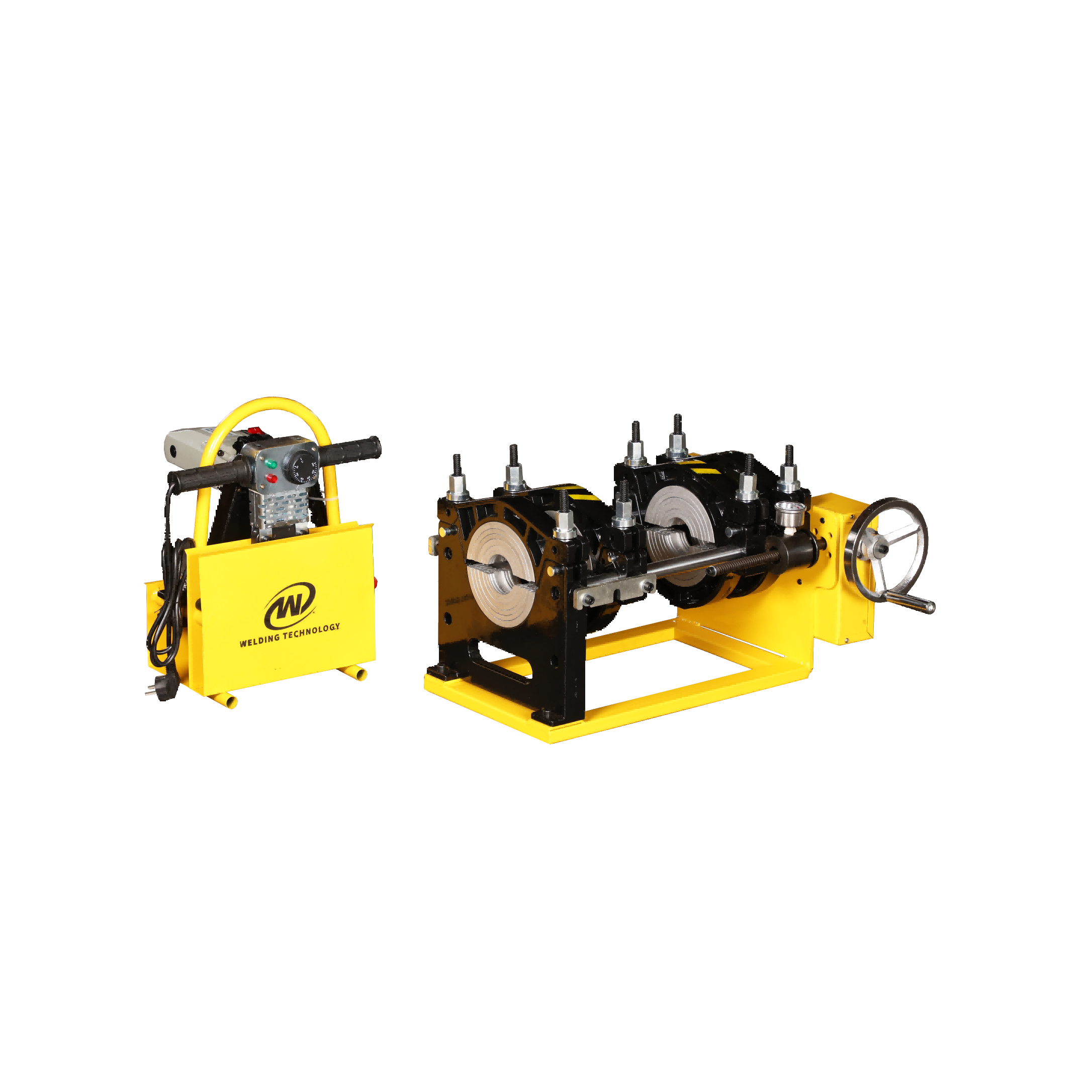
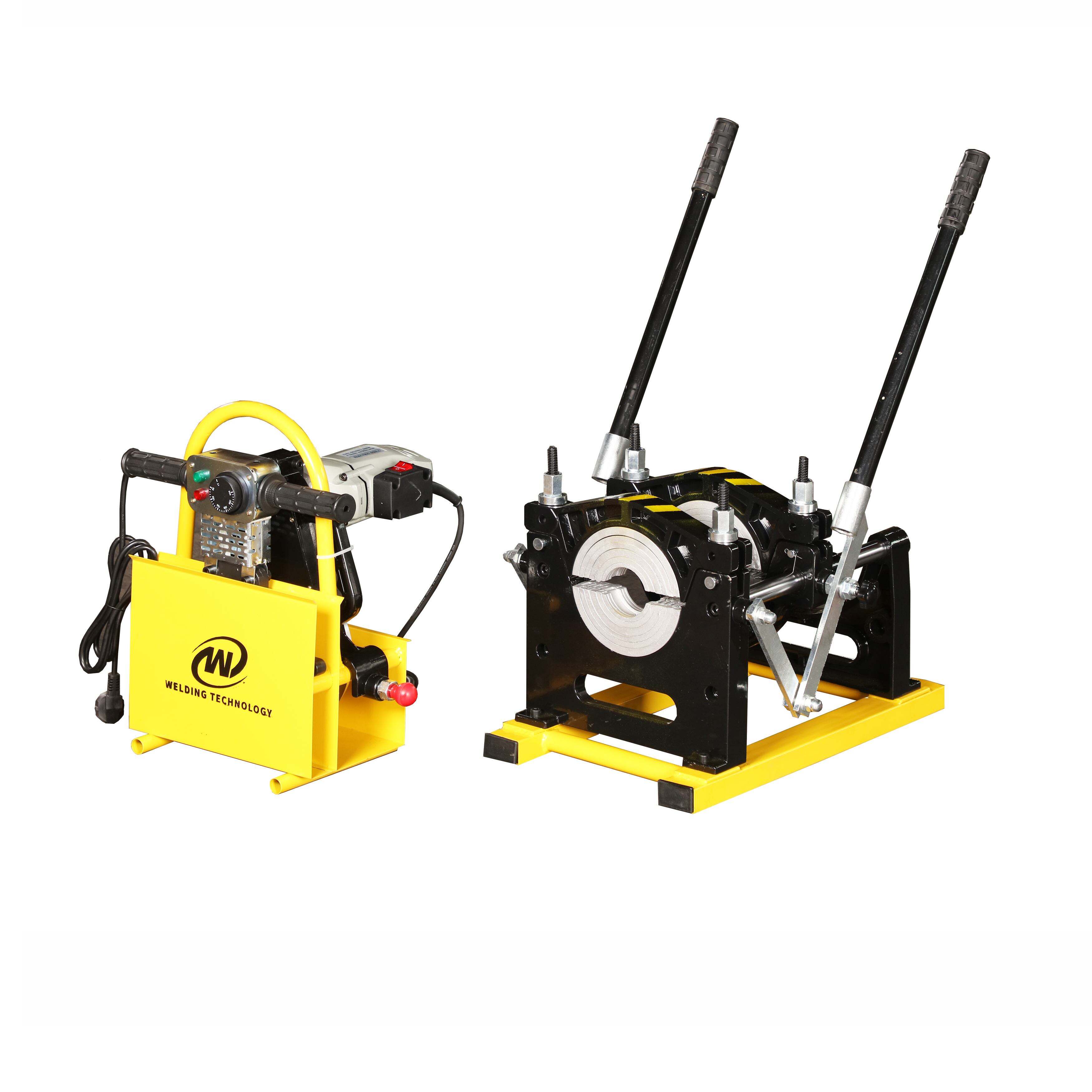
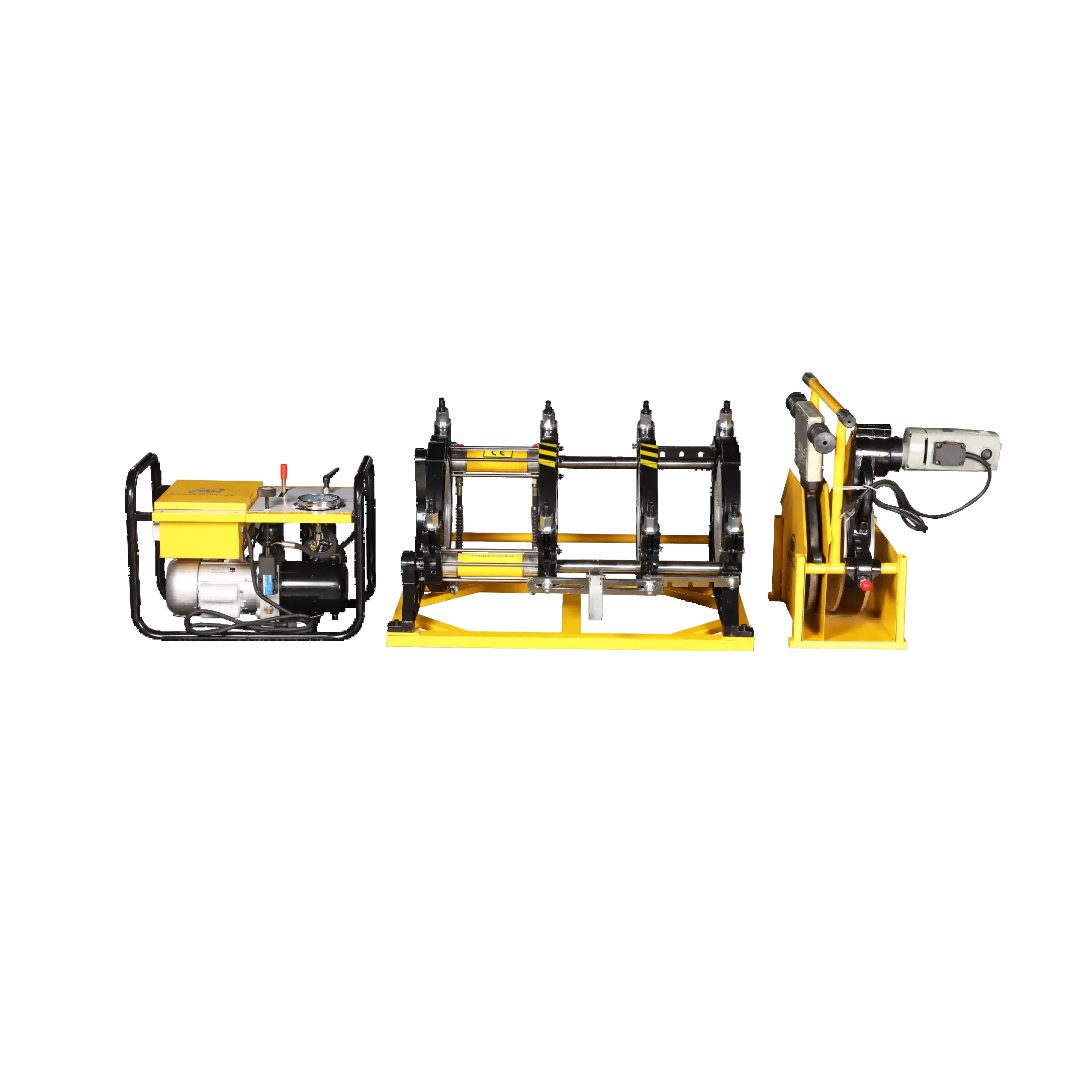
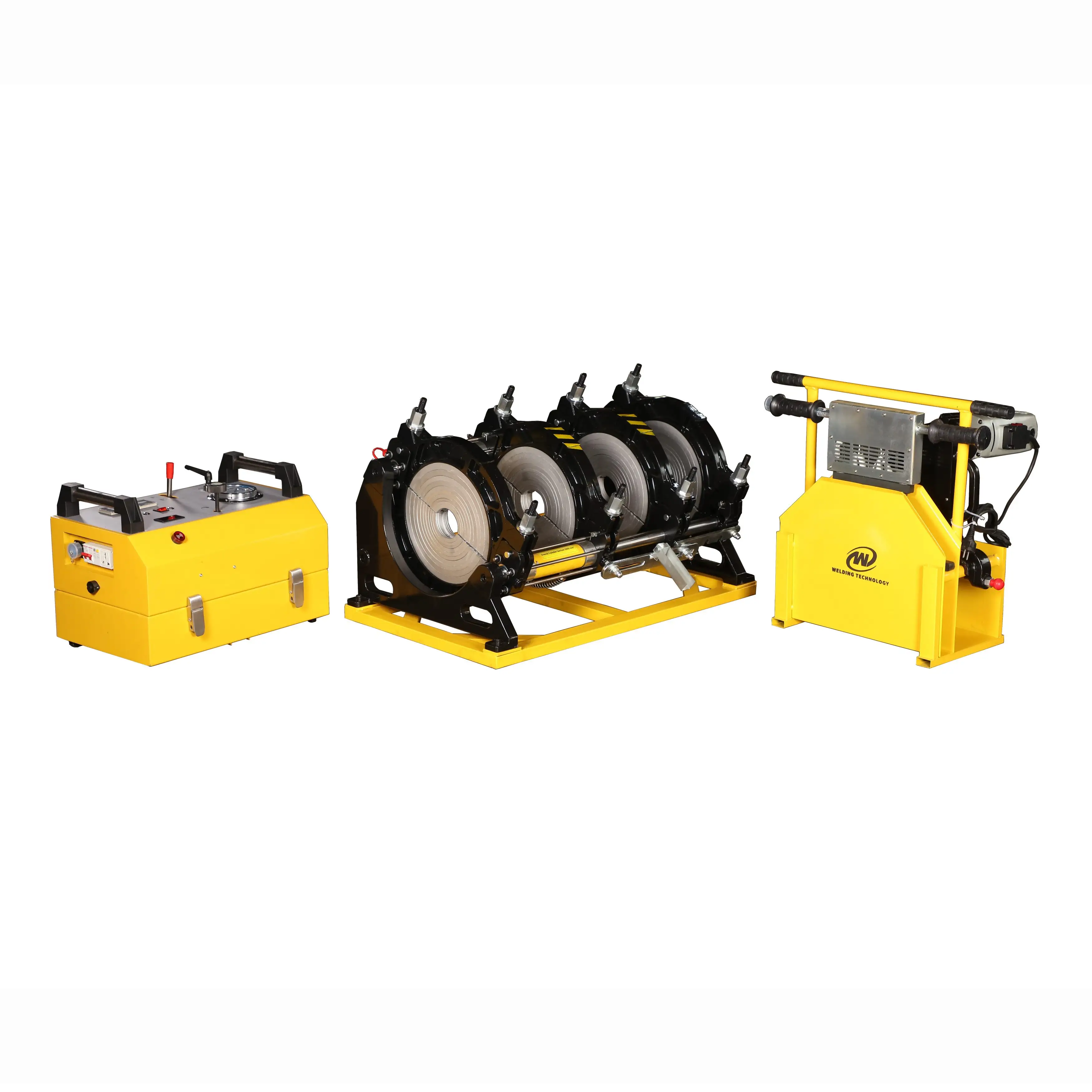
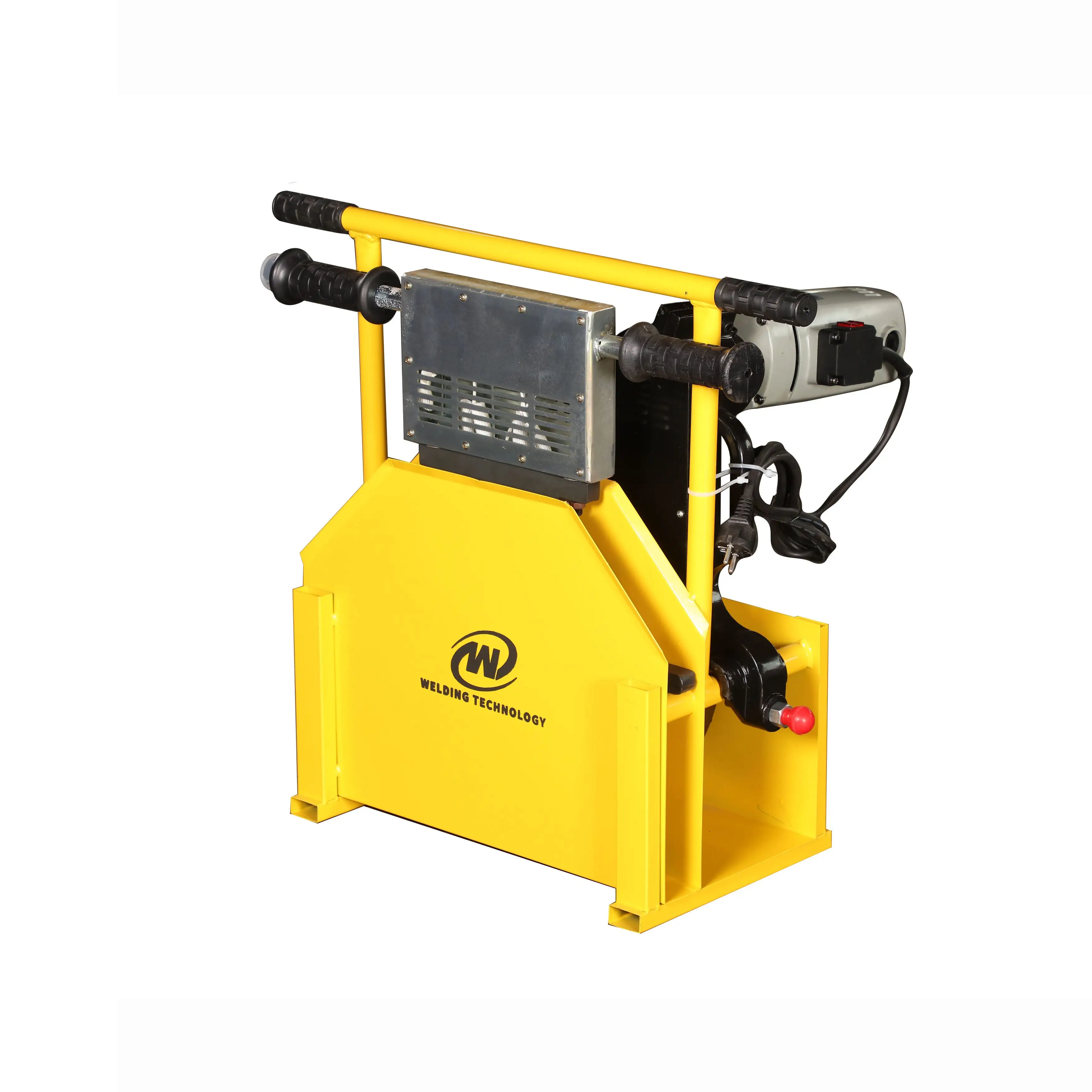
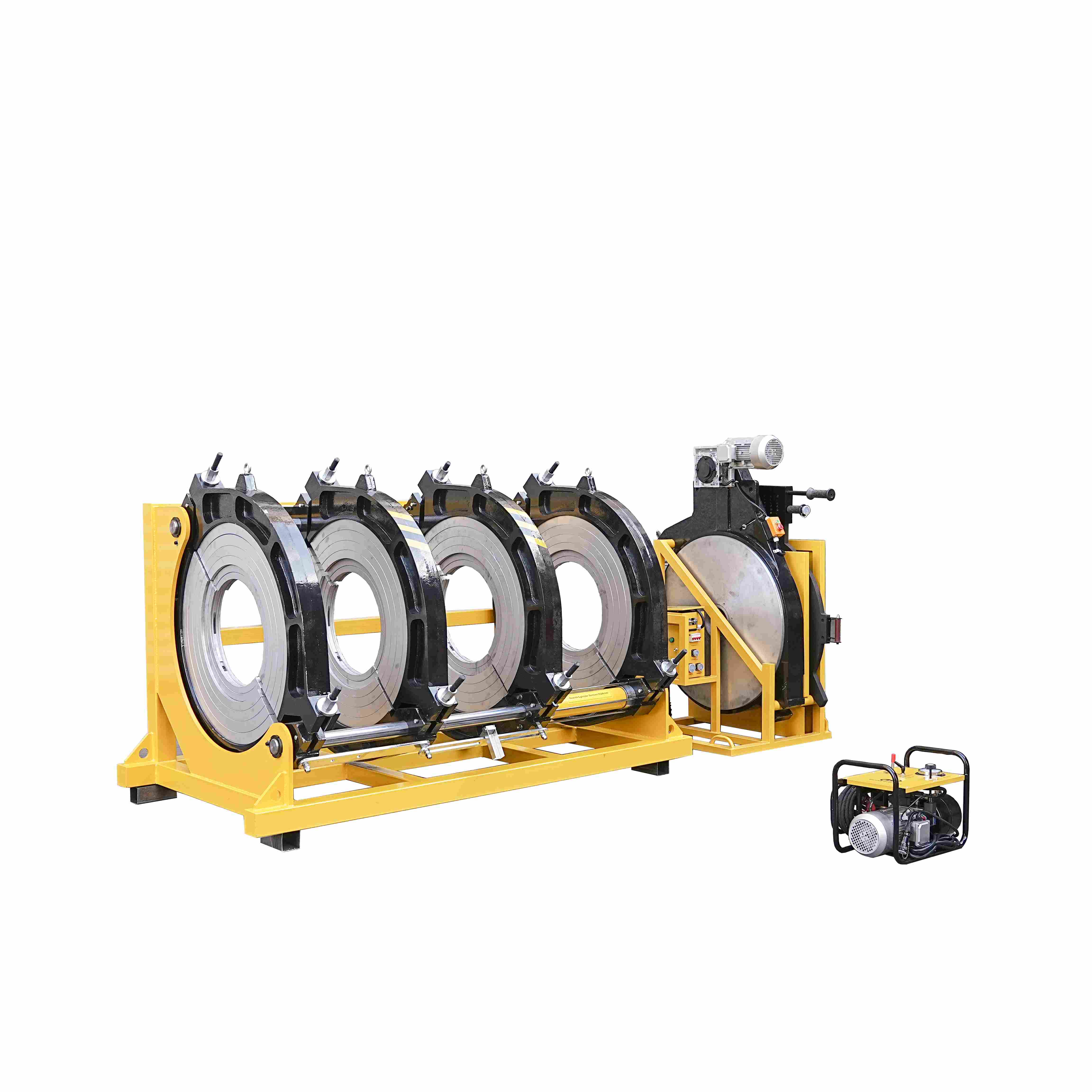
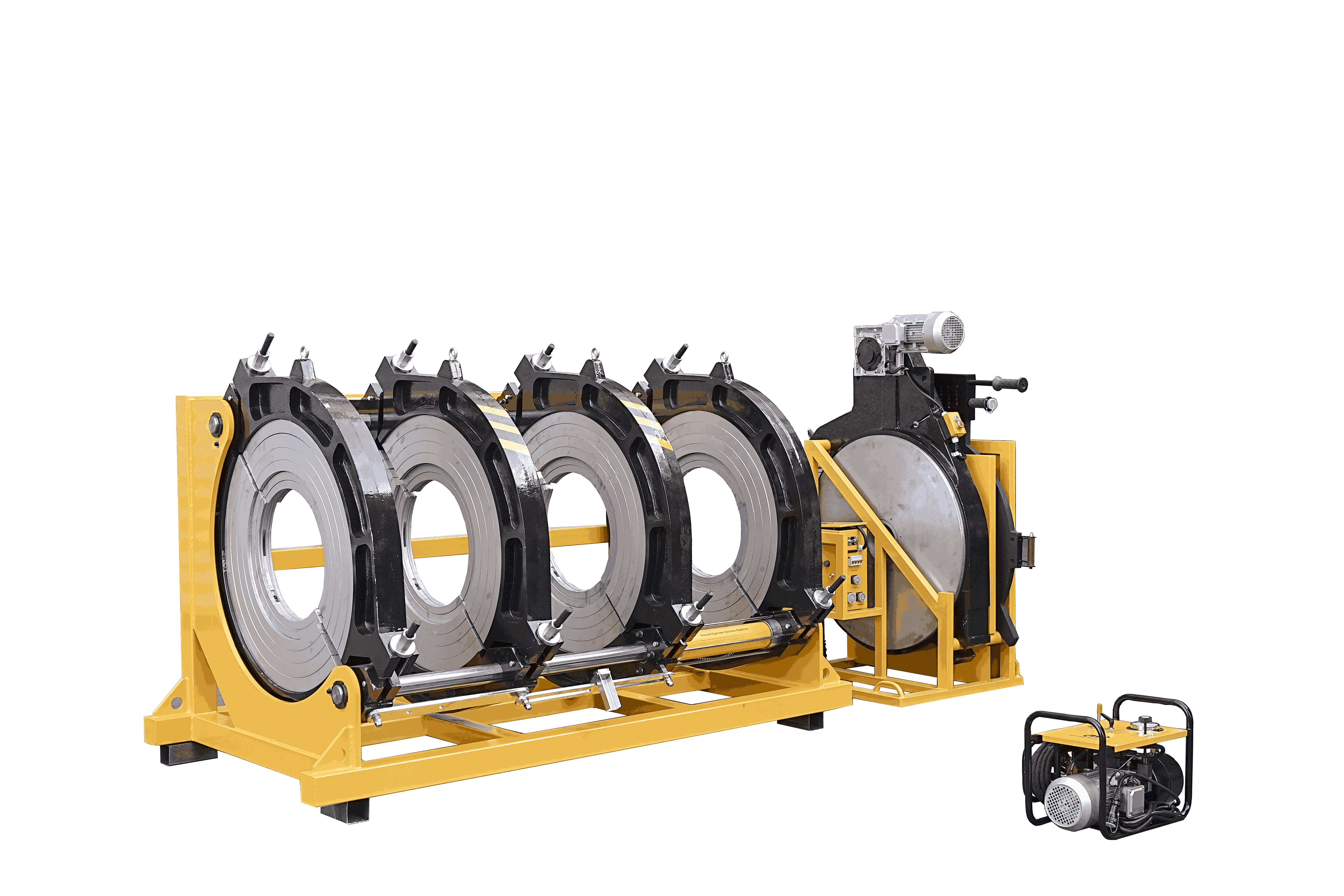
The hdpe thermofusion machine industrial represents a cutting-edge solution for joining high-density polyethylene pipes and fittings in large-scale commercial and infrastructure projects. This specialized equipment creates permanent, leak-proof connections by heating pipe ends to their melting point and fusing them together under controlled pressure. The hdpe thermofusion machine industrial operates through precise temperature regulation, typically maintaining fusion temperatures between 200 and 230 degrees Celsius, ensuring optimal molecular bonding between polyethylene surfaces. Modern industrial models feature digital control panels that monitor heating cycles, cooling times, and pressure application throughout the fusion process. These machines accommodate pipe diameters ranging from small distribution lines to massive transmission mains exceeding 1600 millimeters in diameter. The equipment consists of several key components including a hydraulic clamping system, electric heating plates with non-stick coatings, automated pressure regulators, and alignment guides that ensure perfect pipe positioning. Advanced hdpe thermofusion machine industrial units incorporate data logging capabilities that record every joint parameter, providing quality assurance documentation for regulatory compliance and project specifications. The technology supports multiple fusion methods including butt fusion for straight pipe connections and electrofusion for branch connections and repairs. Industrial applications span water distribution networks, natural gas pipelines, sewage systems, mining operations, industrial fluid transport, and landfill leachate collection. The hdpe thermofusion machine industrial has become indispensable in modern infrastructure development due to its ability to create joints stronger than the pipe itself, with fusion zones that maintain full structural integrity under extreme pressure and temperature variations. Equipment manufacturers design these machines for rugged field conditions, incorporating weather-resistant housings, portable generator compatibility, and modular components for easy transportation to remote construction sites.

New Products

The hdpe thermofusion machine industrial delivers exceptional value through its ability to create permanent connections that eliminate leak points in critical infrastructure systems. Unlike mechanical joining methods that rely on gaskets, threads, or compression fittings, thermofusion produces homogeneous bonds where the pipe and joint become a single continuous piece of material. This seamless integration means systems installed with the hdpe thermofusion machine industrial experience virtually zero maintenance requirements over their 50 to 100 year service life. Operators appreciate how the equipment reduces labor costs by enabling faster installation compared to traditional welding or solvent cementing techniques. A skilled technician using the hdpe thermofusion machine industrial can complete multiple large-diameter joints per day, significantly accelerating project timelines and reducing overall construction expenses. The process eliminates the need for consumable materials like adhesives, solvents, or mechanical couplings, lowering recurring supply costs while removing potential failure points from the system. Environmental benefits include the elimination of volatile organic compound emissions associated with chemical joining methods, making the hdpe thermofusion machine industrial the preferred choice for projects pursuing green building certifications. The equipment operates on standard electrical power, avoiding the safety hazards and logistical complications of fuel-based heating systems. Quality control becomes straightforward as the machine's digital interfaces provide real-time feedback on fusion parameters, allowing operators to verify proper joint formation before moving to the next connection. This immediate quality verification prevents costly callbacks and system failures that plague installations using less reliable joining methods. The hdpe thermofusion machine industrial excels in challenging environments where temperature extremes, soil movement, or aggressive chemicals would degrade alternative piping systems. Projects in earthquake-prone regions benefit from the flexible, monolithic pipe networks that absorb ground movement without fracturing at joint locations. Water utilities reduce non-revenue water losses dramatically when switching to thermofusion-joined hdpe systems, as the leak-free connections eliminate the 20 to 30 percent water loss typical in aging metallic pipe networks. Mining operations and industrial facilities handling corrosive fluids find that the hdpe thermofusion machine industrial enables construction of chemical-resistant systems that outlast stainless steel at a fraction of the cost. The technology supports sustainable infrastructure goals by joining pipes made from recyclable materials and eliminating the lead, copper, and coating materials that leach from metal pipe systems into drinking water supplies.

Tips And Tricks

How Does an HDPE Thermofusion Machine Improve Pipeline Performance?

24

Apr

How Does an HDPE Thermofusion Machine Improve Pipeline Performance?

Pipeline integrity stands as a critical concern across industries ranging from municipal water distribution to industrial gas transport, and the welding technology employed directly determines long-term performance outcomes. An HDPE thermofusion mach...
View More
Why Is a Butt Welding Machine Used in Heavy Duty Fabrication Projects?

01

May

Why Is a Butt Welding Machine Used in Heavy Duty Fabrication Projects?

Heavy duty fabrication projects demand precision, structural integrity, and efficiency in joining thermoplastic components, particularly in industries handling large-diameter pipelines, industrial storage systems, and infrastructure installations. Th...
View More
What Is an HDPE Thermofusion Welding Machine Used for in Pipelines?

09

Jun

What Is an HDPE Thermofusion Welding Machine Used for in Pipelines?

When engineers and project managers plan modern pipeline infrastructure, the method used to join pipe segments is just as critical as the material chosen for the pipes themselves. An HDPE thermofusion welding machine is at the center of this process,...
View More
How Can an HDPE Thermofusion Welding Machine Ensure Leak Free Systems?

23

Jun

How Can an HDPE Thermofusion Welding Machine Ensure Leak Free Systems?

In pipeline infrastructure across water treatment, gas distribution, and industrial fluid handling, achieving a truly leak-free system is one of the most demanding engineering challenges operators face. The HDPE thermofusion welding machine has emerg...
View More

Get a Free Quote

Our representative will contact you soon.
E-mail
Name
Mobile/WhatsApp
Company Name
Message
0/1000

hdpe thermofusion machine industrial

Advanced Automated Control Systems for Consistent Joint Quality

Advanced Automated Control Systems for Consistent Joint Quality

The hdpe thermofusion machine industrial incorporates sophisticated automation technology that removes human error from the fusion process and guarantees consistent joint quality across thousands of connections. Modern units feature microprocessor-controlled heating systems that maintain precise temperature uniformity across the entire heating plate surface, preventing hot spots or cool zones that could compromise joint integrity. The automated pressure regulation system applies exactly the right force throughout each fusion phase, compensating for pipe diameter, wall thickness, and ambient temperature conditions without requiring manual adjustments. Operators simply input the pipe specifications into the control panel, and the hdpe thermofusion machine industrial executes the entire fusion cycle according to internationally recognized standards including DVS 2207, ISO 21307, and ASTM F2620. Built-in timers manage heating duration, heat soak periods, and cooling cycles with millisecond precision, ensuring optimal molecular chain entanglement between pipe surfaces. The digital interface displays real-time data on heating plate temperature, hydraulic pressure readings, and cycle progression, giving technicians complete visibility into joint formation. Many industrial models include barcode scanners or RFID readers that automatically load fusion parameters when operators scan the pipe material certification, eliminating data entry errors and ensuring parameter accuracy. Advanced hdpe thermofusion machine industrial systems feature GPS integration and cellular connectivity, enabling project managers to monitor fusion operations remotely and receive instant alerts if any joint falls outside specification parameters. The equipment generates detailed fusion reports for every connection, documenting operator identity, fusion temperature curves, pressure application timing, and ambient conditions at the moment of joint creation. This comprehensive data trail satisfies the most stringent quality assurance requirements for critical infrastructure projects including nuclear facilities, pharmaceutical manufacturing, and potable water systems. The automated systems also protect equipment longevity by preventing operator mistakes that could damage heating elements or hydraulic components, reducing maintenance costs and extending machine service life beyond 15 years of continuous field operation.
Versatile Diameter Range and Multi-Application Capability

Versatile Diameter Range and Multi-Application Capability

The hdpe thermofusion machine industrial stands out for its remarkable versatility in handling an extensive range of pipe sizes and serving diverse industrial applications within a single equipment platform. Professional-grade machines accommodate pipe diameters from 63 millimeters up to 1600 millimeters or larger, allowing contractors to standardize on one fusion technology across multiple project types rather than maintaining separate equipment fleets for different pipe sizes. This diameter flexibility proves especially valuable for municipal infrastructure projects where distribution mains, transmission lines, and service connections of varying sizes all require fusion joining within the same construction phase. The hdpe thermofusion machine industrial achieves this versatility through modular insert systems where operators swap clamping jaws, heating plate sizes, and alignment guides to match specific pipe dimensions, completing the changeover in minutes rather than hours required with competing technologies. Beyond diameter range, these machines handle varying pipe pressure ratings from low-pressure drainage systems to high-pressure gas distribution networks operating at 100 bar or greater. The equipment accommodates different hdpe resin grades including PE80, PE100, and PE100-RC formulations, each requiring slightly different fusion parameters that the machine's control system manages automatically. Industrial applications span far beyond municipal water and sewer systems to include geothermal ground loops where the hdpe thermofusion machine industrial joins the closed-loop piping that transfers thermal energy between ground heat exchangers and building mechanical systems. Mining operations rely on this technology for joining slurry transport lines, dewatering systems, and tailings pipelines that must withstand abrasive materials and acidic conditions. Chemical processing facilities use the hdpe thermofusion machine industrial to construct secondary containment systems, process piping for corrosive fluids, and emergency relief systems. Agricultural installations include irrigation main lines, drainage tile systems, and livestock waste management piping. The equipment even serves specialized applications in aquaculture facilities, desalination plants, and offshore platform utility systems. This multi-industry capability means the hdpe thermofusion machine industrial delivers strong return on investment for contractors serving diverse market segments, as the same equipment transitions seamlessly between water, gas, mining, industrial, and agricultural projects without requiring specialized attachments or modification.
Rugged Construction and Field-Ready Portability for Demanding Jobsites

Rugged Construction and Field-Ready Portability for Demanding Jobsites

The hdpe thermofusion machine industrial features robust engineering and practical design elements that ensure reliable performance in the harsh conditions typical of large-scale construction sites and remote infrastructure projects. Manufacturers construct these machines with heavy-gauge steel frames and powder-coated housings that resist corrosion from moisture, soil contact, and chemical exposure encountered during pipeline installation. The heating elements utilize industrial-grade resistance alloys encased in protective plates with non-stick Teflon coatings that prevent polyethylene buildup and maintain consistent thermal transfer across thousands of fusion cycles. Hydraulic systems incorporate sealed components and contamination-resistant fittings that function reliably despite exposure to mud, dust, and temperature extremes ranging from arctic cold to desert heat. The hdpe thermofusion machine industrial typically includes impact-resistant control panels with sealed membrane keypads and sunlight-readable displays that remain functional when subjected to the vibration, moisture, and rough handling inherent in field operations. Despite their industrial-strength construction, modern machines incorporate thoughtful portability features including lifting eyes for crane deployment, fork pockets for loader transport, and heavy-duty wheels that allow two-person repositioning along trench lines. Compact industrial models fit within standard shipping containers for international project mobilization, while trailer-mounted versions provide self-contained fusion stations that include onboard generators, tool storage, and weather protection for operators. Power systems accept multiple input voltages from 110V to 480V three-phase, with many units offering dual voltage capability that eliminates the need for transformers when moving between jobsites with different electrical infrastructure. Battery-powered hdpe thermofusion machine industrial models serve locations without grid access, running eight to ten hours on a single charge suitable for remote pipeline extensions and emergency repairs. The equipment tolerates the voltage fluctuations and frequency variations common with portable generators and temporary construction power, protecting sensitive electronics with built-in surge suppression and voltage regulation. Maintenance requirements remain minimal thanks to modular component design where technicians replace heating plates, hydraulic seals, and control modules in the field without factory service. Manufacturers provide comprehensive spare parts kits and diagnostic tools that enable contractors to maintain fusion equipment productivity throughout extended projects in isolated locations far from technical support centers.

Get a Free Quote

Our representative will contact you soon.
E-mail
Name
Mobile/WhatsApp
Company Name
Message
0/1000