
 EN
EN


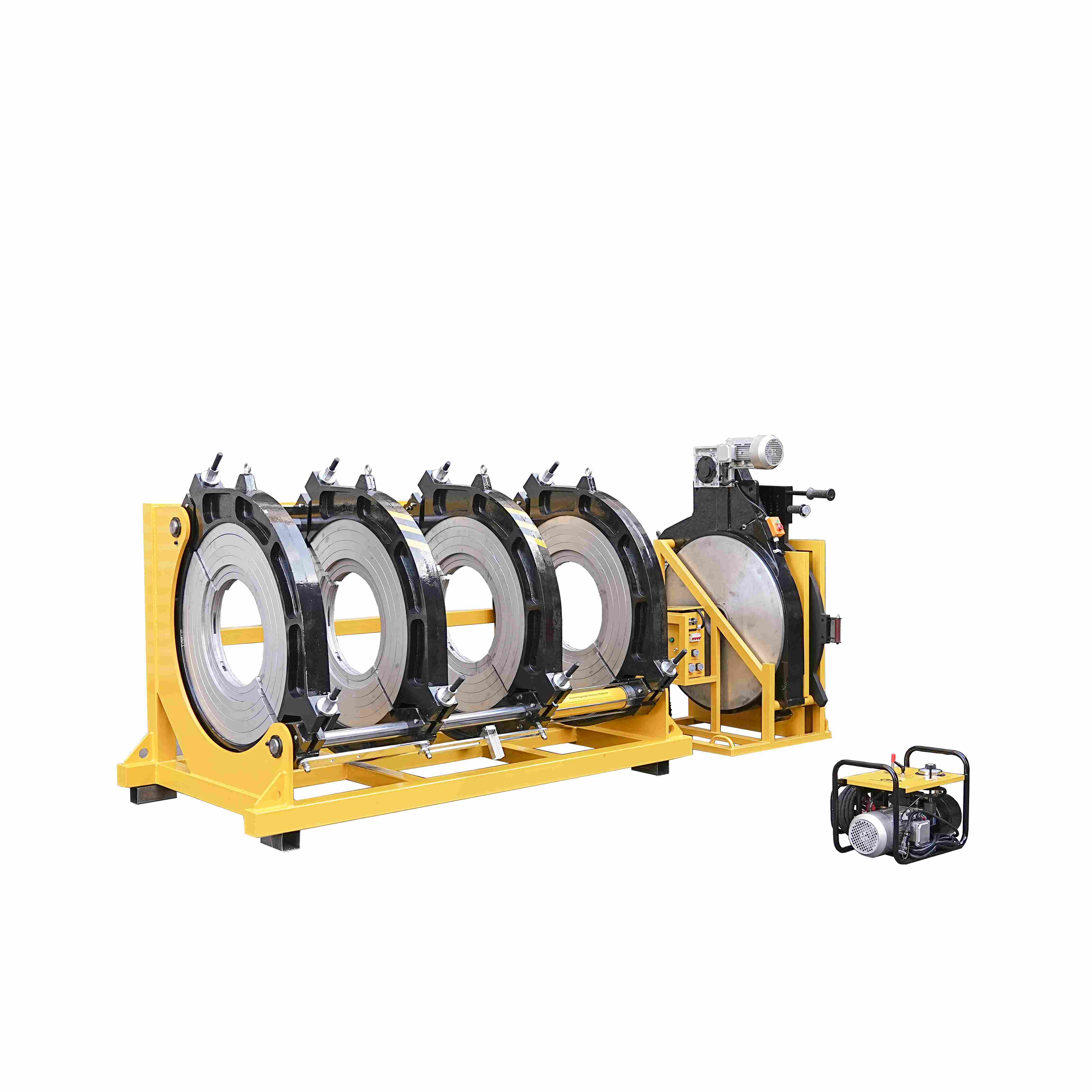
In pipeline infrastructure across water treatment, gas distribution, and industrial fluid handling, achieving a truly leak-free system is one of the most demanding engineering challenges operators face. The HDPE thermofusion welding machine has emerged as the definitive answer to this challenge, offering a process that fuses pipe sections into a single continuous, monolithic structure rather than relying on mechanical joints that can loosen, corrode, or fail under pressure. Understanding how this technology delivers leak-free performance requires a close look at the fusion mechanics, operational discipline, and system design principles that make it so effective.
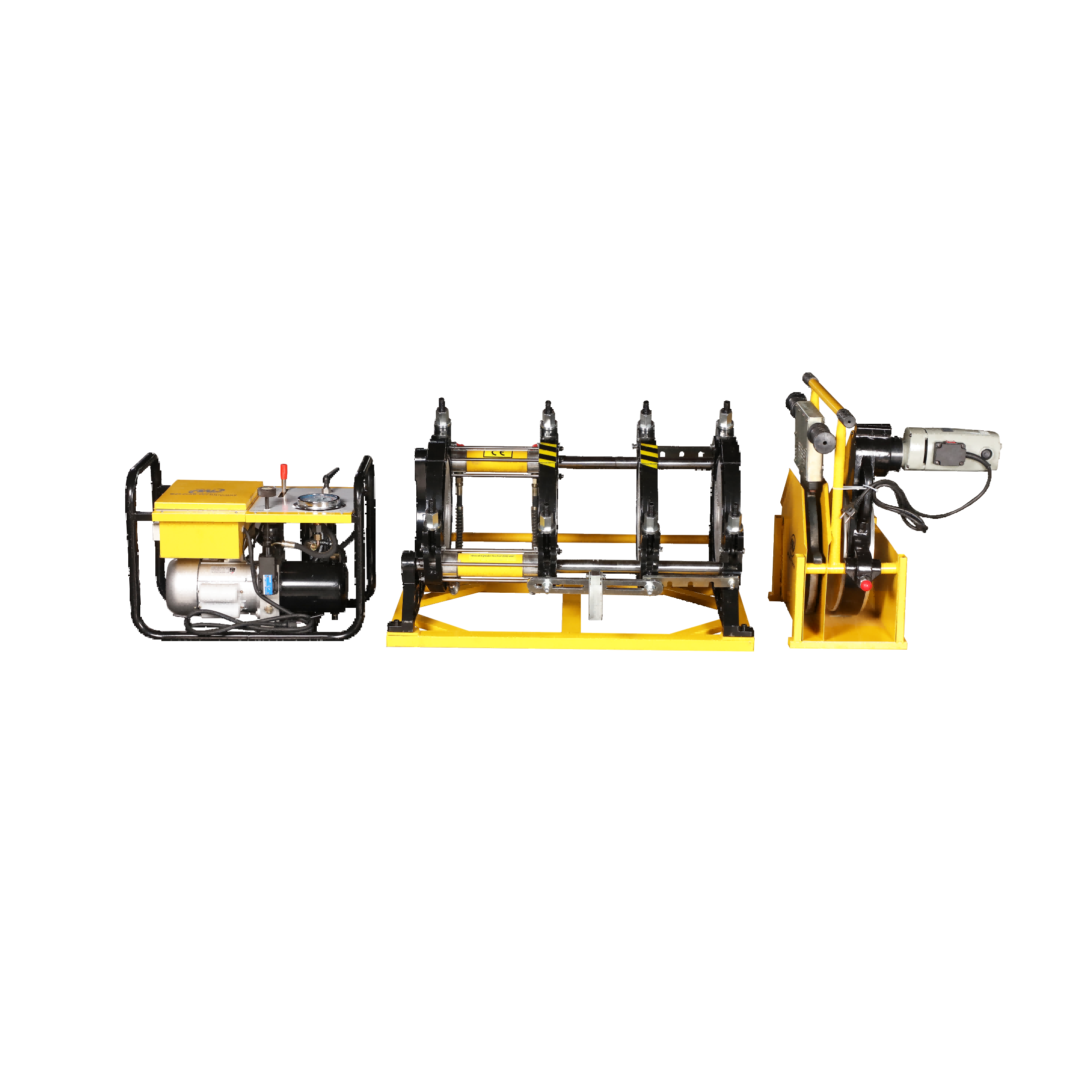
The global shift toward high-density polyethylene piping in critical infrastructure projects is largely driven by the proven integrity of thermally fused joints. Unlike flanged or threaded connections, a joint made by an HDPE thermofusion welding machine becomes chemically and physically indistinguishable from the parent pipe material. This means there is no separate gasket to degrade, no bolt torque to maintain, and no corrosion pathway to develop. For engineers and project managers who must guarantee system longevity and zero-leakage compliance, this technology sets the standard that mechanical alternatives simply cannot match.
The Thermofusion Principle and Why It Eliminates Leak Points
How Molecular Bonding Creates a Joint Stronger Than the Pipe Itself
The core mechanism behind every HDPE thermofusion welding machine is controlled thermal energy application. When the pipe ends are pressed against a precisely heated plate, the polyethylene surface layers melt and become viscous. Once the correct melt bead has formed and the heating tool is removed, the two molten faces are pressed together under a defined fusion pressure. At this moment, the polymer chains from each pipe end intermingle and entangle at the molecular level.
This chain entanglement is what makes the butt fusion joint so reliable. The resulting bond does not have a defined interface — it is a continuous polymer matrix. Independent testing consistently shows that a correctly made butt fusion joint will fail within the pipe wall before the joint itself separates, confirming that the joint is genuinely stronger than the surrounding material. For any system requiring leak-free performance, this characteristic is foundational.
An HDPE thermofusion welding machine maintains the precise temperature, pressure, and timing parameters that make this molecular bonding possible. Deviating from these parameters introduces voids, cold zones, or incomplete fusion — all of which become potential leak pathways under operational pressure cycling or thermal expansion. The machine's role is therefore not simply mechanical; it is the control system that ensures fusion quality is achieved on every joint.
The Role of Controlled Parameters in Preventing Joint Failure
A leak-free joint does not happen by accident. It is the result of enforcing specific heater plate temperature, drag pressure compensation, heating time, changeover time, and fusion pressure values that are determined by the pipe material specification and wall thickness. Every HDPE thermofusion welding machine designed for professional use incorporates hydraulic or electromechanical systems to apply and hold these parameters with high repeatability.
Hydraulic HDPE thermofusion welding machines are particularly valued in large-diameter pipeline work because they can sustain fusion pressure over the extended cooling cycle without operator fatigue or mechanical creep affecting the load. This sustained, calibrated pressure ensures the entangled polymer chains solidify in intimate contact, leaving no voids or delamination zones that would eventually allow fluid migration.
Data logging capabilities found in modern HDPE thermofusion welding machine models go further by creating a traceable record of every joint's fusion parameters. This traceability allows quality managers and regulatory bodies to verify that every joint in a pipeline system met the required fusion conditions, providing documentary assurance of leak-free integrity that mechanical jointing systems cannot offer.
Surface Preparation and Its Direct Impact on System Integrity
Why Pipe End Condition Determines Joint Quality
Even the most advanced HDPE thermofusion welding machine cannot compensate for inadequate surface preparation. The pipe ends must be faced — mechanically trimmed — to produce perfectly flat, parallel surfaces that are free from oxidized material, contamination, and surface irregularities. The facing tool integrated into professional fusion machines removes a thin layer of pipe material to expose fresh, unoxidized polyethylene immediately before fusion begins.
Any contamination on the melt surface, whether from moisture, oil, dust, or handling residue, creates a weak interface that does not achieve proper molecular bonding. Weak interfaces are stress concentration points that, under internal pressure or external loading, propagate as cracks and eventually become leak paths. The disciplined use of an HDPE thermofusion welding machine with its integrated facing sequence eliminates this risk by standardizing the surface condition before every fusion cycle.
Pipe alignment is equally critical. The clamping system of an HDPE thermofusion welding machine holds both pipe sections coaxially during heating and fusion, preventing angular or lateral misalignment. Misaligned joints experience uneven stress distribution in service, which can cause the joint to open at the lower-stress side under thermal cycling or surge pressure events. Proper machine clamping removes human error from this variable entirely.
Environmental Conditions and Protective Measures During Fusion
Fusion quality is also sensitive to the ambient conditions under which jointing takes place. Wind, rain, direct sunlight, and extreme temperatures all affect the heater plate surface temperature and the cooling behavior of the melt. Professional operators using an HDPE thermofusion welding machine in field conditions use tenting, wind shields, and temperature-compensated fusion parameters to maintain the controlled thermal environment that the process requires.
Cold ambient temperatures cause the melt to cool faster during the changeover phase between removing the heater plate and bringing the pipe ends together. If the melt surface drops below the fusion threshold before contact, the joint achieves only a surface-level bond rather than full molecular integration. An experienced operator working with a capable HDPE thermofusion welding machine will use adjusted heating times or cold-weather fusion parameter sets to account for these conditions and maintain joint integrity.
The operational protocol for using an HDPE thermofusion welding machine therefore extends well beyond machine operation to encompass site management, environmental monitoring, and parameter adjustment. Systems that maintain these disciplines consistently achieve pipeline networks with joint failure rates that are orders of magnitude lower than those using mechanical connections in the same environments.
Inspection Methods That Confirm Leak-Free Joint Quality
Visual Bead Assessment as a First-Line Quality Indicator
After the cooling cycle is complete, the external fusion bead produced by an HDPE thermofusion welding machine provides a visible indicator of joint quality. A correctly fused joint displays a uniform, symmetrical double bead rolled back evenly around the full circumference of the pipe. The bead dimensions should fall within the tolerances specified for the pipe diameter and wall thickness, confirming that sufficient melt volume was generated and that fusion pressure was applied evenly.
An irregular, asymmetric, or excessively small bead signals a problem — insufficient heating time, incorrect fusion pressure, a faulty heater plate, or misalignment. Operators trained to read bead geometry can identify suspect joints immediately after fusion and flag them for further investigation before the pipeline is backfilled or pressurized. This first-line inspection process is only possible because the HDPE thermofusion welding machine produces a consistent, measurable external indicator of internal joint quality.
It is important to recognize that visual bead assessment, while necessary, is not sufficient alone. Some fusion defects produce acceptable-looking external beads while concealing internal voids or cold zones. Pipeline systems where leak-free integrity is safety-critical require supplementary inspection methods to confirm that the visual assessment is supported by structural data.
Non-Destructive and Pressure Testing Methods
Hydrostatic pressure testing remains the most direct confirmation that a pipeline system joined with an HDPE thermofusion welding machine is leak free. By pressurizing the installed pipe to a multiple of its rated operating pressure and monitoring for pressure drop over a defined hold period, operators can confirm the integrated performance of every joint in the system. Any joint with a fusion defect will show detectable leakage or pressure loss under test conditions before the system enters service.
Non-destructive evaluation methods including ultrasonic testing and phased array inspection are increasingly used on large-diameter critical pipelines to examine joint cross-sections for voids, disbonds, or contamination layers without cutting the pipe. These methods provide a detailed cross-sectional map of the fusion zone, confirming whether the HDPE thermofusion welding machine achieved complete molecular integration across the full pipe wall. For high-consequence applications such as gas transmission or chemical process lines, this level of verification is standard practice.
Together, data-logged fusion records from the HDPE thermofusion welding machine, visual bead assessment, non-destructive inspection, and hydrostatic testing create a layered quality assurance framework. Each layer catches defect types that the others may miss, ensuring that the final commissioned pipeline carries the highest achievable confidence in leak-free performance.
Long-Term System Performance and the Value of Fusion Integrity
How Fusion Joints Resist Pressure Cycling and Thermal Stress
Pipelines do not operate at constant steady-state conditions. Pressure surges from pump start-up and valve closure, daily thermal expansion and contraction cycles, and seasonal ground movement all impose cyclical stresses on every joint in the system. Mechanical joints address these stresses through designed-in flexibility and sealing redundancy, which also introduces maintenance requirements and long-term degradation pathways. Fusion joints made by an HDPE thermofusion welding machine respond differently — as a continuous polymer structure, the joint flexes with the pipe rather than acting as a rigid stress concentrator.
High-density polyethylene has a natural capacity to absorb impact and cyclic loading without brittle fracture, and when fused joints are correctly made, this capacity extends through the joint zone without interruption. Field evidence from water distribution, natural gas distribution, and industrial process systems consistently shows that properly fused HDPE pipelines outlast their design service life with no joint-related leakage, even under demanding cyclic operating conditions.
The HDPE thermofusion welding machine is therefore not just a construction tool — it is an investment in lifetime system integrity. The cost of a high-quality machine and properly trained operators is recovered many times over in avoided leak repairs, avoided service interruptions, avoided contamination events, and the avoided regulatory liability that comes with pipeline failures in sensitive environments.
Operator Training and Certification as Part of the Leak-Free System
The HDPE thermofusion welding machine is a precision tool that delivers its full capability only when operated by properly trained technicians. International standards such as DVS 2207 and ASTM F2620 define the competencies that fusion operators must demonstrate before being permitted to make joints on critical pipeline systems. These standards cover machine setup, parameter selection, environmental assessment, bead inspection, and record-keeping — the complete fusion quality management workflow.
Organizations that invest in certified operator training alongside the procurement of their HDPE thermofusion welding machine create a quality system where the human element reinforces rather than undermines the machine's capabilities. Untrained operators using even the best equipment can still produce defective joints by skipping preparation steps, rushing cooling cycles, or misjudging environmental conditions. Certification programs address these risk factors systematically.
For project owners and pipeline operators, specifying certified fusion operators as a contract requirement is one of the most effective quality management tools available. It aligns the capabilities of the HDPE thermofusion welding machine with the knowledge and discipline of the personnel operating it, creating the conditions under which leak-free system performance is a predictable, repeatable outcome rather than a matter of chance.
FAQ
What pipe sizes can an HDPE thermofusion welding machine handle?
HDPE thermofusion welding machines are manufactured across a wide range of capacity classes. Entry-level machines typically handle pipe diameters from around 63mm up to 250mm, while mid-range hydraulic units extend to 315mm, 450mm, or 630mm. Large industrial machines designed for transmission pipeline work can fuse pipes up to 1200mm or larger in diameter. Selecting the correct machine size for the project's pipe specification is essential to achieving proper fusion bead geometry and joint strength.
How does an HDPE thermofusion welding machine differ from electrofusion equipment?
An HDPE thermofusion welding machine performs butt fusion by directly heating and pressing the pipe ends together using an external heater plate. Electrofusion equipment instead uses fittings with embedded resistance wire that melts the fitting and pipe interface when electrical current is applied. Butt fusion with a thermofusion machine is generally preferred for long straight pipe runs and large diameters due to lower fitting costs and faster joint production rates. Electrofusion fittings are used where machine access is restricted, such as in tight excavations, repair clamps, or complex branch connections.
Can an HDPE thermofusion welding machine be used in the field as well as in a workshop?
Yes. HDPE thermofusion welding machines are designed for both workshop prefabrication and field installation use. Field machines are built with robust frames, weather-resistant components, and generator-compatible power systems to handle the rigors of trench work and outdoor environments. Operators working in field conditions must take additional precautions including tenting against wind and rain, monitoring ambient temperature, and adjusting fusion parameters accordingly to maintain joint quality equivalent to controlled workshop conditions.
How long does a fusion joint made by an HDPE thermofusion welding machine take to cool before the pipe can be moved?
Cooling time under controlled fusion pressure depends on the pipe wall thickness and ambient temperature. As a general guide, the fusion pressure is maintained for approximately ten minutes per 25mm of pipe wall thickness at standard temperatures, though manufacturers and international standards provide specific cooling time tables for each pipe specification. Removing the pipe from the machine clamps before the joint has fully cooled risks distorting the fusion zone and creating residual stress concentrations that compromise long-term leak-free performance. Patience during the cooling phase is one of the most important disciplines in producing reliable joints.
Table of Contents
- The Thermofusion Principle and Why It Eliminates Leak Points
- Surface Preparation and Its Direct Impact on System Integrity
- Inspection Methods That Confirm Leak-Free Joint Quality
- Long-Term System Performance and the Value of Fusion Integrity
-
FAQ
- What pipe sizes can an HDPE thermofusion welding machine handle?
- How does an HDPE thermofusion welding machine differ from electrofusion equipment?
- Can an HDPE thermofusion welding machine be used in the field as well as in a workshop?
- How long does a fusion joint made by an HDPE thermofusion welding machine take to cool before the pipe can be moved?