HDPE Fitting Welding Machine - Professional Fusion Equipment for Reliable Pipe Connections

Get a Free Quote

Our representative will contact you soon.
E-mail
Name
Mobile/WhatsApp
Company Name
Message
0/1000

hdpe fitting welding machine

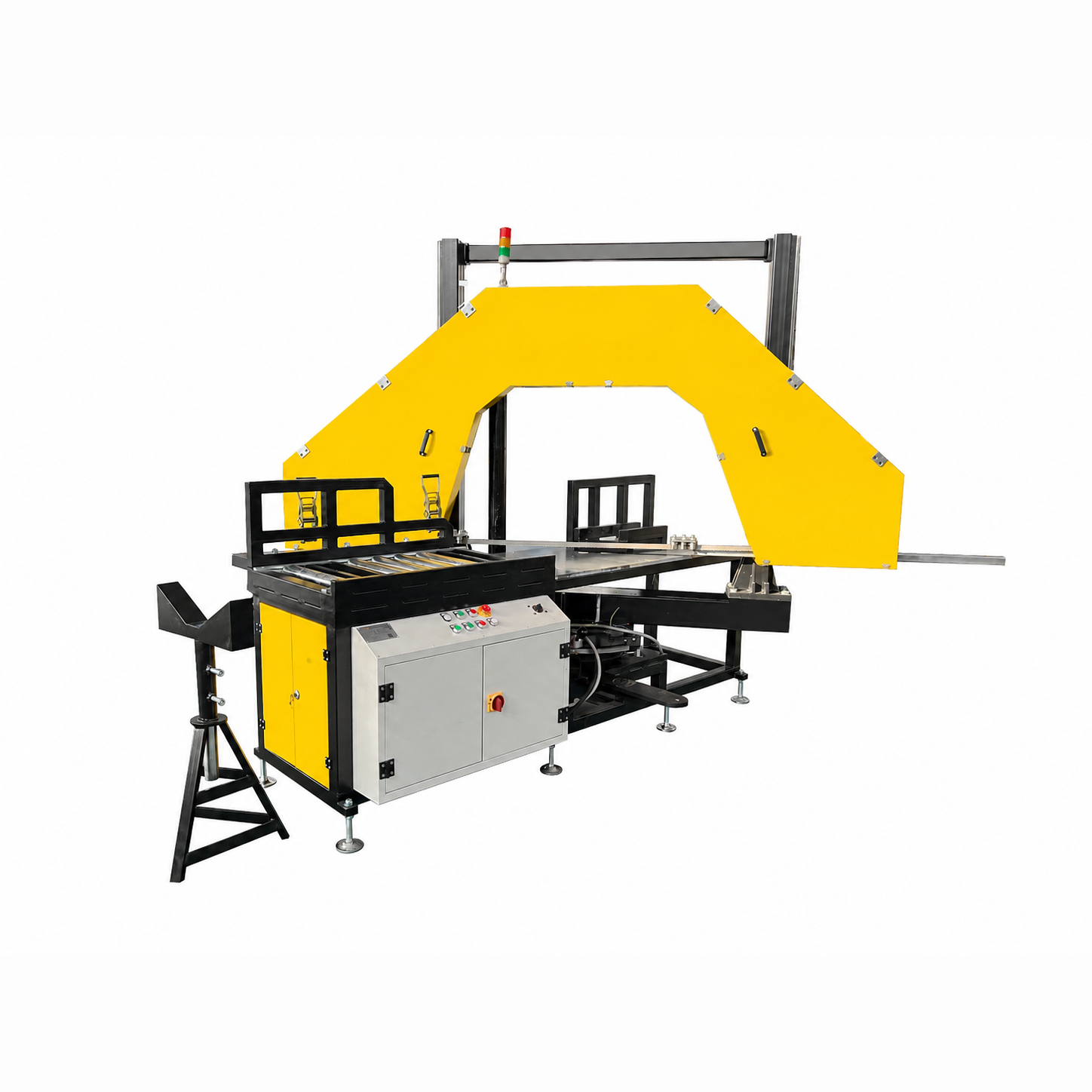
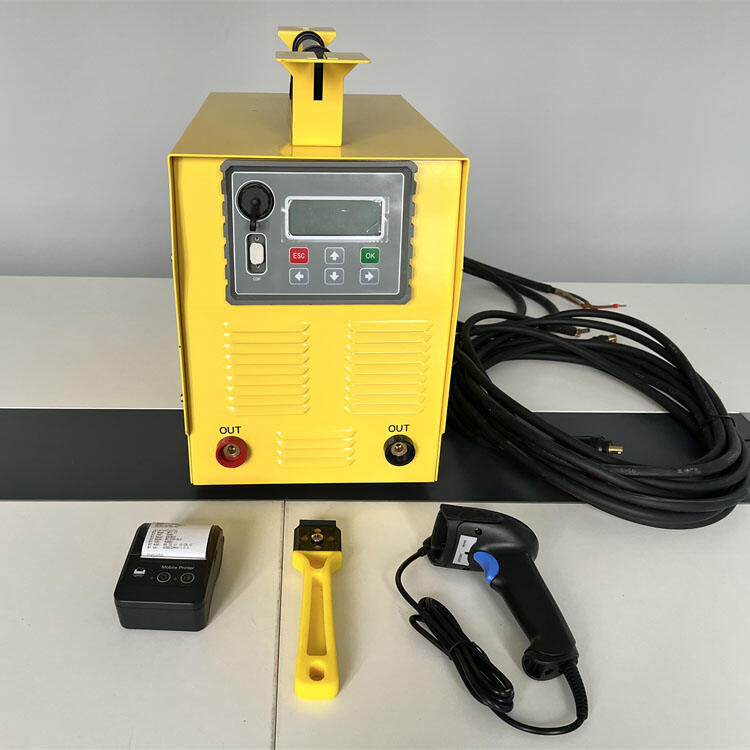
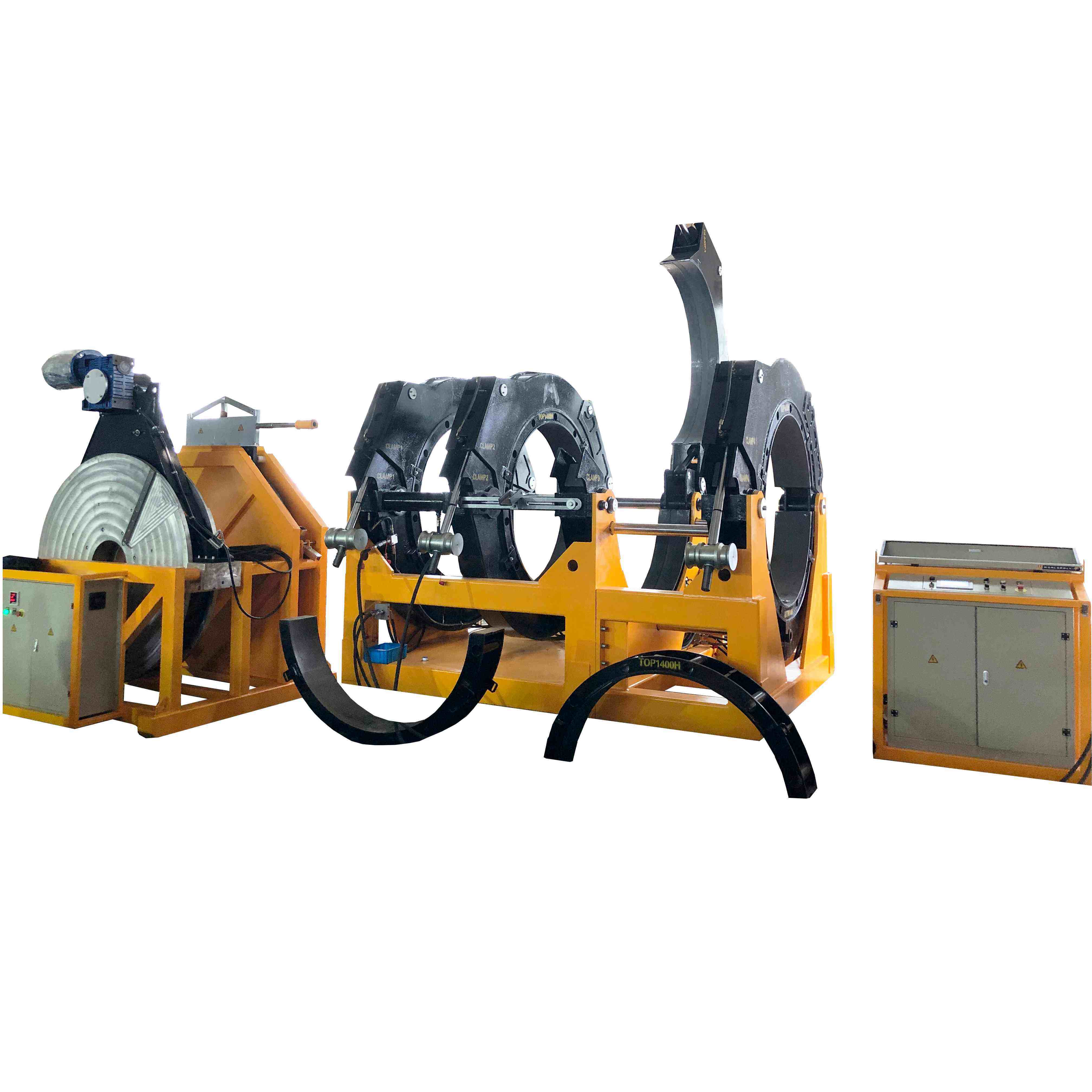
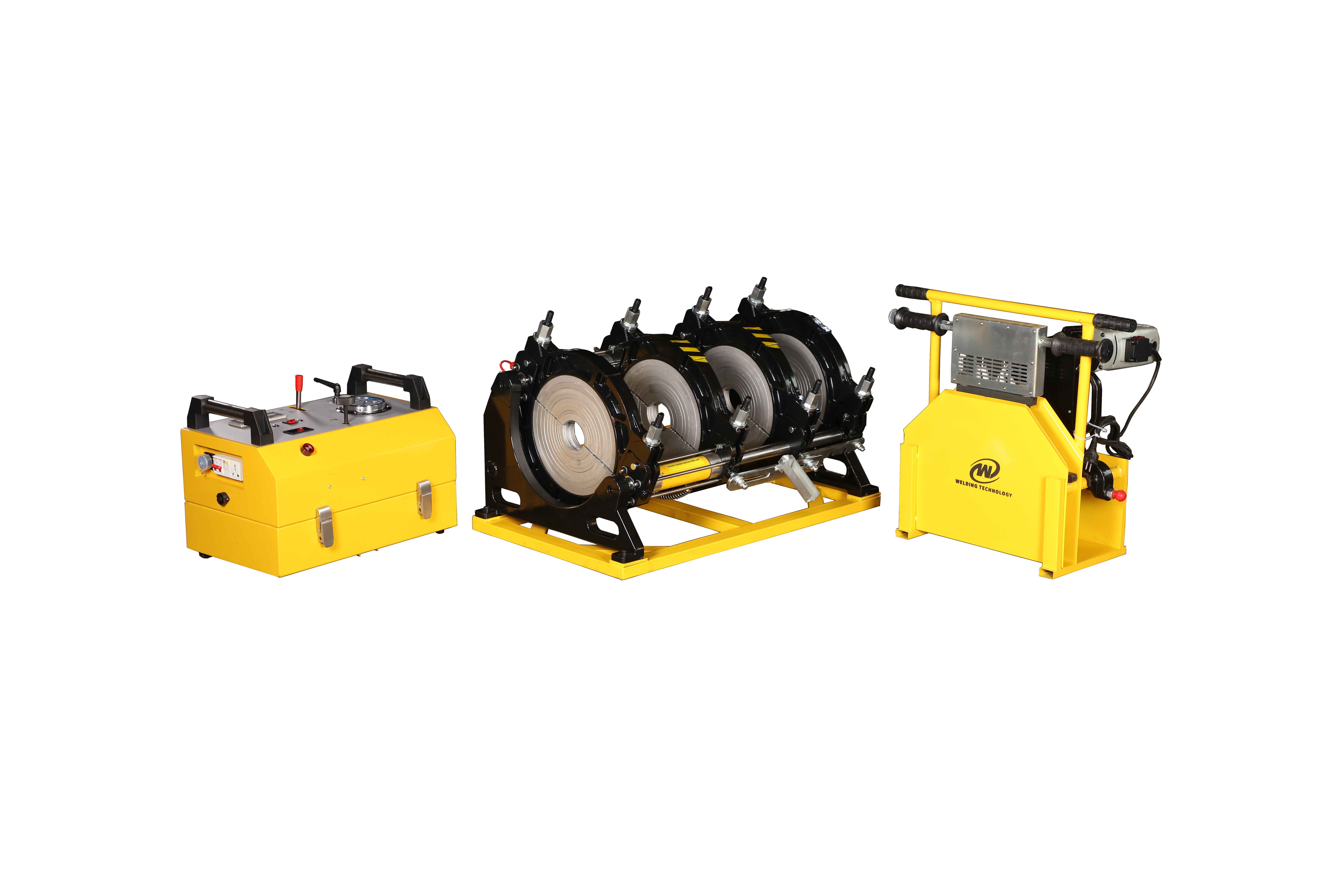
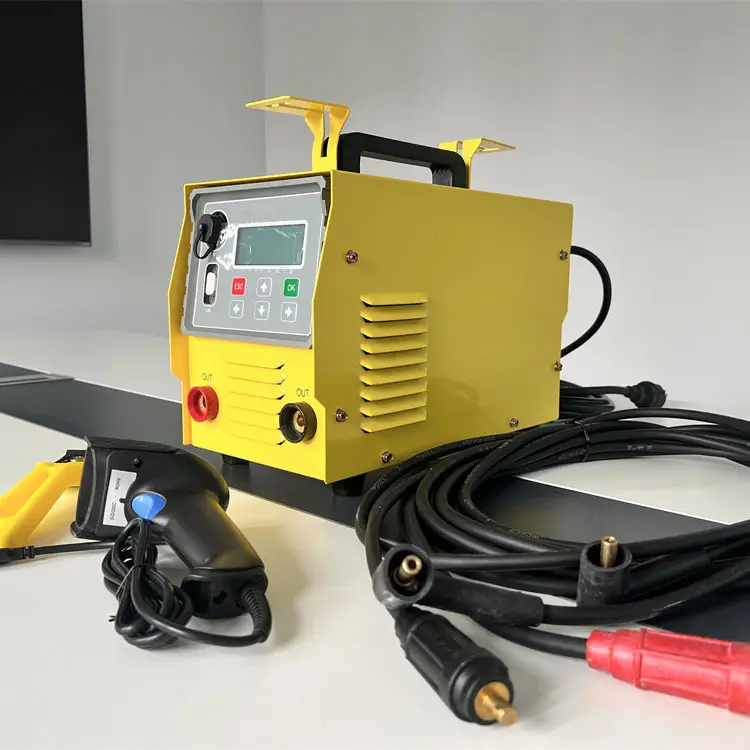
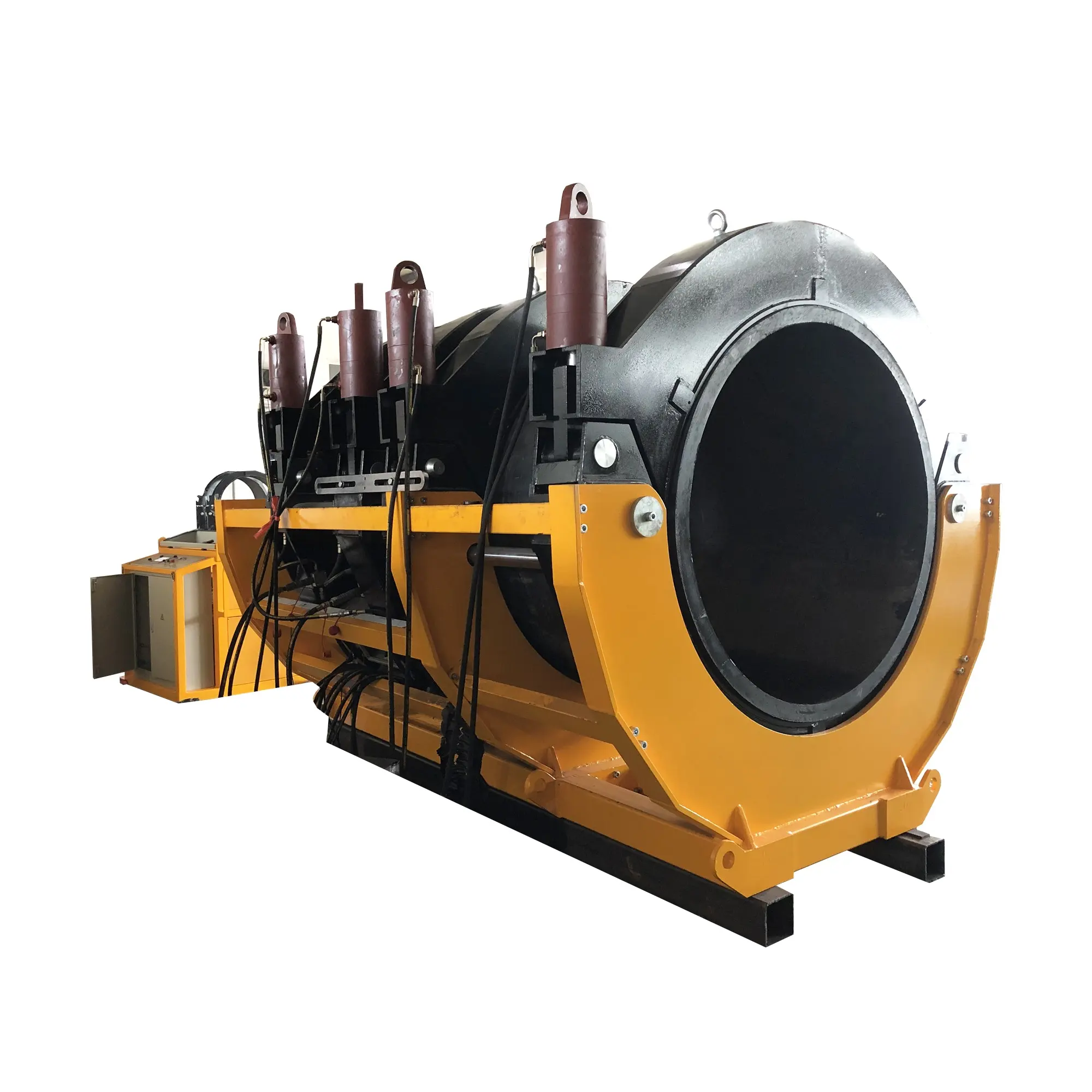
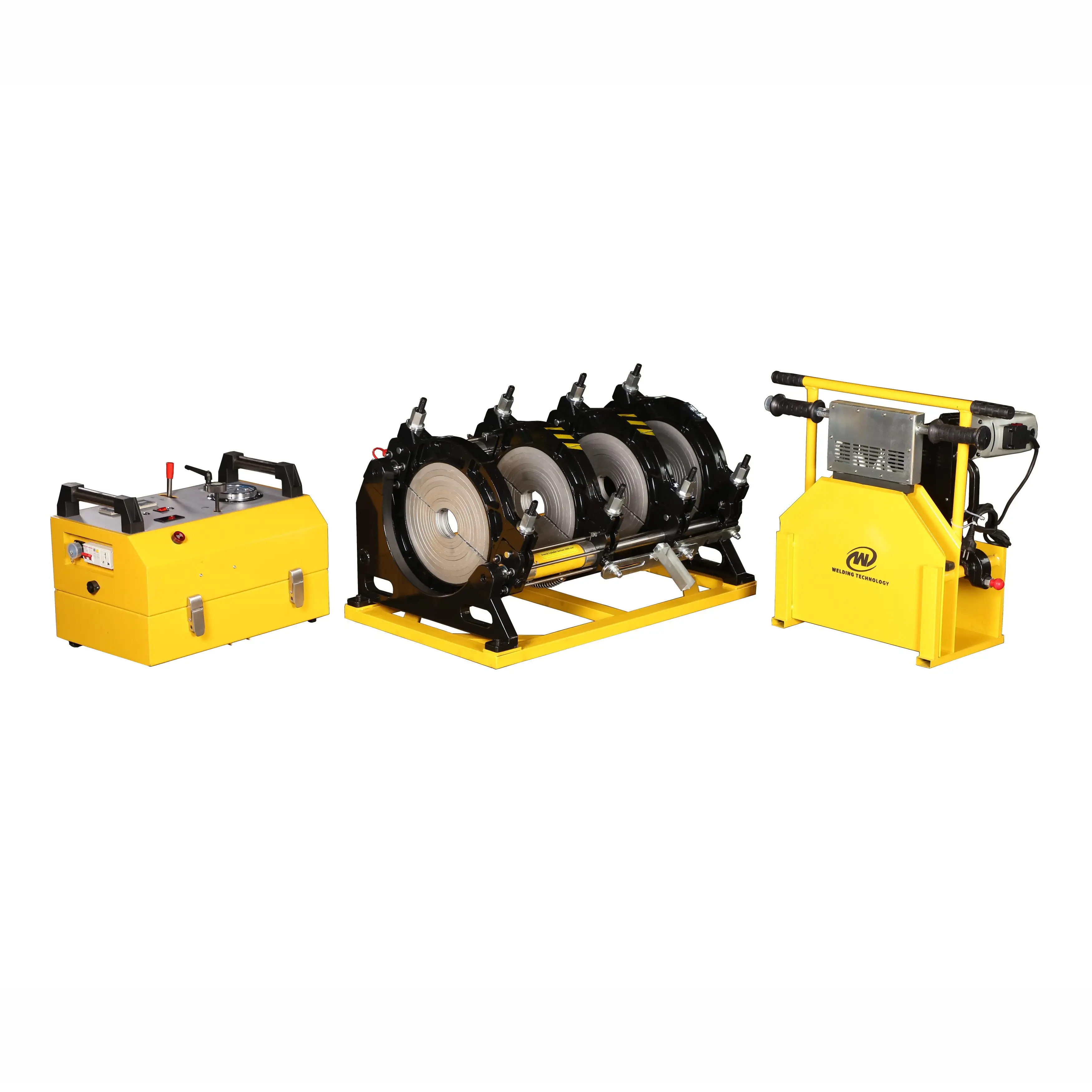
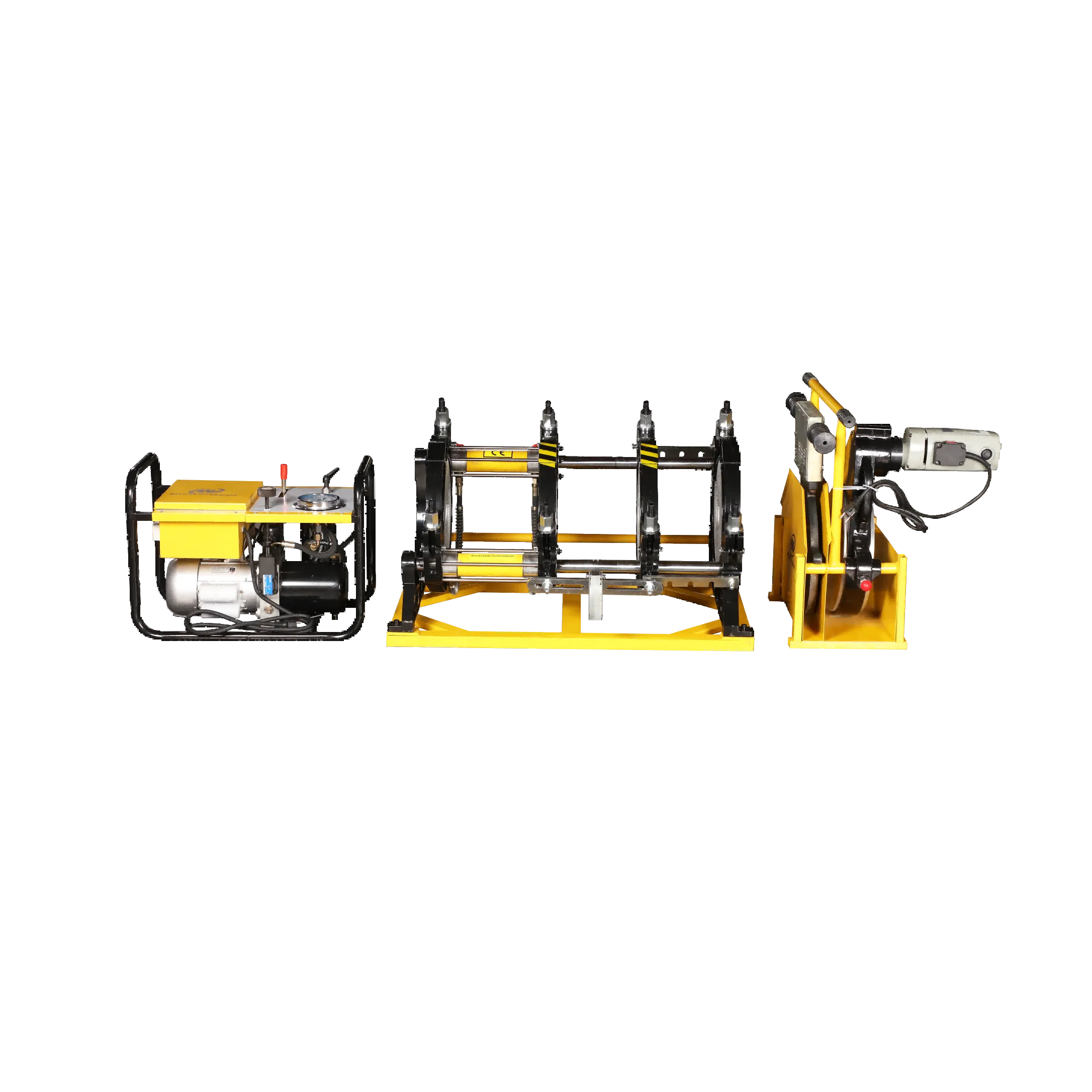
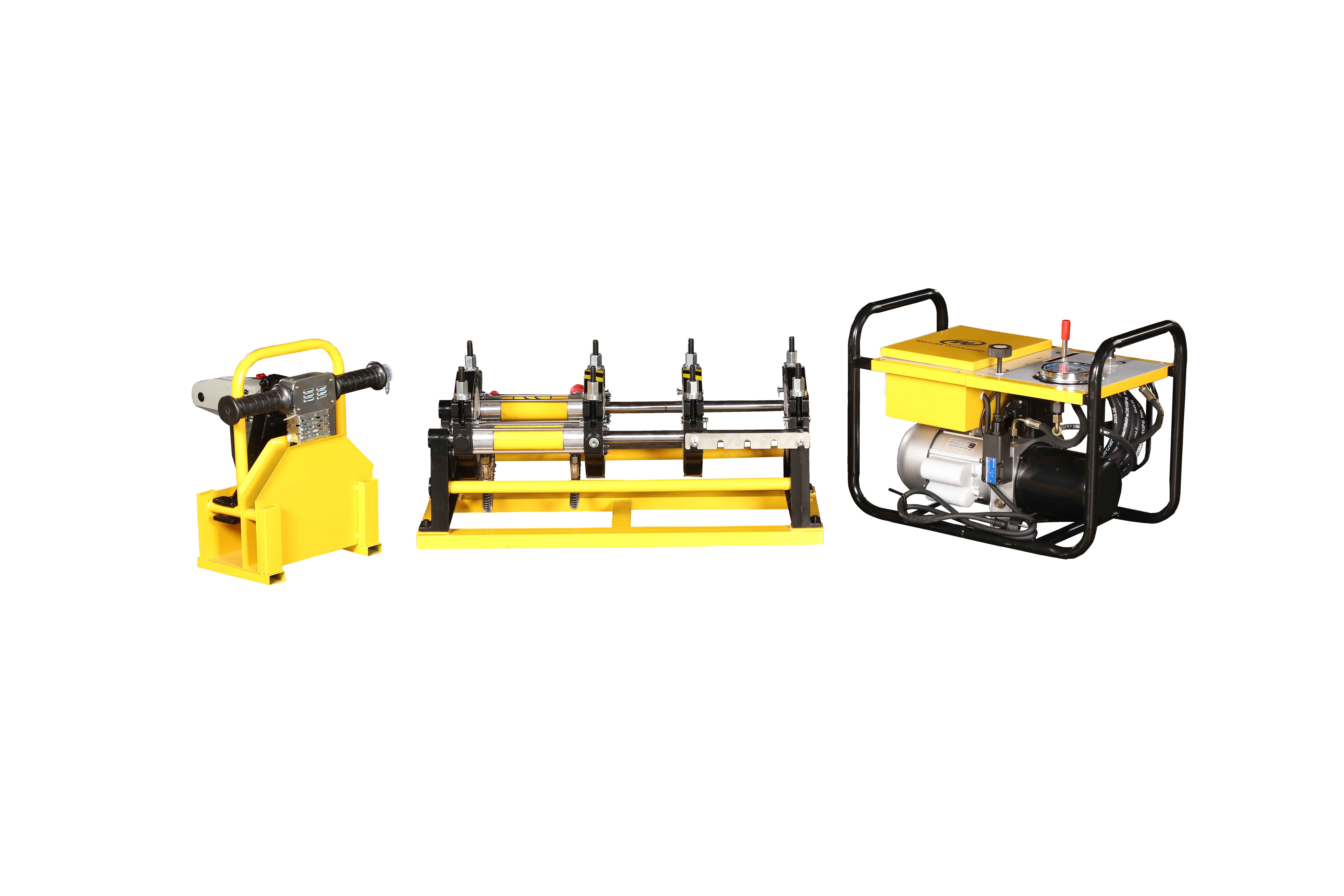
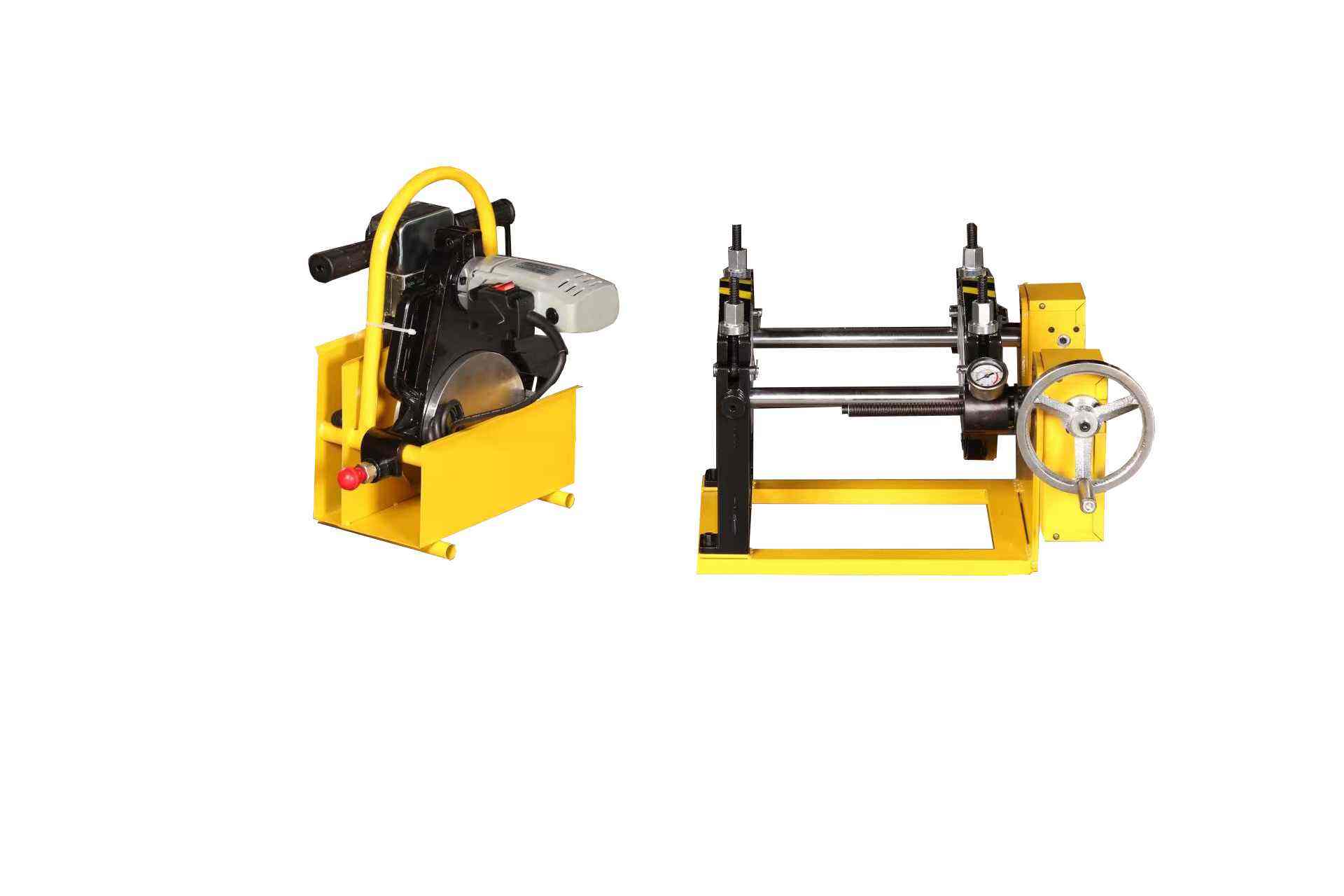
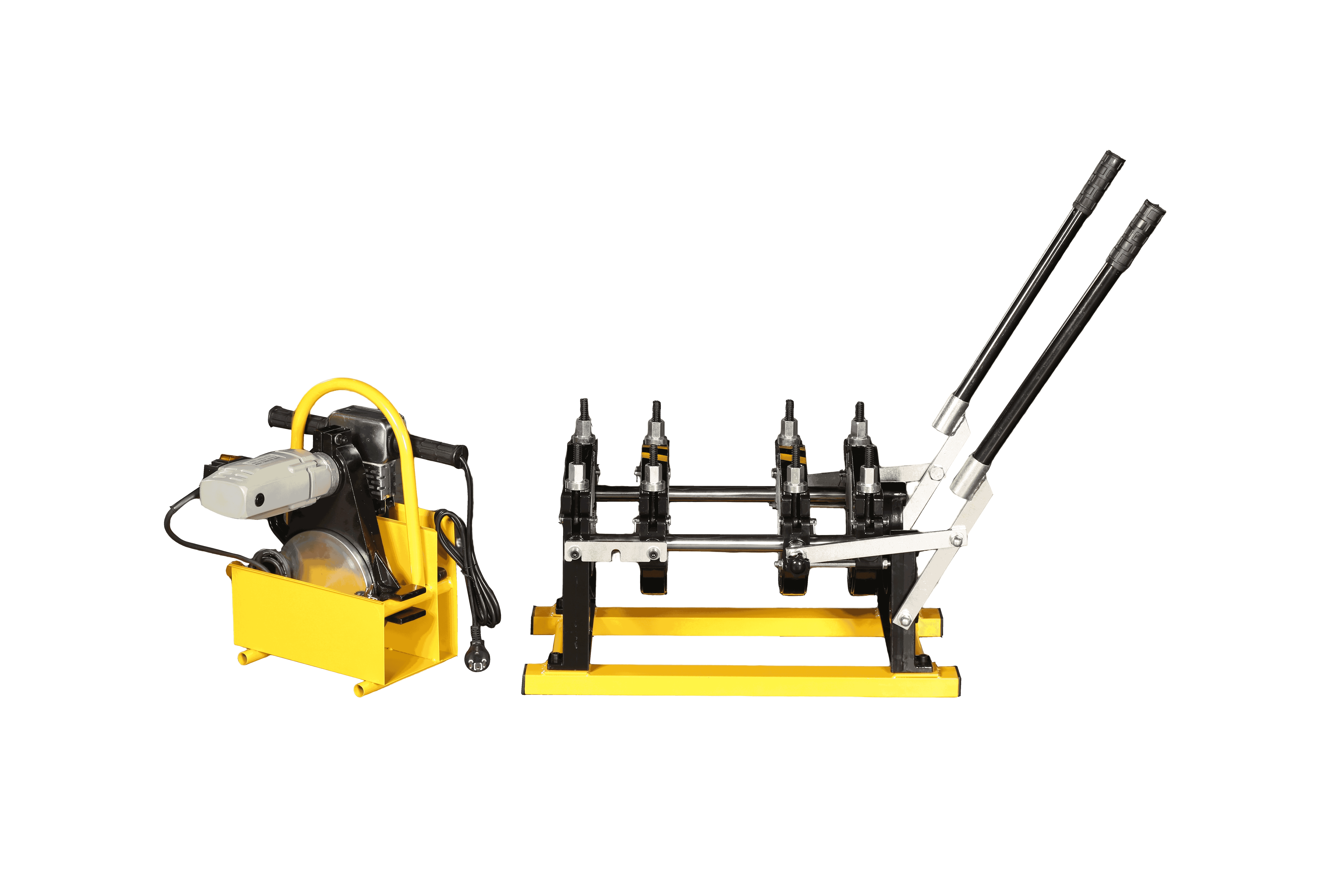
The hdpe fitting welding machine represents a specialized piece of equipment designed specifically for joining high-density polyethylene pipes and fittings through advanced heat fusion techniques. This sophisticated device operates by heating both the pipe end and fitting surface to their melting point, then pressing them together to create a permanent, leak-proof bond that matches or exceeds the strength of the original material. The primary function of the hdpe fitting welding machine centers on producing reliable connections in HDPE piping systems used across municipal water distribution, gas transmission, industrial processing, and agricultural irrigation networks. Technologically, these machines incorporate precise temperature control systems that maintain optimal heating conditions throughout the fusion process, ensuring consistent weld quality regardless of environmental factors or operator experience levels. Modern hdpe fitting welding machines feature digital displays that monitor critical parameters such as heating temperature, fusion pressure, and cooling time, allowing operators to verify that each joint meets stringent quality standards. The equipment typically includes interchangeable heating plates sized to accommodate various pipe diameters, from small residential service lines to large-diameter transmission mains. Advanced models integrate automated clamping mechanisms that secure pipes and fittings in perfect alignment, eliminating human error that could compromise joint integrity. The application range of the hdpe fitting welding machine extends across numerous industries, including municipal infrastructure development, mining operations, chemical processing facilities, wastewater treatment plants, and geothermal energy systems. These machines prove particularly valuable in environments where traditional joining methods like solvent cementing or mechanical couplings cannot provide the required durability and chemical resistance. The fusion welding process creates molecular bonding between pipe and fitting materials, resulting in homogeneous joints that eliminate weak points common in mechanical connections. This technology has become the preferred method for creating permanent HDPE connections in critical applications where system reliability directly impacts public safety, environmental protection, and operational efficiency.


New Products

The hdpe fitting welding machine delivers substantial practical benefits that directly impact project timelines, budgets, and long-term system performance. First and foremost, this equipment creates joints that eliminate future leak risks, saving you from costly repairs and water loss that plague mechanically joined systems. When you invest in proper fusion welding technology, you protect your infrastructure investment by producing connections that last as long as the pipes themselves, often exceeding fifty years of service life without deterioration. The machine operates with remarkable efficiency, allowing skilled operators to complete multiple joints per hour while maintaining consistent quality standards that meet international specifications. This productivity advantage translates directly into reduced labor costs and faster project completion, enabling you to bring systems online quickly and start generating returns on your infrastructure investments. Another significant benefit comes from the elimination of consumable joining materials like rubber gaskets, adhesives, or mechanical components that require inventory management and periodic replacement. The fusion process uses only the existing pipe and fitting materials, reducing your ongoing maintenance expenses to nearly zero for joint-related issues. You gain operational flexibility because the hdpe fitting welding machine performs reliably across wide temperature ranges, from freezing conditions to extreme heat, without requiring special accommodations or producing inferior joints. This weather independence keeps your projects on schedule regardless of seasonal challenges that halt other construction activities. The equipment produces environmentally superior results by creating sealed systems that prevent contamination of transported fluids and eliminate chemical emissions associated with solvent-based joining methods. Your projects benefit from enhanced safety profiles because fusion welding avoids toxic fumes, fire hazards from open flames, and explosive risks present in alternative joining techniques. The machine requires minimal specialized training compared to complex welding certifications needed for metal piping systems, allowing you to develop qualified operators quickly and maintain productivity even with workforce changes. You achieve better quality assurance because the fusion process produces visible indicators of proper joint formation, enabling immediate verification without destructive testing or expensive inspection equipment. The technology accommodates field repairs and system modifications with the same equipment used for original installation, providing long-term flexibility as your infrastructure needs evolve. These combined advantages make the hdpe fitting welding machine an essential tool for organizations committed to building durable, cost-effective, and environmentally responsible piping systems that serve communities and industries reliably for decades.

Practical Tips

What Is a Plastic Pipe Electric Fusion Welder and How Does It Work?

15

Apr

What Is a Plastic Pipe Electric Fusion Welder and How Does It Work?

A plastic pipe electric fusion welder is a specialized welding device designed to join thermoplastic pipes and fittings through a controlled heating process known as electrofusion. This technology has revolutionized the way polyethylene, polypropylen...
View More
How Can a Pipe Welding Machine Ensure Reliable Pipe Connections?

28

Apr

How Can a Pipe Welding Machine Ensure Reliable Pipe Connections?

Reliable pipe connections form the backbone of critical infrastructure systems across water distribution networks, natural gas pipelines, industrial processing facilities, and municipal wastewater management operations. The integrity of these connect...
View More
Why Is a Butt Welding Machine Used in Heavy Duty Fabrication Projects?

01

May

Why Is a Butt Welding Machine Used in Heavy Duty Fabrication Projects?

Heavy duty fabrication projects demand precision, structural integrity, and efficiency in joining thermoplastic components, particularly in industries handling large-diameter pipelines, industrial storage systems, and infrastructure installations. Th...
View More
Why Do Contractors Choose HDPE Fusion Equipment for Water Systems?

01

Apr

Why Do Contractors Choose HDPE Fusion Equipment for Water Systems?

Water infrastructure projects demand reliability, longevity, and cost-effectiveness, making equipment selection a critical decision for contractors. The choice of joining technology directly impacts project timelines, long-term system integrity, and ...
View More

Get a Free Quote

Our representative will contact you soon.
E-mail
Name
Mobile/WhatsApp
Company Name
Message
0/1000

hdpe fitting welding machine

Precision Temperature Control Technology Ensures Consistent Joint Quality

Precision Temperature Control Technology Ensures Consistent Joint Quality

The hdpe fitting welding machine incorporates sophisticated temperature regulation systems that represent a critical technological advancement distinguishing professional-grade equipment from basic heating tools. This precision control mechanism maintains heating plate temperatures within narrow tolerances, typically plus or minus five degrees Celsius, throughout the entire fusion cycle. Such accuracy proves essential because HDPE materials exhibit specific melting characteristics that require exact thermal conditions to achieve proper molecular bonding. When temperatures fall below optimal ranges, the material surfaces fail to reach sufficient fluidity for intermolecular chain entanglement, resulting in weak joints prone to separation under pressure. Conversely, excessive temperatures degrade the polymer structure, creating brittle zones that crack under stress or thermal cycling. The machine addresses these challenges through integrated thermocouple sensors embedded directly in heating plates, providing real-time feedback to microprocessor controllers that adjust power output instantaneously. This closed-loop system compensates for variables like ambient temperature fluctuations, wind conditions, and variations in electrical supply voltage that would otherwise compromise heating consistency. Advanced models feature multiple heating zones across plate surfaces, ensuring uniform temperature distribution even when joining large-diameter fittings where thermal mass differences between thick and thin sections could create hot spots or cold zones. The practical value of this technology becomes apparent in field applications where environmental conditions change throughout the day and construction schedules demand reliable results regardless of weather. Operators working with precision-controlled hdpe fitting welding machines produce joints that pass pressure testing consistently, eliminating the costly callbacks and reputation damage associated with failed connections. The temperature control system also extends equipment lifespan by preventing overheating damage to heating elements and protective coatings, reducing your long-term ownership costs. For quality assurance programs, the digital temperature displays provide documentation capabilities, allowing supervisors to verify that each joint received proper thermal treatment according to manufacturer specifications and industry standards. This feature proves invaluable during regulatory inspections or warranty claim investigations where proof of proper installation procedures protects contractors from liability. The precision temperature control technology transforms the hdpe fitting welding machine from a simple heating device into a sophisticated quality assurance tool that delivers measurable value through reduced failure rates, improved project outcomes, and enhanced professional credibility in competitive marketplace environments.
Automated Alignment and Clamping Systems Eliminate Human Error

Automated Alignment and Clamping Systems Eliminate Human Error

Modern hdpe fitting welding machines feature engineered alignment and clamping mechanisms that fundamentally transform joint quality by removing the inconsistencies inherent in manual positioning techniques. These automated systems employ precision-machined guide rails, adjustable clamps, and hydraulic or pneumatic actuators that secure pipes and fittings in perfect axial alignment throughout the fusion process. The importance of this feature cannot be overstated, as even minor misalignment during welding creates stress concentrations, uneven bead formation, and premature joint failure under operational pressures. Traditional manual methods rely entirely on operator skill and visual assessment to achieve proper alignment, introducing variability that compromises system reliability regardless of other quality control measures. The automated clamping system integrated into professional hdpe fitting welding machines eliminates this uncertainty through mechanical precision that human hands simply cannot replicate consistently across hundreds of joints in varying field conditions. The mechanism typically incorporates opposing clamp assemblies mounted on rigid frame structures that resist deflection under clamping forces, maintaining alignment accuracy within millimeter tolerances. Adjustable supports accommodate pipes of different diameters without requiring complete equipment changeovers, improving job site efficiency when projects involve multiple pipe sizes. Pressure gauges or load cells monitor clamping force application, ensuring operators apply sufficient pressure to hold components securely without crushing or deforming the pipe walls. This controlled pressure application becomes particularly critical when working with thinner-walled pipes used in lower-pressure applications where excessive clamping can create permanent deformation that concentrates stress and reduces service life. The alignment system also facilitates proper face preparation by holding pipes steady during trimming and scraping operations that create the smooth, perpendicular surfaces essential for quality fusion. When heating completes and operators bring surfaces together for fusion, the automated system applies consistent joining pressure across the entire interface, eliminating the uneven pressure distribution that occurs with manual techniques. This uniform pressure ensures complete contact between molten surfaces, producing consistent bead formation around the joint circumference that indicates proper molecular bonding. The practical benefits extend beyond joint quality to encompass operator safety and fatigue reduction, as automated systems handle the physical demands of positioning and holding heavy pipes and fittings during multi-minute heating and cooling cycles. Project managers appreciate how these systems enable less experienced operators to produce professional-quality results after minimal training, addressing the skilled labor shortages that challenge construction industries globally. The automated alignment and clamping systems represent a measurable return on investment through reduced joint failure rates, decreased rework expenses, improved project timelines, and enhanced capability to meet stringent quality specifications demanded by engineers and regulatory authorities overseeing critical infrastructure projects.
Versatile Multi-Diameter Capability Maximizes Equipment Utilization

Versatile Multi-Diameter Capability Maximizes Equipment Utilization

The hdpe fitting welding machine delivers exceptional value through versatile design features that accommodate wide ranges of pipe diameters and fitting configurations within a single equipment platform. This multi-diameter capability represents a significant economic advantage for contractors, municipalities, and industrial facilities that work with varied piping systems requiring different sizes for distribution networks, service connections, and transmission mains. Rather than investing in separate specialized machines for each pipe size category, operators can configure versatile equipment to handle everything from small-diameter residential service lines measuring twenty millimeters to large infrastructure pipes exceeding three hundred millimeters in diameter. This adaptability comes through interchangeable heating plate sets, adjustable clamping frames, and modular insert rings that customize the equipment for specific applications without requiring extensive reconfiguration time. The practical benefits become immediately apparent on job sites where projects involve multiple pipe sizes, as crews can complete all fusion welding tasks with one machine instead of transporting, setting up, and maintaining multiple specialized units. This consolidation reduces equipment acquisition costs, simplifies inventory management, decreases transportation expenses, and minimizes the training burden on operators who master one versatile system rather than learning multiple machine types. The versatility extends beyond diameter ranges to encompass various fitting styles including elbows, tees, reducers, end caps, and specialized components like flanged connections or transition fittings joining HDPE to other materials. Quality manufacturers design hdpe fitting welding machines with sufficient heating plate surface area and clamping capacity to accommodate these diverse fitting geometries while maintaining the precise temperature control and alignment accuracy essential for reliable joints. The multi-diameter capability also provides future-proofing value as infrastructure needs evolve and projects expand into different size ranges, protecting your equipment investment from obsolescence when system specifications change. Maintenance and spare parts management become more straightforward with versatile equipment, as technicians stock components for one machine platform rather than maintaining separate inventories for multiple specialized units. This consolidation reduces carrying costs and ensures critical replacement parts remain available when needed to minimize downtime during urgent repair projects. The operational flexibility proves particularly valuable for service contractors and maintenance departments responding to emergency repairs where pipe sizes cannot be predicted in advance and response time directly impacts service restoration. Equipment utilization rates improve dramatically when versatile machines remain productive across diverse projects rather than sitting idle between jobs requiring specific diameter capabilities. Financial analysis consistently demonstrates that multi-diameter hdpe fitting welding machines deliver superior return on investment compared to specialized single-size equipment, even when considering the premium pricing that versatile models command in the marketplace. The capability to handle multiple diameters and fitting types positions your organization to bid competitively on varied projects, expand service offerings, and respond effectively to market opportunities that would otherwise require additional equipment investments or subcontractor relationships that reduce profit margins and complicate project coordination.

Get a Free Quote

Our representative will contact you soon.
E-mail
Name
Mobile/WhatsApp
Company Name
Message
0/1000