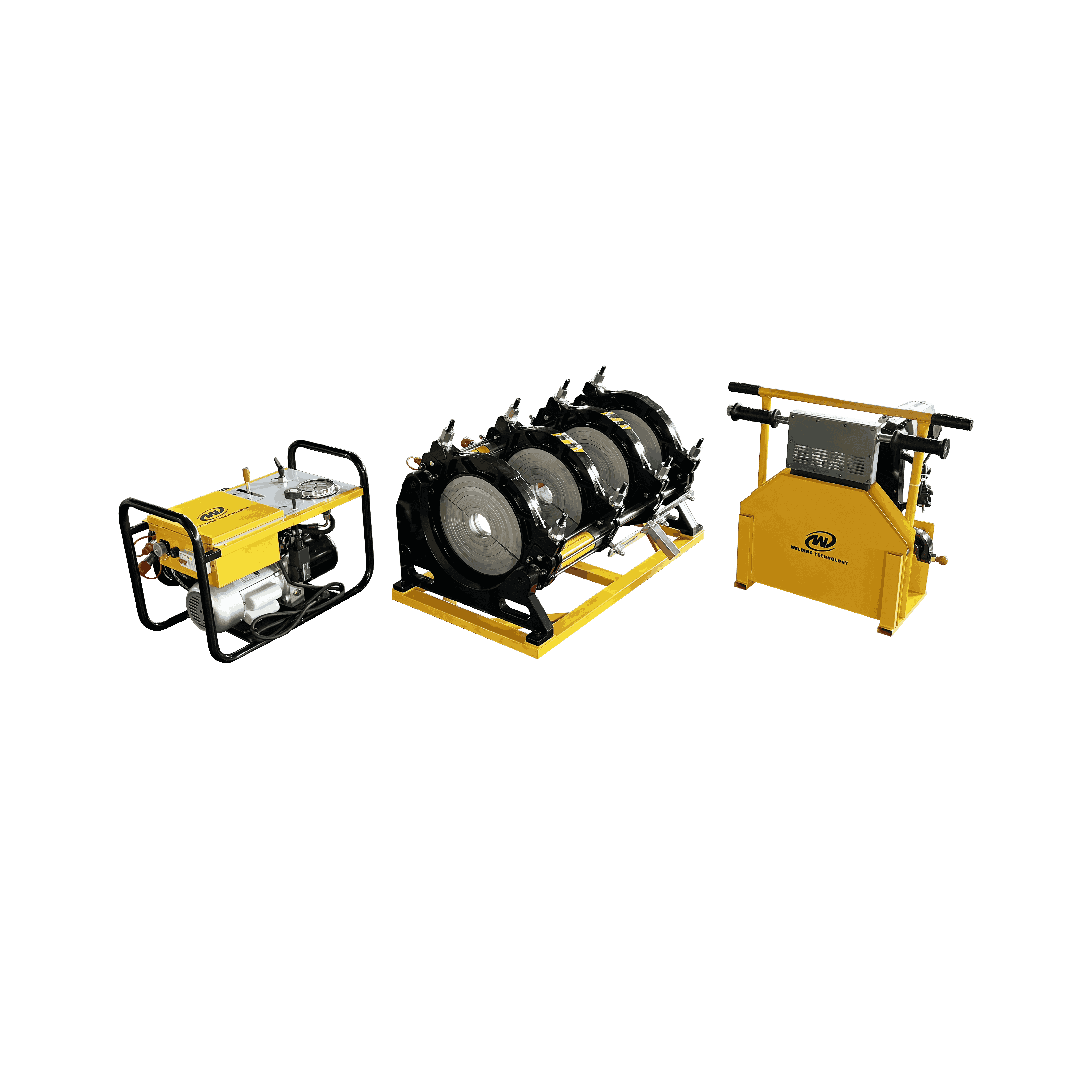
Professional HDPE Plastic Welding Machine - Advanced Thermal Fusion Equipment

Get a Free Quote

Our representative will contact you soon.
E-mail
Name
Mobile/WhatsApp
Company Name
Message
0/1000

hdpe plastic welding machine

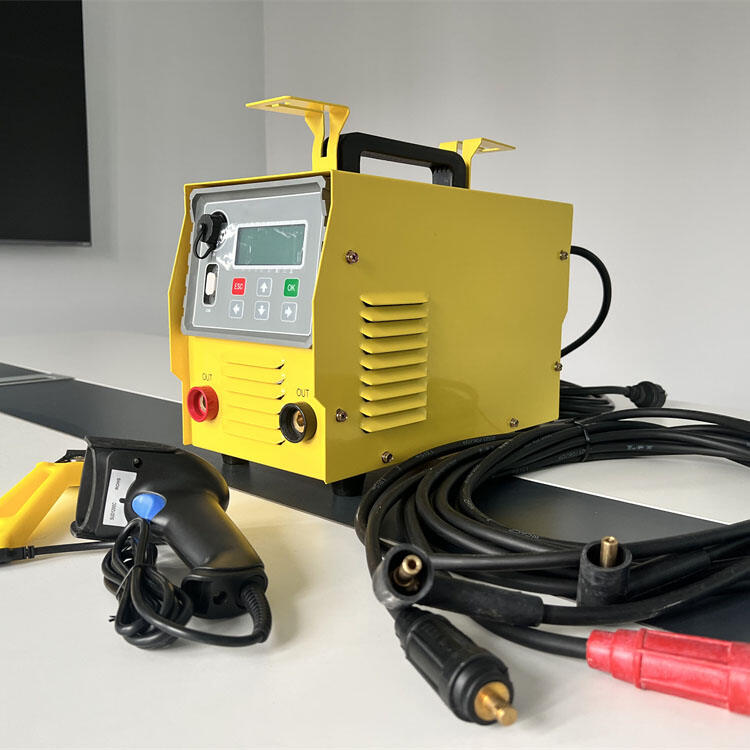
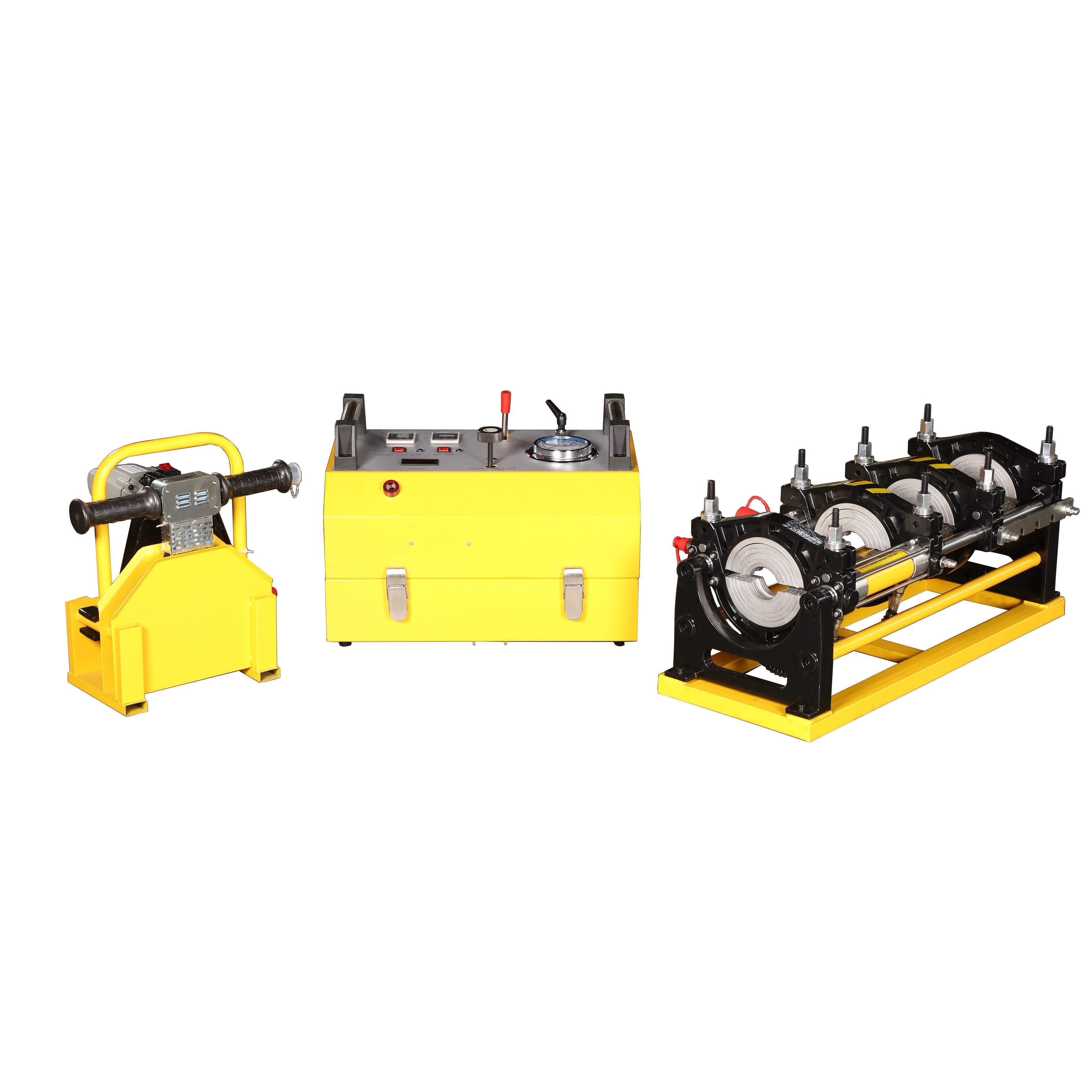
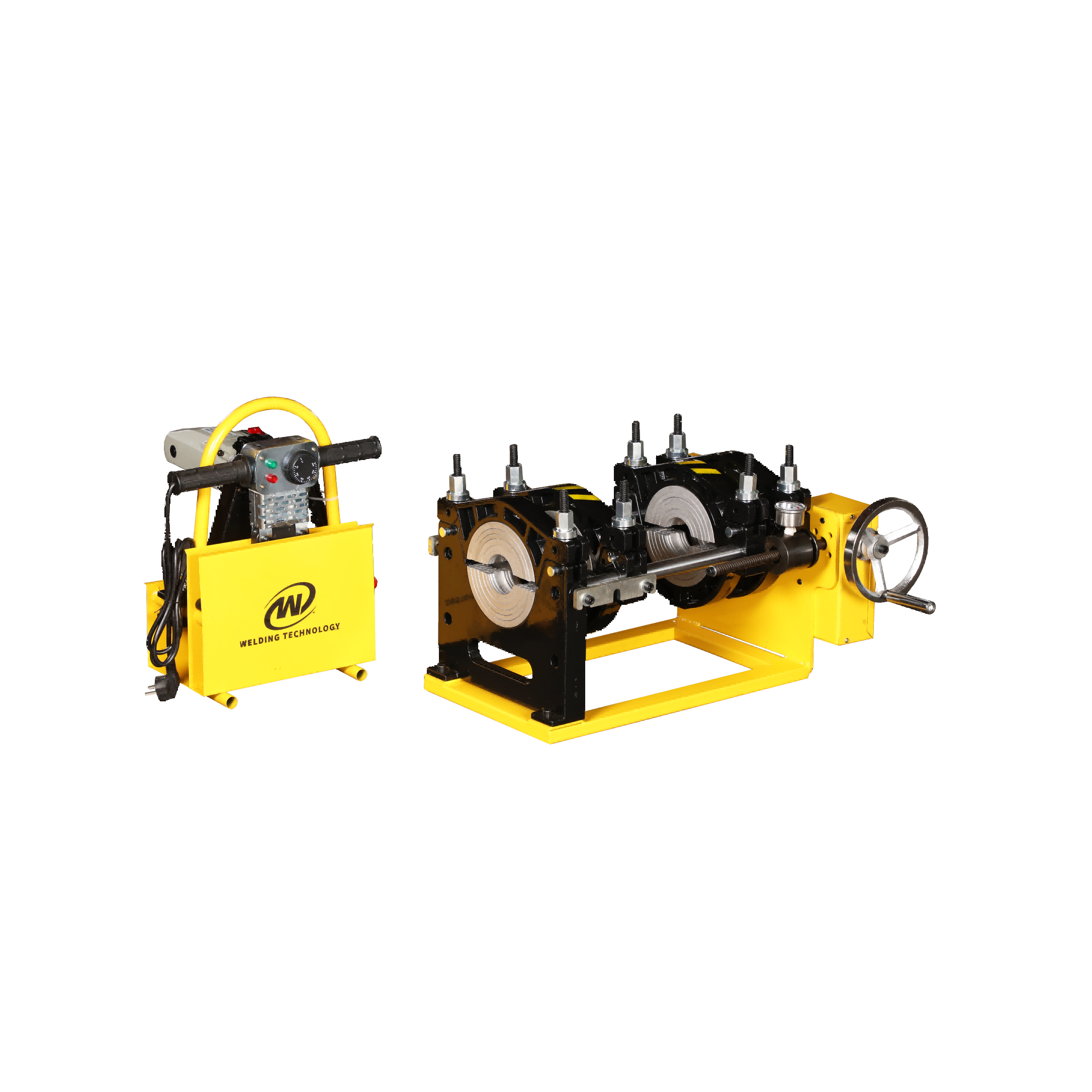
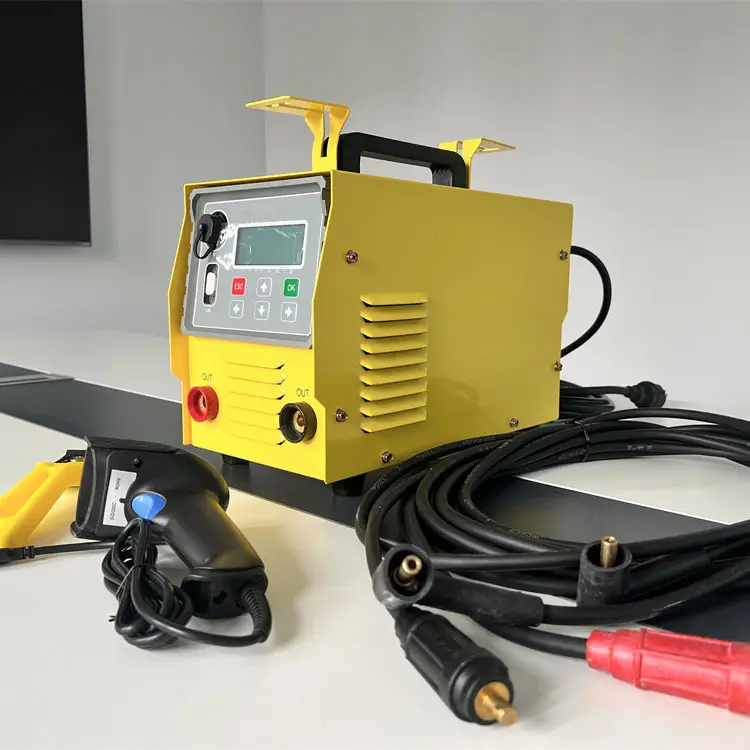
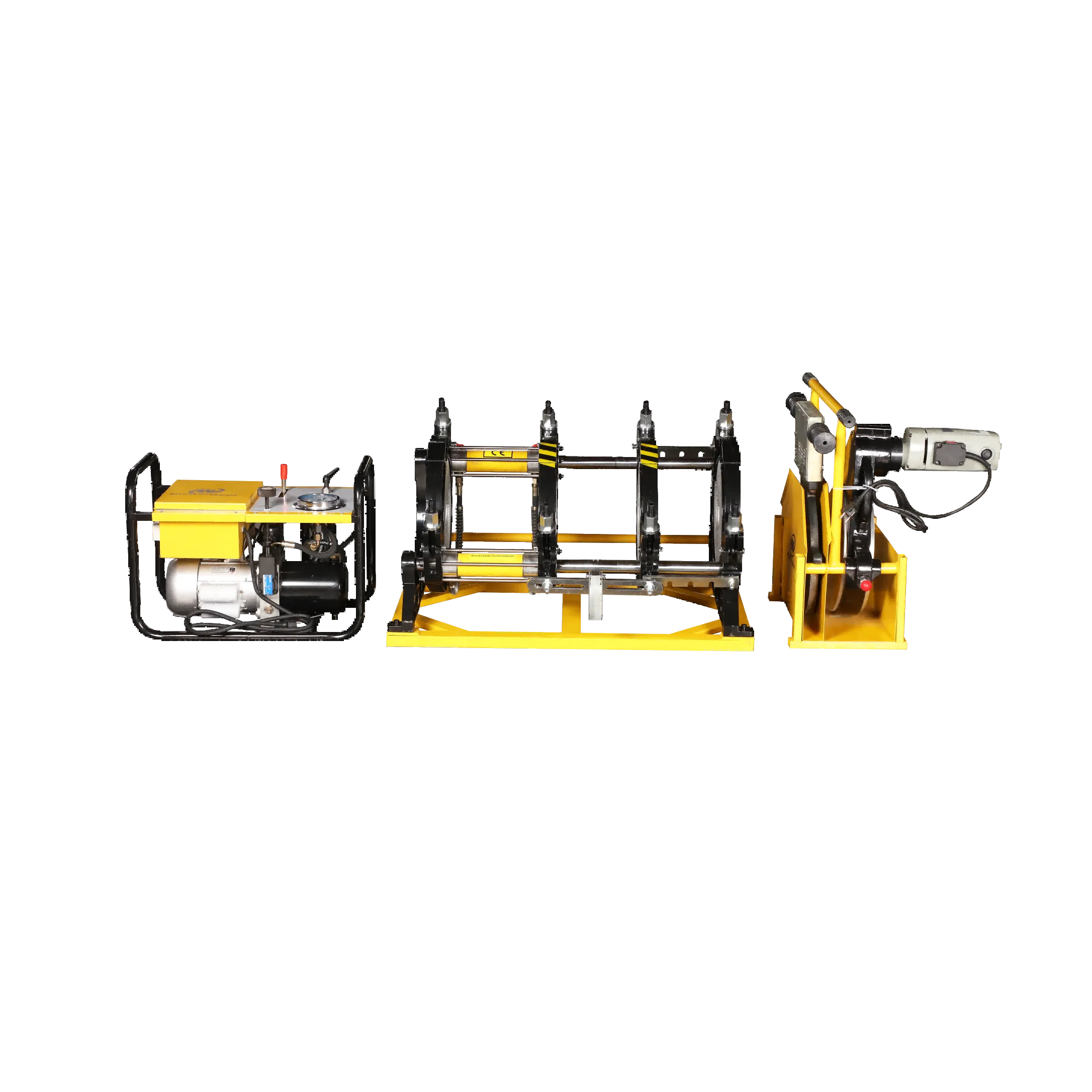
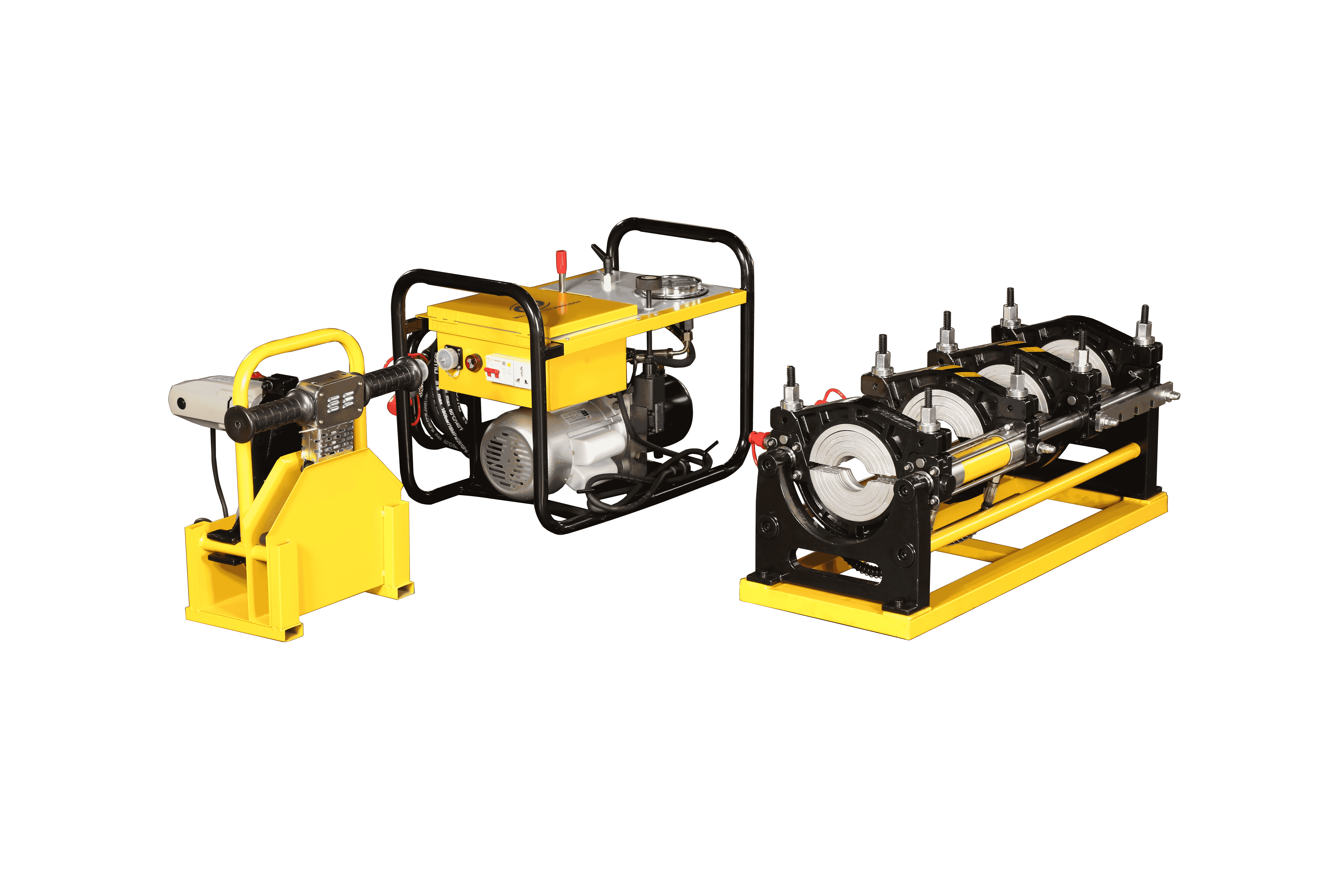
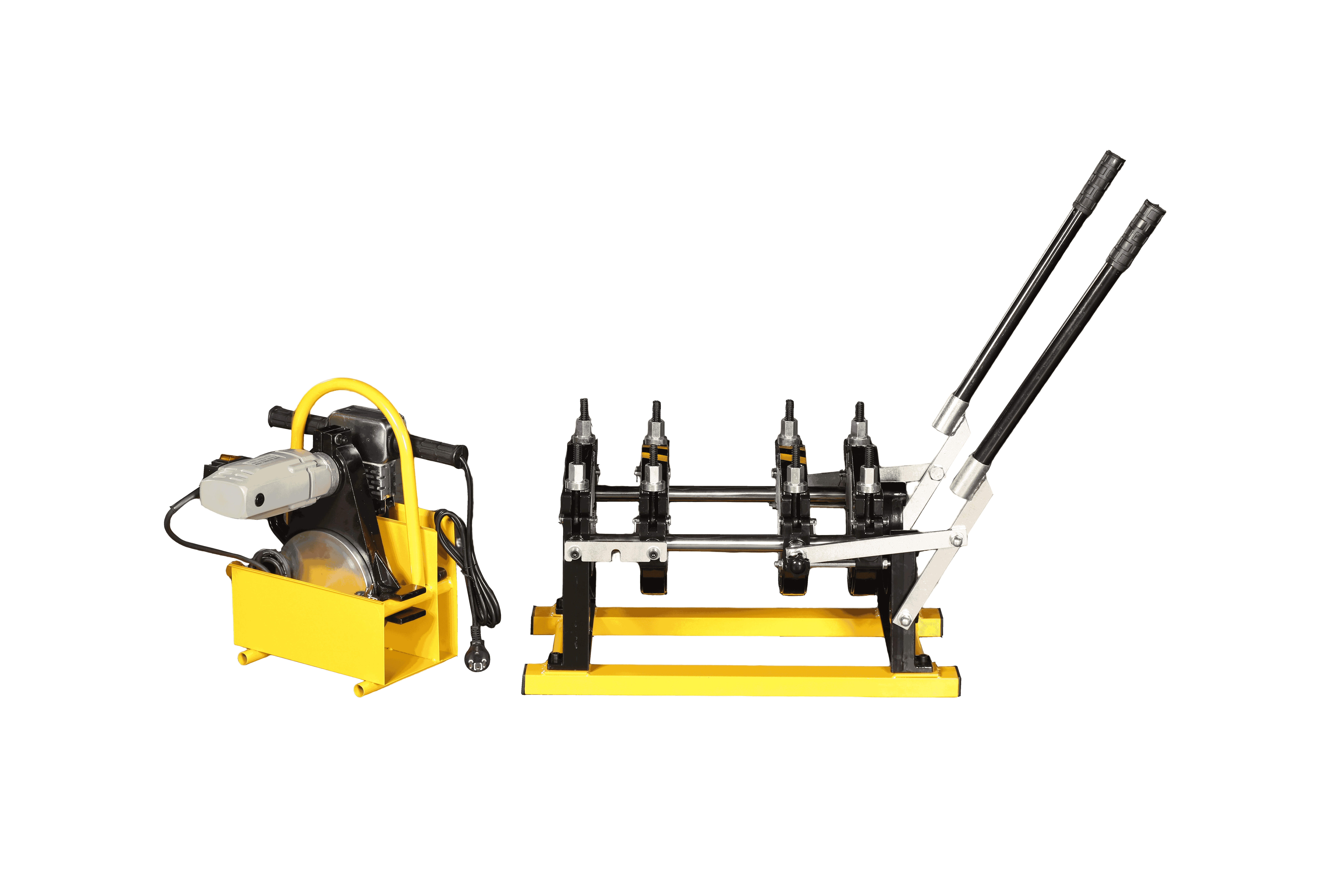
The HDPE plastic welding machine represents a specialized piece of industrial equipment designed to join high-density polyethylene materials through advanced thermal fusion processes. This sophisticated machinery utilizes controlled heat application and pressure to create permanent, leak-proof connections between HDPE components, making it essential for various manufacturing and construction applications. The primary function of the HDPE plastic welding machine involves heating plastic surfaces to their melting point, then applying precise pressure to form molecular bonds that are often stronger than the original material itself. The technological framework incorporates microprocessor-controlled temperature regulation systems that maintain optimal welding temperatures throughout the entire joining process. Digital displays provide real-time monitoring of temperature, pressure, and timing parameters, ensuring consistent weld quality across multiple applications. Modern HDPE plastic welding machines feature adjustable heating plates with non-stick coatings that prevent material adhesion during the welding cycle. The equipment typically includes hydraulic or pneumatic pressure systems that deliver uniform force distribution across the welding interface. Safety mechanisms such as emergency stops, protective guards, and automatic shut-off functions protect operators from potential hazards. The versatile nature of these machines allows them to accommodate various HDPE pipe diameters, sheet thicknesses, and fitting configurations. Applications span across municipal water systems, gas distribution networks, chemical processing facilities, and mining operations where reliable plastic connections are crucial. The precision engineering ensures minimal material waste while maximizing joint integrity. Advanced models incorporate programmable welding cycles that can store multiple parameter sets for different material specifications. The robust construction typically features heavy-duty frames designed to withstand demanding industrial environments while maintaining welding accuracy over extended operational periods.

New Product Recommendations

The HDPE plastic welding machine offers numerous practical benefits that directly impact operational efficiency and cost-effectiveness for businesses across multiple industries. First, these machines create joints that exceed the strength of the original HDPE material, eliminating concerns about connection failures in critical applications such as water distribution systems or chemical transport pipelines. The welding process produces seamless connections without requiring additional sealing materials, gaskets, or adhesives, which reduces long-term maintenance costs and potential leak points. Users experience significant time savings compared to traditional joining methods, as the automated welding cycles complete connections in minutes rather than hours required for mechanical fittings or chemical bonding techniques. The precision temperature control eliminates human error in the heating process, ensuring consistent weld quality regardless of operator experience level. This reliability translates into reduced rework, fewer material losses, and improved project timelines. The equipment handles a wide range of HDPE thicknesses and configurations, making it versatile enough for small repair jobs and large-scale construction projects using the same machine. Energy efficiency represents another major advantage, as modern HDPE plastic welding machines consume minimal electricity while delivering maximum heat transfer to the welding zone. The compact design of portable units allows on-site welding in remote locations, eliminating transportation costs for materials to central fabrication facilities. Digital controls simplify operation training, reducing the learning curve for new technicians and ensuring consistent results across different work crews. The durability of these machines provides excellent return on investment, with proper maintenance extending operational life beyond ten years in most industrial environments. Quality welds resist chemical corrosion, temperature fluctuations, and physical stress better than alternative joining methods. The process creates environmentally friendly connections without toxic adhesives or volatile compounds, supporting sustainable construction practices. Automated pressure application ensures optimal joint formation while preventing over-compression that could weaken the connection. The ability to weld in various weather conditions makes these machines particularly valuable for outdoor installations and emergency repairs.

Tips And Tricks

Global Fusion Welding Machinery Market Booms, Hangzhou Welding Leads Chinese Manufacturing to Serve 100+ Countries

11

Feb

Global Fusion Welding Machinery Market Booms, Hangzhou Welding Leads Chinese Manufacturing to Serve 100+ Countries

View More
Technological Innovation Drives Industry Upgrade, Hangzhou Welding Leads the Development of Thermoplastic Welding Technology

11

Feb

Technological Innovation Drives Industry Upgrade, Hangzhou Welding Leads the Development of Thermoplastic Welding Technology

View More
Accelerating Global Layout, Hangzhou Welding Technology Drives International Market Development with the Dual Wheels of

11

Feb

Accelerating Global Layout, Hangzhou Welding Technology Drives International Market Development with the Dual Wheels of "Products + Services"

View More

Get a Free Quote

Our representative will contact you soon.
E-mail
Name
Mobile/WhatsApp
Company Name
Message
0/1000

hdpe plastic welding machine

Advanced Temperature Control Technology

Advanced Temperature Control Technology

The sophisticated temperature management system in modern HDPE plastic welding machines represents a breakthrough in precision joining technology that delivers consistent, high-quality results across diverse applications. This advanced control mechanism employs digital microprocessors that monitor and adjust heating plate temperatures within one-degree accuracy, ensuring optimal melting conditions for different HDPE material grades and thicknesses. The system incorporates multiple temperature sensors positioned strategically across the heating surfaces, providing real-time feedback that enables instant adjustments to maintain uniform heat distribution. This precision prevents overheating that could degrade material properties or underheating that results in weak joint formation. The programmable interface allows operators to store custom temperature profiles for specific projects, eliminating guesswork and reducing setup time for recurring applications. The rapid heating capability brings plates to working temperature in minutes, while efficient insulation maintains stable conditions throughout extended welding sessions. Safety features include automatic temperature limiting that prevents dangerous overheating, while cooling cycles ensure safe handling between operations. The energy-efficient design minimizes power consumption while maximizing heat transfer effectiveness, reducing operational costs and environmental impact. Advanced models feature dual-zone heating control that can accommodate materials with different melting characteristics simultaneously. The temperature stability during the cooling phase ensures proper crystallization of the welded joint, optimizing final strength properties. This technological advancement eliminates the variability associated with manual temperature control methods, providing consistent quality that meets stringent industry standards for pressure vessel applications, potable water systems, and chemical processing equipment. The intuitive display shows temperature trends and alerts operators to any deviations from programmed parameters, enabling proactive adjustments that maintain optimal welding conditions throughout the entire project duration.
Hydraulic Pressure System Precision

Hydraulic Pressure System Precision

The hydraulic pressure application system in HDPE plastic welding machines delivers unmatched force control that ensures optimal joint formation while preventing material damage during the welding process. This sophisticated mechanism provides uniform pressure distribution across the entire welding interface, eliminating weak spots that could compromise long-term joint integrity. The system operates through precision-engineered cylinders that apply graduated pressure according to programmed sequences, starting with initial contact pressure for proper heating, followed by increased fusion pressure during the melting phase, and finally maintaining cooling pressure until solidification completes. Digital pressure monitoring displays real-time force measurements, allowing operators to verify that each weld meets specified parameters for the particular application requirements. The pressure range accommodates thin-wall applications requiring gentle force as well as thick-section joints demanding substantial compression to achieve complete fusion. Automatic pressure cycling eliminates operator fatigue and human error while ensuring consistent application across multiple welds in large projects. The hydraulic system includes safety relief valves that prevent over-pressurization that could damage equipment or create unsafe working conditions. Quick-disconnect fittings enable rapid tool changes for different pipe sizes or fitting configurations without system depressurization. The smooth pressure application prevents sudden force changes that could disturb the molten plastic interface, ensuring clean molecular bonding throughout the joint cross-section. Programmable pressure profiles can accommodate complex welding sequences required for specialized applications such as branch connections or multi-material joints. The system maintains pressure stability even during power fluctuations or temperature variations, providing reliable performance in challenging field conditions. This precise pressure control capability enables the HDPE plastic welding machine to create joints that consistently pass hydrostatic testing requirements while minimizing material stress concentrations that could lead to premature failure in high-pressure applications.
Versatile Application Compatibility

Versatile Application Compatibility

The exceptional versatility of modern HDPE plastic welding machines makes them indispensable tools across numerous industries, accommodating an extensive range of material specifications, project scales, and application requirements with remarkable adaptability. These machines effectively handle pipe diameters from small residential connections to large municipal transmission lines, adapting seamlessly through interchangeable tooling systems that maintain precision alignment regardless of size variations. The equipment processes various HDPE grades including PE80, PE100, and specialized compounds formulated for specific chemical resistance or temperature performance requirements. Sheet welding capabilities enable fabrication of custom tanks, liners, and containment systems where standard fittings cannot provide the required configuration. The machines accommodate both butt fusion techniques for straight joints and electrofusion methods for branch connections, providing comprehensive joining solutions within a single equipment package. Portable units bring full welding capability to remote installation sites, offshore platforms, and underground utility tunnels where traditional workshop fabrication proves impractical. The equipment handles demanding applications in potable water systems where joints must maintain purity standards, natural gas distribution requiring pressure integrity, and chemical processing environments demanding exceptional corrosion resistance. Mining operations utilize these machines for slurry transport systems, while agricultural applications include irrigation networks and livestock watering systems. The ability to weld in ambient temperatures ranging from freezing conditions to extreme heat expands operational flexibility across global markets and seasonal variations. Quick-change tooling systems enable rapid transitions between different pipe sizes during complex projects, maintaining productivity while ensuring joint quality consistency. The machines successfully join HDPE to other thermoplastic materials through specialized procedures, expanding material compatibility for hybrid system designs. Automated welding cycles can be customized for each application, storing parameters for standard connections while allowing manual override for unique situations. This comprehensive versatility eliminates the need for multiple specialized welding systems, providing cost-effective solutions that adapt to evolving project requirements while maintaining the highest standards of joint performance and reliability across diverse industrial applications.

Get a Free Quote

Our representative will contact you soon.
E-mail
Name
Mobile/WhatsApp
Company Name
Message
0/1000