HDPE Pipe Welding Machine - Professional Fusion Equipment for Reliable Pipeline Joints

Get a Free Quote

Our representative will contact you soon.
E-mail
Name
Mobile/WhatsApp
Company Name
Message
0/1000

hdpe pipe welding machine

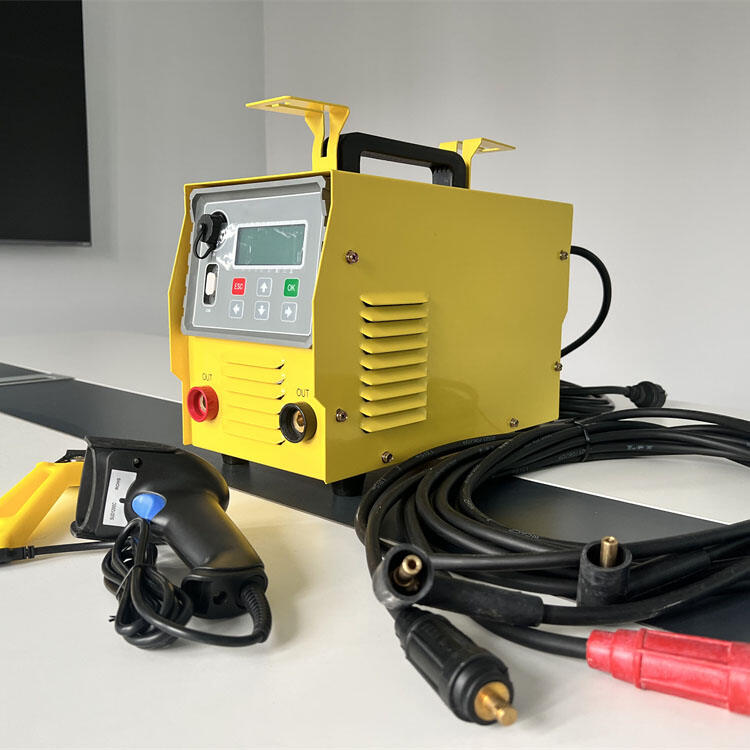
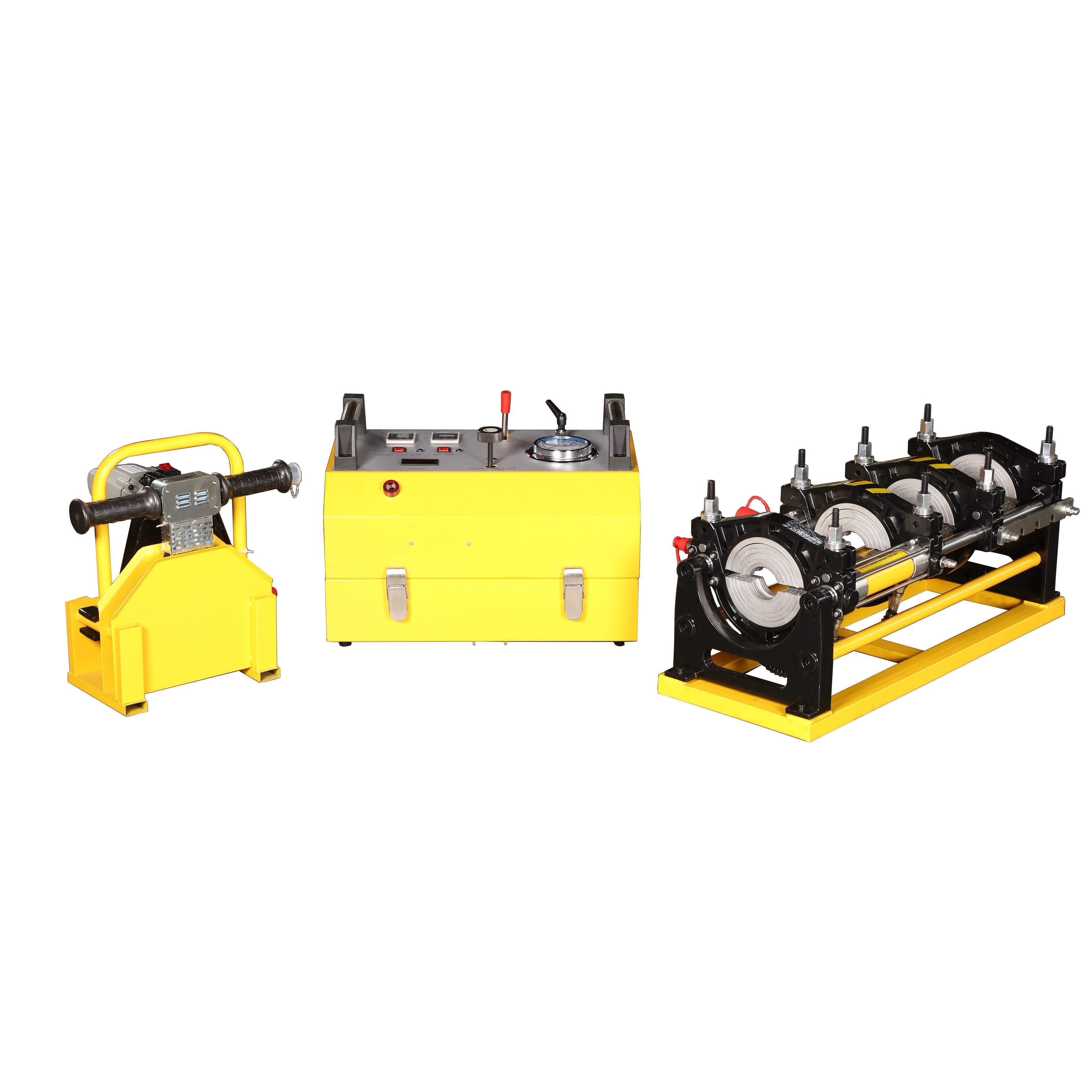
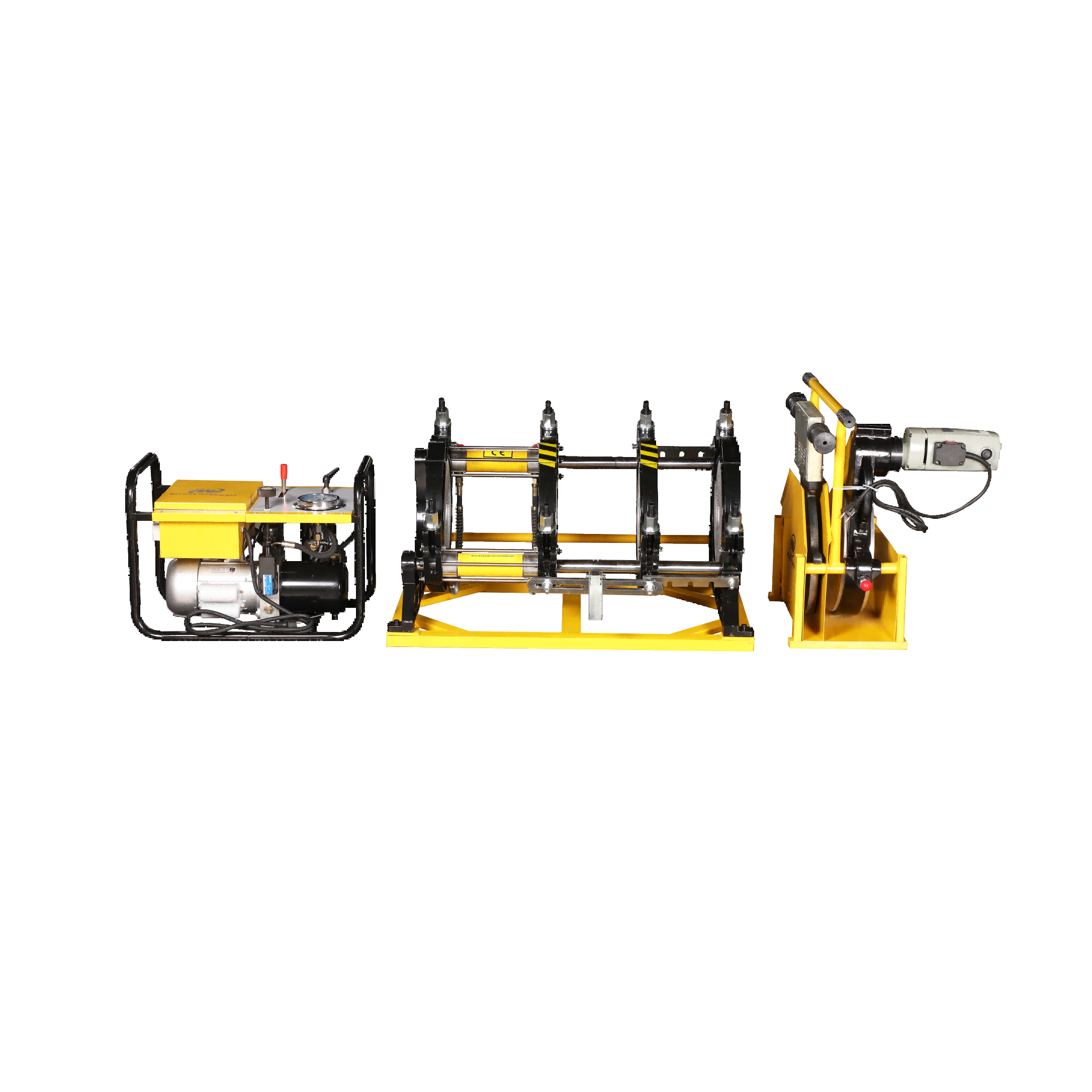
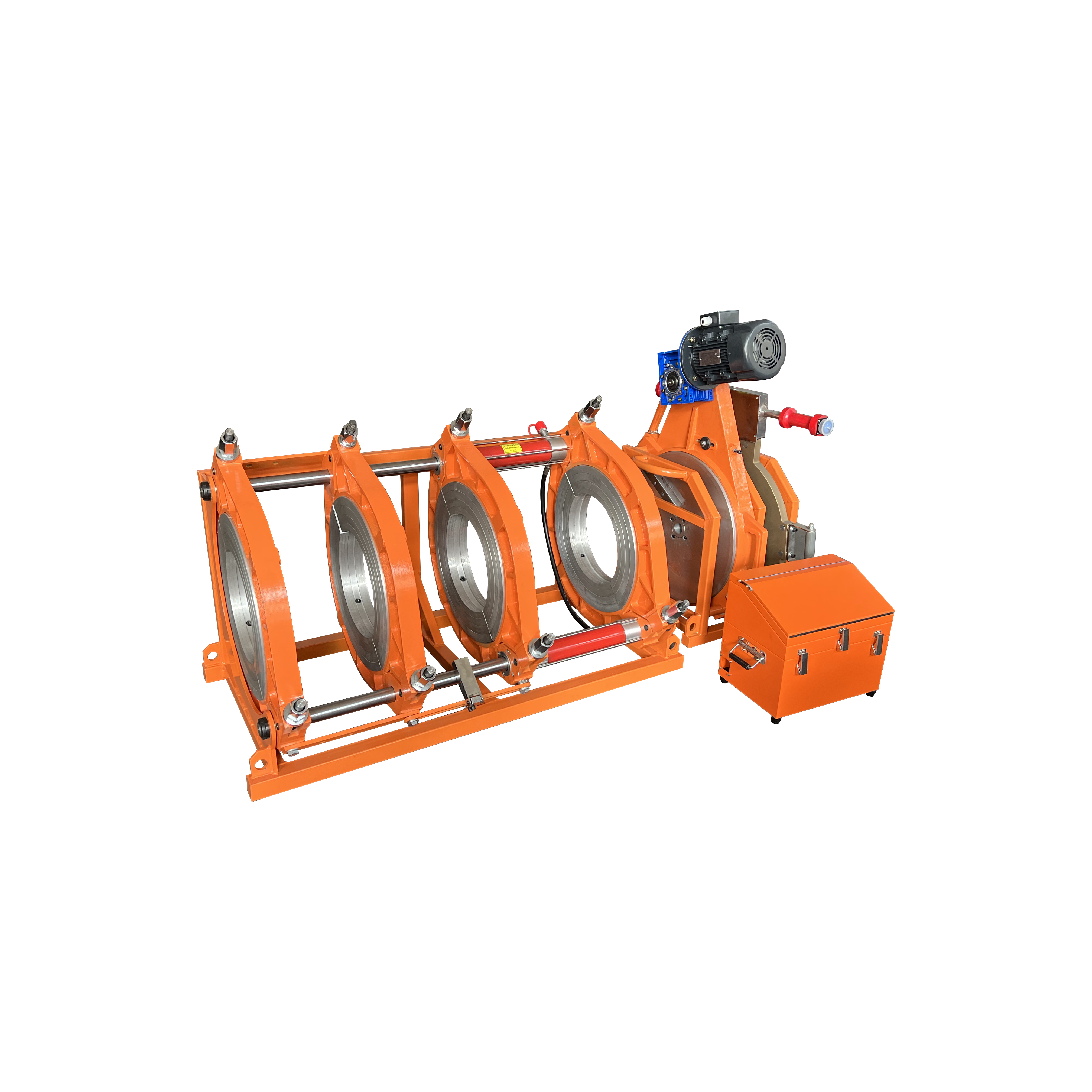
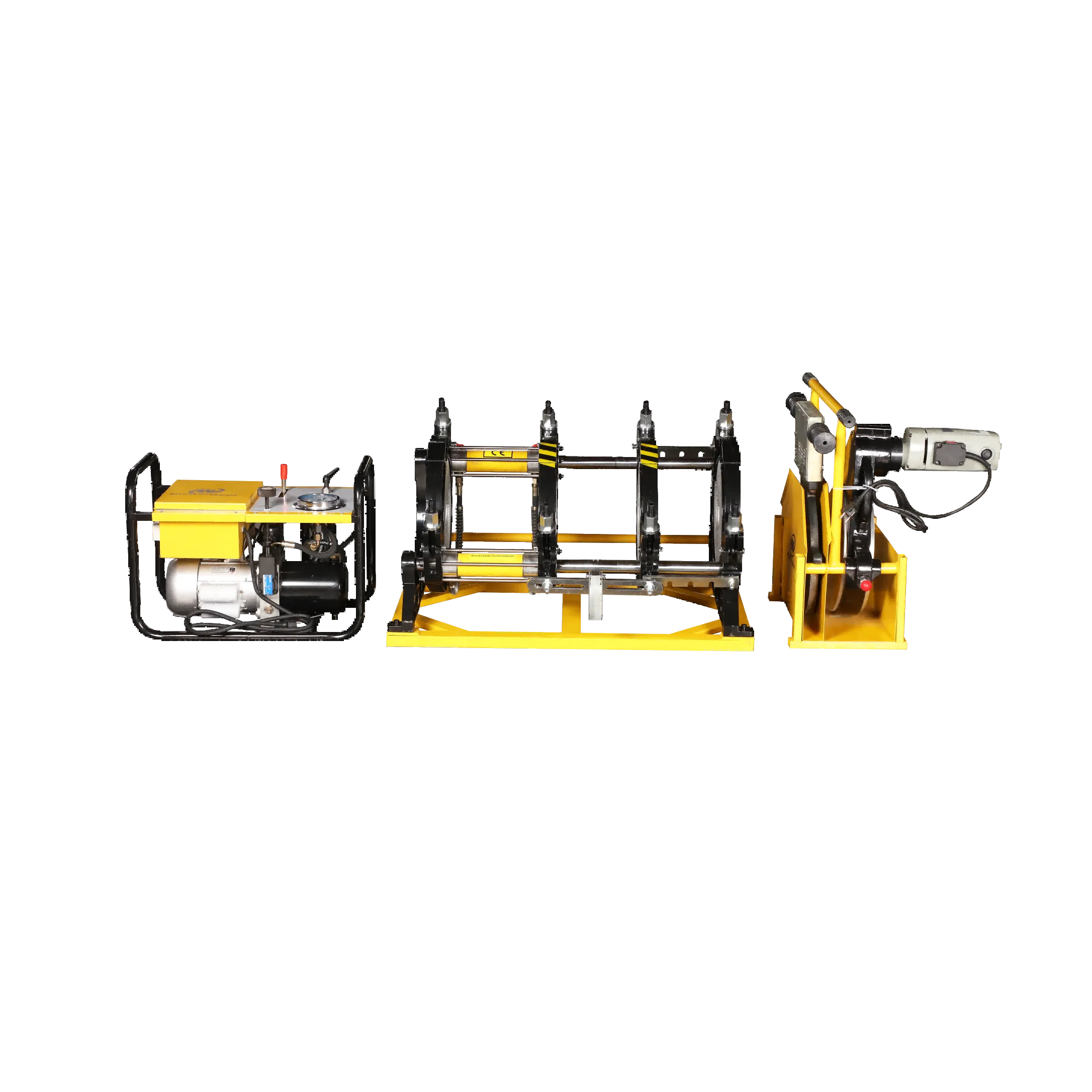
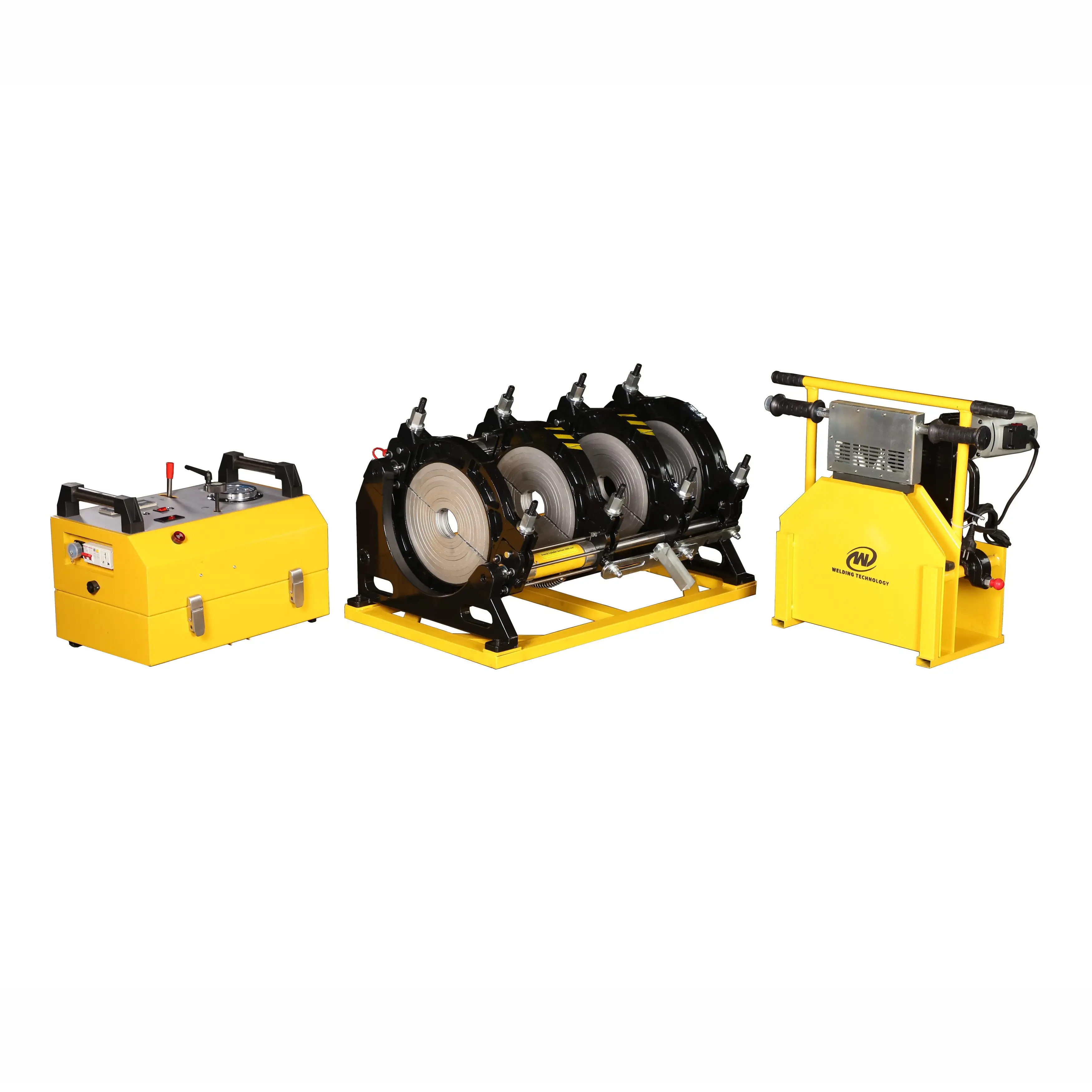
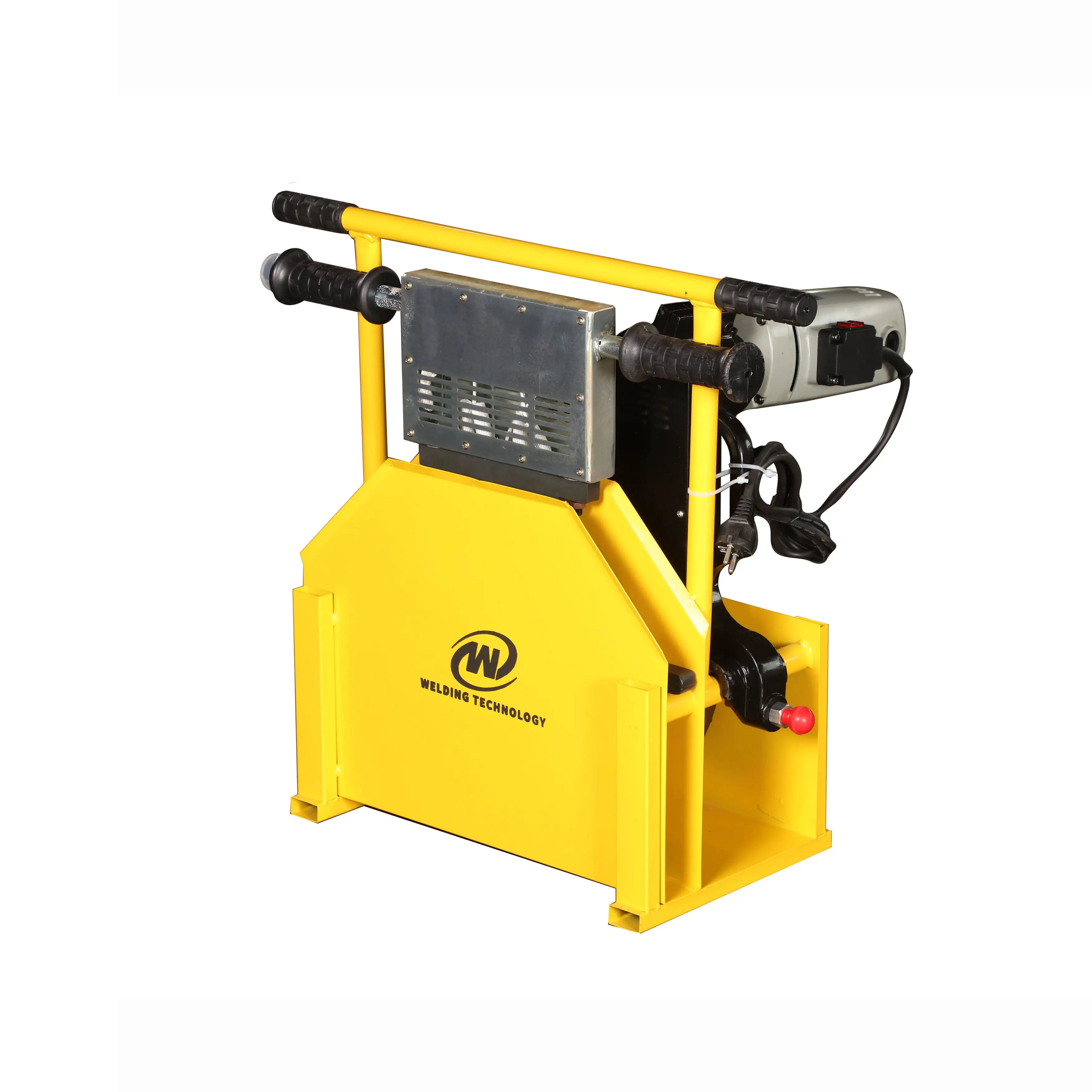
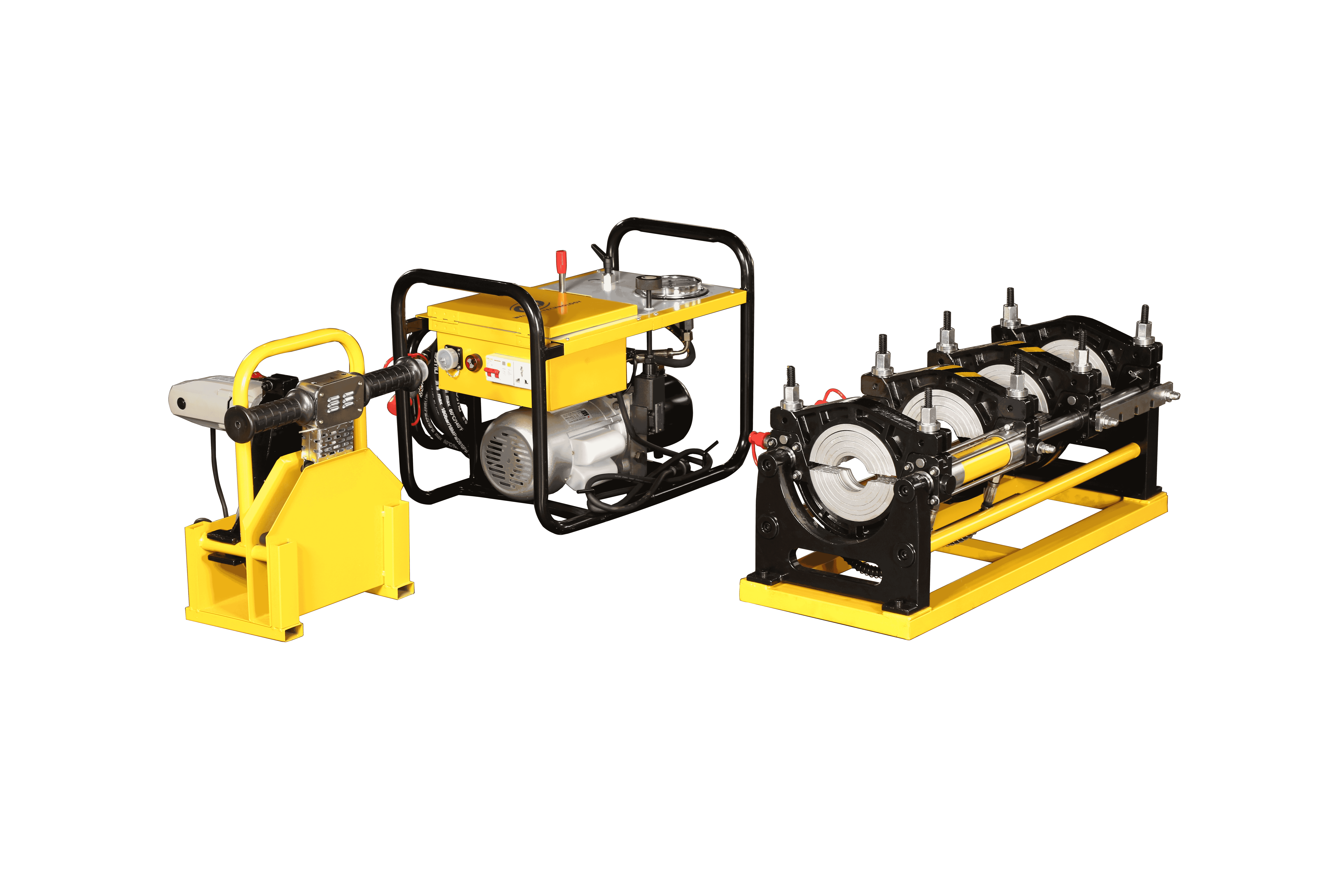
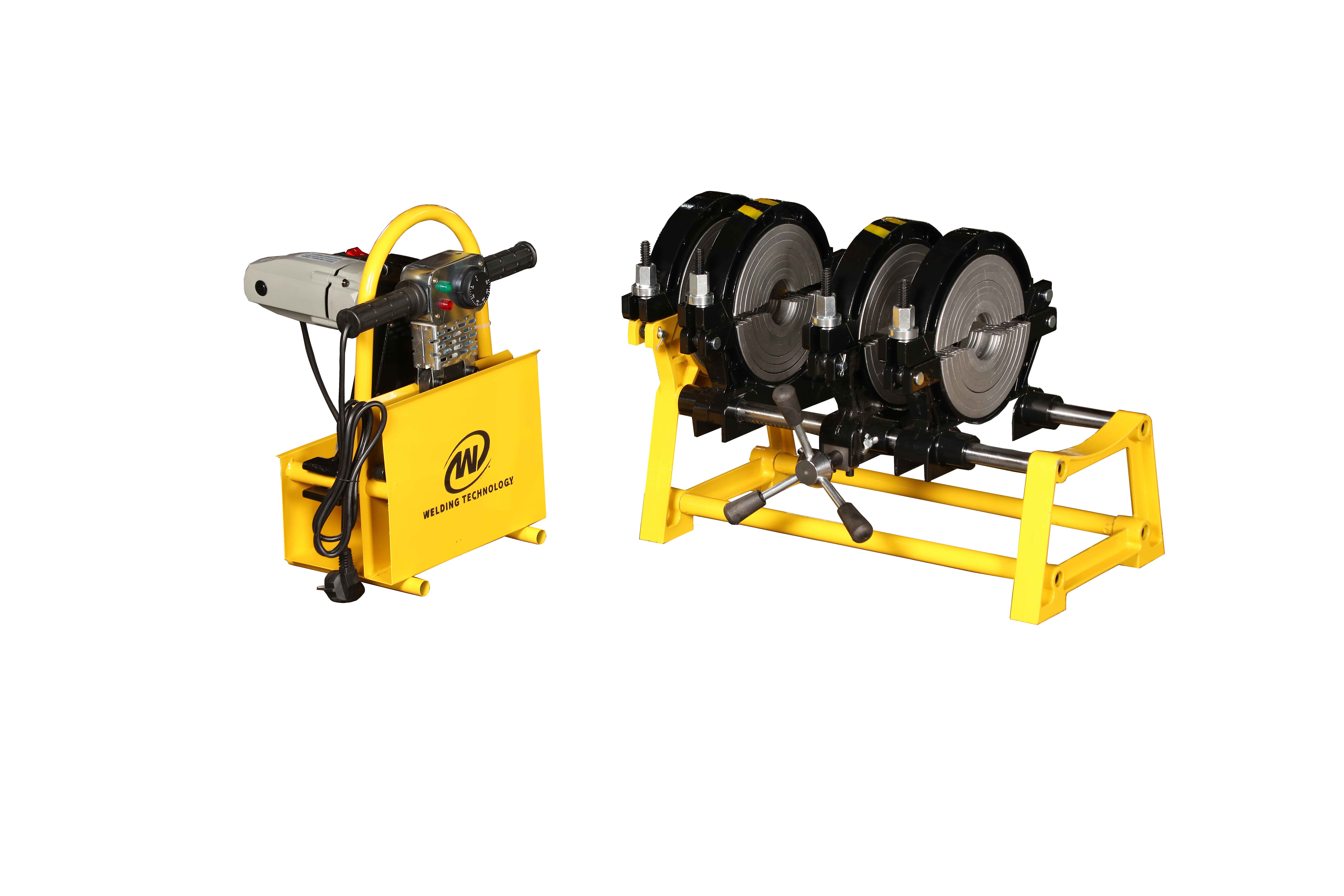
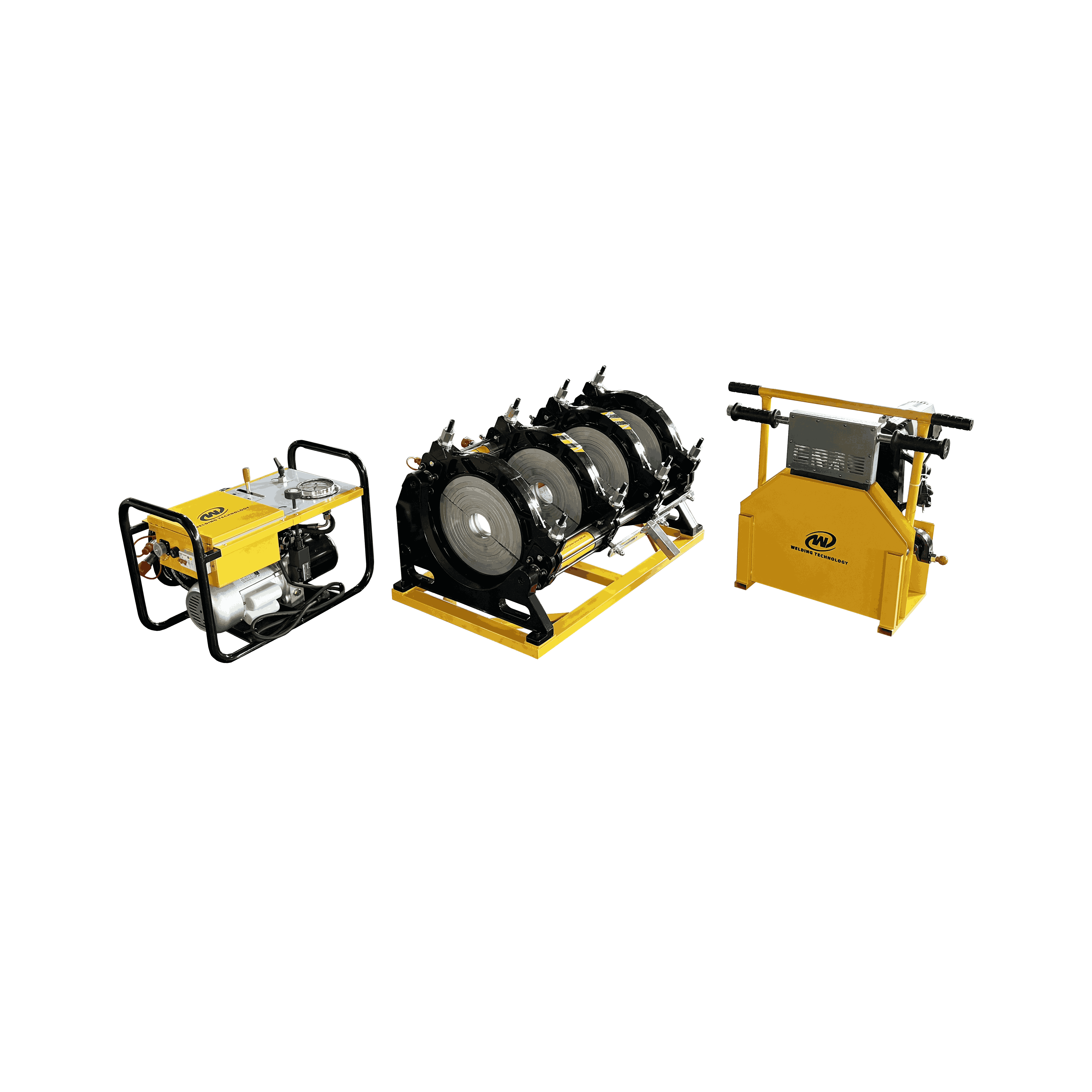
The hdpe pipe welding machine represents a specialized piece of equipment designed specifically for joining high-density polyethylene pipes through advanced fusion techniques. This sophisticated machinery creates seamless, leak-proof connections between HDPE pipe sections, ensuring long-lasting infrastructure for water distribution, gas transmission, sewage systems, and industrial applications. The primary function of an hdpe pipe welding machine involves heating pipe ends to their melting point and then pressing them together under controlled pressure, forming a homogeneous joint that matches or exceeds the strength of the original pipe material. Modern hdpe pipe welding machines incorporate precision temperature controls, hydraulic pressure systems, and automated alignment mechanisms that guarantee consistent weld quality across every joint. These machines come in various configurations, from compact manual units suitable for field repairs to fully automated systems capable of handling large-diameter pipes in major infrastructure projects. Technological features include digital temperature monitoring, programmable welding parameters, self-diagnostic capabilities, and data logging functions that document each welding cycle for quality assurance purposes. The equipment typically consists of a sturdy frame, heating plates with non-stick coating, hydraulic clamping units, and facing tools that prepare pipe ends for optimal fusion. Applications span municipal water supply networks, natural gas distribution systems, mining operations, agricultural irrigation projects, geothermal installations, and industrial process piping. The versatility of the hdpe pipe welding machine makes it indispensable across construction, utilities, petrochemical, and infrastructure development sectors. Operators benefit from user-friendly interfaces that simplify complex welding procedures while maintaining strict adherence to international standards such as DVS 2207 and ISO 21307. The machine's portability options range from trailer-mounted units for remote locations to stationary installations in fabrication facilities, providing flexibility for diverse project requirements and working conditions.


New Product Releases

The hdpe pipe welding machine delivers substantial cost savings by eliminating the need for expensive fittings, couplers, and mechanical joints that traditional pipe connection methods require. Projects can reduce material expenses significantly while achieving superior joint integrity that prevents leaks and minimizes maintenance costs over the pipeline's operational lifetime. Time efficiency stands out as another major benefit, with experienced operators completing quality welds in minutes rather than hours required for alternative joining methods. This speed translates directly into faster project completion, reduced labor costs, and quicker return on investment for infrastructure developments. The machines produce joints that exhibit remarkable durability, creating molecular bonds between pipe sections that resist corrosion, chemical degradation, and environmental stress far better than threaded or glued connections. This longevity ensures decades of reliable service with minimal intervention, making it ideal for buried applications where access for repairs would be costly and disruptive. Safety improvements accompany the use of hdpe pipe welding machines, as the fusion process eliminates hazardous adhesives, solvents, and open flames that pose risks to workers and surrounding environments. The controlled heating and pressure application reduce human error factors, producing consistent results that meet rigorous quality standards regardless of operator experience level. Environmental advantages include the ability to create completely sealed systems that prevent contamination of transported fluids and protect surrounding soil and groundwater from leaks. The machines work efficiently across wide temperature ranges and challenging field conditions, from arctic installations to desert environments, demonstrating remarkable adaptability. Maintenance requirements remain minimal, with straightforward cleaning procedures and occasional replacement of heating element coatings representing the primary upkeep tasks. Energy consumption stays reasonable, with modern units incorporating efficient heating systems that minimize power draw while maintaining optimal welding temperatures. The technology supports sustainable construction practices by enabling the use of recyclable HDPE materials and facilitating pipeline systems that conserve water and energy through leak prevention. Training requirements are manageable, with operators gaining proficiency through structured programs that combine theoretical knowledge with hands-on practice. The investment in an hdpe pipe welding machine pays dividends through reduced outsourcing costs, enabling contractors and utilities to maintain in-house welding capabilities. Quality control becomes simpler with machines that record welding parameters automatically, providing documentation that satisfies regulatory requirements and customer specifications without additional paperwork burdens.

Latest News

How Does an HDPE Thermofusion Machine Improve Pipeline Performance?

24

Apr

How Does an HDPE Thermofusion Machine Improve Pipeline Performance?

Pipeline integrity stands as a critical concern across industries ranging from municipal water distribution to industrial gas transport, and the welding technology employed directly determines long-term performance outcomes. An HDPE thermofusion mach...
View More
What Is an HDPE Thermofusion Machine and How Does It Work?

10

Apr

What Is an HDPE Thermofusion Machine and How Does It Work?

High-density polyethylene (HDPE) piping systems have become the backbone of modern infrastructure projects, from municipal water distribution networks to industrial chemical transport lines. At the heart of creating reliable, leak-free HDPE pipe conn...
View More
How Does a Plastic Pipe Electric Fusion Welder Improve Connection Strength?

03

Apr

How Does a Plastic Pipe Electric Fusion Welder Improve Connection Strength?

In industrial piping systems, the integrity of connections directly determines operational safety, longevity, and performance. Traditional mechanical joining methods such as threading, clamping, or adhesive bonding often introduce vulnerabilities inc...
View More
What Is an HDPE Thermofusion Welding Machine Used for in Pipelines?

09

Jun

What Is an HDPE Thermofusion Welding Machine Used for in Pipelines?

When engineers and project managers plan modern pipeline infrastructure, the method used to join pipe segments is just as critical as the material chosen for the pipes themselves. An HDPE thermofusion welding machine is at the center of this process,...
View More

Get a Free Quote

Our representative will contact you soon.
E-mail
Name
Mobile/WhatsApp
Company Name
Message
0/1000

hdpe pipe welding machine

Precision Temperature Control Technology Ensures Perfect Welds Every Time

Precision Temperature Control Technology Ensures Perfect Welds Every Time

The advanced temperature control system integrated into modern hdpe pipe welding machines represents a breakthrough in achieving consistently flawless joints across diverse working conditions and pipe specifications. This sophisticated feature employs multiple thermocouples and digital sensors that monitor heating plate temperatures with accuracy measured in single degrees, ensuring the HDPE material reaches its optimal melting point without overheating or underheating. The precision matters enormously because HDPE fusion requires maintaining specific temperature windows where the polymer chains become sufficiently mobile to intermingle across the joint interface while avoiding thermal degradation that weakens the molecular structure. The hdpe pipe welding machine compensates automatically for ambient temperature fluctuations, wind conditions, and variations in pipe wall thickness that would otherwise compromise weld quality. Programmable temperature profiles allow operators to select preset configurations matched to different pipe grades, diameters, and manufacturer specifications, removing guesswork from the setup process. The heating elements themselves feature specialized non-stick coatings that prevent polymer adhesion while distributing thermal energy uniformly across the entire pipe circumference, eliminating cold spots that create weak zones in finished joints. Real-time temperature displays provide instant feedback, enabling operators to verify proper conditions before proceeding with each welding phase. The system includes fail-safe mechanisms that halt operations if temperatures drift outside acceptable parameters, protecting against defective welds that could cause future pipeline failures. This technological sophistication extends equipment lifespan by preventing thermal stress on components while reducing energy waste through efficient heat transfer. The temperature control capabilities prove particularly valuable when working with specialized HDPE formulations that incorporate additives or when joining pipes from different manufacturers with slightly varying melting characteristics. Documentation features record temperature data throughout each welding cycle, creating permanent quality assurance records that satisfy regulatory inspections and warranty requirements. The precision translates into tangible benefits for customers through reduced rejection rates, fewer call-backs for joint failures, and enhanced reputation for delivering reliable infrastructure installations that perform flawlessly for decades.
Hydraulic Pressure System Delivers Consistent Joint Strength

Hydraulic Pressure System Delivers Consistent Joint Strength

The hydraulic pressure mechanism in quality hdpe pipe welding machines provides the controlled force application essential for creating joints that match or exceed the tensile strength of virgin pipe material. This engineering achievement involves carefully calibrated hydraulic cylinders that push pipe ends together during the fusion phase with pressures precisely calculated based on pipe diameter, wall thickness, and material grade specifications. The importance of accurate pressure control cannot be overstated, as insufficient force results in incomplete molecular bonding that creates weak points susceptible to failure under operating pressure, while excessive force squeezes molten material excessively, creating thin spots and internal stresses. Modern hdpe pipe welding machines incorporate pressure sensors and automatic regulation systems that maintain target force levels throughout the cooling phase, compensating for thermal contraction and material flow characteristics. The hydraulic system provides smooth, vibration-free pressure application that prevents disturbances in the molten interface where polymer chains are intermingling to form the permanent bond. Adjustable pressure settings accommodate the full range of pipe sizes from small-diameter distribution lines to massive transmission mains, with digital displays showing real-time force measurements in user-selected units. The system architecture includes accumulator circuits that maintain steady pressure even if minor hydraulic leaks develop or ambient temperature affects fluid viscosity, ensuring consistent performance across extended work sessions. Rapid response characteristics enable the machine to apply joining pressure immediately when the heating phase completes, minimizing the critical transition time when pipe end temperatures must remain within the fusion window. Safety interlocks prevent premature pressure release that could separate pipes before the joint solidifies completely, while programmable hold times ensure adequate cooling under controlled compression. The hydraulic components themselves undergo rigorous quality control during manufacture, with oversized seals and corrosion-resistant materials providing reliable operation in harsh field environments. Customers benefit from this hydraulic sophistication through joints that pass destructive testing protocols, leak-free performance throughout the pipeline's service life, and confidence that their infrastructure investments will deliver expected returns without premature replacement costs.
Automated Alignment Features Eliminate Costly Errors and Rework

Automated Alignment Features Eliminate Costly Errors and Rework

The automated alignment technology incorporated into professional-grade hdpe pipe welding machines addresses one of the most challenging aspects of creating quality fusion joints - achieving perfect coaxial positioning of pipe sections before and during the welding process. This critical feature employs precision guides, self-centering clamps, and often laser or optical verification systems that ensure pipe ends meet in exact axial and angular alignment, preventing the offset joints that cause flow restrictions, stress concentrations, and premature failures. The significance becomes apparent when considering that even minor misalignment can create turbulent flow patterns that erode pipe interiors, generate noise, and reduce system efficiency throughout the pipeline's operational lifetime. The hdpe pipe welding machine accomplishes this alignment through multiple mechanical stages, beginning with V-shaped supports that cradle pipes and guide them toward the centerline as clamps close. Adjustable side supports accommodate out-of-round pipes that may have deformed during storage or transportation, applying gentle corrective forces that restore circular geometry before welding commences. Hydraulic clamps distribute gripping force uniformly around pipe circumferences, preventing localized deformation while securing sections against movement during heating and fusion phases. The facing operation that prepares pipe ends for joining incorporates built-in alignment verification, as the rotating cutting tool removes material evenly around the circumference only when pipes are properly positioned. Advanced machines include digital readouts or indicator systems that display alignment status, giving operators immediate feedback and preventing progression to welding until perfect positioning is achieved. This automation dramatically reduces the skill level required for producing quality joints, enabling newer technicians to achieve results that previously demanded years of experience. The alignment systems accommodate slight variations in pipe dimensions that occur within manufacturing tolerances, automatically compensating for these differences to create flush joints without manual shimming or adjustment. For large-diameter applications, the alignment features become even more critical, as the weight and rigidity of heavy-wall pipes make manual positioning physically impossible. Customers investing in hdpe pipe welding machines with sophisticated alignment capabilities experience immediate benefits through reduced weld rejection rates, elimination of costly rework when defective joints are discovered during pressure testing, and enhanced project profitability from first-time-right installation practices that keep schedules on track.

Get a Free Quote

Our representative will contact you soon.
E-mail
Name
Mobile/WhatsApp
Company Name
Message
0/1000