Automatic HDPE Fusion Machine: Advanced Pipeline Welding Technology for Superior Results

Get a Free Quote

Our representative will contact you soon.
E-mail
Name
Mobile/WhatsApp
Company Name
Message
0/1000

automatic hdpe fusion machine

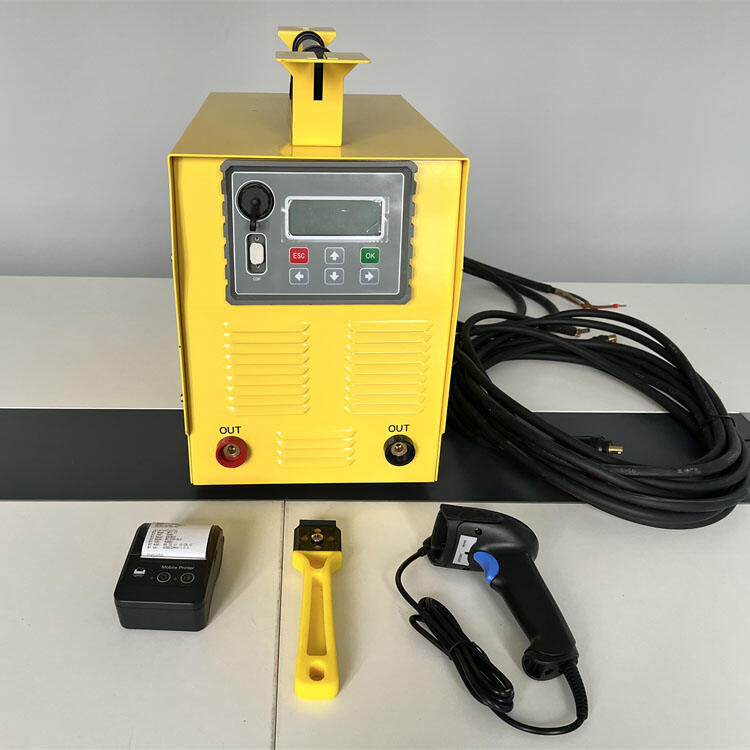
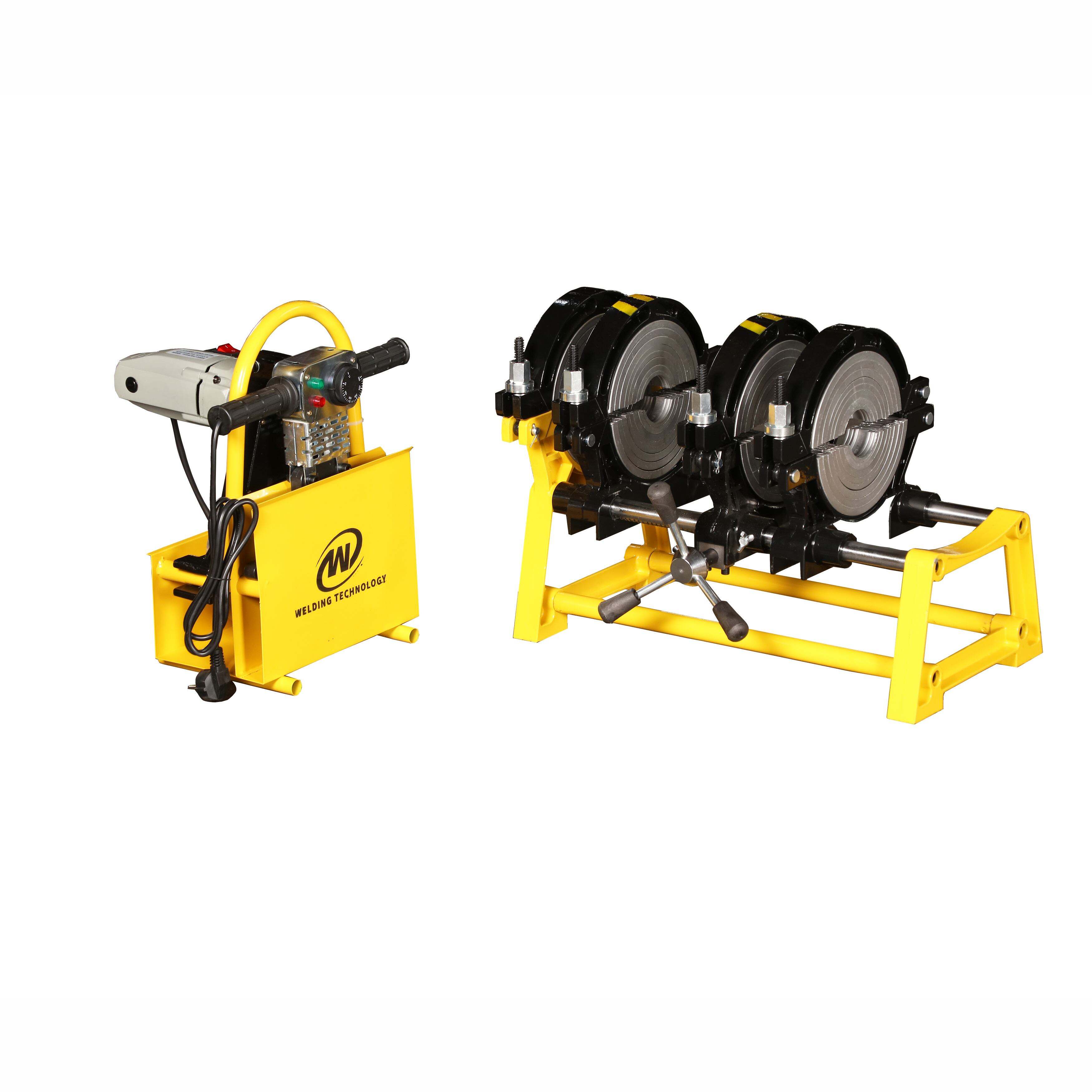
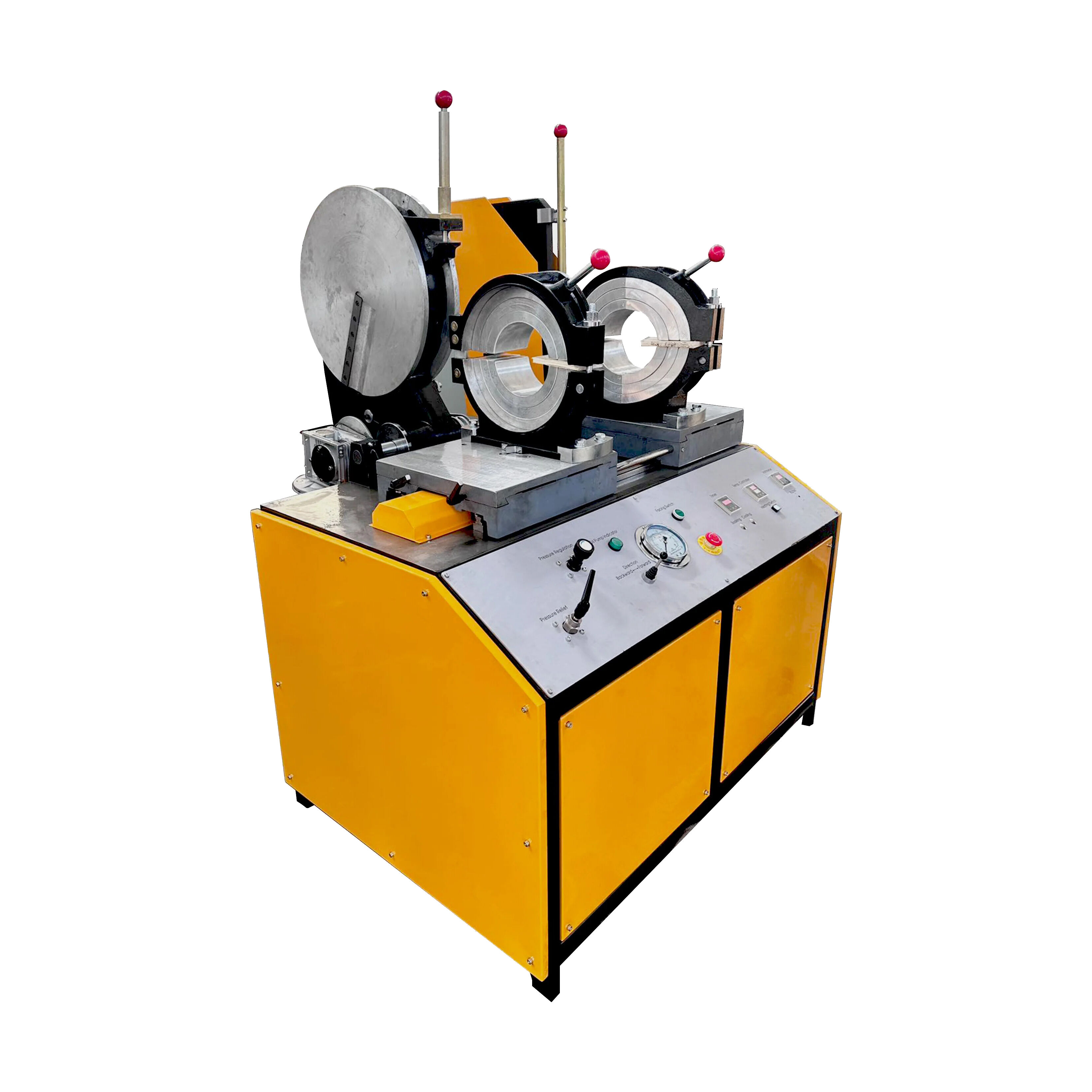
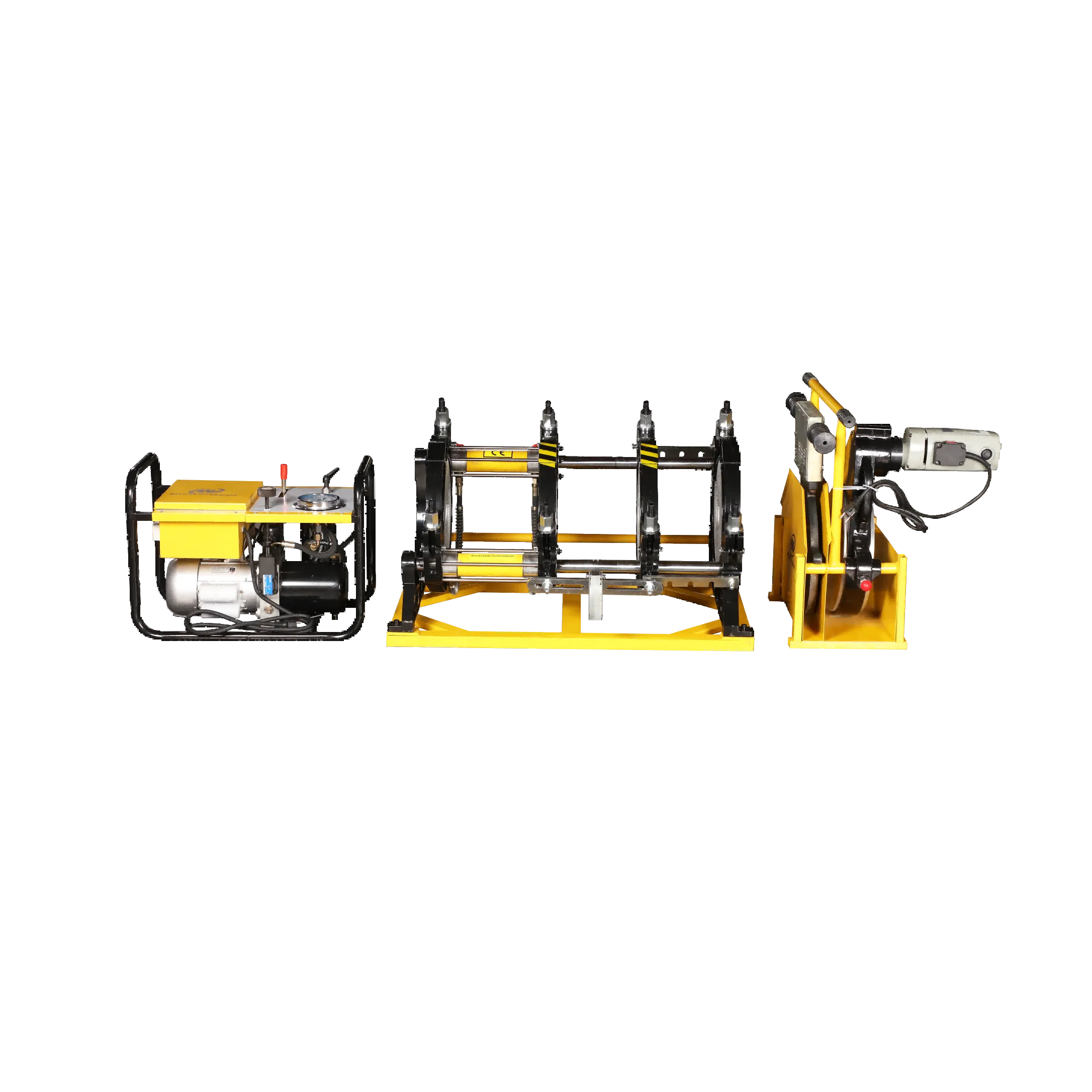
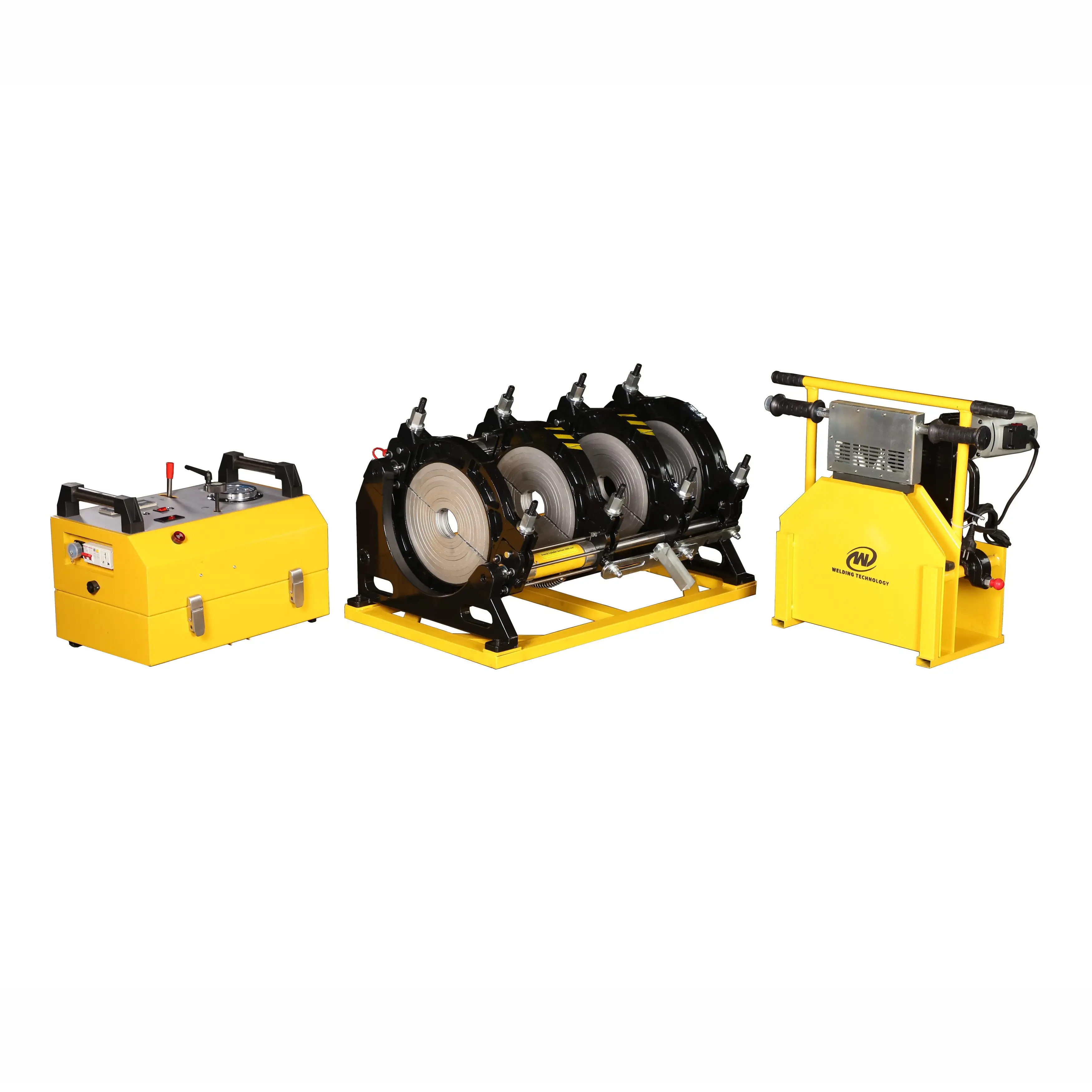
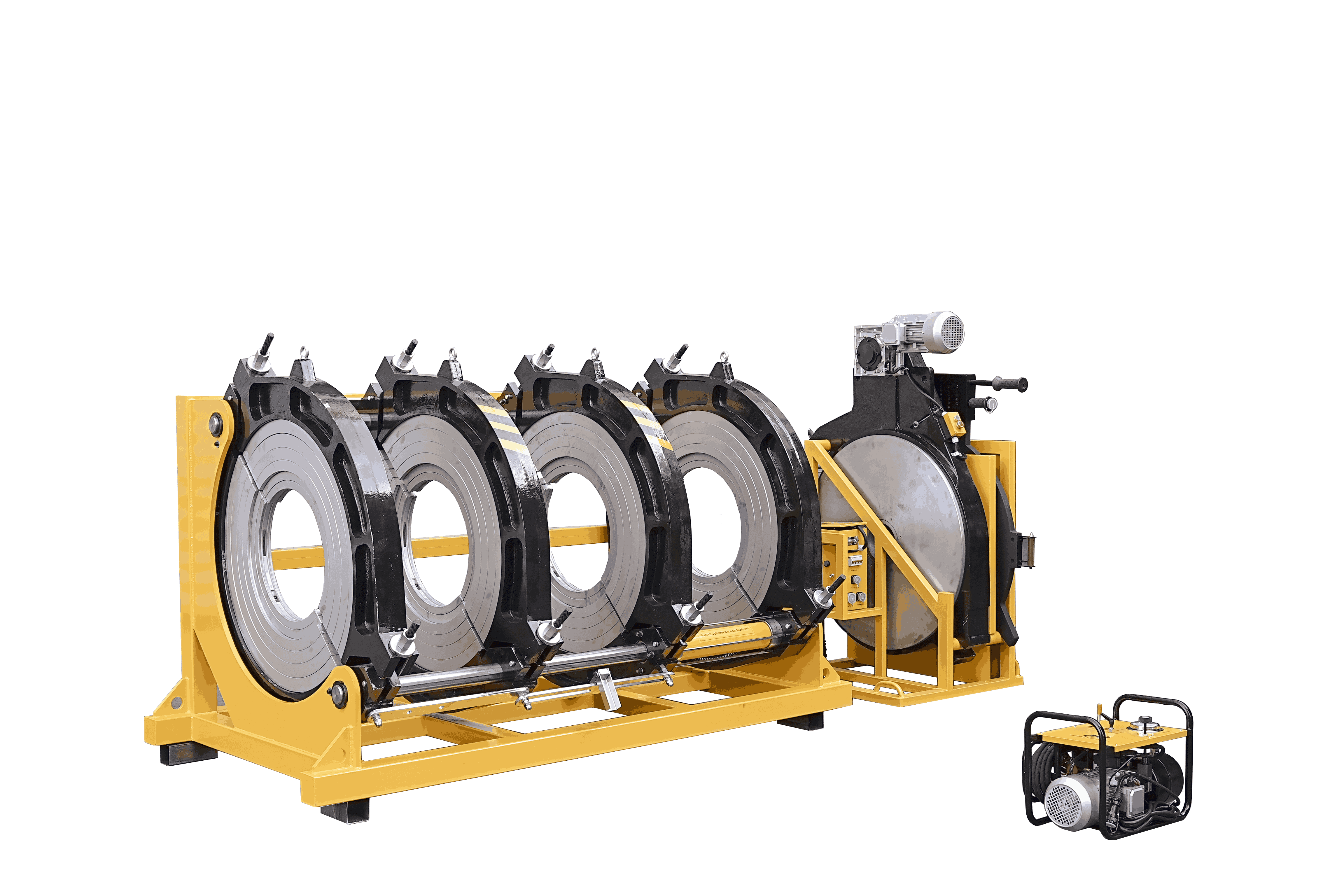
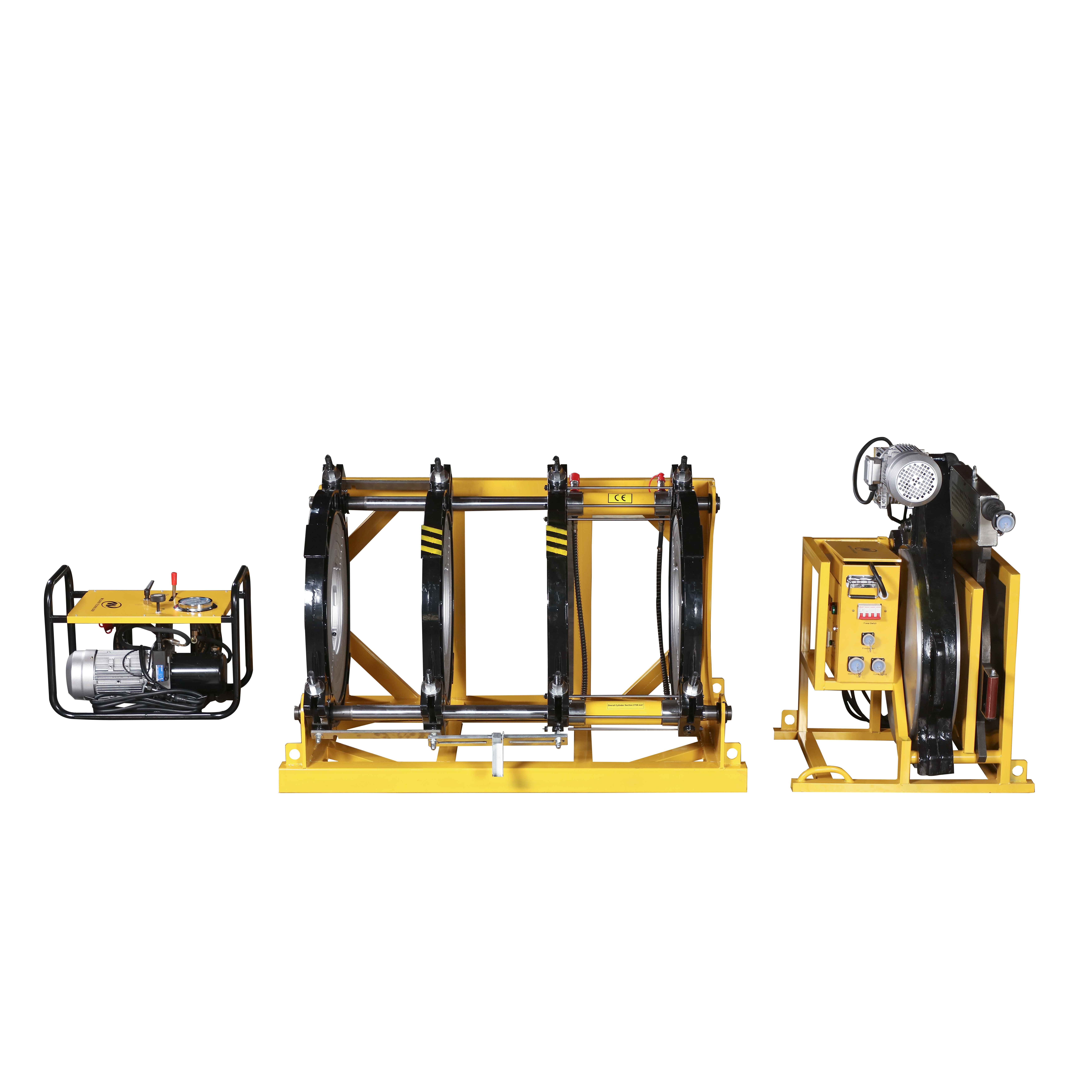
The automatic hdpe fusion machine represents a significant advancement in pipeline joining technology, specifically designed for welding high-density polyethylene pipes with precision and efficiency. This sophisticated equipment automates the heat fusion process, creating seamless, leak-proof connections that match or exceed the strength of the pipe material itself. The machine operates through a controlled heating and cooling cycle, where pipe ends are precisely aligned, heated to their melting point, and then joined under controlled pressure to form a homogeneous bond. Modern automatic hdpe fusion machines incorporate digital controls, automated alignment systems, and real-time monitoring capabilities that ensure consistent weld quality across every joint. These machines are engineered to handle various pipe diameters, typically ranging from small diameter pipes used in residential applications to large industrial pipes exceeding several hundred millimeters. The automatic hdpe fusion machine eliminates much of the manual labor traditionally associated with pipe fusion, reducing the potential for human error while significantly increasing productivity on job sites. The technology behind these machines has evolved to include features such as data logging, which records critical parameters for each weld, providing traceable quality assurance documentation. Hydraulic systems within the machine deliver precise pressure application, while integrated heating elements maintain optimal temperature ranges throughout the fusion process. The automatic hdpe fusion machine has become indispensable in industries where pipeline integrity is paramount, including water distribution, natural gas transmission, industrial processing, mining operations, and wastewater management. These machines offer superior performance in demanding environments, from arctic conditions to desert installations, maintaining reliability across temperature extremes. The fusion process creates joints with no mechanical fasteners, eliminating potential leak points and reducing long-term maintenance requirements. Investment in an automatic hdpe fusion machine delivers substantial returns through reduced labor costs, improved project timelines, and enhanced weld quality that minimizes callbacks and repairs.

New Product Releases

The automatic hdpe fusion machine delivers transformative benefits that directly impact your bottom line and project success. First and foremost, this equipment dramatically reduces the time required to complete pipeline installations. Where manual fusion methods might take experienced operators considerable time to prepare, align, heat, and join each connection, the automatic hdpe fusion machine completes these steps in a fraction of the time through automated sequences. This speed advantage translates into faster project completion, lower labor costs, and the ability to take on more contracts within the same timeframe. The machine eliminates the guesswork from the fusion process by maintaining precise control over critical variables. Temperature consistency is maintained within tight tolerances, ensuring that heating occurs evenly across the entire pipe face. Pressure application follows programmed profiles that have been optimized for different pipe materials and dimensions, removing variability that occurs with manual methods. This precision results in stronger, more reliable joints that perform consistently over decades of service. Safety improvements represent another compelling advantage of adopting this technology. The automatic hdpe fusion machine reduces operator exposure to hot surfaces and heavy lifting, as hydraulic systems handle the physical demands of positioning and joining pipes. Automated processes mean workers spend less time in potentially hazardous positions, and the enclosed heating elements minimize burn risks. Documentation capabilities built into modern machines provide unprecedented quality assurance. Every weld generates a digital record showing temperature curves, pressure applications, cooling times, and other parameters. This data serves multiple purposes: it verifies that each joint meets specifications, creates an audit trail for regulatory compliance, and helps identify any anomalies that might require attention. For contractors, this documentation protects against liability claims and demonstrates professional standards to clients. The versatility of the automatic hdpe fusion machine extends its value across diverse applications. Whether you are installing potable water lines, industrial chemical transport pipes, or gas distribution networks, the same machine handles multiple pipe sizes and wall thicknesses with simple adjustments. This flexibility means one equipment investment serves numerous project types, maximizing utilization and return on investment. Operating costs remain remarkably low compared to other joining methods. The fusion process requires no consumables beyond electrical power, no adhesives, no mechanical fittings, and no specialized gases. Maintenance needs are minimal, typically limited to periodic cleaning and inspection of heating elements and hydraulic components. The longevity of joints created by the automatic hdpe fusion machine virtually eliminates the repair and replacement costs associated with inferior joining methods, delivering lifecycle cost advantages that far exceed the initial equipment investment.

Latest News

Why Is a Plastic Band Cutting Saw Important in Manufacturing?

20

Apr

Why Is a Plastic Band Cutting Saw Important in Manufacturing?

Modern manufacturing environments demand precision, efficiency, and reliability in every step of the production process, particularly when working with thermoplastic materials used in infrastructure, industrial piping, and specialized fabrication app...
View More
How Does an HDPE Thermofusion Machine Improve Pipeline Performance?

24

Apr

How Does an HDPE Thermofusion Machine Improve Pipeline Performance?

Pipeline integrity stands as a critical concern across industries ranging from municipal water distribution to industrial gas transport, and the welding technology employed directly determines long-term performance outcomes. An HDPE thermofusion mach...
View More
Why Is a Butt Welding Machine Used in Heavy Duty Fabrication Projects?

01

May

Why Is a Butt Welding Machine Used in Heavy Duty Fabrication Projects?

Heavy duty fabrication projects demand precision, structural integrity, and efficiency in joining thermoplastic components, particularly in industries handling large-diameter pipelines, industrial storage systems, and infrastructure installations. Th...
View More
What Is an HDPE Thermofusion Welding Machine Used for in Pipelines?

09

Jun

What Is an HDPE Thermofusion Welding Machine Used for in Pipelines?

When engineers and project managers plan modern pipeline infrastructure, the method used to join pipe segments is just as critical as the material chosen for the pipes themselves. An HDPE thermofusion welding machine is at the center of this process,...
View More

Get a Free Quote

Our representative will contact you soon.
E-mail
Name
Mobile/WhatsApp
Company Name
Message
0/1000

automatic hdpe fusion machine

Unmatched Precision Through Advanced Automation Technology

Unmatched Precision Through Advanced Automation Technology

The automatic hdpe fusion machine distinguishes itself through sophisticated automation that removes human variability from the welding equation. At the heart of this precision lies a microprocessor-controlled system that manages every aspect of the fusion cycle with exacting accuracy. When you initiate a weld sequence, the machine references programmed parameters specific to the pipe diameter, wall thickness, and material grade being joined. The heating phase begins with the heating element advancing to contact both pipe faces simultaneously, applying controlled temperature that brings the polyethylene to its optimal fusion state. Integrated temperature sensors continuously monitor the heating element and pipe faces, making real-time adjustments to maintain the precise thermal profile required for molecular bonding. This level of temperature control proves impossible to achieve with manual methods, where environmental conditions, operator technique, and equipment variations introduce inconsistencies. The automatic hdpe fusion machine compensates for ambient temperature, wind conditions, and other environmental factors automatically. Alignment precision represents another critical advantage of automation. The machine employs hydraulic clamping systems that secure pipes in perfect coaxial alignment before fusion begins. Laser alignment aids or mechanical guides ensure that pipe ends meet with minimal offset, preventing the weak points that occur when manual alignment proves imperfect. This precision matters tremendously because even slight misalignment can create stress concentrations that reduce joint strength and longevity. During the fusion phase, hydraulic actuators apply pressure according to programmed profiles that vary based on pipe specifications. The pressure starts at a specific level to initiate contact between molten surfaces, increases to a peak that ensures complete molecular intermixing, and then maintains holding pressure throughout the cooling cycle. This pressure profile optimization, developed through extensive testing and engineering analysis, produces joints that achieve strength equal to or greater than the virgin pipe material. The cooling phase receives equal attention, with the machine maintaining pressure and monitoring temperature decline until the joint reaches sufficient strength for safe release. Rushing this phase compromises joint integrity, but the automatic hdpe fusion machine eliminates this risk through programmed hold times. The result is joints you can trust completely, joints that will perform reliably for the fifty-year or longer service life expected from hdpe pipeline systems.
Dramatic Productivity Gains That Transform Project Economics

Dramatic Productivity Gains That Transform Project Economics

Investing in an automatic hdpe fusion machine fundamentally changes the economics of pipeline installation projects through unprecedented productivity improvements. Consider the workflow on a typical installation: with manual fusion equipment, crews must carefully prepare each pipe end, manually align the pieces, monitor heating with hand-held temperature measurement tools, apply joining pressure through manual hydraulic pumps, and time cooling phases with stopwatches. Each step requires skilled operator judgment and physical effort. The automatic hdpe fusion machine transforms this labor-intensive process into a streamlined operation. Pipe preparation remains necessary, but once pipes are loaded into the machine, the fusion cycle proceeds automatically. Operators initiate the sequence and monitor progress on digital displays while the machine handles heating, pressure application, and timing. This automation allows one operator to manage fusion operations that previously required multiple crew members, directly reducing labor costs per joint. The time savings compound across large projects. Where manual methods might produce eight to twelve quality joints per day depending on pipe size, the automatic hdpe fusion machine can complete twenty or more joints in the same timeframe. This productivity multiplication means projects that once required weeks can now be completed in days. For contractors, this translates into faster payment cycles, reduced equipment rental costs, lower overhead allocation per project, and the capacity to schedule more projects annually. The consistency delivered by automation also eliminates the productivity losses associated with weld failures. Manual fusion, even when performed by experienced operators, carries higher rejection rates due to the variables involved. Failed joints must be cut out and redone, consuming additional materials, labor time, and causing schedule delays. The automatic hdpe fusion machine virtually eliminates fusion failures through its precise process control, meaning every joint succeeds on the first attempt. This reliability keeps projects on schedule and protects profit margins. Mobilization efficiency improves as well. The automatic hdpe fusion machine combines multiple functions that might otherwise require separate equipment pieces. Alignment, heating, and joining all occur within one integrated system, reducing the equipment footprint on job sites and simplifying logistics. Smaller crews can accomplish more work, and the reduced equipment complexity means faster setup times when moving between work locations. Training time decreases substantially when transitioning from manual to automatic fusion methods. While manual fusion requires operators to develop judgment through extensive experience, the automatic hdpe fusion machine simplifies operation to following programmed procedures. New operators achieve proficiency more quickly, reducing the training investment required to build capable crews and minimizing the productivity impact when experienced operators are unavailable.
Superior Joint Quality That Ensures Decades of Reliable Performance

Superior Joint Quality That Ensures Decades of Reliable Performance

The ultimate measure of any pipe joining technology is the long-term performance of the connections it creates, and here the automatic hdpe fusion machine demonstrates unquestionable superiority. The joints produced through automated heat fusion achieve a level of quality and consistency that other methods simply cannot match, delivering reliability that protects your investment and reputation for decades. Understanding why requires examining what happens at the molecular level during fusion. High-density polyethylene consists of long polymer chains that give the material its strength and flexibility. Proper heat fusion brings these polymer chains from adjacent pipe surfaces to a molten state where they can intermingle and form new bonds across what was previously the interface between separate pieces. When this molecular mixing occurs completely and uniformly, the resulting joint becomes homogeneous with the surrounding pipe material, creating a connection with no weakness plane. The automatic hdpe fusion machine optimizes every factor that influences this molecular bonding. Temperature control ensures that heating reaches the depth necessary for complete melting without degrading the polymer through excessive heat. The precise pressure profile forces molten material together in a way that maximizes intermixing while expressing contaminants and oxidized surface material from the joint area. The controlled cooling phase allows polymer chains to recrystallize in their strongest configuration without introducing internal stresses that could initiate future failures. This scientific approach to fusion produces joints that consistently pass the most rigorous testing protocols. Destructive testing of joints created by the automatic hdpe fusion machine regularly shows failure occurring in the pipe body rather than at the fusion line, proving that joint strength exceeds base material strength. Non-destructive testing through ultrasonic examination reveals complete bonding across the entire joint face with no voids, inclusions, or unbonded areas. Long-term performance data from installations dating back decades confirms what testing predicts: properly fused joints do not fail under normal service conditions. The consistency of joint quality matters tremendously for system reliability. A pipeline system is only as strong as its weakest joint, so even occasional poor-quality connections create vulnerability. Manual fusion methods, dependent on operator skill and subject to environmental conditions, inevitably produce some joints of marginal quality. The automatic hdpe fusion machine eliminates this variability, ensuring that every joint meets the same high standard. This consistency means you can install pipelines with complete confidence, knowing that no weak links exist to cause failures years later. The leak-proof integrity of fused joints provides another critical quality advantage. Mechanical joining methods, even when properly installed, rely on gaskets, threads, or interference fits that can deteriorate over time or loosen due to ground movement, thermal cycling, or pressure fluctuations. Fused joints contain no mechanical components to fail, no interfaces where leaks can develop. The homogeneous nature of the connection makes it as impervious to leakage as the pipe itself, eliminating the maintenance burden and environmental risks associated with leaking joints. This quality advantage extends the service life of pipeline installations substantially, providing value that accumulates over decades.

Get a Free Quote

Our representative will contact you soon.
E-mail
Name
Mobile/WhatsApp
Company Name
Message
0/1000