
 EN
EN


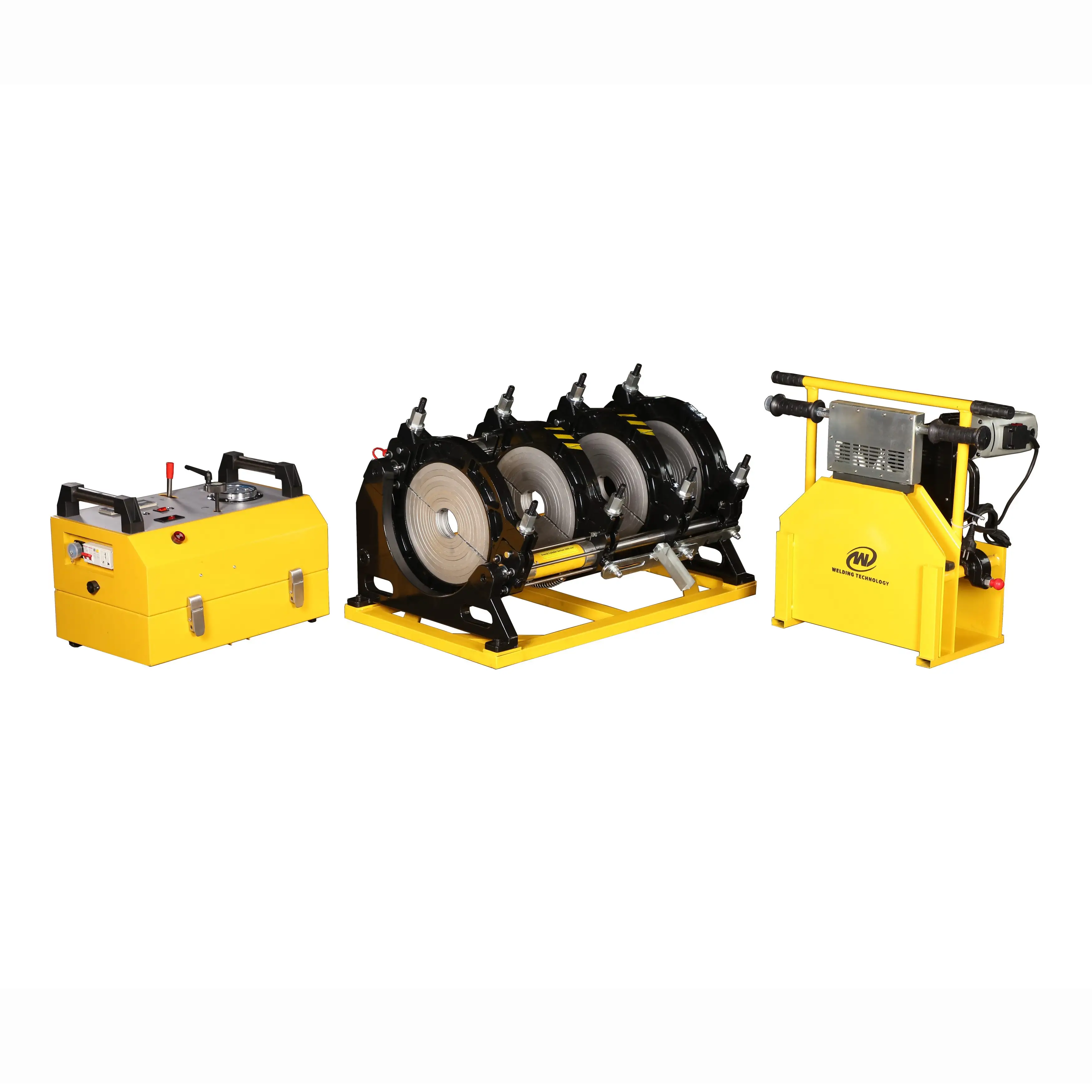
Heavy duty fabrication projects demand precision, structural integrity, and efficiency in joining thermoplastic components, particularly in industries handling large-diameter pipelines, industrial storage systems, and infrastructure installations. The butt welding machine has emerged as the preferred joining method for such applications because it delivers consistent, high-strength fusion joints capable of withstanding extreme mechanical stress, chemical exposure, and environmental challenges. Unlike conventional joining methods that rely on mechanical fasteners or adhesives, a butt welding machine creates homogeneous molecular bonds between plastic surfaces through controlled heat and pressure, ensuring that the welded joint exhibits strength comparable to or exceeding the parent material itself.
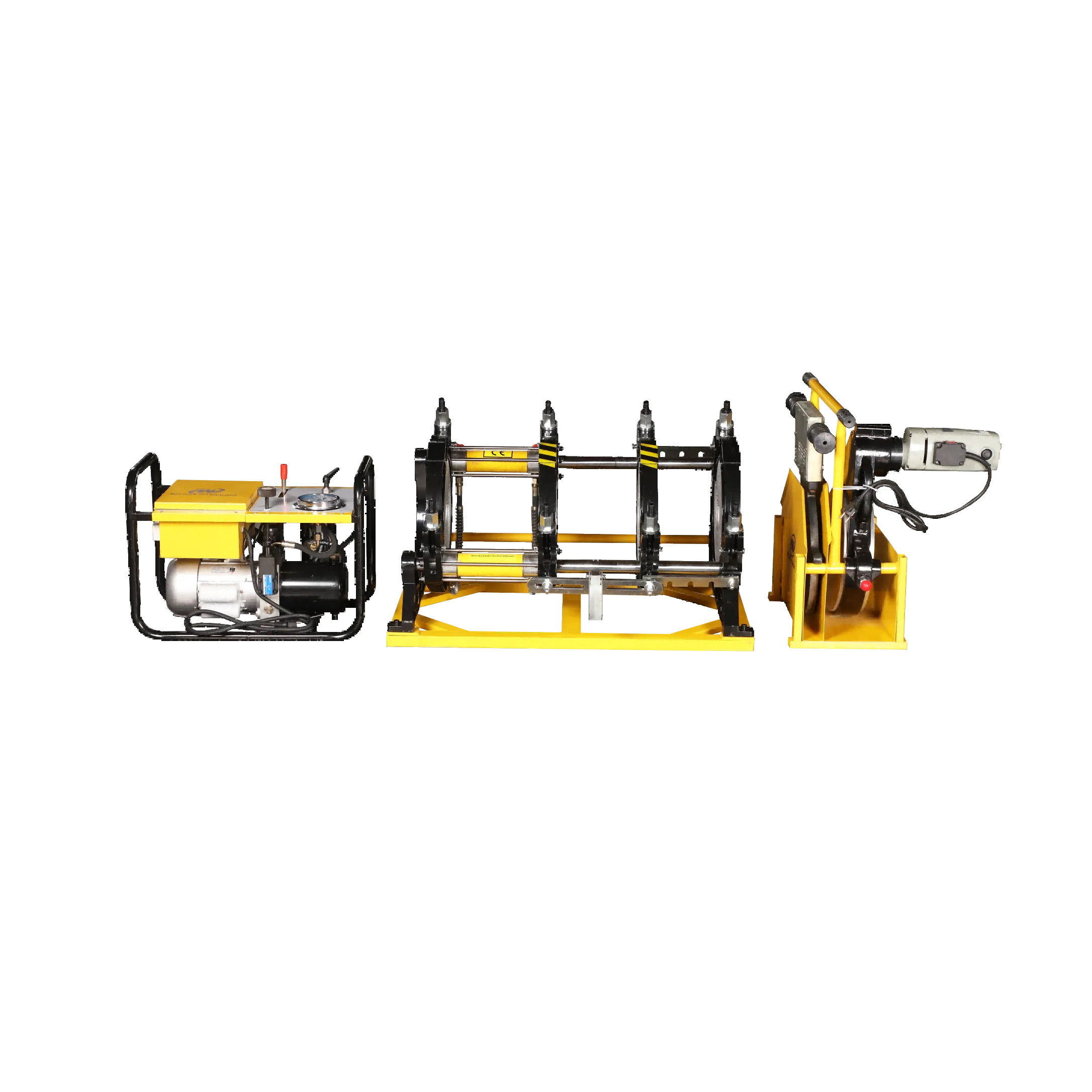
The rationale behind using a butt welding machine in demanding fabrication environments extends beyond simple joint creation. These machines address critical engineering requirements including leak-proof connections, long-term durability under cyclic loading, resistance to aggressive media, and the ability to maintain structural performance across temperature extremes. In heavy duty contexts such as municipal water distribution networks, chemical processing facilities, mining operations, and marine infrastructure, the consequences of joint failure can be catastrophic both economically and operationally. This article explores the specific technical, operational, and economic reasons why fabrication professionals consistently choose butt welding machines for heavy duty projects, examining the underlying physics of fusion welding, the practical advantages in challenging installation environments, and the long-term performance characteristics that justify this technology selection.
Structural Integrity Requirements in Heavy Duty Applications
Understanding Load-Bearing Demands in Industrial Fabrication
Heavy duty fabrication projects typically involve components that must endure sustained mechanical loads, impact forces, vibration, and thermal cycling over service lives spanning decades. A butt welding machine addresses these demands by creating fusion joints where the molecular chains of thermoplastic materials intermingle completely during the welding process. This molecular-level bonding eliminates the stress concentration points inherent in mechanical joints or the interface weakness present in adhesive bonds. When properly executed, a butt weld achieves joint efficiency ratings of ninety-five percent or higher, meaning the welded connection retains nearly the full tensile strength of the unwelded pipe or component.
In applications such as slurry transport pipelines in mining operations or large-diameter water transmission mains, the continuous pressure cycles and occasional surge events generate substantial hoop stress and longitudinal stress within the pipe walls. Mechanical coupling systems introduce discontinuities in the pressure containment structure and require additional reinforcement, adding weight and complexity. By contrast, a butt welding machine produces a continuous, homogeneous pressure boundary that distributes stress uniformly across the joint zone. This characteristic becomes particularly critical in heavy duty installations where pipe diameters exceed four hundred millimeters and wall thicknesses approach fifty millimeters or more.
Resistance to Fatigue and Cyclic Loading
Many industrial fabrication projects subject joined components to repetitive loading patterns that can initiate fatigue cracks in mechanically fastened or adhesively bonded joints. The fusion welding process employed by a butt welding machine eliminates the material discontinuities that serve as fatigue crack initiation sites. The heat-affected zone in a properly executed butt weld exhibits a gradual transition in material properties rather than the abrupt interface present in other joining methods. This gradual transition allows for better stress redistribution during cyclic loading events.
Field experience in applications such as floating dredge pipelines, which experience constant flexing due to wave action and operational movement, demonstrates that butt welded joints maintain structural integrity through millions of load cycles. The absence of bolts, gaskets, or adhesive layers means there are no components subject to loosening, degradation, or creep over time. For fabricators working on heavy duty projects with expected service lives of thirty to fifty years, the fatigue resistance of butt welding machine joints provides essential long-term reliability that reduces lifecycle maintenance costs and minimizes the risk of catastrophic failure in critical infrastructure.
Operational Efficiency and Installation Advantages
Speed and Productivity in Large-Scale Projects
Heavy duty fabrication projects often involve joining hundreds or thousands of pipe sections, structural components, or fabricated assemblies within compressed project timelines. A butt welding machine offers significant productivity advantages over alternative joining methods because the welding cycle can be standardized and optimized for specific material and dimensional combinations. Modern hydraulic and pneumatic butt welding machines feature programmable welding parameters that ensure consistent heating time, interfacial pressure, cooling duration, and bead geometry across every joint produced on the project.
The typical welding cycle for a butt welding machine includes component preparation, heating, joining under controlled pressure, and cooling under maintained pressure. For large-diameter pipes commonly encountered in heavy duty applications, this complete cycle may range from twenty to sixty minutes depending on wall thickness and material grade. While this might appear lengthy compared to the immediate assembly of mechanical couplings, the elimination of post-installation testing, leak detection, and potential rework makes the overall project timeline more predictable. Additionally, butt welding operations can proceed in parallel at multiple locations along an installation route, allowing fabrication teams to maintain steady productivity rates.
Adaptability to Challenging Field Conditions
Heavy duty fabrication frequently occurs in remote or environmentally challenging locations including desert installations, arctic regions, marine environments, and industrial sites with limited infrastructure. A butt welding machine designed for field deployment operates reliably in these conditions because the fusion welding process is relatively insensitive to ambient environmental factors when proper procedures are followed. Unlike adhesive bonding, which requires specific temperature and humidity ranges for proper cure, or mechanical joining systems that may be affected by thermal expansion differentials, butt fusion welding produces consistent results across a wide range of ambient conditions.
Portable hydraulic butt welding machines used in pipeline construction can be transported to work sites using standard vehicles and operated using diesel generators or other field power sources. The self-contained nature of these systems means that fabrication teams can establish temporary welding stations at strategic locations along an installation route, minimizing the need to transport joined assemblies and reducing the risk of damage during handling. For heavy duty projects in developing regions or remote industrial sites, this operational flexibility represents a significant practical advantage that directly impacts project feasibility and cost control.
Joint Quality and Long-Term Performance Characteristics
Leak-Proof Integrity in Pressure Containment Systems
One of the primary reasons a butt welding machine dominates heavy duty fabrication for fluid containment applications is the inherently leak-proof nature of properly executed fusion welds. The complete molecular intermixing achieved during the butt welding process eliminates the interface between joined components, creating a monolithic structure without seams, gaps, or potential leak paths. This characteristic proves essential in applications handling pressurized gases, corrosive chemicals, potable water, or other fluids where even microscopic leakage represents unacceptable environmental risk, product loss, or safety hazard.
Mechanical joining systems for thermoplastic pipes rely on elastomeric gaskets compressed within precisely machined grooves to achieve sealing. While effective when properly installed and maintained, these systems introduce potential failure modes including gasket degradation, improper compression, misalignment during assembly, and loss of sealing force due to thermal cycling or ground movement. By contrast, a butt welding machine creates joints that cannot leak because there is no discrete sealing element to fail. Pressure testing of butt welded joints routinely demonstrates leak-free performance at pressures exceeding the rated capacity of the pipe material itself, with failure occurring through pipe rupture rather than joint separation.
Chemical Resistance and Media Compatibility
Heavy duty fabrication projects in chemical processing, mining, and industrial waste management frequently involve transporting aggressive media including concentrated acids, alkaline solutions, organic solvents, and abrasive slurries. The chemical resistance of joined components becomes as critical as their mechanical strength in determining long-term system reliability. A butt welding machine produces joints that exhibit chemical resistance identical to the parent thermoplastic material because the welding process does not introduce foreign materials, coatings, or sealants that might be vulnerable to chemical attack.
Mechanically joined systems typically incorporate rubber or polymer gaskets with chemical resistance characteristics different from the pipe material, potentially creating weak points in the chemical containment boundary. Adhesively bonded joints introduce a third material whose chemical compatibility must be verified separately. The homogeneous nature of butt welded joints eliminates these concerns, allowing fabricators to specify pipe systems based solely on the chemical resistance of the base polymer without concern for compatibility limitations introduced by the joining method. This simplified material selection process reduces engineering complexity and eliminates a potential source of premature system failure in aggressive service environments.
Dimensional Stability and Alignment Control
Large-diameter pipe systems and structural assemblies in heavy duty applications require precise dimensional control to ensure proper fit, alignment, and load transfer throughout the fabricated structure. A butt welding machine incorporates alignment fixtures and clamping systems that maintain precise coaxial alignment of joined components throughout the welding cycle. Hydraulic or mechanical clamping maintains this alignment during heating, joining, and cooling phases, preventing angular misalignment, offset, or rotation that could compromise the structural performance or hydraulic efficiency of the completed assembly.
The dimensional stability of butt welded joints remains superior to mechanical couplings throughout the service life of heavy duty installations. Mechanical systems may experience settlement, angular deflection, or longitudinal displacement due to foundation movement, thermal expansion, or internal pressure effects. The monolithic nature of butt welded joints distributes these movements across the entire pipe string rather than concentrating deformation at discrete joint locations. This characteristic proves particularly valuable in applications such as directionally drilled pipeline installations or bridge crossings where differential settlement or thermal movement can impose significant joint displacement over time.
Economic Justification for Heavy Duty Applications
Lifecycle Cost Analysis and Total Ownership Economics
While the initial equipment investment for a butt welding machine may exceed the tooling cost for mechanical joining systems, comprehensive lifecycle cost analysis consistently demonstrates superior economic performance for fusion welded joints in heavy duty applications. The absence of consumable components such as gaskets, bolts, or adhesives eliminates recurring material costs and reduces inventory management complexity. More significantly, the exceptional long-term reliability of butt welded joints minimizes maintenance intervention, reduces system downtime, and virtually eliminates the risk of catastrophic failure requiring emergency repair.
Maintenance cost data from municipal water utilities and industrial process facilities shows that properly installed butt welded pipe systems require minimal attention over service lives spanning decades. The only maintenance typically required involves monitoring for external damage or third-party interference rather than systematic joint inspection or replacement programs. For heavy duty projects in remote locations or critical infrastructure applications where access for maintenance is difficult or expensive, this characteristic translates directly into substantial economic advantage. Project owners increasingly recognize that the slightly higher initial installation cost associated with butt welding machine deployment is recovered multiple times through reduced lifecycle maintenance expenditure.
Risk Mitigation and Operational Reliability Value
Heavy duty fabrication projects often serve critical infrastructure roles where system failure carries severe consequences including environmental contamination, production shutdown, public health risk, or safety hazards. The exceptional reliability of butt welding machine joints provides quantifiable risk reduction that carries significant economic value in these applications. Probability analysis of failure modes demonstrates that properly executed butt fusion welds exhibit failure rates orders of magnitude lower than mechanical or adhesive joints in demanding service conditions.
This reliability advantage becomes particularly valuable in applications such as tailings pipelines at mining operations, where joint failure could result in environmental releases requiring costly remediation and regulatory penalties, or in municipal water distribution systems where service interruptions affect large populations. The insurance value of butt welded joint reliability often justifies premium installation costs even when direct economic analysis shows marginal advantages. Project stakeholders increasingly incorporate reliability-centered analysis into joining method selection, recognizing that the superior performance of butt welding machine joints reduces overall project risk exposure in ways that deliver substantial but sometimes difficult-to-quantify economic benefits.
Technical Capabilities and Material Versatility
Compatibility with High-Performance Thermoplastics
Heavy duty fabrication increasingly employs advanced thermoplastic materials engineered for specific performance requirements including elevated temperature resistance, enhanced abrasion resistance, improved chemical compatibility, or specialized mechanical properties. A butt welding machine accommodates this material diversity because the fusion welding process adapts to different polymer types through adjustment of heating temperature, pressure application, and cooling parameters. Materials commonly joined using butt welding machines in heavy duty applications include high-density polyethylene, polypropylene, polyvinylidene fluoride, and various engineered copolymers.
Each material family requires specific welding parameters determined through testing and validation to achieve optimal joint properties. Modern microprocessor-controlled butt welding machines store parameter sets for multiple material types and sizes, allowing operators to select appropriate settings for each joint configuration encountered on a project. This programmable capability ensures consistent weld quality across diverse material applications while minimizing the skill level required for field operators. The ability to join advanced engineering thermoplastics with the same equipment used for commodity materials provides fabricators with design flexibility that supports optimized material selection for specific heavy duty application requirements.
Dimensional Range and Scalability
Heavy duty fabrication projects encompass an enormous range of component sizes from relatively small-diameter process piping to massive water transmission mains exceeding two meters in diameter. A butt welding machine platform scales effectively across this dimensional range because the fundamental physics of fusion welding applies consistently regardless of component size. Manufacturers offer machine models ranging from compact manual units suitable for pipes from sixty to two hundred millimeters in diameter to large hydraulic systems capable of joining pipes exceeding sixteen hundred millimeters in diameter with wall thicknesses approaching one hundred millimeters.
This scalability proves particularly valuable for fabricators serving diverse market segments or contractors working on complex projects involving multiple pipe size classes. A single equipment investment strategy can support applications ranging from industrial process piping to municipal infrastructure to mining installations using standardized procedures and operator training. The dimensional adaptability of butt welding machine technology eliminates the need for multiple specialized joining systems and allows fabrication teams to develop deep expertise in fusion welding techniques that applies across their entire project portfolio.
FAQ
What makes butt welding superior to mechanical joining for heavy duty projects?
Butt welding creates molecular-level fusion between thermoplastic components, producing homogeneous joints with strength equivalent to the base material and eliminating the stress concentrations, potential leak paths, and maintenance requirements associated with mechanical fasteners and gaskets. In heavy duty applications involving high pressures, aggressive chemicals, or cyclic loading, this fundamental difference in joint structure translates directly into superior long-term reliability and reduced lifecycle costs compared to mechanical alternatives.
How does ambient temperature affect butt welding machine performance in field conditions?
While extreme ambient temperatures influence cooling rates and may require procedural adjustments, properly designed butt welding machines operate effectively across a wide temperature range from subzero arctic conditions to high-temperature desert environments. The controlled heating element and pressure application systems maintain consistent welding parameters regardless of ambient conditions, though operators may need to extend cooling times in hot environments or provide wind protection in cold conditions to ensure optimal joint formation.
Can butt welded joints be inspected for quality assurance in critical applications?
Butt welded joints undergo visual inspection for bead geometry, symmetry, and surface characteristics that indicate proper welding parameters. Advanced quality assurance programs may include destructive testing of sample joints, ultrasonic inspection for internal defects, or pressure testing of completed assemblies. The consistent, reproducible nature of machine-controlled butt welding allows quality verification through process control monitoring, where adherence to validated welding parameters provides high confidence in joint integrity without requiring individual joint testing.
What training requirements exist for operators of butt welding machines on heavy duty projects?
Operator training for butt welding machines typically includes instruction in equipment setup, surface preparation techniques, parameter selection, process monitoring, and quality verification procedures. Many jurisdictions require certification through recognized training programs for operators working on critical infrastructure projects. The standardized, machine-controlled nature of the butt welding process means that operators focus primarily on proper setup and procedure compliance rather than manual skill development, making training programs more efficient than those required for manual welding techniques.
Table of Contents
- Structural Integrity Requirements in Heavy Duty Applications
- Operational Efficiency and Installation Advantages
- Joint Quality and Long-Term Performance Characteristics
- Economic Justification for Heavy Duty Applications
- Technical Capabilities and Material Versatility
-
FAQ
- What makes butt welding superior to mechanical joining for heavy duty projects?
- How does ambient temperature affect butt welding machine performance in field conditions?
- Can butt welded joints be inspected for quality assurance in critical applications?
- What training requirements exist for operators of butt welding machines on heavy duty projects?