HDPE Fitting Fusion Machine: Advanced Pipe Joining Technology for Permanent Leak-Proof Connections

Get a Free Quote

Our representative will contact you soon.
E-mail
Name
Mobile/WhatsApp
Company Name
Message
0/1000

hdpe fitting fusion machine

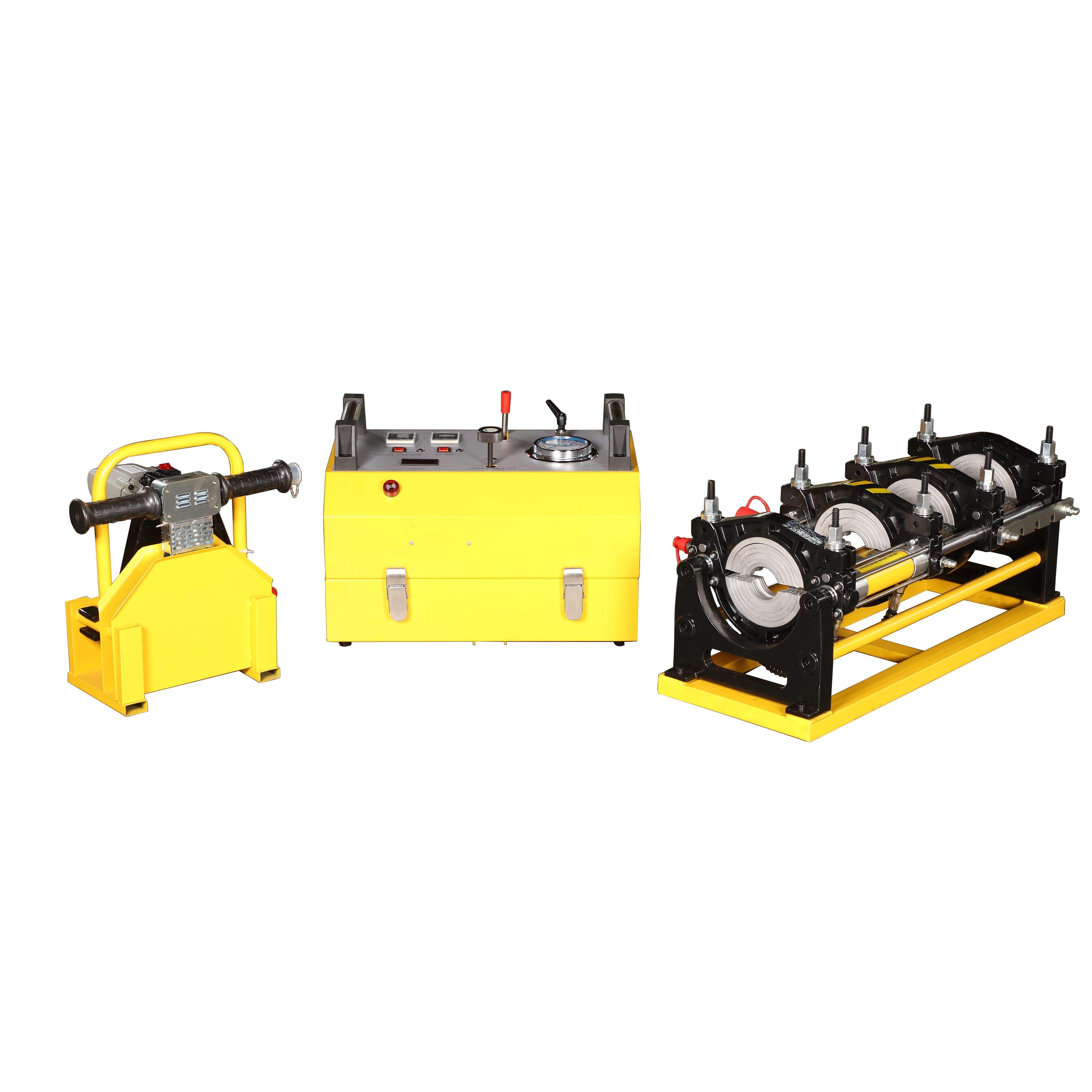
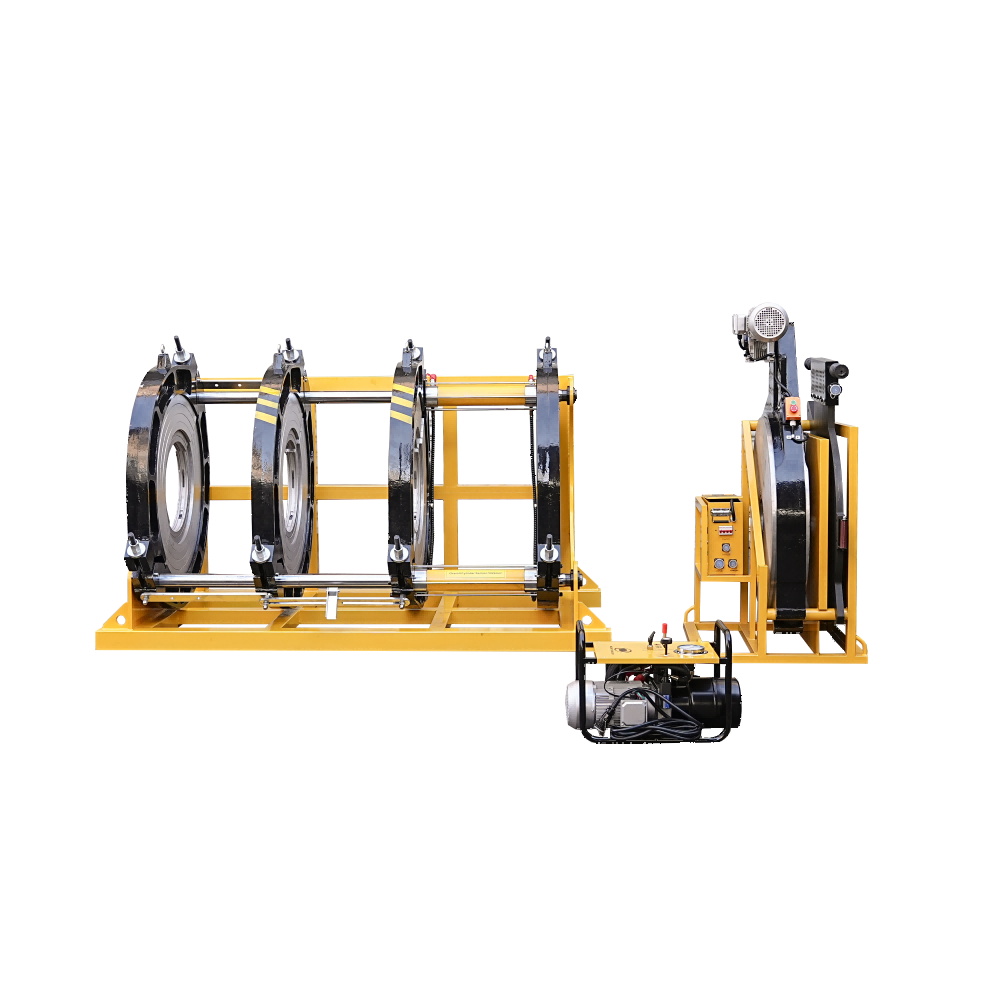
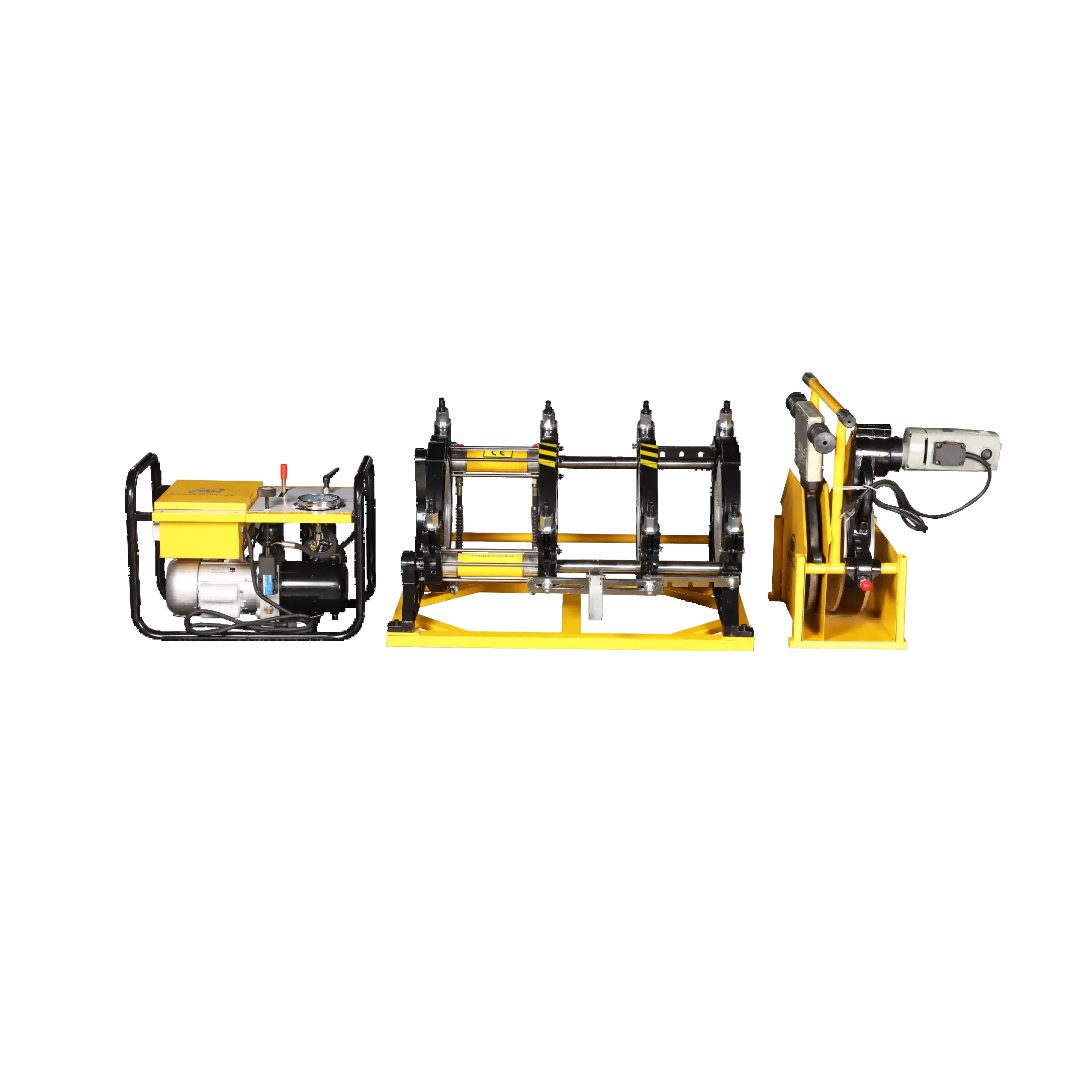
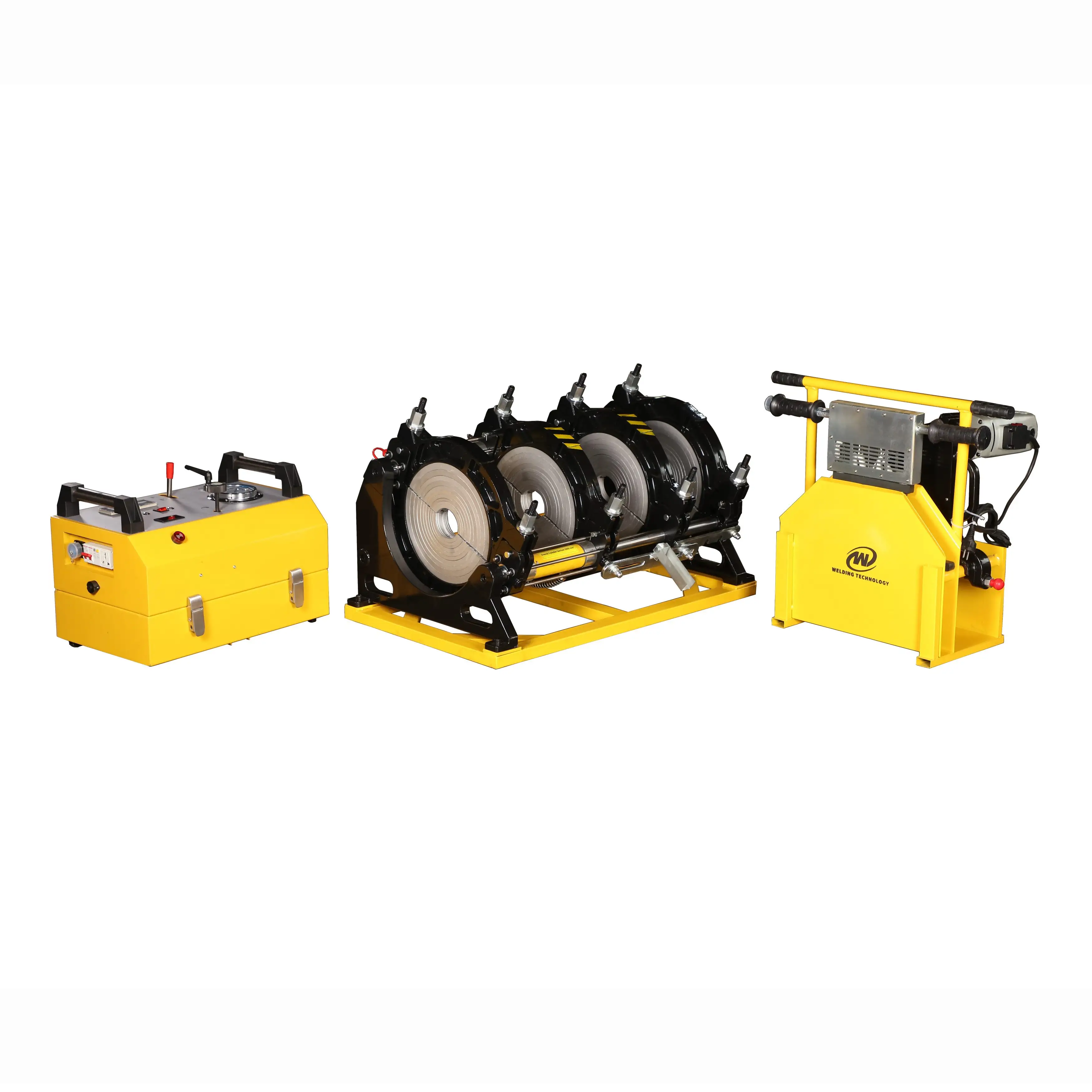
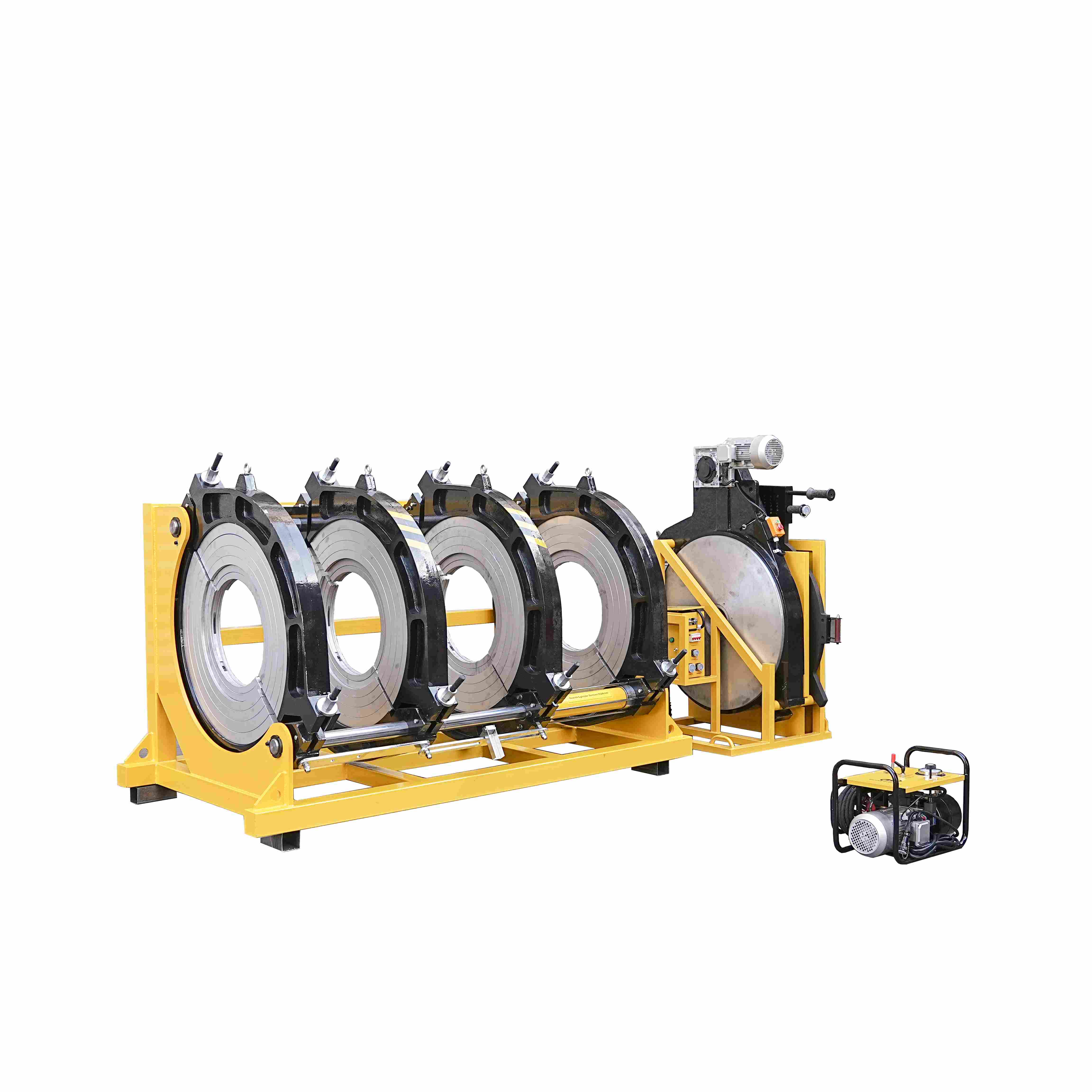
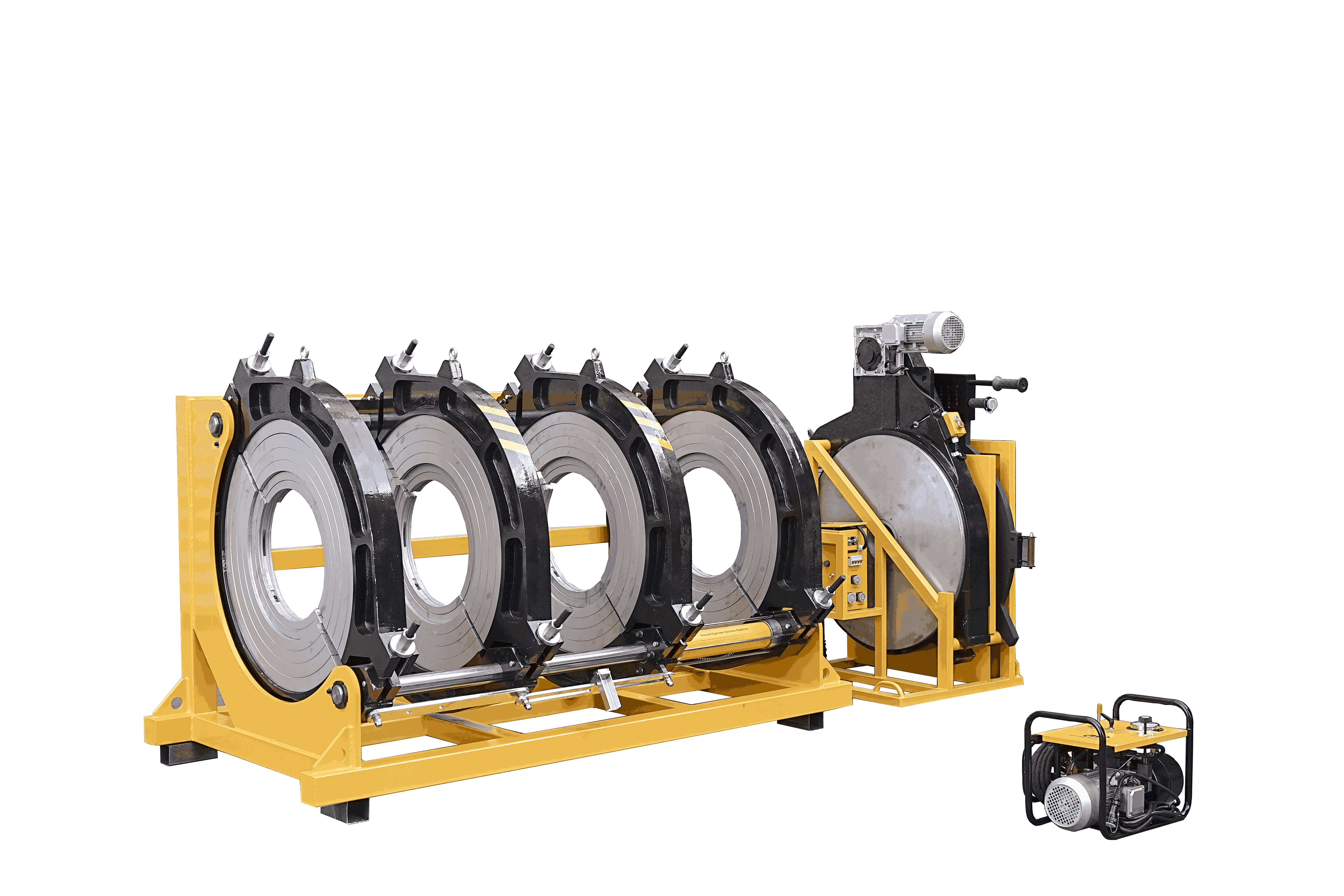
An hdpe fitting fusion machine represents a specialized piece of equipment designed to join high-density polyethylene pipes and fittings through heat fusion processes. This advanced machinery creates permanent, leak-proof connections that match or exceed the strength of the pipe material itself. The primary function of an hdpe fitting fusion machine involves heating the surfaces of HDPE components to their melting point, then pressing them together under controlled pressure to form a molecular bond. This process eliminates the need for mechanical fasteners, adhesives, or additional sealing materials. Modern hdpe fitting fusion machines incorporate sophisticated temperature control systems, pressure regulation mechanisms, and automated timing sequences to ensure consistent joint quality. These machines typically feature digital displays that monitor fusion parameters in real-time, allowing operators to track temperature readings, heating duration, and cooling cycles with precision. The technological architecture of an hdpe fitting fusion machine includes heating plates with non-stick coatings, hydraulic or mechanical pressure systems, and alignment fixtures that maintain proper positioning during the fusion process. Advanced models integrate microprocessor controls that store fusion protocols for different pipe sizes and wall thicknesses, reducing operator error and improving repeatability. Applications for hdpe fitting fusion machines span multiple industries including water distribution systems, natural gas networks, industrial process piping, geothermal installations, and chemical transfer lines. Municipal water authorities rely on these machines to construct durable underground infrastructure that resists corrosion and maintains water quality over decades of service. The versatility of an hdpe fitting fusion machine extends from small-diameter residential connections to large-scale industrial installations requiring pipes several feet in diameter. Mining operations utilize these machines in harsh environments where traditional joining methods would fail due to ground movement or chemical exposure. Agricultural irrigation systems benefit from the reliability and longevity that hdpe fitting fusion machines provide, ensuring water delivery networks remain operational throughout growing seasons without costly repairs or maintenance interventions.

New Products

The hdpe fitting fusion machine delivers significant cost savings over the lifetime of a piping system by creating joints that never require replacement or repair under normal operating conditions. Traditional mechanical fittings deteriorate over time due to gasket degradation, bolt corrosion, or seal failure, whereas fusion joints become an integral part of the pipe structure with no weak points susceptible to leakage. This permanence translates directly into reduced maintenance expenses, fewer service interruptions, and lower total ownership costs for infrastructure projects. Installation teams appreciate how an hdpe fitting fusion machine simplifies field operations by eliminating the inventory complexity associated with mechanical joining systems that require multiple components like bolts, gaskets, flanges, and specialty tools. The fusion process itself proves remarkably straightforward once operators receive proper training, with most joints completed in minutes rather than the extended timeframes required for threaded or flanged connections. Weather resistance stands as another compelling advantage, since fusion welding performs reliably in conditions that challenge other methods. Rain, wind, dust, or temperature variations within the machine's operating range do not compromise joint integrity, allowing construction schedules to proceed without weather-related delays. The hdpe fitting fusion machine produces environmentally superior results by creating systems with zero potential for soil or groundwater contamination from joint failures. Water utilities particularly value this characteristic when installing mains through sensitive ecological areas or aquifer recharge zones. Energy efficiency represents an often-overlooked benefit, as the smooth interior surfaces of fused HDPE systems reduce pumping costs compared to corroded metal pipes or systems with protruding gaskets that create turbulence. The fusion process itself consumes minimal energy, typically requiring only standard electrical service available at most construction sites. Flexibility in system design emerges as a practical advantage when engineers specify an hdpe fitting fusion machine for projects requiring custom configurations or future expansion capabilities. Fusion technology accommodates field modifications without specialized fabrication shops, enabling contractors to adapt installations to unexpected site conditions or design changes. Quality assurance becomes inherent in the process rather than dependent on individual installer skill variations, since the machine controls critical parameters that determine joint strength and longevity. Visual inspection easily identifies successful fusions through the characteristic bead formation around the joint, providing immediate confirmation without destructive testing or expensive verification procedures. Long-term performance data from installations worldwide demonstrates that systems joined with an hdpe fitting fusion machine maintain their structural integrity and leak-free operation for fifty years or more, outlasting most other piping technologies by substantial margins.

Tips And Tricks

How Does an HDPE Thermofusion Machine Improve Pipeline Performance?

24

Apr

How Does an HDPE Thermofusion Machine Improve Pipeline Performance?

Pipeline integrity stands as a critical concern across industries ranging from municipal water distribution to industrial gas transport, and the welding technology employed directly determines long-term performance outcomes. An HDPE thermofusion mach...
View More
What Is an HDPE Thermofusion Machine and How Does It Work?

10

Apr

What Is an HDPE Thermofusion Machine and How Does It Work?

High-density polyethylene (HDPE) piping systems have become the backbone of modern infrastructure projects, from municipal water distribution networks to industrial chemical transport lines. At the heart of creating reliable, leak-free HDPE pipe conn...
View More
How Does an HDPE Thermofusion Welding Machine Improve Joint Quality?

16

Jun

How Does an HDPE Thermofusion Welding Machine Improve Joint Quality?

In pipeline construction and fluid transport infrastructure, the quality of every joint determines the long-term integrity of the entire system. A poorly fused joint is not simply a weak point — it is a liability that can lead to leaks, system failur...
View More
How Can an HDPE Thermofusion Welding Machine Ensure Leak Free Systems?

23

Jun

How Can an HDPE Thermofusion Welding Machine Ensure Leak Free Systems?

In pipeline infrastructure across water treatment, gas distribution, and industrial fluid handling, achieving a truly leak-free system is one of the most demanding engineering challenges operators face. The HDPE thermofusion welding machine has emerg...
View More

Get a Free Quote

Our representative will contact you soon.
E-mail
Name
Mobile/WhatsApp
Company Name
Message
0/1000

hdpe fitting fusion machine

Superior Joint Integrity Through Molecular Bonding Technology

Superior Joint Integrity Through Molecular Bonding Technology

The molecular bonding achieved by an hdpe fitting fusion machine creates connections that fundamentally differ from mechanical joining methods in both structure and performance characteristics. When the machine heats HDPE surfaces to their precise melting temperature, the polymer chains at the interface become mobile and begin to intermingle across the boundary between the two components. As controlled pressure brings the molten surfaces together, these polymer chains entangle and form covalent bonds that are chemically identical to the bonds within the base material itself. This molecular-level integration means the joint does not represent a separate structural element but rather a continuation of the pipe wall with uniform properties throughout. The strength of these fused connections typically exceeds the tensile strength of the virgin pipe material, ensuring that system failures, if they occur at all, happen in the pipe body rather than at joints. This characteristic proves critical in applications subject to ground movement, thermal cycling, or pressure surges that would stress mechanical connections beyond their design limits. The absence of mechanical components in fusion joints eliminates pathways for infiltration or exfiltration, a consideration of paramount importance in potable water systems where contamination risks must be minimized to zero. An hdpe fitting fusion machine enables this superior joint integrity through precise control of the thermal and mechanical parameters that govern the fusion process. Temperature sensors monitor heating plate surfaces to maintain the optimal melting point within narrow tolerances, preventing overheating that could degrade the polymer or insufficient heating that would result in weak bonds. Pressure regulation systems ensure consistent force application during the cooling phase when the molecular structure solidifies into its final configuration. The uniformity of joints produced by an hdpe fitting fusion machine translates into predictable system behavior that engineers can model with confidence when designing pressure ratings, expansion compensation, or seismic resistance features. Field experience across diverse applications confirms that properly executed fusion joints maintain their integrity through decades of service under conditions that would compromise alternative technologies, from the corrosive environments of chemical plants to the freeze-thaw cycles of northern climates.
Operational Efficiency and Reduced Installation Complexity

Operational Efficiency and Reduced Installation Complexity

An hdpe fitting fusion machine streamlines installation workflows by consolidating multiple processes into a single, standardized procedure that requires fewer specialized skills and less supporting equipment than traditional piping methods. Contractors appreciate how the machine eliminates the extensive parts inventory associated with mechanical joining systems, where each pipe size and pressure rating demands specific flanges, bolts, gaskets, and torque specifications. With fusion technology, the same machine handles a wide range of pipe diameters using interchangeable inserts or adjustable fixtures, reducing the logistics burden of transporting and tracking numerous components across job sites. This simplification extends to tool requirements, as the hdpe fitting fusion machine itself represents the primary equipment needed for joint completion, supplemented only by basic pipe preparation tools for facing and cleaning. The learning curve for operators proves manageable, with most technicians achieving proficiency after structured training programs lasting days rather than the months or years required to master complex mechanical fitting installations. Standardized fusion procedures programmed into modern machines guide operators through each step, displaying prompts for heating duration, cooling time, and pressure application that remove guesswork from the process. This automation reduces the variability introduced by individual skill levels, ensuring consistent quality whether joints are completed by experienced veterans or recently trained personnel. Time efficiency represents another dimension of operational advantage, as an hdpe fitting fusion machine completes most connections in ten to twenty minutes from initial setup through final cooling, compared to the extended assembly sequences required for flanged or threaded joints. The rapid cycle time proves especially valuable on large-scale projects installing thousands of linear feet of pipeline, where the cumulative time savings translate into weeks of compressed construction schedules and earlier project completion dates. Field modifications and repairs benefit from the portability of modern fusion equipment, with lightweight machines designed for single-operator handling enabling on-site adjustments without mobilizing heavy fabrication equipment or returning components to shop facilities. The self-contained nature of an hdpe fitting fusion machine means installations can proceed in remote locations or confined spaces where access limitations would complicate traditional methods requiring multiple workers, extensive tooling, or auxiliary power systems beyond the standard electrical service that powers the fusion unit.
Long-Term Economic Value and Lifecycle Cost Reduction

Long-Term Economic Value and Lifecycle Cost Reduction

The economic advantages of an hdpe fitting fusion machine extend far beyond initial equipment investment, delivering substantial value through reduced lifecycle costs that compound over the decades-long service life typical of HDPE piping systems. Total cost of ownership calculations must account for maintenance expenses, repair frequencies, system longevity, and operational efficiency factors that heavily favor fusion-welded installations over mechanically joined alternatives. Maintenance requirements for systems constructed with an hdpe fitting fusion machine approach zero under normal operating conditions, as the permanent molecular bonds created during fusion eliminate the periodic inspection, adjustment, and component replacement cycles that burden mechanical joint systems. Water utilities operating fusion-welded distribution networks report maintenance cost reductions exceeding seventy percent compared to legacy systems using mechanical fittings, with the savings accumulating year after year throughout the infrastructure's operational lifetime. Leak elimination represents another source of economic benefit, as even small seepage from compromised mechanical joints wastes treated water, increases pumping costs, and potentially damages surrounding structures through soil erosion or foundation undermining. The hermetic seal provided by fusion joints prevents these losses entirely, preserving both the physical resource and the energy invested in treatment and distribution. Energy efficiency gains emerge from the hydraulically smooth interior surfaces of HDPE systems, where fused joints maintain the pipe's flow characteristics without the turbulence-inducing protrusions that gaskets, bolt heads, or misaligned flanges introduce into mechanically joined pipelines. Reduced friction losses translate directly into lower pumping costs, with the savings particularly significant in long-distance transmission lines or high-volume distribution systems operating continuously. An hdpe fitting fusion machine enables system designs with extended service intervals between major renovations or replacements, as the corrosion immunity and joint integrity of HDPE installations preserve functionality for fifty to one hundred years compared to the twenty to forty year lifespans typical of metal piping systems. This longevity defers capital reinvestment requirements, improving project financial metrics and reducing the burden on rate payers or taxpayers funding infrastructure improvements. Residual value considerations favor fusion-welded systems when eventual decommissioning occurs, as the homogeneous material composition and absence of mixed metals or elastomers simplifies recycling processes and recovers greater material value. Insurance and risk management perspectives recognize the reliability advantages of installations completed with an hdpe fitting fusion machine, potentially qualifying projects for reduced premiums or favorable terms based on the documented performance history and lower failure rates of fusion-welded infrastructure.

Get a Free Quote

Our representative will contact you soon.
E-mail
Name
Mobile/WhatsApp
Company Name
Message
0/1000