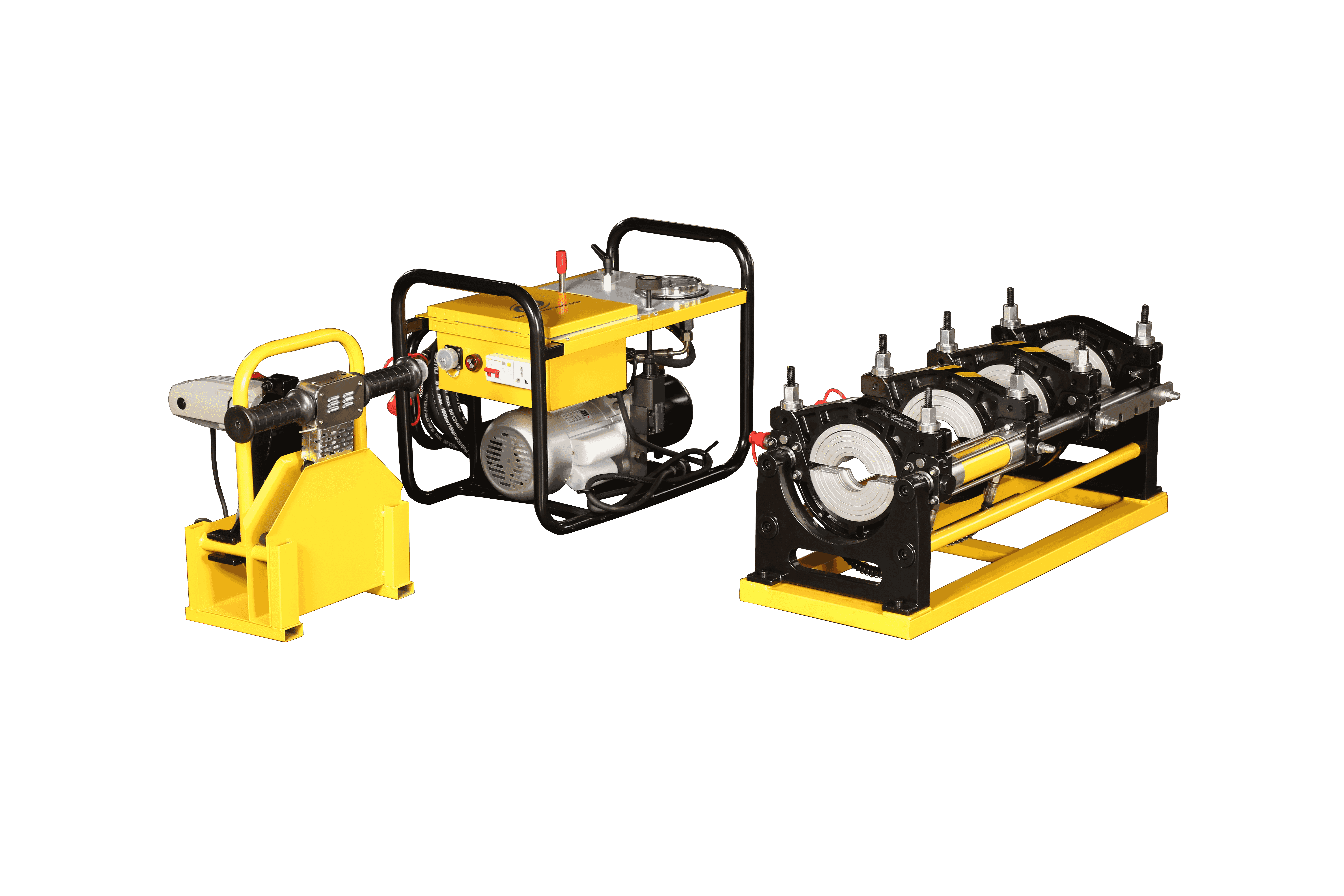
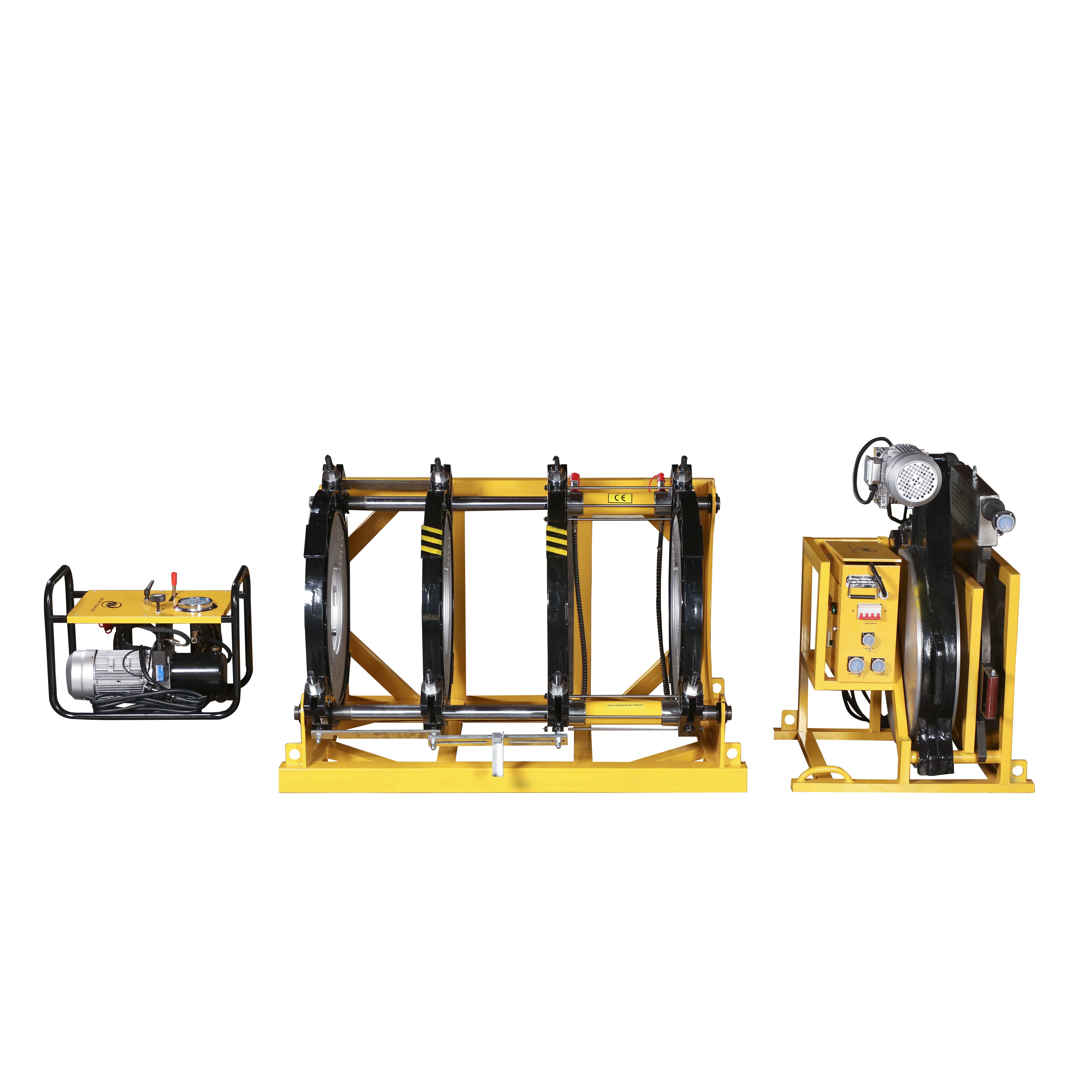
Advanced Digital Control Systems Ensure Perfect Welds Every Time
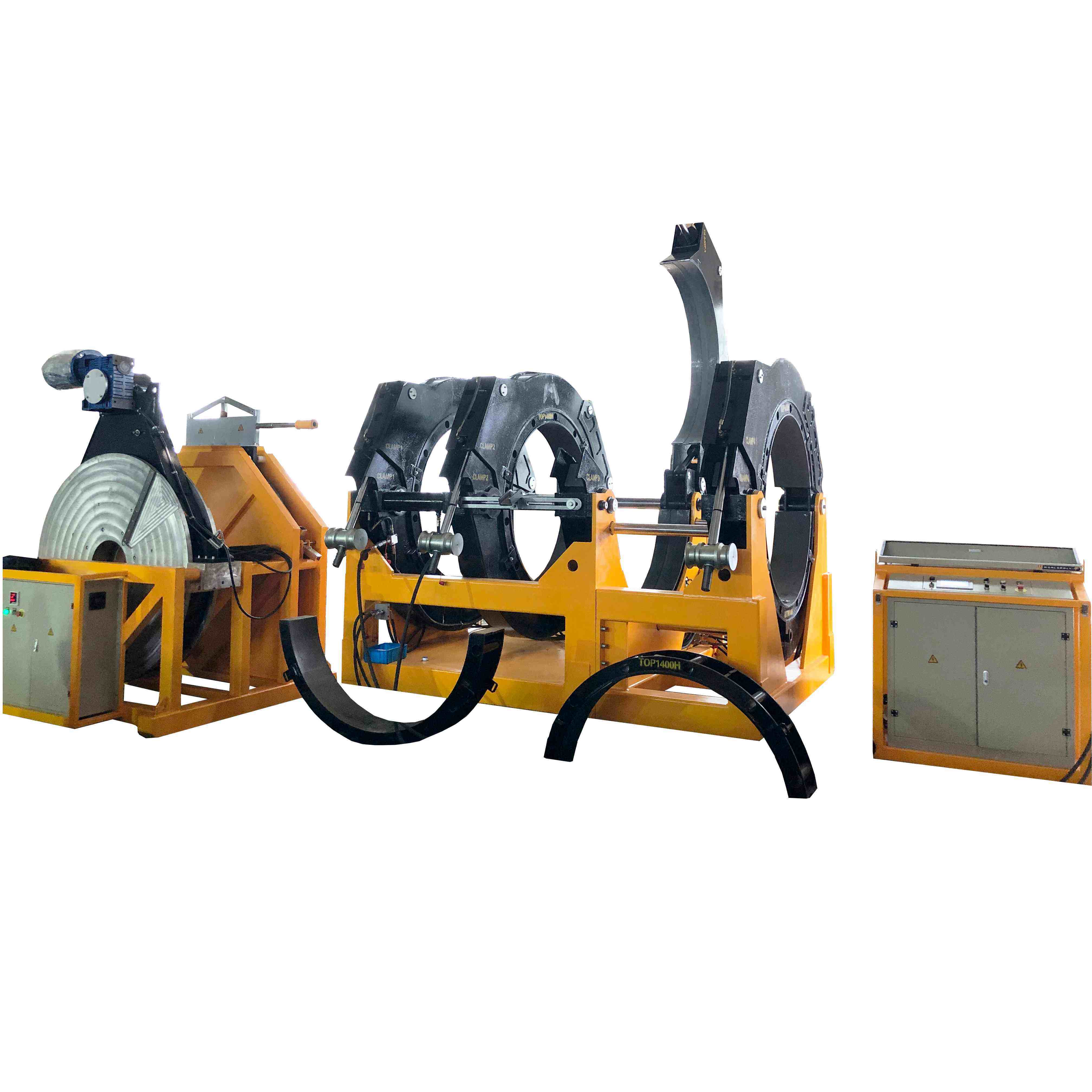
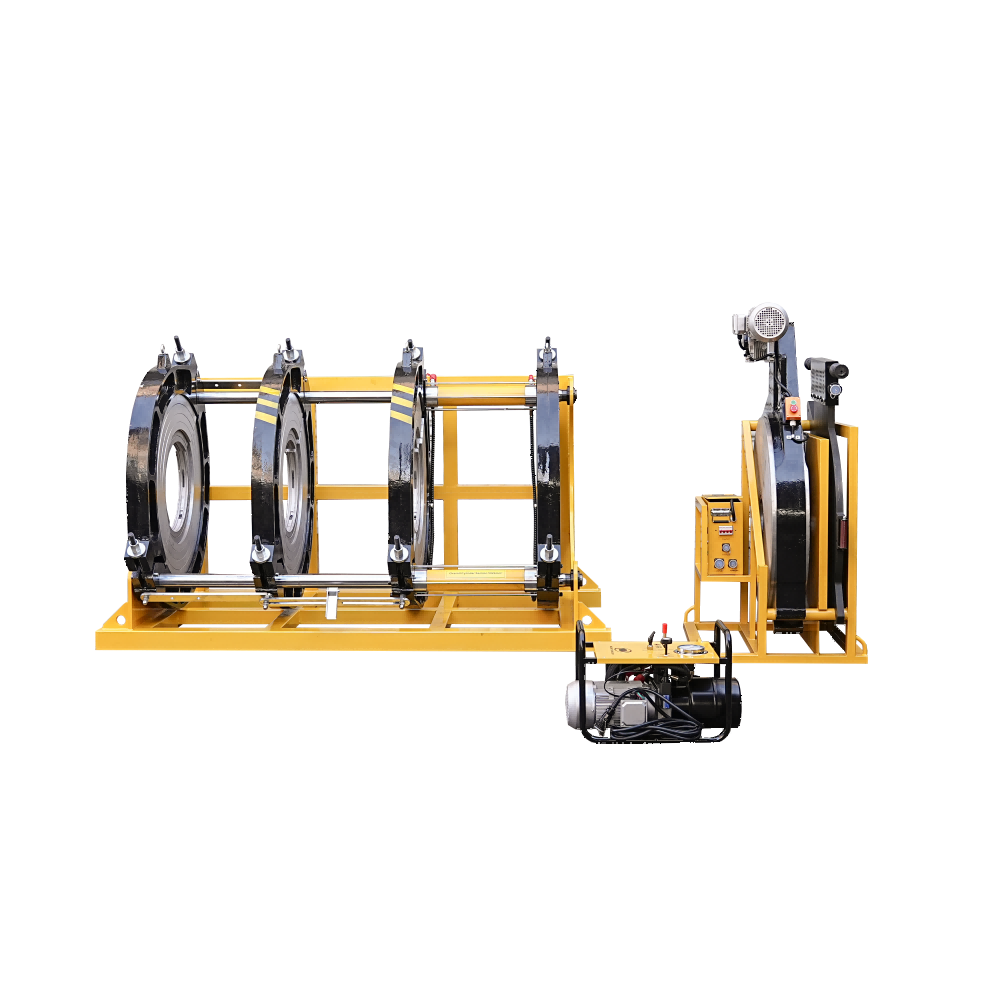
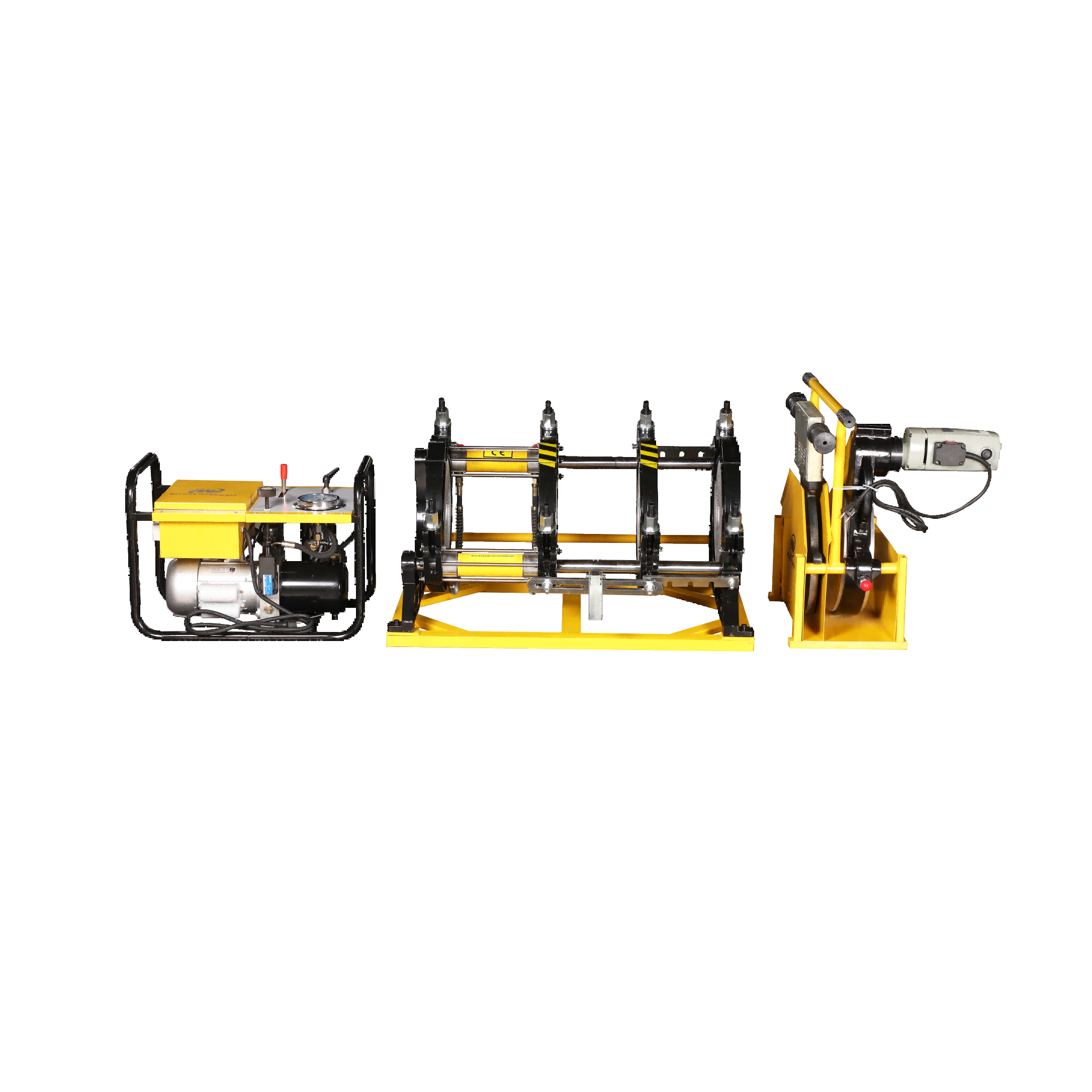
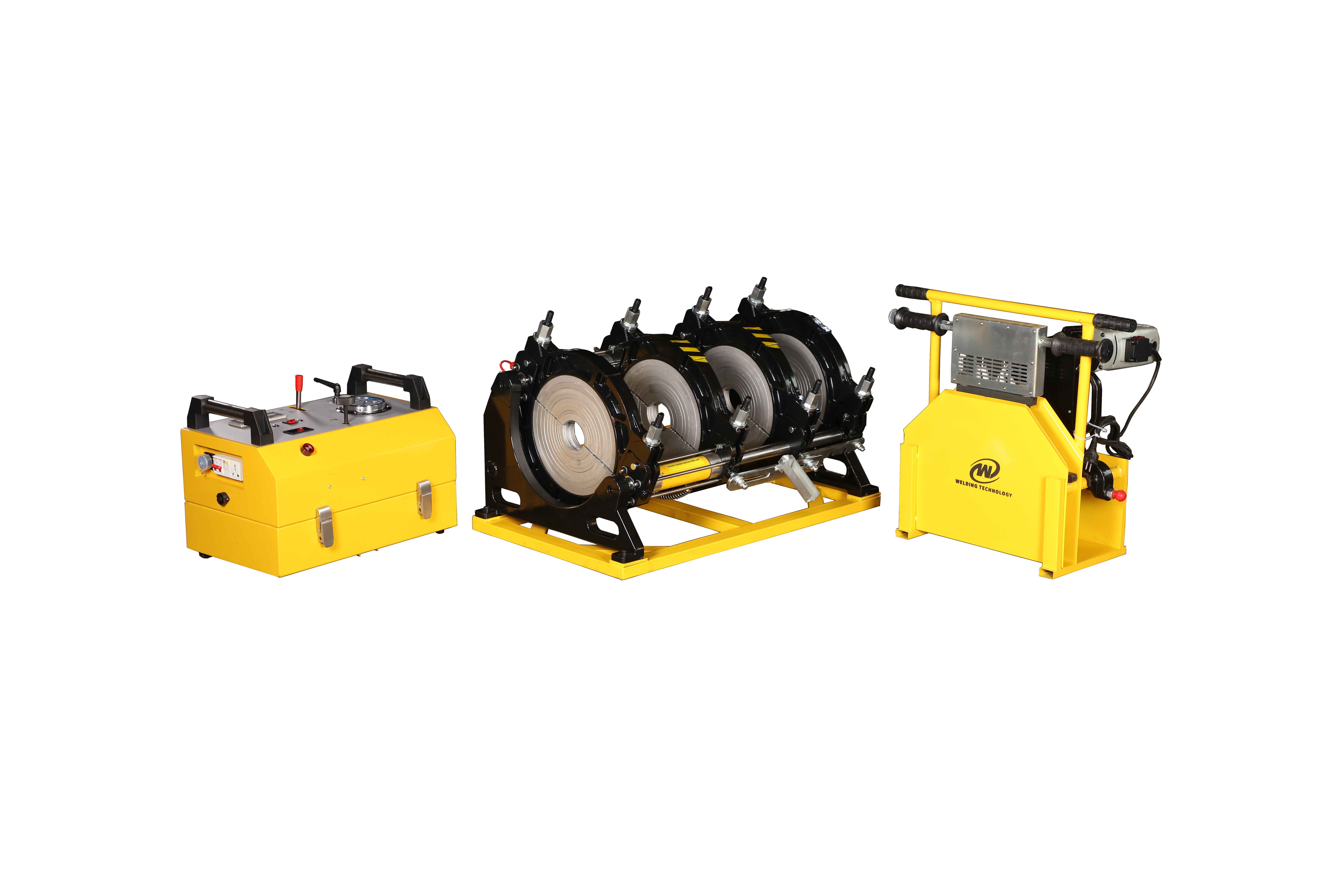
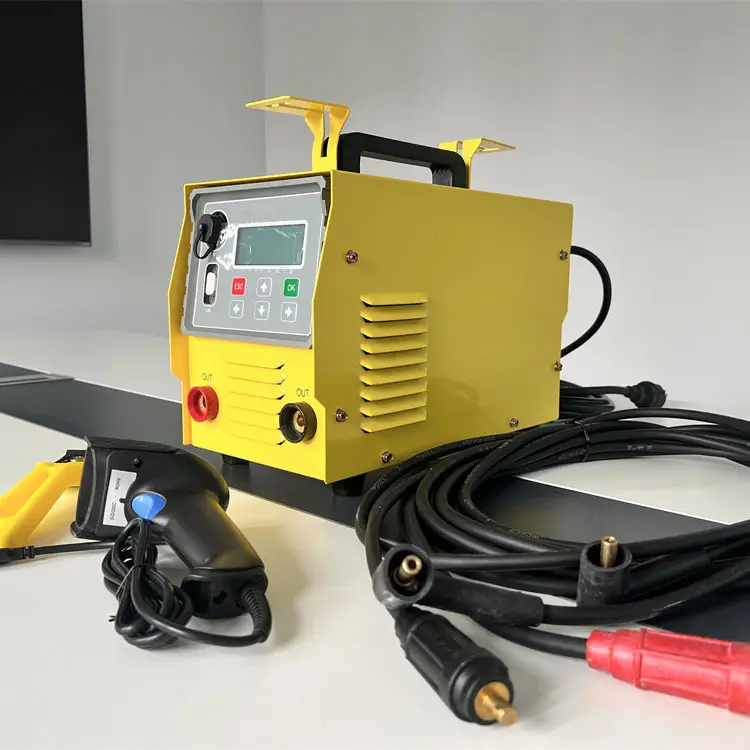
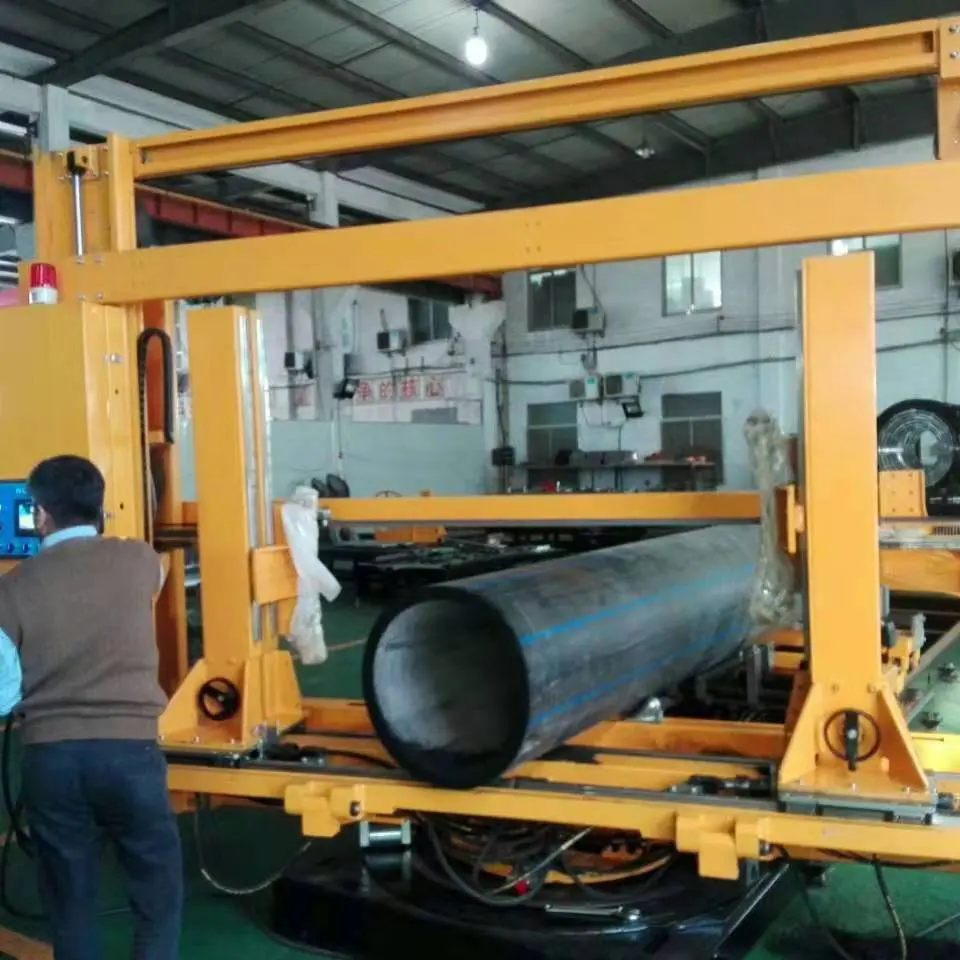
The integration of sophisticated digital control technology in modern hdpe pipe welding equipment revolutionizes how fusion joints are created, taking much of the guesswork out of the welding process while dramatically improving consistency and quality. These intelligent systems monitor and regulate every critical parameter throughout the entire fusion cycle, from initial heating through final cooling, ensuring that each joint meets exact specifications regardless of operator experience level or environmental conditions. Temperature sensors continuously measure heating plate surface temperatures, making automatic adjustments to maintain the precise heat levels required for optimal material fusion. Pressure transducers monitor the force applied during different phases of the welding cycle, ensuring proper interfacial contact during heating and correct upset formation during fusion. Timing controls regulate how long pipes remain in each stage, following proven protocols developed through extensive research and field testing. The equipment stores welding procedures for different pipe sizes, materials, and standards, allowing operators to simply select the appropriate program rather than manually calculating and setting multiple parameters. Digital displays present real-time information in clear, understandable formats, showing temperature readings, pressure levels, elapsed time, and procedural steps, helping operators maintain awareness throughout the process. Many systems incorporate data logging capabilities that automatically record complete welding parameters for every joint, creating permanent records that document compliance with project specifications and quality standards. This traceability proves invaluable during quality audits, warranty claims, or regulatory inspections, providing objective evidence of proper installation practices. The technology also includes built-in safety interlocks that prevent equipment operation if critical conditions are not met, such as inadequate clamping pressure or improper pipe alignment, protecting against common errors that could compromise joint integrity. Diagnostic features alert operators to potential issues like heating element degradation, hydraulic system problems, or power supply irregularities before they affect weld quality, supporting preventive maintenance and minimizing unexpected downtime. For contractors and facility owners, this advanced control technology translates to reduced reject rates, fewer costly repairs, enhanced reputation for quality workmanship, and greater confidence in long-term pipeline performance, making hdpe pipe welding equipment with digital controls an investment that pays dividends throughout every project phase.

 EN
EN