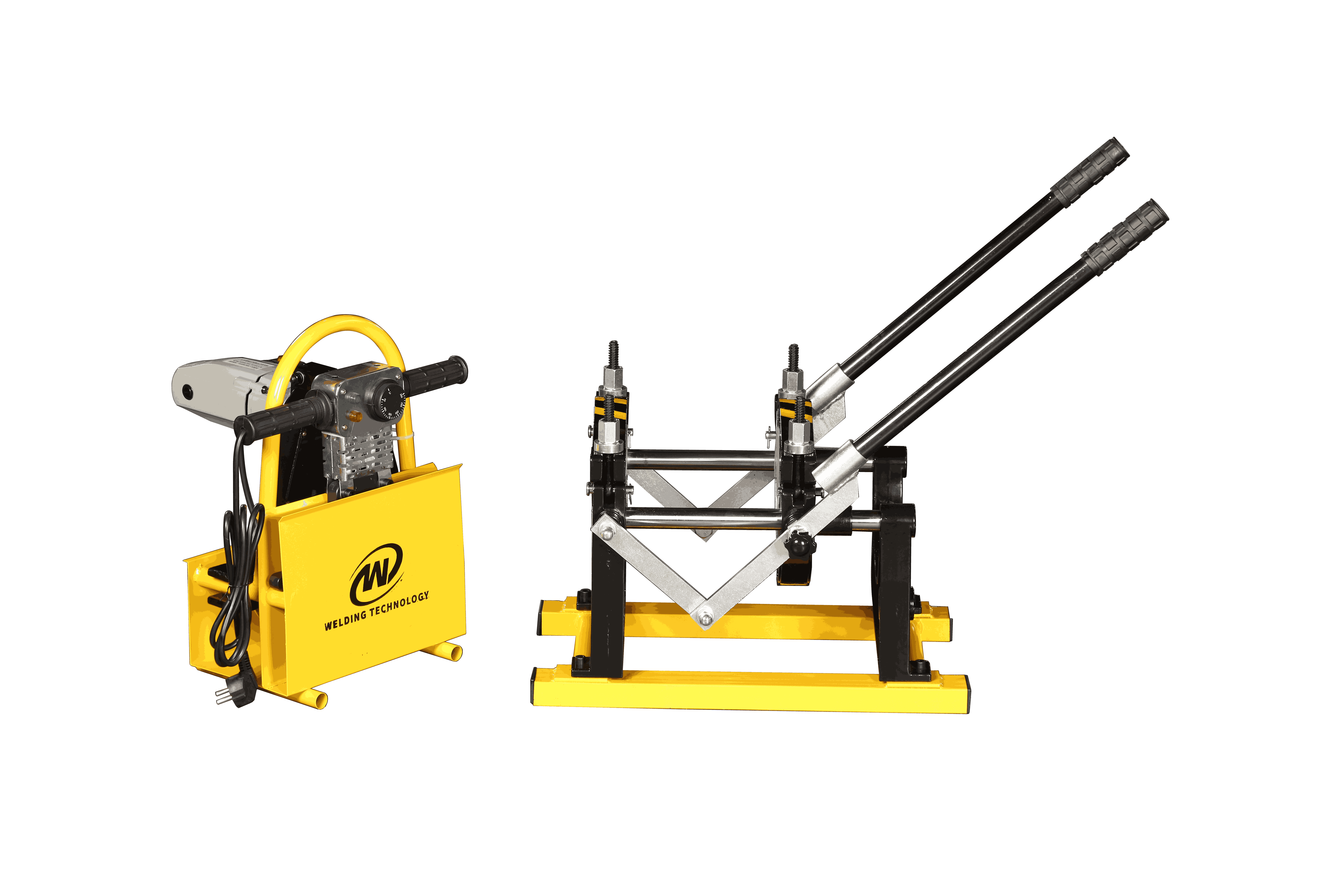
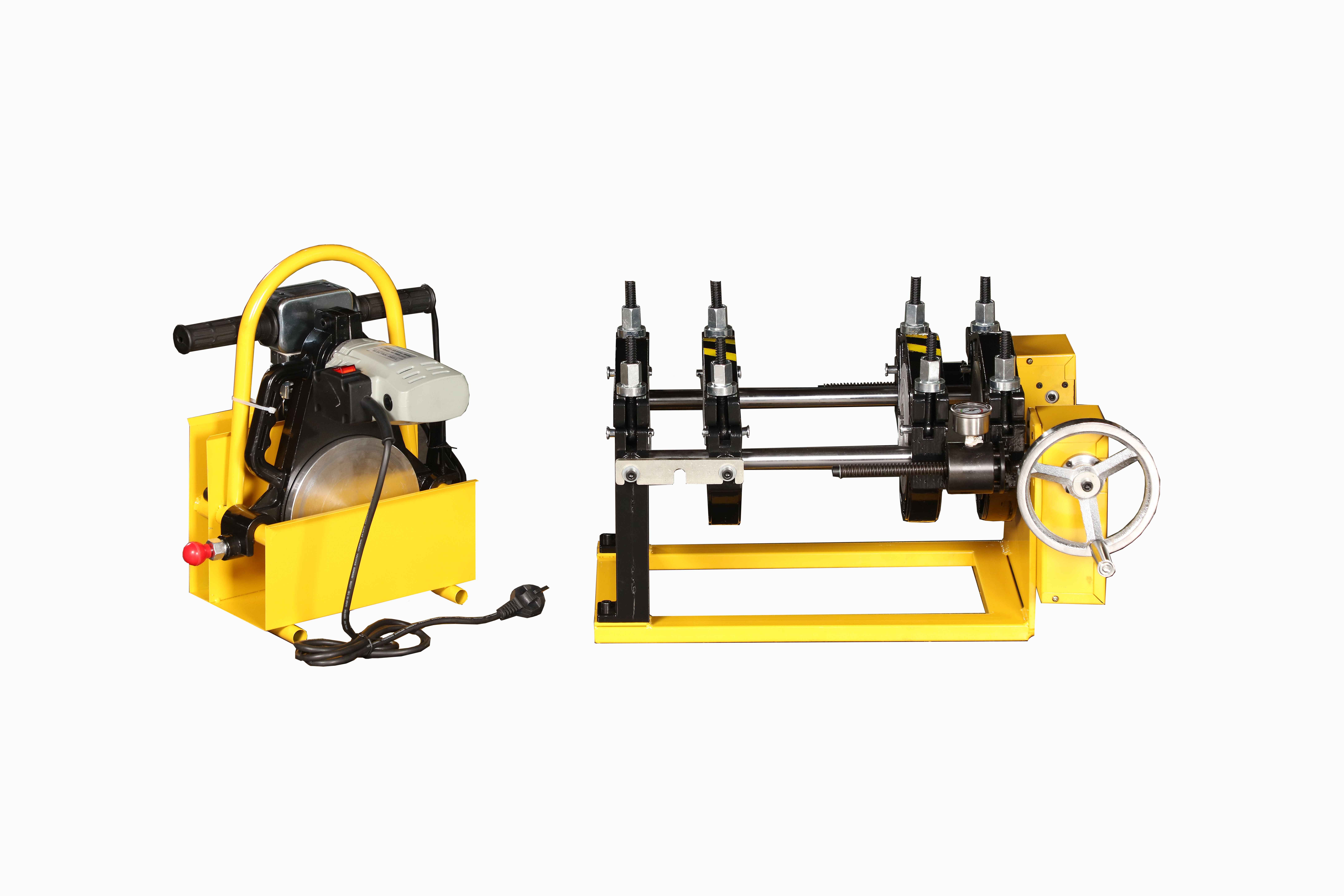
Professional HDPE Pipe Joining Machine - Reliable Fusion Welding Equipment for Pipeline Installation

Get a Free Quote

Our representative will contact you soon.
E-mail
Name
Mobile/WhatsApp
Company Name
Message
0/1000

hdpe pipe joining machine

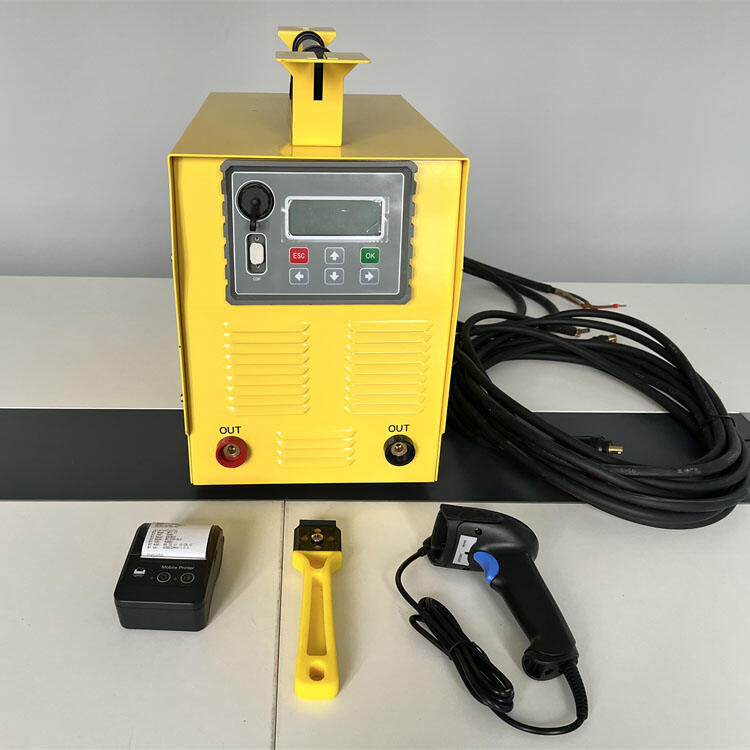
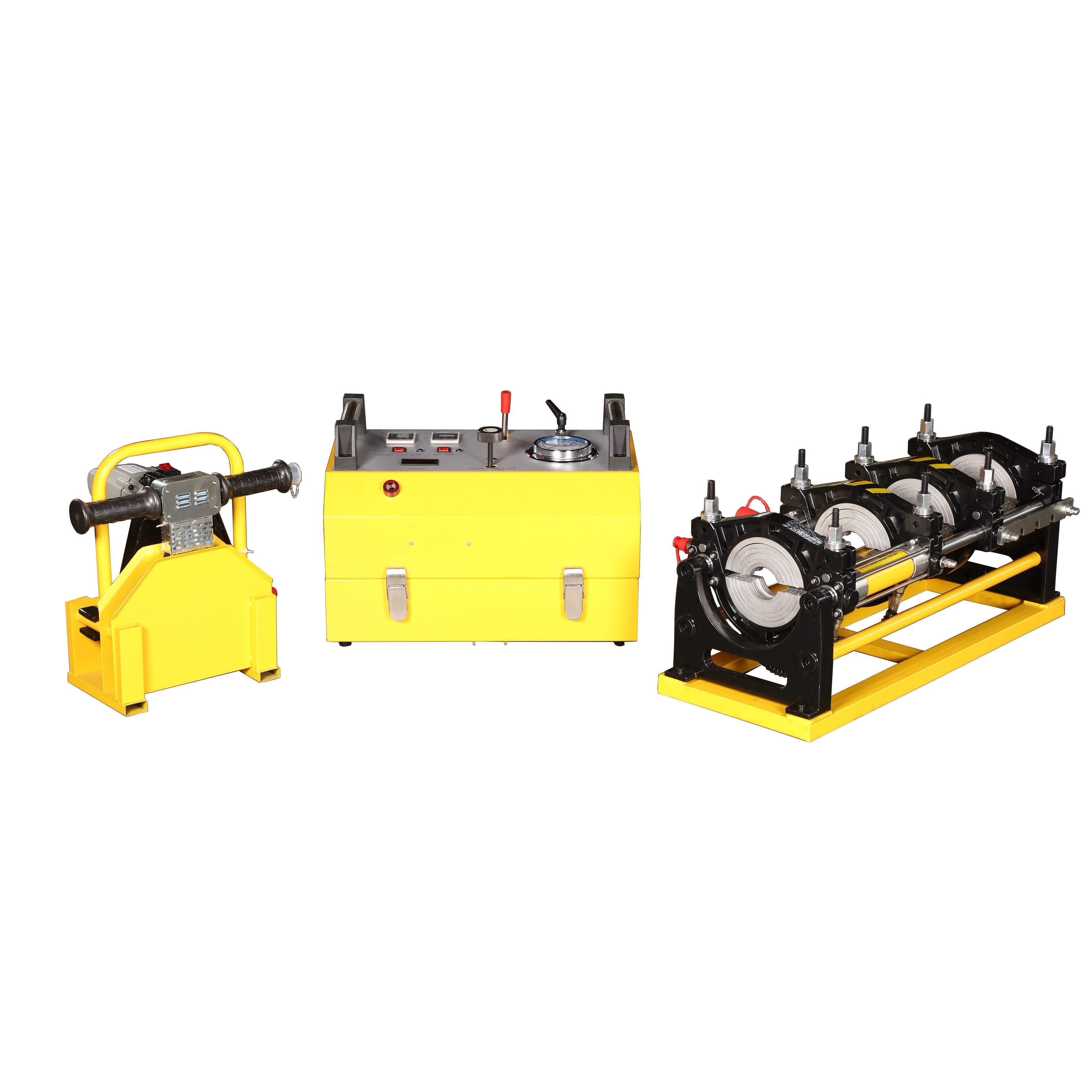
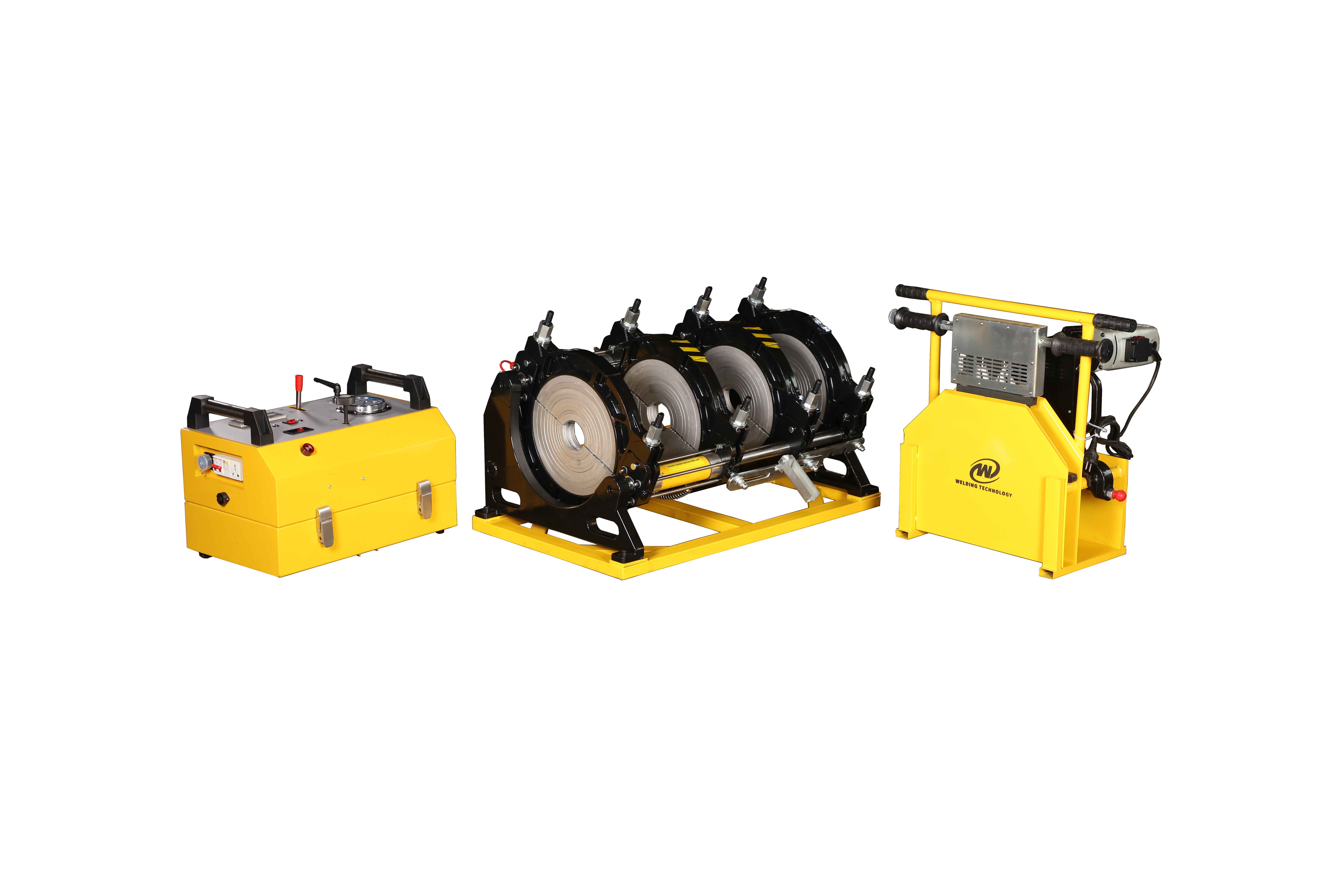
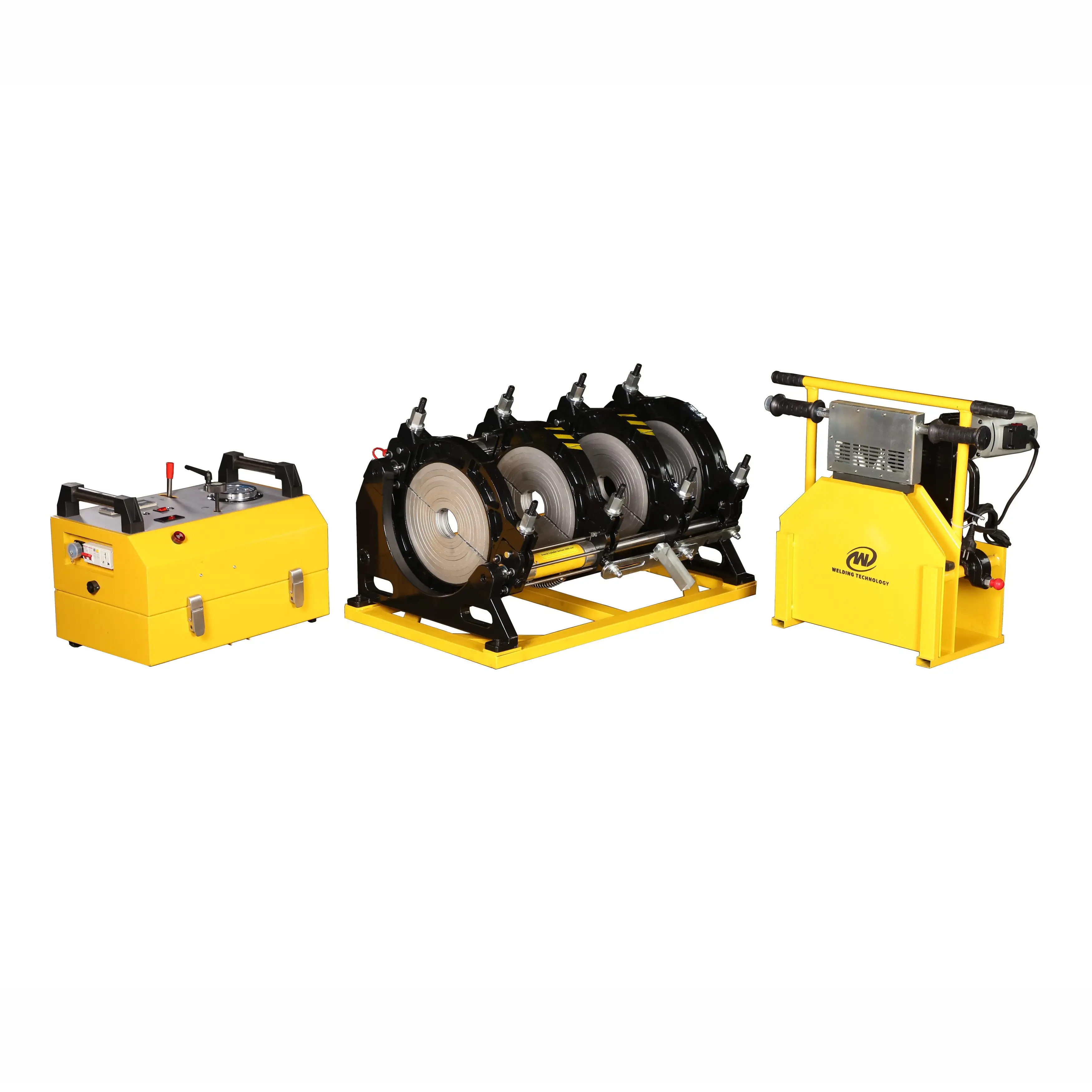
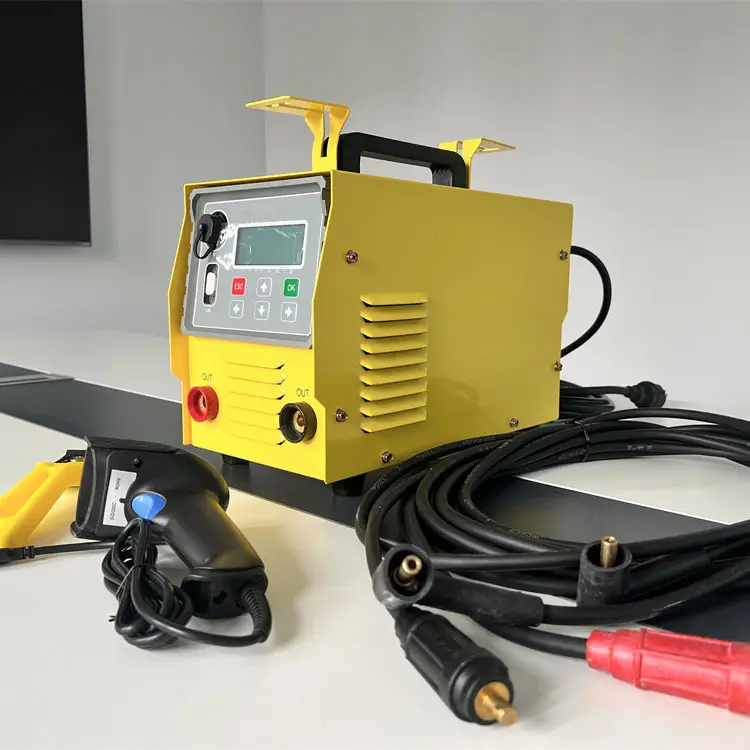
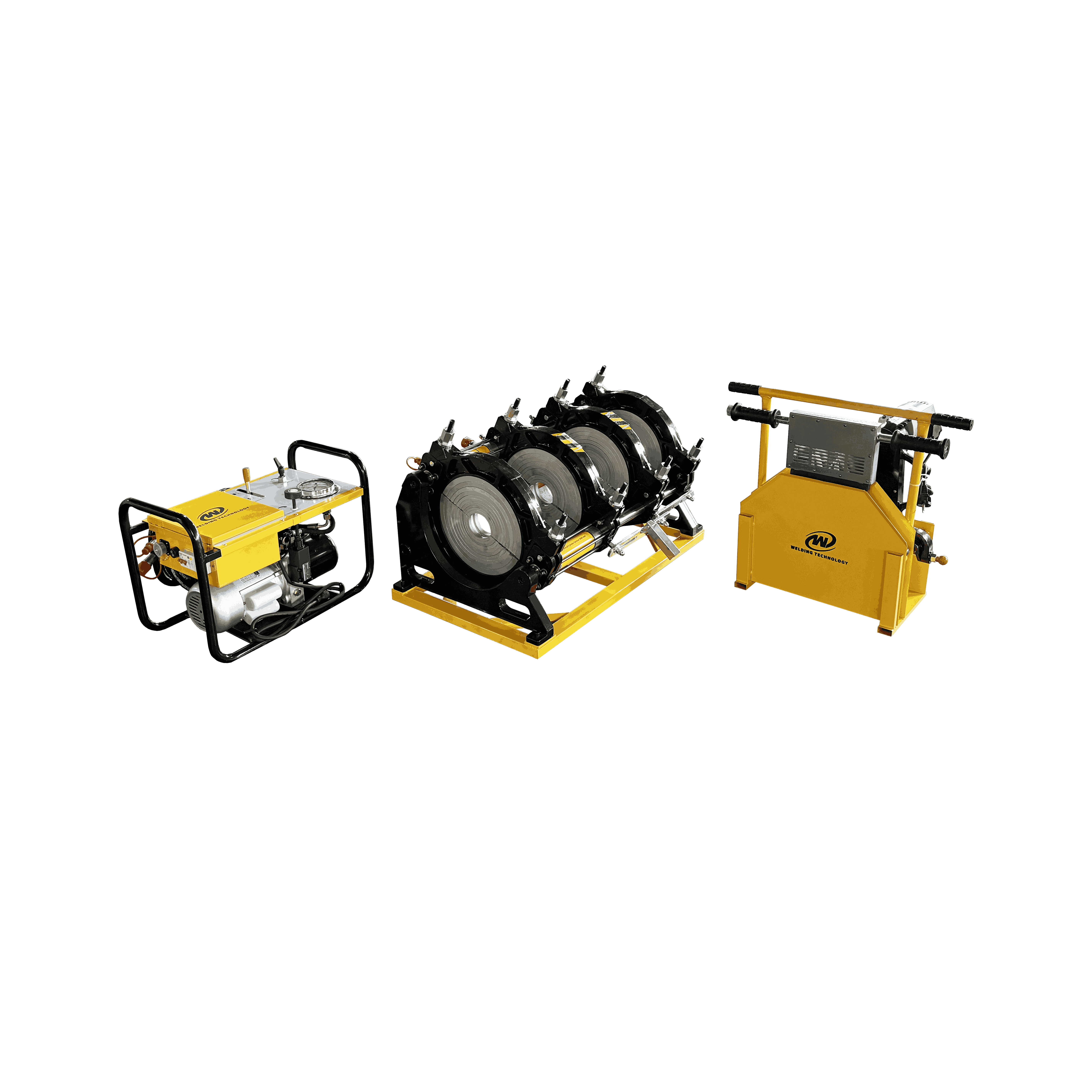
The hdpe pipe joining machine represents a specialized piece of equipment designed to create strong, leak-proof connections between high-density polyethylene pipes. This machine plays a critical role in modern pipeline construction and maintenance across water supply, gas distribution, industrial applications, and sewage systems. The primary function centers on heating pipe ends to their melting point and fusing them together under controlled pressure, creating joints that match or exceed the strength of the pipe itself. Modern hdpe pipe joining machines incorporate advanced temperature control systems that maintain precise heating parameters throughout the fusion process. Digital displays provide real-time monitoring of temperature, pressure, and timing, ensuring operators achieve consistent results with every joint. The equipment typically features hydraulic systems that apply uniform pressure during the cooling phase, preventing defects and ensuring optimal molecular bonding. These machines accommodate various pipe diameters, ranging from small residential lines to large-diameter industrial pipes exceeding 1600mm. The technological features include automated heating plate positioning, electronic pressure regulation, and programmable fusion cycles that eliminate guesswork from the joining process. Safety mechanisms prevent operation errors, while data logging capabilities track every weld for quality assurance and compliance documentation. Applications span municipal infrastructure projects where reliable water delivery demands durable connections, natural gas networks requiring leak-free joints for safety, mining operations transporting slurries and chemicals, and agricultural irrigation systems covering vast areas. The versatility of hdpe pipe joining machines makes them indispensable tools for contractors, utility companies, and industrial facilities worldwide. Their ability to create permanent, maintenance-free connections in field conditions, combined with the growing preference for HDPE piping over traditional materials, has established these machines as essential equipment in modern pipeline installation and repair operations across diverse industries and challenging environments.

New Product Recommendations

The hdpe pipe joining machine delivers substantial benefits that directly impact project timelines, costs, and long-term system reliability. First, these machines create joints that are stronger than the pipe material itself, eliminating weak points in your pipeline system. Unlike mechanical couplings or adhesive methods, fusion welding produces a homogeneous connection where the pipe and joint become one continuous piece. This means you will never worry about joint failures, leaks, or maintenance costs associated with connection points throughout the system's decades-long service life. The speed advantage changes project economics significantly. Experienced operators complete joints in a fraction of the time required for traditional threading, gluing, or mechanical fitting methods. The machine handles the entire heating and fusion cycle automatically, freeing workers to prepare the next section while the current joint cools. This efficiency translates to faster project completion, reduced labor costs, and earlier revenue generation for infrastructure investments. Versatility across pipe sizes eliminates the need for multiple specialized tools. A single hdpe pipe joining machine can handle everything from residential service lines to major transmission mains, making it a cost-effective investment that serves multiple project types. The equipment adapts quickly between different diameters with simple adjustments, maintaining productivity across varied applications. Weather resistance provides another practical advantage. The hdpe pipe joining machine operates reliably in challenging conditions where other joining methods fail. Rain, humidity, and temperature variations that would compromise adhesive bonds or mechanical seals have minimal impact on fusion welding quality. This reliability keeps projects on schedule regardless of seasonal weather patterns or unexpected climate conditions. The learning curve remains manageable, with most operators achieving proficiency after structured training. The machine's automated features guide the process, reducing the skill gap between experienced welders and newer technicians. This accessibility helps contractors maintain consistent quality across their workforce and reduces dependence on specialized personnel. Long-term cost savings accumulate through eliminated joint maintenance, reduced system downtime, and extended service life. The initial investment in an hdpe pipe joining machine pays returns through lower operating costs, fewer emergency repairs, and enhanced system reliability that protects your reputation and customer relationships. Environmental benefits matter increasingly in project selection. Fusion welding produces no harmful emissions, requires no consumable materials beyond electricity, and creates no waste products. This clean process aligns with sustainability goals while meeting strict environmental regulations in sensitive areas.

Tips And Tricks

Why Is a Plastic Band Cutting Saw Important in Manufacturing?

20

Apr

Why Is a Plastic Band Cutting Saw Important in Manufacturing?

Modern manufacturing environments demand precision, efficiency, and reliability in every step of the production process, particularly when working with thermoplastic materials used in infrastructure, industrial piping, and specialized fabrication app...
View More
What Is an HDPE Thermofusion Machine and How Does It Work?

10

Apr

What Is an HDPE Thermofusion Machine and How Does It Work?

High-density polyethylene (HDPE) piping systems have become the backbone of modern infrastructure projects, from municipal water distribution networks to industrial chemical transport lines. At the heart of creating reliable, leak-free HDPE pipe conn...
View More
Why Do Engineers Choose an HDPE Thermofusion Machine for Projects?

06

Apr

Why Do Engineers Choose an HDPE Thermofusion Machine for Projects?

Engineers working on pipeline infrastructure projects face critical decisions that affect long-term performance, project budgets, and operational reliability. Among the most consequential choices is the selection of joining equipment for high-density...
View More
How Does a Plastic Pipe Electric Fusion Welder Improve Connection Strength?

03

Apr

How Does a Plastic Pipe Electric Fusion Welder Improve Connection Strength?

In industrial piping systems, the integrity of connections directly determines operational safety, longevity, and performance. Traditional mechanical joining methods such as threading, clamping, or adhesive bonding often introduce vulnerabilities inc...
View More

Get a Free Quote

Our representative will contact you soon.
E-mail
Name
Mobile/WhatsApp
Company Name
Message
0/1000

hdpe pipe joining machine

Advanced Heating Technology Ensures Perfect Joints Every Time

Advanced Heating Technology Ensures Perfect Joints Every Time

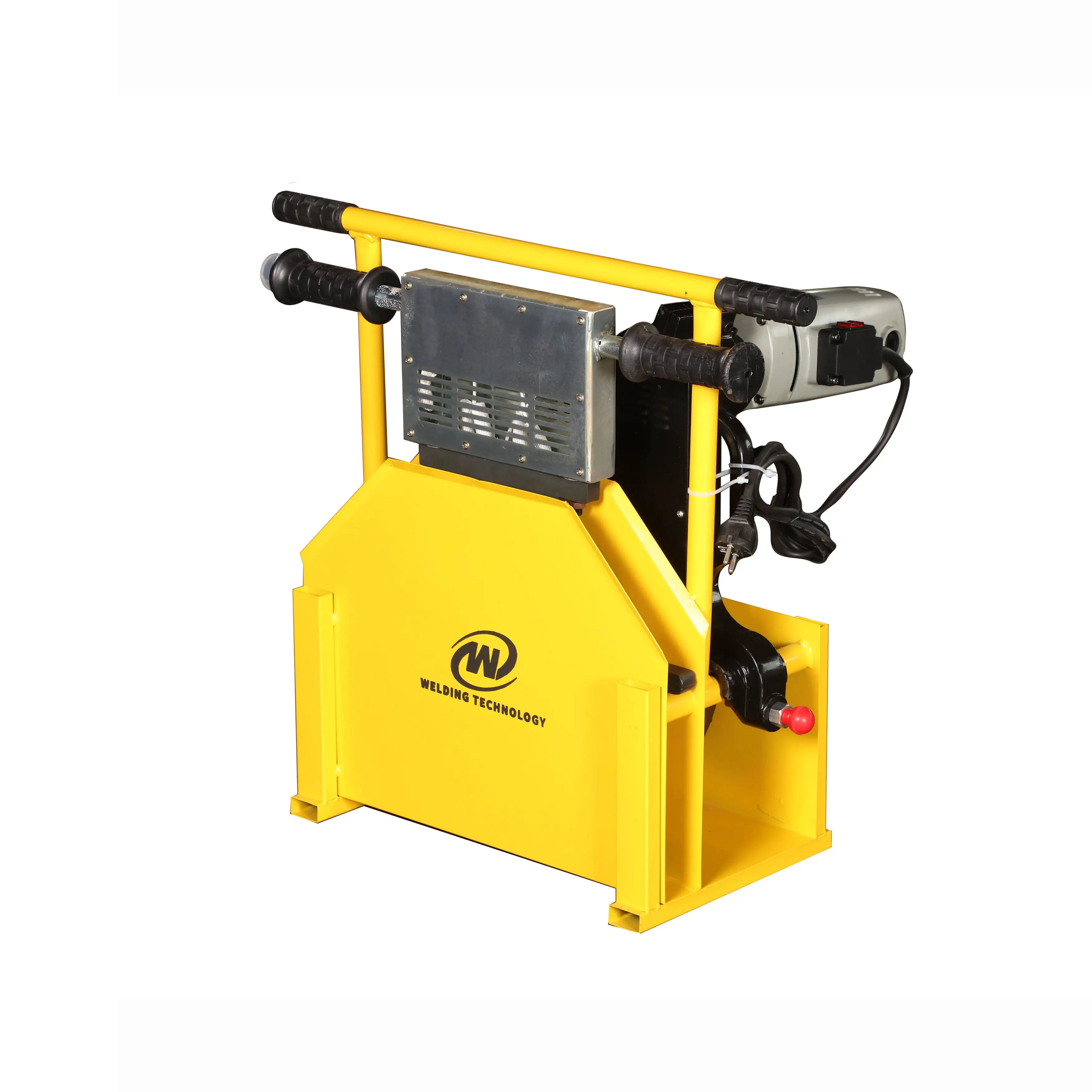
The heating system within an hdpe pipe joining machine represents the critical component that determines joint quality and long-term performance. Modern machines employ precision-engineered heating plates with embedded resistance elements that distribute heat evenly across the entire pipe end surface. This uniform heating ensures consistent material melting without creating hot spots or cold zones that could compromise joint integrity. The temperature control system maintains heating plate surfaces within a narrow range, typically plus or minus two degrees Celsius, preventing overheating that degrades the polymer structure or insufficient heating that produces weak bonds. Digital controllers continuously monitor and adjust power delivery based on real-time temperature feedback from multiple sensors embedded throughout the heating element. This responsive system compensates for environmental factors like ambient temperature, wind conditions, and pipe thermal mass that would otherwise affect heating consistency. The non-stick coating applied to heating plates prevents molten polymer from adhering during the heating phase, ensuring clean separation when pipes move to the joining position. This coating withstands thousands of heating cycles while maintaining its release properties, reducing downtime for plate cleaning and replacement. The heating phase follows a carefully programmed sequence where pipe ends contact the plate surface under light pressure, allowing heat to transfer efficiently while creating a thin molten layer. The machine times this phase precisely based on pipe diameter and wall thickness, parameters entered by the operator or selected from pre-programmed profiles. Visual and audible indicators alert operators when the heating cycle completes, ensuring they remove pipes at the optimal moment when surface melting reaches the ideal depth. Quick heating plate retraction, often accomplished through hydraulic or pneumatic systems, moves the hot element out of the way rapidly, minimizing heat loss before pipes join. This speed proves crucial for maintaining the molten surface condition during the brief transition to the fusion position. The entire heating technology package within an hdpe pipe joining machine transforms a potentially variable manual process into a repeatable, documented procedure that produces certified joints meeting international standards. This reliability gives project managers confidence in system integrity, reduces inspection requirements, and provides documentation for regulatory compliance and warranty claims.
Hydraulic Pressure Systems Deliver Consistent Fusion Results

Hydraulic Pressure Systems Deliver Consistent Fusion Results

The hydraulic pressure system in an hdpe pipe joining machine controls the critical fusion phase where heated pipe ends join under carefully regulated force. This system must apply sufficient pressure to bring molten surfaces into intimate contact while avoiding excessive force that would squeeze out too much material or create internal stresses. Modern machines incorporate proportional hydraulic valves that modulate pressure throughout the fusion cycle, starting with initial contact pressure, transitioning to fusion pressure, and maintaining holding pressure during cooling. The precision of these systems directly impacts joint quality and consistency across production. Pressure sensors provide continuous feedback to the control system, enabling real-time adjustments that compensate for variations in pipe properties, temperature conditions, or operator technique. The machine calculates required pressure based on pipe diameter and wall thickness, applying force perpendicular to the joint interface to ensure uniform contact across the entire fusion area. Digital displays show current pressure values, allowing operators to verify correct settings and document each joint for quality records. The hydraulic power unit, typically consisting of an electric motor, pump, reservoir, and filtration system, provides reliable force generation across the full range of pipe sizes the machine accommodates. Maintenance requirements remain minimal, with scheduled fluid changes and filter replacements keeping the system operating at peak performance for years. Dual-acting hydraulic cylinders enable both joining force application and controlled retraction, allowing operators to separate pipes quickly if conditions require restarting the fusion process. This flexibility prevents wasted materials and time when unexpected issues arise during setup. The pressure holding phase represents a crucial period where the hydraulic system maintains constant force while the joint cools below the polymer crystallization temperature. Releasing pressure prematurely allows molecular chains to separate before solidification completes, creating weak spots that fail under system pressure. The hdpe pipe joining machine automates this holding time based on pipe specifications, preventing operator error that could compromise joint integrity. Safety features within the hydraulic system include pressure relief valves that prevent overload conditions, emergency stop functions that immediately release pressure, and mechanical locks that secure pipe alignment during the fusion cycle. These protections ensure worker safety while maintaining process control.
Portable Design Brings Professional Fusion Welding Anywhere

Portable Design Brings Professional Fusion Welding Anywhere

The portability of modern hdpe pipe joining machines revolutionizes pipeline installation by bringing factory-quality welding capabilities directly to job sites, regardless of location or accessibility challenges. Equipment manufacturers design these machines with field deployment as a primary consideration, incorporating features that facilitate transportation, setup, and operation in diverse environments. Compact dimensions and modular construction allow machines to fit through standard doorways, navigate narrow trenches, and position close to work areas without requiring extensive site preparation. Weight distribution and integrated lifting points enable safe handling with standard construction equipment like forklifts, cranes, or even manual carrying for smaller units serving residential applications. Rugged construction protects sensitive components during transportation over rough terrain, while sealed enclosures shield electronics and hydraulic systems from dust, moisture, and debris common in construction environments. The power flexibility of portable hdpe pipe joining machines accommodates various site conditions, with models operating on standard electrical supplies, generators, or even battery power for locations without grid access. This adaptability eliminates delays waiting for permanent power installation and allows work to progress in remote areas where infrastructure remains incomplete. Quick setup procedures get machines operational within minutes of arrival, with intuitive controls and clearly marked adjustment points helping operators configure equipment for specific pipe sizes and material specifications. Leveling systems, either manual or automatic, ensure proper machine alignment on uneven ground, maintaining the precision geometry required for quality joints. The working envelope of portable machines provides sufficient clearance for pipe manipulation while maintaining a compact footprint that fits constrained work spaces. Operators can position equipment along existing pipelines, inside buildings, or in excavated trenches without requiring large staging areas. Onboard storage compartments secure essential tools, spare parts, and documentation, keeping everything operators need immediately accessible and preventing work interruptions searching for misplaced items. Weather protection options, including canopies and enclosures, allow continuous operation through rain, sun, or wind that would halt other joining methods. This capability maintains project schedules despite unpredictable conditions. The mobility and self-contained nature of portable hdpe pipe joining machines transform them from stationary shop tools into versatile field equipment that goes wherever pipeline work demands, whether that means urban utility corridors, agricultural fields, industrial plants, or remote mining operations across challenging terrain and extreme climates.


Get a Free Quote

Our representative will contact you soon.
E-mail
Name
Mobile/WhatsApp
Company Name
Message
0/1000