HDPE Fusion Welding Equipment: Professional Solutions for Seamless Pipe Connections

Get a Free Quote

Our representative will contact you soon.
E-mail
Name
Mobile/WhatsApp
Company Name
Message
0/1000

hdpe fusion welding equipment

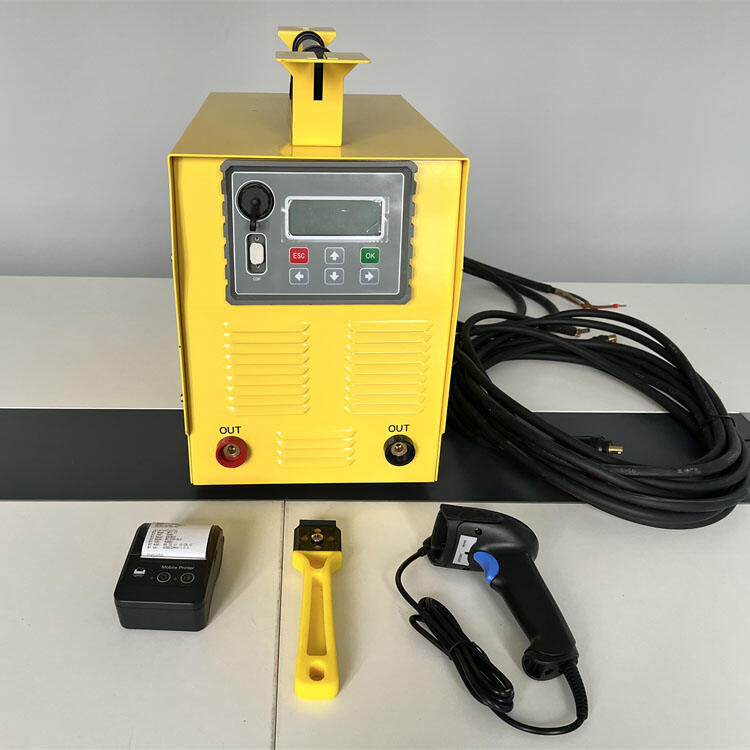
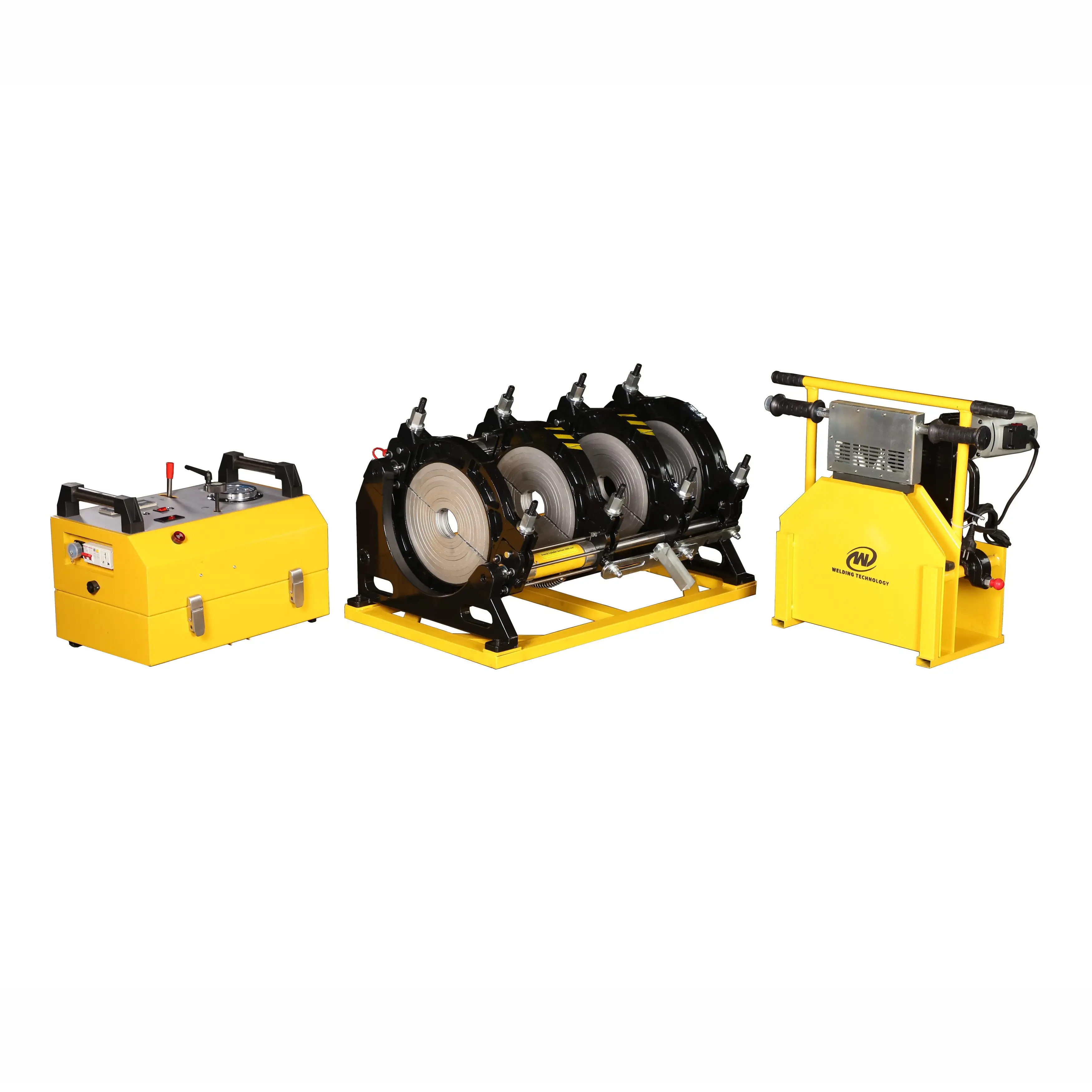
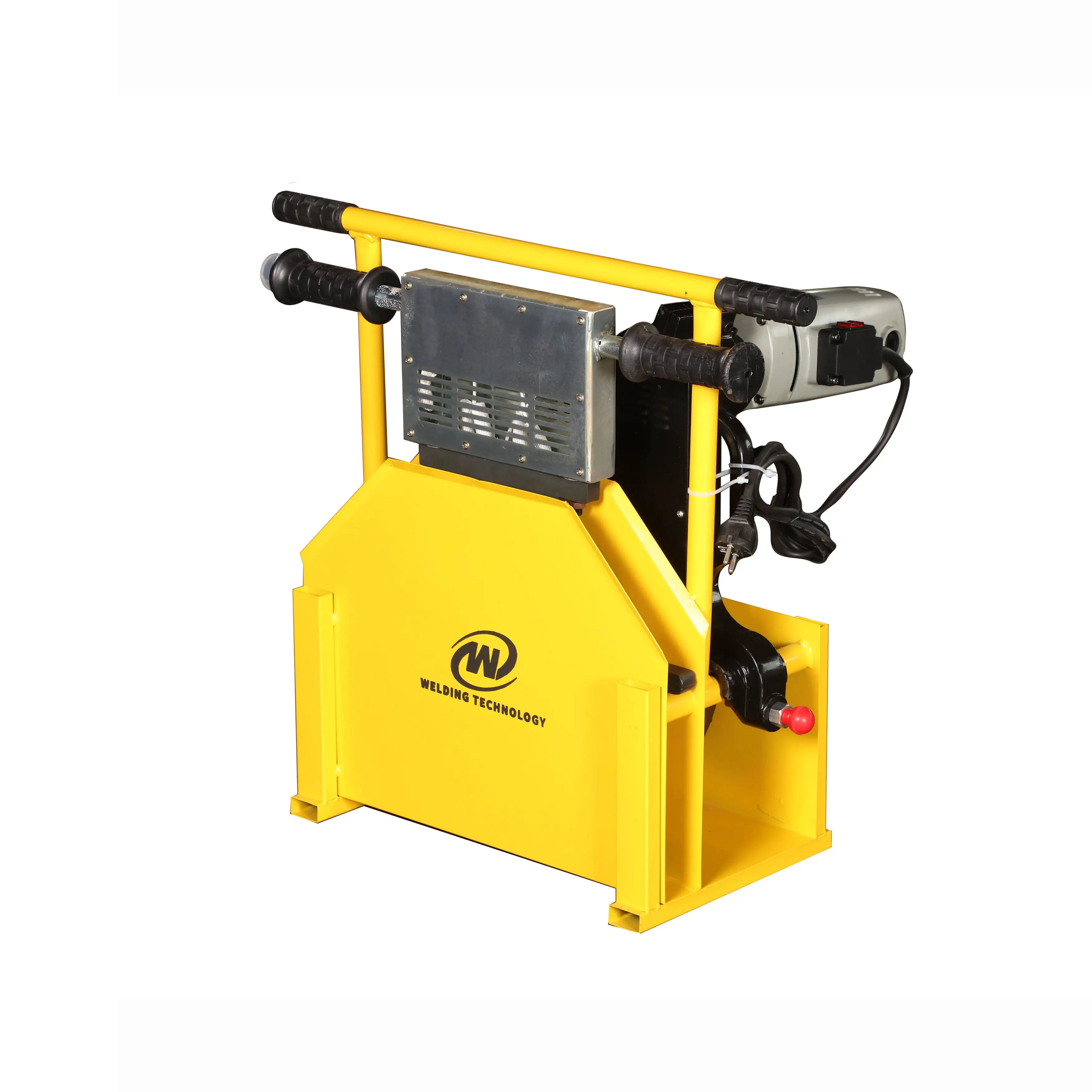
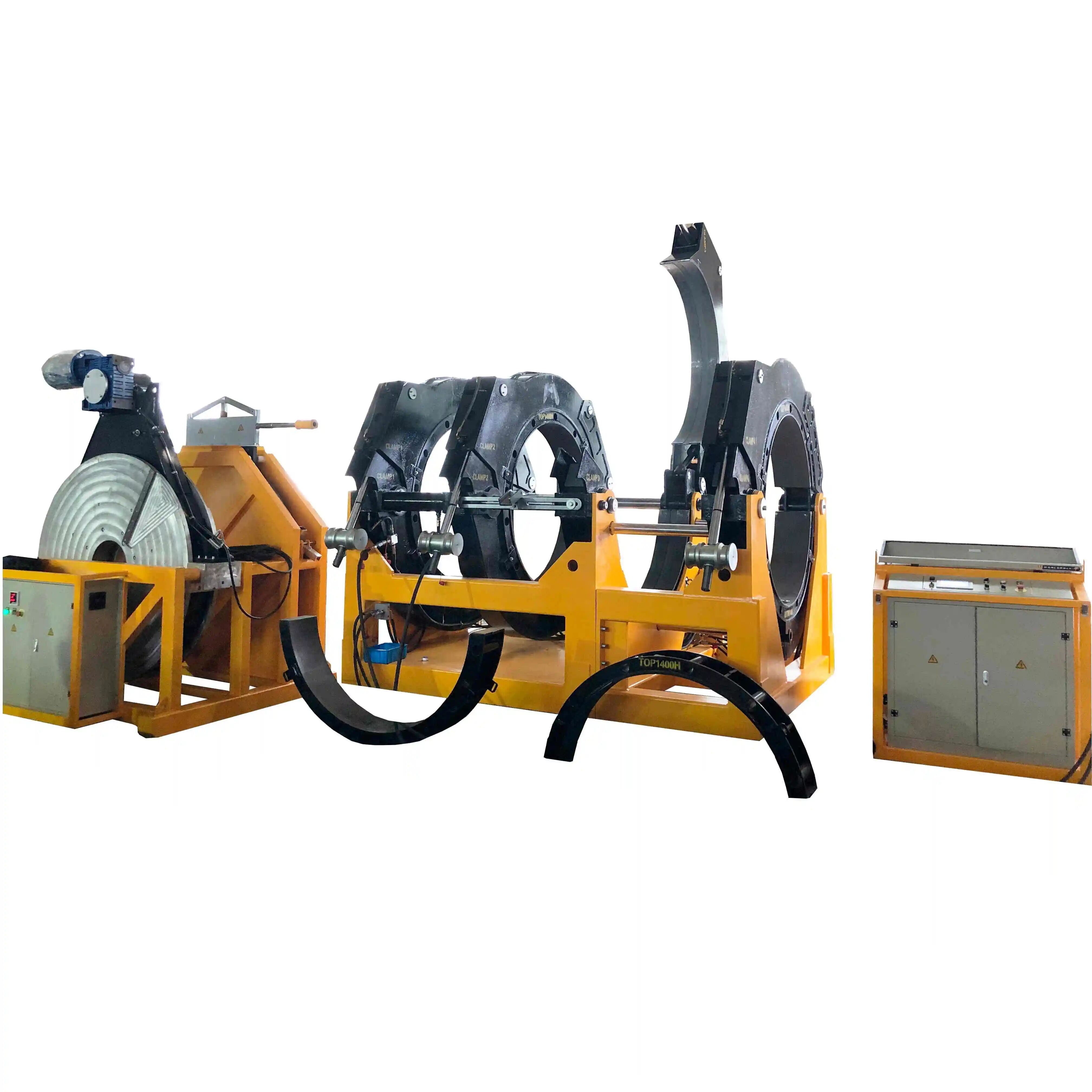
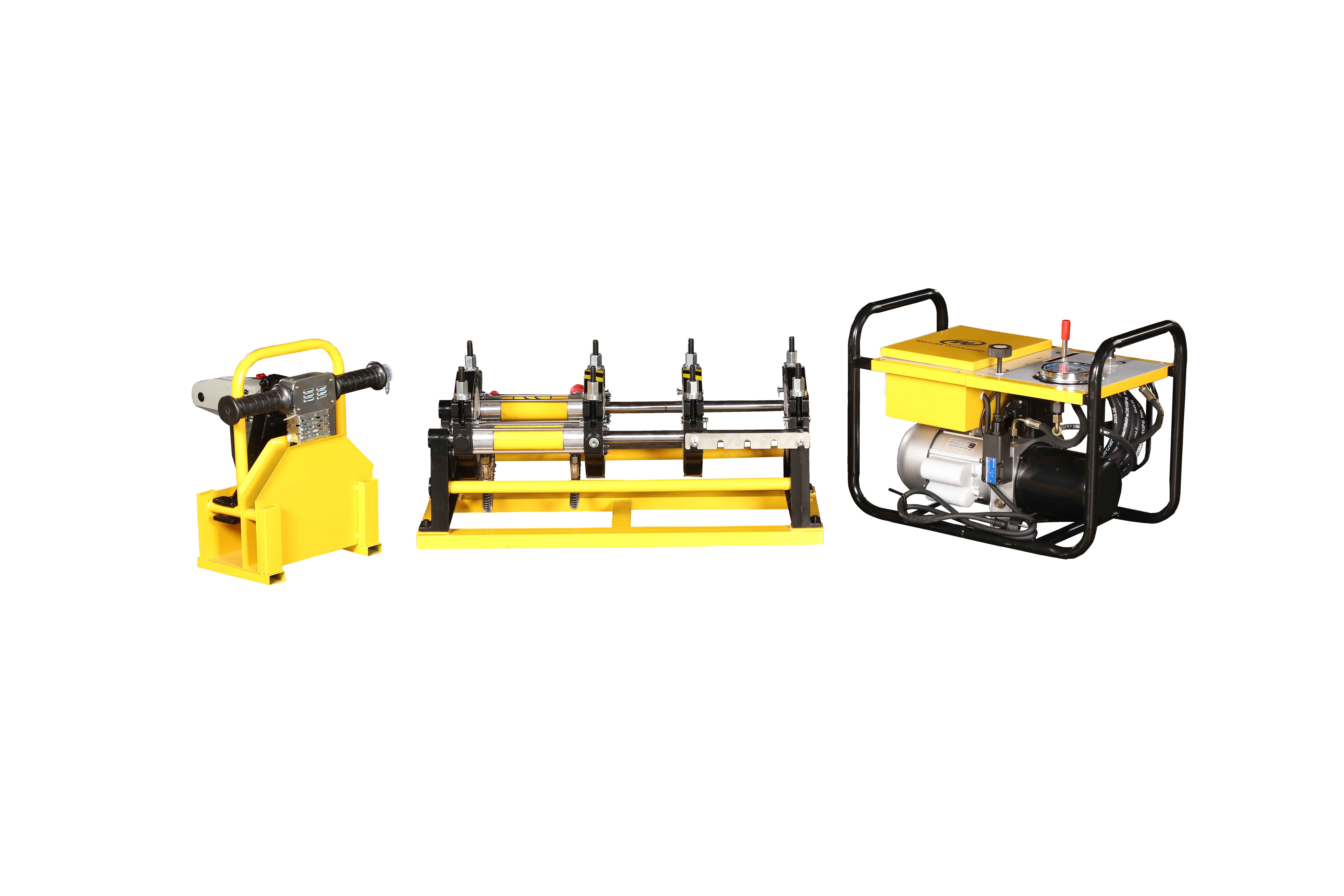
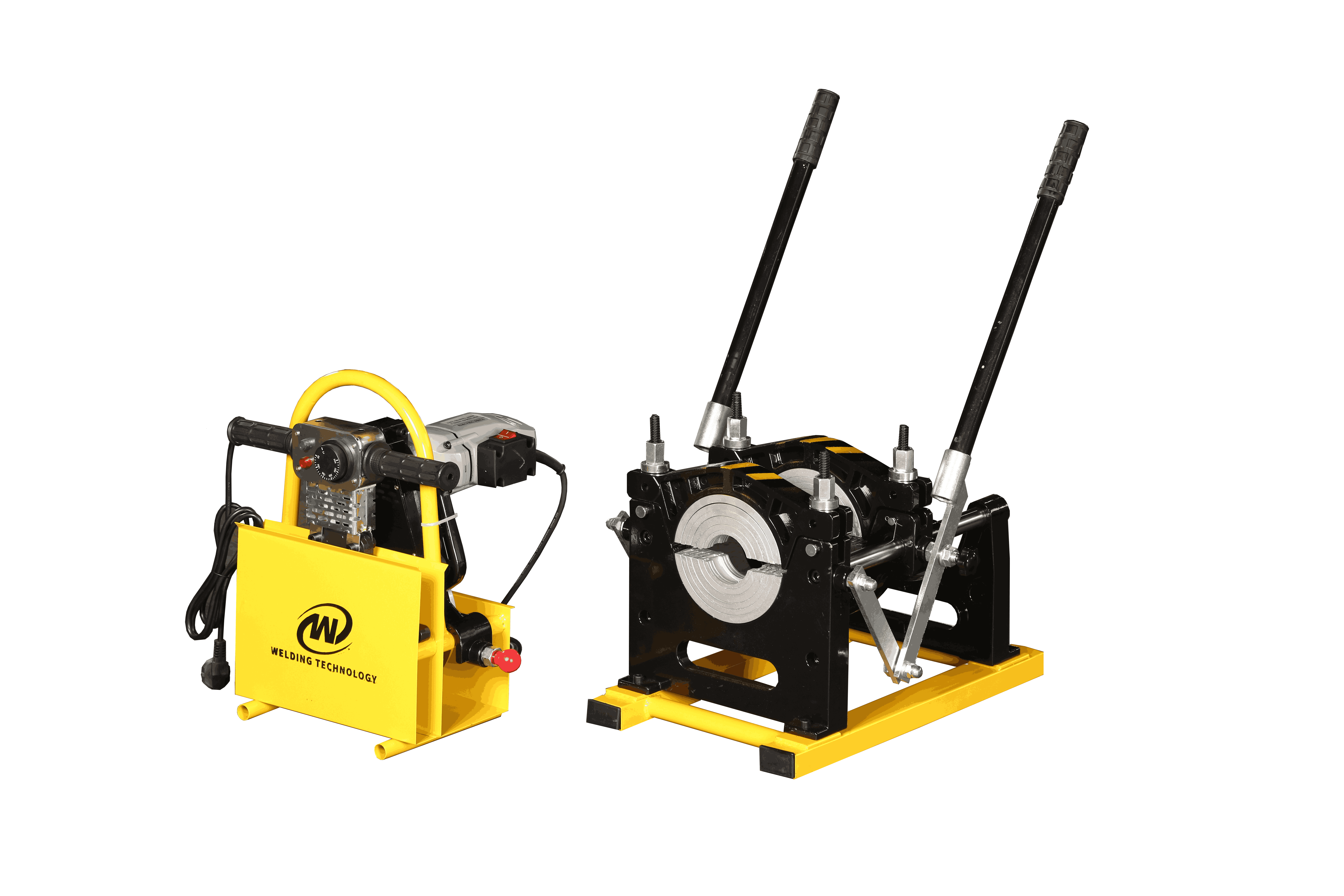
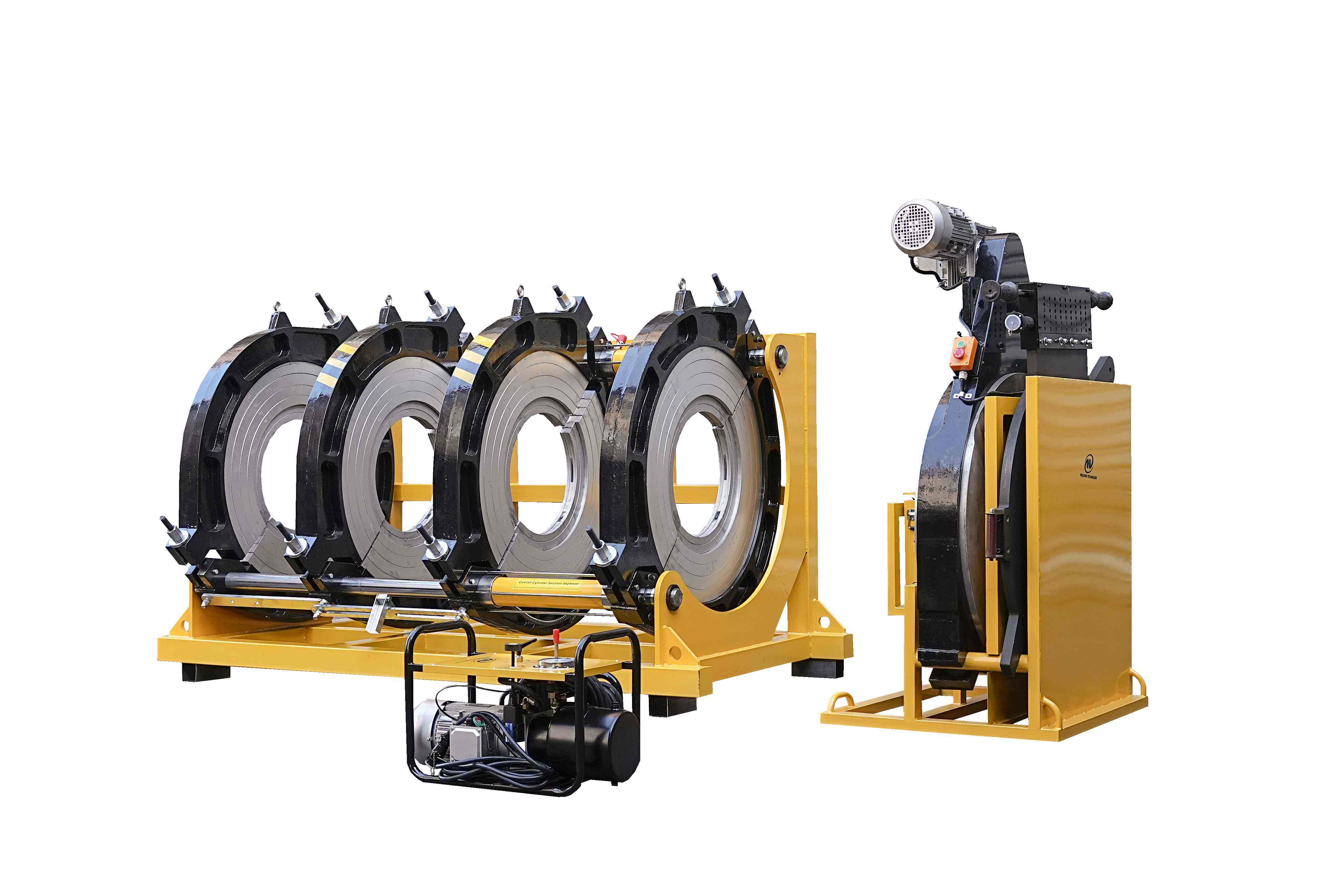
HDPE fusion welding equipment represents a specialized category of machinery designed to join high-density polyethylene pipes and fittings through controlled heat application. This technology creates permanent, leak-proof connections that match or exceed the strength of the parent pipe material. The equipment operates by heating the pipe ends to their melting point, then pressing them together under precise pressure to form a homogeneous bond. Modern hdpe fusion welding equipment incorporates digital controls, automated heating cycles, and pressure monitoring systems that ensure consistent weld quality across diverse field conditions. The main functions include butt fusion welding for straight pipe connections, electrofusion for branch connections and repairs, socket fusion for smaller diameter applications, and saddle fusion for creating outlet connections on existing pipelines. These machines range from compact manual units suitable for pipes under two inches to large hydraulic systems capable of welding pipes exceeding 63 inches in diameter. The technological features of hdpe fusion welding equipment include microprocessor-controlled heating elements that maintain uniform temperature distribution, hydraulic or mechanical clamping systems that align pipe ends with precision, and data logging capabilities that document critical welding parameters for quality assurance purposes. Advanced models feature automated drag pressure measurement, which eliminates human error in determining proper heating time, and GPS integration for tracking weld locations in extensive pipeline networks. The equipment accommodates various HDPE grades and pipe specifications, making it versatile across water distribution, gas transmission, mining slurry transport, and industrial process piping applications. Safety features include emergency stop mechanisms, overheat protection, and ergonomic designs that reduce operator fatigue during extended welding operations. The fusion welding process itself produces joints with zero leakage potential when properly executed, eliminating the need for additional sealing materials or mechanical fasteners that could compromise system integrity over time.

Popular Products

The primary advantage of hdpe fusion welding equipment lies in its ability to create seamless connections that eliminate potential leak points throughout a piping system. Unlike mechanical joining methods that rely on gaskets, O-rings, or threaded connections that can deteriorate over time, fusion welds form a molecular bond between pipe sections that performs identically to the original pipe material. This characteristic proves especially valuable in applications where system integrity is critical, such as potable water distribution, where contamination risks must be minimized, or natural gas transmission, where even minor leaks present safety hazards. The economic benefits extend beyond initial installation costs. Systems joined with fusion welding require minimal ongoing maintenance compared to mechanically coupled alternatives. Property owners and utility managers avoid the recurring expenses associated with replacing worn gaskets, tightening loose connections, or addressing corrosion at joint interfaces. The equipment itself delivers long-term value through durable construction and straightforward maintenance requirements. Operators can service heating elements, replace hydraulic seals, and update control systems without replacing entire machines, extending useful equipment life beyond twenty years in many applications. Operational efficiency represents another significant benefit. Modern hdpe fusion welding equipment reduces the time required to complete joints while improving consistency. Automated systems guide operators through each welding phase, minimizing the skill variation that affects manual welding quality. Digital controls maintain optimal heating temperatures regardless of ambient conditions, ensuring reliable results in extreme cold or heat. This consistency translates to fewer rejected welds, reduced material waste, and faster project completion timelines. The versatility of fusion welding equipment accommodates diverse project scales. Contractors can use the same basic technology for small residential service connections and large-diameter transmission mains, simply selecting equipment sized appropriately for each application. This adaptability reduces the equipment inventory required to serve varied customer needs. Environmental advantages also merit consideration. The fusion welding process generates no hazardous fumes, requires no consumable joining materials like solvents or adhesives, and produces minimal waste. Welding operations can proceed in environmentally sensitive areas without special containment measures. The permanent nature of fusion joints prevents groundwater contamination from pipeline leaks, protecting aquatic ecosystems and drinking water sources. Finally, fusion welded HDPE systems demonstrate exceptional resistance to ground movement, seismic activity, and freeze-thaw cycles. The flexible nature of polyethylene combined with homogeneous fusion joints allows pipelines to absorb stress without failure, reducing emergency repairs and service interruptions that inconvenience customers and damage public infrastructure reputation.

Tips And Tricks

Why Is a Plastic Band Cutting Saw Important in Manufacturing?

20

Apr

Why Is a Plastic Band Cutting Saw Important in Manufacturing?

Modern manufacturing environments demand precision, efficiency, and reliability in every step of the production process, particularly when working with thermoplastic materials used in infrastructure, industrial piping, and specialized fabrication app...
View More
What Is an HDPE Thermofusion Machine and How Does It Work?

10

Apr

What Is an HDPE Thermofusion Machine and How Does It Work?

High-density polyethylene (HDPE) piping systems have become the backbone of modern infrastructure projects, from municipal water distribution networks to industrial chemical transport lines. At the heart of creating reliable, leak-free HDPE pipe conn...
View More
Why Do Engineers Choose an HDPE Thermofusion Machine for Projects?

06

Apr

Why Do Engineers Choose an HDPE Thermofusion Machine for Projects?

Engineers working on pipeline infrastructure projects face critical decisions that affect long-term performance, project budgets, and operational reliability. Among the most consequential choices is the selection of joining equipment for high-density...
View More
How Can a Plastic Sheet Butt Welding Machine Ensure Strong Seams?

05

May

How Can a Plastic Sheet Butt Welding Machine Ensure Strong Seams?

The strength and integrity of welded plastic seams directly impact the performance, durability, and safety of countless industrial applications, from geomembranes in environmental containment to large-scale tank fabrication. Achieving consistently st...
View More

Get a Free Quote

Our representative will contact you soon.
E-mail
Name
Mobile/WhatsApp
Company Name
Message
0/1000

hdpe fusion welding equipment

Precision Control Systems Ensure Consistent Joint Quality

Precision Control Systems Ensure Consistent Joint Quality

Modern hdpe fusion welding equipment incorporates sophisticated control systems that remove guesswork from the welding process and deliver uniform results regardless of operator experience level. These systems monitor and regulate multiple parameters simultaneously, including heating plate temperature, interface pressure, heating duration, cooling time, and fusion pressure. Microprocessor-based controllers maintain heating elements within narrow temperature ranges, typically plus or minus five degrees Fahrenheit, ensuring that pipe ends reach the optimal fusion temperature without overheating that could degrade material properties or underheating that produces weak bonds. The automated sequencing built into advanced equipment guides operators through each welding phase with visual and audible prompts. Displays indicate when to insert the heating plate, when sufficient heating has occurred, when to remove the plate and join pipe ends, and when adequate cooling has completed. This systematic approach eliminates timing errors that compromise joint integrity. Data logging capabilities embedded in premium hdpe fusion welding equipment provide documentation that proves invaluable for quality assurance and regulatory compliance. The systems record complete welding parameters for each joint, creating permanent records that identify when and where welds occurred, which operator performed the work, and whether all parameters fell within acceptable ranges. This traceability proves essential for municipal water systems, gas utilities, and industrial facilities that must demonstrate compliance with industry standards and government regulations. Inspectors can review electronic records rather than relying solely on visual examination or destructive testing of sample joints. The precision control systems also adapt to varying pipe materials and dimensions. Operators input pipe diameter, wall thickness, and material grade, and the equipment automatically calculates appropriate heating times, pressures, and cooling periods based on established fusion procedures. This intelligence prevents the application of incorrect parameters that could result from manual calculation errors or outdated reference charts. The consistency achieved through precision controls reduces the variability that plagued earlier manual welding methods, where joint quality depended heavily on individual operator skill and judgment. Projects benefit from predictable scheduling since automated systems complete welds in defined timeframes without the delays caused by operator uncertainty or repeated attempts to achieve acceptable results.
Hydraulic Alignment Systems Guarantee Proper Pipe Positioning

Hydraulic Alignment Systems Guarantee Proper Pipe Positioning

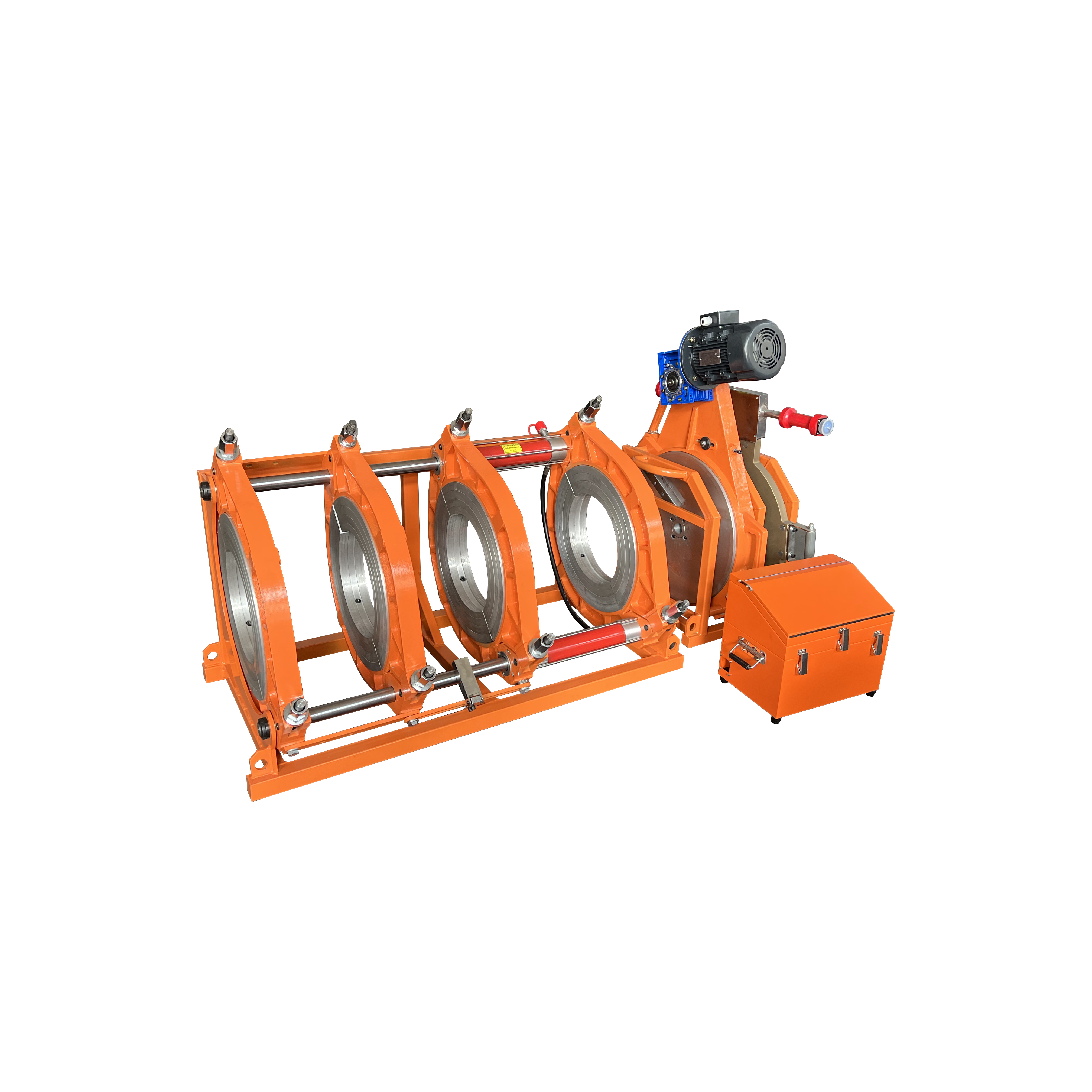
The hydraulic alignment systems integrated into professional-grade hdpe fusion welding equipment play a crucial role in producing structurally sound joints by ensuring perfect coaxial alignment between pipe sections throughout the welding process. These systems employ precision machined carriages, hydraulic cylinders, and mechanical clamps that grip pipe circumferences firmly while maintaining exact centerline alignment. Proper alignment prevents the formation of weld defects such as cold welds, where incomplete contact between pipe faces results in weak zones, or excessive bead rollout, where molten material extrudes unevenly around the joint circumference. The hydraulic components provide controlled force application that human operators cannot replicate manually. During the heating phase, the system maintains light contact pressure between pipe ends and the heating plate, ensuring uniform heat transfer across the entire pipe face without gaps that create cold spots. When the heating cycle completes and operators remove the plate, hydraulic actuators drive the pipe ends together with precise force calibrated to the pipe size and material specification. This fusion pressure, maintained throughout the cooling period, allows molecular chains in the molten polyethylene to intermingle and form the homogeneous bond that gives fusion joints their strength. Advanced hydraulic systems incorporate pressure sensors and flow controls that provide real-time feedback to the equipment controller. If alignment shifts during welding due to ground settlement or pipe springback, the system detects the deviation and alerts the operator before proceeding. This immediate feedback prevents the completion of defective welds that would require cutting out and remaking, wasting materials and labor time. The mechanical advantage offered by hydraulic systems enables operators to weld large diameter pipes that would be physically impossible to manipulate manually. Pipes exceeding 24 inches in diameter weigh hundreds of pounds per linear foot, and moving them into precise alignment while maintaining position during heating and cooling demands mechanical assistance. The hdpe fusion welding equipment handles these forces effortlessly, allowing small crews to complete work that would otherwise require heavy lifting equipment and additional personnel. Portability represents another benefit of modern hydraulic designs. Manufacturers engineer equipment with balanced weight distribution and integrated lifting points that facilitate transportation to remote job sites. Self-contained hydraulic systems eliminate dependencies on external power sources beyond the electrical supply for heating elements and controls. This independence proves valuable in pipeline construction across undeveloped terrain where support infrastructure is limited.
Versatile Configurations Address Diverse Application Requirements

Versatile Configurations Address Diverse Application Requirements

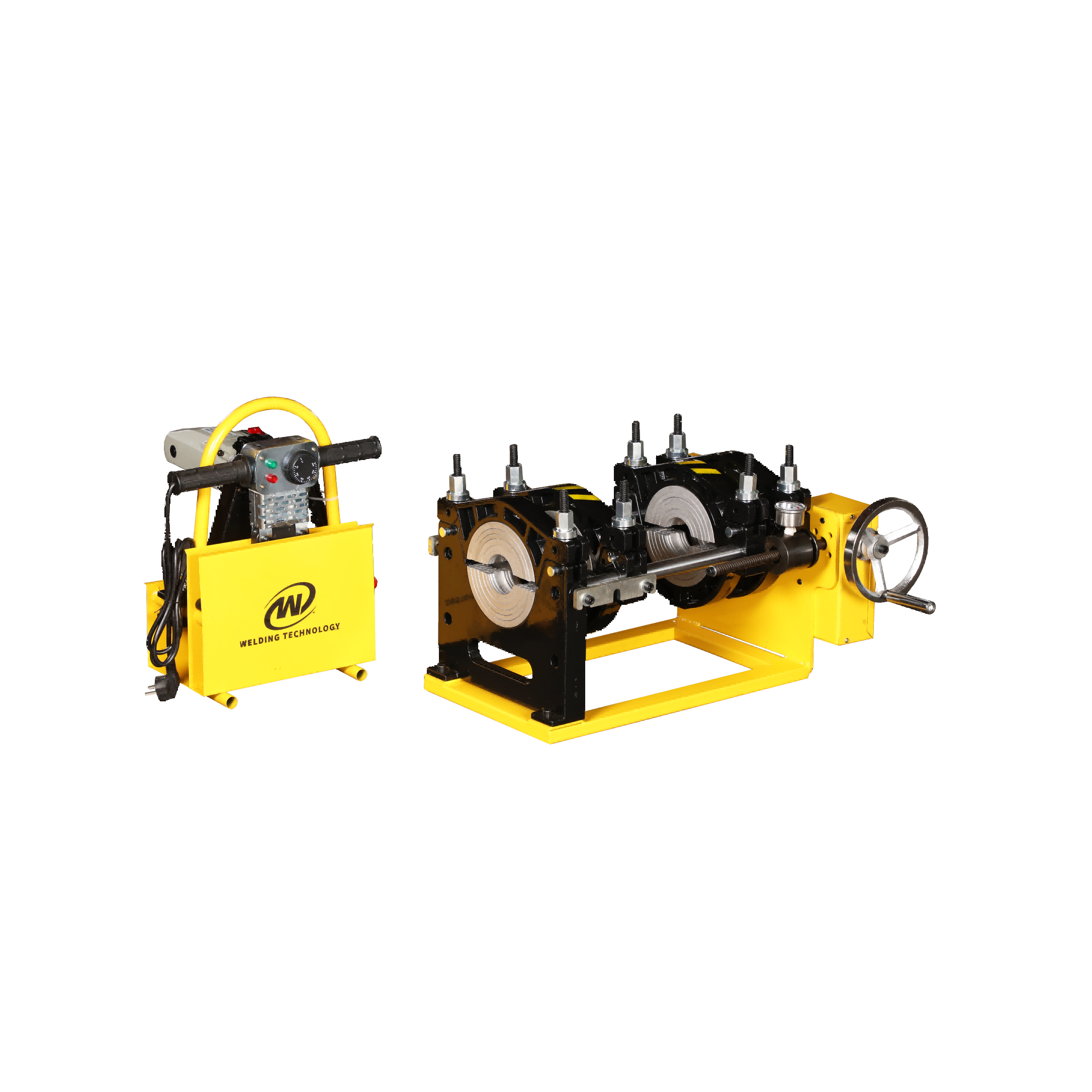
The range of configurations available in hdpe fusion welding equipment allows contractors, utilities, and industrial facilities to select solutions precisely matched to their operational needs and project characteristics. Equipment manufacturers offer manual, semi-automatic, and fully automatic systems spanning capacity ranges from small diameter service connections to large diameter transmission mains. This versatility ensures that organizations invest in appropriately scaled equipment rather than oversized machinery that consumes unnecessary capital or undersized units that limit project capabilities. Manual hdpe fusion welding equipment serves applications involving smaller pipe diameters, typically from one-half inch through six inches, where portability and simplicity take precedence over automation. These compact units feature mechanical screws or manual hydraulic pumps for generating clamping and fusion pressure, making them ideal for service connections, residential installations, and repair work in confined spaces. Technicians can transport manual equipment in standard vehicles and carry components to work locations inaccessible to larger machinery. Despite their basic operation, quality manual units still provide heating plate temperature controls and guidance on proper fusion procedures. Semi-automatic equipment bridges the gap between manual simplicity and full automation, incorporating hydraulic systems for alignment and pressure control while retaining operator involvement in process timing and sequencing decisions. These mid-range systems handle pipe diameters from two inches through 24 inches efficiently, making them popular choices for contractors working on varied projects that span residential developments, commercial properties, and small municipal systems. The semi-automatic configuration balances equipment cost, operational flexibility, and weld quality consistency. Fully automatic hdpe fusion welding equipment represents the pinnacle of fusion technology, integrating computerized controls, hydraulic positioning, automated drag pressure measurement, and complete data logging into self-contained systems capable of welding pipes from four inches through 63 inches or larger. These sophisticated machines dominate large-scale pipeline construction where weld volume, quality documentation, and schedule adherence determine project success. The automation reduces crew size requirements and accelerates welding cycles while maintaining the highest quality standards. Specialized configurations address unique application challenges. Socket fusion equipment creates connections for smaller branch lines and fittings using heated mandrels rather than butt fusion heating plates. Electrofusion equipment applies electrical current through resistance wires embedded in special fittings to generate localized heating for repairs and branches on existing pipelines. Saddle fusion machines create outlet connections on pressurized mains without service interruption. This specialization within the hdpe fusion welding equipment category ensures that appropriate solutions exist for virtually any polyethylene piping challenge, from new construction to system expansion and emergency repairs.


Get a Free Quote

Our representative will contact you soon.
E-mail
Name
Mobile/WhatsApp
Company Name
Message
0/1000