Hydraulic Pressure System for Consistent Force Application
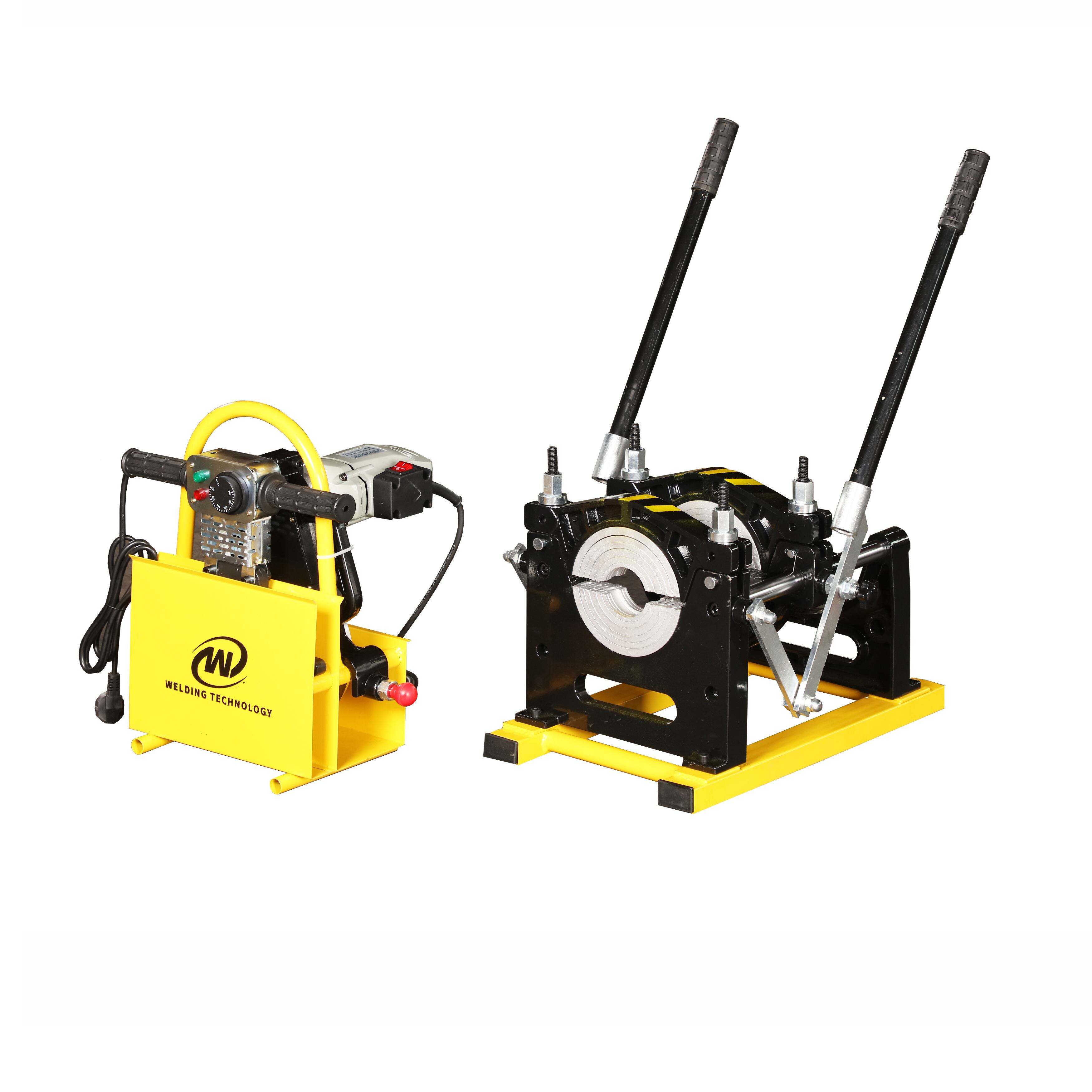
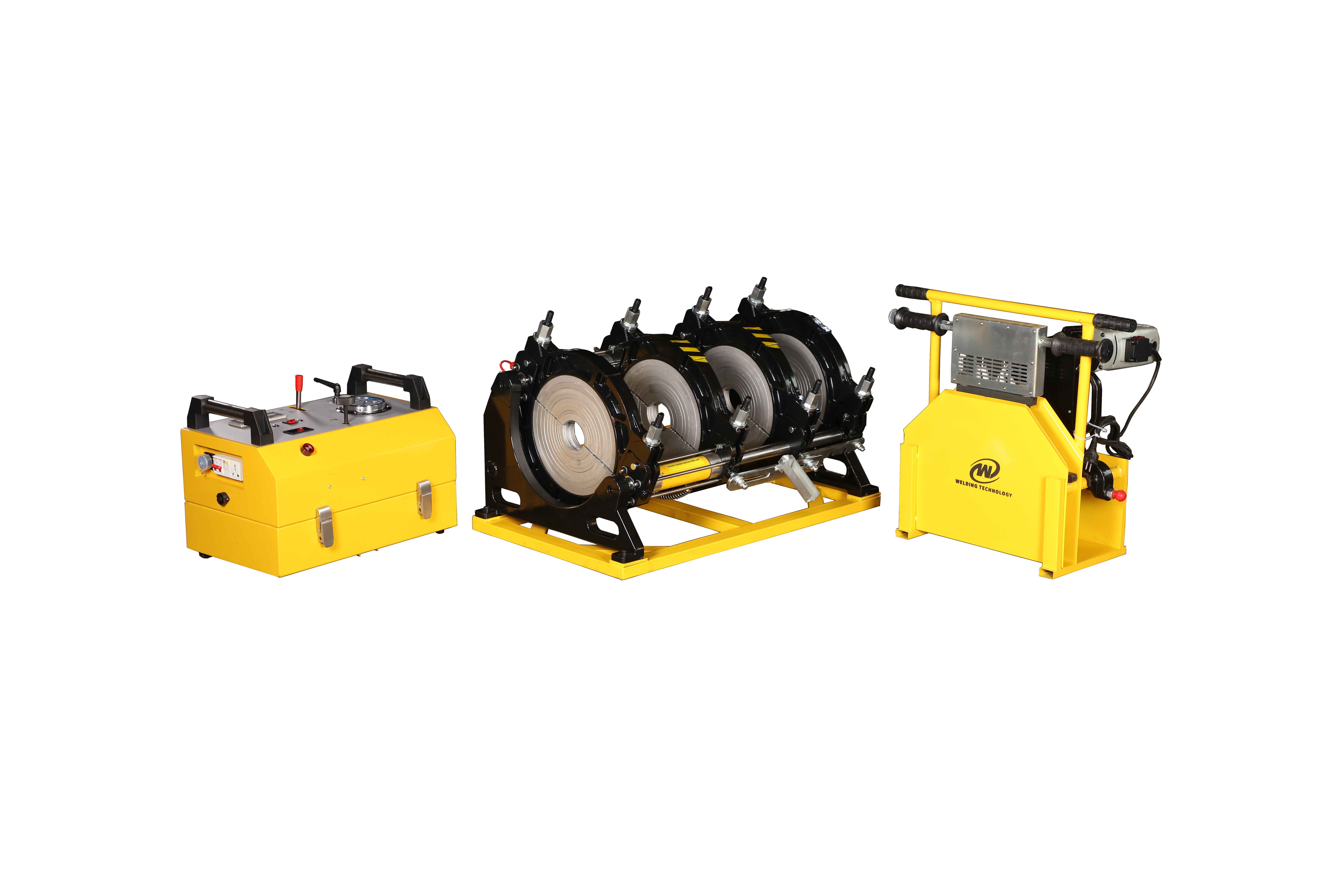
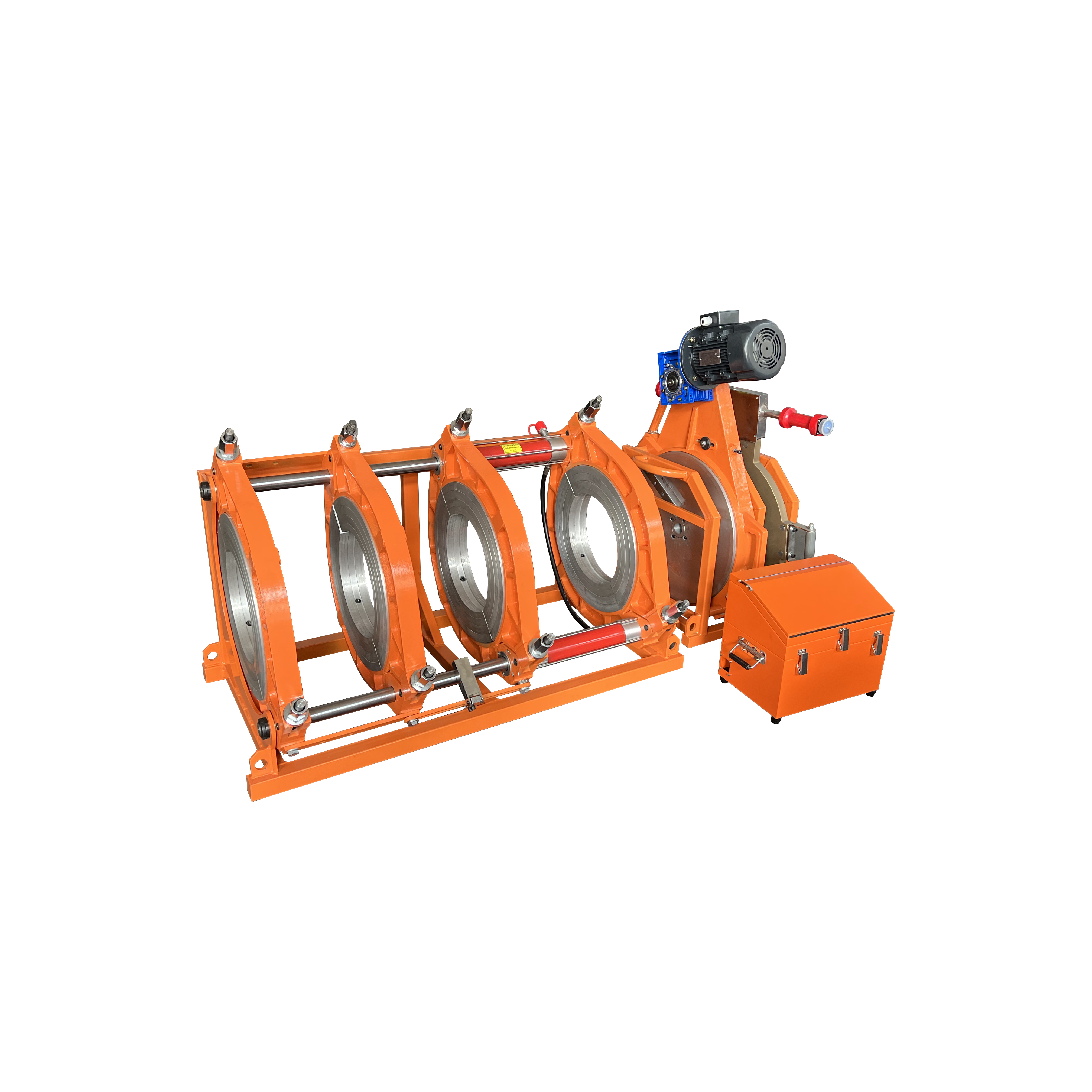
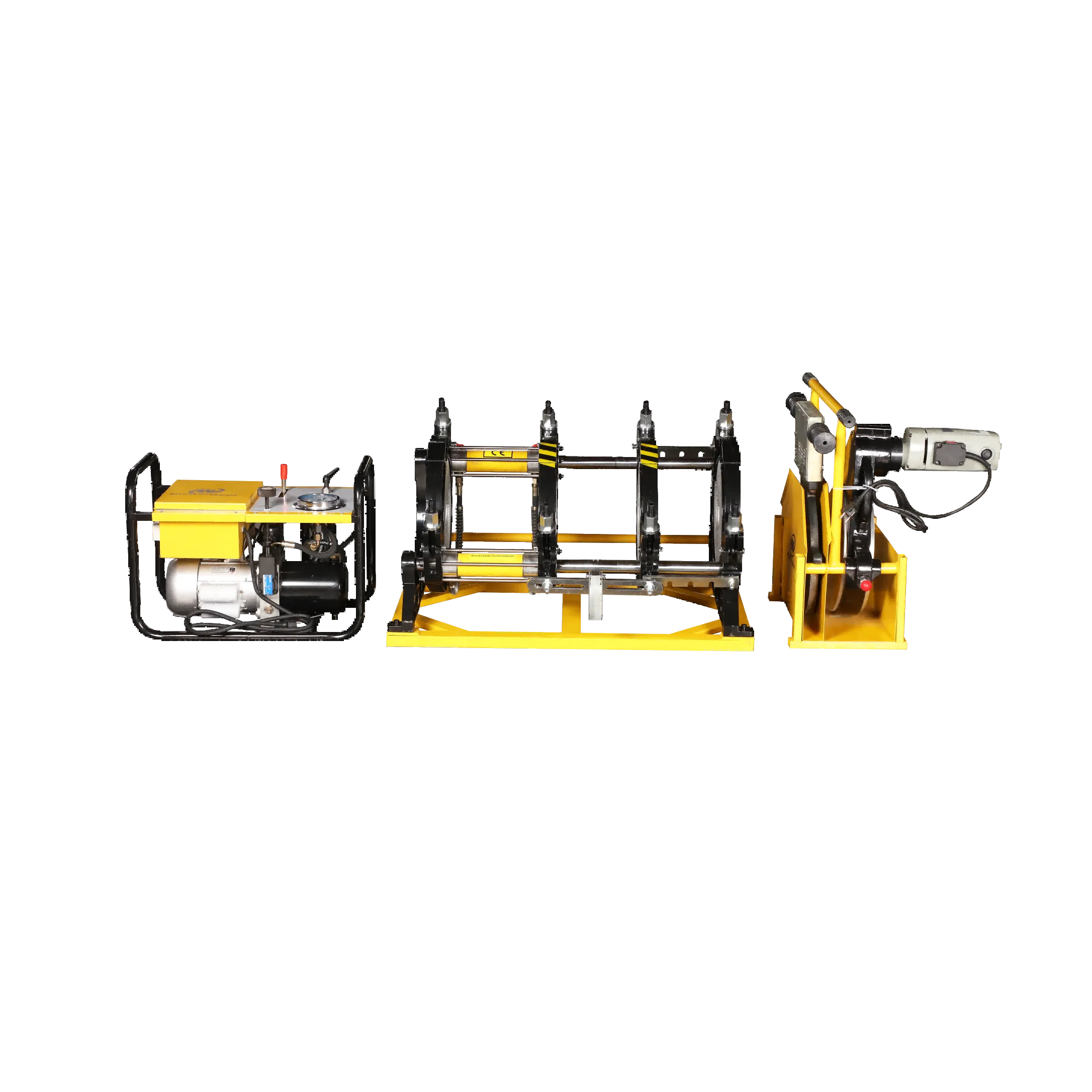
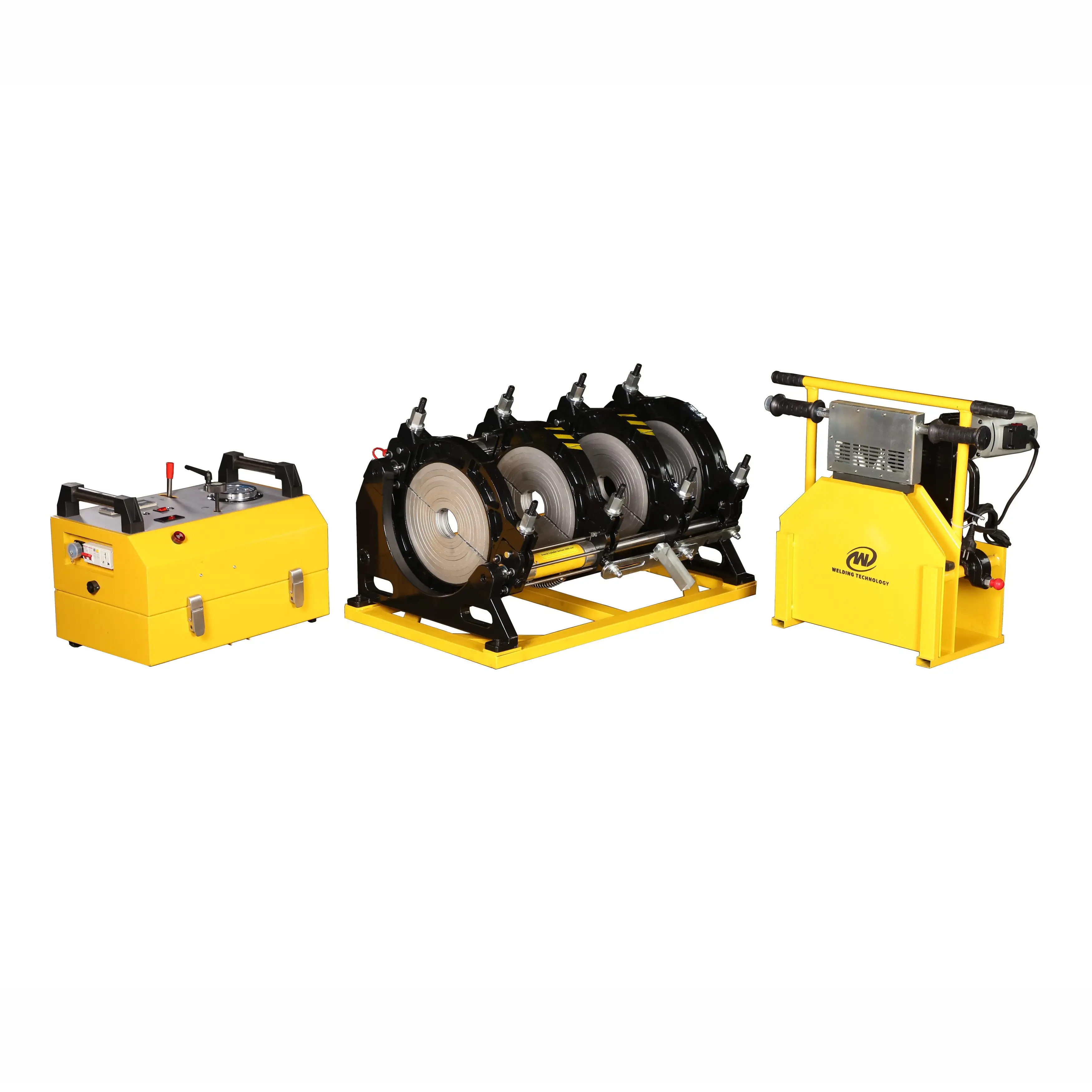
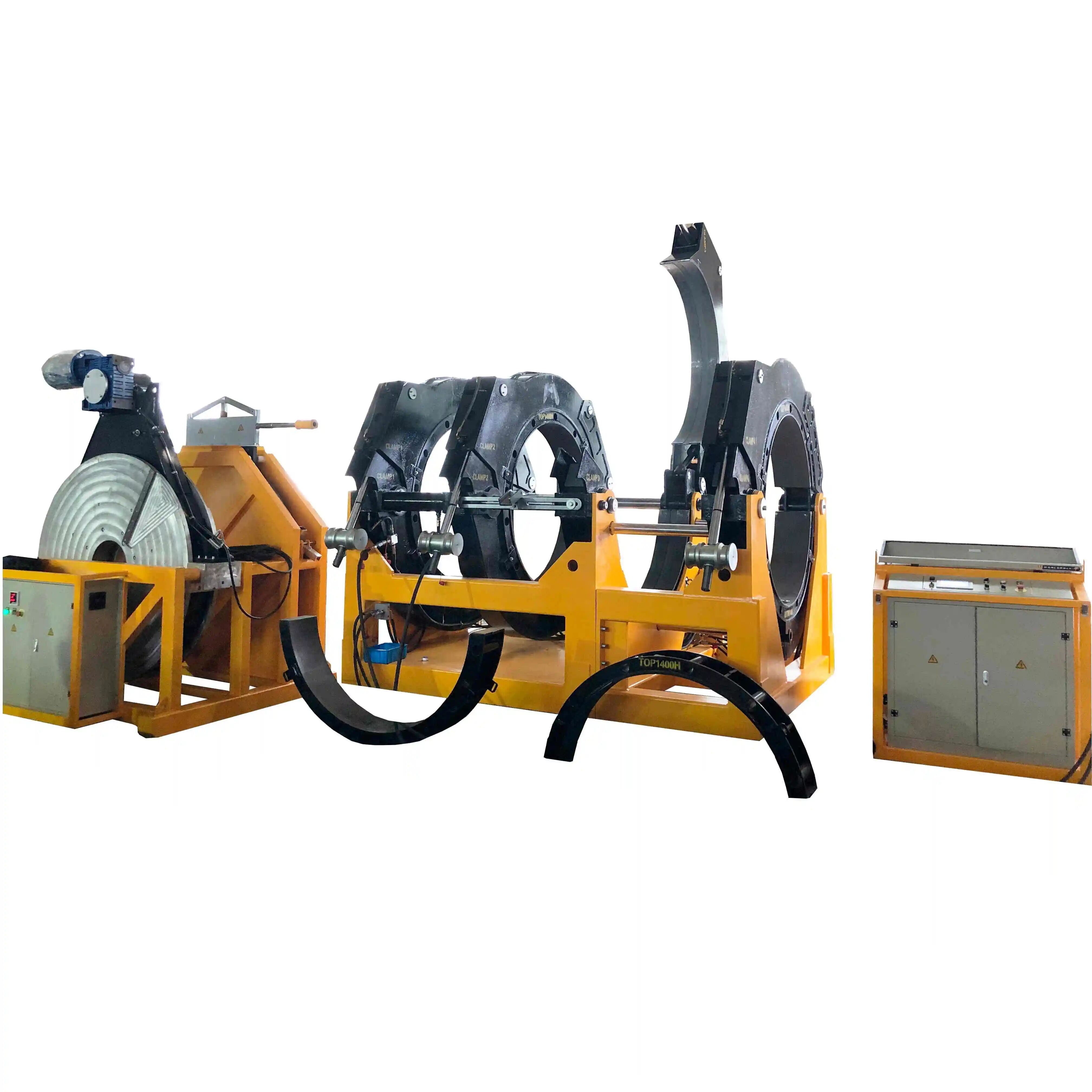
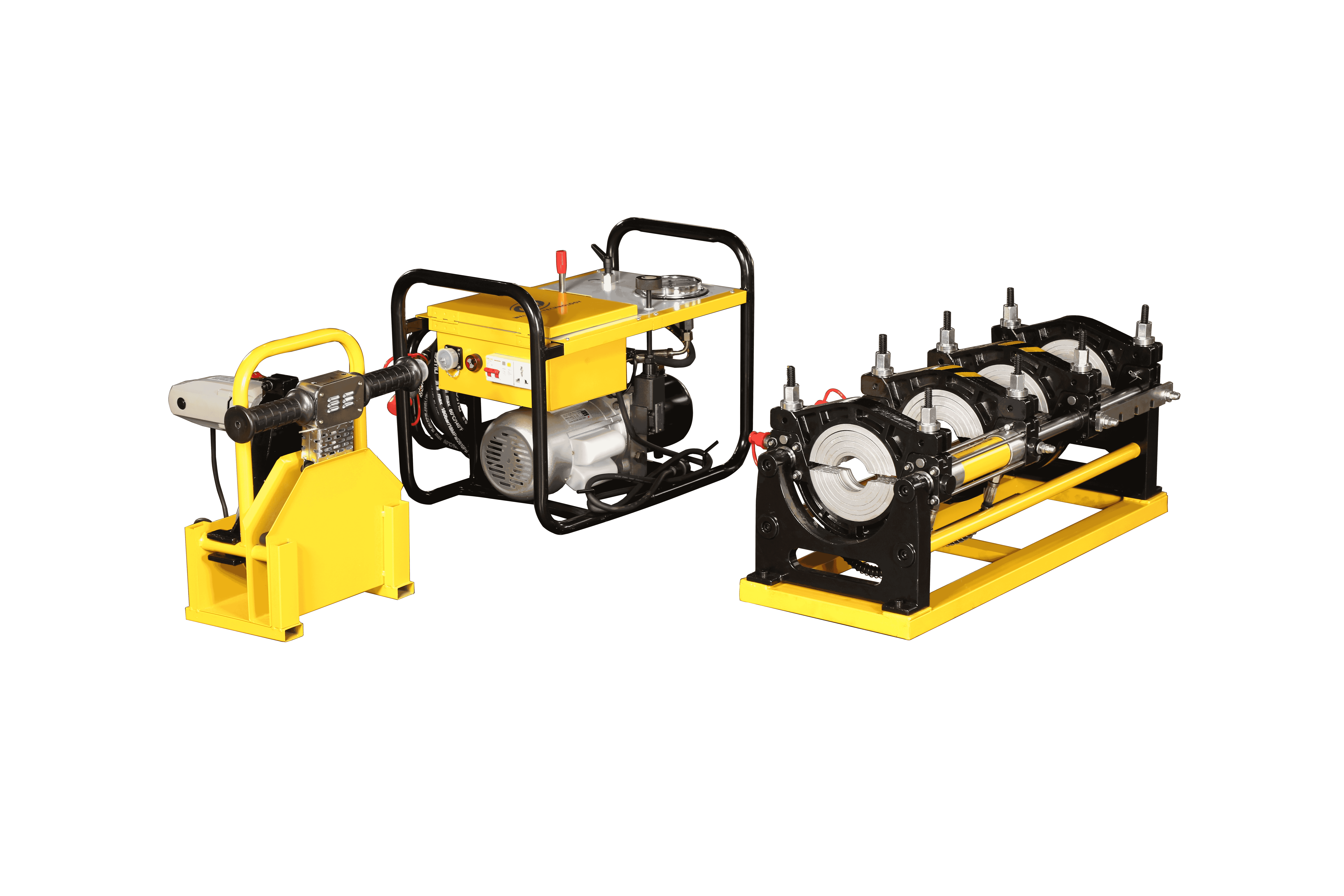
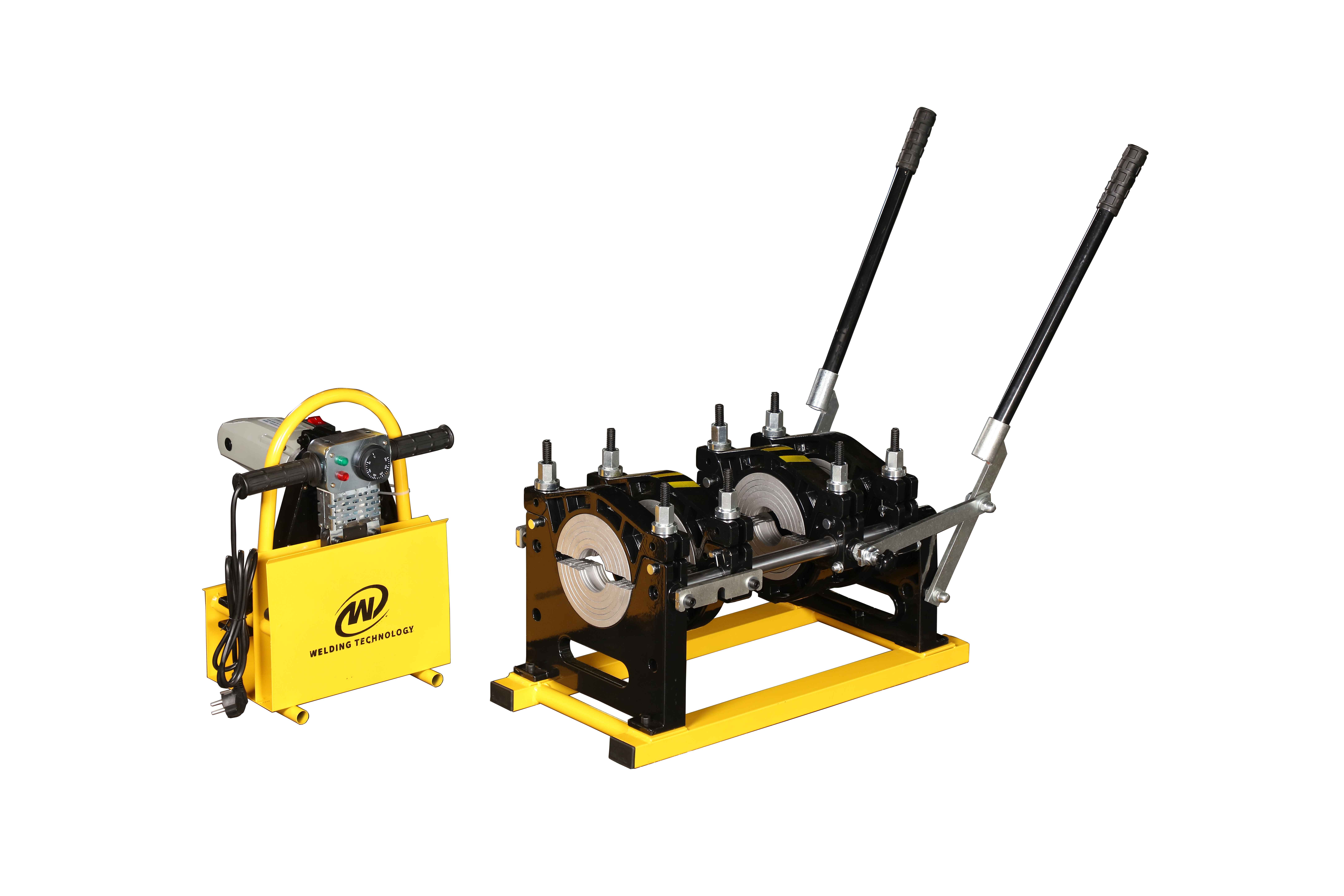
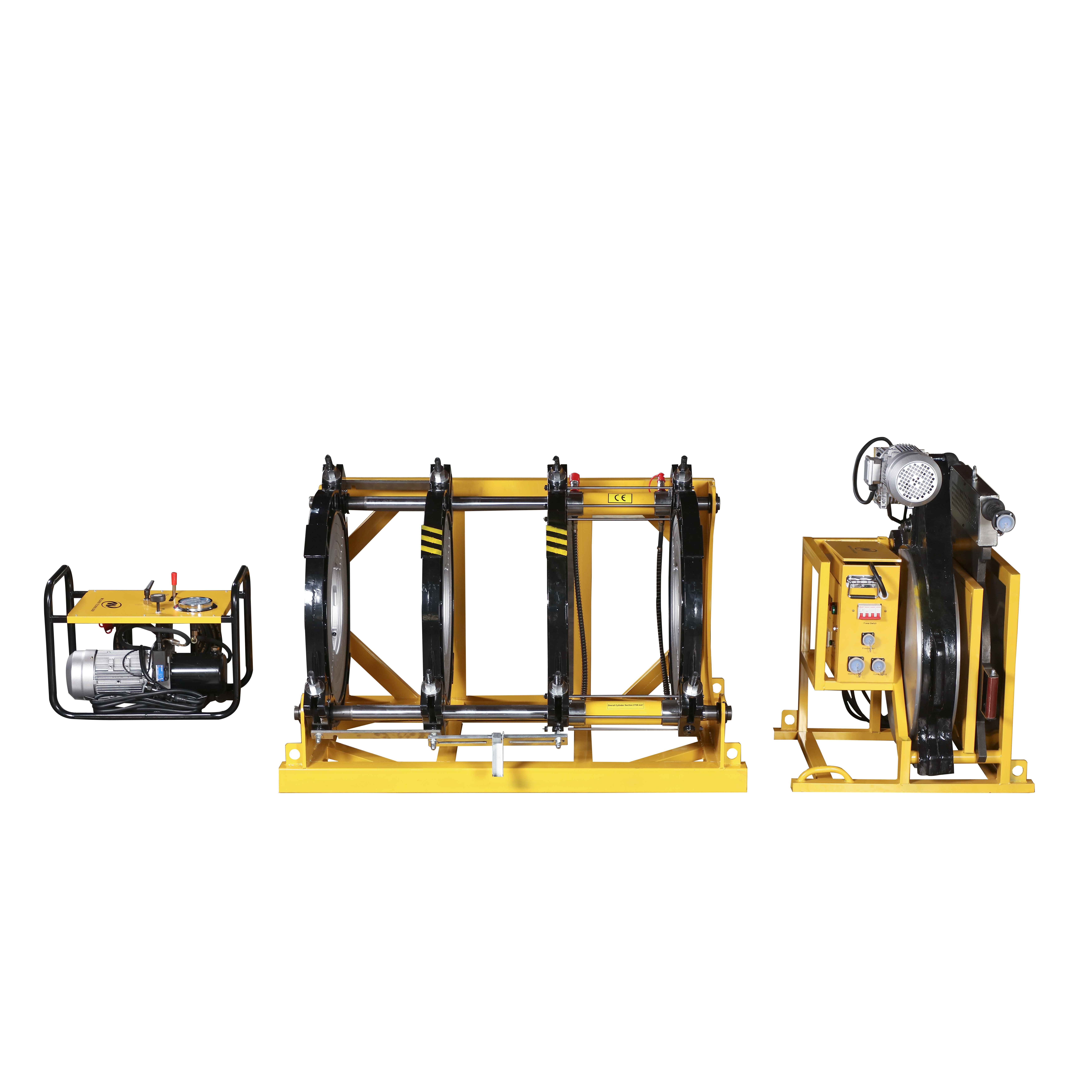
The hydraulic pressure mechanism within the hdpe thermofusion machine automatic delivers the precise compressive force necessary to create leak-proof joints that perform reliably over decades of service. Proper pressure application during the fusion process serves multiple critical functions that directly impact long-term system performance. Initially, the hydraulic system provides the force needed to properly face the pipe ends, creating perfectly parallel, smooth surfaces free from oxidation, contamination, or irregularities. This preparation step determines fusion quality as significantly as the heating phase because any gaps, debris, or surface imperfections prevent intimate molecular contact between pipe sections. The hdpe thermofusion machine automatic's hydraulic facing pressure ensures complete material removal across the entire pipe circumference, establishing the ideal starting condition. During the joining phase, hydraulic pressure drives the heated pipe ends together with controlled force that squeezes molten material outward, forming the characteristic fusion bead. This bead represents displaced material pushed from the joint interface, and its size and uniformity indicate proper fusion parameters. Insufficient pressure produces small, inconsistent beads and incomplete molecular intermixing. Excessive pressure expels too much material, thinning the pipe wall at the joint and creating stress concentration points. The hdpe thermofusion machine automatic calibrates pressure based on pipe diameter and wall thickness, automatically calculating the optimal force that produces proper bead formation without compromising structural integrity. The hydraulic system maintains this precise pressure throughout the cooling cycle, typically several minutes depending on pipe size, preventing any separation or movement that would disrupt molecular bonding. Manual systems struggle to maintain consistent pressure during this period as operator fatigue, distraction, or environmental factors introduce variability. The automated hydraulic mechanism eliminates human factors, holding exact pressure until the joint fully solidifies. Modern units incorporate pressure sensors that continuously monitor force application and provide feedback to the control system. If pressure deviates from specifications due to hydraulic fluid temperature changes, minor system leaks, or other factors, the machine automatically compensates to maintain target values. This closed-loop control ensures every joint receives identical treatment regardless of equipment age, environmental conditions, or operational duration. The hydraulic components withstand harsh field conditions, with sealed systems that resist contamination from dust, moisture, and temperature extremes commonly encountered during infrastructure construction.

 EN
EN