
 EN
EN


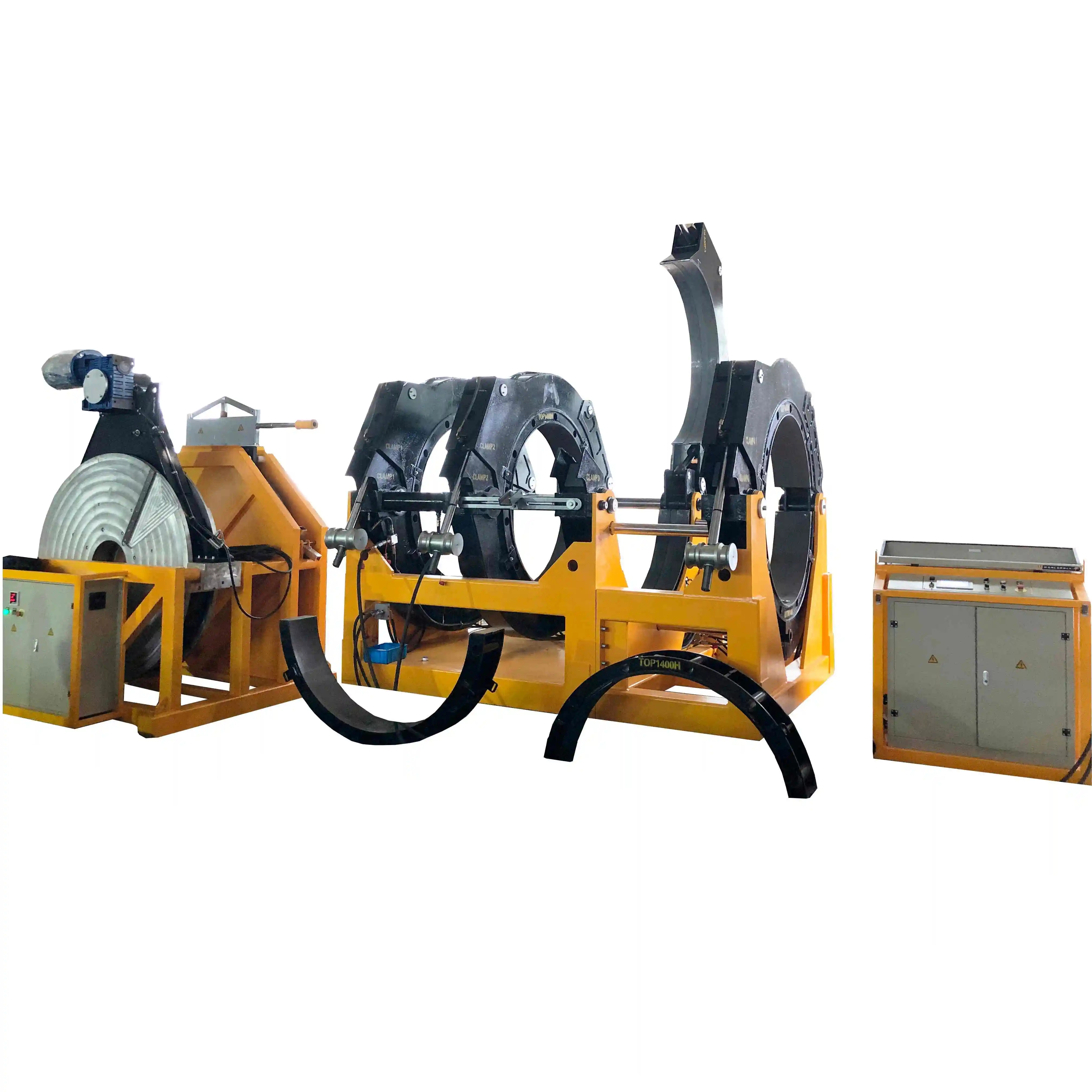
The strength and integrity of welded plastic seams directly impact the performance, durability, and safety of countless industrial applications, from geomembranes in environmental containment to large-scale tank fabrication. Achieving consistently strong seams requires more than simply melting and pressing plastic sheets together—it demands precise control over temperature, pressure, alignment, and cooling. A plastic sheet butt welding machine is specifically engineered to deliver these conditions with accuracy and repeatability, ensuring that every weld meets stringent quality standards. Understanding how these machines function and what design features contribute to seam strength is essential for manufacturers, fabricators, and quality assurance professionals who rely on robust plastic joints in demanding environments.
Ensuring strong seams with a plastic sheet butt welding machine begins with the machine's ability to apply uniform heat across the entire joint interface while maintaining precise alignment between the sheet edges. The machine must melt both surfaces to an optimal depth without causing thermal degradation, then bring them together under controlled pressure to create molecular entanglement and fusion. Cooling under continued pressure allows the polymer chains to reorient and solidify into a homogeneous bond that often exceeds the strength of the parent material. Modern machines incorporate temperature sensors, pressure regulators, and automated alignment systems that eliminate human error and ensure consistent results across production runs. This article explores the mechanisms, design principles, operational controls, and quality factors that enable a plastic sheet butt welding machine to produce seams with exceptional tensile strength, elongation, and long-term reliability.
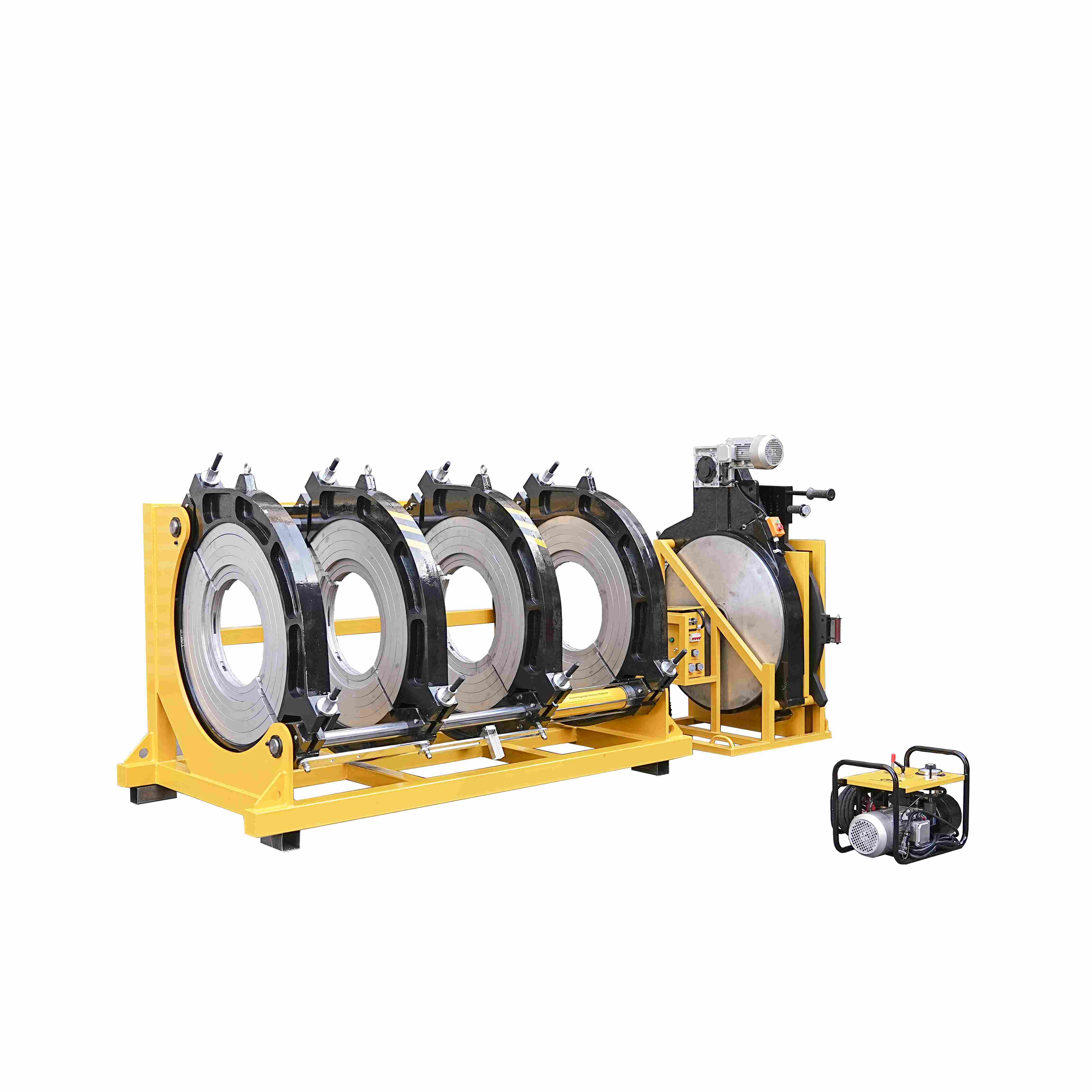
Fundamental Principles Behind Butt Welding for Plastic Sheets
Heat Transfer and Polymer Fusion Mechanism
The core principle of butt welding relies on heating the edges of two plastic sheets to their melting point, allowing the polymer chains at both surfaces to intermingle and form a continuous molecular structure upon cooling. A plastic sheet butt welding machine achieves this by positioning a heated platen or heating element between the prepared sheet edges, transferring thermal energy uniformly across the joint interface. The heating phase must reach a temperature sufficient to soften the polymer without causing oxidation, charring, or excessive flow that would thin the material at the weld zone. Once the surfaces reach the correct viscosity, the heating element is removed, and the two molten edges are brought into contact under controlled pressure, enabling diffusion and chain entanglement that create a strong intermolecular bond.
The effectiveness of this fusion depends on achieving uniform melt depth and avoiding contamination. Surface preparation, such as trimming and cleaning, ensures that oxides, dirt, and moisture do not interfere with molecular bonding. The plastic sheet butt welding machine must maintain consistent temperature distribution across the heating element to prevent hot spots or cold zones that could result in incomplete fusion or weak areas. Advanced machines incorporate feedback loops that monitor temperature in real time and adjust power output to maintain stability, ensuring that every weld receives identical thermal input regardless of ambient conditions or production speed.
Pressure Application and Molecular Entanglement
After the heating phase, pressure application is critical to driving the molten polymer surfaces together and facilitating molecular entanglement. A plastic sheet butt welding machine uses hydraulic or pneumatic actuators to apply force perpendicular to the joint, compressing the softened material and expelling air pockets or voids that could compromise seam integrity. The magnitude and duration of this pressure must be calibrated based on the polymer type, sheet thickness, and welding temperature to achieve optimal fusion without causing excessive flash or thinning at the weld bead. Proper pressure ensures that polymer chains from both sides interpenetrate deeply, creating a bond that exhibits similar mechanical properties to the base material.
Maintaining consistent pressure throughout the cooling phase is equally important. As the weld cools, the polymer transitions from a viscous melt to a solid state, and any reduction in pressure during this phase can allow the joint to separate slightly or introduce internal stresses. A well-designed plastic sheet butt welding machine continues to apply clamping force until the weld has cooled sufficiently to support itself, preventing warping or distortion. This controlled cooling under pressure stabilizes the molecular structure and minimizes residual stresses that could lead to premature failure under load or environmental exposure.
Edge Preparation and Alignment Precision
Even with perfect temperature and pressure control, seam strength depends on precise edge preparation and alignment. The edges to be welded must be cut cleanly and perpendicularly, with minimal roughness or irregularities that could create gaps or weak points in the joint. A plastic sheet butt welding machine often incorporates integrated trimming or planing tools that prepare the edges immediately before welding, ensuring consistent surface quality and flatness. This preparation removes any oxidized or contaminated layers and creates a smooth interface for molecular bonding.
Alignment systems within the plastic sheet butt welding machine keep the sheet edges parallel and centered during heating and joining. Misalignment, even by a few millimeters, can result in uneven melt zones, incomplete fusion, or offset joints that reduce load-bearing capacity. Modern machines use optical sensors, mechanical guides, or servo-driven positioning systems to maintain alignment throughout the welding cycle, compensating for any movement or expansion caused by heating. This precision ensures that the entire width of the joint receives uniform treatment and that the resulting seam maintains consistent geometry and strength across its length.
Machine Design Features That Enhance Seam Strength
Heating Element Configuration and Temperature Uniformity
The design and configuration of the heating element in a plastic sheet butt welding machine are fundamental to achieving strong, consistent seams. Heating elements are typically constructed from aluminum or ceramic materials with high thermal conductivity and stability, coated with non-stick surfaces to prevent polymer adhesion. The element must distribute heat evenly across its entire contact surface to avoid localized overheating or underheating that could compromise fusion quality. Multi-zone heating elements with independent temperature control allow operators to adjust thermal profiles for different polymer types or sheet thicknesses, optimizing the melt zone for maximum bond strength.
Temperature sensors embedded in or near the heating element provide real-time feedback to the machine's control system, enabling precise regulation of power input. A plastic sheet butt welding machine equipped with closed-loop temperature control can detect deviations from the setpoint and adjust heating power automatically, compensating for variations in ambient temperature, thermal mass, or production rate. This responsiveness ensures that each weld receives consistent thermal treatment, reducing variability and increasing the reliability of seam strength across large production runs or varying environmental conditions.
Hydraulic and Pneumatic Pressure Systems
The pressure application system within a plastic sheet butt welding machine must deliver accurate, repeatable force to compress the molten edges and maintain clamping during cooling. Hydraulic systems are preferred for larger machines or thicker sheets because they provide high force output with precise control, allowing operators to set pressure levels digitally and monitor actual applied force through pressure transducers. Pneumatic systems, while lighter and simpler, are effective for thinner materials and smaller machines where lower forces are sufficient. Both systems must incorporate pressure regulators and safety valves to prevent over-compression that could damage the material or create weak spots through excessive thinning.
Advanced plastic sheet butt welding machines feature programmable pressure profiles that adjust force dynamically throughout the welding cycle. Initial contact pressure may be lower to allow gentle mating of the molten surfaces, followed by higher pressure during the fusion phase to promote deep molecular entanglement. As the joint cools, the system maintains holding pressure to prevent separation or distortion, then gradually releases force once the weld has solidified sufficiently. This multi-stage approach optimizes bond formation and minimizes internal stresses, resulting in seams that perform reliably under mechanical loads and thermal cycling.
Automated Alignment and Clamping Mechanisms
Precision alignment and secure clamping are critical to producing strong seams, and a plastic sheet butt welding machine achieves these through automated mechanical systems that eliminate manual adjustments and operator error. Linear guides, ball screws, and servo motors position the sheet edges with micron-level accuracy, ensuring that the melt zones align perfectly before pressure is applied. Optical sensors or laser alignment systems verify positioning before the welding cycle begins, triggering alarms or pausing operation if misalignment is detected. This automation not only improves seam quality but also increases throughput by reducing setup time and rework.
Clamping systems in a plastic sheet butt welding machine hold the sheets firmly in place during heating, joining, and cooling, preventing movement that could compromise the joint. Clamps are typically mounted on rigid frames with adjustable spacing to accommodate various sheet widths and thicknesses. Pneumatic or hydraulic actuators apply clamping force evenly across the entire length of the joint, avoiding localized compression that could distort the material or create stress concentrations. By maintaining stable positioning throughout the welding cycle, these systems ensure that the applied heat and pressure translate directly into strong, uniform seams.
Operational Controls and Process Parameters for Optimal Seam Quality
Temperature Setpoint Selection Based on Polymer Type
Selecting the correct temperature setpoint is essential for achieving strong seams with a plastic sheet butt welding machine, as different polymers have distinct melting points, thermal stability ranges, and processing windows. Polyethylene, polypropylene, polyvinyl chloride, and polyvinylidene fluoride each require specific heating temperatures to reach the optimal melt viscosity for fusion. Setting the temperature too low results in insufficient melting and weak bonds, while excessive heat causes degradation, discoloration, or charring that weakens the material. Operators must consult material datasheets or conduct trial welds to determine the ideal temperature range for the specific polymer grade and sheet thickness being processed.
Modern plastic sheet butt welding machines store temperature profiles for common materials in their control systems, allowing operators to select presets that have been validated for quality and repeatability. These profiles account for factors such as sheet thickness, ambient temperature, and production speed, adjusting heating duration and power output accordingly. Real-time temperature monitoring during the welding cycle ensures that the setpoint is maintained consistently, and data logging capabilities allow quality assurance teams to trace process conditions for each weld, supporting compliance with industry standards and customer specifications.
Pressure and Dwell Time Optimization
The magnitude of pressure applied during the joining phase and the duration of clamping, known as dwell time, are critical parameters that influence seam strength. A plastic sheet butt welding machine must apply sufficient pressure to compress the molten surfaces into intimate contact, promoting deep molecular entanglement and expelling trapped air or contaminants. However, excessive pressure can squeeze out too much material, creating thin weld beads with reduced cross-sectional area that are prone to failure. Optimal pressure settings balance these competing factors, ensuring robust fusion without compromising the structural integrity of the joint.
Dwell time must be long enough to allow the weld to cool below the glass transition temperature while under pressure, stabilizing the molecular structure and preventing internal stresses or voids. Insufficient dwell time allows the joint to relax before solidification, resulting in weak bonds or dimensional instability. A well-programmed plastic sheet butt welding machine automatically calculates dwell time based on material type, thickness, and ambient conditions, ensuring consistent cooling and solidification. Adjustable dwell settings enable operators to fine-tune the process for specific applications or quality requirements, providing flexibility without sacrificing repeatability.
Heating Time and Melt Depth Control
Controlling the heating time and resulting melt depth is crucial for producing strong seams with a plastic sheet butt welding machine. The heating phase must last long enough to soften both sheet edges to the desired depth, typically a few millimeters, without overheating the surface or causing thermal damage. Melt depth affects the volume of molten polymer available for bonding, and insufficient depth results in shallow fusion that lacks the mechanical strength needed for demanding applications. Conversely, excessive melt depth can lead to sagging, distortion, or excessive flash that requires trimming and increases material waste.
A plastic sheet butt welding machine with programmable heating timers allows operators to specify exact durations based on material properties and sheet dimensions. Sensors that measure surface temperature or melt viscosity provide feedback to the control system, enabling dynamic adjustment of heating time to account for variations in material composition or ambient conditions. By maintaining precise control over melt depth, the machine ensures that each weld achieves optimal molecular entanglement and bond strength, producing seams that meet or exceed industry standards for tensile strength, elongation, and impact resistance.
Quality Assurance and Testing Methods for Welded Seams
Visual Inspection and Dimensional Verification
Visual inspection is the first step in assessing the quality of seams produced by a plastic sheet butt welding machine. Trained inspectors examine the weld bead for uniformity, surface finish, and absence of defects such as voids, cracks, discoloration, or excessive flash. A strong seam should exhibit a consistent bead profile across its entire length, with smooth transitions between the weld zone and the parent material. Any irregularities or visible flaws indicate potential weaknesses that could compromise performance under load or environmental exposure. Dimensional verification, including measurements of bead width, height, and offset, ensures that the weld meets geometric specifications and that alignment was maintained throughout the welding cycle.
A plastic sheet butt welding machine equipped with integrated cameras or imaging systems can automate visual inspection, capturing high-resolution images of each weld for analysis by machine vision algorithms. These systems detect defects with greater consistency and speed than manual inspection, flagging non-conforming welds for review or rework. Automated inspection data can be stored and linked to process parameters, enabling traceability and continuous improvement efforts. By combining visual inspection with dimensional measurements, quality assurance teams can verify that the machine consistently produces seams that meet design requirements and customer expectations.
Destructive Testing for Tensile Strength and Elongation
Destructive testing provides quantitative data on the mechanical properties of seams produced by a plastic sheet butt welding machine. Tensile testing involves cutting specimens from the welded joint and subjecting them to controlled pulling forces until failure occurs. The test measures ultimate tensile strength, yield strength, and elongation at break, comparing these values to the properties of the parent material. A high-quality weld should exhibit tensile strength at or above that of the base sheet, indicating complete molecular fusion and bond integrity. Elongation values reveal the ductility of the joint, which is critical for applications where the material must accommodate movement or thermal expansion without cracking.
Peel and shear tests complement tensile testing by evaluating the resistance of the seam to forces applied at different angles. Peel testing measures the force required to separate the weld by pulling the sheets apart at a right angle, while shear testing applies force parallel to the joint interface. Both tests assess bond strength and identify failure modes, such as interfacial separation or material tearing. A plastic sheet butt welding machine that consistently produces seams with high tensile, peel, and shear strength demonstrates reliable performance and process control, providing confidence that the joints will withstand real-world stresses and environmental conditions.
Non-Destructive Testing and Quality Monitoring
Non-destructive testing methods allow quality assurance teams to evaluate seam integrity without compromising the welded assembly. Ultrasonic testing uses high-frequency sound waves to detect internal voids, delaminations, or incomplete fusion within the weld zone. A plastic sheet butt welding machine with inline ultrasonic sensors can scan each weld immediately after completion, identifying defects in real time and enabling corrective action before defective materials are installed or shipped. Infrared thermography detects temperature variations during welding or cooling, revealing inconsistencies in heat distribution or pressure application that could affect seam strength.
Process monitoring systems integrated into the plastic sheet butt welding machine record key parameters such as temperature, pressure, heating time, and cooling rate for every weld. Statistical process control techniques analyze this data to identify trends, detect deviations from setpoints, and trigger alarms when parameters drift outside acceptable ranges. By correlating process data with destructive test results, operators can establish process windows that reliably produce strong seams and adjust machine settings to maintain performance over time. Continuous monitoring and feedback enable proactive quality management, reducing scrap rates and ensuring that every weld meets stringent standards for strength and durability.
Practical Considerations for Maximizing Seam Strength in Production
Material Compatibility and Sheet Preparation
Achieving strong seams with a plastic sheet butt welding machine begins with selecting compatible materials and preparing them properly before welding. Sheets must be of the same polymer type and, ideally, from the same manufacturer or grade to ensure consistent melting behavior and molecular compatibility. Mixing incompatible polymers or grades with different additives can result in weak fusion or interfacial failure. Material datasheets should be consulted to verify compatibility, and trial welds should be conducted when working with new materials or suppliers to confirm that seam strength meets requirements.
Surface preparation is equally critical, as contaminants such as dust, oil, moisture, or oxidation can interfere with molecular bonding and reduce seam strength. Edges to be welded should be trimmed cleanly using sharp tools or integrated planers within the plastic sheet butt welding machine to remove any degraded or contaminated layers. Cleaning with solvents or abrasives may be necessary for heavily soiled materials, followed by drying to eliminate moisture that could vaporize during heating and create voids. Proper preparation ensures that the welding process operates on clean, uniform surfaces, maximizing bond quality and consistency.
Environmental Control and Ambient Conditions
Ambient temperature, humidity, and airflow can significantly influence the performance of a plastic sheet butt welding machine and the strength of the resulting seams. Cold environments require longer heating times to reach the target melt temperature, while hot environments may cause premature softening or distortion. A plastic sheet butt welding machine should be operated in a controlled environment where temperature and humidity are maintained within recommended ranges, typically between 15°C and 30°C with low humidity. This stability ensures consistent process conditions and reduces variability in seam quality across production shifts or seasonal changes.
Airflow and drafts can cool the heating element or weld zone unevenly, creating temperature gradients that compromise fusion uniformity. Positioning the plastic sheet butt welding machine away from doors, windows, or ventilation systems minimizes these effects. In some cases, enclosures or windshields around the welding area may be necessary to shield the process from environmental disturbances. By controlling ambient conditions, operators can ensure that the machine delivers consistent thermal input and that every weld achieves the molecular entanglement and bond strength required for demanding applications.
Operator Training and Process Standardization
Even the most advanced plastic sheet butt welding machine requires skilled operators who understand the principles of polymer welding, the importance of process parameters, and the techniques for troubleshooting and quality control. Comprehensive training programs should cover material properties, machine operation, parameter selection, surface preparation, and quality inspection methods. Operators must be able to recognize signs of poor fusion, such as weak bead appearance, excessive flash, or discoloration, and make appropriate adjustments to temperature, pressure, or heating time to correct the issue. Hands-on practice and certification programs ensure that operators develop the competence and confidence needed to produce consistently strong seams.
Process standardization through written procedures, parameter checklists, and documented best practices helps maintain consistency across shifts, operators, and production runs. Standard operating procedures should specify material handling, machine setup, parameter selection, inspection criteria, and corrective actions for common problems. A plastic sheet butt welding machine with recipe storage and user-friendly interfaces simplifies adherence to standards by guiding operators through each step and preventing deviations from validated settings. Regular audits and refresher training reinforce process discipline and ensure that quality remains a top priority throughout the production lifecycle.
FAQ
What is the typical tensile strength of a butt welded seam compared to the parent plastic sheet?
A properly executed butt weld using a plastic sheet butt welding machine can achieve tensile strength equal to or exceeding that of the parent material, often reaching 90 to 100 percent of the base sheet strength. This performance depends on achieving complete molecular fusion through precise temperature control, adequate pressure application, and optimal cooling under clamping. High-quality welds exhibit failure modes where the parent material tears rather than the joint separating, demonstrating that the bond is as strong as or stronger than the surrounding plastic. Material type, sheet thickness, and machine calibration all influence the final strength, making process control and operator skill critical to consistent results.
How does the cooling rate affect the strength of a butt welded plastic seam?
The cooling rate after joining significantly impacts the microstructure and mechanical properties of a butt welded seam. Rapid cooling can trap internal stresses, reduce crystallinity in semi-crystalline polymers, and create brittleness that lowers impact resistance and elongation. Controlled cooling under sustained pressure, as provided by a plastic sheet butt welding machine, allows polymer chains to relax and reorient into a stable configuration, minimizing residual stresses and promoting uniform molecular structure. Slower, gradual cooling enhances ductility and toughness, ensuring that the seam can withstand dynamic loads and thermal cycling without premature failure. Advanced machines incorporate cooling timers and pressure profiles that optimize this phase for maximum long-term durability.
Can a plastic sheet butt welding machine handle different polymer types without adjustment?
Different polymers require distinct processing conditions due to variations in melting point, thermal conductivity, viscosity, and crystallization behavior, so a plastic sheet butt welding machine must be adjusted when switching materials. Temperature setpoints, heating durations, pressure levels, and cooling times must all be tailored to the specific polymer being welded to achieve optimal seam strength. High-performance machines offer programmable settings or material-specific recipes that store validated parameters for common polymers, streamlining changeovers and reducing setup time. However, even with preset profiles, operators should conduct trial welds and inspect results when working with new materials or grades to confirm that process adjustments deliver the required bond quality and mechanical performance.
What are the most common causes of weak seams in butt welding of plastic sheets?
Weak seams typically result from insufficient heating, inadequate pressure, poor edge preparation, or contamination at the joint interface. Insufficient heating fails to melt the polymer to the required depth, preventing deep molecular entanglement and resulting in shallow, brittle bonds. Inadequate pressure does not compress the molten surfaces enough to expel air and achieve intimate contact, leaving voids or incomplete fusion. Poor edge preparation, such as rough or dirty surfaces, creates barriers to molecular diffusion and reduces bond strength. Contamination from oils, moisture, or degraded polymer layers further inhibits fusion. A well-maintained plastic sheet butt welding machine with precise temperature and pressure control, combined with proper material handling and operator training, minimizes these issues and ensures consistent production of strong, reliable seams.
Table of Contents
- Fundamental Principles Behind Butt Welding for Plastic Sheets
- Machine Design Features That Enhance Seam Strength
- Operational Controls and Process Parameters for Optimal Seam Quality
- Quality Assurance and Testing Methods for Welded Seams
- Practical Considerations for Maximizing Seam Strength in Production
-
FAQ
- What is the typical tensile strength of a butt welded seam compared to the parent plastic sheet?
- How does the cooling rate affect the strength of a butt welded plastic seam?
- Can a plastic sheet butt welding machine handle different polymer types without adjustment?
- What are the most common causes of weak seams in butt welding of plastic sheets?