
 EN
EN


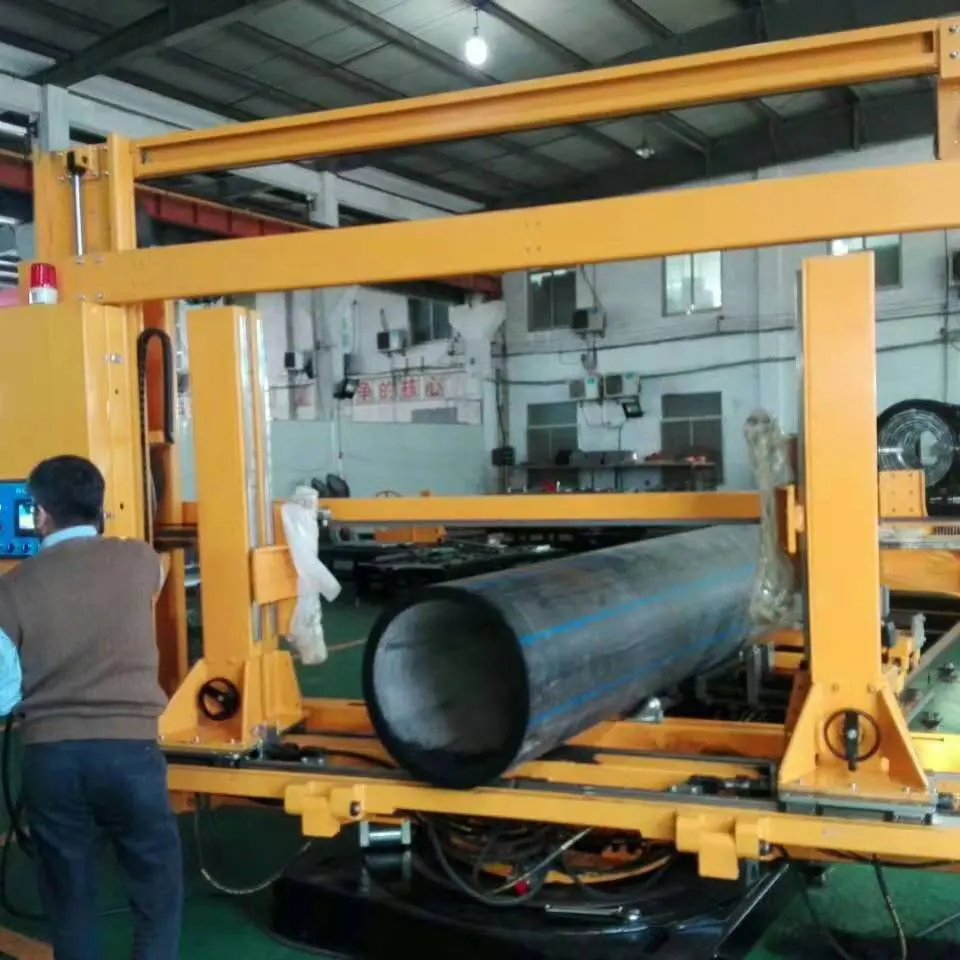
In industrial plastic fabrication and pipe processing environments, precision and throughput are non-negotiable. A plastic band cutting saw addresses both demands simultaneously, offering a level of cutting consistency that manual tools and conventional saws simply cannot match. Whether you are working with HDPE sheets, plastic profiles, or banded materials, the right cutting solution can mean the difference between smooth production flow and costly bottlenecks.
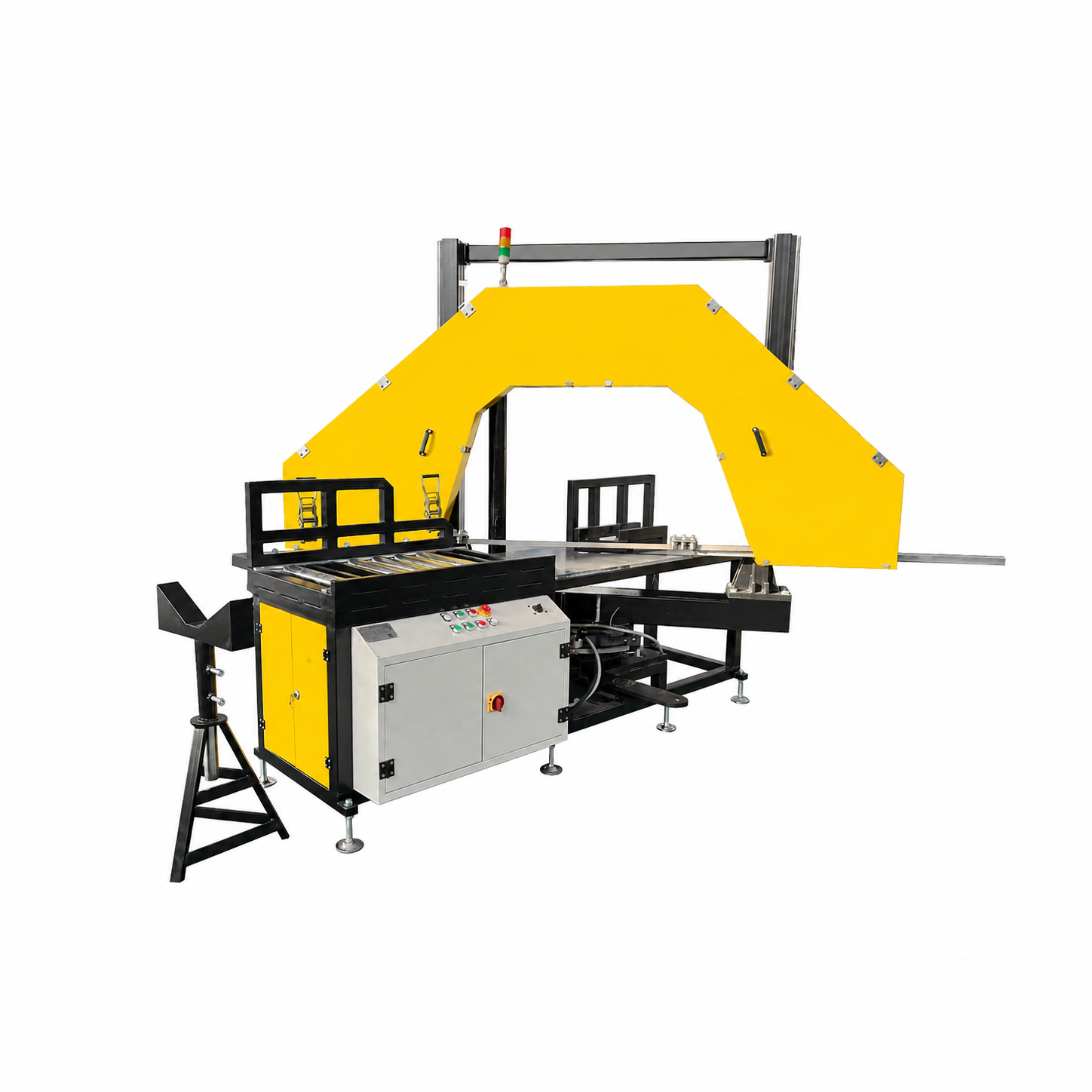
Understanding how a plastic band cutting saw improves cutting efficiency requires a close look at its mechanical design, blade dynamics, and workflow integration. This article breaks down the key mechanisms behind efficiency gains, explores the operational advantages this tool delivers in real fabrication settings, and provides guidance on how to maximize its value in your production process.
The Mechanical Basis of Improved Cutting Efficiency
Continuous Band Blade Action and Material Feed
Unlike reciprocating saws or circular blades, a plastic band cutting saw uses a continuous loop blade that moves in a single consistent direction. This unidirectional cutting motion eliminates the wasted energy of back-and-forth strokes and minimizes vibration during cutting. The result is a smoother cut surface and a faster effective cutting rate per minute.
The continuous blade motion also allows for a more controlled material feed. Operators can guide plastic sheets or profiles through the blade at a steady pace without interruption, reducing idle time between cuts. In high-volume production environments, this steady-state operation translates directly into measurable time savings and higher output per shift.
Another mechanical advantage is reduced kerf width. A plastic band cutting saw blade is typically thinner than a circular saw blade, meaning less material is removed with each pass. This not only reduces material waste but also requires less force to push the workpiece through, lowering operator fatigue and enabling faster feed rates.
Blade Tension, Tracking, and Cutting Accuracy
Proper blade tension is critical to maintaining cutting accuracy on a plastic band cutting saw. A well-tensioned blade resists deflection even when cutting dense or thick plastic materials. This resistance to lateral movement ensures that each cut follows the intended line without deviation, which is especially important when dimensional tolerances are tight.
Blade tracking systems on modern machines ensure the band stays correctly positioned on the drive wheels throughout operation. Misalignment would cause uneven wear and erratic cutting paths, both of which compromise efficiency. With precise tracking, the plastic band cutting saw maintains consistent performance across long production runs without frequent operator intervention.
Together, tension and tracking control contribute to repeatable cut quality. When every piece comes off the saw within specification on the first pass, there is no need for secondary trimming or rework, which is one of the most significant efficiency drivers in plastic fabrication workflows.
Multi-Angle Cutting Capability and Workflow Versatility
Adjustable Cutting Angles for Complex Fabrication Needs
A significant efficiency advantage of the modern plastic band cutting saw is its ability to perform multi-angle cuts without requiring the workpiece to be repositioned on a separate machine. In plastic pipe and profile fabrication, angled cuts are frequently required for fitting joints, mitered connections, and custom assemblies.
By integrating adjustable angle settings directly into the cutting platform, the plastic band cutting saw eliminates the need to transfer work between machines. This consolidation of operations reduces handling time, minimizes the risk of measurement error during repositioning, and keeps the production line moving at a faster pace.
Operators can set the desired cutting angle once and repeat it consistently across multiple workpieces. This repeatability is a major contributor to efficiency, particularly in batch production scenarios where dozens or hundreds of identical cuts are required at the same angle setting.
Compatibility with Various Plastic Materials and Profiles
Efficiency is also shaped by how versatile a plastic band cutting saw is across different material types and cross-sections. A machine that handles flat sheets, round pipes, square profiles, and irregular shapes without requiring extensive setup changes keeps downtime to a minimum.
Modern machines in this category are designed to accommodate a wide range of plastic materials including HDPE, PP, PVC, and PVDF. Each material has different hardness and thermal sensitivity characteristics, and the plastic band cutting saw is engineered to cut cleanly through all of them without generating excessive heat that could melt or deform the cut edge.
Wide material compatibility means fabricators do not need to invest in multiple specialized cutting tools. A single plastic band cutting saw can serve multiple production lines or project types, increasing equipment utilization and delivering a stronger return on investment over time.
Operator Efficiency and Reduced Rework
Ergonomic Design and Ease of Setup
Operational efficiency is not just about machine speed. It also encompasses how quickly an operator can set up, adjust, and run the equipment. A well-designed plastic band cutting saw features intuitive controls, clear angle indicators, and quick-release clamping systems that minimize setup time between jobs.
When setup time is reduced, the effective productive time of each shift increases. Operators spend less time calibrating the machine and more time cutting, which is the core value-generating activity. This is especially important in job shop environments where the production mix changes frequently throughout the day.
Ergonomic workpiece support systems, such as adjustable infeed and outfeed tables, also reduce physical strain on operators. Less fatigue means fewer errors and more consistent performance across a full working shift, both of which contribute to higher overall efficiency on the shop floor.
Minimizing Waste and Rework Through Precision Cutting
One of the most overlooked efficiency factors in plastic fabrication is the cost of rework. When a cut is off-dimension or produces a rough edge requiring secondary finishing, time and material are consumed without adding value. A plastic band cutting saw directly addresses this by delivering clean, dimensionally accurate cuts on the first pass.
The smooth cutting action of the band blade produces minimal burr on cut surfaces, which is particularly valuable when working with thermoplastic materials that will later be welded or joined. A clean cut surface ensures better weld preparation and stronger joint quality downstream, reducing defect rates in the final assembly.
Over the course of a production run, the reduction in rework and material scrap made possible by a high-quality plastic band cutting saw can represent significant cost savings. These savings compound over time and are a key justification for upgrading from manual or lower-precision cutting methods.
Maintenance Practices That Sustain Cutting Efficiency
Blade Replacement and Selection for Optimal Performance
Sustaining the efficiency gains of a plastic band cutting saw over time depends heavily on proper blade management. Blades wear progressively during use, and a worn blade requires more force to cut, produces rougher surfaces, and increases the risk of blade breakage. Recognizing the signs of blade wear and replacing blades proactively is essential.
Blade selection also matters. Different tooth geometries and pitch configurations are optimized for different plastic materials and thicknesses. Matching the blade specification to the material being cut ensures that the plastic band cutting saw operates at its designed efficiency level rather than compensating for a mismatched blade.
Blade replacement on a well-designed plastic band cutting saw should be straightforward and fast. Machines that require lengthy disassembly for blade changes lose productive time during what should be a routine maintenance operation. Quick-change blade systems support high overall equipment effectiveness.
Drive Wheel Maintenance and Machine Calibration
The drive wheels that propel the band blade require periodic inspection and cleaning. Plastic dust and debris can accumulate on wheel surfaces and affect blade grip and tracking stability. Regular cleaning prevents this buildup from degrading cutting performance on the plastic band cutting saw.
Periodic machine calibration ensures that the angle settings, blade guides, and feed mechanisms remain accurate over time. Even small deviations in calibration can introduce dimensional errors that accumulate across a production batch, leading to parts that require rework. A well-maintained plastic band cutting saw consistently delivers the accuracy its design specifications promise.
Documenting maintenance schedules and calibration checks as part of a formal preventive maintenance program ensures that efficiency does not gradually erode through neglect. The investment in routine upkeep is far smaller than the cost of unplanned downtime or a surge in defective parts caused by a machine running outside its optimal parameters.
FAQ
What types of plastic materials can a plastic band cutting saw handle?
A plastic band cutting saw is designed to work with a wide range of thermoplastic materials including HDPE, PP, PVC, PVDF, and other engineering plastics. The key is selecting the correct blade specification for the specific material and thickness being cut, as this directly affects cut quality and machine efficiency.
How does multi-angle cutting on a plastic band cutting saw reduce production time?
By integrating adjustable angle settings into a single machine, a plastic band cutting saw allows operators to perform straight and angled cuts without transferring workpieces to separate equipment. This consolidation eliminates handling time, reduces measurement error, and keeps the production workflow moving at a faster and more consistent pace.
How often should the blade on a plastic band cutting saw be replaced?
Blade replacement frequency depends on material hardness, cutting volume, and blade specification. As a general practice, operators should monitor cut surface quality and cutting resistance. When the blade requires noticeably more feed force or produces rough edges, it is time to replace it. Proactive blade management sustains the efficiency and accuracy of the plastic band cutting saw.
Can a plastic band cutting saw improve quality as well as speed?
Yes. The continuous band blade action and precise tension control of a plastic band cutting saw produce clean, dimensionally accurate cuts with minimal burr. This improves downstream processes such as welding and assembly by providing better-prepared surfaces, reducing defect rates, and lowering the need for rework, which improves both quality and overall throughput simultaneously.