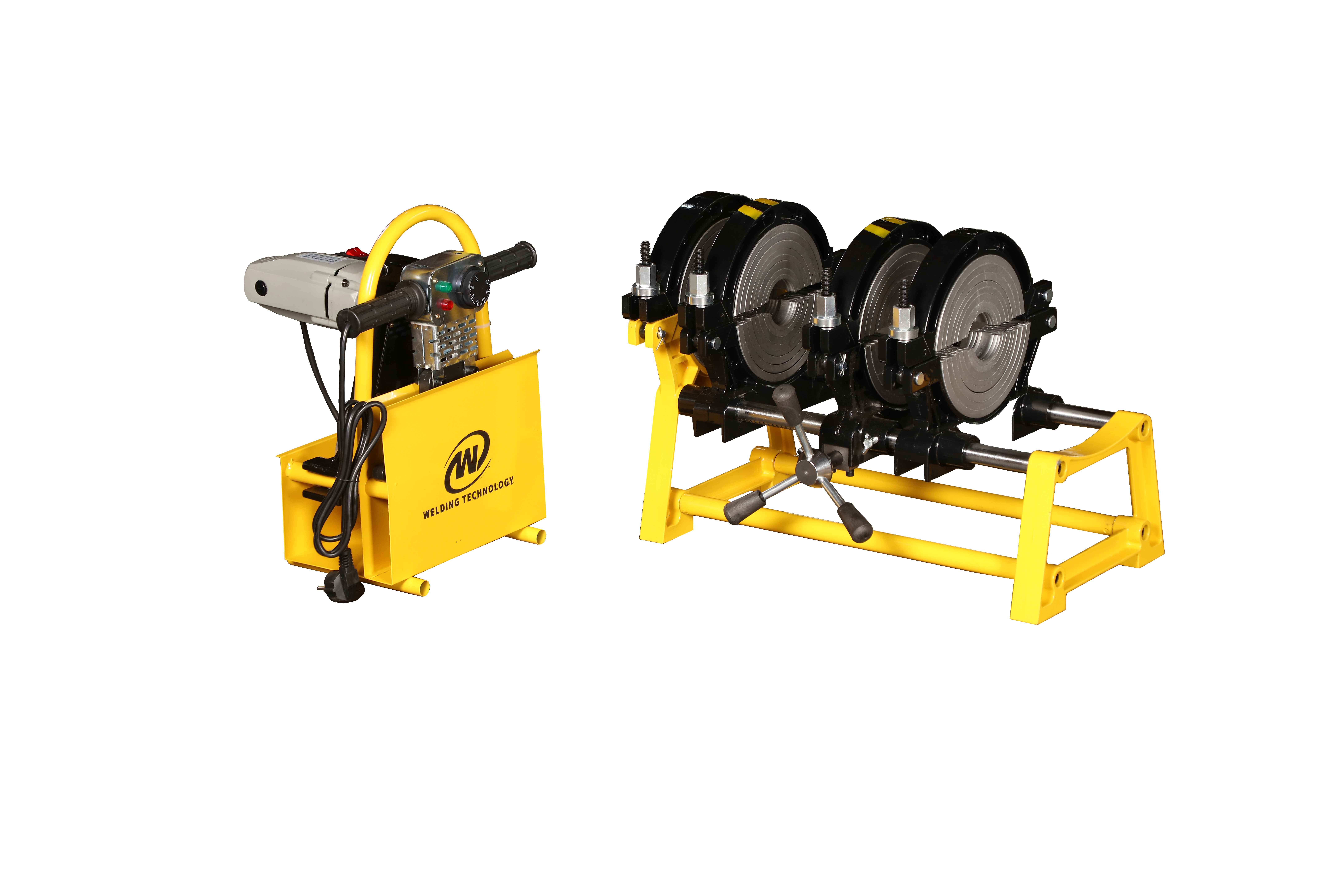
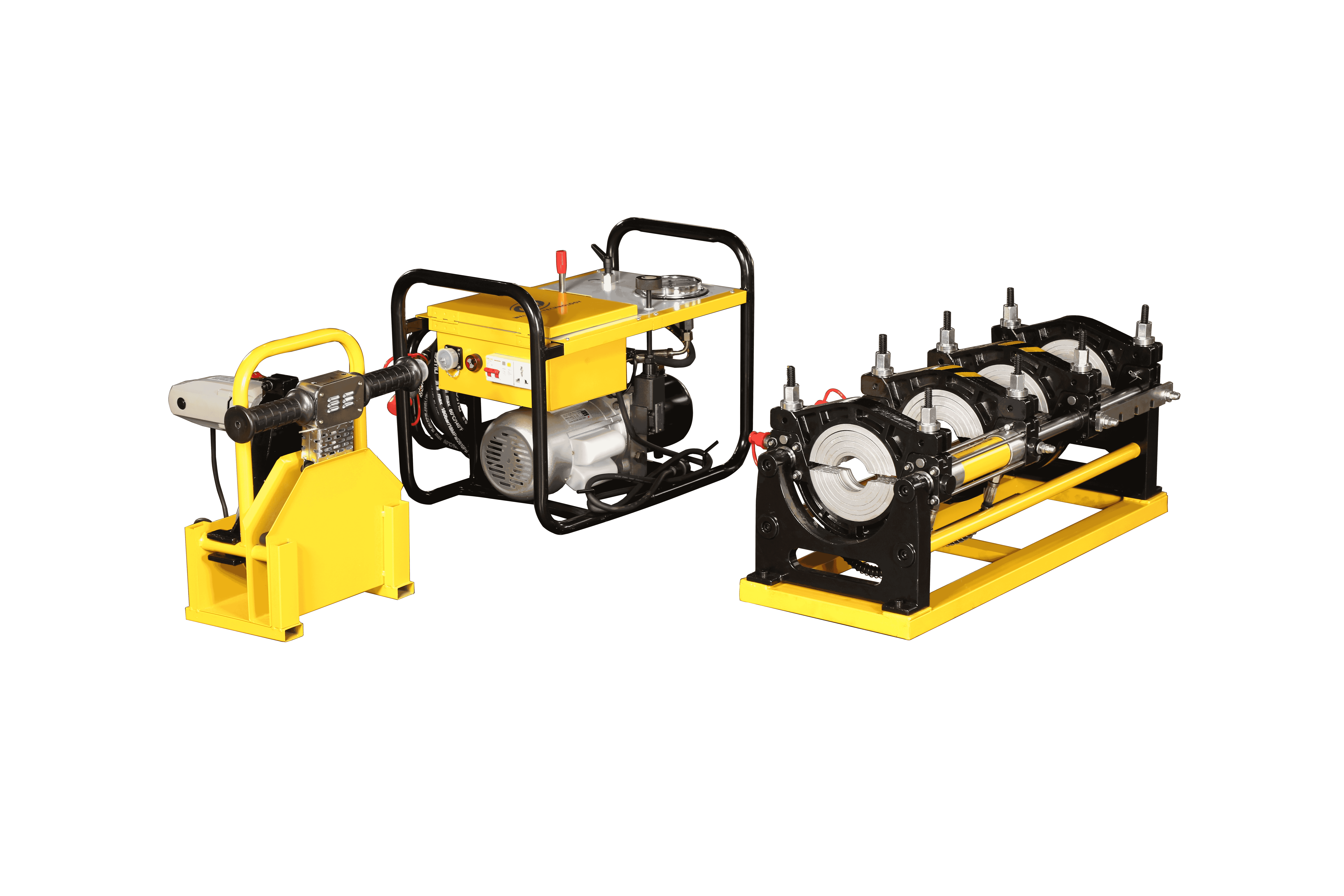
HDPE Pipeline Welding Machine - Professional Fusion Equipment for Durable Pipe Joints

Get a Free Quote

Our representative will contact you soon.
E-mail
Name
Mobile/WhatsApp
Company Name
Message
0/1000

hdpe pipeline welding machine

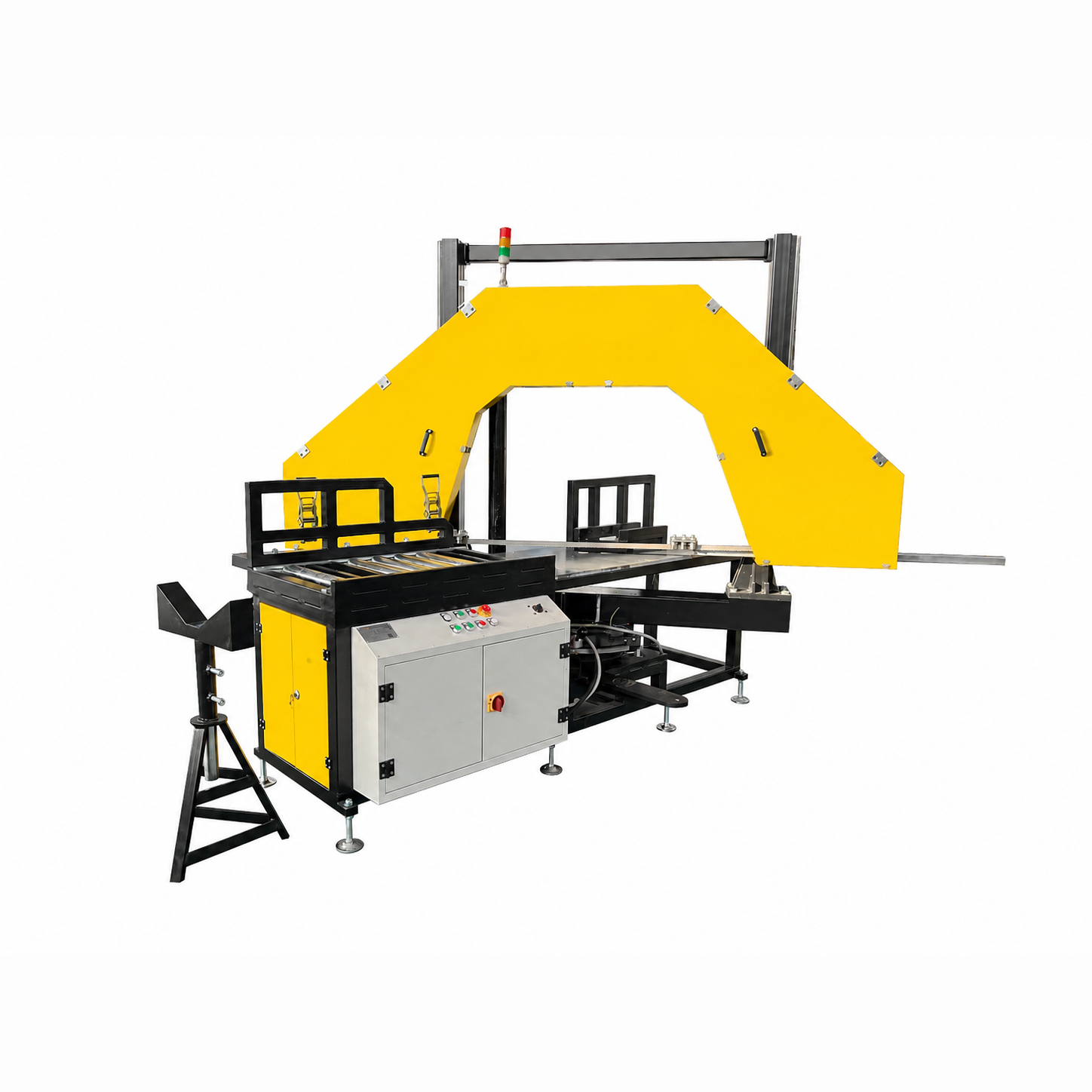
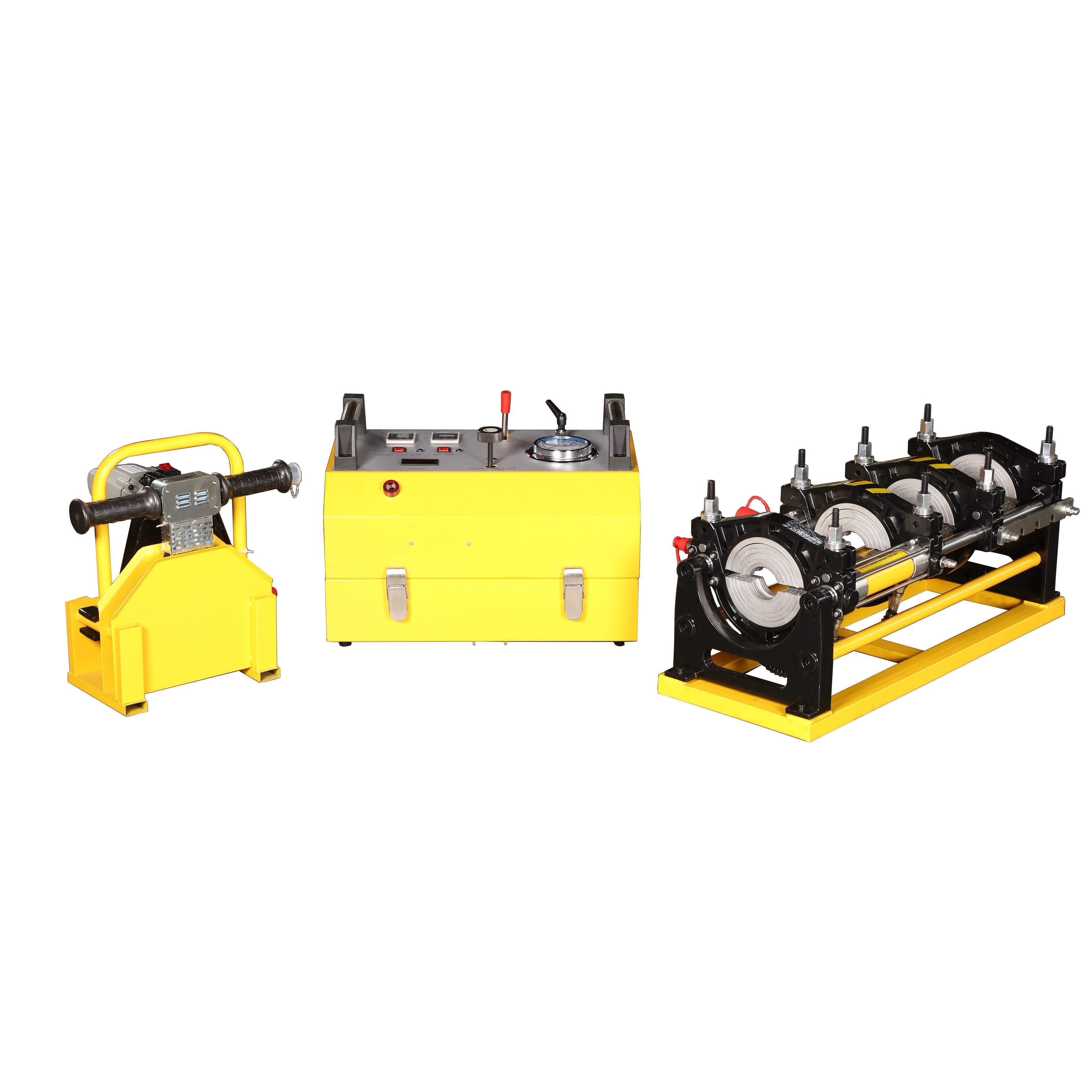
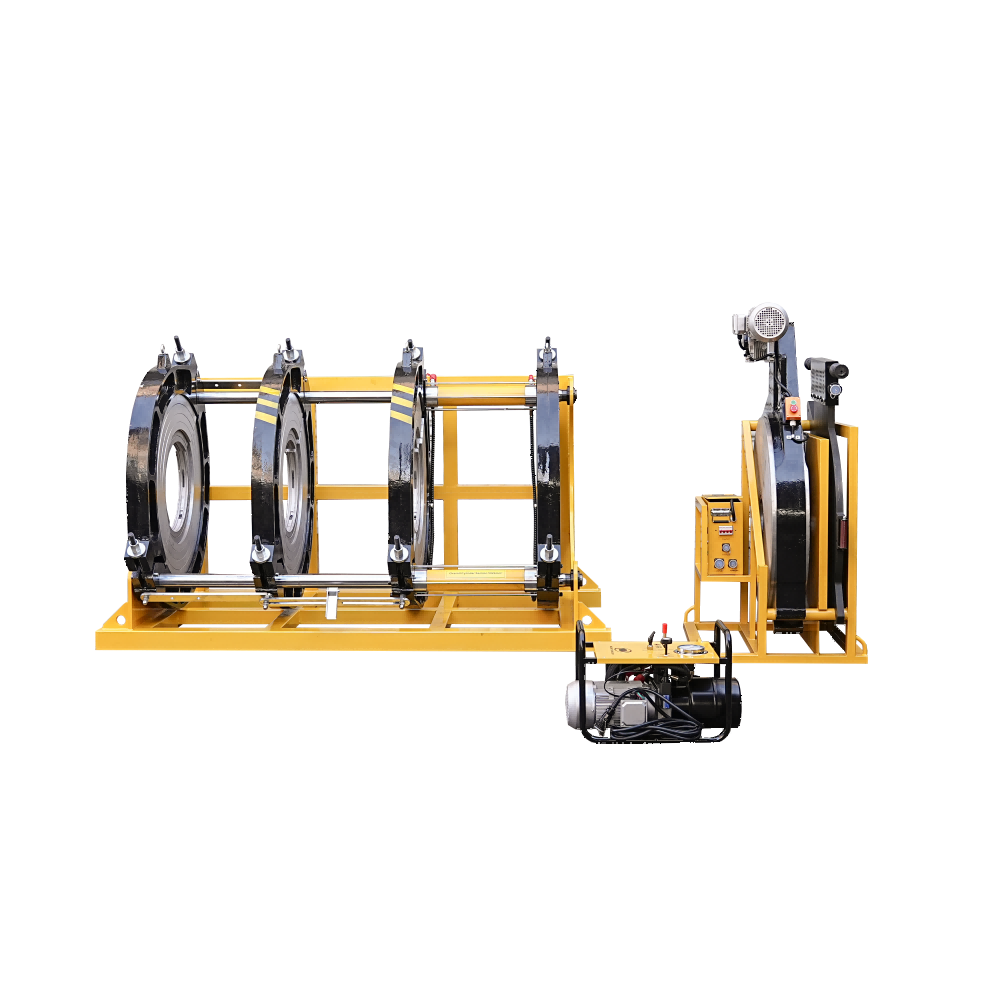
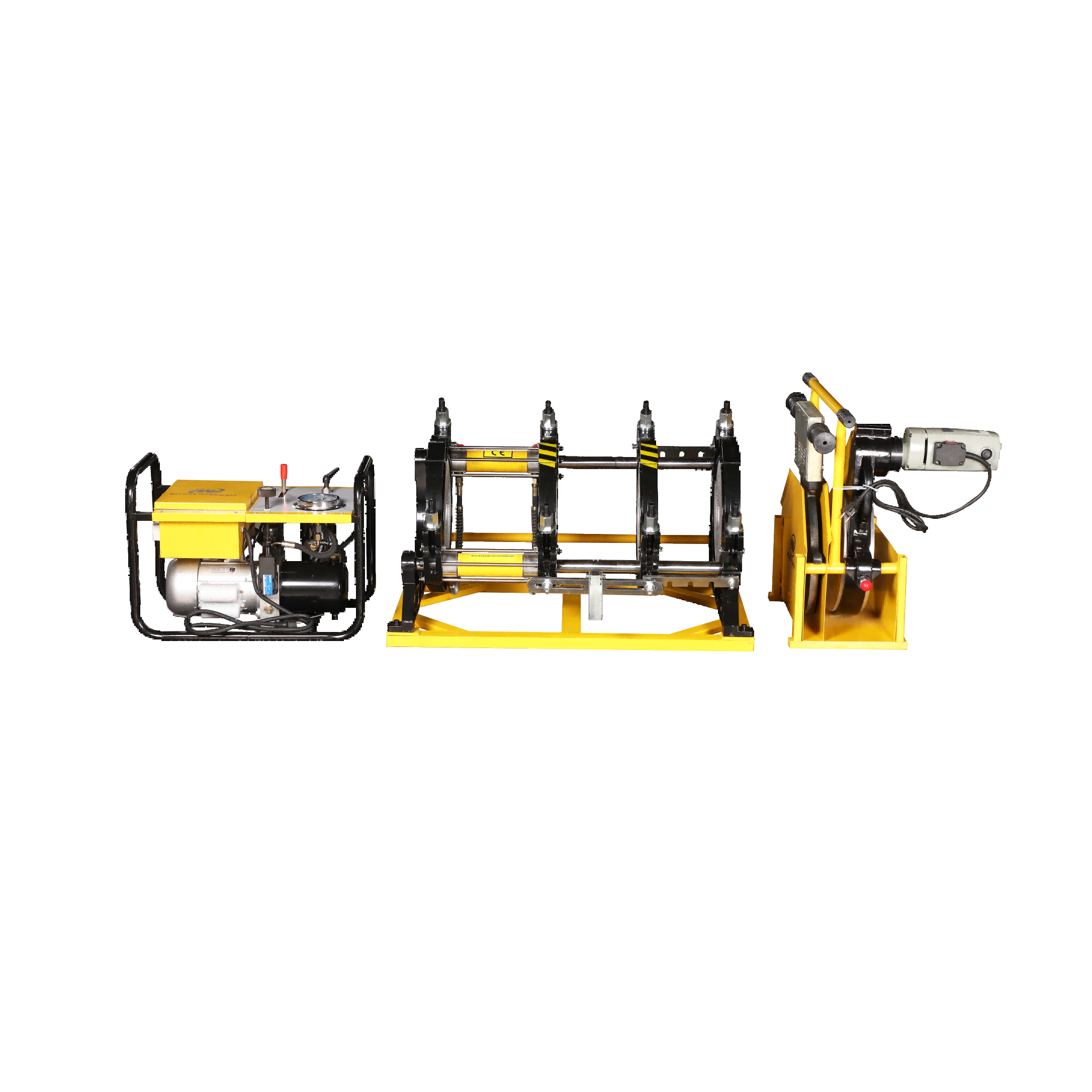
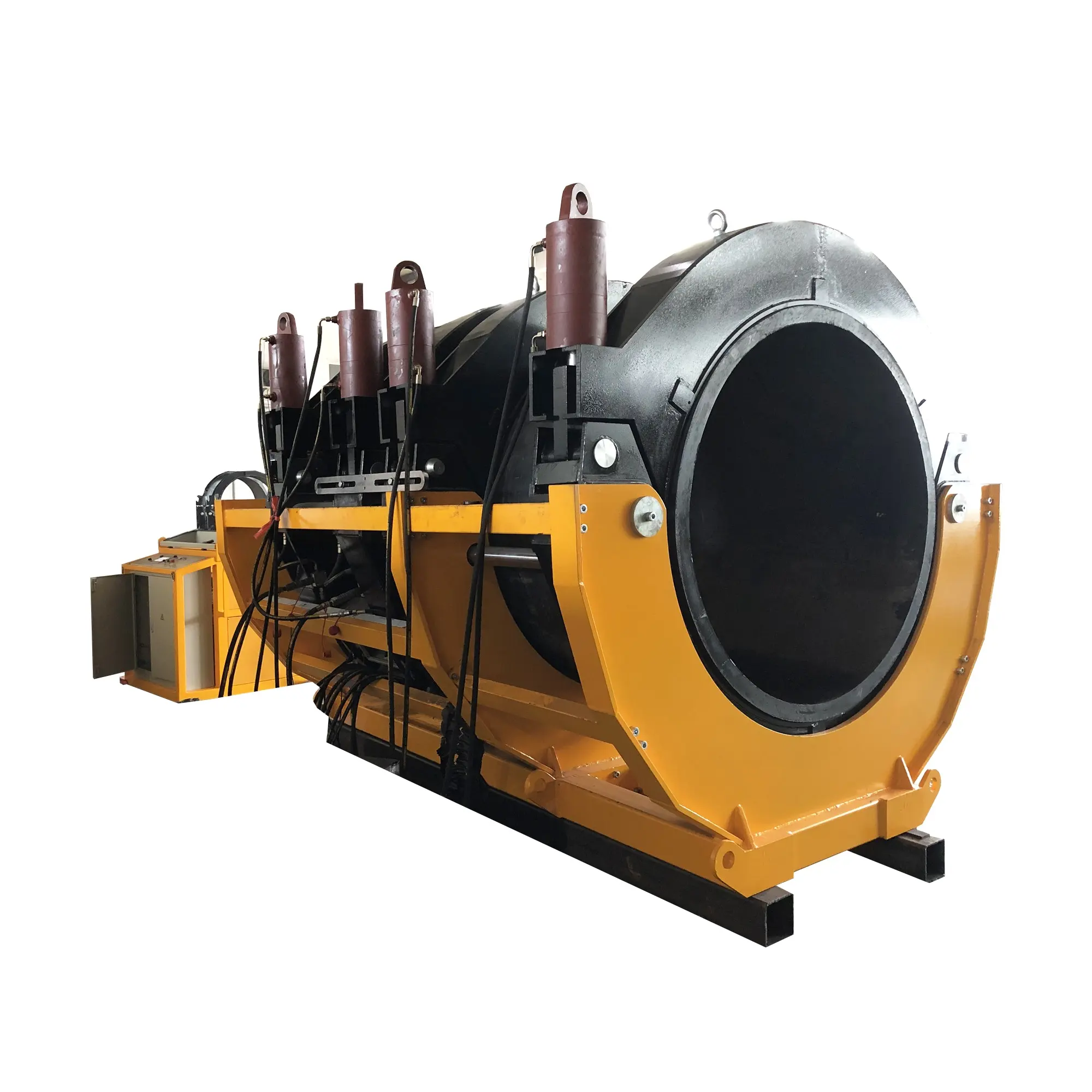
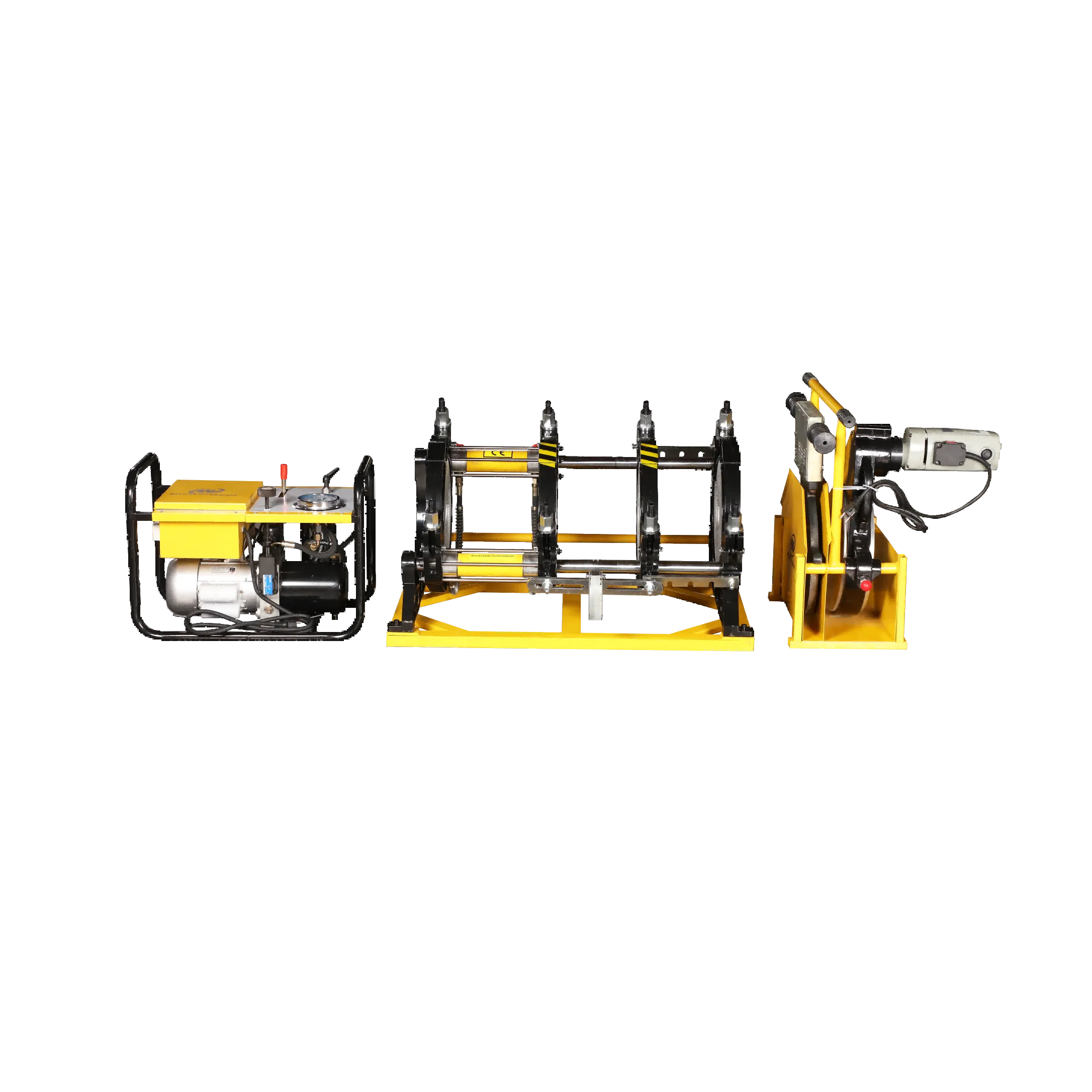
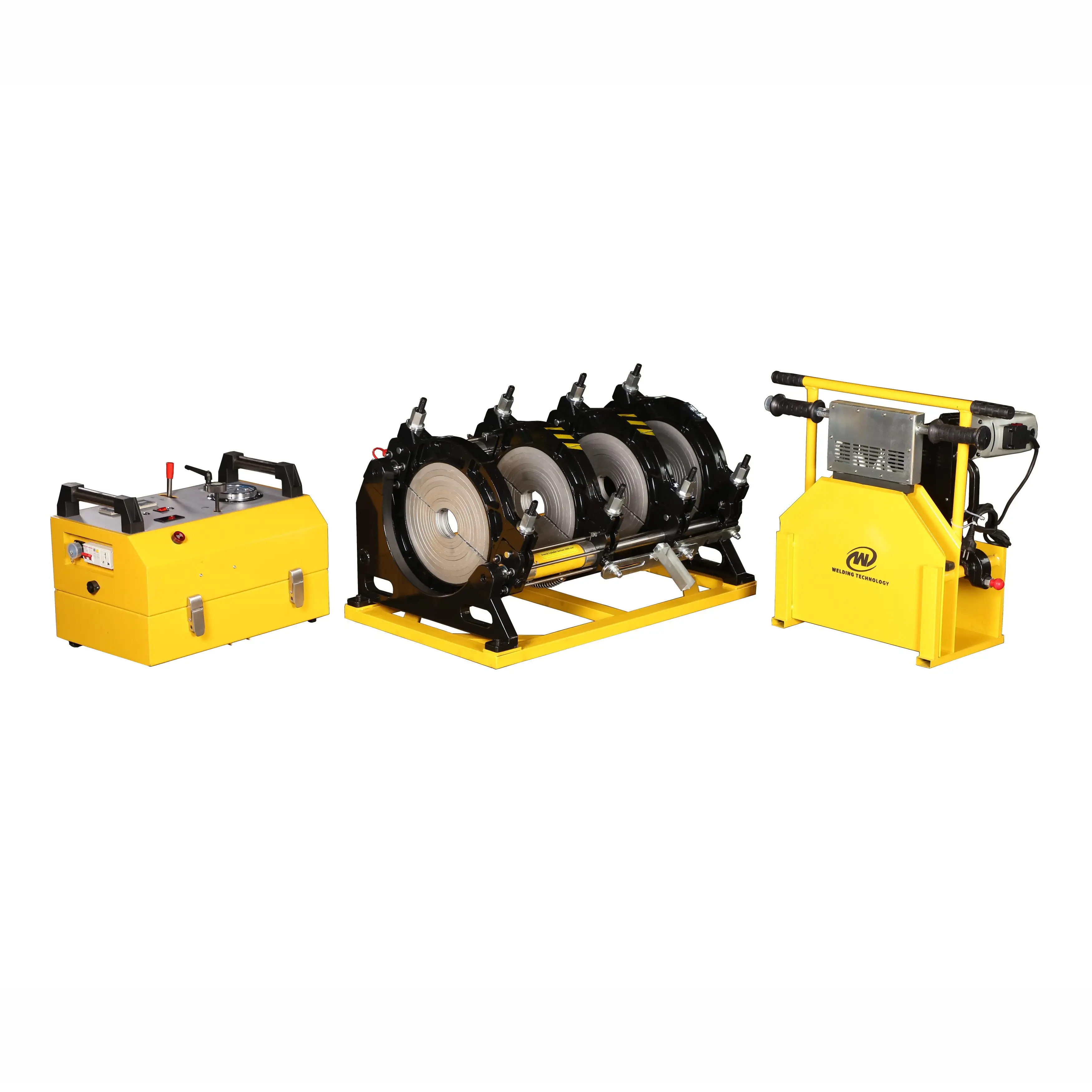
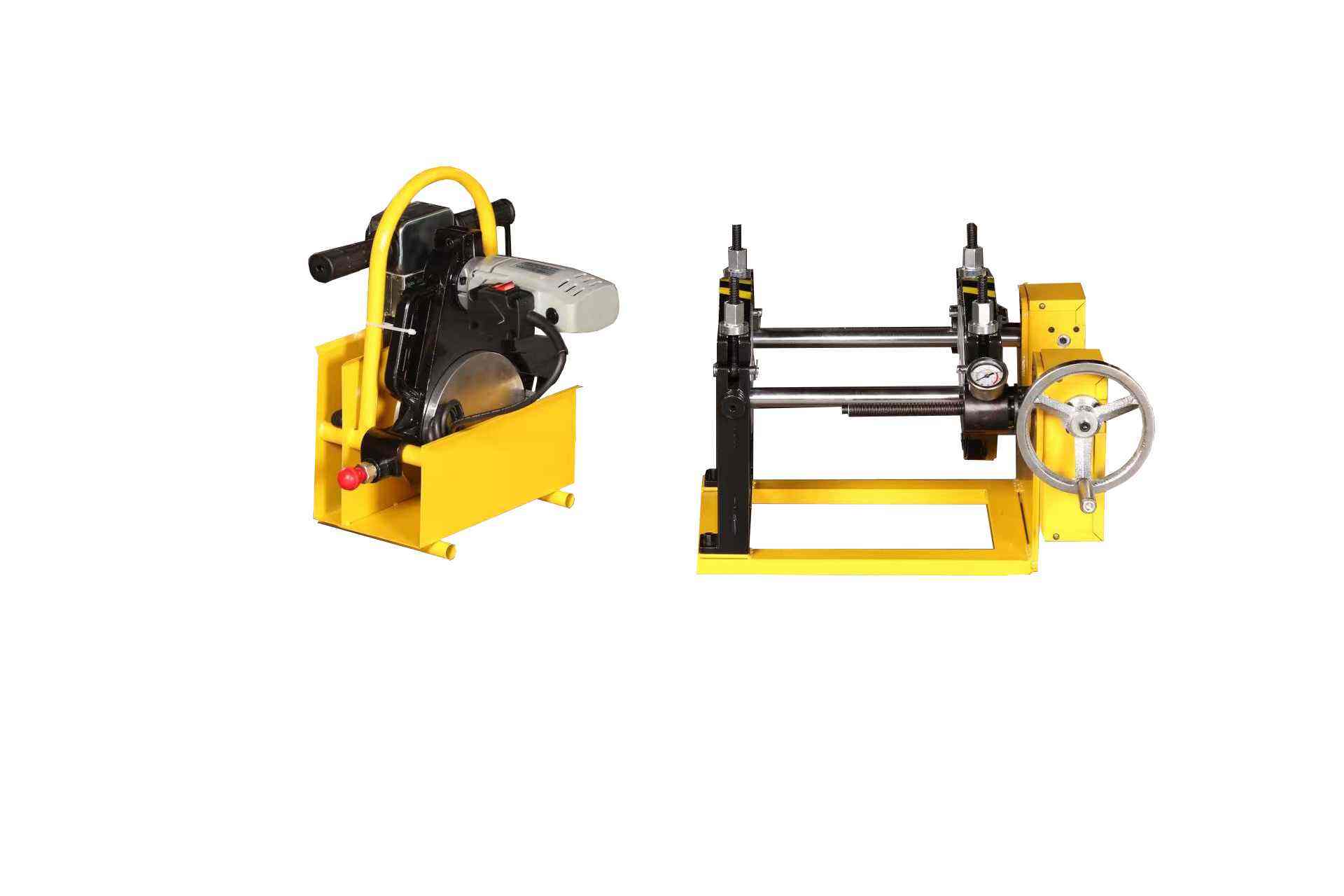
The hdpe pipeline welding machine represents a specialized piece of equipment designed to join high-density polyethylene pipes through heat fusion processes. This machine creates permanent, leak-proof connections that match or exceed the strength of the pipe material itself. Modern hdpe pipeline welding machines employ butt fusion technology, where pipe ends are heated to a precise temperature and then pressed together under controlled pressure to form a homogeneous bond. The equipment consists of several key components including a heating plate, hydraulic or mechanical clamping system, facing tool for pipe preparation, and a control unit that manages temperature and pressure parameters. These machines accommodate various pipe diameters ranging from small residential lines to large industrial pipelines exceeding 1600mm in diameter. The technological sophistication of contemporary hdpe pipeline welding machines includes digital control panels that allow operators to program welding parameters specific to pipe specifications, ambient conditions, and material grades. Advanced models feature data logging capabilities that record every weld for quality assurance and traceability purposes. The machines operate across multiple sectors including water distribution networks, gas transmission systems, mining operations, agricultural irrigation projects, and industrial fluid transport applications. The versatility of hdpe pipeline welding machines extends to field conditions where portability becomes essential. Manufacturers produce both stationary workshop models and mobile units designed for on-site installation work. The fusion welding process eliminates the need for additional coupling materials, reducing long-term maintenance requirements and potential failure points. Temperature control systems maintain heating plates within narrow tolerances, typically between 200 to 230 degrees Celsius, ensuring consistent weld quality regardless of environmental conditions. The pressure application mechanism, whether hydraulic or mechanical, delivers uniform force distribution across the joint interface, preventing weak spots or imperfections. Safety features include emergency stop functions, operator guards, and automated cooling cycles that protect both personnel and equipment. The integration of these technological elements makes the hdpe pipeline welding machine an indispensable tool for modern infrastructure development and pipeline rehabilitation projects.


New Product Releases

Investing in an hdpe pipeline welding machine delivers substantial cost savings over the project lifecycle. These machines eliminate the need for expensive mechanical fittings, reducers, and couplings that traditional joining methods require. The fusion welding process creates joints that are as strong as the pipe itself, removing weak points where leaks typically develop. This reliability translates directly into reduced maintenance costs and fewer emergency repairs over decades of service life. Operators find these machines remarkably efficient, with typical weld cycles completing in minutes rather than hours. The speed of operation means projects finish faster, reducing labor costs and minimizing disruption to surrounding areas. The learning curve for operating an hdpe pipeline welding machine remains manageable, with most technicians achieving proficiency within days of proper training. This accessibility means contractors do not need to maintain specialized crews or pay premium wages for rare skills. The machines work effectively across temperature ranges and weather conditions that would halt other joining methods. Rain, humidity, or moderate cold does not prevent quality welds when operators follow proper procedures. This weather independence keeps projects on schedule and prevents costly delays. The portability of modern hdpe pipeline welding machines allows contractors to bring the equipment directly to work sites rather than transporting pipes to workshops. This mobility reduces handling damage and streamlines logistics on large-scale projects. Environmental benefits accompany the technical advantages, as the welding process produces no harmful emissions or chemical byproducts. The absence of solvents, adhesives, or flux materials makes these machines cleaner and safer for workers and surrounding communities. Energy consumption remains reasonable, with most models operating on standard electrical supplies or portable generators. The durability of welds produced by these machines protects against ground movement, temperature fluctuation, and pressure surges that destroy mechanical joints. This resilience proves especially valuable in challenging installations such as seismic zones, unstable soils, or areas with significant temperature variations. Quality control becomes straightforward as operators can visually inspect the bead formation and use the machine's data logs to verify proper parameters were maintained throughout the weld. This documentation satisfies regulatory requirements and provides accountability for quality assurance programs. The versatility of hdpe pipeline welding machines extends their value across multiple project types, allowing contractors to serve diverse markets with a single equipment investment. From municipal water systems to industrial process piping, the same machine handles various applications with only minor adjustments. This flexibility maximizes return on investment and keeps equipment productive year-round rather than sitting idle between specialized projects.

Tips And Tricks

How Can a Pipe Welding Machine Ensure Reliable Pipe Connections?

28

Apr

How Can a Pipe Welding Machine Ensure Reliable Pipe Connections?

Reliable pipe connections form the backbone of critical infrastructure systems across water distribution networks, natural gas pipelines, industrial processing facilities, and municipal wastewater management operations. The integrity of these connect...
View More
How Does an HDPE Thermofusion Machine Improve Pipeline Performance?

24

Apr

How Does an HDPE Thermofusion Machine Improve Pipeline Performance?

Pipeline integrity stands as a critical concern across industries ranging from municipal water distribution to industrial gas transport, and the welding technology employed directly determines long-term performance outcomes. An HDPE thermofusion mach...
View More
Why Is a Butt Welding Machine Used in Heavy Duty Fabrication Projects?

01

May

Why Is a Butt Welding Machine Used in Heavy Duty Fabrication Projects?

Heavy duty fabrication projects demand precision, structural integrity, and efficiency in joining thermoplastic components, particularly in industries handling large-diameter pipelines, industrial storage systems, and infrastructure installations. Th...
View More
How Does an HDPE Thermofusion Welding Machine Improve Joint Quality?

16

Jun

How Does an HDPE Thermofusion Welding Machine Improve Joint Quality?

In pipeline construction and fluid transport infrastructure, the quality of every joint determines the long-term integrity of the entire system. A poorly fused joint is not simply a weak point — it is a liability that can lead to leaks, system failur...
View More

Get a Free Quote

Our representative will contact you soon.
E-mail
Name
Mobile/WhatsApp
Company Name
Message
0/1000

hdpe pipeline welding machine

Precision Temperature Control for Consistent Weld Quality

Precision Temperature Control for Consistent Weld Quality

The temperature control system built into modern hdpe pipeline welding machines represents one of the most critical features determining weld reliability and longevity. These sophisticated control mechanisms maintain heating plate temperatures within extremely narrow tolerances, typically plus or minus three degrees Celsius from the target temperature. This precision matters because hdpe material exhibits specific melting characteristics that require exact thermal conditions for proper fusion. When temperatures run too low, the pipe surfaces fail to achieve sufficient melt depth, resulting in weak bonds that may fail under pressure or stress. Conversely, excessive heat causes material degradation, creating brittle zones prone to cracking. The control systems employ multiple thermocouples embedded across the heating plate surface, continuously monitoring temperature distribution and compensating for any variations. Advanced models incorporate predictive algorithms that adjust power input based on ambient conditions, pipe material grade, and operator-selected parameters. This intelligent temperature management ensures consistent results regardless of whether work occurs in desert heat or winter cold. The heating plates themselves utilize high-quality non-stick coatings that prevent polymer adhesion while facilitating even heat transfer. Operators benefit from clear digital displays showing real-time temperature readings, eliminating guesswork and reducing the skill level required for quality welds. The automated control systems also manage heating duration, ensuring pipes receive adequate heat soak time for the material to reach proper fusion temperature throughout the wall thickness. This automated timing prevents the common error of rushing the heating phase, which leads to surface-only melting and weak joints. The temperature control system interfaces with safety mechanisms that prevent welding operations if parameters fall outside acceptable ranges, protecting against operator error or equipment malfunction. Documentation features record temperature profiles for each weld, creating permanent quality assurance records that satisfy regulatory requirements and support warranty claims. For contractors, this temperature precision translates directly into fewer failed joints, reduced callback rates, and enhanced reputation for reliability. The consistency achieved through advanced temperature control allows less experienced operators to produce welds matching the quality of seasoned professionals, addressing the skilled labor shortage many contractors face. These control systems have evolved significantly from early manual temperature management, where operators relied on surface contact thermometers and personal judgment, resulting in high variability and frequent weld failures.
Hydraulic Pressure System for Optimal Joint Formation

Hydraulic Pressure System for Optimal Joint Formation

The hydraulic pressure application system integrated into professional-grade hdpe pipeline welding machines provides the controlled force necessary to create structurally sound fusion joints. This system operates through precision hydraulic cylinders that push pipe ends together during the fusion phase, maintaining constant pressure as the molten polymer flows and intermingles. The importance of proper pressure control cannot be overstated, as insufficient force prevents complete molecular entanglement between pipe surfaces, while excessive pressure squeezes out too much molten material, weakening the joint. Modern hydraulic systems provide infinitely variable pressure adjustment, allowing operators to match force levels precisely to pipe diameter, wall thickness, and material specifications. Digital pressure gauges display real-time force measurements in units familiar to operators, removing ambiguity from the welding process. The hydraulic mechanisms incorporate position sensors that track pipe movement during the fusion cycle, ensuring the proper bead formation occurs at the joint interface. These sensors feed data to the control system, which adjusts pressure dynamically to maintain optimal conditions as the material cools and solidifies. The smooth, consistent force delivery possible with hydraulic systems surpasses mechanical alternatives that introduce vibration or uneven pressure distribution. This smoothness proves especially important when welding large-diameter pipes where even minor force variations across the joint circumference create weak zones. The hydraulic system also manages the facing operation where pipe ends receive precision machining before welding. During facing, the system maintains steady pressure against cutting tools, producing clean, square, parallel surfaces essential for quality welds. Safety features built into hydraulic systems include pressure relief valves that prevent over-pressurization, protecting both equipment and operators from dangerous situations. Emergency release mechanisms allow instant pressure relief if problems develop during the welding cycle, preventing damage to pipes or machine components. The hydraulic fluid systems employ high-quality oils resistant to temperature variation, ensuring consistent performance across the environmental conditions encountered in field operations. Maintenance requirements for these hydraulic systems remain minimal, with periodic fluid changes and seal inspections constituting the primary service needs. The reliability of hydraulic pressure control has made this technology the industry standard for professional pipeline welding applications. Contractors appreciate how hydraulic systems reduce physical effort required from operators, as the machine handles all force application automatically once parameters are set. This automation reduces operator fatigue on projects requiring numerous welds, maintaining quality consistency throughout long work shifts.
Portable Design for On-Site Installation Flexibility

Portable Design for On-Site Installation Flexibility

The portability engineered into contemporary hdpe pipeline welding machines transforms how contractors approach pipeline installation projects, bringing professional welding capabilities directly to work sites regardless of location or access constraints. This mobility represents a fundamental advantage over stationary workshop equipment that requires transporting pipes to the machine rather than the reverse. Modern portable welding machines incorporate thoughtful design elements that balance capability with transportability, featuring compact frames that fit through standard doorways and into service elevators while maintaining the structural rigidity necessary for precision welding. Manufacturers employ lightweight materials including aluminum alloys and high-strength composites that reduce overall machine weight without compromising durability or performance. Many models include integrated wheels and handles positioned for comfortable maneuvering across uneven terrain, construction sites, and confined spaces. The machines break down into manageable components for transport to remote locations, with some designs fitting entirely into standard cargo vans or pickup truck beds. This accessibility means contractors can serve projects in rural areas, mountainous regions, or developing markets where infrastructure limitations would otherwise prevent professional welding services. Power requirements for portable hdpe pipeline welding machines accommodate field conditions, with most units operating effectively on portable generators or available electrical services. Some advanced models incorporate dual-voltage capability, functioning equally well on different electrical standards encountered in international projects. The self-contained nature of portable machines includes integrated hydraulic systems, control units, and all necessary components, eliminating dependence on external support equipment. Quick-setup features allow experienced operators to have machines ready for welding within minutes of arrival at job sites, maximizing productive time and minimizing setup costs. The rugged construction of field-ready machines withstands the vibration, dust, moisture, and temperature extremes encountered during transportation and outdoor operation. Protective cases and covers shield sensitive electronic components from environmental damage while maintaining accessibility for operation and routine maintenance. The portability advantage extends beyond physical mobility to include operational flexibility, as contractors can deploy machines to multiple projects simultaneously or relocate equipment as work progresses along pipeline routes. This dynamic deployment capability improves equipment utilization rates and return on investment compared to stationary alternatives that remain fixed in single locations. For emergency repair situations, portable hdpe pipeline welding machines enable rapid response to pipeline failures, reducing downtime and associated costs. The ability to perform quality fusion welds in the field eliminates the need for temporary mechanical repairs that require subsequent replacement. Maintenance and service access remains practical with portable designs, as components are arranged for easy inspection and part replacement without requiring specialized facilities or equipment.

Get a Free Quote

Our representative will contact you soon.
E-mail
Name
Mobile/WhatsApp
Company Name
Message
0/1000