Premium HDPE Pipe Fusion Machine Supplier - Advanced Welding Equipment & Expert Support

Get a Free Quote

Our representative will contact you soon.
E-mail
Name
Mobile/WhatsApp
Company Name
Message
0/1000

hdpe pipe fusion machine supplier

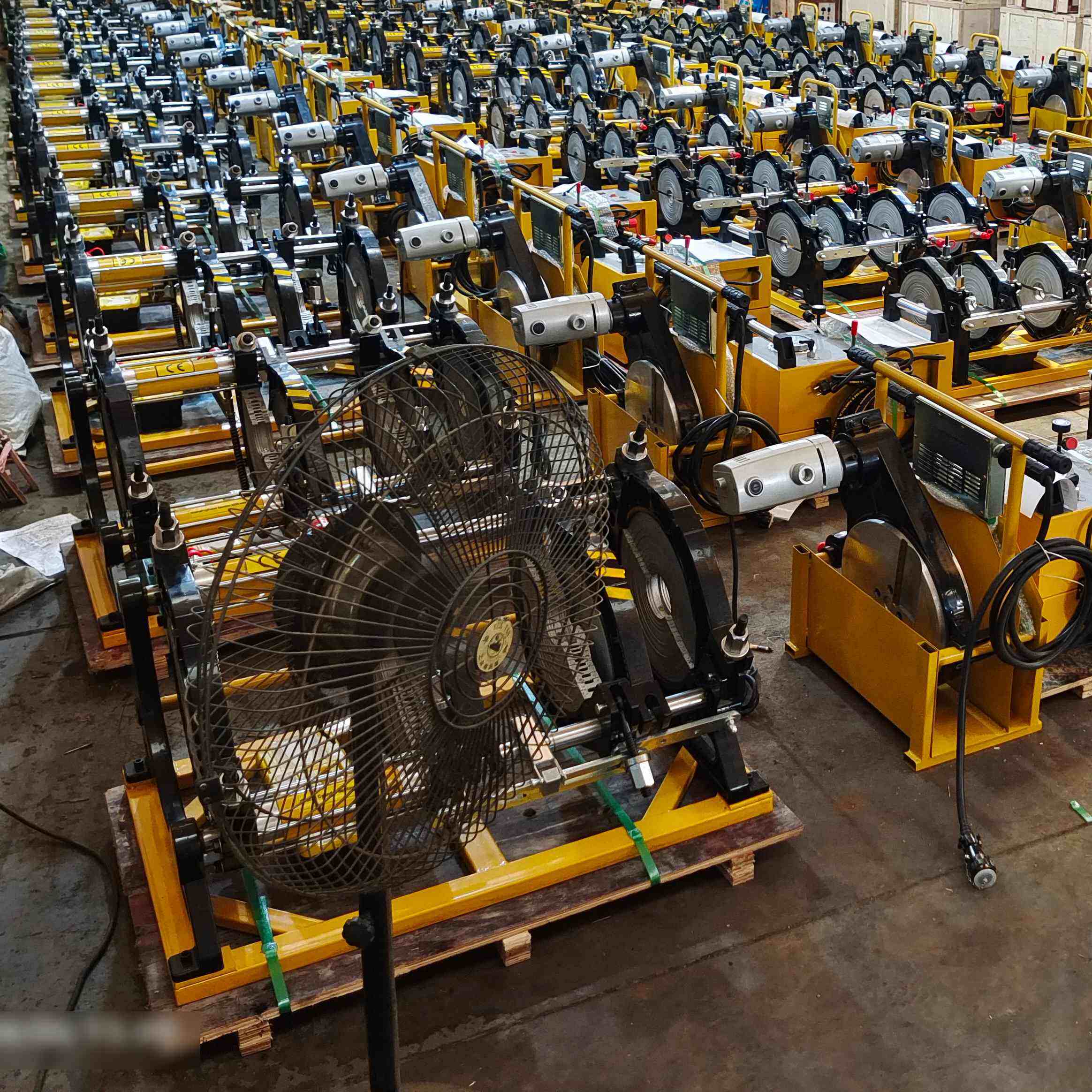
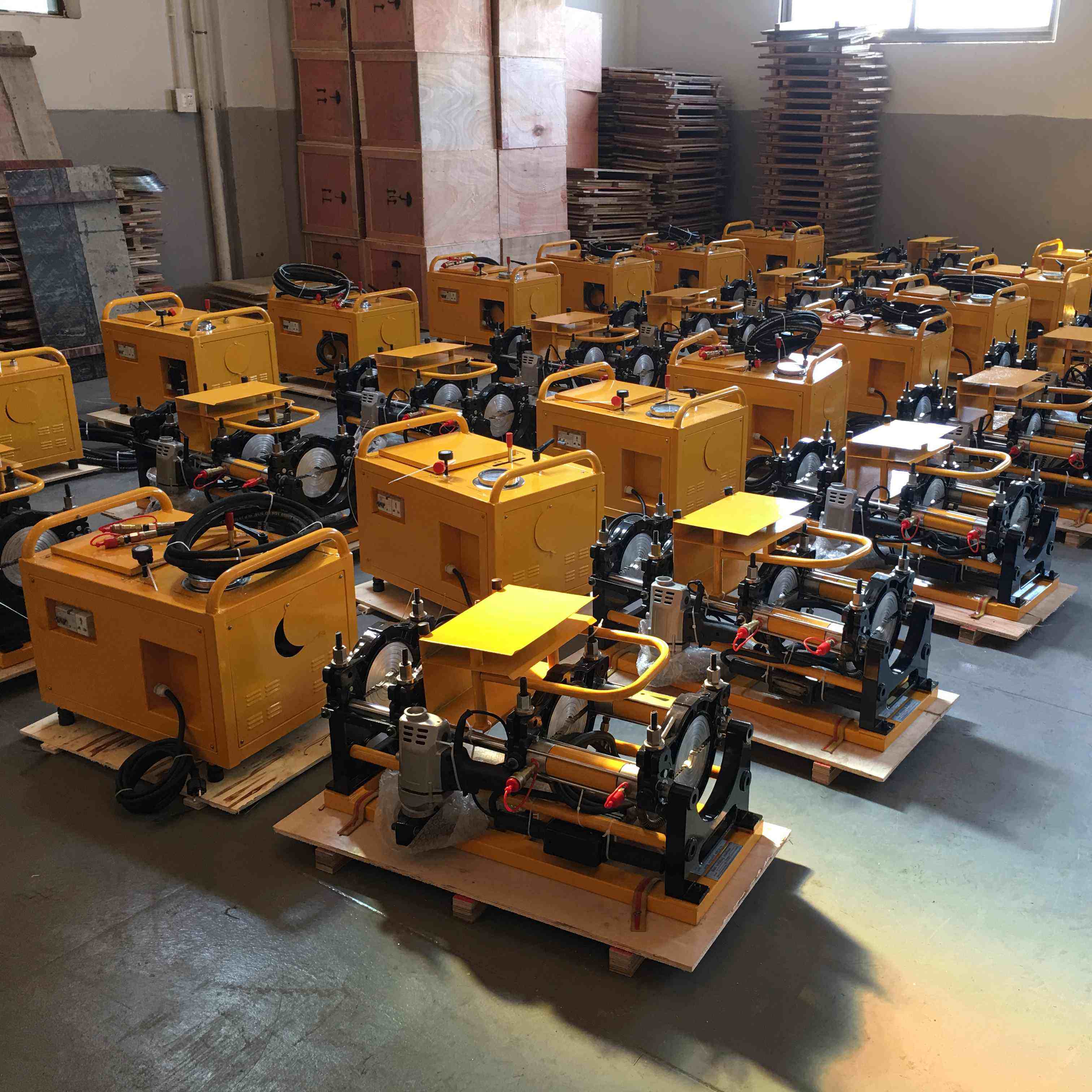
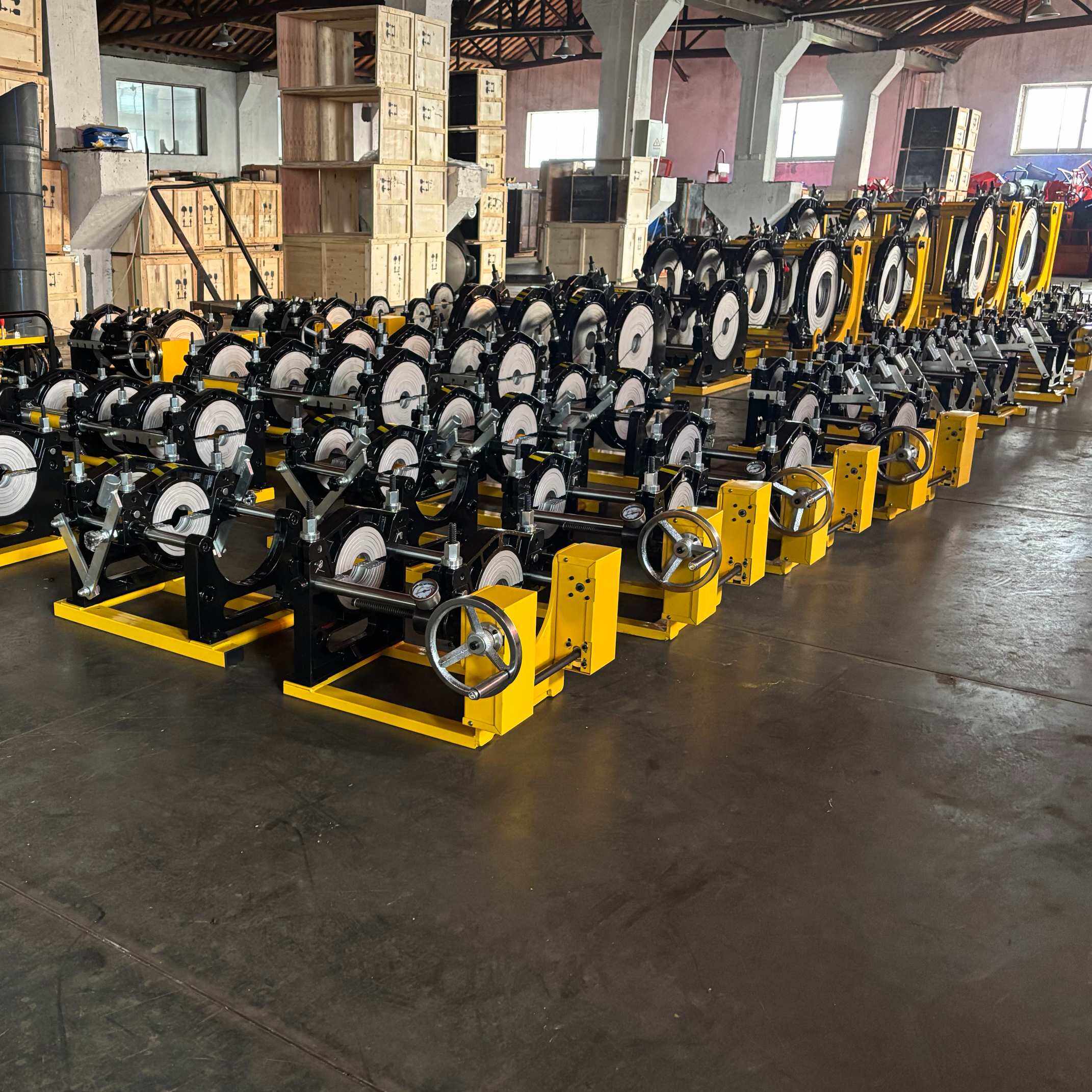
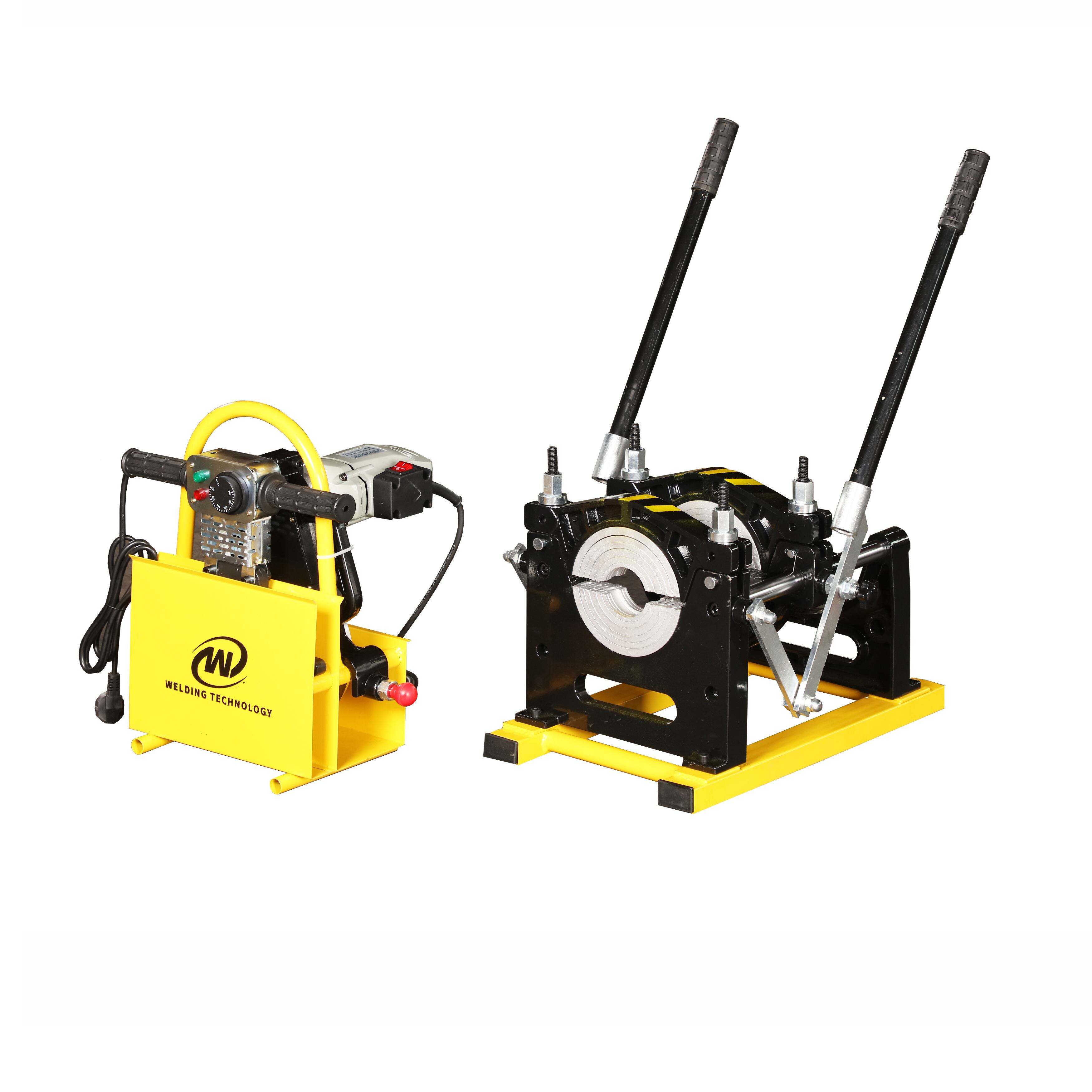
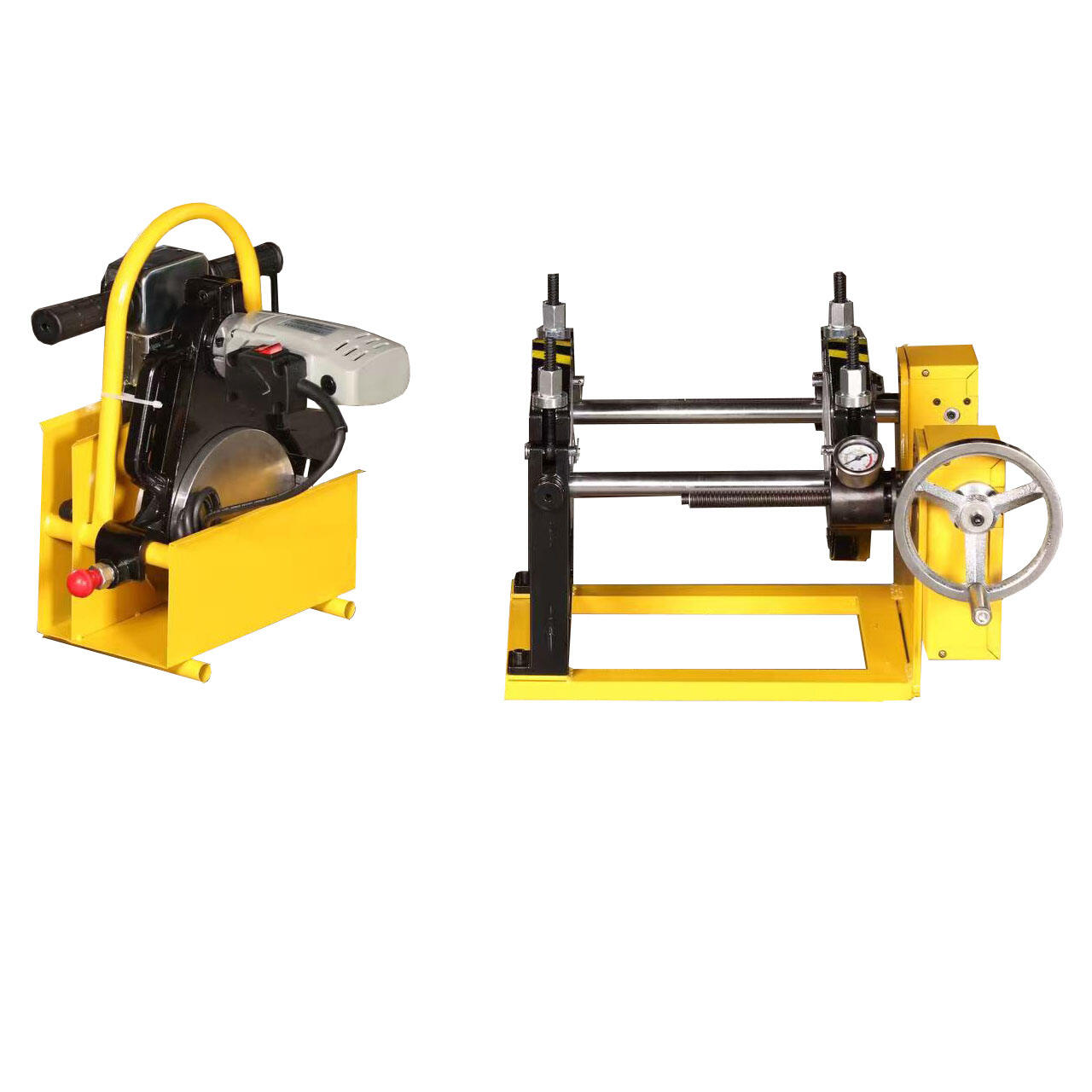
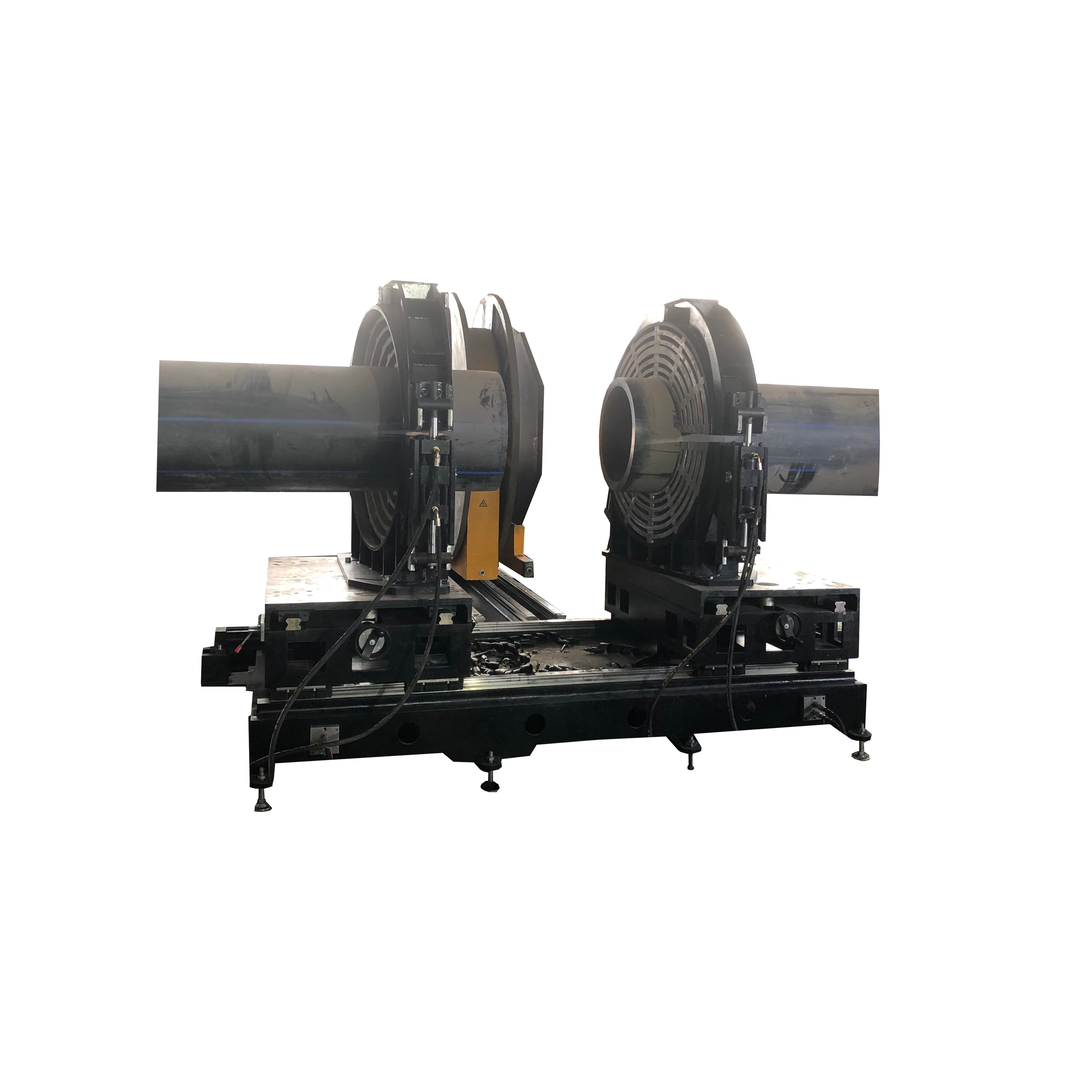
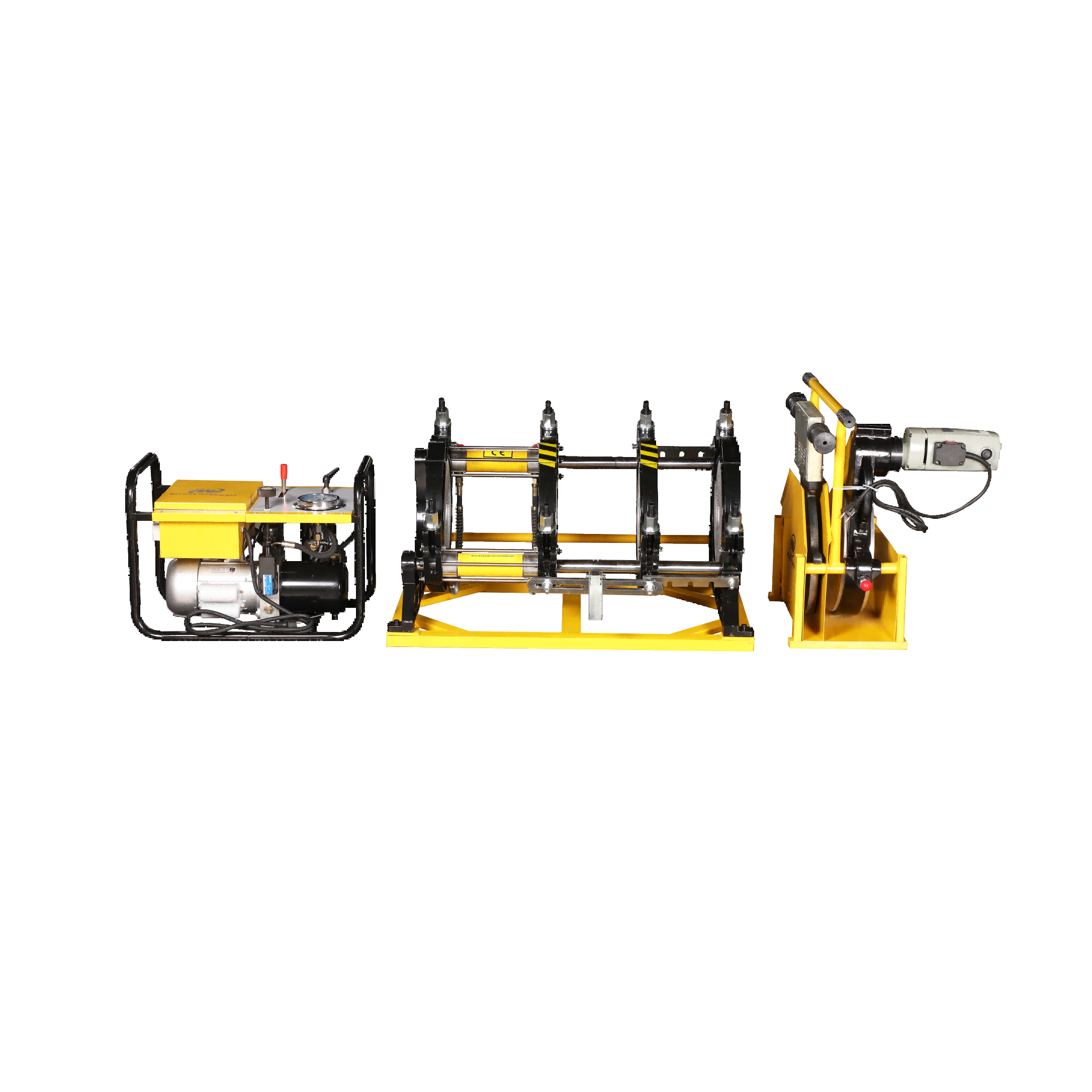
An HDPE pipe fusion machine supplier represents a crucial partner in the infrastructure development and pipeline installation industry. These specialized suppliers provide advanced equipment designed specifically for joining high-density polyethylene pipes through thermoplastic welding processes. The primary function of these machines centers on creating seamless, leak-proof connections between HDPE pipe sections, ensuring long-lasting and reliable pipeline systems. Modern fusion equipment employs sophisticated heating elements and precise temperature controls to achieve optimal welding conditions. The technological features of contemporary fusion machines include digital temperature monitoring systems, automated fusion cycles, and pressure regulation mechanisms that guarantee consistent joint quality. These suppliers offer various machine types, including butt fusion welders for straight pipe connections, electrofusion units for branch connections, and socket fusion equipment for smaller diameter applications. The core technology relies on controlled heating of pipe ends to their melting point, followed by precise pressure application to create molecular bonding. Advanced models incorporate computerized control systems that monitor fusion parameters throughout the entire welding cycle. Applications span across municipal water distribution networks, natural gas transmission systems, industrial process piping, agricultural irrigation infrastructure, and telecommunications conduit installations. The versatility of HDPE fusion equipment makes it indispensable for contractors working on diverse projects ranging from residential developments to major infrastructure initiatives. Professional HDPE pipe fusion machine suppliers maintain extensive inventories of equipment suitable for various pipe diameters and working conditions. They also provide comprehensive training programs to ensure operators achieve optimal welding results consistently. Technical support services include equipment maintenance, calibration procedures, and troubleshooting assistance. The reliability and efficiency of these machines directly impact project timelines and overall installation quality, making supplier selection a critical decision for pipeline contractors and utility companies.

New Product Recommendations

Choosing a reputable HDPE pipe fusion machine supplier delivers significant advantages that directly benefit your operations and bottom line. First, you gain access to cutting-edge fusion technology that produces superior joint quality compared to traditional joining methods. These machines create molecular bonds between pipe sections that often exceed the strength of the original pipe material itself. This eliminates weak points in your pipeline system and reduces long-term maintenance requirements. Quality suppliers provide equipment with consistent performance characteristics, ensuring every weld meets industry standards and project specifications. You also benefit from comprehensive technical support that includes equipment training, operational guidance, and troubleshooting assistance whenever needed. Professional suppliers maintain certified technicians who understand the intricacies of fusion welding and can help optimize your processes. Equipment reliability represents another major advantage, as established suppliers offer machines built to withstand demanding job site conditions while maintaining precision performance. This reliability translates to reduced downtime and increased productivity on your projects. Cost-effectiveness emerges through multiple channels when working with experienced suppliers. You avoid expensive trial-and-error equipment purchases by accessing expert recommendations tailored to your specific applications. Bulk purchasing power often results in competitive pricing on both equipment and replacement parts. Additionally, proper training reduces operator errors that could lead to costly rework or joint failures. Time savings occur through streamlined ordering processes, rapid equipment delivery, and efficient setup procedures. Many suppliers offer rental options that eliminate large capital investments while providing access to the latest technology. Warranty coverage and service agreements protect your investment and ensure continued equipment performance. The flexibility to scale your equipment inventory based on project demands helps manage cash flow effectively. Established suppliers also provide valuable market insights regarding new technologies, regulatory changes, and best practices that can enhance your competitive position. Their experience with diverse applications helps you select the most appropriate equipment for each project type. This comprehensive support system ultimately leads to improved project outcomes, enhanced customer satisfaction, and stronger business growth opportunities for your organization.

Practical Tips

Global Fusion Welding Machinery Market Booms, Hangzhou Welding Leads Chinese Manufacturing to Serve 100+ Countries

11

Feb

Global Fusion Welding Machinery Market Booms, Hangzhou Welding Leads Chinese Manufacturing to Serve 100+ Countries

View More
Technological Innovation Drives Industry Upgrade, Hangzhou Welding Leads the Development of Thermoplastic Welding Technology

11

Feb

Technological Innovation Drives Industry Upgrade, Hangzhou Welding Leads the Development of Thermoplastic Welding Technology

View More
Accelerating Global Layout, Hangzhou Welding Technology Drives International Market Development with the Dual Wheels of

11

Feb

Accelerating Global Layout, Hangzhou Welding Technology Drives International Market Development with the Dual Wheels of "Products + Services"

View More

Get a Free Quote

Our representative will contact you soon.
E-mail
Name
Mobile/WhatsApp
Company Name
Message
0/1000

hdpe pipe fusion machine supplier

Advanced Temperature Control Technology

Advanced Temperature Control Technology

The temperature control system represents the most critical component of any HDPE pipe fusion machine, and leading suppliers distinguish themselves through sophisticated thermal management technologies. These advanced systems employ precision heating elements combined with intelligent temperature sensors that monitor and adjust heat levels throughout the entire fusion process. The importance of accurate temperature control cannot be overstated, as HDPE materials require specific thermal conditions to achieve optimal molecular bonding. Too little heat results in weak joints that may fail under pressure, while excessive temperatures can degrade the polymer structure and compromise joint integrity. Professional HDPE pipe fusion machine suppliers integrate multi-zone heating systems that ensure uniform temperature distribution across the heating plate surface. This uniformity eliminates hot spots that could cause uneven melting and subsequent joint defects. The control systems feature digital displays that provide real-time temperature readings, allowing operators to verify optimal conditions before proceeding with the fusion process. Many advanced machines include programmable temperature profiles that automatically adjust heating cycles based on pipe diameter, wall thickness, and ambient conditions. This automation reduces operator variability and ensures consistent results regardless of individual experience levels. The thermal sensors employed in quality fusion equipment respond rapidly to temperature fluctuations, making immediate adjustments to maintain stable conditions. This responsiveness becomes particularly important when working in challenging environmental conditions where ambient temperatures may vary significantly. Leading suppliers also incorporate safety features that prevent overheating and protect both the equipment and pipe materials from damage. These protective systems include automatic shutdown mechanisms that activate if temperatures exceed safe operating limits. The value of advanced temperature control extends beyond joint quality to include operational efficiency improvements. Precise thermal management reduces heating times while ensuring complete material preparation, leading to faster cycle times and increased productivity. This efficiency translates directly to cost savings on labor and project completion timelines. Additionally, consistent temperature control minimizes material waste by reducing the occurrence of defective joints that require reworking. The technological sophistication of these systems also enables detailed process documentation, with many machines capable of recording temperature data throughout each fusion cycle for quality assurance purposes.
Comprehensive Equipment Training Programs

Comprehensive Equipment Training Programs

Professional HDPE pipe fusion machine suppliers recognize that equipment capability means nothing without properly trained operators, which is why comprehensive training programs represent a fundamental differentiator in supplier selection. These educational initiatives go far beyond basic equipment operation to encompass fusion theory, quality control procedures, troubleshooting techniques, and safety protocols. The training curriculum typically begins with theoretical foundations covering HDPE material properties, fusion science principles, and joint quality requirements. This knowledge base enables operators to understand why specific procedures must be followed and how variations affect final results. Hands-on training sessions provide practical experience with actual equipment under controlled conditions, allowing participants to develop muscle memory and confidence before working on critical projects. Experienced instructors guide trainees through various scenarios including different pipe sizes, environmental conditions, and challenging installations. The value of professional training becomes apparent immediately through improved joint quality and reduced error rates. Trained operators produce consistent results that meet or exceed industry standards, reducing the risk of costly failures and warranty claims. They also work more efficiently, completing fusion cycles faster while maintaining quality standards. This efficiency improvement directly impacts project profitability through reduced labor costs and accelerated completion schedules. Comprehensive training programs also emphasize safety procedures that protect workers and equipment from potential hazards. Operators learn proper handling techniques for hot equipment, appropriate personal protective equipment usage, and emergency procedures for equipment malfunctions. This safety focus reduces workplace accidents and associated costs while creating a more professional working environment. Many suppliers offer multiple training formats to accommodate different learning preferences and scheduling requirements. Classroom sessions provide theoretical knowledge and group discussions, while field training offers real-world experience under actual working conditions. Online training modules enable flexible scheduling and provide refresher materials that operators can access as needed. Certification programs validate operator competency and provide documentation for quality assurance purposes. These credentials demonstrate professional capabilities to clients and regulatory agencies, enhancing business credibility and competitive positioning. Advanced training modules cover specialized applications, new technologies, and troubleshooting procedures that enable operators to handle complex situations independently. Ongoing educational support ensures operators stay current with evolving technologies and industry best practices. This continuous learning approach maintains competitive advantages and supports long-term business success through superior service delivery.
Robust After-Sales Support Network

Robust After-Sales Support Network

The after-sales support network provided by established HDPE pipe fusion machine suppliers creates lasting value that extends far beyond the initial equipment purchase. This comprehensive support infrastructure encompasses technical assistance, maintenance services, parts availability, and equipment upgrades that ensure continued performance throughout the machine's operational life. The foundation of effective after-sales support lies in accessible technical expertise that can address operational questions, troubleshooting challenges, and performance optimization opportunities. Leading suppliers maintain dedicated support teams staffed by experienced technicians who understand the intricacies of fusion equipment and can provide immediate assistance when problems arise. This rapid response capability minimizes downtime and keeps projects on schedule, protecting both productivity and profitability. The support network typically includes multiple communication channels such as phone hotlines, email support, and online chat systems that enable operators to access help through their preferred method. Many suppliers also offer remote diagnostic capabilities that allow technicians to evaluate equipment performance and identify issues without requiring on-site visits. This remote support reduces response times and enables faster problem resolution. Preventive maintenance programs represent another crucial component of comprehensive after-sales support. These structured programs help identify potential problems before they cause equipment failures, reducing unexpected downtime and repair costs. Regular maintenance also extends equipment life and maintains optimal performance characteristics throughout the machine's operational period. Professional suppliers provide detailed maintenance schedules, procedures, and training to help operators implement effective preventive care programs. Parts availability ensures that maintenance and repair activities can be completed promptly without extended waiting periods. Established suppliers maintain extensive inventories of commonly needed components and can quickly source specialized parts when required. This parts support includes both original manufacturer components and approved alternatives that meet performance specifications while potentially offering cost advantages. The logistics network supporting parts distribution enables rapid delivery to job sites anywhere within the service area. Equipment upgrade services help customers adapt to changing technology and application requirements without requiring complete equipment replacement. These upgrades might include control system enhancements, heating element improvements, or additional safety features that extend equipment capabilities and maintain competitive advantages. Training support for new features ensures operators can effectively utilize upgraded capabilities. The long-term relationship fostered through comprehensive after-sales support creates mutual benefits for both suppliers and customers. Customers enjoy reliable equipment performance and professional assistance throughout their ownership experience, while suppliers benefit from customer loyalty and opportunities for additional business through equipment expansion and replacement needs.

Get a Free Quote

Our representative will contact you soon.
E-mail
Name
Mobile/WhatsApp
Company Name
Message
0/1000