машини для зварювання під різними кутами
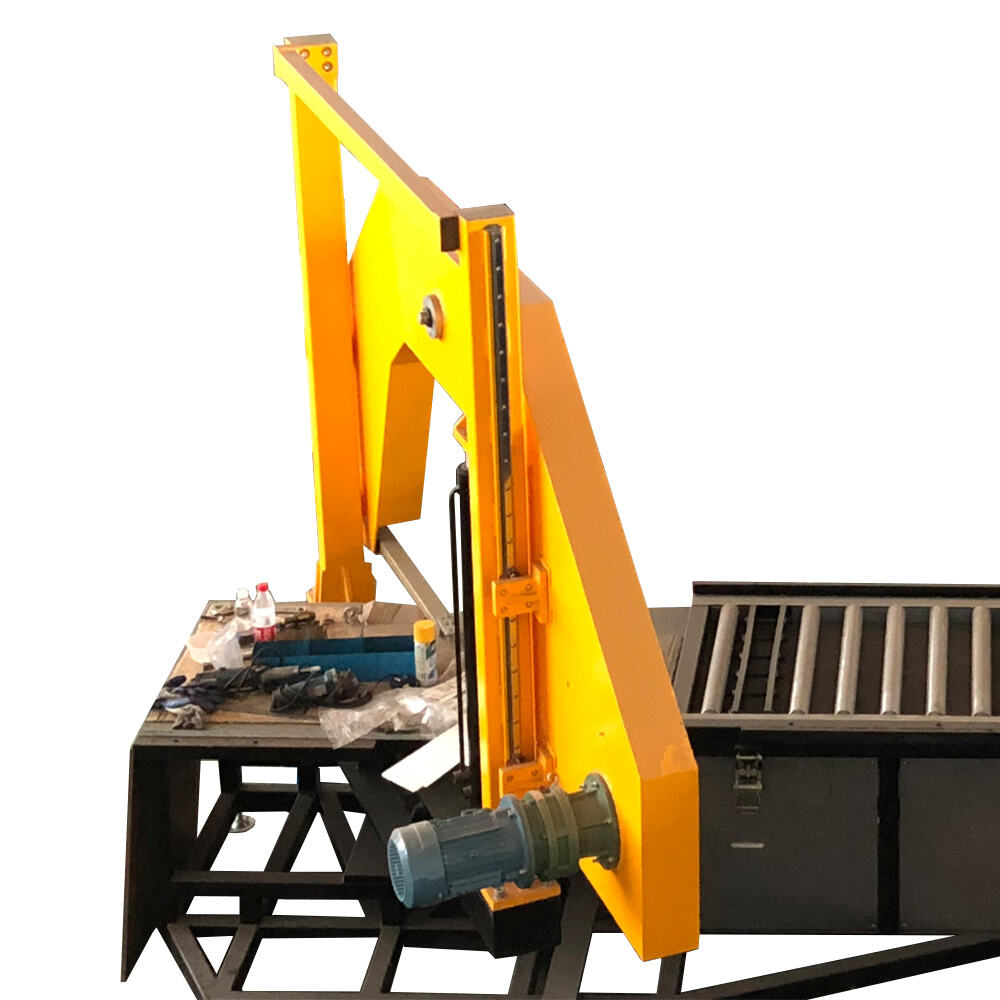
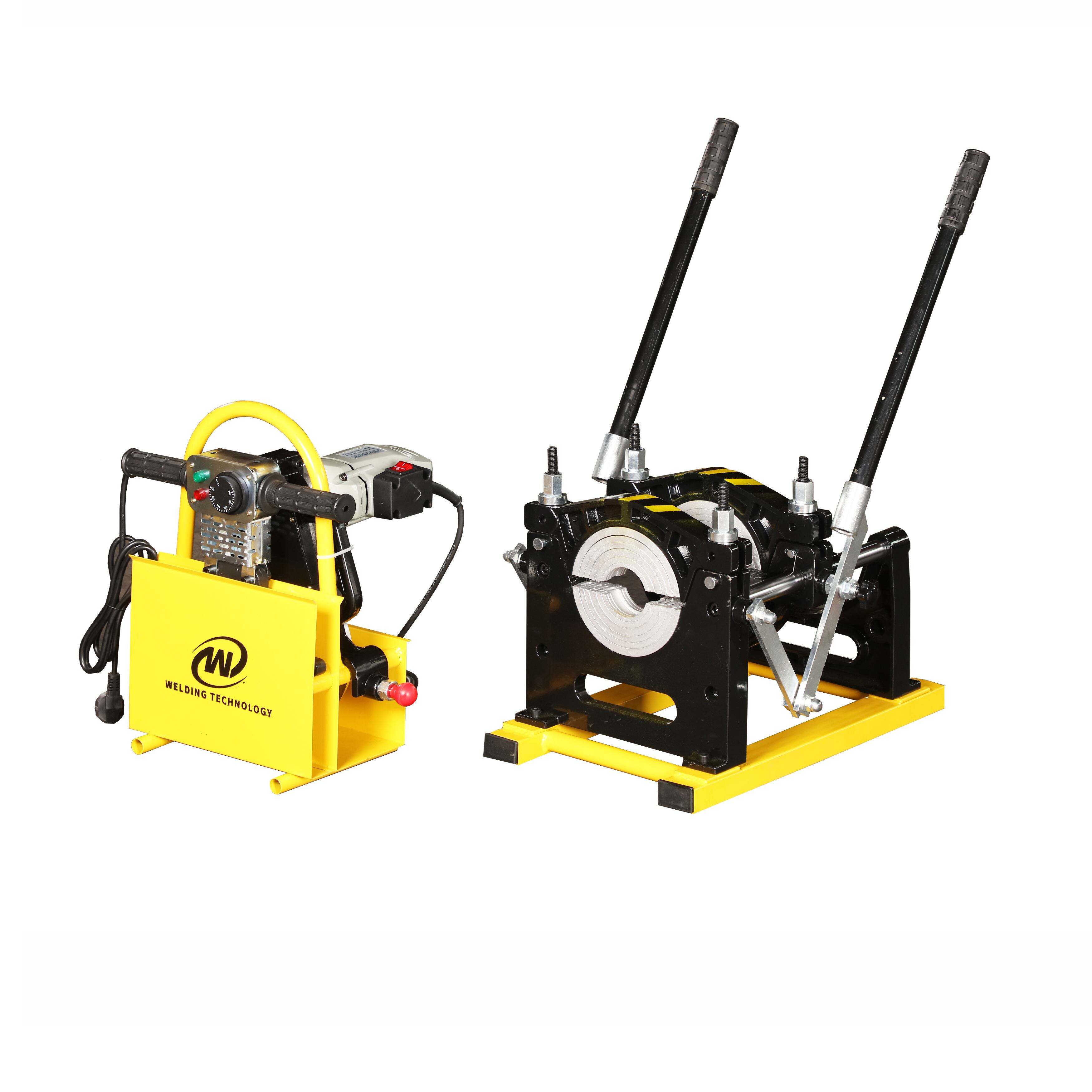
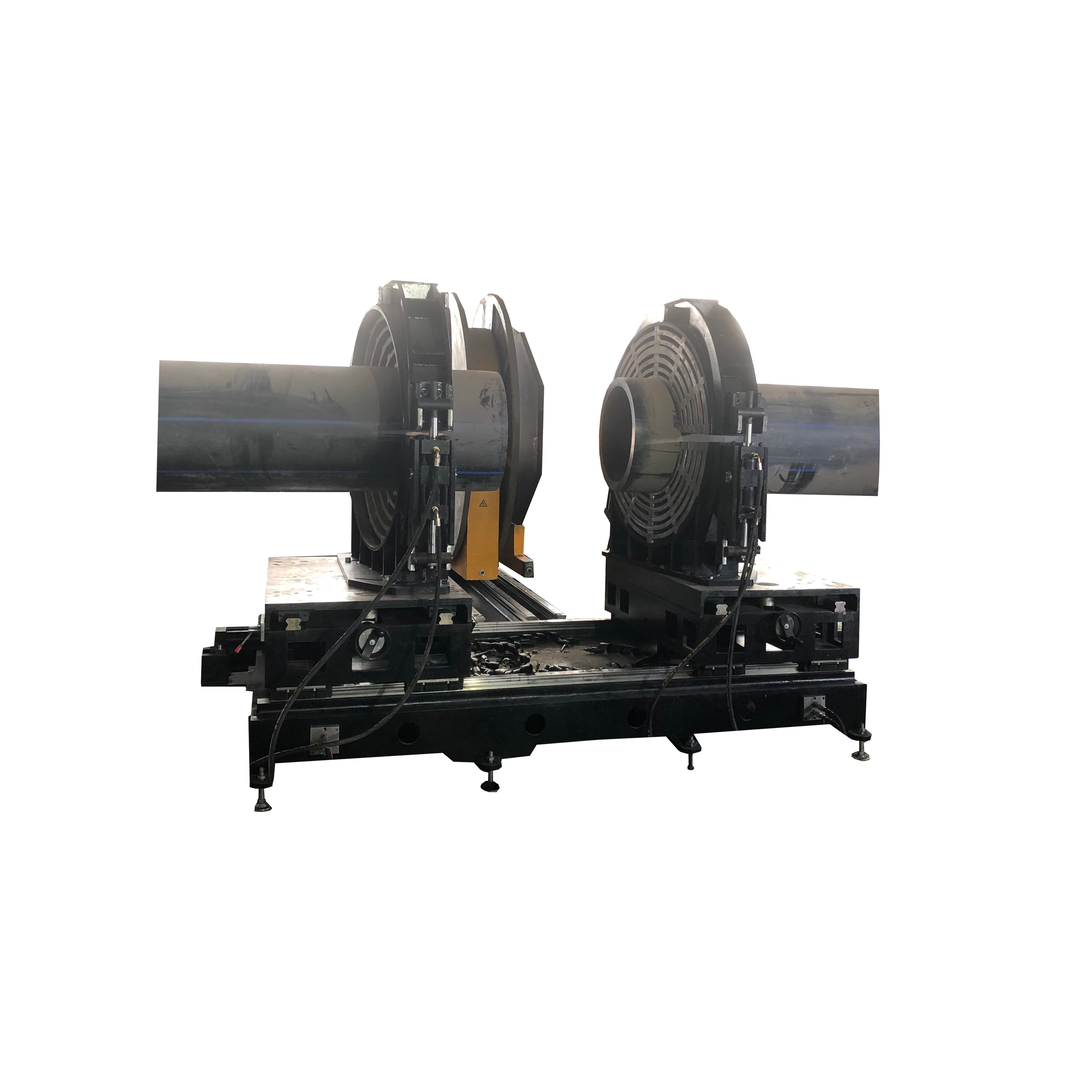
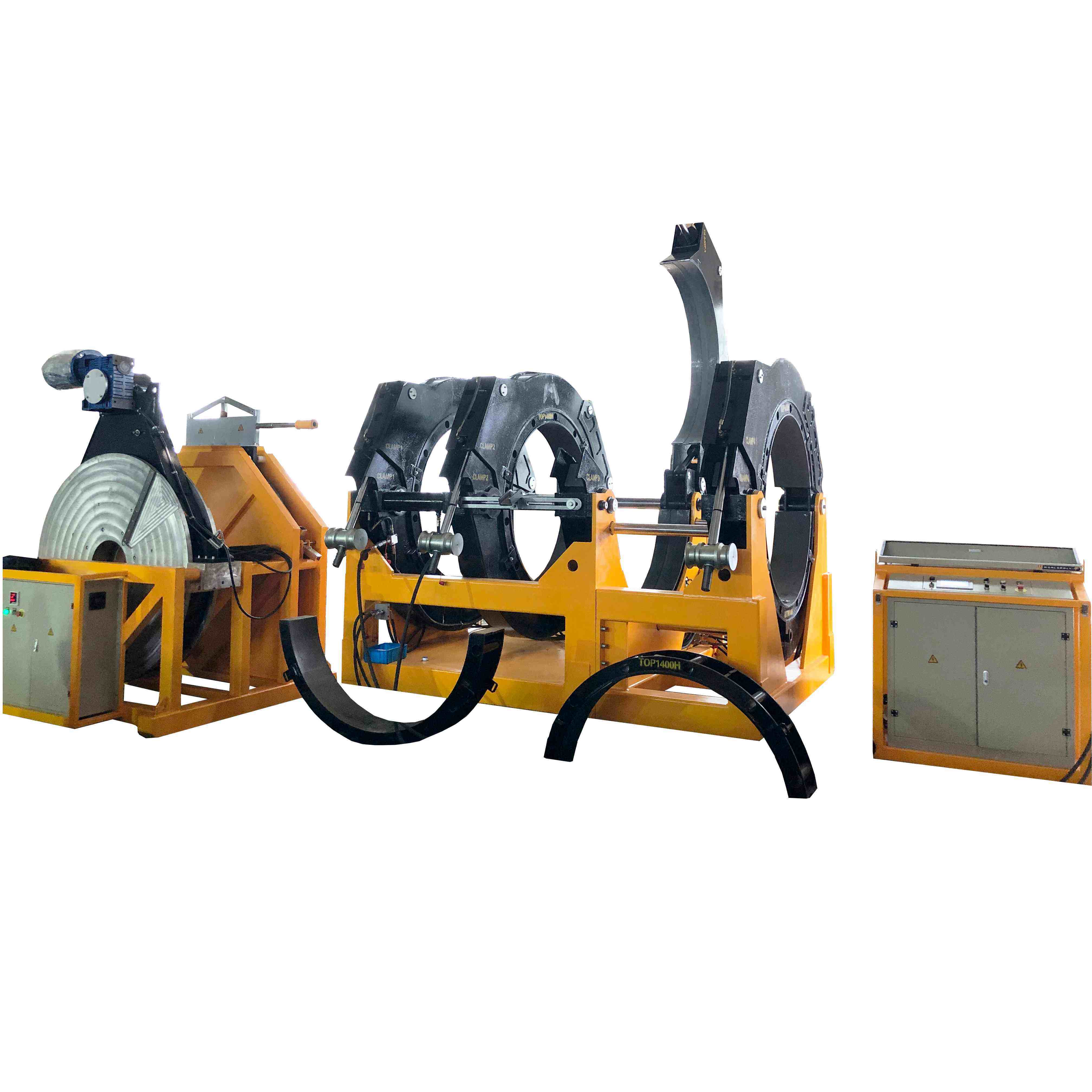
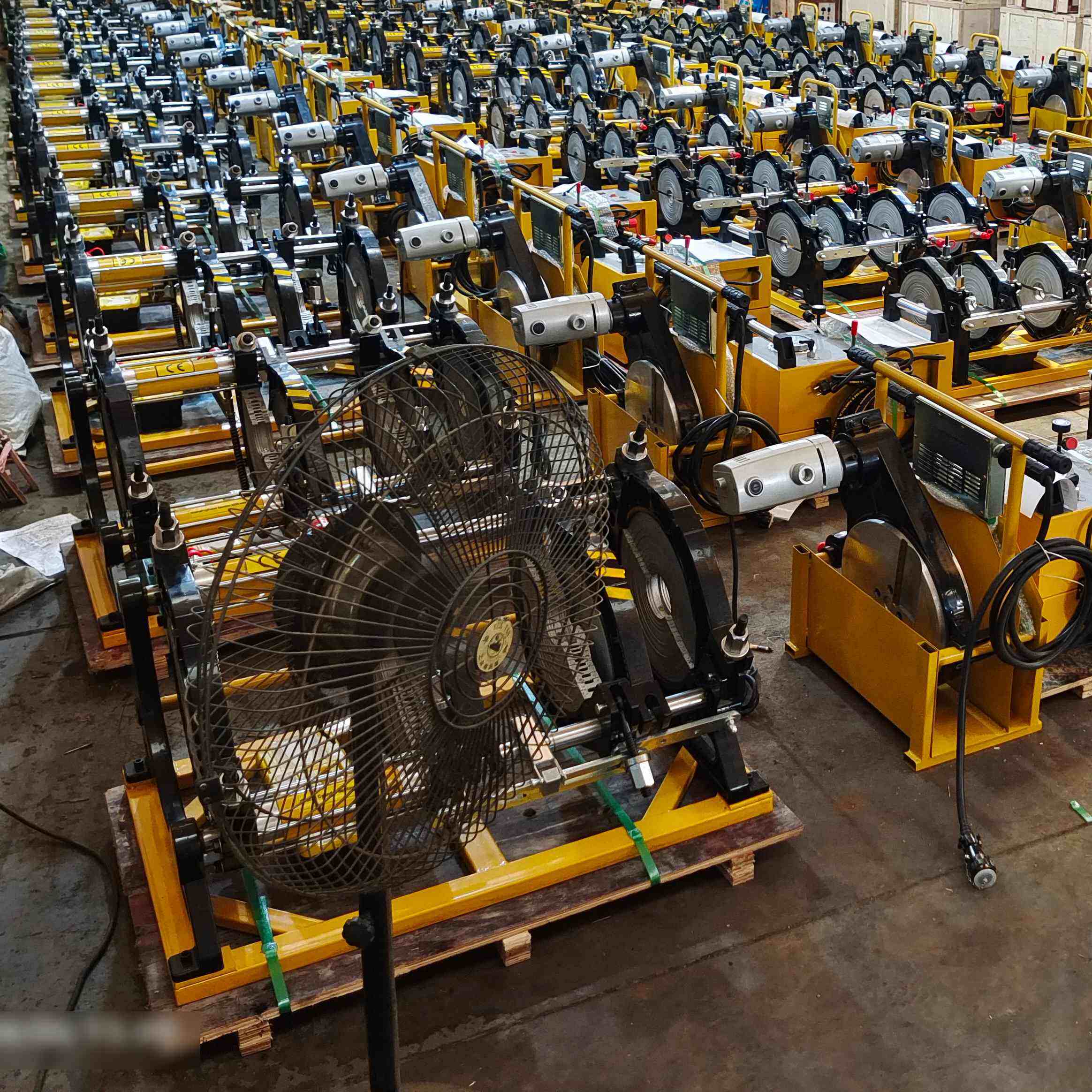
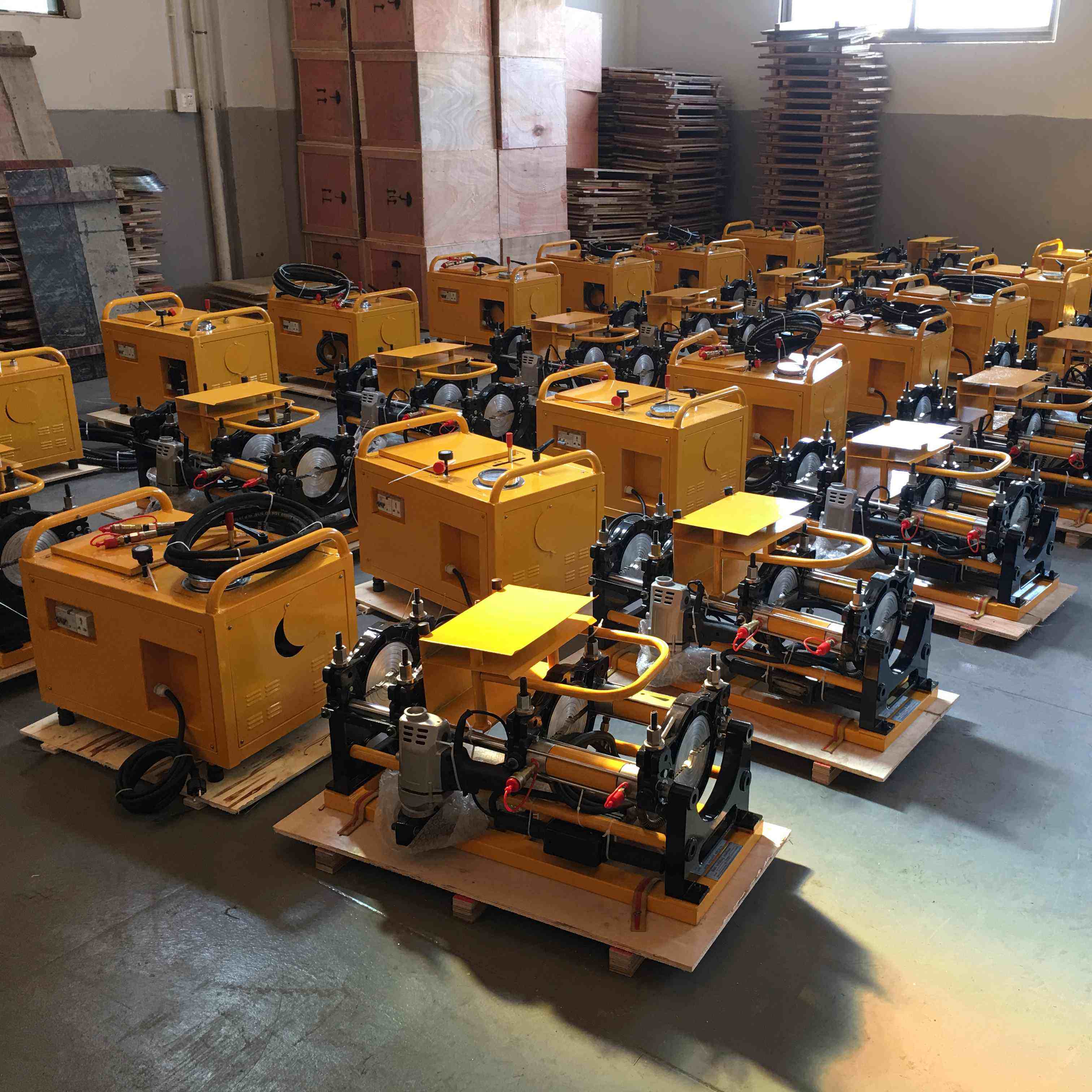
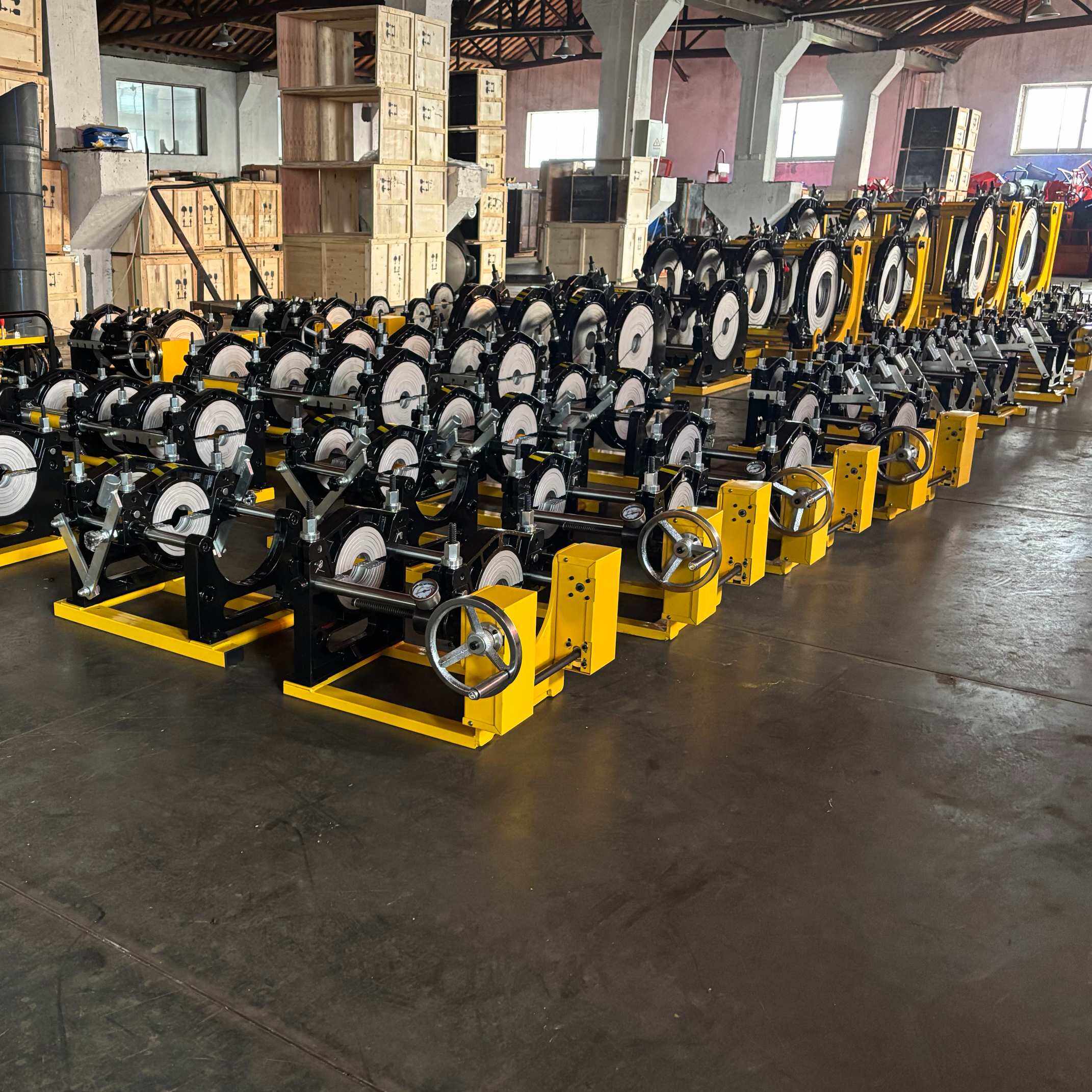
Багатокутний зварювальний апарат є революційним досягненням у галузі зварювальних технологій, створеним для вирішення складних зварювальних завдань, що вимагають високої точності й універсальності. Це складне обладнання дозволяє операторам виконувати зварювальні операції під різними кутами й у різних положеннях без утрати якості чи ефективності. На відміну від традиційного зварювального обладнання, яке обмежує операторів певними положеннями, багатокутний зварювальний апарат адаптується до різноманітних геометрій і конструктивних конфігурацій, стаючи незамінним інструментом для сучасних виробничих цехів. Апарат оснащений передовими сервоприводами, що забезпечують плавне обертання й точне позиціонування, дозволяючи зварникам з легкістю отримувати доступ до важкодоступних місць. Його основні функції включають автоматичну регулювання кута, точне позиціонування дуги та підтримку стабільної якості зварного шва при різних орієнтаціях. Технологічна платформа цього апарата включає комп’ютеризовані системи керування, які в реальному часі контролюють параметри зварювання, забезпечуючи оптимальну продуктивність незалежно від кута роботи. Обладнання підтримує кілька зварювальних процесів, зокрема MIG, TIG та ручне дугове зварювання (stick welding), забезпечуючи гнучкість при роботі з різними типами матеріалів і їх товщинами. Передові системи охолодження запобігають перегріву під час тривалих робіт, а вбудовані системи безпеки захищають як операторів, так і обладнання від потенційних небезпек. Багатокутний зварювальний апарат широко застосовується в суднобудуванні, виготовленні сталевих конструкцій, будівництві трубопроводів та авіакосмічному виробництві, де складні геометрії вимагають надзвичайно високих зварювальних можливостей. Будівельні компанії використовують ці апарати для зведення каркасів, мостів та архітектурних споруд, що потребують зварювання під нетиповими кутами. Автомобільна промисловість отримує переваги від цієї технології під час виробництва рам та елементів шасі автомобілів, що мають складні конструкції. Крім того, апарат є надзвичайно корисним у ремонтних і технічних обслуговувальних роботах, де наявні конструкції обмежують доступ і варіанти позиціонування, що свідчить про його універсальність у багатьох промислових галузях.





 EN
EN