
 EN
EN


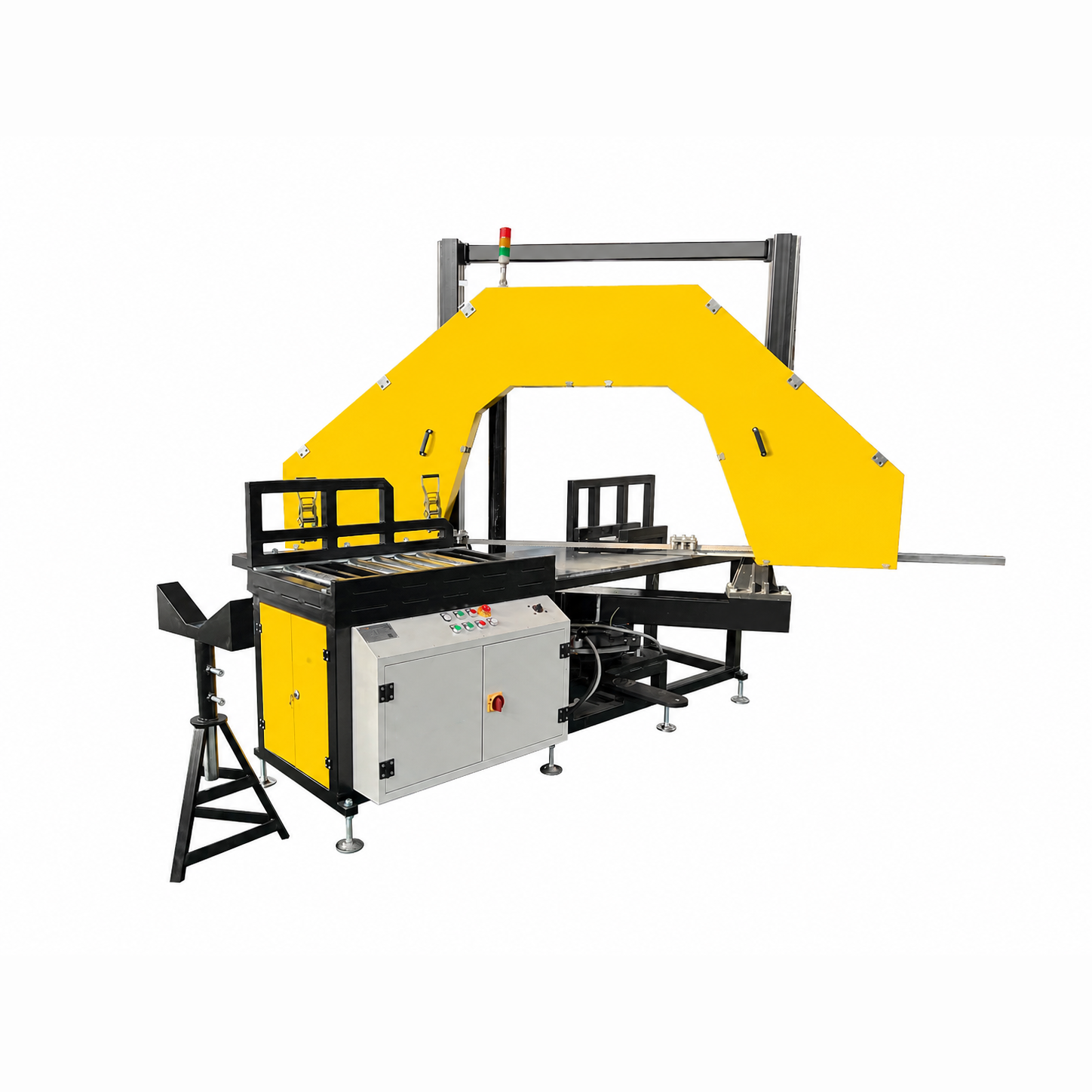
Achieving accurate cutting results with a plastic band cutting saw requires understanding how machine precision, blade selection, and operational technique work together. A plastic band cutting saw is engineered to deliver consistent, repeatable cuts across various plastic materials and thicknesses, but success depends on multiple interconnected factors. Whether you work in manufacturing, prototyping, or materials processing, knowing how a plastic band cutting saw ensures accuracy will help you optimize your operations and reduce material waste.
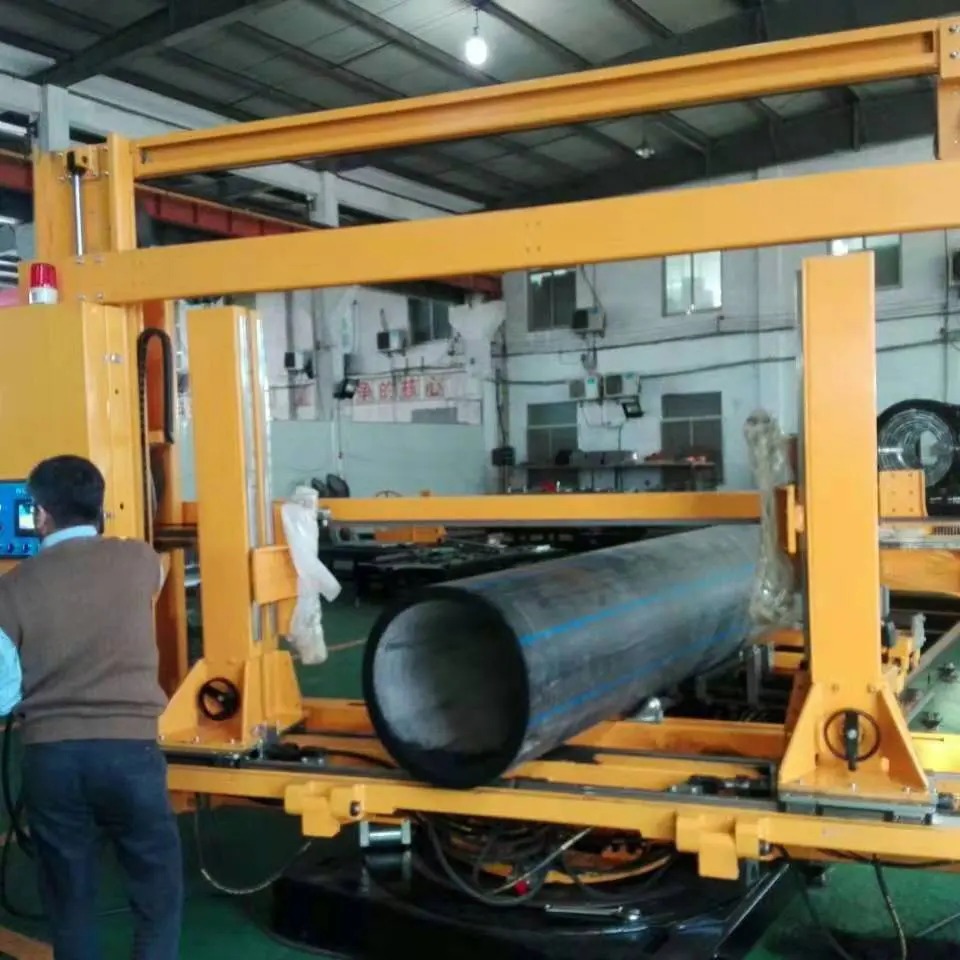
The accuracy of a plastic band cutting saw begins with its mechanical design and the precision of its cutting mechanism. A high-quality plastic band cutting saw maintains blade tension within strict tolerances, uses hardened guide blocks to minimize deflection, and incorporates calibrated measurement systems that allow operators to position cuts exactly where needed. Understanding these core design elements reveals why some plastic band cutting saw models consistently outperform others in demanding industrial applications.
Blade Tension and Stability in Plastic Band Cutting Saw Performance
Maintaining Optimal Blade Tension
Blade tension is the foundation of accuracy in any plastic band cutting saw. When a plastic band cutting saw operates with insufficient tension, the blade deflects sideways during cutting, producing angled or curved results instead of straight, clean cuts. Conversely, excessive tension can damage the blade and the machine bearings. A properly tensioned plastic band cutting saw typically maintains pressure between specific PSI ranges depending on blade width and material type. Regular tension checks ensure that your plastic band cutting saw delivers consistent results throughout the cutting session.
Guide Block Precision
Guide blocks in a plastic band cutting saw control blade drift and wandering during the cut. These precision-ground components sit on either side of the blade and prevent lateral movement that would compromise accuracy. The tighter the guide block tolerances, the more precise your plastic band cutting saw can cut. Over time, guide blocks wear slightly, and many operators overlook this maintenance point. However, maintaining or replacing worn guide blocks is essential because even small gaps allow the blade to shift, degrading the accuracy your plastic band cutting saw can achieve.
Material Characteristics and Cutting Speed Optimization
Understanding Plastic Material Properties
Different plastic types respond differently to cutting, and a plastic band cutting saw operator must adjust parameters accordingly. Rigid plastics like acrylic and polycarbonate require different cutting speeds than flexible materials like PVC or polyethylene. A plastic band cutting saw designed for general-purpose use may need speed adjustments to prevent melting, binding, or vibration that reduces accuracy. When you feed material too quickly into a plastic band cutting saw, the friction generates heat, potentially warping the plastic near the cut line. Conversely, feeding too slowly can cause the blade to bind and jump, introducing inaccuracy.
Blade Speed and Feed Rate Coordination
The relationship between blade speed and feed rate directly influences the accuracy a plastic band cutting saw can deliver. Most plastic band cutting saw machines operate between 1000 and 3000 feet per minute, though the ideal speed depends on material thickness and type. A plastic band cutting saw with variable speed control allows operators to find the optimal combination that produces smooth, chip-free cuts without excessive heat or vibration. Coordinating these parameters ensures that your plastic band cutting saw maintains accuracy across diverse cutting tasks and material specifications.
Measurement Systems and Setup Protocols
Precision Measurement Integration
Modern plastic band cutting saw equipment incorporates digital readouts, electronic scales, or mechanical measurement systems that help position cuts with high accuracy. These systems allow an operator to set the desired cut location precisely, and the plastic band cutting saw repeats that measurement reliably across multiple pieces. A plastic band cutting saw without integrated measurement systems relies on manual positioning, which introduces human error and inconsistency. Investing in a plastic band cutting saw equipped with digital or mechanical measurement tools dramatically improves your ability to meet tight dimensional tolerances and reduce scrap rates.
Pre-Cut Inspection and Machine Calibration
Before production runs, experienced operators perform calibration checks on their plastic band cutting saw to verify that the machine cuts true and straight. This involves making test cuts on scrap material and measuring the results against specifications. A plastic band cutting saw that drifts or produces angled cuts indicates that blade tension, guide blocks, or measurement systems need adjustment. Regular calibration ensures that your plastic band cutting saw maintains accuracy over extended production periods and catches problems before they affect large batches of material.
Operational Best Practices for Consistent Accuracy
Proper Workholding and Clamping
How material is secured in the vise or clamping system significantly impacts the accuracy a plastic band cutting saw achieves. If the workpiece shifts during cutting, the blade will track off its intended line, producing inaccurate results. A plastic band cutting saw operator must clamp material firmly enough to prevent movement but not so tight as to distort or crack the plastic. Many machines include specialized vises designed for plastic band cutting saw use, with jaw configurations that distribute clamping pressure evenly without marring the material. Proper clamping is often overlooked but remains critical for ensuring your plastic band cutting saw delivers accurate, repeatable cuts.
Operator Technique and Material Feeding
Skilled operation of a plastic band cutting saw involves smooth, consistent feeding of material into the blade. Jerky or uneven feed pressure causes the blade to deflect, jump, or chatter, all of which reduce accuracy. An operator must maintain steady forward pressure without forcing the plastic band cutting saw to work excessively hard. Many modern plastic band cutting saw machines include powered feeds that apply consistent pressure automatically, removing the variability of manual feeding. Whether you use manual or automatic feeding, understanding how this technique affects accuracy helps you make informed choices about your plastic band cutting saw setup.
FAQ
What are the most common causes of inaccuracy in a plastic band cutting saw?
The most common causes of inaccuracy in a plastic band cutting saw include insufficient blade tension, worn guide blocks, incorrect cutting speed, uneven workholding, and operator feeding inconsistency. Each of these factors can individually degrade accuracy, and they often work together to compound cutting errors. Regular maintenance and calibration of your plastic band cutting saw, combined with proper operator training, eliminates most accuracy issues.
How often should a plastic band cutting saw be calibrated for accuracy?
A plastic band cutting saw should be calibrated at least monthly or whenever you notice signs of inaccuracy, such as angled cuts or dimensional drift. High-volume operations may benefit from weekly calibration checks to maintain tight tolerances. The frequency depends on usage intensity and material mix, but most operators find that regular calibration prevents accuracy problems from developing unexpectedly.
Can a plastic band cutting saw maintain accuracy with different material thicknesses?
Yes, a plastic band cutting saw can maintain accuracy across different material thicknesses if you adjust blade speed and feed rate appropriately. Thicker materials typically require slower speeds and more stable clamping, while thinner plastics need faster speeds to prevent binding. A plastic band cutting saw with variable speed control and proper workholding enables accurate cutting across a range of thicknesses, making it a versatile tool for diverse applications.