
 EN
EN


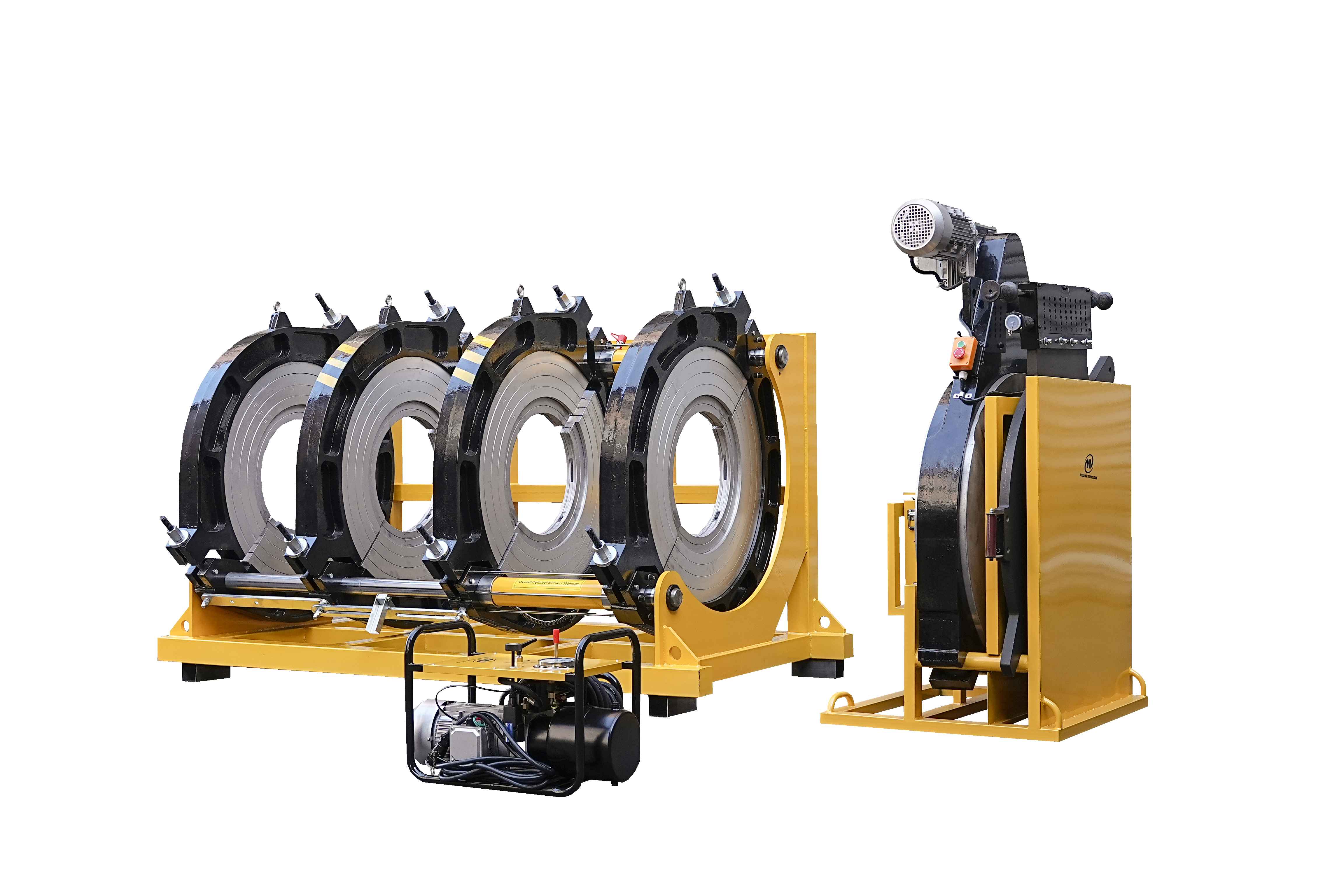
HDPE fusion equipment has become the gold standard for creating durable, leak-free connections in polyethylene piping systems. Whether you are installing water distribution networks, gas delivery pipelines, or industrial fluid transport systems, the quality of your fusion joints directly impacts system reliability and longevity. Strong joint performance depends on understanding how HDPE fusion equipment operates, what factors influence weld quality, and how to implement proper procedures. This comprehensive guide explores the mechanisms, best practices, and critical variables that ensure your HDPE fusion equipment delivers consistently strong results.
The performance of HDPE fusion equipment relies on precise heating, controlled pressure application, and accurate cooling protocols. When HDPE fusion equipment is used correctly, the plastic surfaces reach their optimal melting temperature, allowing molecular chains to intermix and form a monolithic bond. This molecular-level integration creates joints that are as strong as or stronger than the pipe material itself. Achieving this result requires both operator expertise and reliable equipment specifications. Understanding the role of each component within your HDPE fusion equipment system will help you troubleshoot issues, maintain consistent quality, and extend asset lifespan.
Understanding HDPE Fusion Equipment Mechanics
How HDPE Fusion Equipment Heats and Bonds Plastic
HDPE fusion equipment operates by applying controlled heat to the mating surfaces of two polyethylene pipes or fittings until they reach a specific fusion temperature, typically between 200 and 240 degrees Celsius depending on material specifications. Once the surfaces are properly heated, HDPE fusion equipment uses hydraulic or mechanical pressure to bring the softened interfaces together, allowing molecular diffusion to occur across the fusion plane. This bonding process is fundamentally different from adhesive joining because the plastic materials actually merge into a single unified structure rather than being held together by an external agent. The strength of the resulting joint depends entirely on how well the HDPE fusion equipment maintains temperature stability and pressure consistency during the critical fusion window. Variations in either parameter can result in weak points, voids, or incomplete molecular bonding that compromises joint integrity.
Temperature Control and Pressure Management
Modern HDPE fusion equipment incorporates sophisticated temperature monitoring systems that ensure the heating plate remains within the specified thermal window. These sensors communicate with the equipment's control system to maintain steady heat output without thermal overshooting, which can degrade the polymer. Simultaneously, your HDPE fusion equipment applies precisely calibrated pressure to force the molten surfaces into intimate contact and maintain them in that position as cooling begins. The pressure profile during fusion directly influences how completely the molecular chains interweave; insufficient pressure leaves microscopic voids that weaken the joint, while excessive pressure can cause material flow that distorts pipe geometry. Professional-grade HDPE fusion equipment uses programmable logic controllers to manage these variables automatically, reducing operator error and ensuring repeatable results across thousands of joints.
Critical Factors Affecting HDPE Fusion Equipment Performance
Pipe Surface Preparation and Equipment Calibration
Joint strength begins long before the HDPE fusion equipment makes contact with your pipes. Contamination, oxidation, or mechanical damage on pipe ends will prevent proper molecular bonding and create weak points in your fusion joints. Your HDPE fusion equipment includes facing tools that cut fresh, clean surfaces on both pipe ends immediately before fusion, removing any weathered material and ensuring perfectly aligned mating surfaces. This facing process is critical because HDPE fusion equipment relies on achieving uniform contact pressure across the entire joint face. If surfaces are uneven, misaligned, or contaminated, even the most advanced HDPE fusion equipment cannot produce a fully reliable joint. Therefore, proper equipment maintenance includes regular inspection and replacement of facing tool bits and heating plate surfaces to ensure they remain in optimal condition.
Environmental Conditions and Cooling Protocols
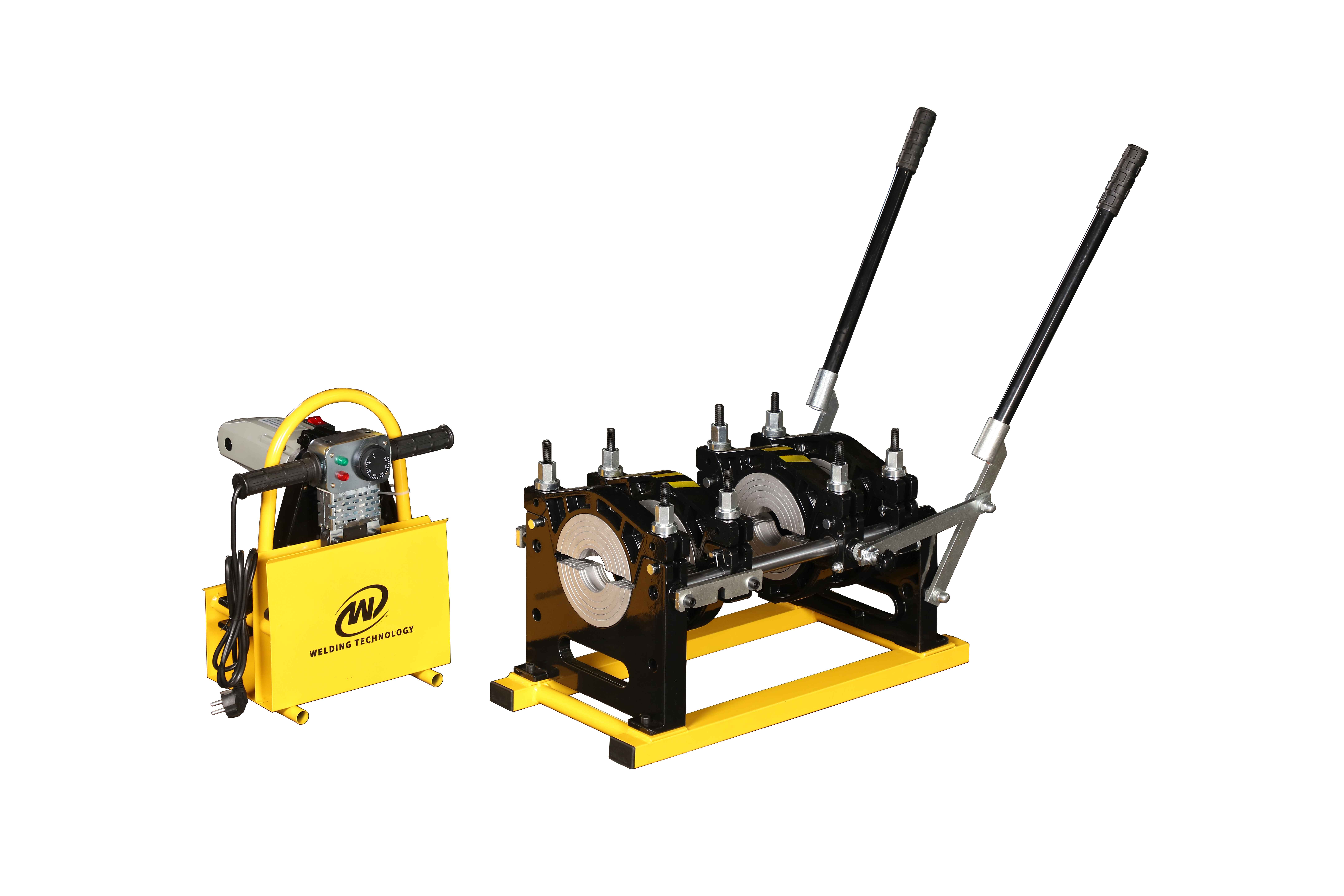
HDPE fusion equipment performance is also sensitive to ambient temperature, wind, and moisture conditions at the installation site. Cold environments slow the cooling rate, which can affect molecular structure in the fusion zone, while excessive wind accelerates cooling in uneven ways that create stress concentrations. Professional HDPE fusion equipment protocols call for windbreaks and insulation during cold-weather operations to ensure controlled, uniform cooling that allows the polymer to crystallize properly. The cooling phase is as important as the fusion phase; rushing the cool-down or allowing rapid temperature fluctuations will result in internal stresses that reduce joint strength even though the molecular bonds formed correctly during fusion. Your HDPE fusion equipment operator must understand that the entire process cycle, from surface prep through final cool-down, determines whether your joints will perform reliably for decades or fail prematurely.
Optimizing Joint Quality with Advanced HDPE Fusion Equipment
Operator Training and Quality Assurance Protocols
The best HDPE fusion equipment on the market will only deliver strong joints if operated by trained personnel who understand the technology, recognize equipment limitations, and follow established procedures consistently. Operator certification programs teach technicians how to interpret equipment displays, recognize warning signs of improper fusion, adjust parameters for different pipe sizes and material grades, and perform preventive maintenance. Quality assurance for HDPE fusion equipment operations typically includes visual inspection of finished joints, mechanical testing of sample joints pulled from each production batch, and documentation of all fusion parameters. This data-driven approach helps identify equipment drift before it produces defective joints and provides traceability for any failure investigations. Organizations that invest in comprehensive operator training and rigorous quality protocols experience significantly fewer field failures and emergency repairs compared to those relying on less structured approaches.
Maintenance and Equipment Lifecycle Management
HDPE fusion equipment requires scheduled maintenance to sustain reliable performance over its operational lifetime. Heating plates must be inspected regularly for erosion, contamination, or thermal delamination that prevents uniform heat distribution. Pressure systems must be checked for leaks, seal degradation, and hydraulic fluid contamination that affects control precision. Your HDPE fusion equipment's alignment fixtures must be verified to ensure they maintain proper pipe centering and prevent eccentric fusion that weakens joints. Preventive replacement of wear components before they fail prevents sudden equipment downtime during critical projects. Many facilities establish maintenance schedules based on hours of operation or number of fusion cycles rather than calendar intervals, which ensures equipment receives attention based on actual usage rather than arbitrary timing. Well-maintained HDPE fusion equipment produces consistent results and operates reliably for years, while neglected equipment becomes unpredictable and eventually fails to meet quality standards.
FAQ
What temperature range is optimal for HDPE fusion equipment operations?
The optimal heating plate temperature for HDPE fusion equipment typically ranges from 200 to 240 degrees Celsius, though the specific target depends on the polyethylene resin grade and pipe dimension specifications. Manufacturers provide detailed fusion parameter tables for each pipe size and material, and your HDPE fusion equipment operator must follow these specifications exactly. Operating outside the recommended range compromises joint integrity, so temperature control precision is essential for reliable results.
How can I verify that my HDPE fusion equipment is producing strong joints?
Joint strength verification includes visual inspection for consistent bead formation and proper surface alignment, as well as mechanical testing of sample joints using tensile or bend testing equipment. Modern HDPE fusion equipment systems record fusion parameters digitally, allowing you to trace every joint back to the exact conditions under which it was created. Nondestructive testing methods and field pull-testing programs provide additional confidence that your HDPE fusion equipment is maintaining quality standards consistently.
What is the expected joint strength compared to the base pipe material?
When HDPE fusion equipment is operated correctly and all procedures are followed properly, fusion joints typically achieve 90 to 100 percent of the tensile strength of the base pipe material. This means your fused connection is essentially as strong as if it were a single continuous pipe, which is why HDPE fusion equipment creates inherently reliable piping systems. Achieving this performance level requires consistent operator technique, proper surface preparation, and appropriate environmental management during the fusion cycle.