
 EN
EN


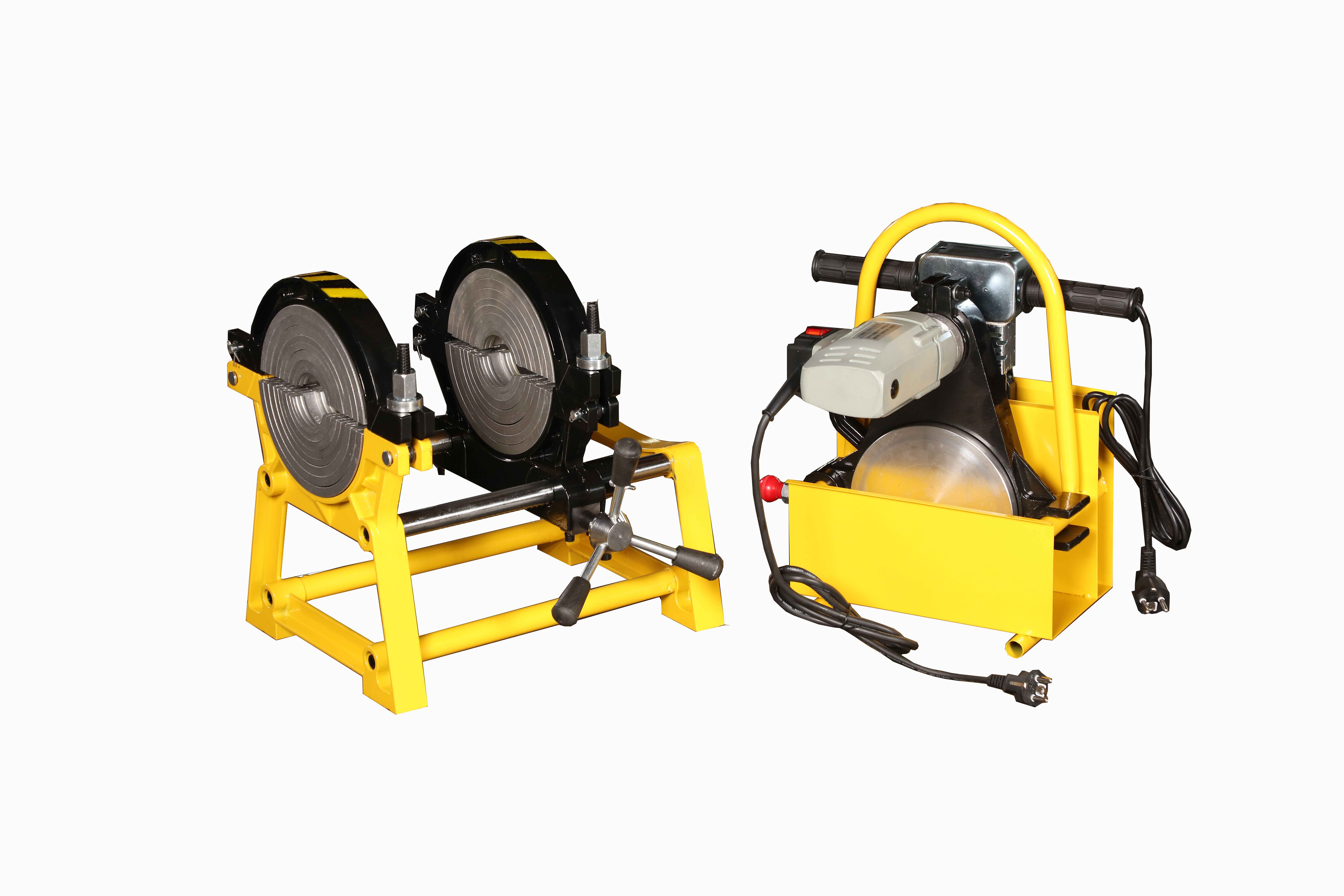
A butt welding machine represents a critical investment for manufacturers requiring precise joint connections in metalwork operations. The fundamental challenge in welding production is ensuring that components meet with exact positional accuracy before and during the welding process. Without proper alignment mechanisms integrated into a butt welding machine, even high-quality welding parameters cannot compensate for misaligned parts, resulting in weak joints, structural failures, and costly rework cycles. Understanding how a butt welding machine maintains accurate joint alignment is essential for production managers, manufacturing engineers, and facility planners who depend on consistent weld quality.
Modern butt welding machine designs incorporate multiple layers of mechanical and electronic systems specifically engineered to position components with repeatability and precision. These systems work together to eliminate variables that could compromise joint alignment, from initial part clamping through final weld completion. The effectiveness of a butt welding machine in maintaining alignment directly impacts weld strength, reduces defect rates, and extends component service life in demanding industrial applications such as pipeline construction, rail manufacturing, and structural steel fabrication.
Mechanical Clamping and Positioning Systems
Component Fixturing in Butt Welding Machines
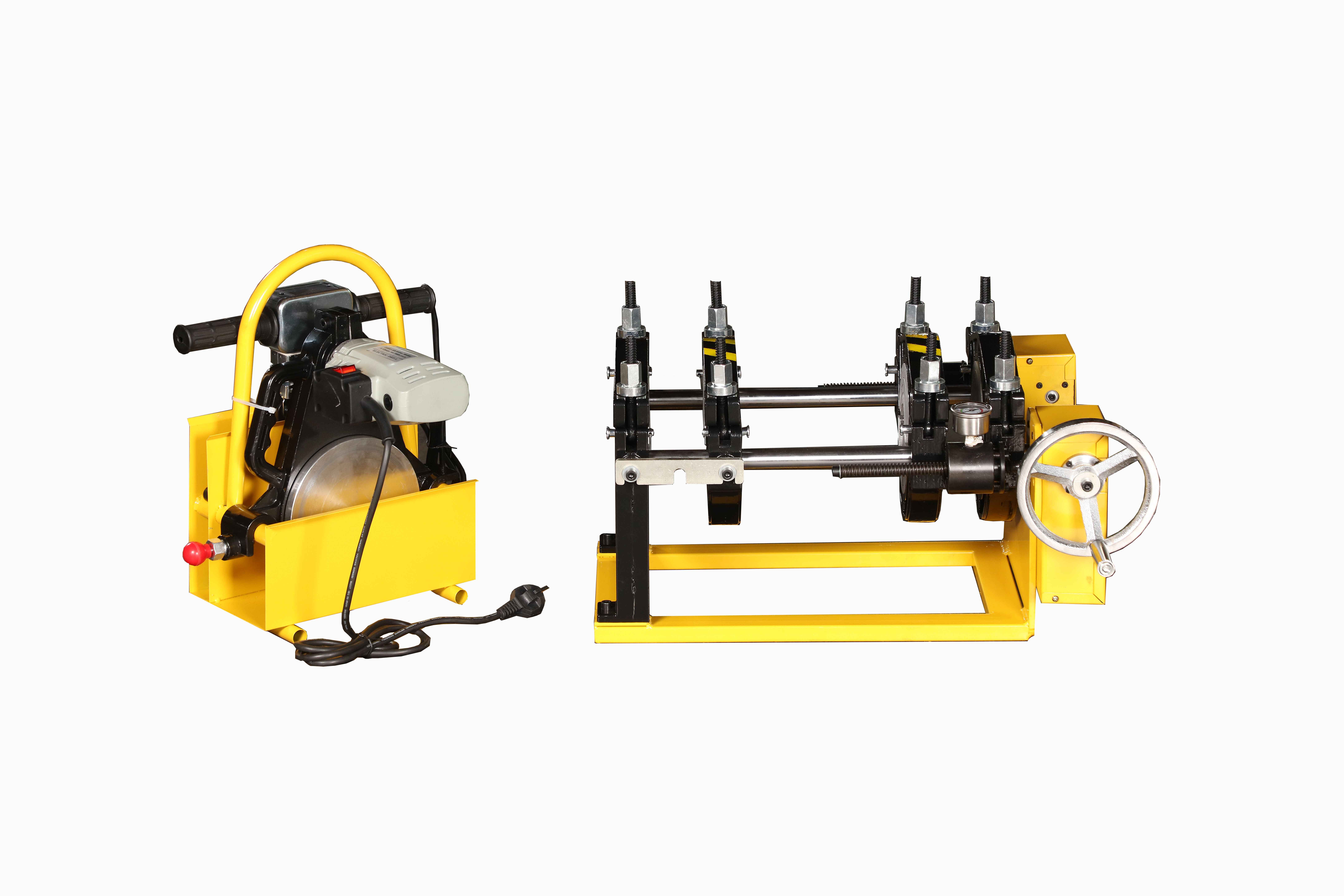
A butt welding machine relies on precision fixturing to establish and maintain the correct spatial relationship between parts before welding begins. The clamping mechanism of a butt welding machine typically uses hardened jaw assemblies that grip components with controlled force, preventing movement during heat application and metal transfer. These fixtures are designed to accommodate standard component geometries while maintaining tight tolerances, ensuring that every workpiece presented to the butt welding machine achieves the same alignment reference point. The jaw surfaces on a quality butt welding machine are precision-ground to eliminate surface irregularities that could introduce misalignment.
Adjustable Positioning Features
Professional butt welding machine equipment includes adjustable positioning elements that allow operators to fine-tune component location within the welding zone. A butt welding machine with manual adjustment capabilities provides flexibility for different component sizes and geometries, while advanced models incorporate butt welding machine systems with motorized positioning. These adjustments on a butt welding machine ensure that components approach the electrode contact area at the correct angle and distance, preventing angular misalignment that would weaken the final joint. Regular calibration of these positioning systems keeps a butt welding machine performing consistently throughout its operational lifespan.
Electronic Alignment Monitoring and Feedback
Real-Time Alignment Sensors
Contemporary butt welding machine technology incorporates electronic sensors that monitor component position throughout the welding cycle. A butt welding machine equipped with proximity sensors or capacitive measurement systems provides continuous feedback on part placement, detecting misalignment conditions before welding begins. When a butt welding machine detects deviation beyond acceptable tolerances, it can halt the welding sequence or alert the operator, preventing defective weld production. This sensor integration transforms a butt welding machine into an intelligent system capable of self-correcting minor positioning errors and maintaining alignment quality across production runs.
Automated Correction and Adjustment Logic
Advanced butt welding machine control systems analyze sensor data and automatically adjust clamping force or component position to correct misalignment before welding. A butt welding machine with adaptive control algorithms learns component variations and applies corrective positioning that ensures consistent joint alignment regardless of minor manufacturing tolerances in incoming parts. This automated capability of a butt welding machine reduces operator dependency, increases production reliability, and lowers defect rates significantly. The control systems in a modern butt welding machine store alignment data, allowing manufacturers to track and improve their process consistency over time.
Process Parameters and Electrode Alignment Coordination
Electrode Positioning in Butt Welding Machines
The electrode alignment within a butt welding machine is calibrated to meet component surfaces perpendicularly, ensuring uniform current distribution and consistent melting across the joint. A butt welding machine maintains electrode position through rigid arm assemblies and precision bearings that resist thermal distortion and mechanical stress during the high-force welding cycle. The electrode tip geometry on a butt welding machine is designed to contact both components simultaneously, promoting balanced heating and preventing the joint from drifting during the molten phase. Periodic electrode maintenance on a butt welding machine preserves this alignment, as worn or misshapen tips would compromise the positioning accuracy that ensures quality welds.
Synchronization Between Clamping and Welding Parameters
A butt welding machine coordinates clamping pressure, electrode force, and current application timing to maintain alignment while metal is heating and flowing. The force progression within a butt welding machine is carefully sequenced so that components are held firmly during heat application, then the force is adjusted appropriately as the metal softens and begins to bond. This dynamic force management in a butt welding machine prevents component slippage while avoiding excessive distortion that would misalign the joint after solidification. The precision control of a butt welding machine ensures that alignment is maintained throughout the entire welding sequence, from initial contact through final cooling.
Verification and Quality Assurance Methods
In-Process Alignment Verification
A butt welding machine operator or automated inspection system verifies alignment after components are clamped but before welding current is applied. Visual inspection combined with optical or laser-based measurement tools on modern butt welding machine installations provides precise documentation of component positioning. A butt welding machine with integrated measurement capabilities can reject misaligned assemblies automatically, preventing defective welds from entering the production stream. This verification step transforms a butt welding machine from a simple tool into a quality assurance checkpoint that protects downstream manufacturing processes.
Post-Weld Alignment Assessment
After welding completes, a butt welding machine operator assesses the final joint geometry to confirm that alignment was maintained throughout the process. Dimensional checks and visual inspection protocols specific to a butt welding machine application reveal whether components remained properly positioned during the entire cycle. When a butt welding machine consistently produces welds with correct dimensions and appearance, it indicates that alignment systems are functioning optimally. Data from repeated butt welding machine cycles enables predictive maintenance, alerting operators when alignment performance begins to degrade before defects emerge.
FAQ
What tolerances can a butt welding machine maintain?
A precision butt welding machine can maintain component alignment within tolerances typically ranging from plus or minus 0.5 millimeters to plus or minus 1.5 millimeters, depending on the machine design, fixture configuration, and incoming component quality. Industrial-grade butt welding machine equipment with servo-controlled positioning achieves even tighter tolerances, sometimes within plus or minus 0.25 millimeters. These tolerances ensure that joint alignment supports the structural and functional requirements of the final assembly. A butt welding machine operator should verify that equipment tolerance capabilities match application requirements before committing to production.
How often should alignment be checked on a butt welding machine?
Alignment verification on a butt welding machine should occur at the start of each production shift, after any maintenance work, and periodically during extended production runs depending on component criticality. A butt welding machine used for safety-critical applications such as pressure vessels or aerospace components may require alignment checks after every tenth cycle or even more frequently. Environmental factors such as temperature fluctuations can cause a butt welding machine to drift slightly, making periodic verification essential for consistent results. Establishing a documented alignment verification schedule specific to each butt welding machine installation helps manufacturers maintain quality and catch issues early.
Can a butt welding machine correct misaligned components automatically?
Advanced butt welding machine systems equipped with servo motors and electronic control can automatically adjust component position within limited ranges to correct minor misalignment. However, a butt welding machine cannot compensate for grossly misaligned or damaged components; the fundamental purpose of a butt welding machine is to maintain alignment once components are properly positioned initially. A butt welding machine operator remains responsible for ensuring that components are correctly placed in the fixtures before the automatic correction systems engage. Relying on a butt welding machine to correct significant misalignment compromises weld quality and should be avoided through proper component preparation and fixture discipline.