
 EN
EN


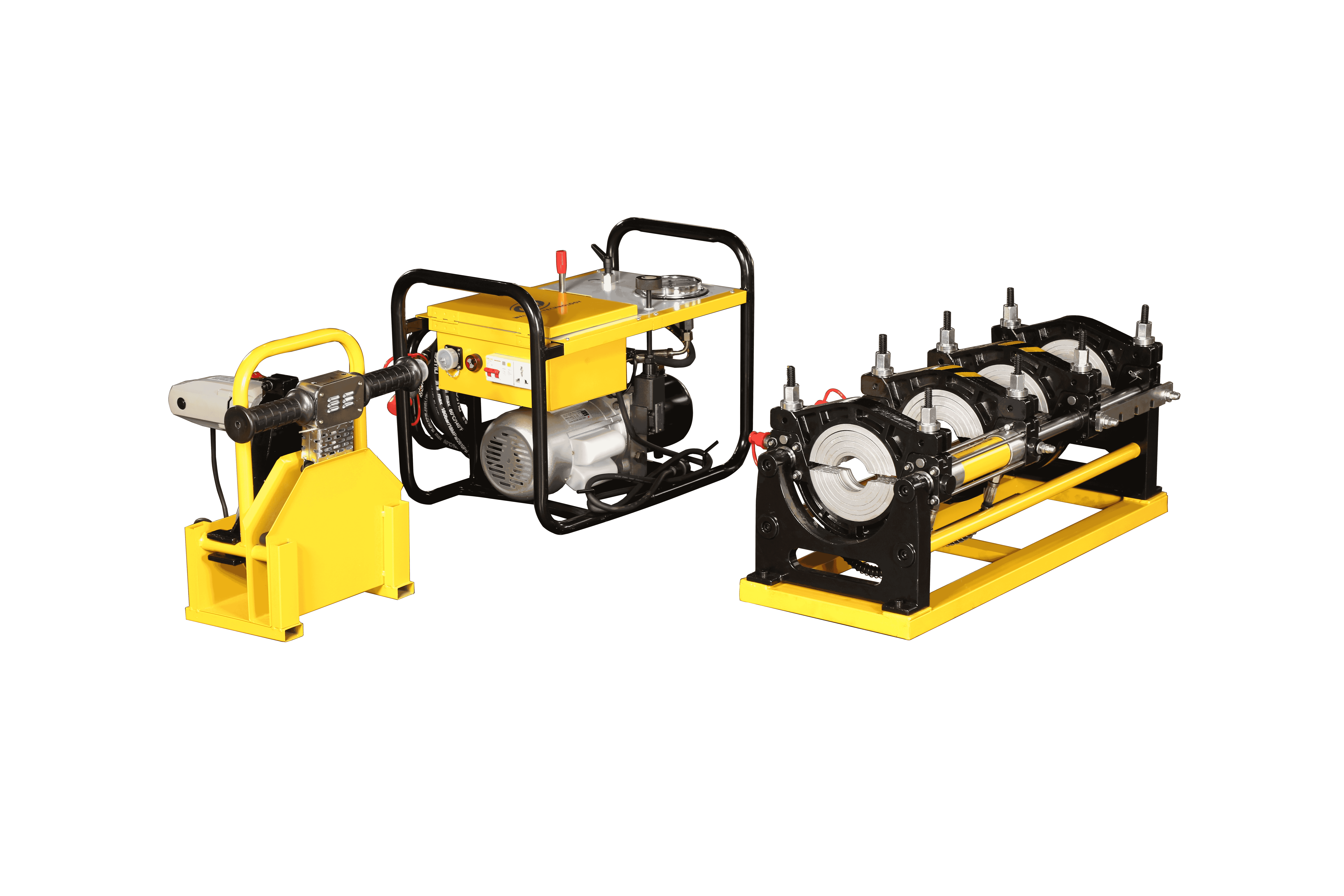
Modern manufacturing environments demand efficiency, precision, and cost-effectiveness. The plastic welding machine has become an essential tool across industries that process thermoplastic materials. Manufacturers rely on plastic welding machines to join plastic components with strength and consistency that manual methods cannot achieve. Understanding why manufacturers use a plastic welding machine reveals critical insights into contemporary production strategies and the competitive advantages that advanced welding technology delivers. The plastic welding machine represents a transformative investment that addresses multiple manufacturing challenges simultaneously.
The adoption of plastic welding machine technology has revolutionized how manufacturers approach joining operations. Rather than relying on adhesives, mechanical fasteners, or labor-intensive manual fusion methods, a plastic welding machine provides automated, repeatable, and controlled fusion of thermoplastic materials. This shift reflects a broader trend toward operational excellence and quality assurance in manufacturing. Companies that integrate a plastic welding machine into their production lines gain measurable advantages in speed, consistency, and final product integrity that directly impact profitability and customer satisfaction.
Superior Joint Strength and Quality Consistency
Achieving Fusion Excellence with Plastic Welding Machine Technology
One of the primary reasons manufacturers adopt a plastic welding machine is the superior strength of welded joints compared to alternative joining methods. When a plastic welding machine fuses two thermoplastic components, the materials molecularly bond, creating a joint that is often stronger than the base material itself. This molecular-level fusion eliminates weaknesses inherent in adhesive bonds or mechanical fasteners, which can fail under stress or temperature fluctuations. The plastic welding machine ensures that every joint meets precise specifications, reducing variability and defect rates that plague traditional assembly approaches. Industries ranging from automotive to medical device manufacturing prioritize a plastic welding machine because the resulting joints withstand rigorous performance testing and real-world operational demands.
Consistency and Repeatability in Production
Manufacturers use a plastic welding machine specifically because automation ensures consistent results across thousands of components. Unlike manual welding, which depends on operator skill and attention, a plastic welding machine executes identical parameters for every cycle. This repeatability reduces scrap rates and rework costs while maintaining quality certification requirements. The plastic welding machine allows manufacturers to document and verify every weld, creating complete traceability for industries with strict regulatory compliance needs. Batch-to-batch consistency becomes reliable and predictable, enabling manufacturers to meet contractual specifications without deviation.
Cost Efficiency and Production Speed
Reducing Labor and Operational Expenses
Cost reduction remains a decisive factor in why manufacturers invest in a plastic welding machine. While the initial capital outlay is significant, the plastic welding machine dramatically reduces ongoing labor expenses by automating repetitive joining tasks. A single operator can manage multiple plastic welding machine stations simultaneously, increasing throughput without proportional staffing increases. The plastic welding machine also minimizes material waste by producing high-quality joints on the first attempt, eliminating expensive rework cycles. When manufacturers calculate the total cost of ownership, a plastic welding machine typically achieves payback within 18 to 24 months through reduced labor, lower scrap rates, and increased production capacity.
Accelerating Production Cycles
Speed is another compelling reason manufacturers rely on a plastic welding machine. Advanced plastic welding machine models complete fusion cycles in seconds, far exceeding the pace of manual joining methods. This speed advantage compounds across production runs, enabling manufacturers to increase output capacity without facility expansion or additional shifts. A plastic welding machine equipped with hydraulic or electric actuation systems operates with predictable cycle times, allowing production planners to forecast output accurately. For manufacturers facing seasonal demand spikes or contract manufacturing deadlines, a plastic welding machine provides the flexibility to scale production without quality compromise.
Material Compatibility and Application Versatility
Expanding Material Processing Capabilities
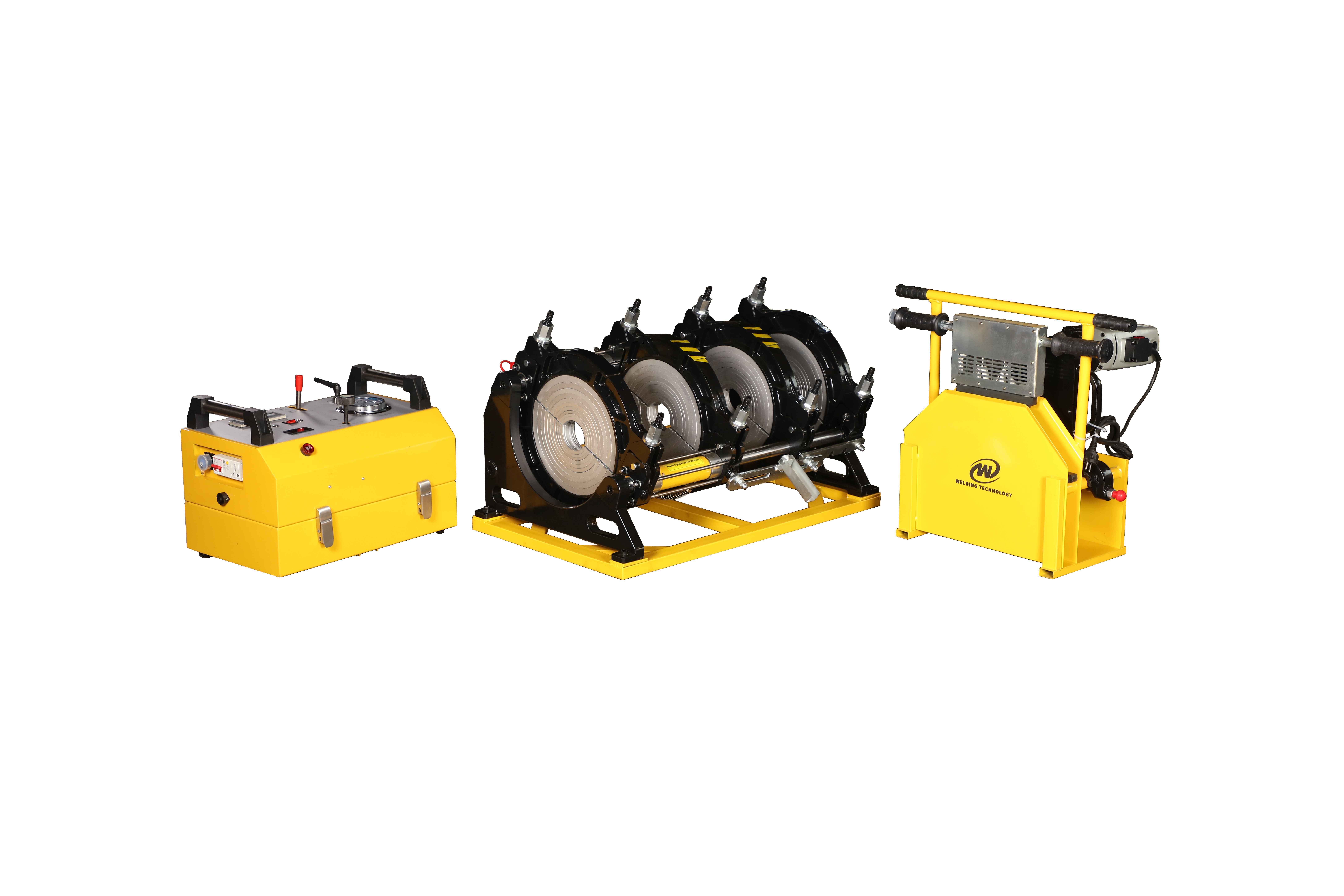
Manufacturers increasingly use a plastic welding machine because modern equipment accommodates diverse thermoplastic materials and component geometries. Whether working with polyethylene, polypropylene, or specialized engineering plastics, a plastic welding machine can be configured to achieve optimal fusion parameters for each material's unique thermal properties. This versatility allows manufacturers to serve multiple market segments with a single capital investment. The plastic welding machine's adaptability extends to component size and thickness variation, enabling flexible production scheduling and diverse product portfolios. Manufacturers can transition a plastic welding machine between projects by adjusting settings, maximizing asset utilization across different customer orders.
Meeting Specialized Industry Requirements
Industries such as medical devices, food packaging, and automotive fluid systems demand hermetic seals or superior chemical resistance that only a plastic welding machine can reliably deliver. A plastic welding machine creates impermeable joints that prevent contamination and leakage, critical requirements for pressurized or sterile applications. The plastic welding machine's precision control ensures that welded components maintain their material properties without degradation from excessive heat. Manufacturers in regulated industries prefer a plastic welding machine because the consistent, documented results satisfy auditor requirements and regulatory compliance mandates more effectively than alternative joining methods.
Environmental and Sustainability Advantages
Reducing Waste and Environmental Impact
Environmental responsibility drives manufacturers toward a plastic welding machine as part of their sustainability strategy. Unlike adhesive bonding, which generates chemical waste and volatile organic compound emissions, a plastic welding machine produces no harmful byproducts. The plastic welding machine's precision minimizes material waste, as components are fused with minimal excess material. Manufacturers can recycle welded plastic assemblies more easily than glued alternatives, supporting circular economy initiatives. A plastic welding machine aligns with corporate environmental goals while often reducing waste disposal costs, providing both ecological and financial benefits.
Energy Efficiency Considerations
Modern plastic welding machine designs emphasize energy efficiency through optimized heating elements and insulation systems. The plastic welding machine consumes energy only during active welding cycles, unlike continuous-process adhesive curing systems. Manufacturers can integrate a plastic welding machine with facility energy management systems, reducing peak power demand. The plastic welding machine's efficiency translates to lower operational costs and reduced carbon footprint, supporting manufacturer commitments to sustainable production practices.
FAQ
What types of plastics can a plastic welding machine process?
A plastic welding machine can process most thermoplastic materials, including polyethylene, polypropylene, polyvinyl chloride, polystyrene, and engineering plastics like nylon and polyurethane. The plastic welding machine must be configured with appropriate heating elements and fusion parameters for each material type. Thermoset plastics cannot be welded using a plastic welding machine because their molecular structure does not allow re-fusion. Manufacturers should verify material compatibility with their specific plastic welding machine model before production implementation.
How does a plastic welding machine compare to adhesive bonding?
A plastic welding machine creates stronger, more durable joints than adhesive bonding by forming molecular bonds between materials. While adhesive bonding offers flexibility in joint design, a plastic welding machine provides superior strength, chemical resistance, and temperature tolerance. The plastic welding machine eliminates curing time, enabling faster production cycles than adhesive methods. For applications requiring high reliability or regulatory compliance, manufacturers typically choose a plastic welding machine over adhesive bonding despite slightly higher equipment costs.
What is the typical return on investment for a plastic welding machine?
Most manufacturers achieve positive return on investment from a plastic welding machine within 18 to 24 months through reduced labor costs, decreased scrap rates, and increased production capacity. The exact payback period depends on production volume, labor rates, and current joining method costs. High-volume manufacturers often recover their investment within 12 months. Manufacturers should conduct detailed financial analysis including labor savings, material waste reduction, and capacity gains to calculate their specific return on investment timeline.