
 EN
EN


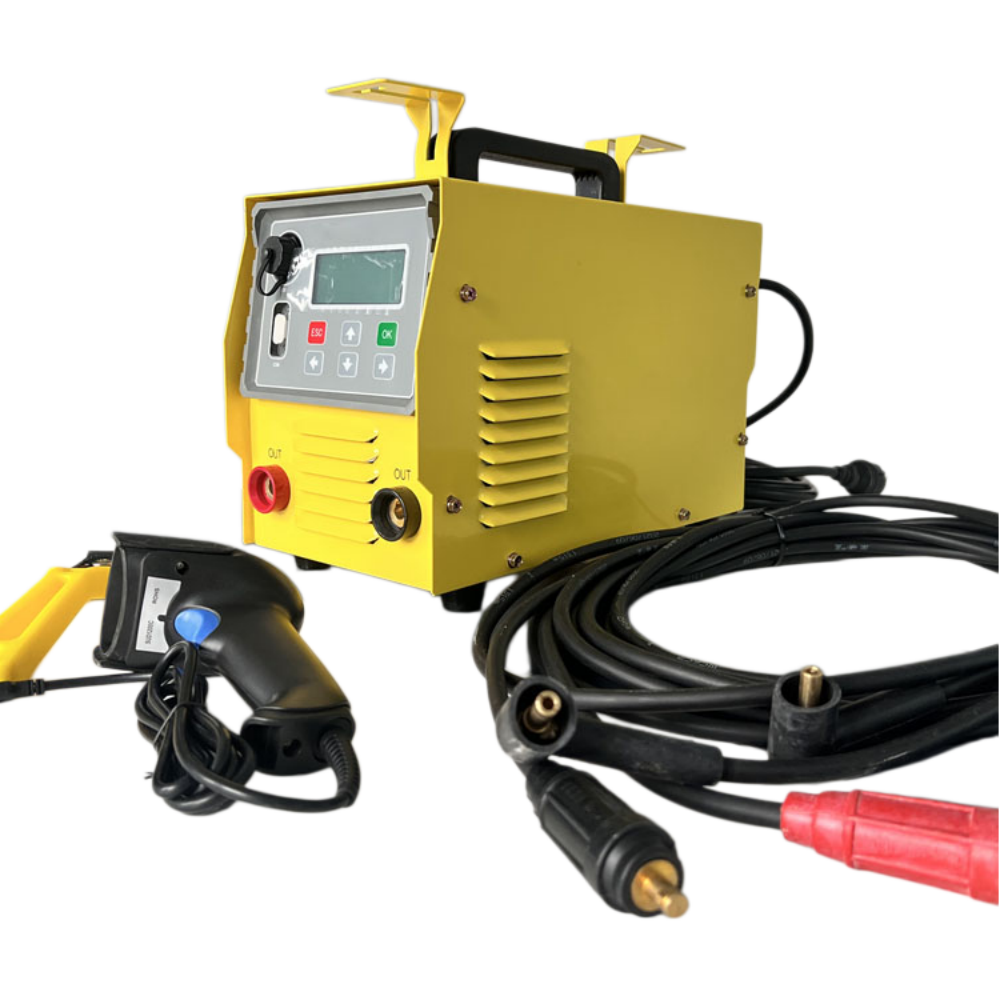
An electric welding machine is a specialized device that uses electrical current to generate intense heat, allowing two metal pieces to fuse together permanently. This technology forms the backbone of modern manufacturing, construction, and repair industries worldwide. Understanding how an electric welding machine operates and what makes it essential will help you make informed decisions about welding equipment for your operations.
The electric welding machine has revolutionized metal joining processes by providing consistent, reliable, and controllable heat sources. Whether you work in automotive manufacturing, pipeline construction, structural steel fabrication, or maintenance operations, an electric welding machine delivers the precision and power needed for high-quality welds. This guide explores the fundamental principles, components, and practical applications of electric welding machine technology.
What Is an Electric Welding Machine and Its Core Function
Understanding the Basic Principle
An electric welding machine operates by converting electrical energy into thermal energy, creating an arc that melts metal at temperatures exceeding 3000 degrees Celsius. The electric welding machine passes electrical current through a welding electrode or torch to establish this arc between the electrode and the workpiece. This intense localized heat causes the base metals to melt and blend together, forming a strong permanent bond once cooled.
The electric welding machine represents a significant advancement over earlier welding methods because it provides precise control over heat input and cooling rates. Every electric welding machine incorporates a power supply that regulates voltage and amperage, allowing operators to adjust settings based on metal thickness, type, and desired weld characteristics. This controllability makes the electric welding machine suitable for diverse applications ranging from delicate sheet metal work to heavy structural steel joining.
Key Advantages of Electric Welding Technology
An electric welding machine excels because it produces clean, strong welds with minimal spatter and defects when operated correctly. The electric welding machine enables faster welding speeds compared to manual methods, increasing productivity and reducing labor costs. Industrial facilities choose an electric welding machine for its versatility, as a single unit can often handle multiple welding processes including stick welding, MIG welding, TIG welding, and flux-core arc welding depending on its design and capabilities.
How an Electric Welding Machine Works: The Technical Process
The Arc Generation and Heat Creation
When you operate an electric welding machine, the power supply establishes an electrical circuit between the electrode and the metal workpiece. The electric welding machine initiates an arc by bringing the electrode close enough to create a conductive path through the gap, causing electrical current to jump across this space. This arc generates an intense electromagnetic field and extreme temperatures that instantly melt both the electrode material and the base metal surface in the welding zone.
The electric welding machine maintains this arc through continuous voltage regulation, keeping the current flowing steadily throughout the welding process. Operators adjust the electric welding machine settings to control amperage, which directly affects heat intensity and penetration depth. Higher amperage settings increase heat and allow deeper penetration into thicker materials, while lower settings work better for thin materials where excessive heat could cause distortion or burnthrough.
Metal Fusion and Cooling Process
As the arc melts metal, an electric welding machine creates a molten pool called the weld puddle where the electrode material combines with the base metal. The electric welding machine operator moves the electrode along the joint line, continuously feeding fresh electrode material into this molten pool. Shielding gas or flux, depending on the welding process, protects the molten metal from oxidation and atmospheric contamination that could weaken the weld.
Once the electrode passes, the electric welding machine allows the molten metal to cool and solidify, creating a metallurgical bond between the two pieces. The electric welding machine operator must maintain proper travel speed and arc length to ensure uniform heat distribution and adequate fusion. Too fast travel speed leaves incomplete fusion, while too slow travel speed causes excessive heat that warps the metal and weakens the overall structure.
Essential Components and Operating Parameters of Electric Welding Machines
Major Components and Their Functions
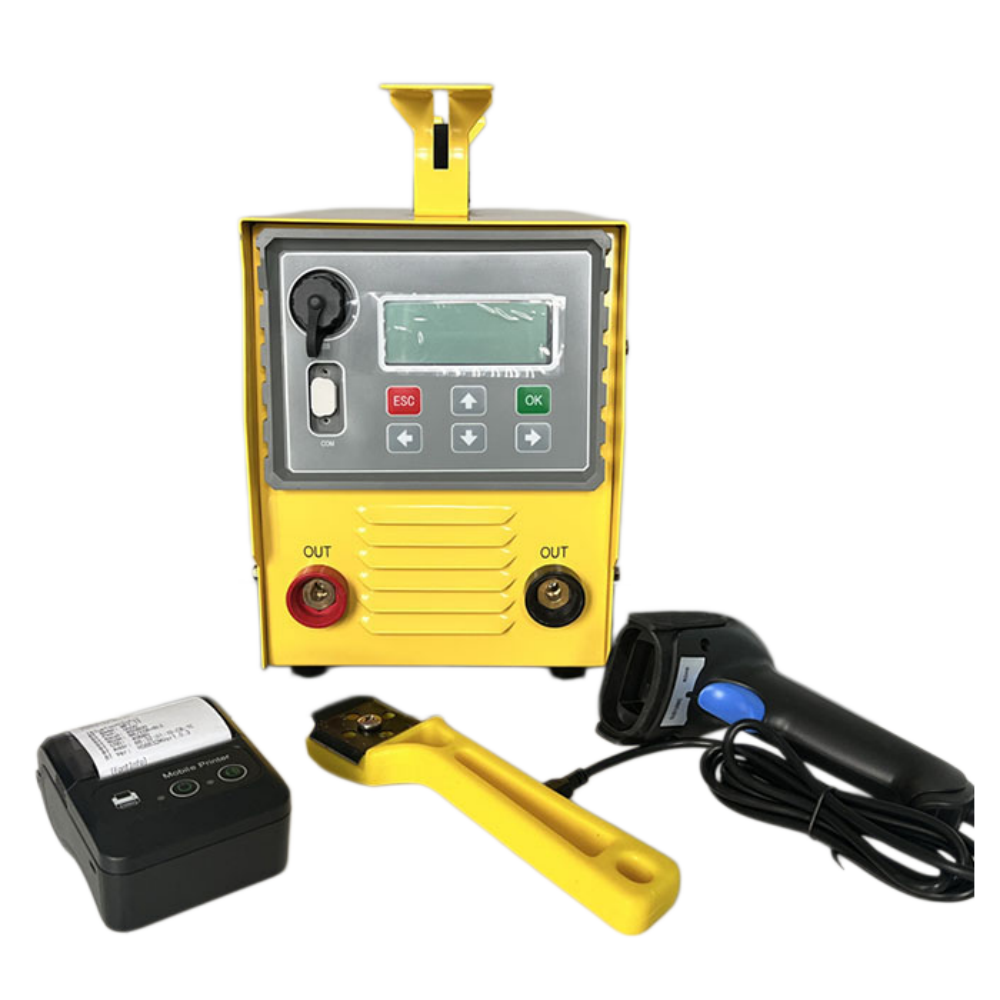
An electric welding machine consists of several critical components working together to deliver consistent welding performance. The power supply forms the heart of any electric welding machine, converting incoming electrical current into the precise voltage and amperage needed for the specific welding process. An electric welding machine typically includes a welding torch or electrode holder, ground clamp, cables, and controls that allow operators to adjust output parameters in real time.
The electric welding machine's cooling system prevents overheating during extended use, maintaining component integrity and reliable operation. An electric welding machine also incorporates safety features including overcurrent protection, thermal cutoff switches, and emergency stop capabilities. Modern electric welding machine designs include digital displays showing real-time amperage, voltage, and wire feed speed, enabling precise process control and consistent weld quality across multiple joints.
Operational Settings and Parameters
Successfully operating an electric welding machine requires understanding how to adjust voltage, amperage, and travel speed to match specific project requirements. The electric welding machine operator must consider material type, thickness, joint configuration, and desired weld characteristics when configuring these parameters. An electric welding machine with improper settings produces weak welds, excess spatter, porosity, or incomplete fusion, compromising structural integrity and requiring costly repairs.
Different metals require different electric welding machine settings because they have varying melting points and thermal conductivity characteristics. Aluminum welding demands different settings than steel or stainless steel, and an electric welding machine operator must adjust accordingly. Proper training on your specific electric welding machine ensures operators understand how to modify settings effectively and recognize when adjustments are needed based on visual indicators during the welding process.
FAQ
What types of metals can an electric welding machine join?
An electric welding machine can join most ferrous and non-ferrous metals including mild steel, stainless steel, aluminum, copper, brass, and specialty alloys. Different metals may require different processes or gas shielding, but a well-configured electric welding machine handles diverse materials effectively. The electric welding machine's versatility makes it invaluable across industries where multiple material types appear in production or repair operations.
How does an electric welding machine compare to other joining methods?
An electric welding machine creates stronger permanent joints than mechanical fastening methods like bolting or riveting, with greater reliability in dynamic loading situations. Compared to adhesive bonding, an electric welding machine produces faster results and works in extreme temperatures where adhesives fail. The electric welding machine offers superior speed and cost-effectiveness compared to traditional gas welding, though proper operator training remains essential for consistent quality.
What safety precautions should operators follow when using an electric welding machine?
Operators must wear appropriate protective equipment including welding helmets with proper shade lenses, heat-resistant gloves, and flame-resistant clothing when working with an electric welding machine. The electric welding machine workspace requires proper ventilation to manage fumes and prevent inhalation hazards. Additionally, ensure all electrical connections are properly grounded when using an electric welding machine to eliminate shock hazards and maintain equipment safety.