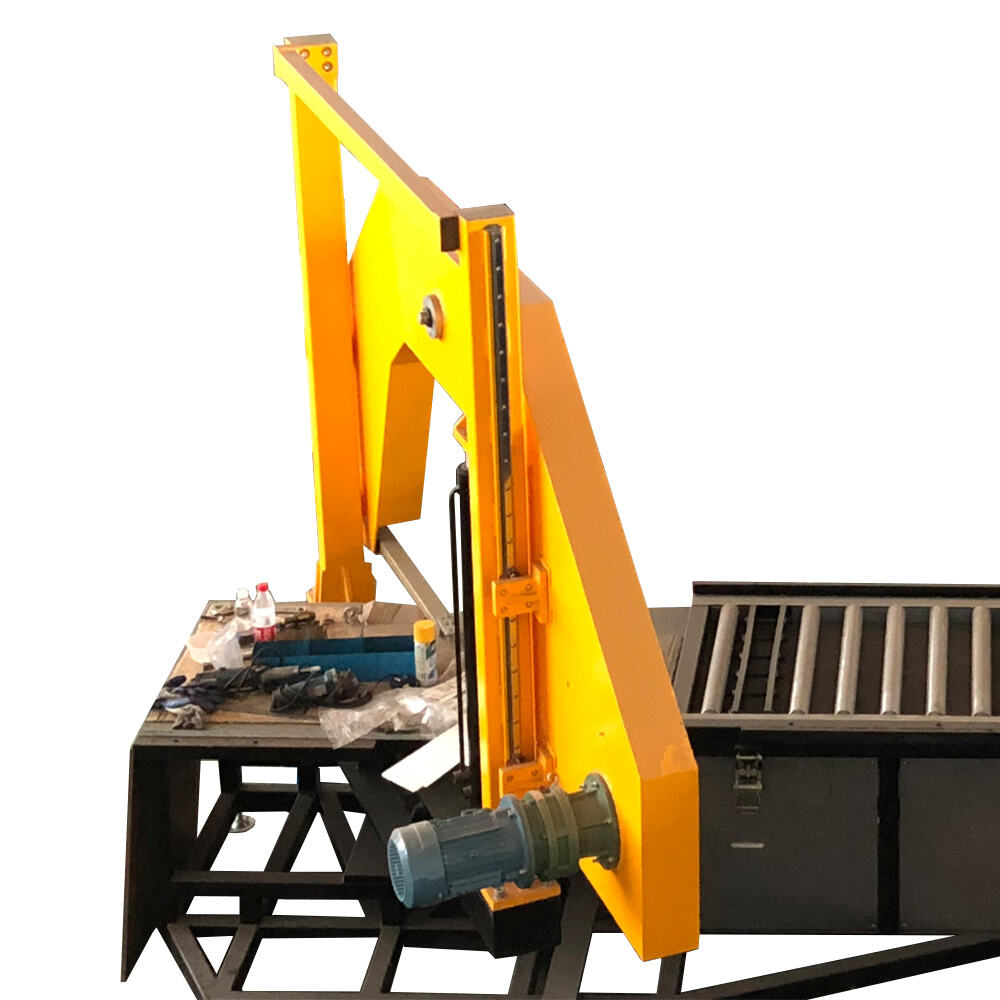
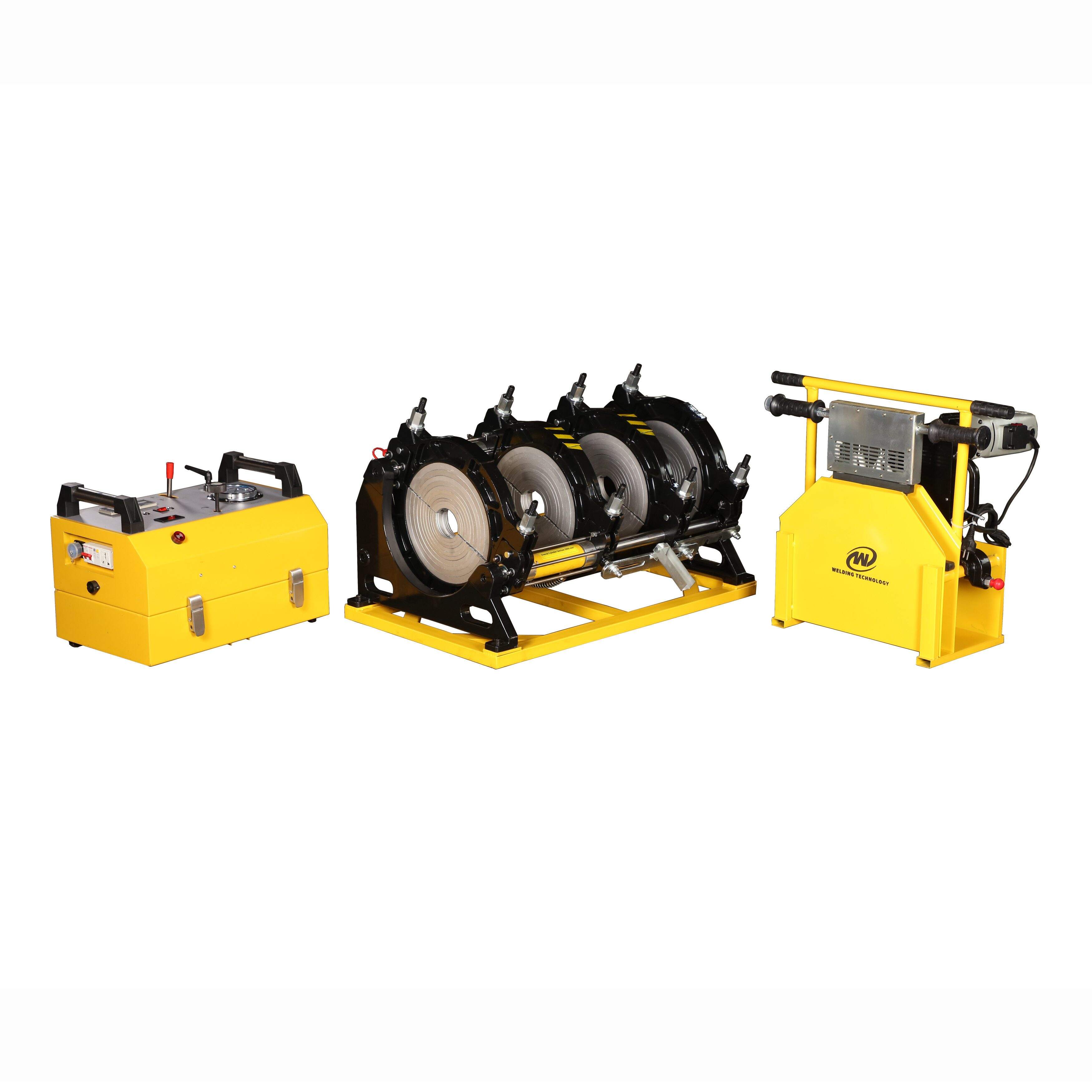
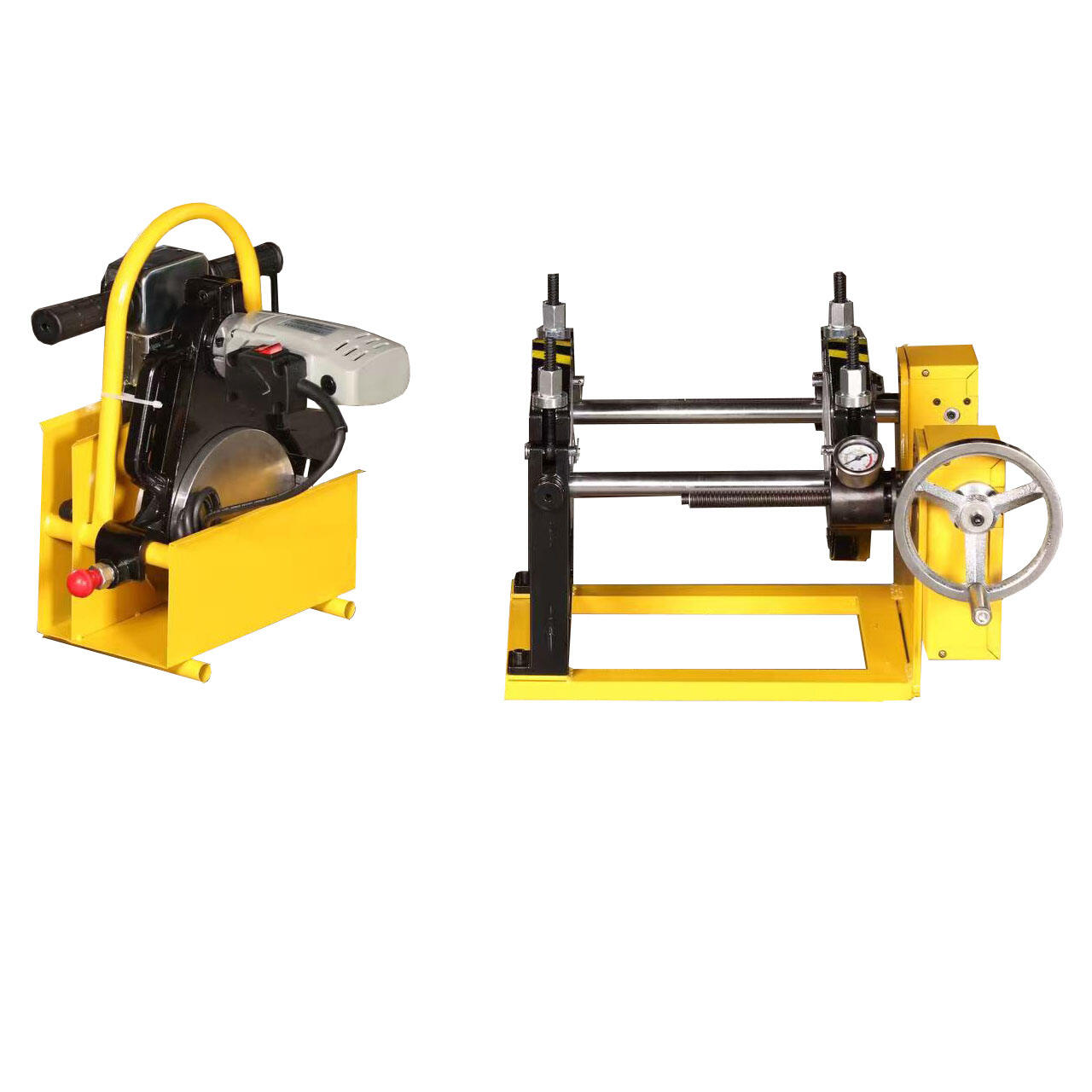
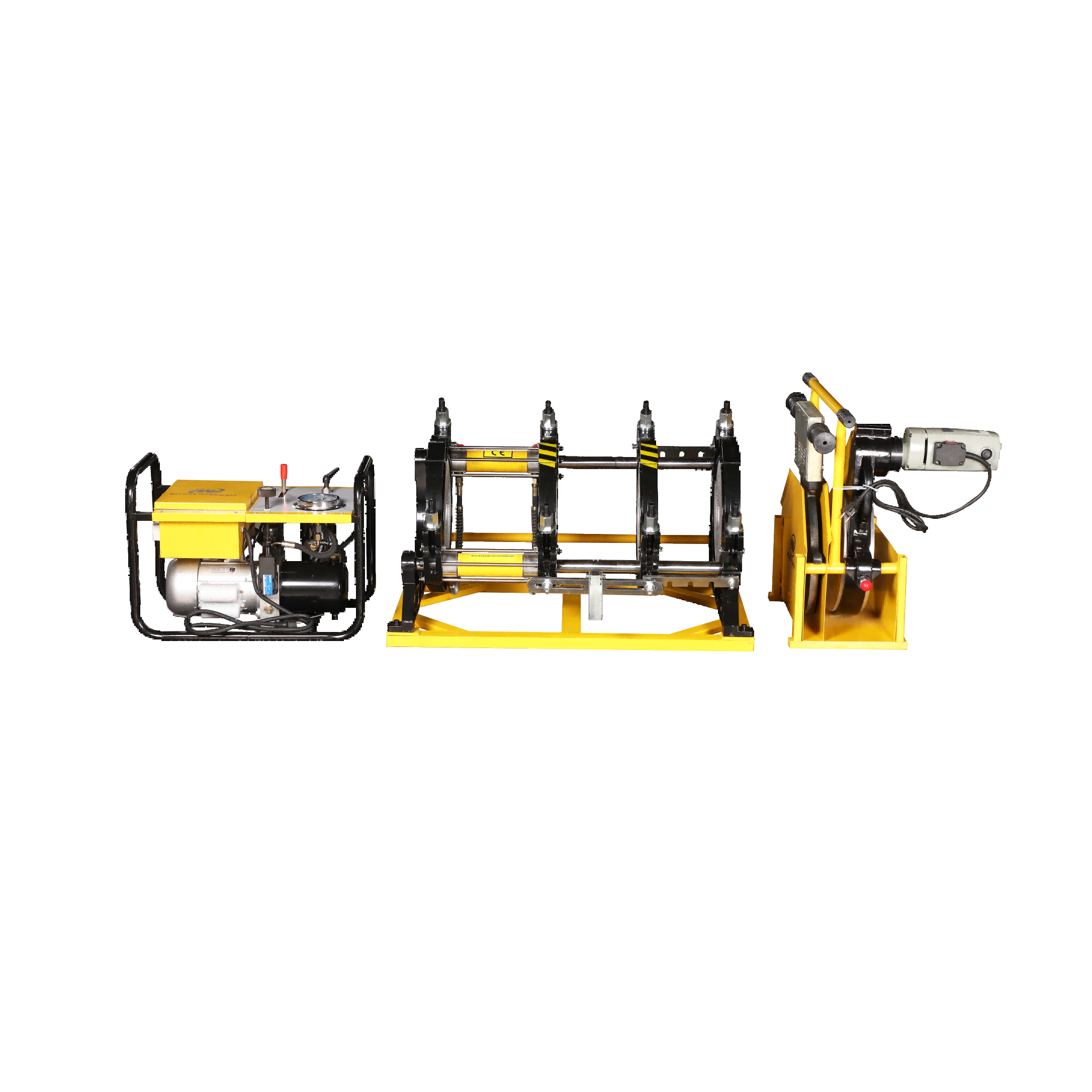
boru hatı kaynağı ekipmanı
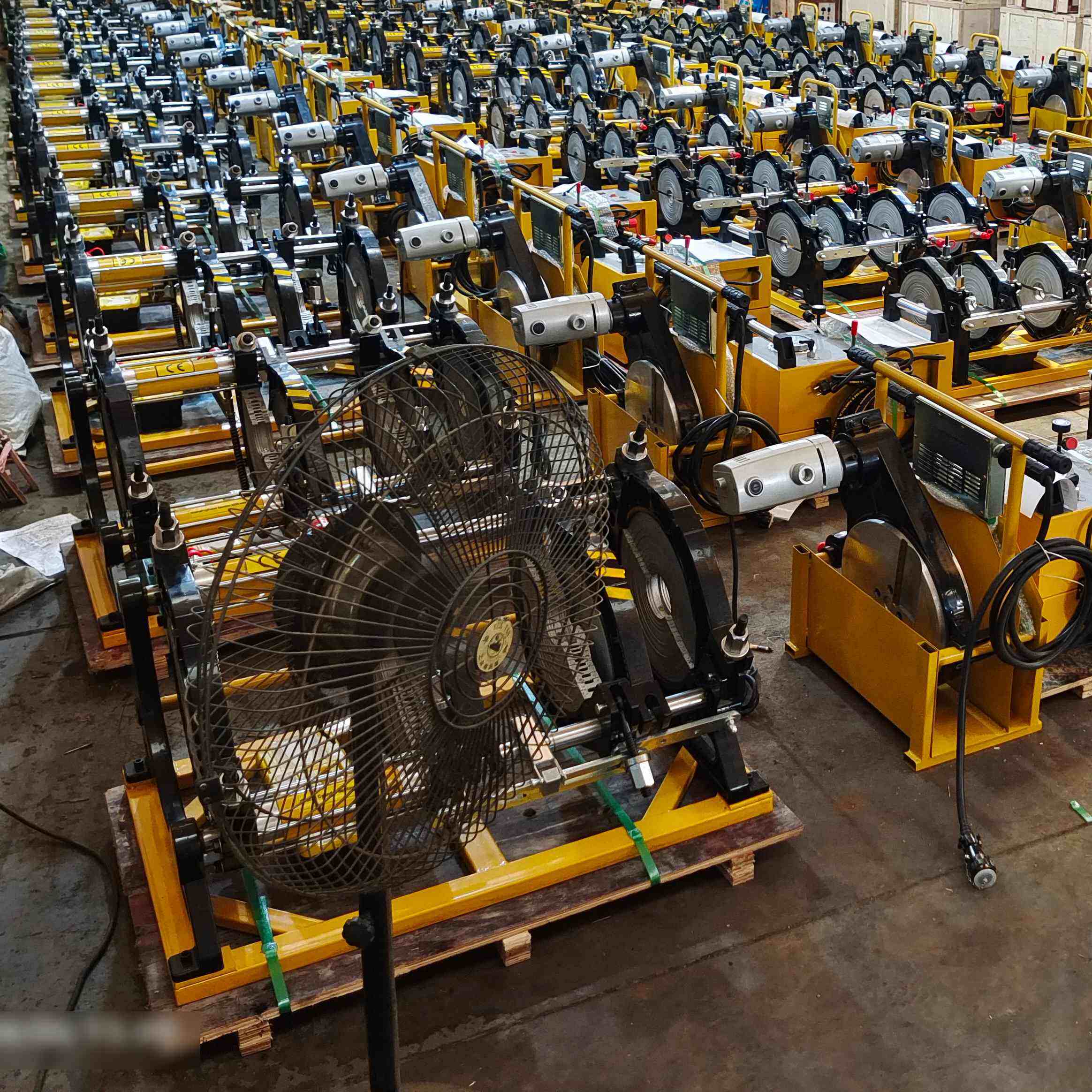
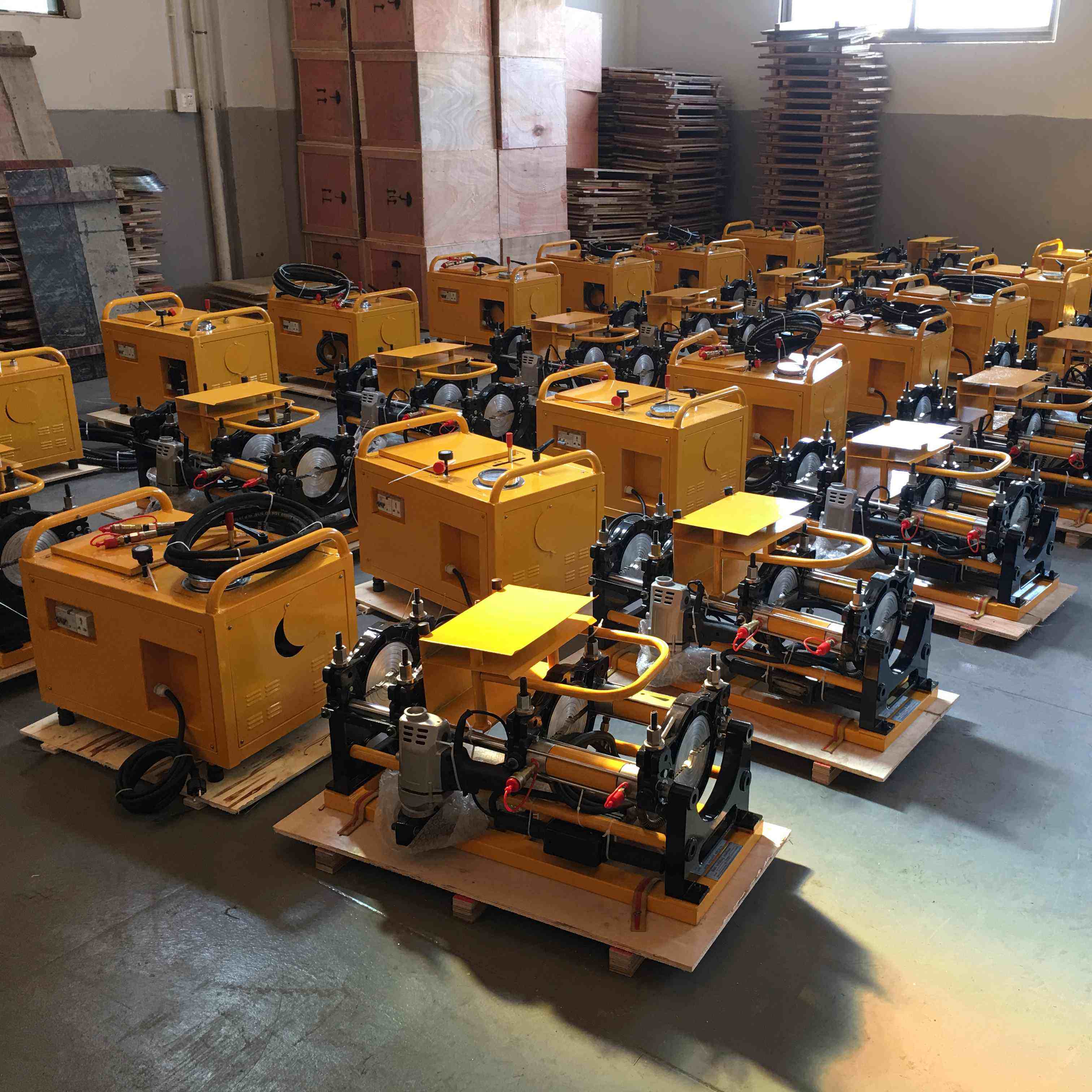
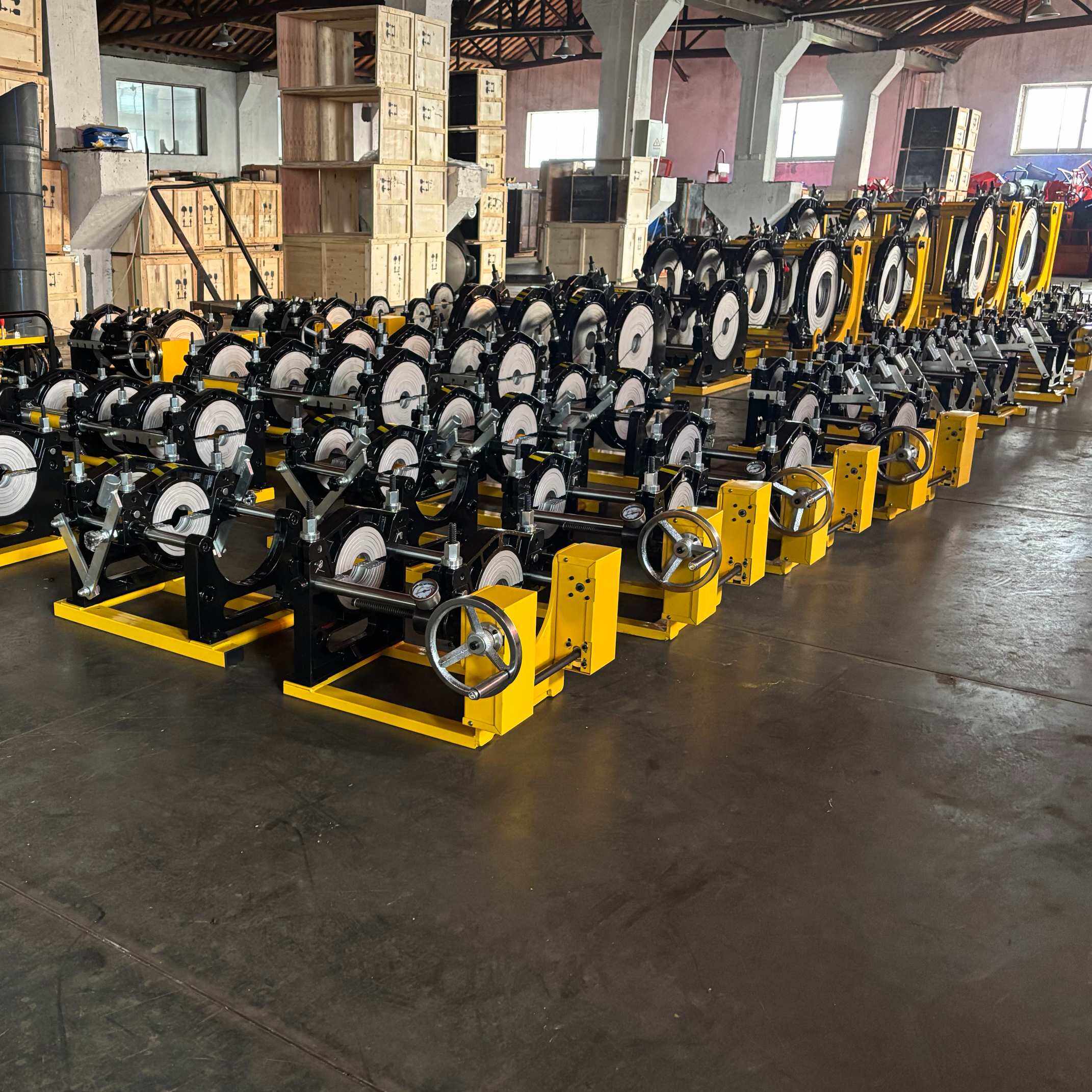
Boru hattı kaynak ekipmanı, çeşitli inşaat ve altyapı projelerinde boru parçalarını birleştirmek amacıyla özel olarak tasarlanmış bir endüstriyel makine kategorisini temsil eder. Bu gelişmiş ekipman, yüksek kaliteli ve güvenilir kaynaklar elde etmek için ileri düzey kaynak teknolojilerini hassas mühendislikle birleştirir ve sektörün katı standartlarını karşılamayı sağlar. Boru hattı kaynak ekipmanının temel işlevi, boru segmentleri arasında kalıcı bağlantılar oluşturmak ve böylece petrol, doğal gaz, su ve diğer akışkanların taşınması için kapsamlı boru hattı ağlarının inşasını mümkün kılmaktır. Modern boru hattı kaynak ekipmanı, kapalı ark kaynağı, gazla korunaklı tungsten ark kaynağı ve toz dolgulu ark kaynağı gibi çoklu kaynak süreçlerini içerir; bu sayede operatörler, malzeme özelliklerine ve çevresel koşullara göre en uygun yöntemi seçebilirler. Günümüzün boru hattı kaynak ekipmanının teknolojik özellikleri arasında, tutarlı kaynak kalitesini sağlamak amacıyla hassas parametre izleme ve ayarlama imkânı sunan dijital kontrol sistemleri yer alır. Gelişmiş soğutma sistemleri, uzun süreli kaynak işlemlerinde aşırı ısınmayı önlerken, ergonomik tasarımlar operatör yorgunluğunu azaltır ve verimliliği artırır. Birçok ünite, optimal kaynak koşullarını koruyan ve malzeme kaybını azaltan otomatik tel besleme mekanizmalarına sahiptir. Ekipman genellikle yay koruma kalkanları, havalandırma sistemleri ve acil durdurma yetenekleri gibi kapsamlı güvenlik sistemlerini içerir; bu sistemler hem operatörleri hem de çevre personeliyi korur. Boru hattı kaynak ekipmanının uygulama alanları, petrol arama ve üretiminden doğal gaz dağıtım ağlarına, belediye su sistemlerinden endüstriyel proses boru tesisatına ve enerji üretim tesislerine kadar birçok sektörü kapsar. Denizaltı ortamlarında ise özel boru hattı kaynak ekipmanları, su altı kaynak işlemleri ve denizcilik boru hattı kurulumlarını gerçekleştirir. Bu ekipman, yeni inşaat projelerinde ve mevcut boru hattı sistemlerinin tamir edilmesi, değiştirilmesi veya uzatılması gereken bakım operasyonlarında büyük ölçüde değerlidir. İnşaat şirketleri, kamu hizmeti sağlayıcıları ve özel kaynak müteahhitleri, düzenleyici gereksinimleri ve işletme spesifikasyonlarını karşılayan projeleri teslim edebilmek için bu ekipmana büyük ölçüde güvenmektedir.
 ×
×




 EN
EN