Professional Pipeline Welding Equipment - Advanced Solutions for Industrial Welding Applications

Get a Free Quote

Our representative will contact you soon.
E-mail
Name
Mobile/WhatsApp
Company Name
Message
0/1000

pipeline welding equipment

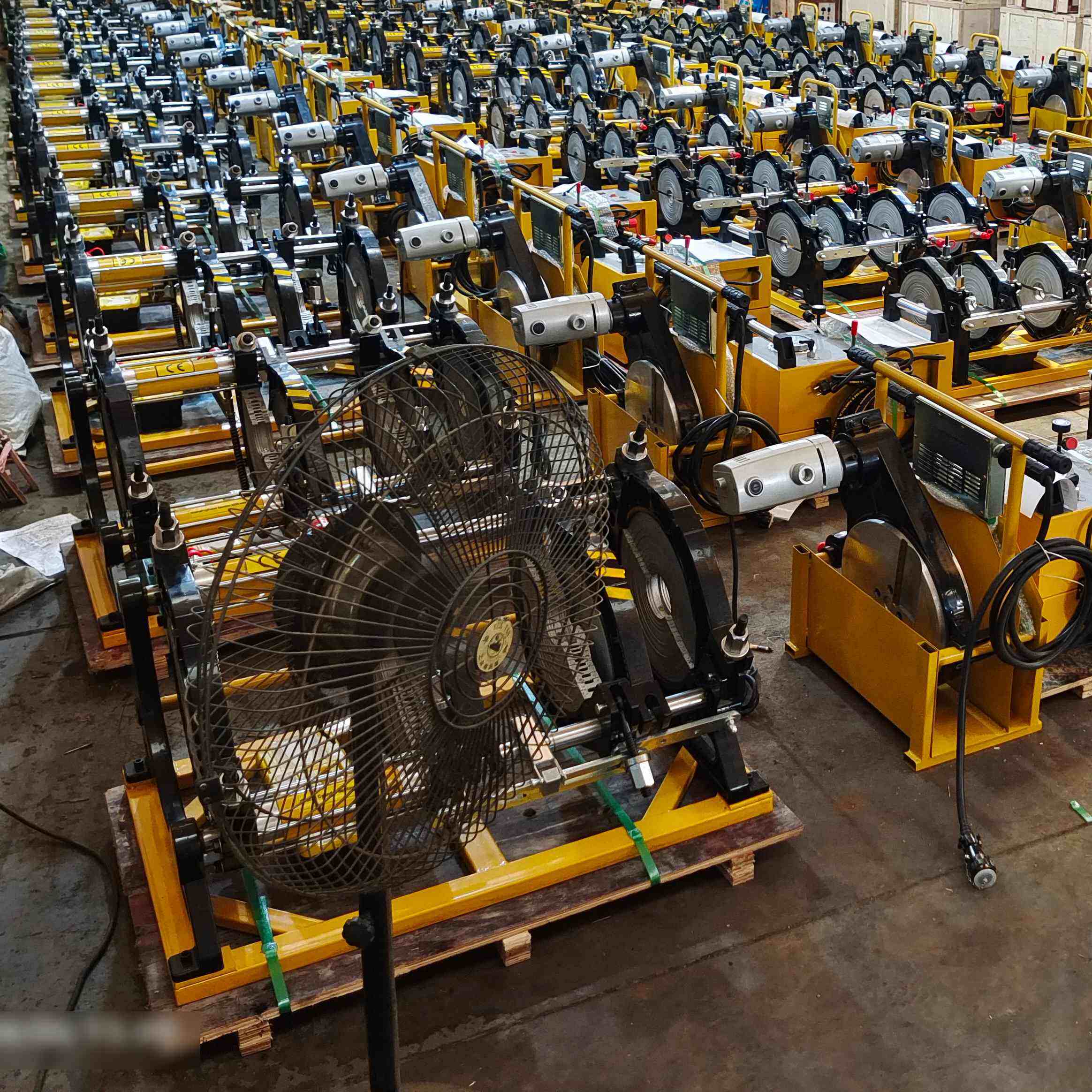
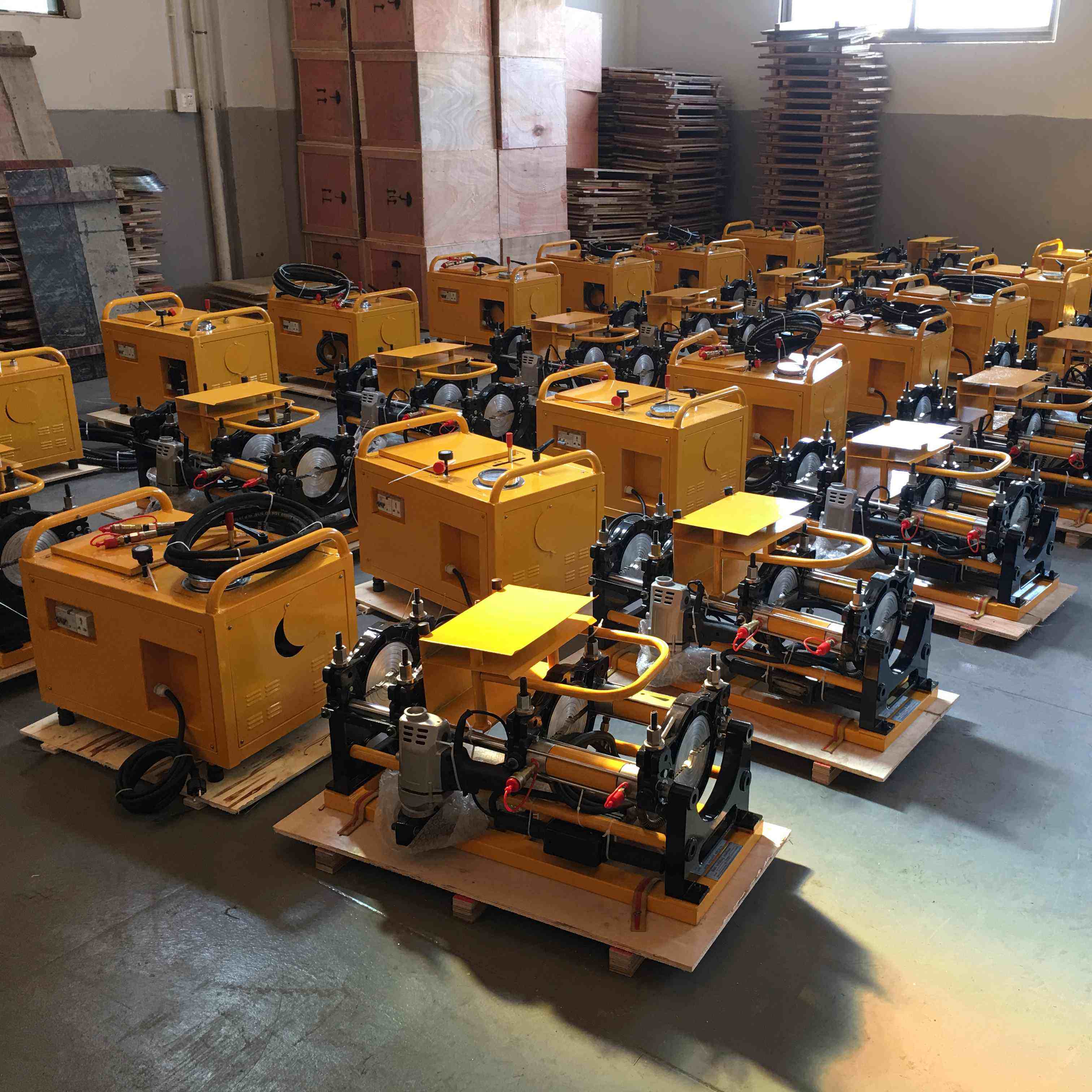
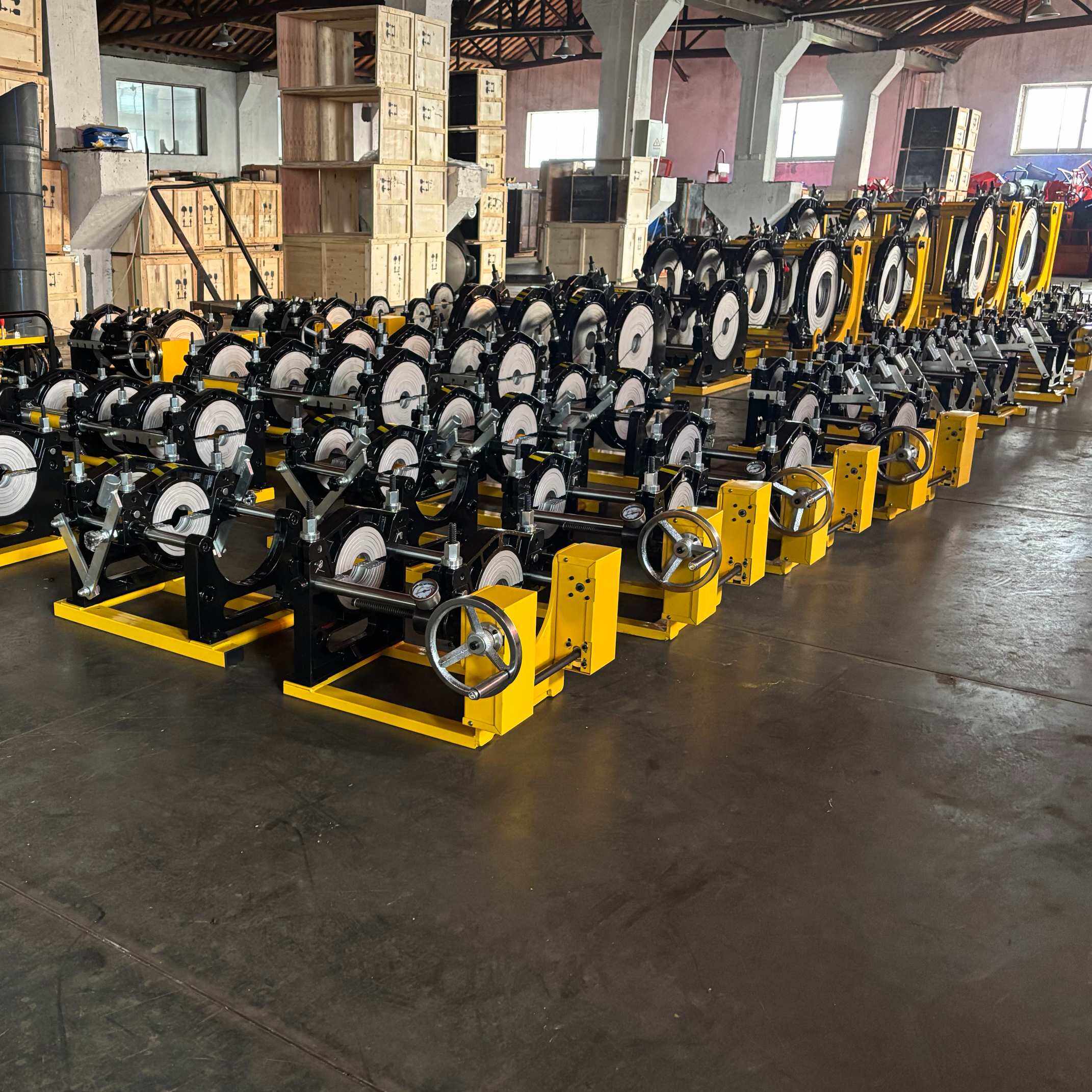
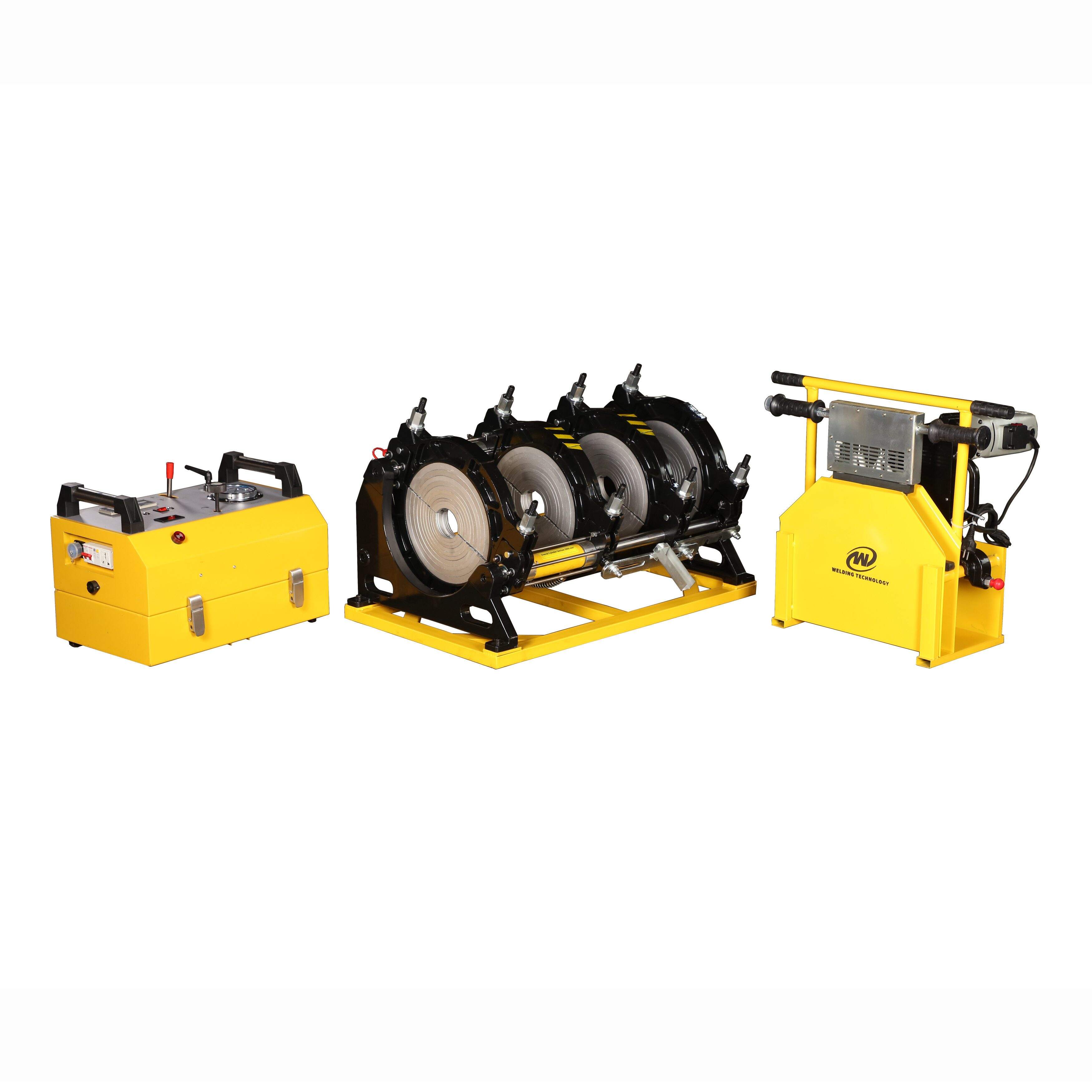
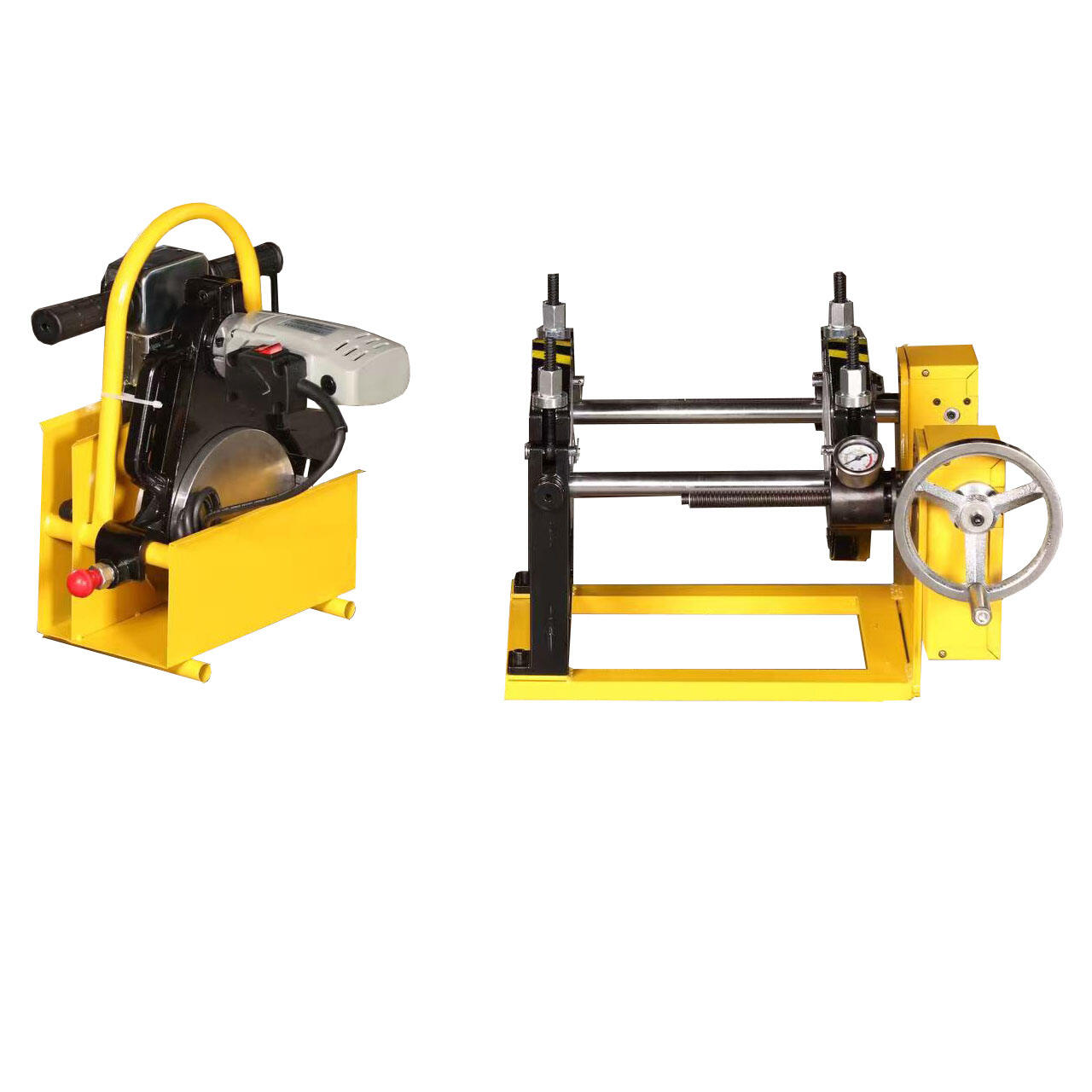
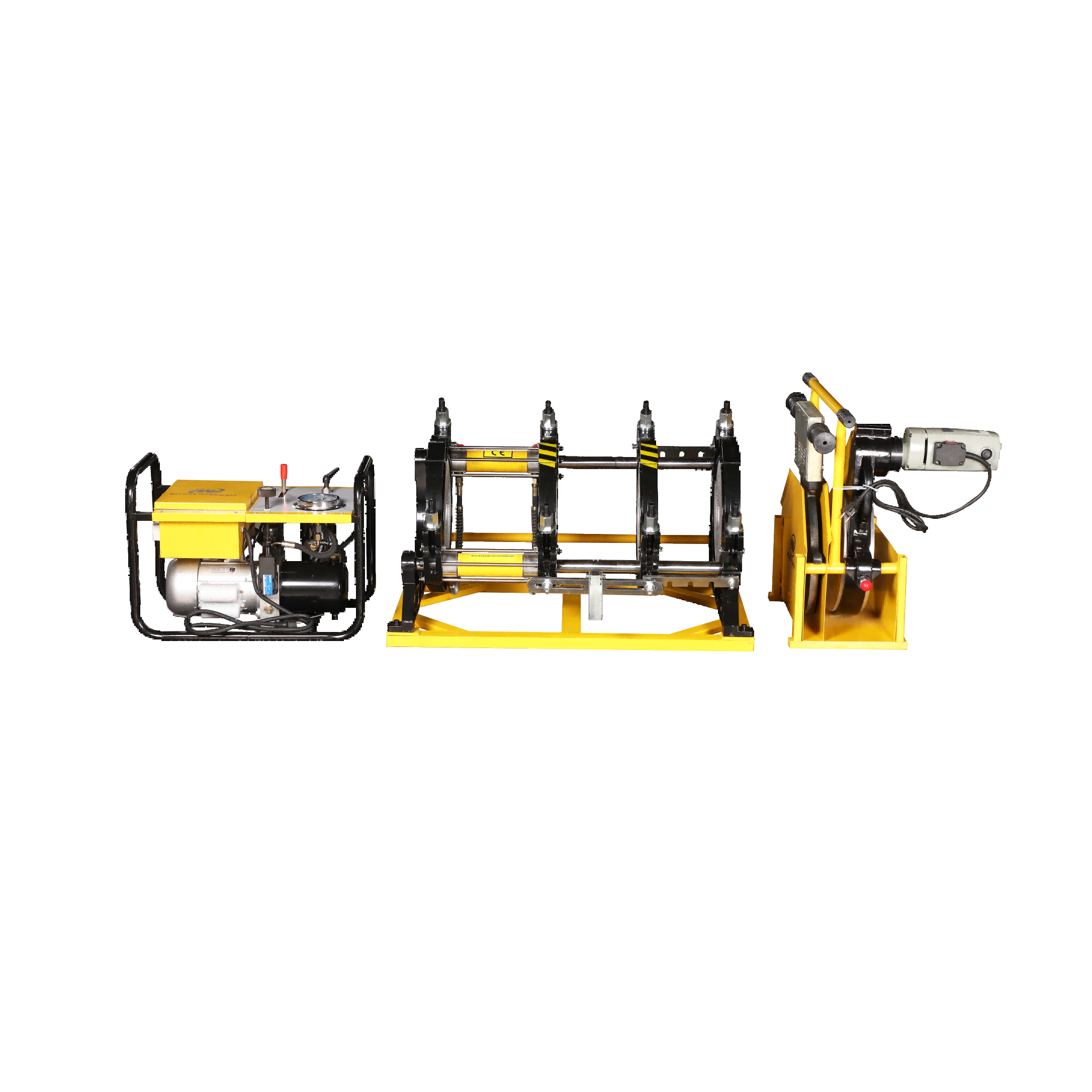
Pipeline welding equipment represents a specialized category of industrial machinery designed specifically for joining pipe sections in various construction and infrastructure projects. This sophisticated equipment combines advanced welding technologies with precision engineering to ensure reliable, high-quality welds that meet stringent industry standards. The primary function of pipeline welding equipment revolves around creating permanent joints between pipe segments, enabling the construction of extensive pipeline networks for oil, gas, water, and other fluid transportation systems. Modern pipeline welding equipment incorporates multiple welding processes, including shielded metal arc welding, gas tungsten arc welding, and flux-cored arc welding, allowing operators to select the most appropriate method based on material specifications and environmental conditions. The technological features of contemporary pipeline welding equipment include digital control systems that provide precise parameter monitoring and adjustment capabilities, ensuring consistent weld quality throughout the entire operation. Advanced cooling systems prevent overheating during extended welding sessions, while ergonomic designs reduce operator fatigue and enhance productivity. Many units feature automatic wire feeding mechanisms that maintain optimal welding conditions and reduce material waste. The equipment typically includes comprehensive safety systems, such as arc protection shields, ventilation systems, and emergency shutdown capabilities, protecting both operators and surrounding personnel. Applications for pipeline welding equipment span numerous industries, including petroleum exploration and production, natural gas distribution networks, municipal water systems, industrial process piping, and power generation facilities. In offshore environments, specialized pipeline welding equipment handles underwater welding operations and marine pipeline installations. The equipment proves invaluable in both new construction projects and maintenance operations, where existing pipeline systems require repairs, modifications, or extensions. Construction companies, utility providers, and specialized welding contractors rely heavily on this equipment to deliver projects that meet regulatory requirements and operational specifications.

New Product Recommendations

Pipeline welding equipment offers substantial time savings compared to traditional welding methods, enabling contractors to complete projects ahead of schedule and reduce overall labor costs. The automated features eliminate many manual processes that typically slow down welding operations, allowing teams to maintain consistent progress even in challenging environmental conditions. This efficiency translates directly into improved project profitability and enhanced customer satisfaction. The precision control systems built into modern pipeline welding equipment ensure superior weld quality that exceeds industry standards and regulatory requirements. Operators can achieve consistent penetration depths, optimal bead profiles, and minimal defect rates, reducing the need for costly rework and inspection delays. This reliability proves especially valuable in critical applications where weld failures could result in environmental damage or safety hazards. Enhanced safety features protect workers from common welding hazards, including arc flash, toxic fumes, and electrical shock. Integrated ventilation systems remove harmful gases from the work area, while protective barriers shield operators from intense light and heat. These safety improvements reduce insurance costs, minimize workplace accidents, and help companies maintain better safety records. The versatility of pipeline welding equipment allows contractors to handle diverse projects without investing in multiple specialized machines. Single units can accommodate various pipe diameters, wall thicknesses, and material types, providing exceptional flexibility for companies serving multiple market segments. This adaptability reduces equipment inventory requirements and simplifies operator training programs. Portability features enable easy transportation between job sites, making the equipment suitable for both permanent installations and mobile welding services. Compact designs fit into standard transportation vehicles, while rugged construction withstands harsh field conditions and frequent relocation. Remote monitoring capabilities allow supervisors to track welding parameters and quality metrics from centralized locations, improving project oversight and quality control. Digital data logging creates comprehensive records for regulatory compliance and quality assurance purposes, while predictive maintenance features help prevent unexpected equipment failures and extend operational lifespans.

Practical Tips

Global Fusion Welding Machinery Market Booms, Hangzhou Welding Leads Chinese Manufacturing to Serve 100+ Countries

11

Feb

Global Fusion Welding Machinery Market Booms, Hangzhou Welding Leads Chinese Manufacturing to Serve 100+ Countries

View More
Technological Innovation Drives Industry Upgrade, Hangzhou Welding Leads the Development of Thermoplastic Welding Technology

11

Feb

Technological Innovation Drives Industry Upgrade, Hangzhou Welding Leads the Development of Thermoplastic Welding Technology

View More
Accelerating Global Layout, Hangzhou Welding Technology Drives International Market Development with the Dual Wheels of

11

Feb

Accelerating Global Layout, Hangzhou Welding Technology Drives International Market Development with the Dual Wheels of "Products + Services"

View More

Get a Free Quote

Our representative will contact you soon.
E-mail
Name
Mobile/WhatsApp
Company Name
Message
0/1000

pipeline welding equipment

Advanced Digital Control Systems for Precision Welding

Advanced Digital Control Systems for Precision Welding

The cornerstone of modern pipeline welding equipment lies in its sophisticated digital control systems that revolutionize welding precision and consistency. These intelligent systems continuously monitor and adjust welding parameters in real-time, ensuring optimal arc characteristics, wire feed rates, and voltage levels throughout the entire welding process. The digital interface provides operators with intuitive controls and clear visual feedback, eliminating guesswork and reducing the learning curve for new technicians. Advanced sensors integrated within the control system detect variations in joint geometry, material thickness, and environmental conditions, automatically compensating for these variables to maintain consistent weld quality. This level of precision proves particularly valuable in pipeline applications where structural integrity and leak-proof joints are paramount. The control systems also feature programmable welding procedures that can store specific parameters for different pipe materials, diameters, and welding positions, enabling operators to quickly switch between different project requirements without lengthy setup procedures. Data logging capabilities capture detailed information about each weld, including amperage, voltage, travel speed, and arc time, creating comprehensive quality records that satisfy regulatory requirements and facilitate troubleshooting when issues arise. The systems can detect potential problems before they affect weld quality, alerting operators to issues such as insufficient shielding gas, worn consumables, or improper torch positioning. This proactive approach prevents defective welds and reduces rework costs significantly. Remote connectivity features enable supervisors and quality control personnel to monitor welding operations from off-site locations, providing real-time oversight and enabling immediate intervention when necessary. The digital systems also support predictive maintenance programs by tracking equipment usage patterns and component wear rates, helping operators schedule maintenance activities before failures occur and minimizing unplanned downtime.
Superior Portability and Mobility for Diverse Job Sites

Superior Portability and Mobility for Diverse Job Sites

Pipeline welding equipment excels in portability and mobility features that enable contractors to efficiently serve diverse project locations and challenging work environments. The compact, lightweight designs of modern units facilitate easy transportation using standard vehicles and equipment trailers, eliminating the need for specialized heavy-duty transportation that increases project costs and logistical complexity. Rugged construction materials and protective housings ensure the equipment withstands harsh field conditions, including extreme temperatures, dust, moisture, and vibration during transport and operation. Many units incorporate quick-disconnect fittings and modular components that allow rapid setup and breakdown, significantly reducing the time required to mobilize and demobilize at job sites. This efficiency proves especially valuable for contractors working on multiple simultaneous projects or emergency repair situations where rapid response is critical. The mobility features extend beyond basic transportation to include maneuverability within job sites, with many units featuring wheeled chassis or skid-mounted designs that enable easy positioning along pipeline routes. Some advanced models include self-propelled capabilities that allow the equipment to move independently along the pipeline right-of-way, following the welding progress without requiring constant repositioning by support personnel. Battery-powered options provide complete independence from external power sources, making the equipment suitable for remote locations where electrical infrastructure is unavailable or unreliable. These portable power solutions maintain full welding capabilities while reducing the complexity and cost of temporary power installations. The mobility features also encompass weather protection systems that enable continuous operation in adverse conditions, including wind screens, rain covers, and temperature control systems that protect both the equipment and welding processes. Storage compartments built into the mobile platforms provide secure, organized space for consumables, spare parts, and tools, reducing the need for separate support vehicles and simplifying job site logistics. The combination of portability and durability ensures that pipeline welding equipment can reliably serve projects in urban environments, remote wilderness areas, offshore platforms, and underground installations.
Comprehensive Safety Systems for Operator Protection

Comprehensive Safety Systems for Operator Protection

Pipeline welding equipment incorporates extensive safety systems designed to protect operators from the inherent hazards associated with welding operations while maintaining high productivity levels. The primary safety features include advanced arc protection systems that automatically adjust shielding intensity based on welding parameters, protecting operators from harmful ultraviolet and infrared radiation that can cause serious eye and skin damage. Integrated fume extraction systems capture and remove toxic welding gases and particulates at their source, preventing inhalation of harmful substances and maintaining healthy air quality in the work environment. These ventilation systems operate silently and efficiently, ensuring they do not interfere with welding operations or communication between team members. Emergency shutdown systems provide immediate equipment deactivation in case of accidents or equipment malfunctions, with easily accessible controls positioned throughout the work area for quick response. Ground fault circuit interrupters protect against electrical shock hazards, automatically cutting power when dangerous electrical conditions are detected. The safety systems extend to fire prevention and suppression, with spark arrestors and flame barriers preventing hot particles from igniting flammable materials in the surrounding area. Heat-resistant barriers and cooling systems protect nearby personnel and equipment from excessive temperatures generated during welding operations. Ergonomic design elements reduce operator fatigue and prevent repetitive stress injuries, with adjustable controls, comfortable gripping surfaces, and optimized weight distribution that minimize physical strain during extended welding sessions. The equipment includes comprehensive warning systems with visual and audible alerts that notify operators of potentially dangerous conditions, such as excessive gas pressure, overheating components, or inadequate shielding gas flow. Safety interlocks prevent equipment operation when protective systems are not functioning properly, ensuring that operators cannot inadvertently expose themselves to hazardous conditions. Training support features built into the safety systems help operators understand proper safety procedures and recognize potential hazards, with interactive displays and guided setup procedures that promote safe operating practices. Regular safety system self-diagnostics verify that all protective features are functioning correctly, providing operators with confidence that they are working in a safe environment while maintaining the high productivity levels required for successful pipeline construction projects.

Get a Free Quote

Our representative will contact you soon.
E-mail
Name
Mobile/WhatsApp
Company Name
Message
0/1000