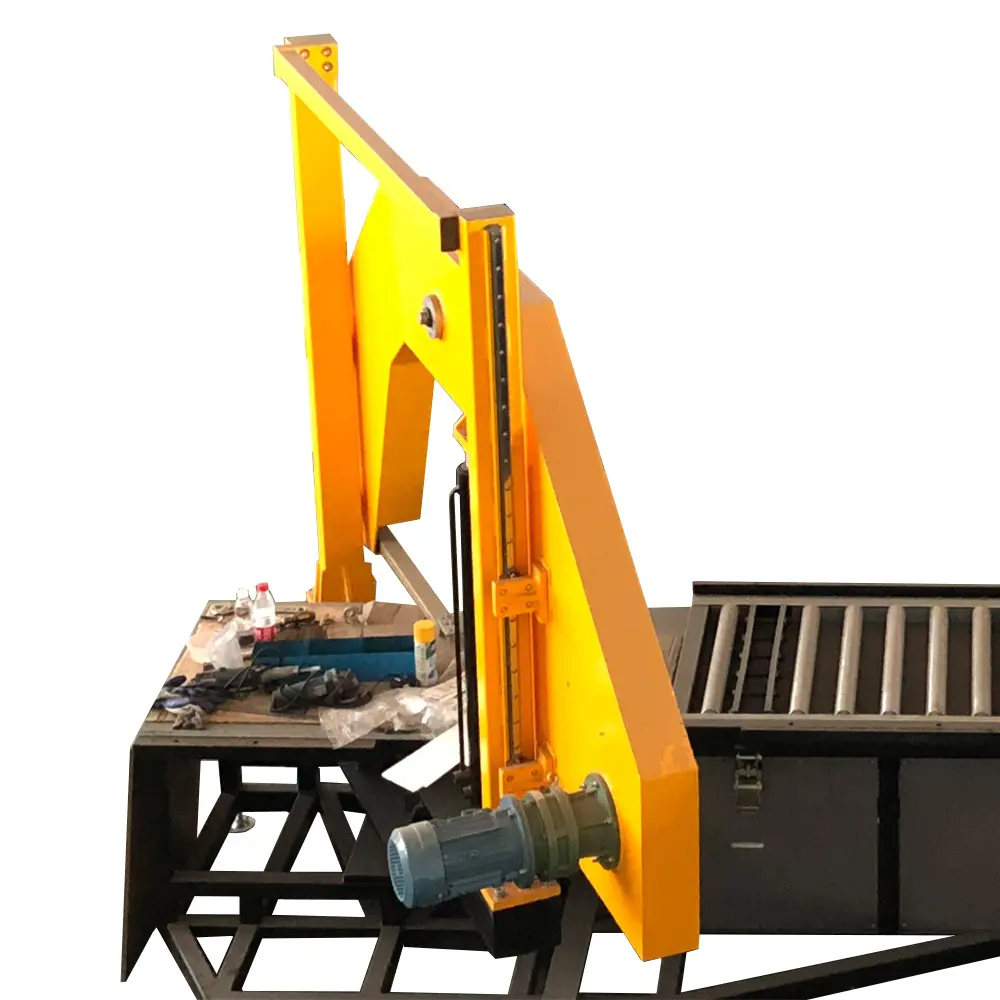
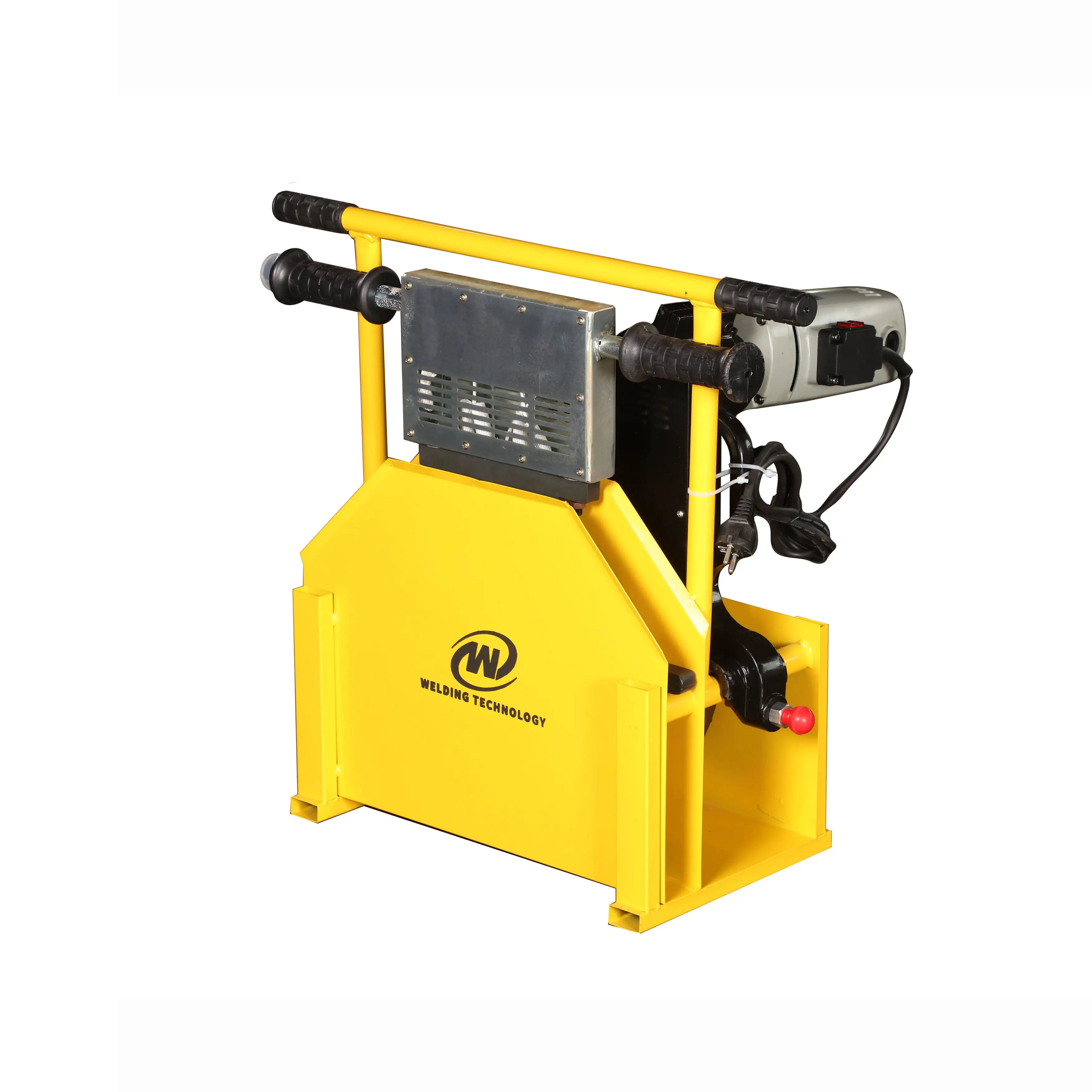
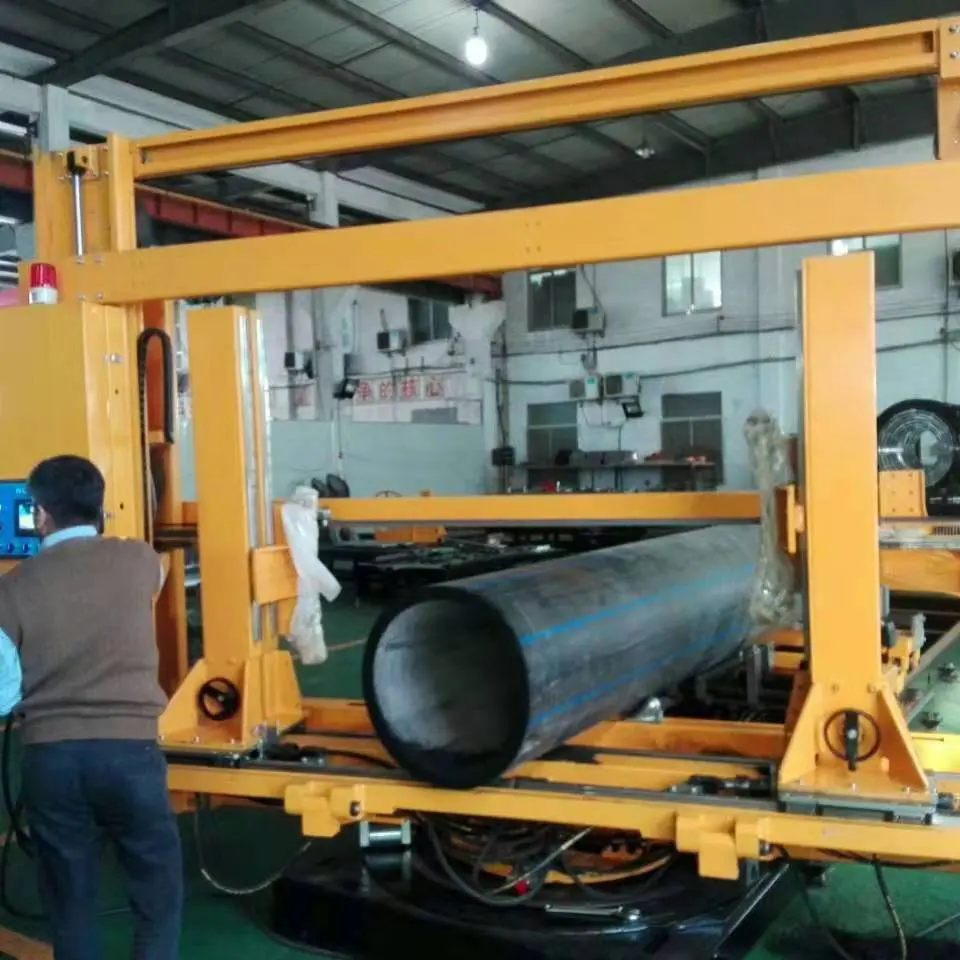
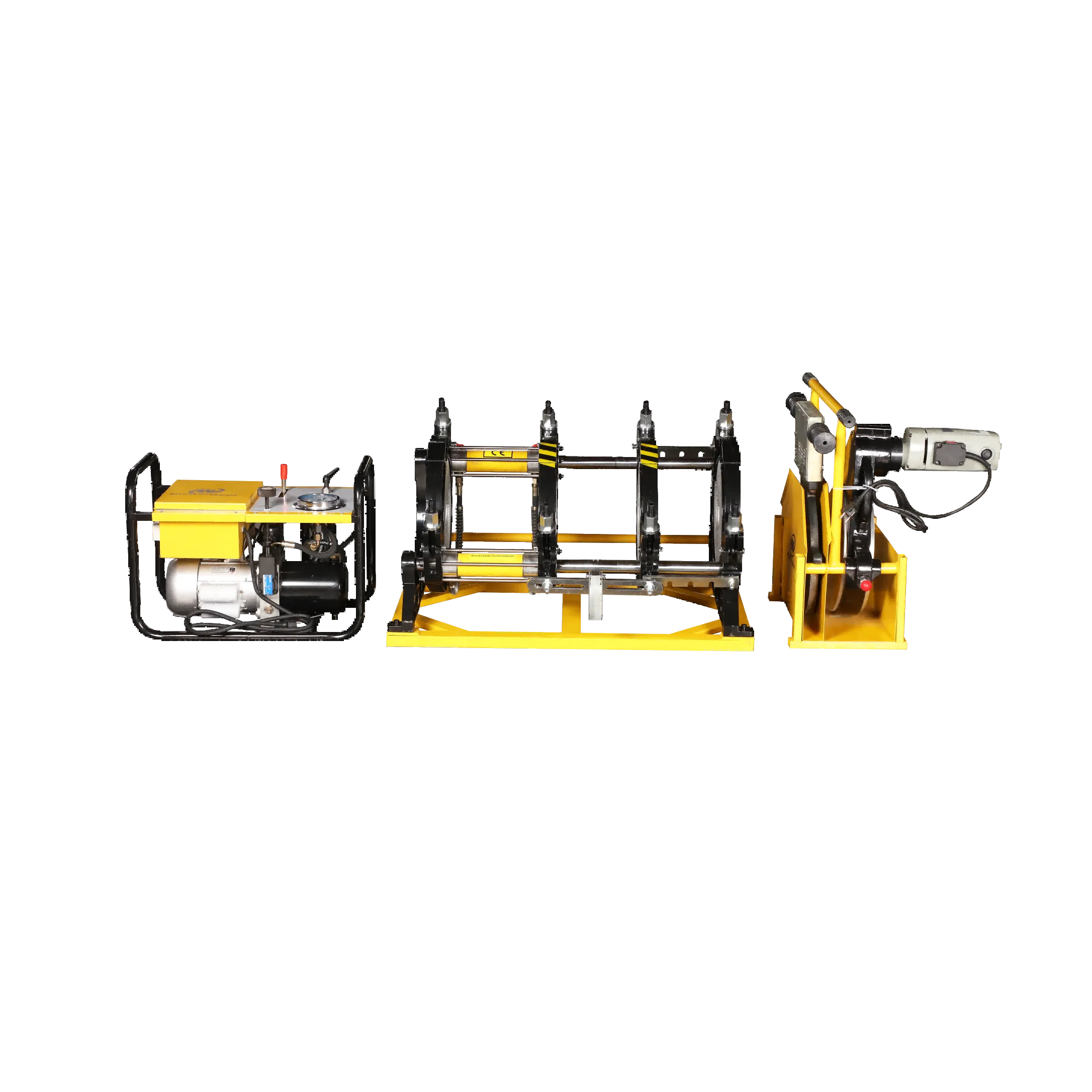
Professional Plastic Pipe Welding Machine - Advanced Fusion Technology for Reliable Pipe Connections

Get a Free Quote

Our representative will contact you soon.
E-mail
Name
Mobile/WhatsApp
Company Name
Message
0/1000

plastic pipe welding machine

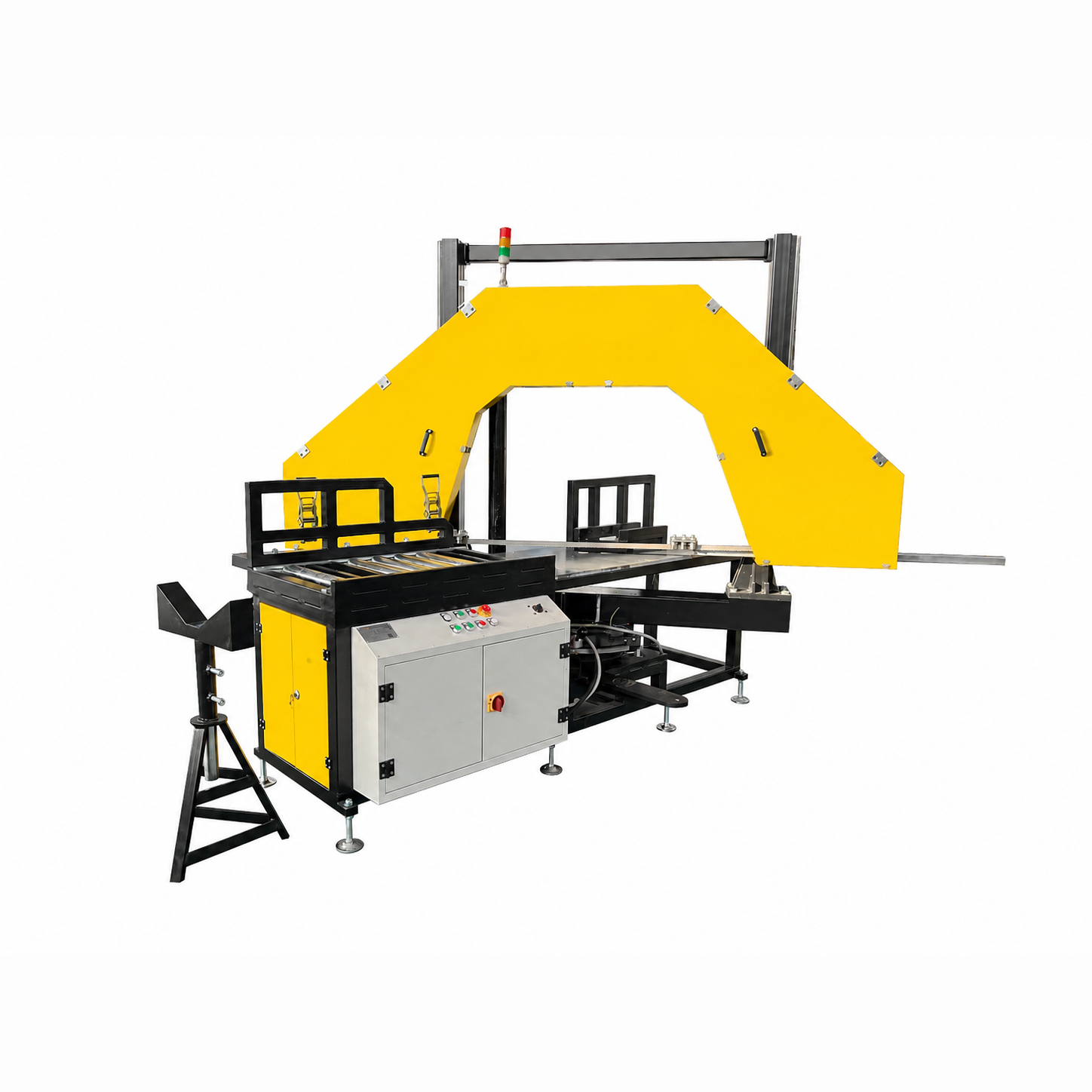
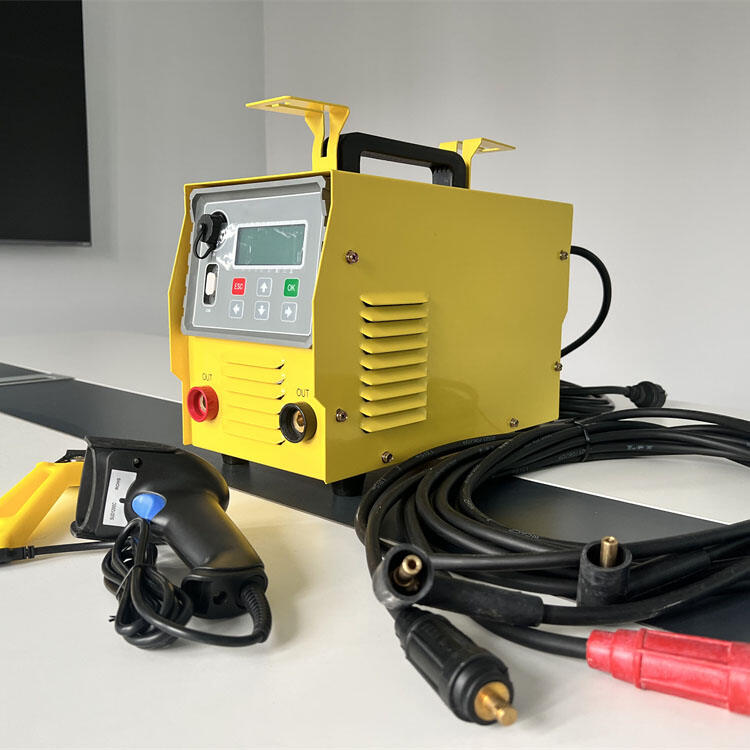
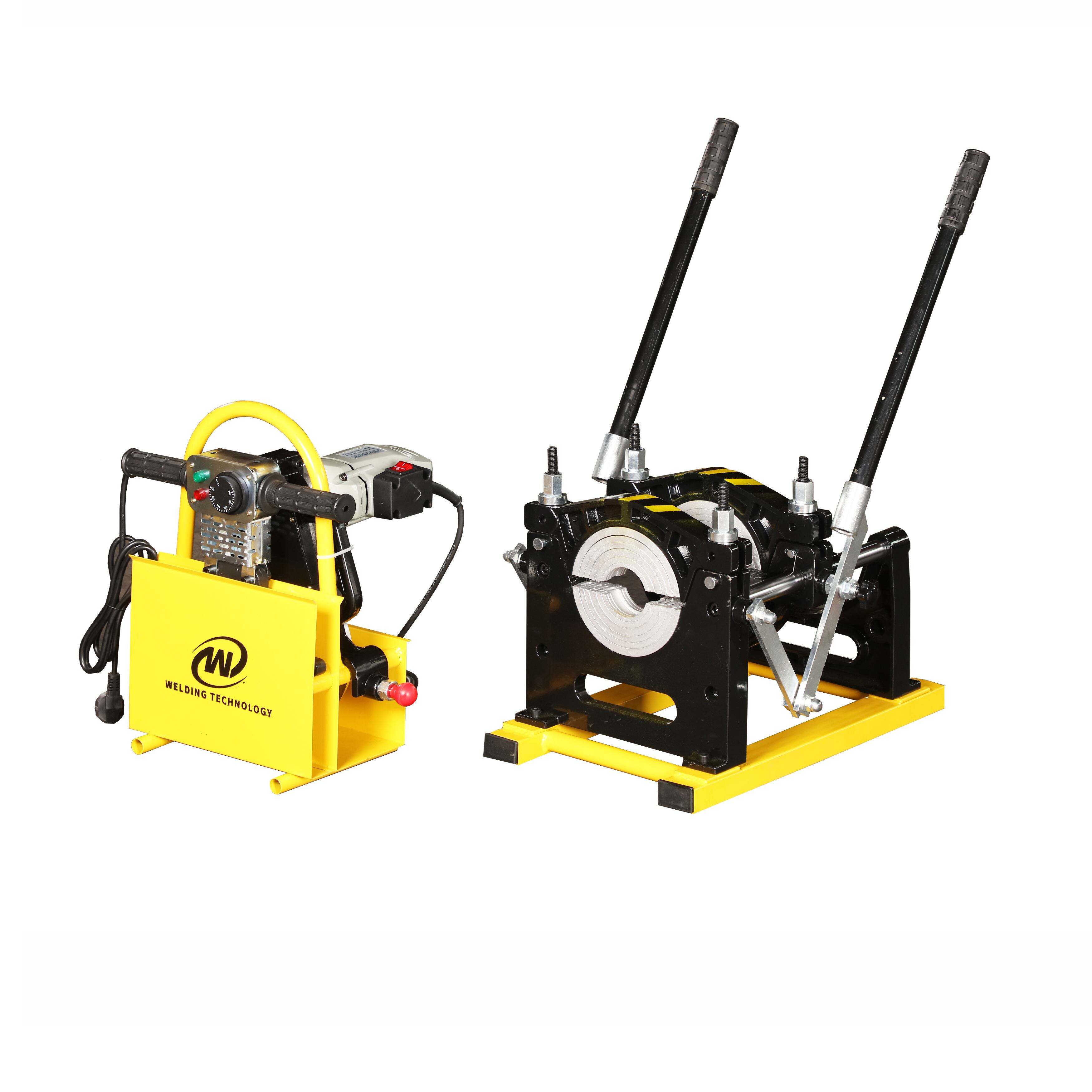
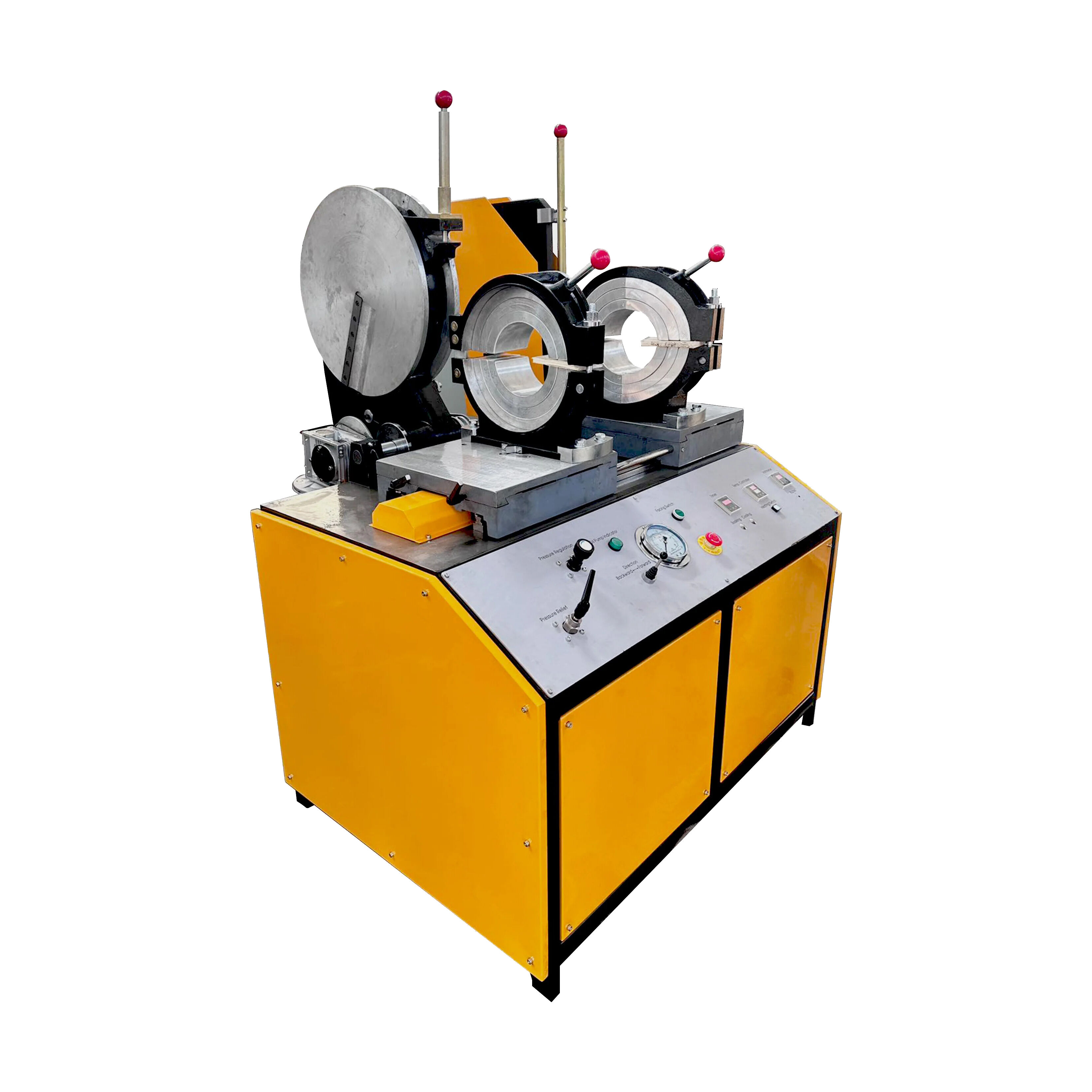
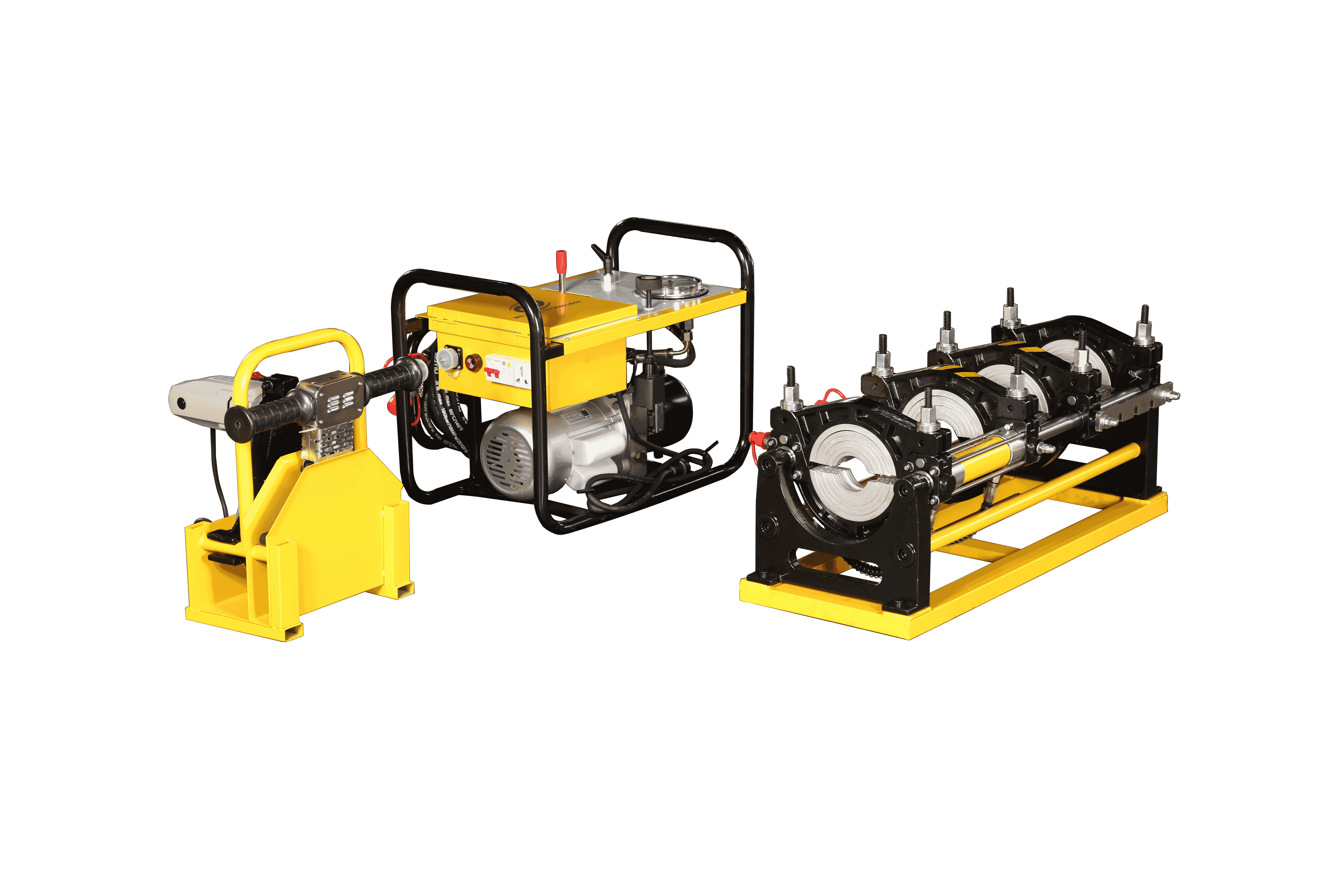
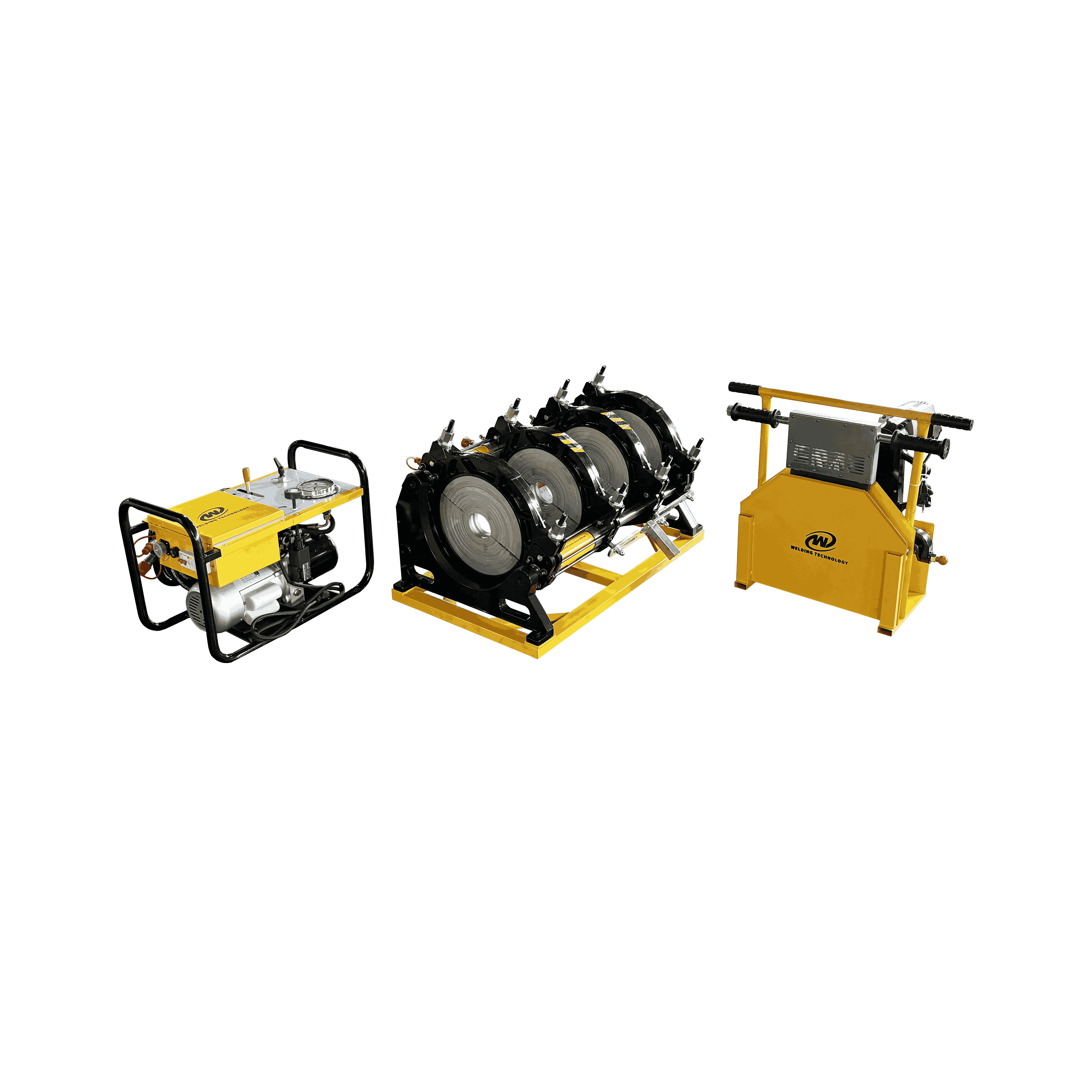
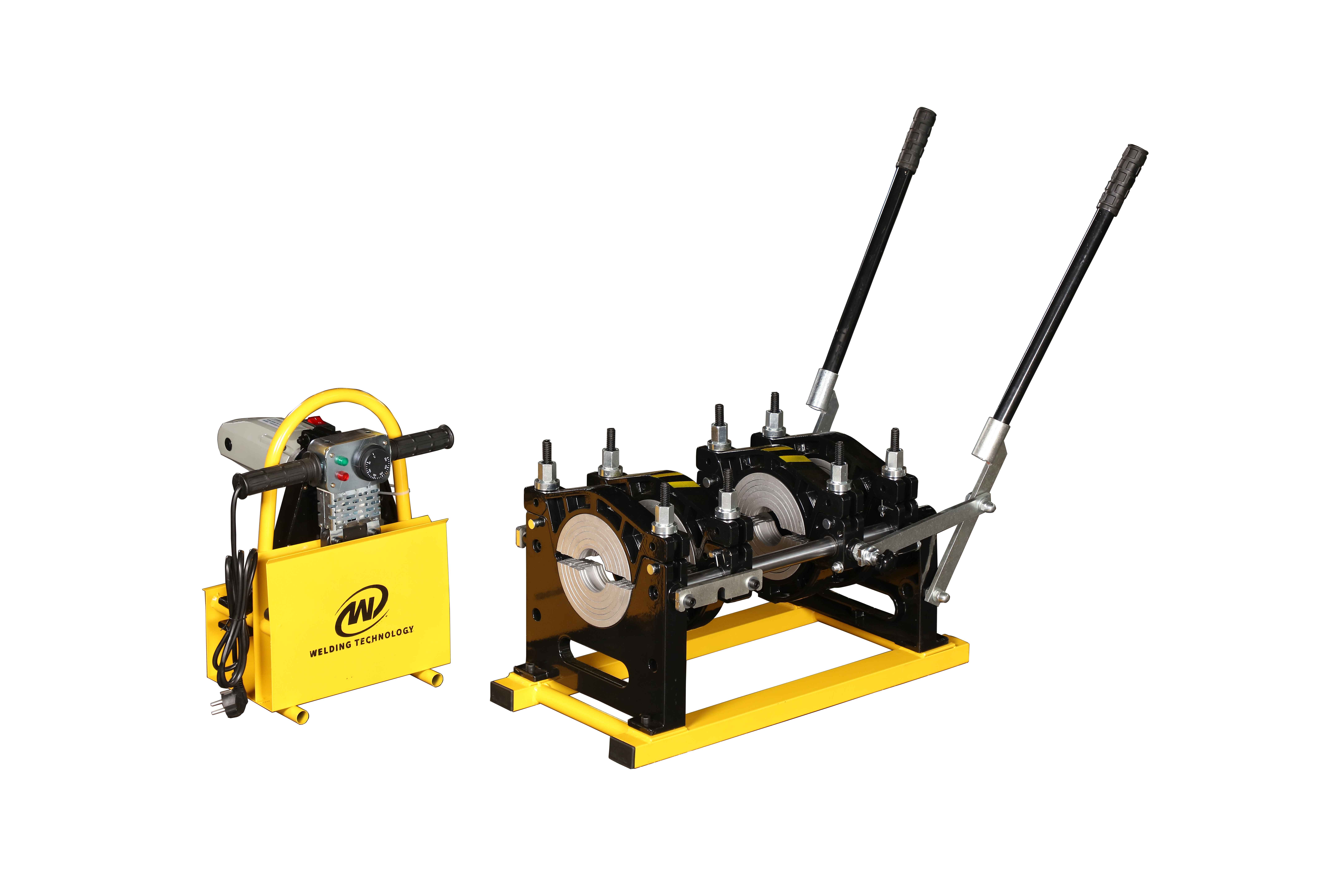
A plastic pipe welding machine represents essential equipment for joining thermoplastic pipes through heat fusion processes. This specialized device creates strong, leak-proof connections between plastic pipes by heating the pipe ends and pressing them together until they form a permanent bond. Modern plastic pipe welding machines incorporate advanced heating elements, precise temperature controls, and automated timing systems that ensure consistent weld quality across various pipe materials including polyethylene, polypropylene, and PVC. These machines serve critical roles in water supply networks, gas distribution systems, industrial processing plants, and agricultural irrigation projects where reliable pipe connections determine system performance and longevity. The technology behind plastic pipe welding machines has evolved significantly, offering operators multiple welding methods such as butt fusion, socket fusion, and electrofusion depending on pipe diameter, material type, and application requirements. Professional-grade plastic pipe welding machines feature digital temperature displays, hydraulic pressure systems, and interchangeable heating plates that accommodate different pipe sizes ranging from small residential lines to large industrial conduits. The equipment's portability varies from compact handheld units suitable for field repairs to trailer-mounted systems designed for large-scale construction projects. Safety features integrated into modern plastic pipe welding machines include thermal protection, pressure relief valves, and emergency stop mechanisms that protect operators during welding operations. The welding process using these machines eliminates the need for mechanical fittings, adhesives, or solvents, reducing material costs and potential leak points throughout the piping system. Investment in quality plastic pipe welding machines delivers long-term value through reduced maintenance requirements, faster installation times, and superior joint integrity compared to alternative joining methods. Understanding the capabilities and proper operation of plastic pipe welding machines enables contractors, municipalities, and industrial facilities to execute piping projects with professional results that meet stringent quality standards and regulatory compliance requirements.


New Products

Investing in a plastic pipe welding machine delivers immediate cost savings by eliminating expensive mechanical fittings, couplings, and adhesive materials traditionally required for pipe connections. The welding process creates joints that match or exceed the strength of the base pipe material, ensuring your piping system withstands operational pressures without weak points that could fail over time. Installation crews work faster with plastic pipe welding machines because the fusion process takes only minutes per joint compared to threading, gluing, or bolting methods that consume more labor hours. The equipment proves its value across seasons and weather conditions, functioning reliably in cold climates where adhesives lose effectiveness and in hot environments where traditional joining methods become problematic. Operators appreciate the straightforward process that requires minimal training compared to specialized skills needed for metal welding or complex mechanical assembly. The leak-proof connections produced by plastic pipe welding machines eliminate callbacks for repairs, protecting your reputation and avoiding costly warranty claims that damage profit margins. Environmental benefits emerge as the welding process produces no harmful fumes, requires no chemical solvents, and generates minimal waste compared to cutting and fitting traditional pipe connections. Maintenance costs drop significantly because welded joints resist corrosion, chemical attack, and mechanical stress that degrade other connection types, extending overall system lifespan. The versatility of plastic pipe welding machines allows contractors to handle diverse projects from residential plumbing to industrial applications with a single piece of equipment rather than maintaining separate inventories of specialized tools. Quality control improves because the welding process follows standardized procedures with visible inspection criteria, reducing guesswork and ensuring every joint meets performance specifications. Long-term operational costs decrease as welded systems require fewer inspections, less frequent repairs, and reduced emergency maintenance compared to mechanically joined alternatives. The return on investment accelerates for businesses handling multiple projects annually because the plastic pipe welding machine pays for itself through saved labor, eliminated material costs, and increased project capacity. Competitive advantages grow as companies offering welded pipe installations differentiate themselves with superior quality, faster completion times, and extended warranties that clients value when selecting contractors for critical infrastructure projects.

Latest News

Why Is a Plastic Band Cutting Saw Important in Manufacturing?

20

Apr

Why Is a Plastic Band Cutting Saw Important in Manufacturing?

Modern manufacturing environments demand precision, efficiency, and reliability in every step of the production process, particularly when working with thermoplastic materials used in infrastructure, industrial piping, and specialized fabrication app...
View More
Why Do Engineers Choose an HDPE Thermofusion Machine for Projects?

06

Apr

Why Do Engineers Choose an HDPE Thermofusion Machine for Projects?

Engineers working on pipeline infrastructure projects face critical decisions that affect long-term performance, project budgets, and operational reliability. Among the most consequential choices is the selection of joining equipment for high-density...
View More
How Does a Plastic Band Cutting Saw Improve Cutting Efficiency?

03

Jun

How Does a Plastic Band Cutting Saw Improve Cutting Efficiency?

In industrial plastic fabrication and pipe processing environments, precision and throughput are non-negotiable. A plastic band cutting saw addresses both demands simultaneously, offering a level of cutting consistency that manual tools and conventio...
View More
How Does an HDPE Thermofusion Welding Machine Improve Joint Quality?

16

Jun

How Does an HDPE Thermofusion Welding Machine Improve Joint Quality?

In pipeline construction and fluid transport infrastructure, the quality of every joint determines the long-term integrity of the entire system. A poorly fused joint is not simply a weak point — it is a liability that can lead to leaks, system failur...
View More

Get a Free Quote

Our representative will contact you soon.
E-mail
Name
Mobile/WhatsApp
Company Name
Message
0/1000

plastic pipe welding machine

Superior Joint Integrity Through Advanced Fusion Technology

Superior Joint Integrity Through Advanced Fusion Technology

The fusion process employed by plastic pipe welding machines creates molecular bonds between pipe sections that fundamentally surpass mechanical connections in strength and reliability. When the heating element brings both pipe ends to precise melting temperatures, the thermoplastic material enters a viscous state where polymer chains intermingle across the joint interface. As the molten surfaces press together under controlled force, these molecular chains entangle and solidify into a homogeneous structure indistinguishable from the original pipe material. This molecular-level bonding explains why properly executed welds achieve tensile strength ratings equal to or greater than the parent pipe, effectively eliminating the joint as a potential failure point. Traditional mechanical fittings rely on compression, threading, or adhesive bonding that creates distinct boundaries between components, introducing stress concentration points and pathways for potential leaks. The welded joint produced by a plastic pipe welding machine contains no such boundaries, functioning as a continuous pipe section that distributes stress uniformly throughout the structure. Testing protocols demonstrate that welded joints withstand pressure surges, thermal expansion cycles, and mechanical loads that cause mechanical fittings to loosen, crack, or separate over time. The absence of O-rings, gaskets, or thread sealants eliminates common failure modes associated with degradation of these secondary materials. Chemical resistance also improves because the welded joint presents the same material composition as the pipe itself, providing consistent protection against corrosive substances flowing through the system. Installation quality becomes more consistent because the plastic pipe welding machine controls critical variables like heating temperature, fusion time, and applied pressure, removing human variability that affects manual assembly methods. Inspectors can visually verify proper bead formation around the joint circumference, providing immediate confirmation of weld quality without destructive testing. This reliability translates directly into reduced lifecycle costs as systems require fewer repairs, experience fewer service interruptions, and maintain design performance specifications throughout their intended service life.
Operational Efficiency That Transforms Project Economics

Operational Efficiency That Transforms Project Economics

The speed and simplicity of plastic pipe welding machines revolutionize project timelines by reducing installation time per joint from hours to minutes while simultaneously improving quality outcomes. Traditional pipe joining methods require extensive preparation including cutting threads, applying primers, waiting for adhesive cure times, or assembling multiple mechanical components with precise torque specifications. A plastic pipe welding machine streamlines this entire process into a straightforward sequence of facing the pipe ends, heating both surfaces, and pressing them together for a predetermined fusion period. Skilled operators complete joints in small-diameter pipes within five minutes and larger connections in under twenty minutes, dramatically increasing daily installation capacity compared to conventional methods. This efficiency multiplies across large projects where hundreds or thousands of connections determine overall completion schedules and labor costs. The equipment operates independently of external utilities in many field applications, with self-contained power systems and heating elements that function reliably in remote locations without access to electrical infrastructure. Portable plastic pipe welding machines enable crews to work continuously along pipeline routes without returning to staging areas for supplies or equipment changes. The reduced physical effort required for welding operations compared to wrestling heavy mechanical fittings or maintaining precise alignment during adhesive curing decreases worker fatigue and associated safety risks. Quality remains consistent throughout long work shifts because the machine controls the critical parameters rather than relying on operator technique that degrades with exhaustion. Material handling simplifies as projects require fewer components, reducing transportation costs, storage space requirements, and inventory management complexity. The elimination of consumable supplies like adhesives, primers, and sealants removes ongoing procurement tasks and reduces exposure to supply chain disruptions that delay projects. Training new operators proceeds quickly with most personnel achieving competency within days rather than the weeks or months required for specialized welding certifications. This accessibility expands the available labor pool and reduces dependency on highly specialized technicians whose availability and cost constrain project scheduling.
Versatile Applications Across Industries and Environments

Versatile Applications Across Industries and Environments

Modern plastic pipe welding machines demonstrate remarkable adaptability across diverse applications ranging from municipal water systems to specialized industrial processes, making them invaluable assets for contractors serving multiple market segments. The equipment handles various thermoplastic materials including high-density polyethylene, polypropylene, and polyvinyl chloride, each offering distinct advantages for specific applications. Water utility projects benefit from the corrosion resistance and longevity of welded polyethylene pipes that maintain water quality while withstanding soil conditions and environmental stresses. Natural gas distribution networks rely on plastic pipe welding machines to create systems meeting stringent safety standards for pressure containment and leak prevention in residential and commercial service areas. Industrial facilities use welded plastic piping for chemical processing, wastewater treatment, and material handling applications where resistance to aggressive substances and contamination control justify the investment. Agricultural operations deploy plastic pipe welding machines for irrigation systems that deliver precise water distribution across large acreage with minimal maintenance requirements. Mining and mineral processing industries appreciate the equipment's ability to create durable slurry transport systems that resist abrasive materials and corrosive solutions. The technology scales effectively from small-diameter residential plumbing repairs completed with handheld units to large-diameter transmission lines joined using trailer-mounted machines with hydraulic positioning systems. Geographic versatility extends the equipment's utility as plastic pipe welding machines function effectively in arctic conditions, desert heat, high-altitude environments, and humid tropical regions where other joining methods face environmental limitations. Underground installations, exposed surface runs, and submerged applications all benefit from the welded joint's imperviousness to moisture infiltration and environmental degradation. Rehabilitation projects leverage plastic pipe welding machines for trenchless installations where new plastic pipes insert into existing conduits, minimizing surface disruption in urban areas. The equipment adapts to emergency repair scenarios where rapid restoration of service outweighs cost considerations, enabling utilities to respond quickly to infrastructure failures. This comprehensive versatility means a single plastic pipe welding machine investment serves multiple revenue streams, maximizing equipment utilization rates and accelerating return on investment across varied project portfolios.

Get a Free Quote

Our representative will contact you soon.
E-mail
Name
Mobile/WhatsApp
Company Name
Message
0/1000