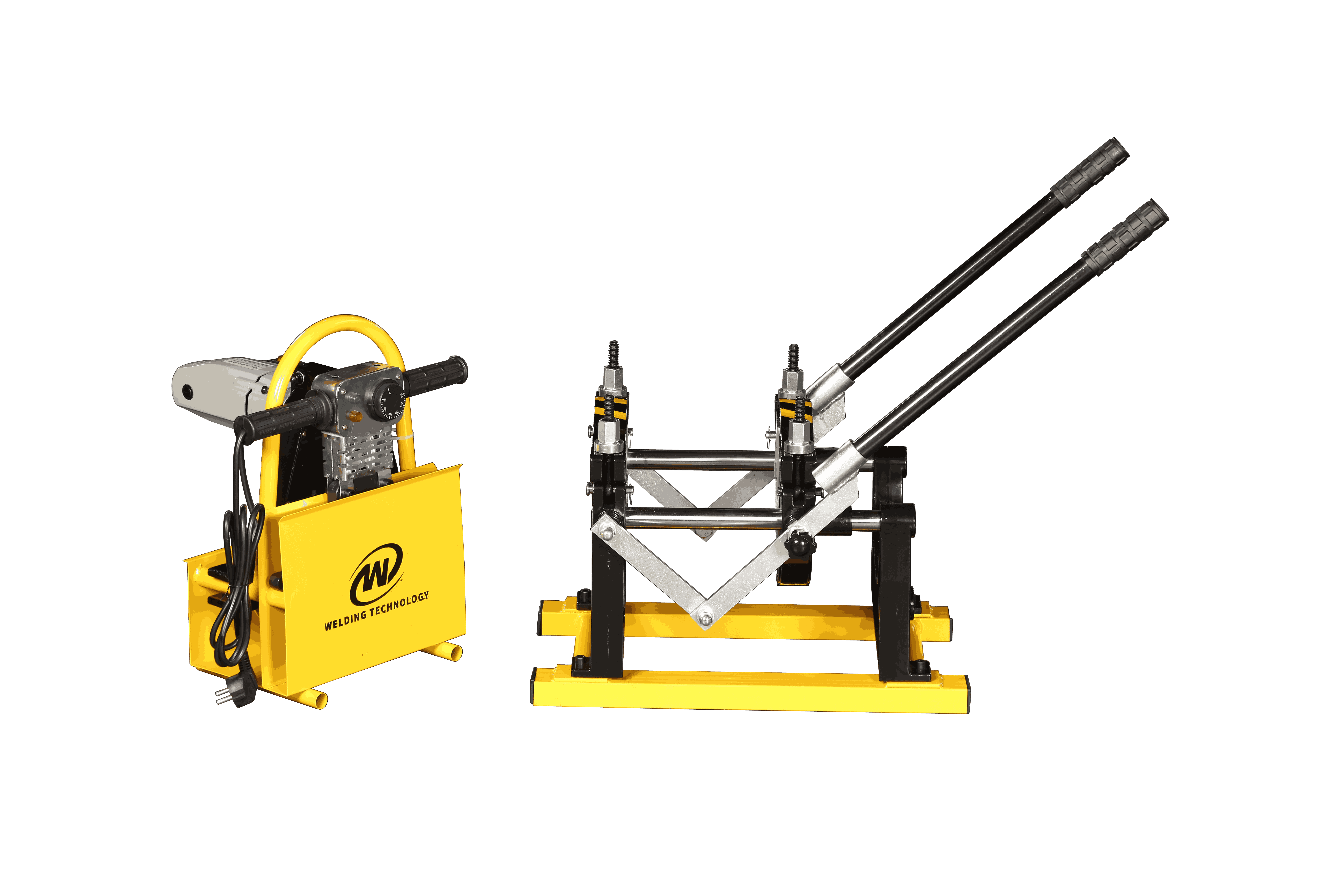
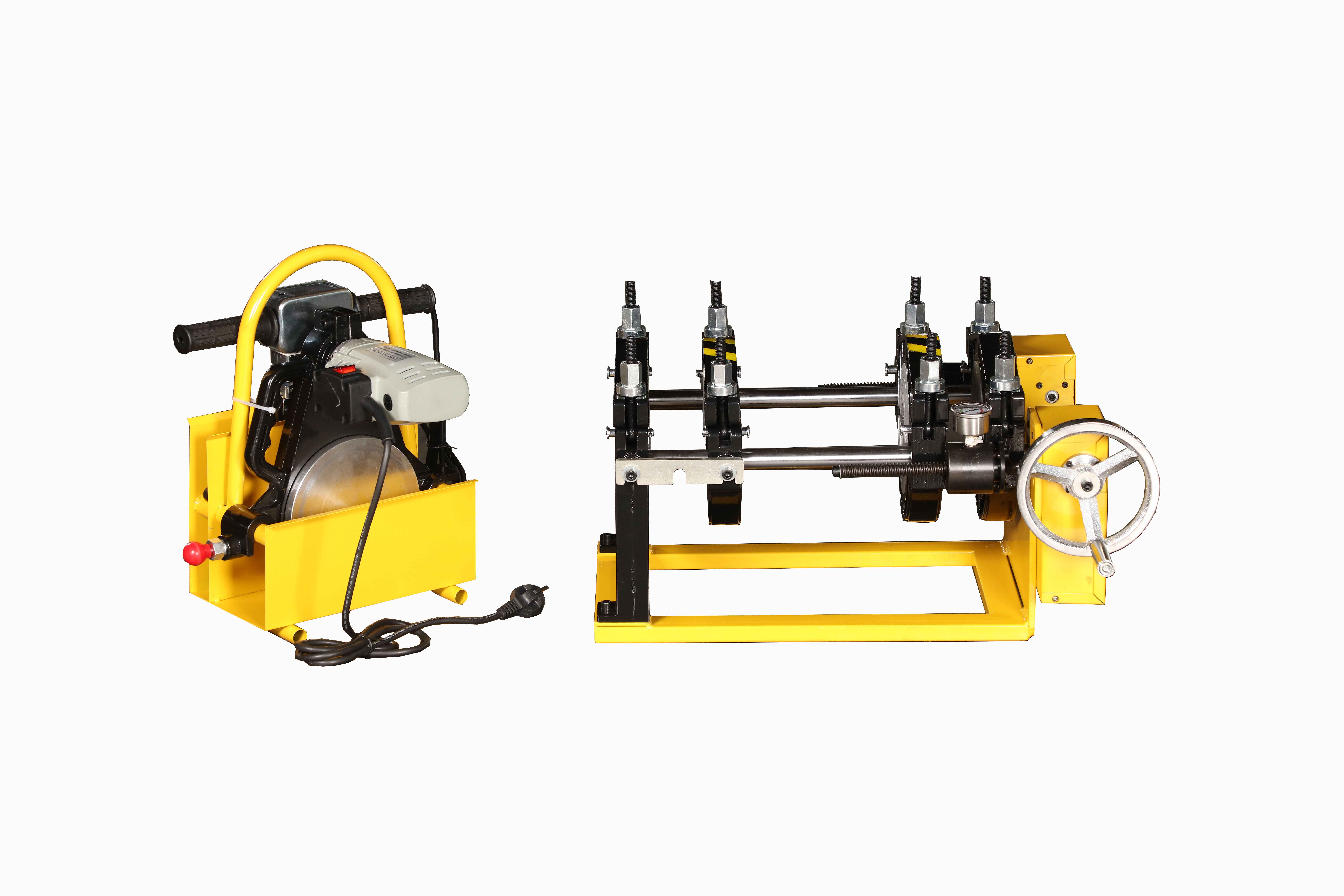
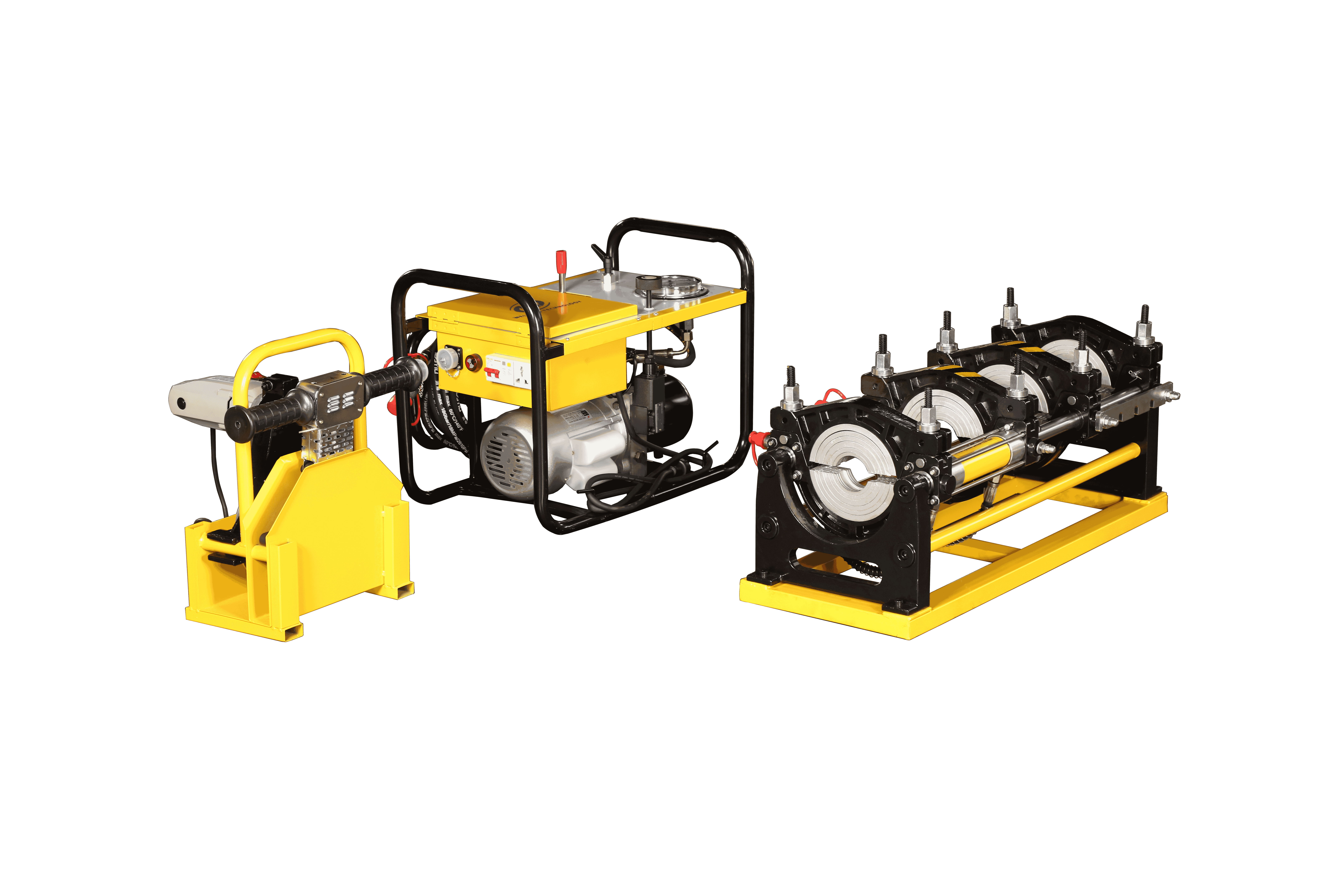
plastic tube welding machine
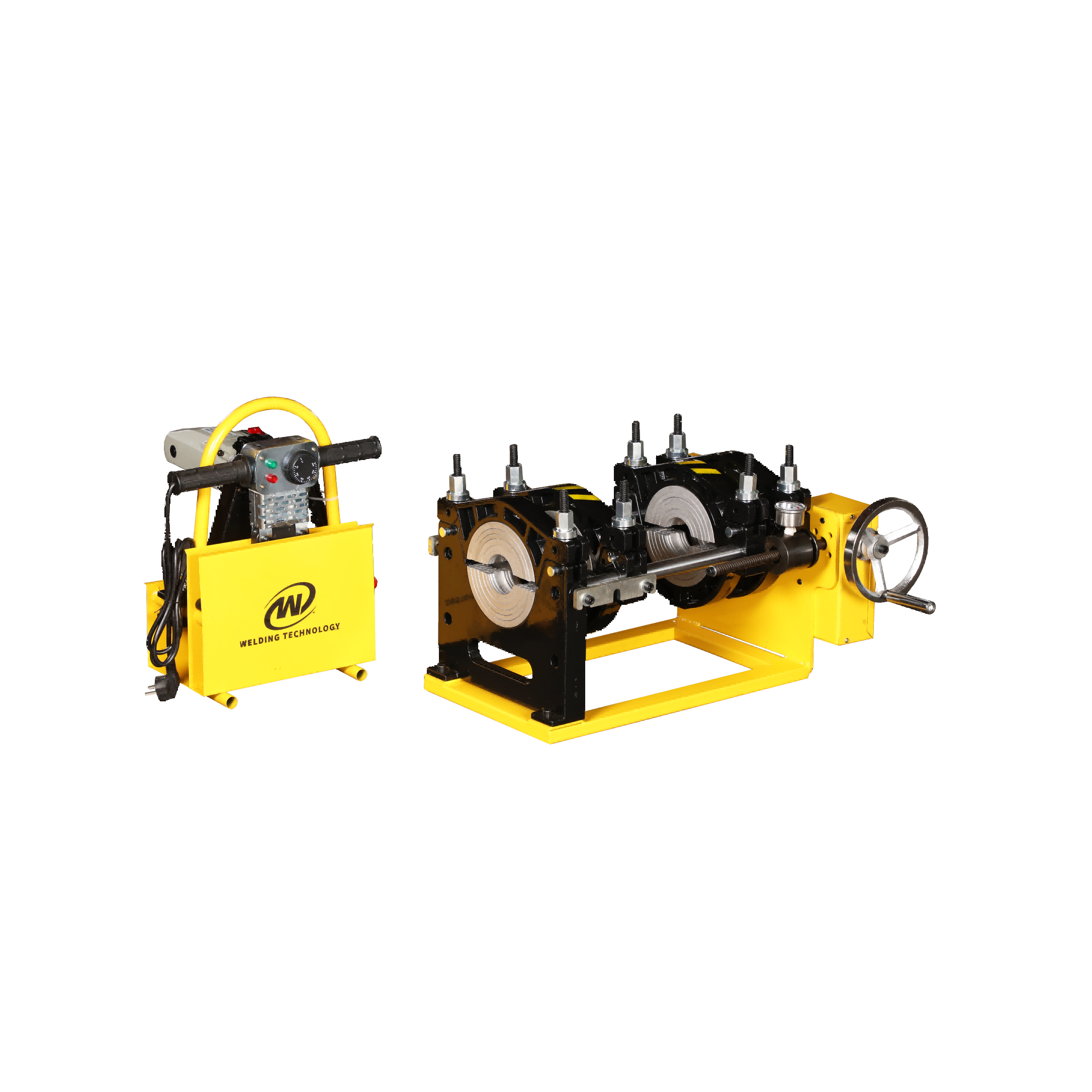
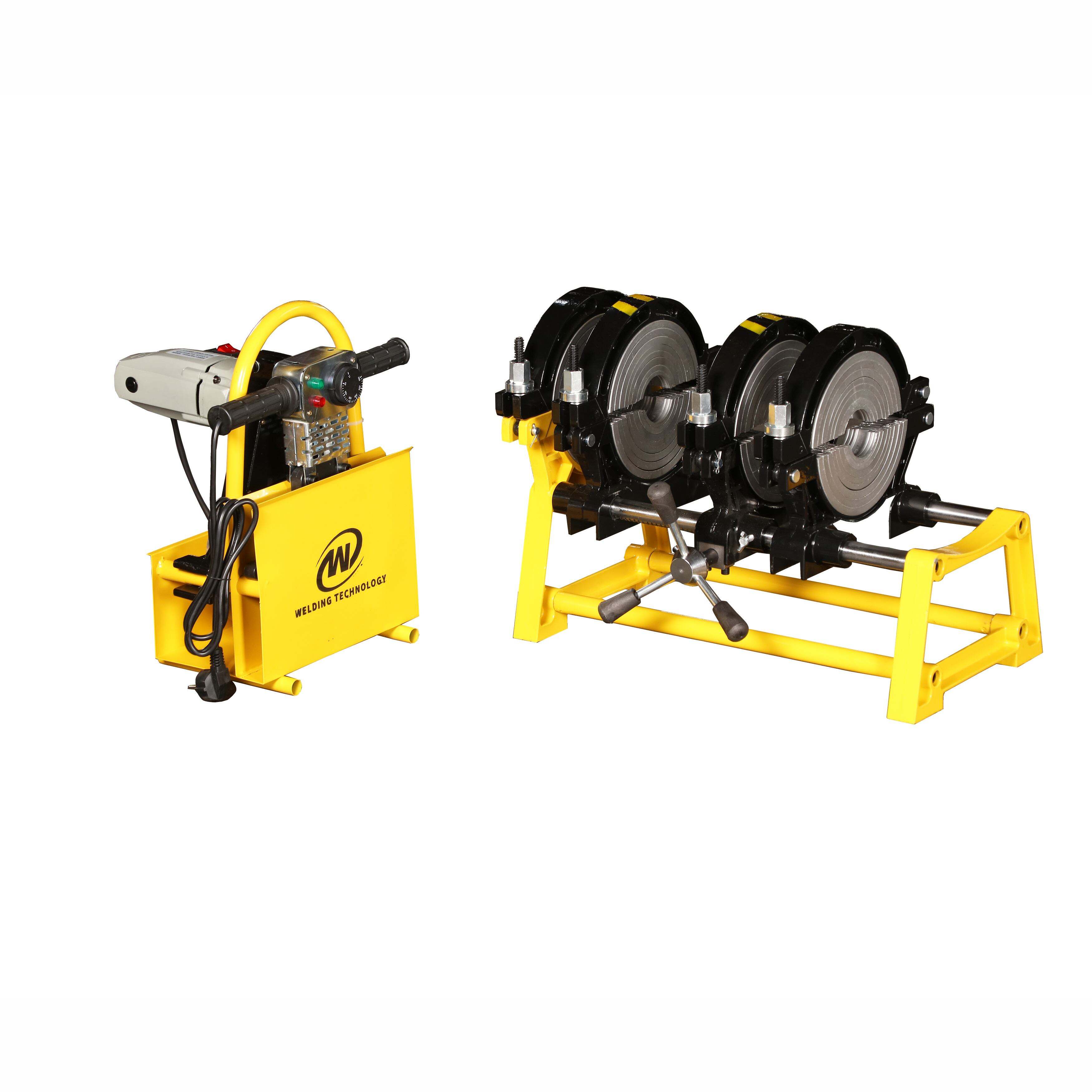
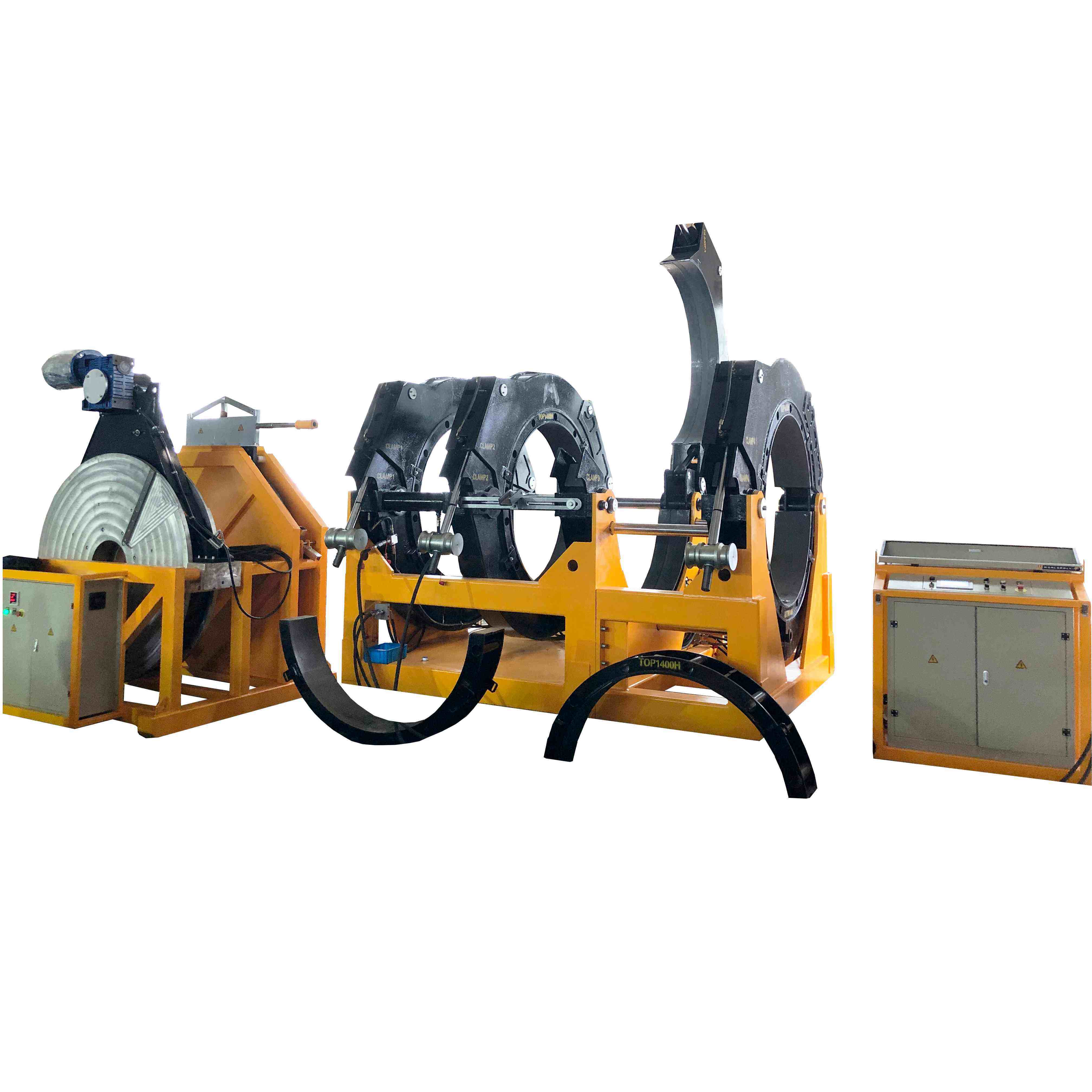
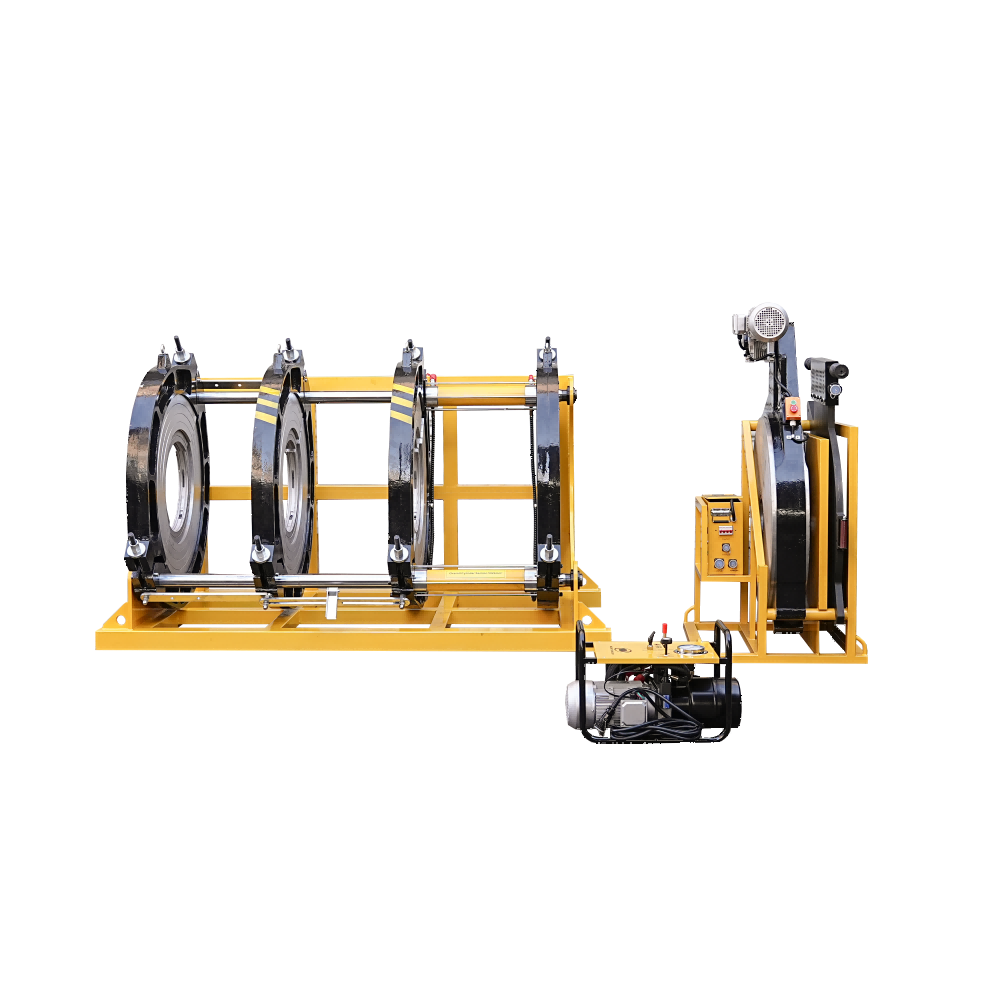
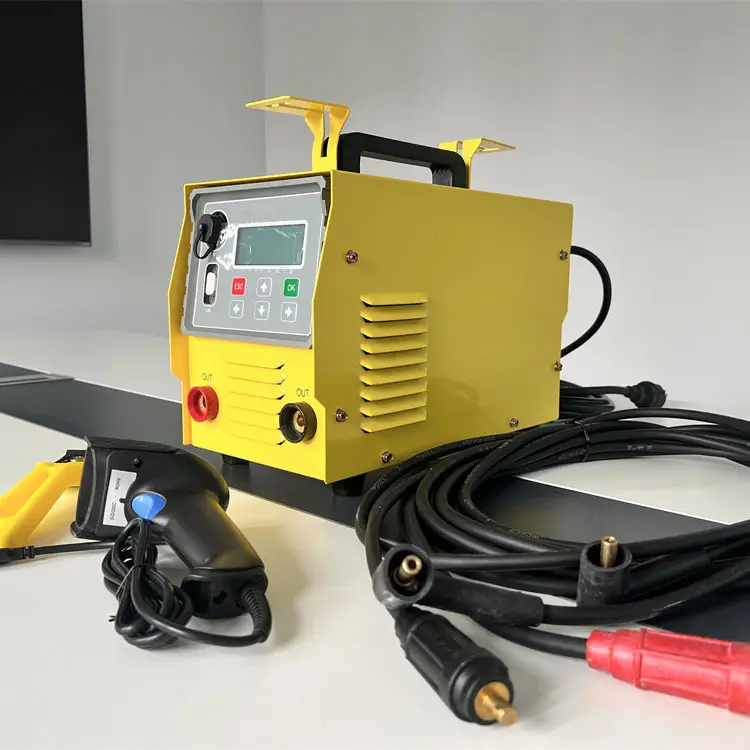
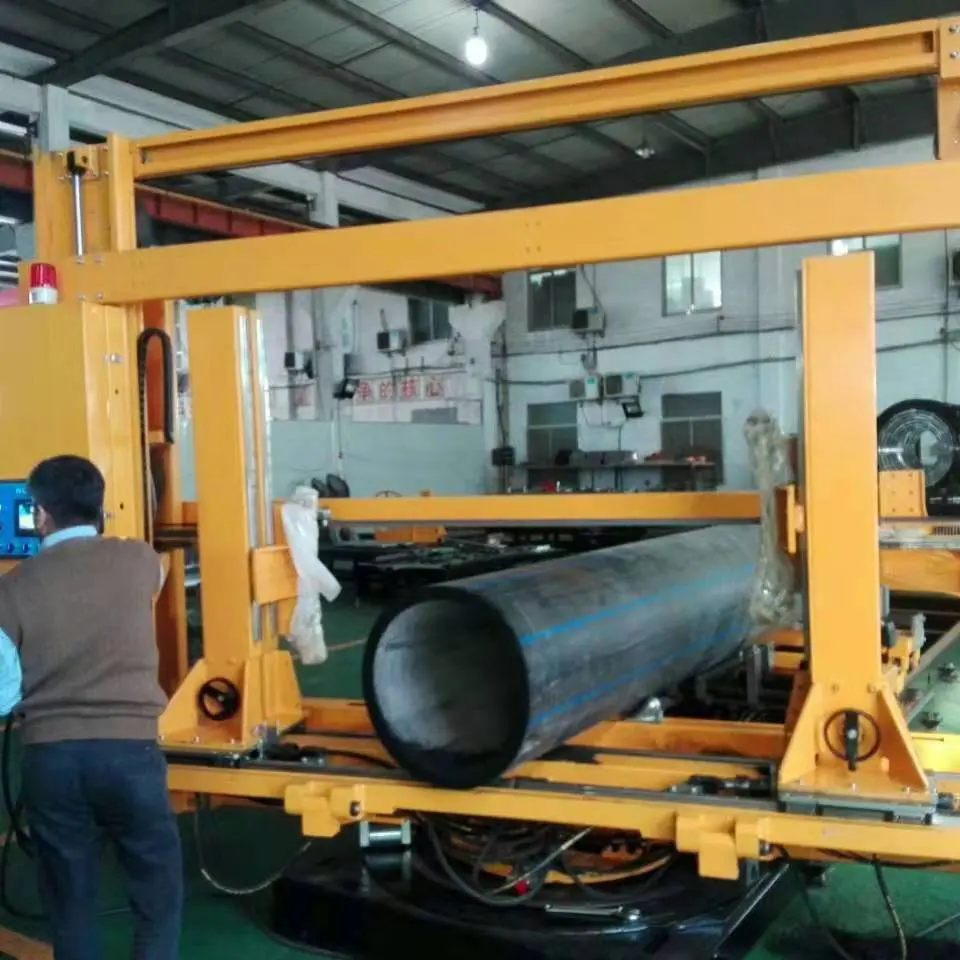
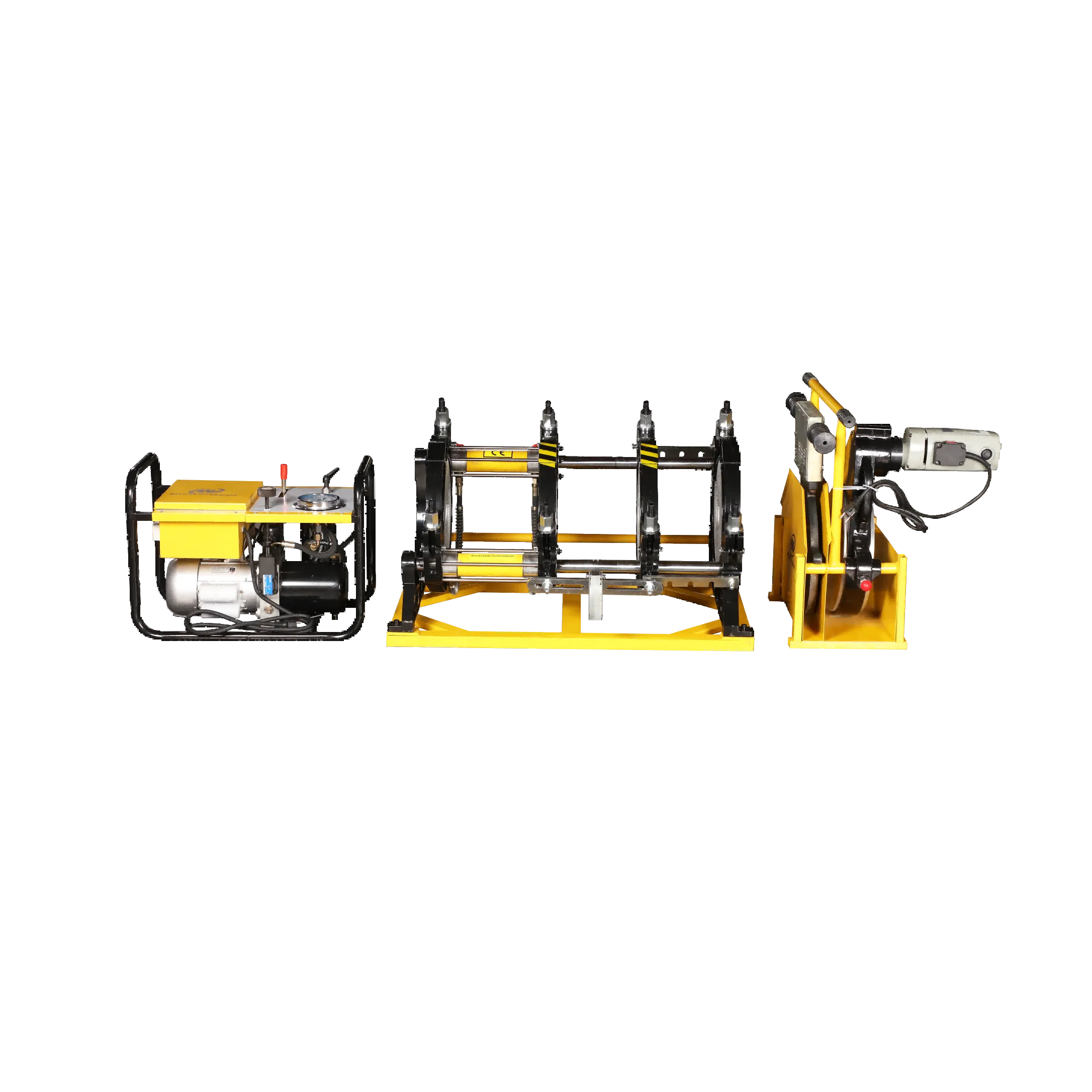
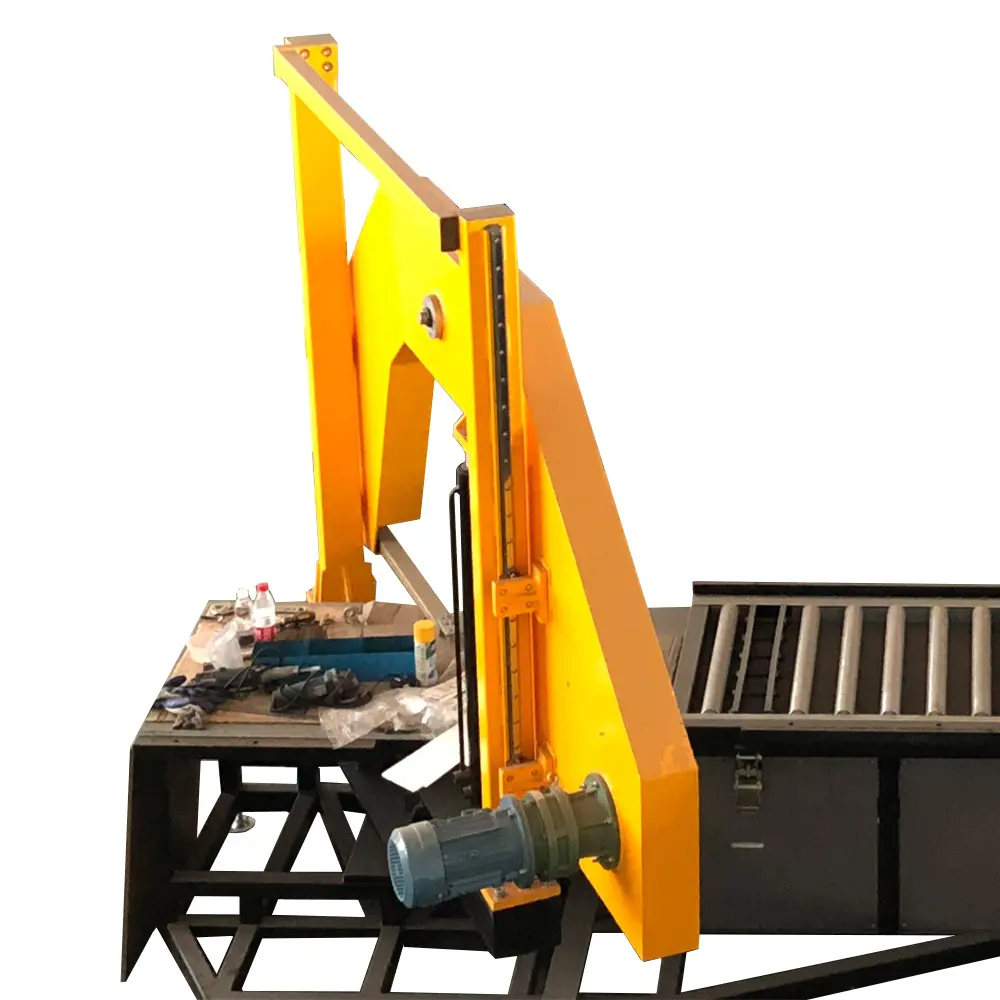
A plastic tube welding machine represents essential manufacturing equipment designed to join plastic tubes through controlled heating and pressure application. This specialized apparatus creates permanent, leak-proof connections between thermoplastic tubing sections, making it indispensable across numerous industrial sectors. The primary function centers on generating precise heat at joining points while maintaining exact pressure parameters to ensure molecular bonding between tube surfaces. Modern plastic tube welding machines incorporate sophisticated temperature control systems that prevent material degradation while achieving optimal fusion. These systems typically feature programmable logic controllers that allow operators to customize welding parameters based on specific tube materials, diameters, and wall thicknesses. The technological architecture includes heating elements, cooling mechanisms, and clamping systems that work synchronously to produce consistent results. Different welding methodologies exist within these machines, including hot plate welding, infrared welding, and electrofusion techniques, each suited to particular applications and material compositions. The equipment accommodates various thermoplastic materials such as polyethylene, polypropylene, polyvinyl chloride, and other engineering plastics commonly used in tube manufacturing. Applications span diverse industries including water distribution networks, chemical processing plants, medical device manufacturing, automotive fluid systems, and agricultural irrigation installations. The plastic tube welding machine delivers repeatable joint quality that meets stringent industry standards and regulatory requirements. Advanced models integrate quality assurance features like real-time monitoring, data logging capabilities, and automated defect detection systems. These machines range from portable handheld units for field repairs to sophisticated automated production line systems capable of welding hundreds of joints per hour. The versatility extends to handling tube diameters from small medical tubing measuring mere millimeters to large-diameter industrial pipes exceeding several inches. Investment in quality plastic tube welding machines translates to reduced material waste, minimized rework costs, and enhanced production efficiency for manufacturers and contractors alike.

 EN
EN