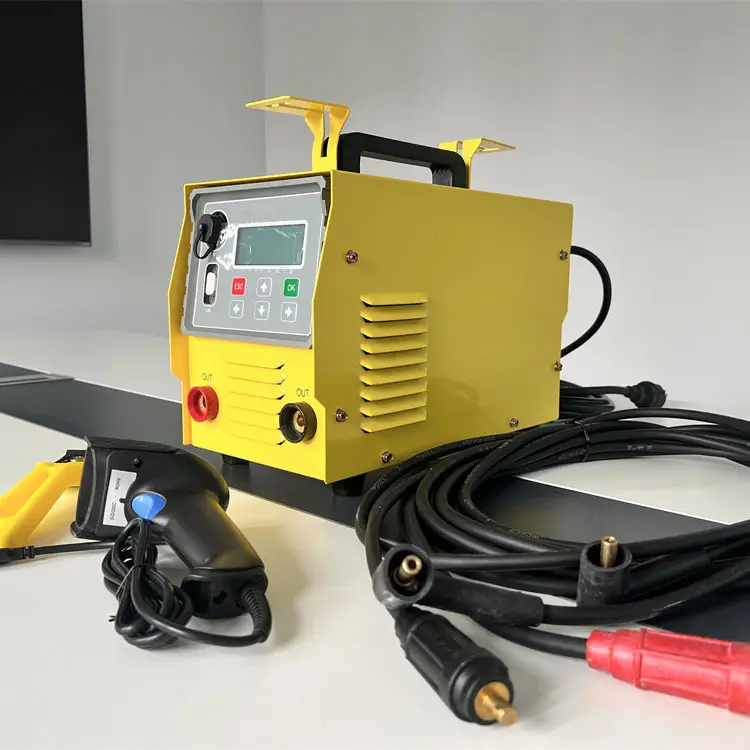
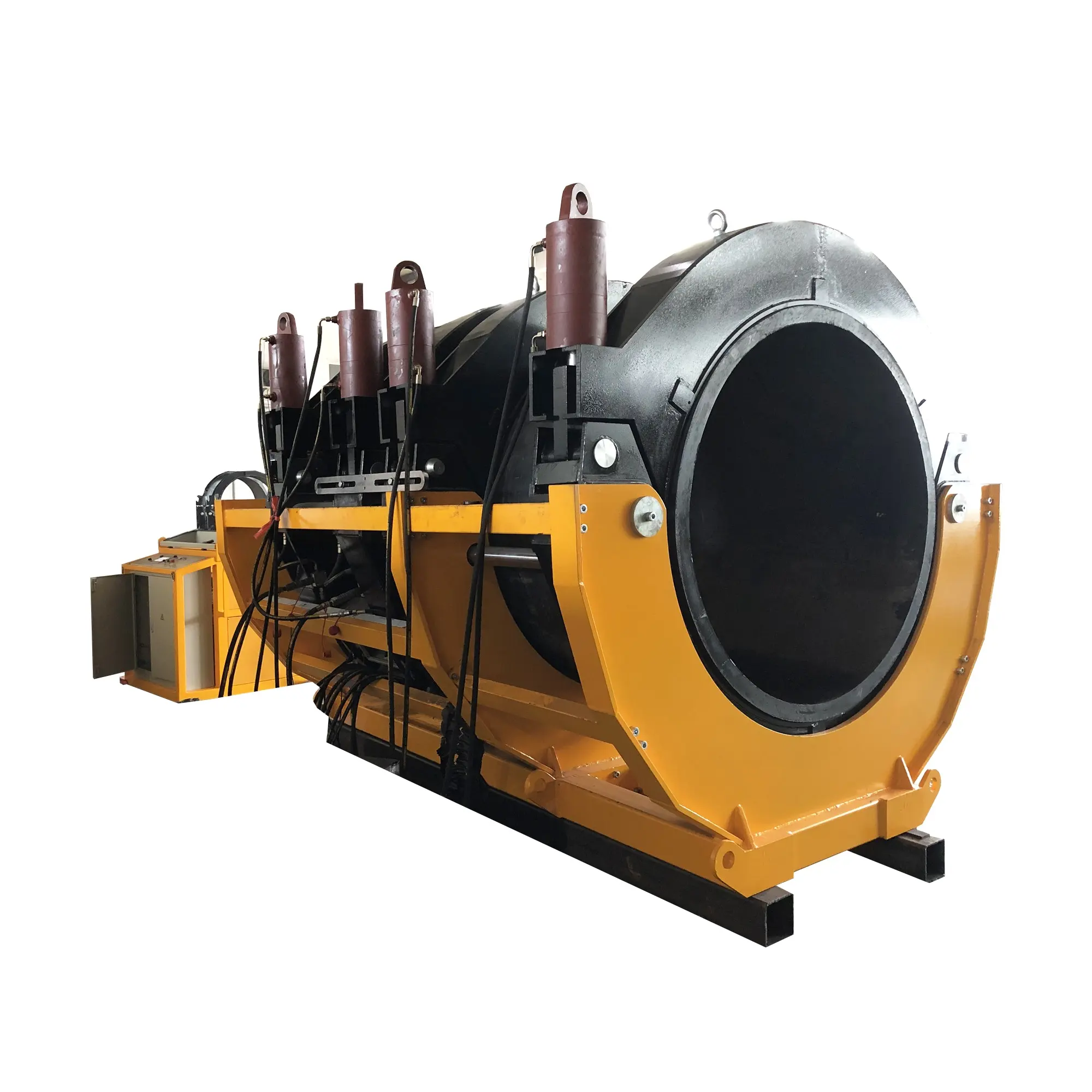
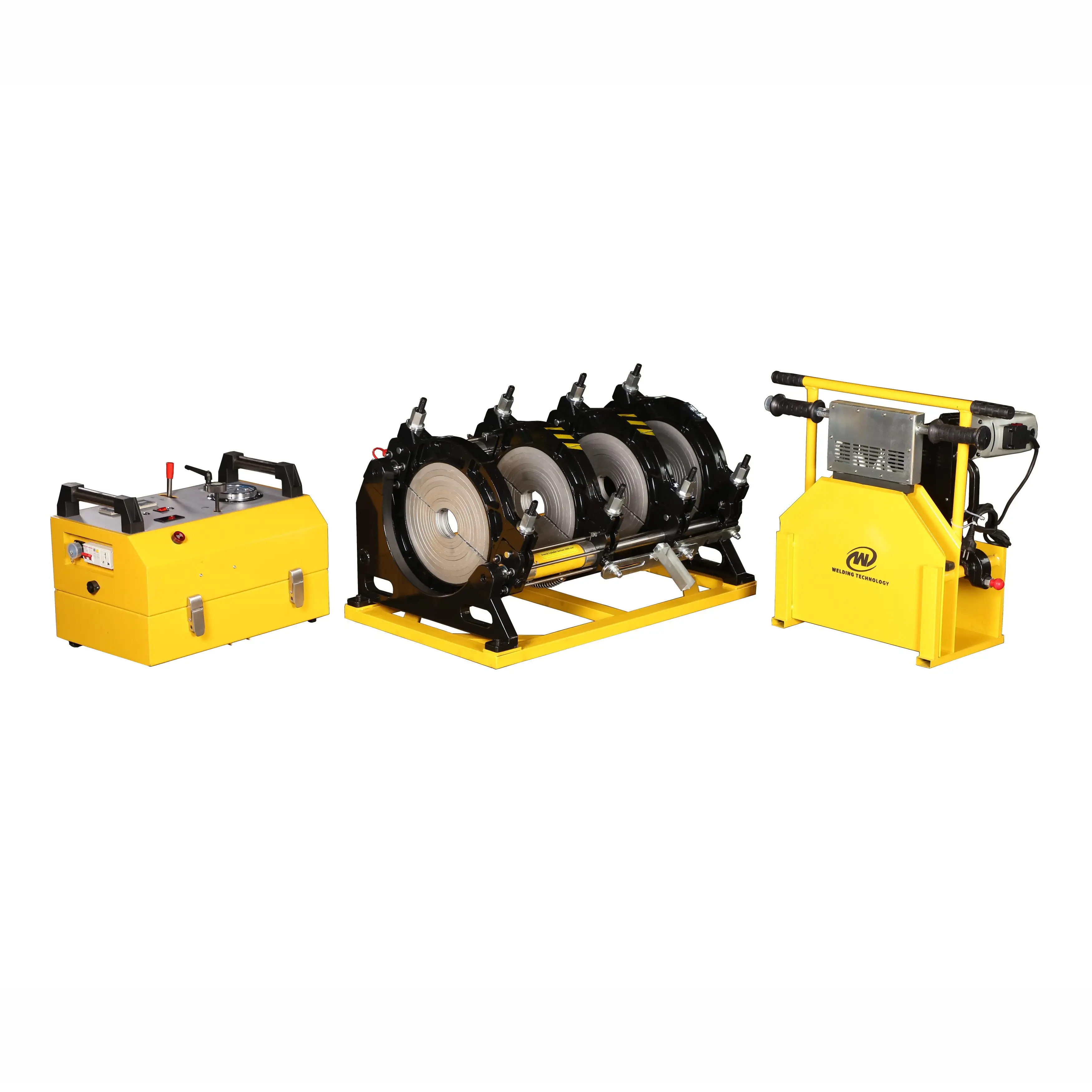
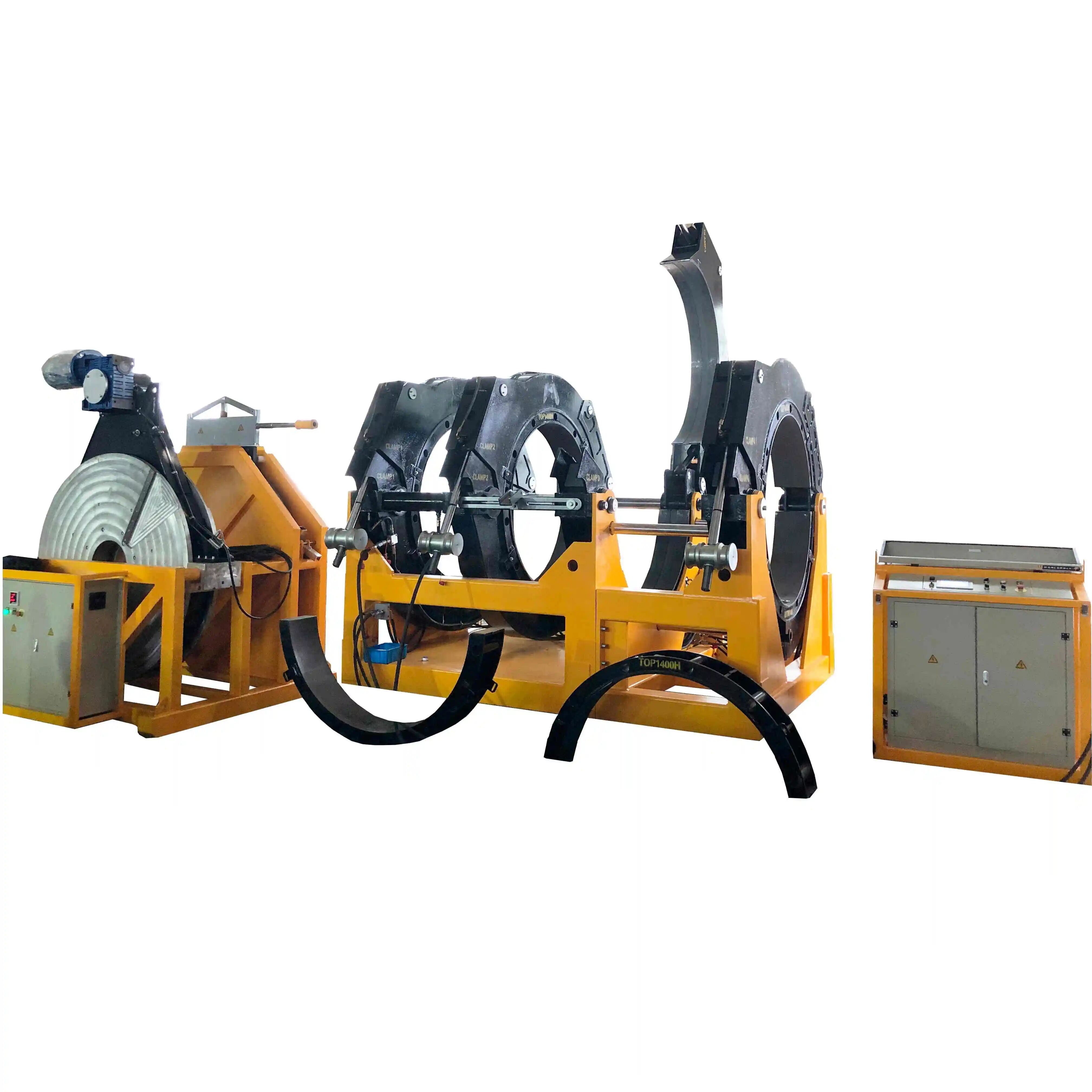
Versatile Adaptability Across Multiple Pipe Specifications and Materials
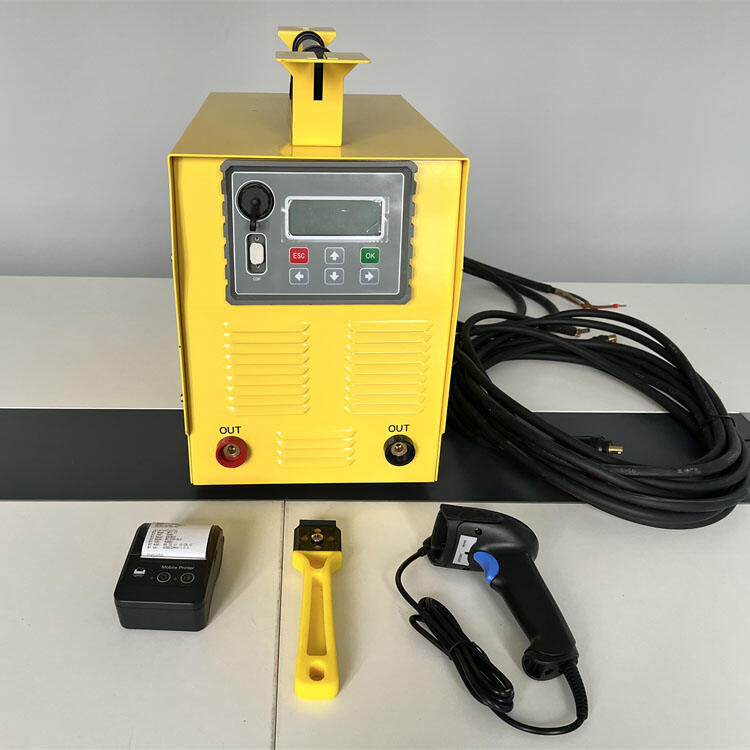
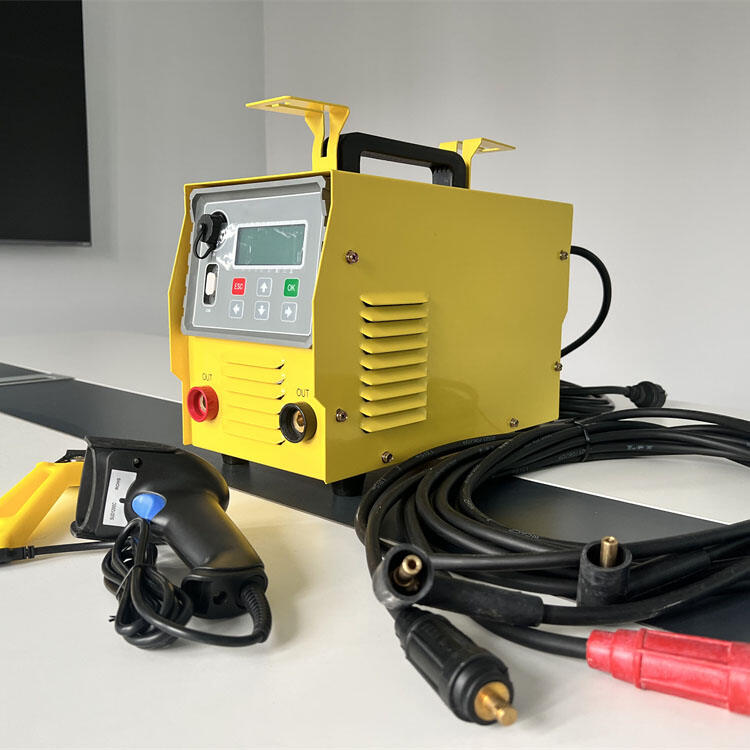
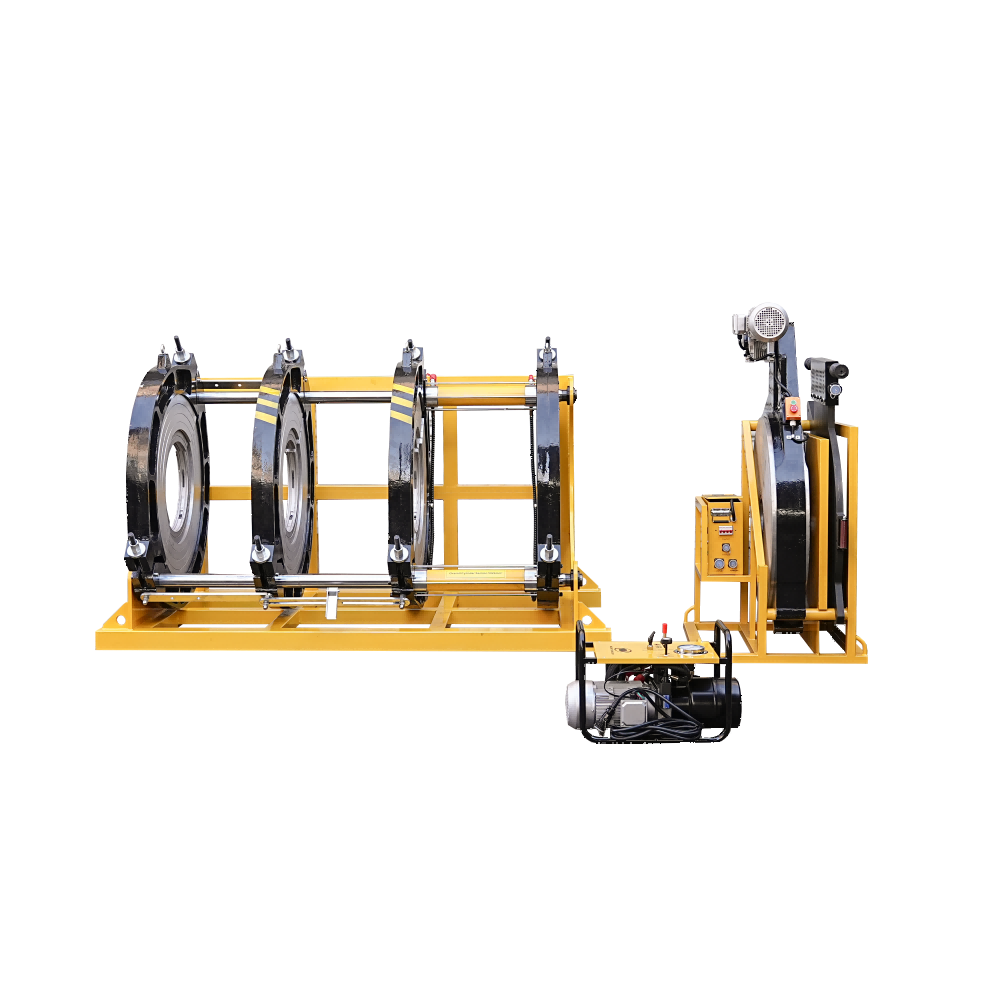
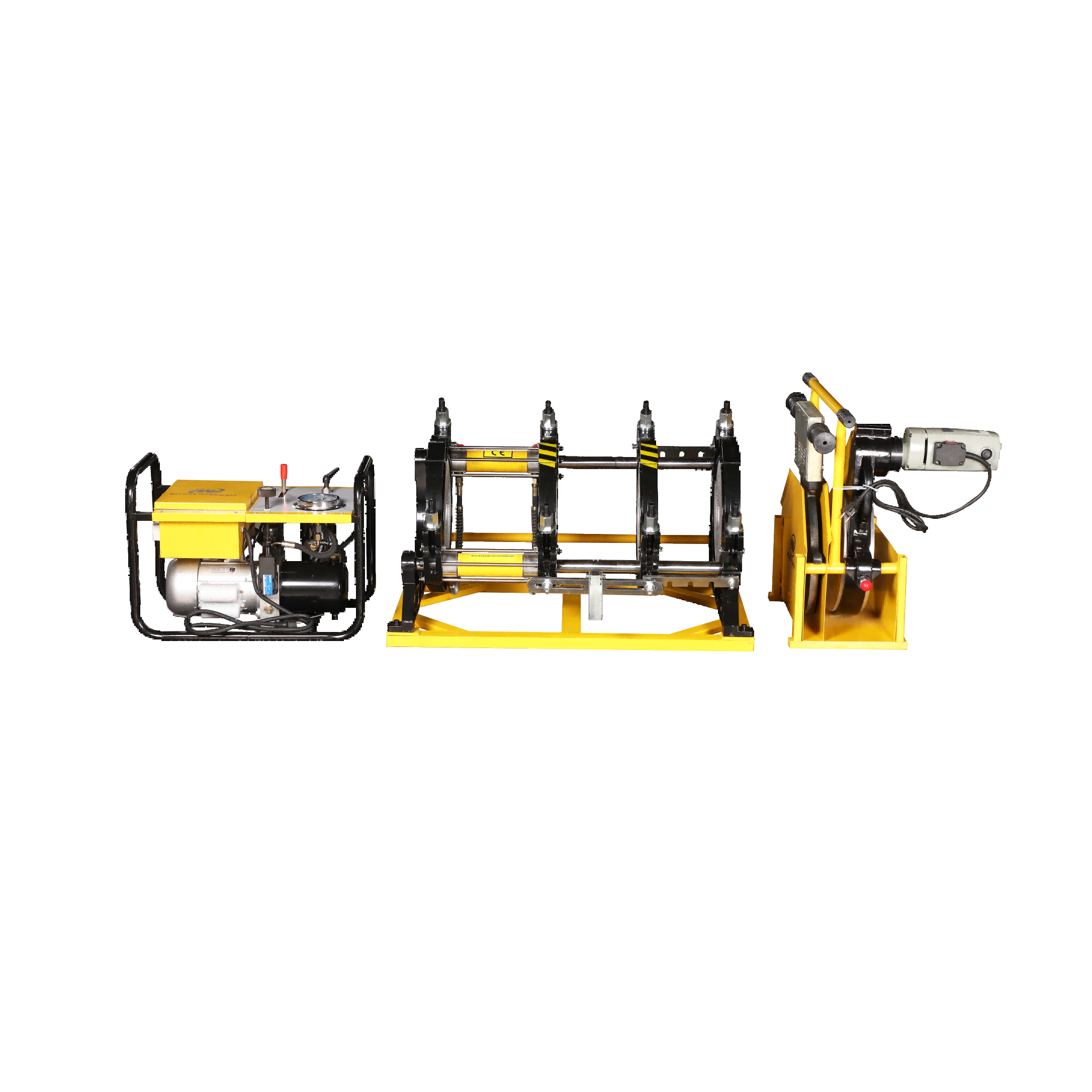
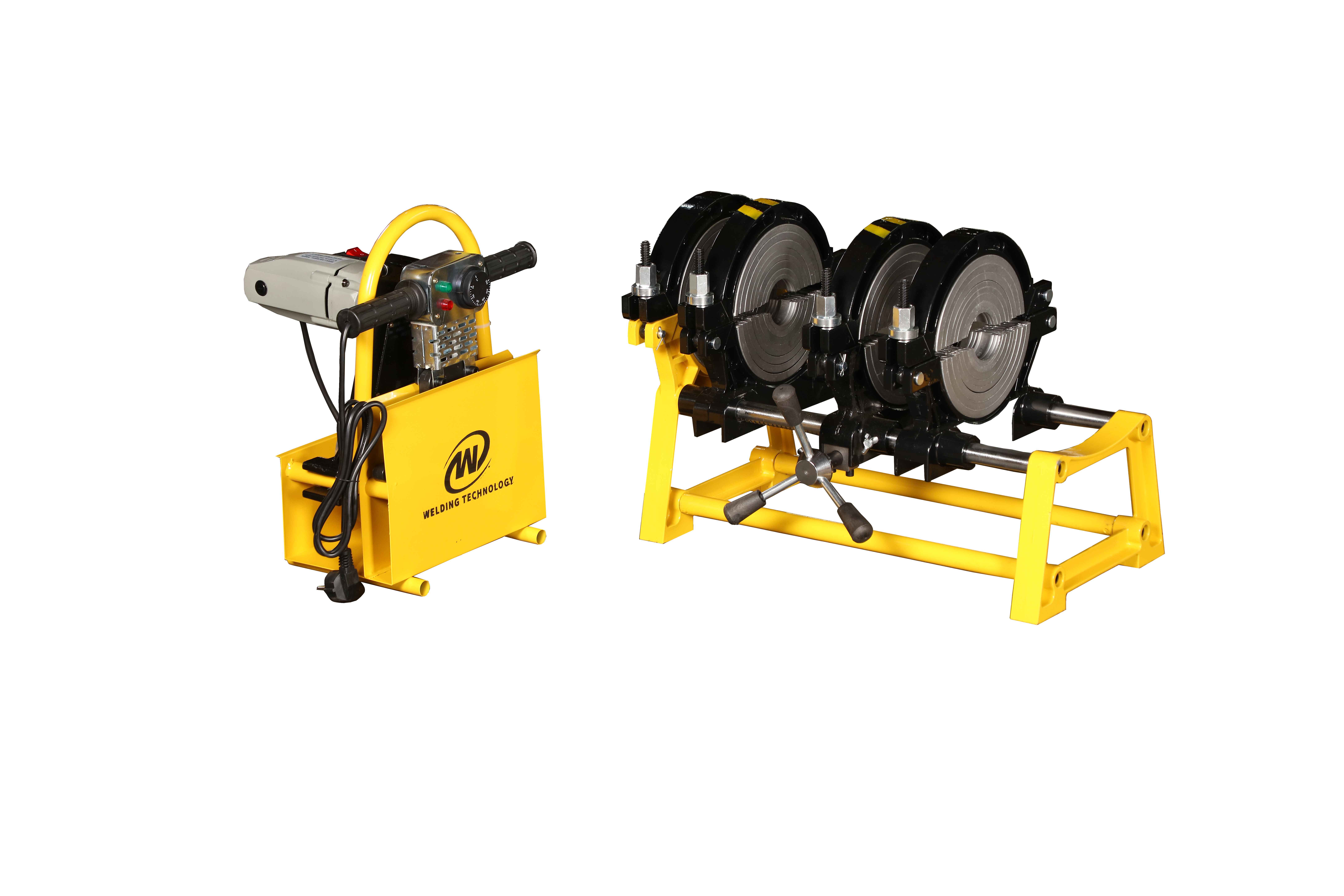
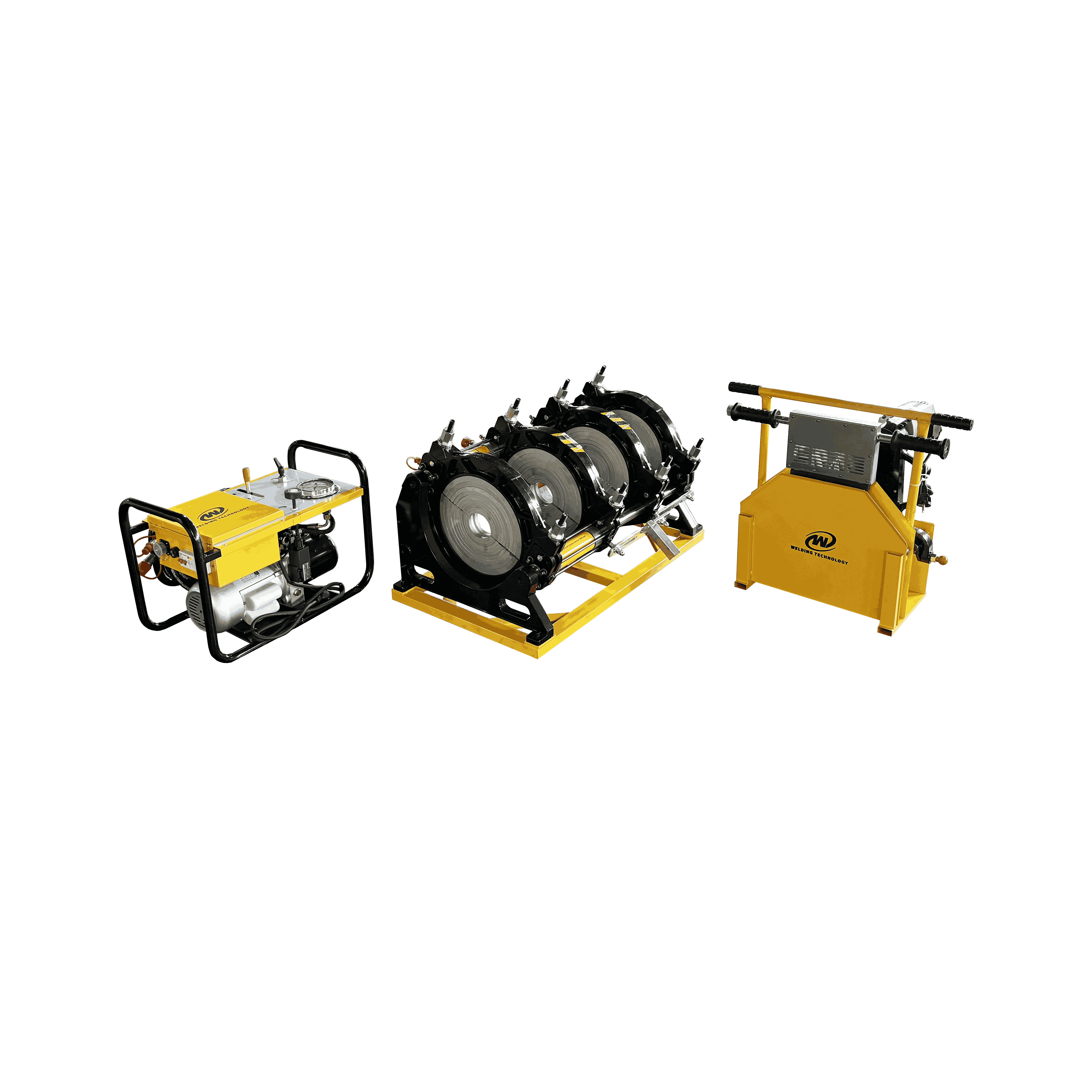
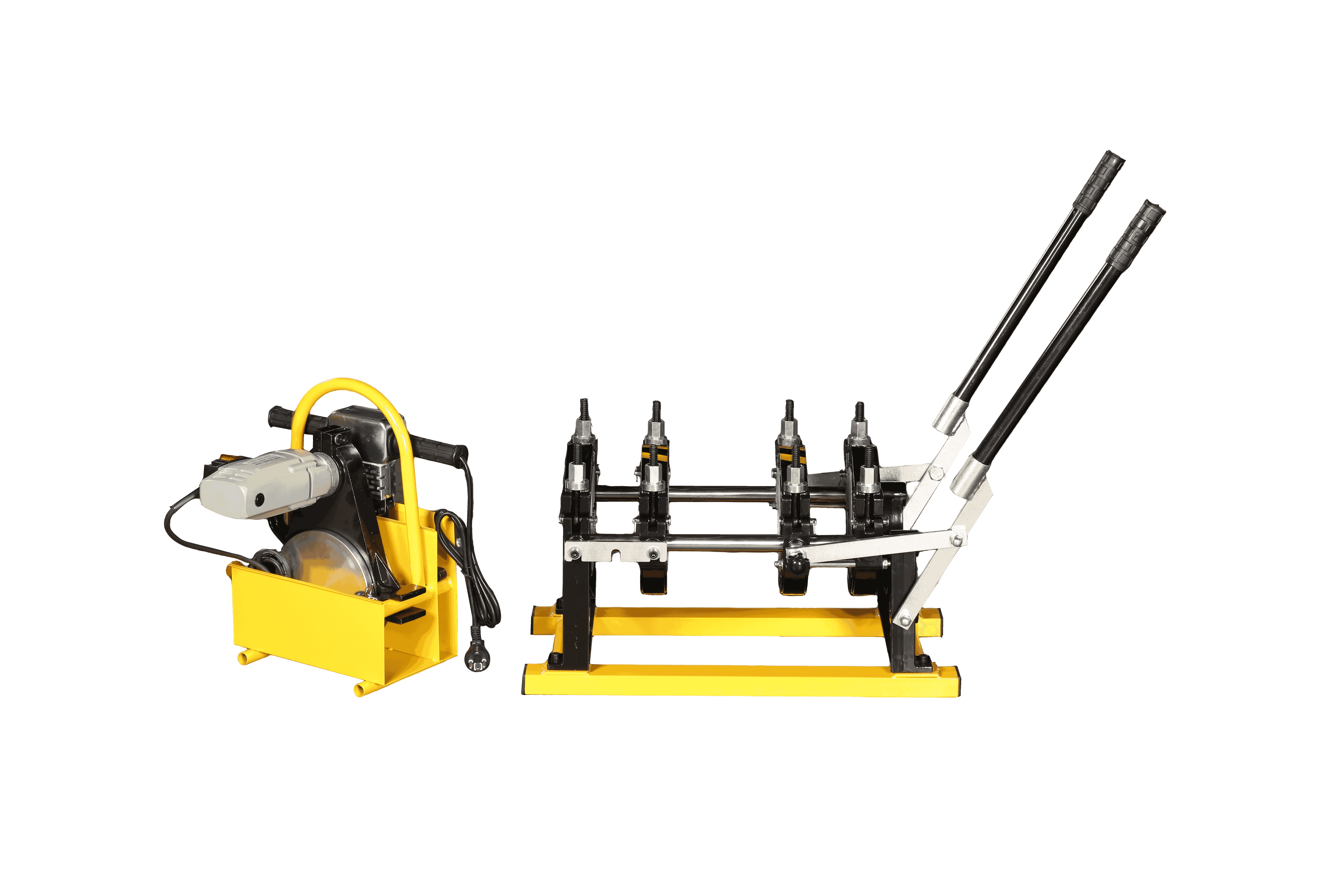
The remarkable versatility built into contemporary pipe welding machines addresses one of the most significant challenges facing fabricators and contractors who work with diverse pipe specifications and material compositions. This adaptability eliminates the need for multiple specialized machines, allowing a single investment to serve numerous project types and client requirements. The equipment accommodates an impressive range of pipe diameters, from small-bore tubing measuring just a few inches across to large-diameter pipes exceeding several feet, with adjustment mechanisms that enable quick transitions between different sizes. Clamping systems incorporate modular components or adjustable configurations that securely hold pipes of varying dimensions without requiring extensive retooling or mechanical expertise. Wall thickness variations, which significantly impact welding procedures and parameter selection, are easily accommodated through the machine's programmable controls that adjust heat input and deposition rates accordingly. This thickness flexibility proves invaluable when working on projects that involve multiple pipe specifications or when your business serves markets with varying standard requirements. Material compatibility represents another dimension of versatility that distinguishes advanced pipe welding machines from limited-purpose equipment. The machines effectively weld carbon steel, the most common piping material in many industries, while also handling stainless steel alloys used in food processing, pharmaceutical, and corrosive environments. Specialized alloys required for high-temperature applications or unique chemical resistance can be welded successfully by adjusting parameters within the machine's control range. This multi-material capability means fabricators can pursue diverse opportunities without worrying whether their equipment can handle the specified materials. Joint configuration adaptability further enhances the machine's versatility, with capabilities spanning butt joints, socket welds, and various edge preparations depending on application requirements and code specifications. Position versatility allows welding in horizontal, vertical, and overhead orientations, addressing the reality that pipe systems rarely exist in ideally convenient positions. Some advanced machines include rotating fixtures that position pipes optimally regardless of how they'll be installed, combining positional flexibility with optimal welding conditions. The equipment adapts to different welding processes, including gas metal arc welding, flux-cored arc welding, and tungsten inert gas welding, depending on material requirements and quality standards. This process flexibility ensures you can meet diverse specification requirements without maintaining separate equipment for each welding method. Power source adaptability allows operation across various electrical supply configurations, facilitating use in different facility locations or field environments where power availability varies. The combination of these versatility factors creates exceptional return on investment, as the single machine serves roles that would otherwise require multiple specialized units, reducing capital costs, maintenance complexity, and storage requirements while maximizing utilization rates that keep equipment productive rather than idle.

 EN
EN