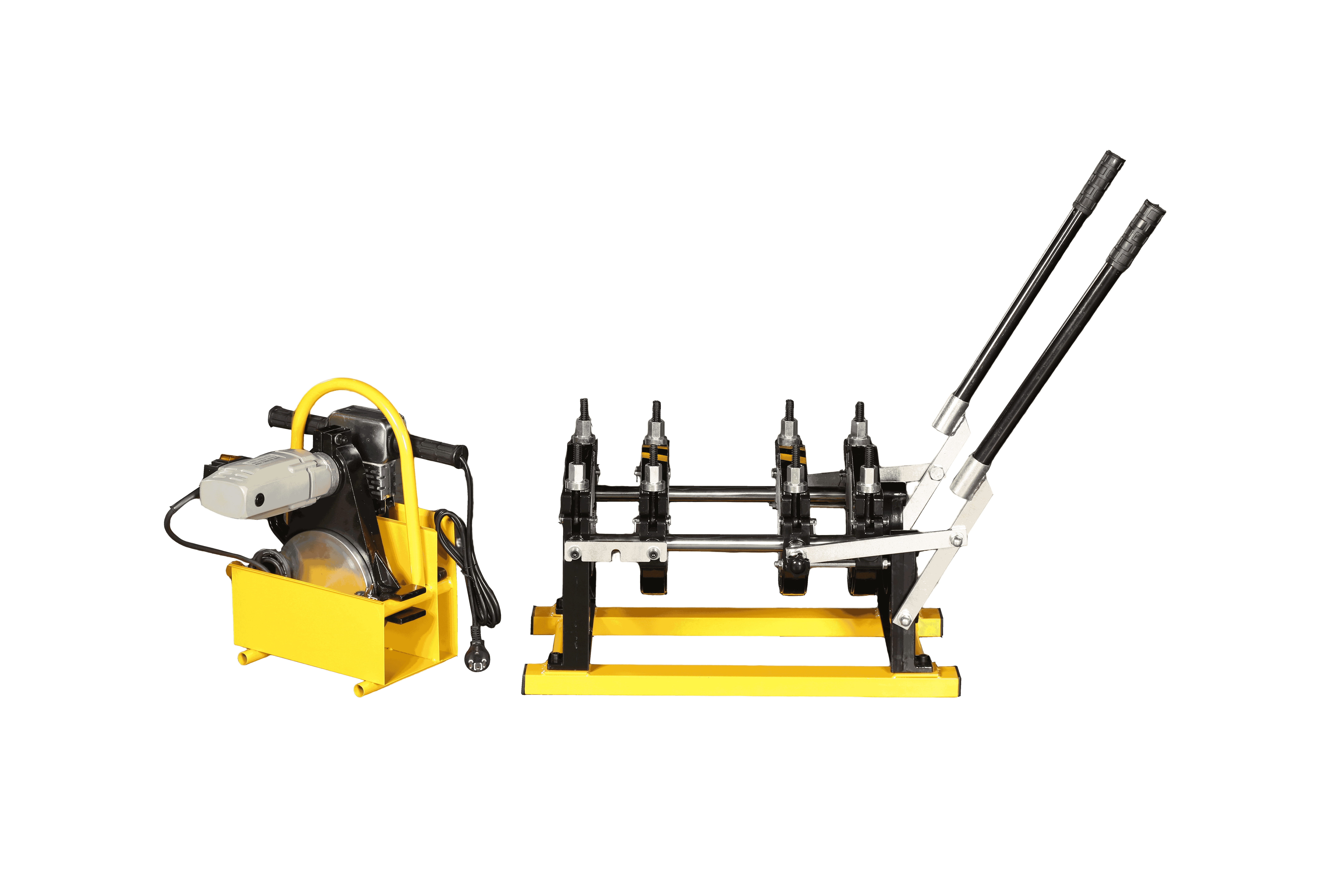
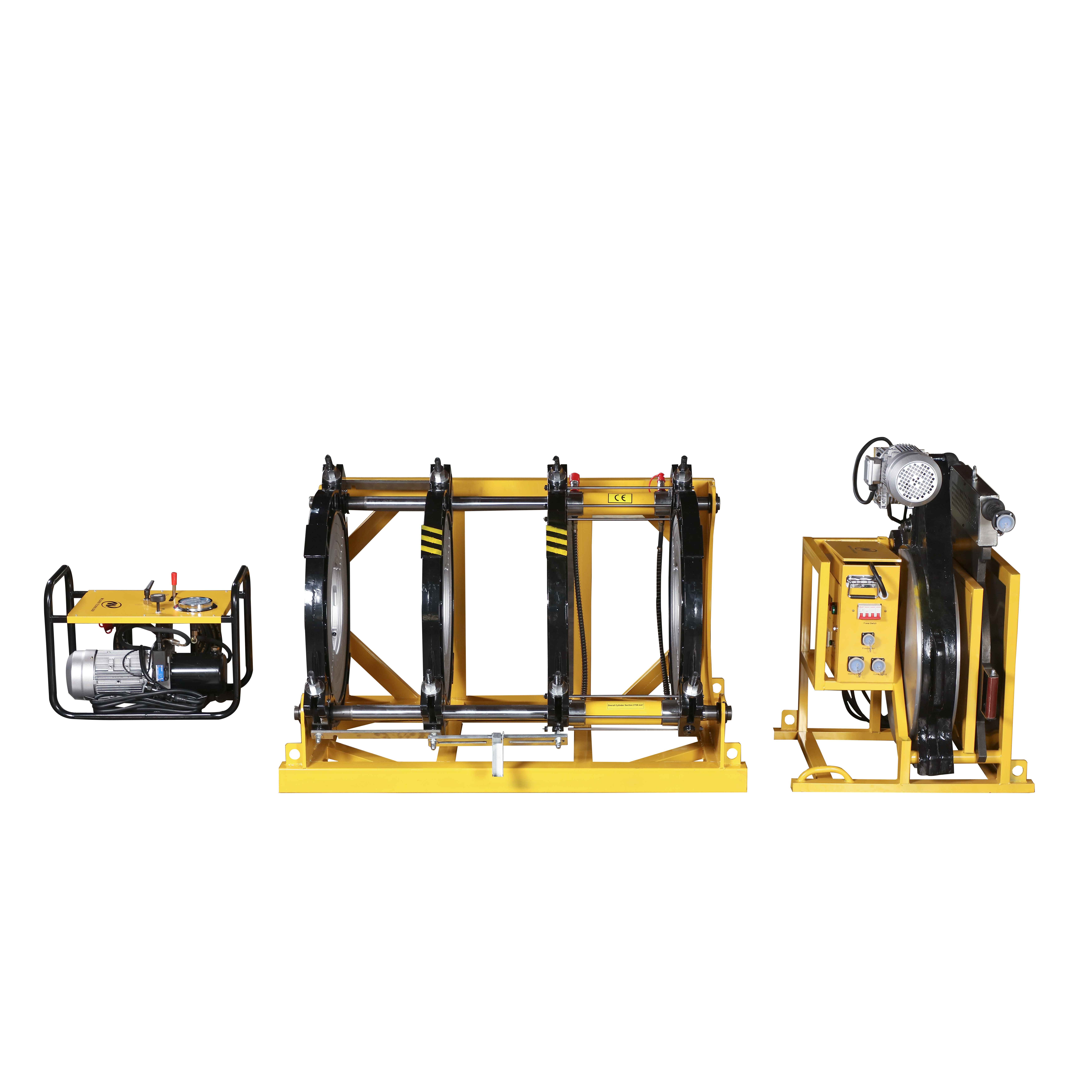
Professional Pipeline Welding Machine - High-Performance Welding Equipment for Pipeline Construction

Get a Free Quote

Our representative will contact you soon.
E-mail
Name
Mobile/WhatsApp
Company Name
Message
0/1000

pipeline welding machine

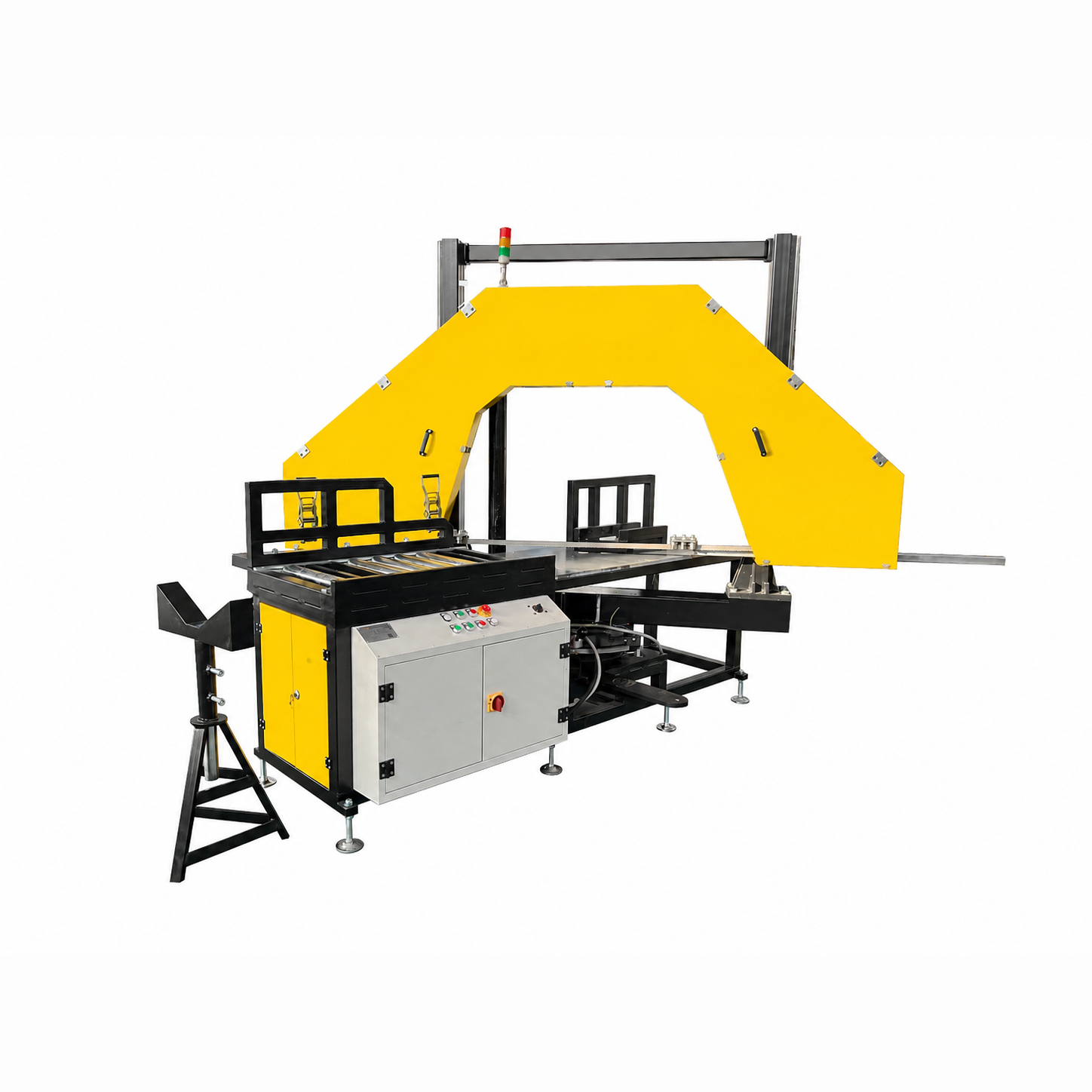
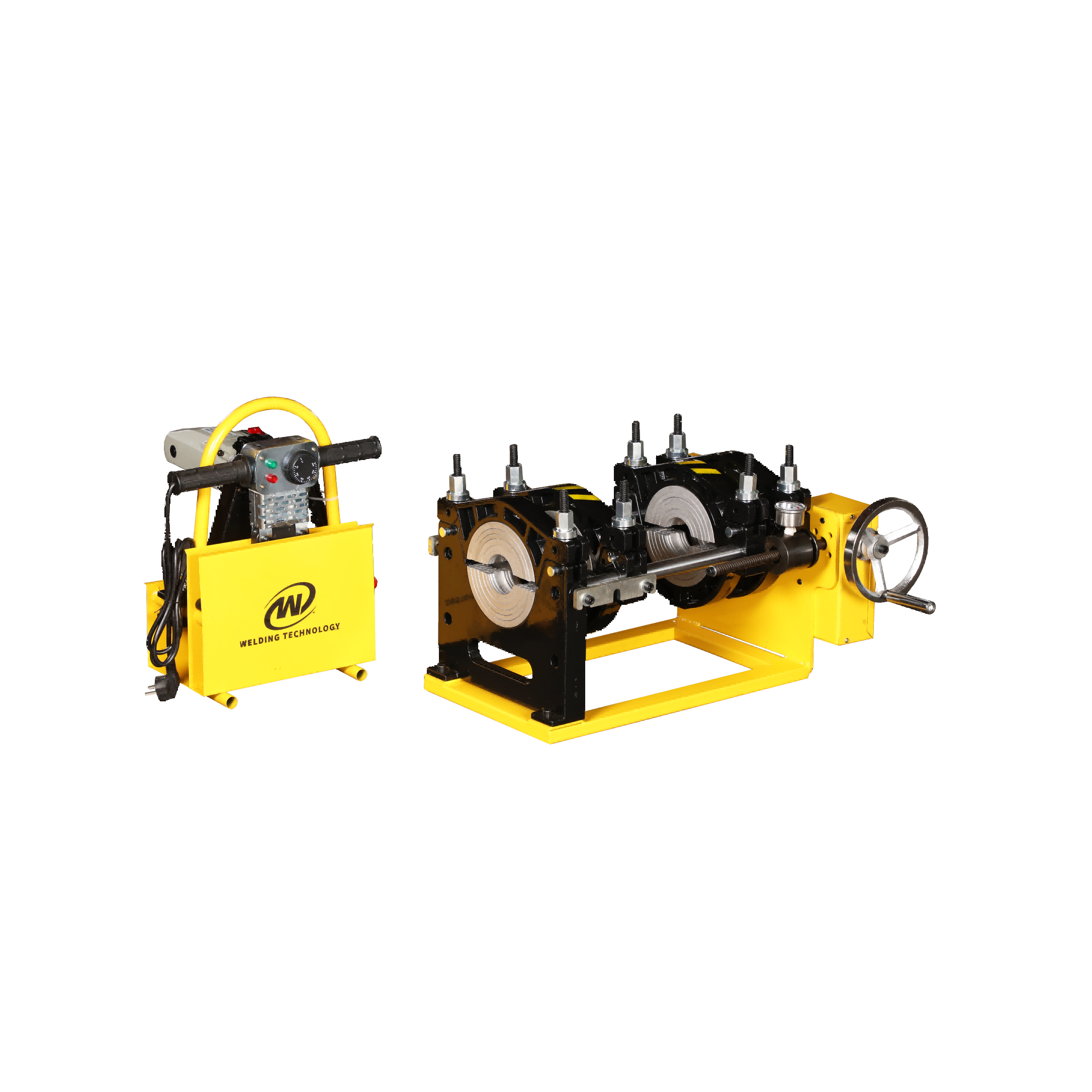
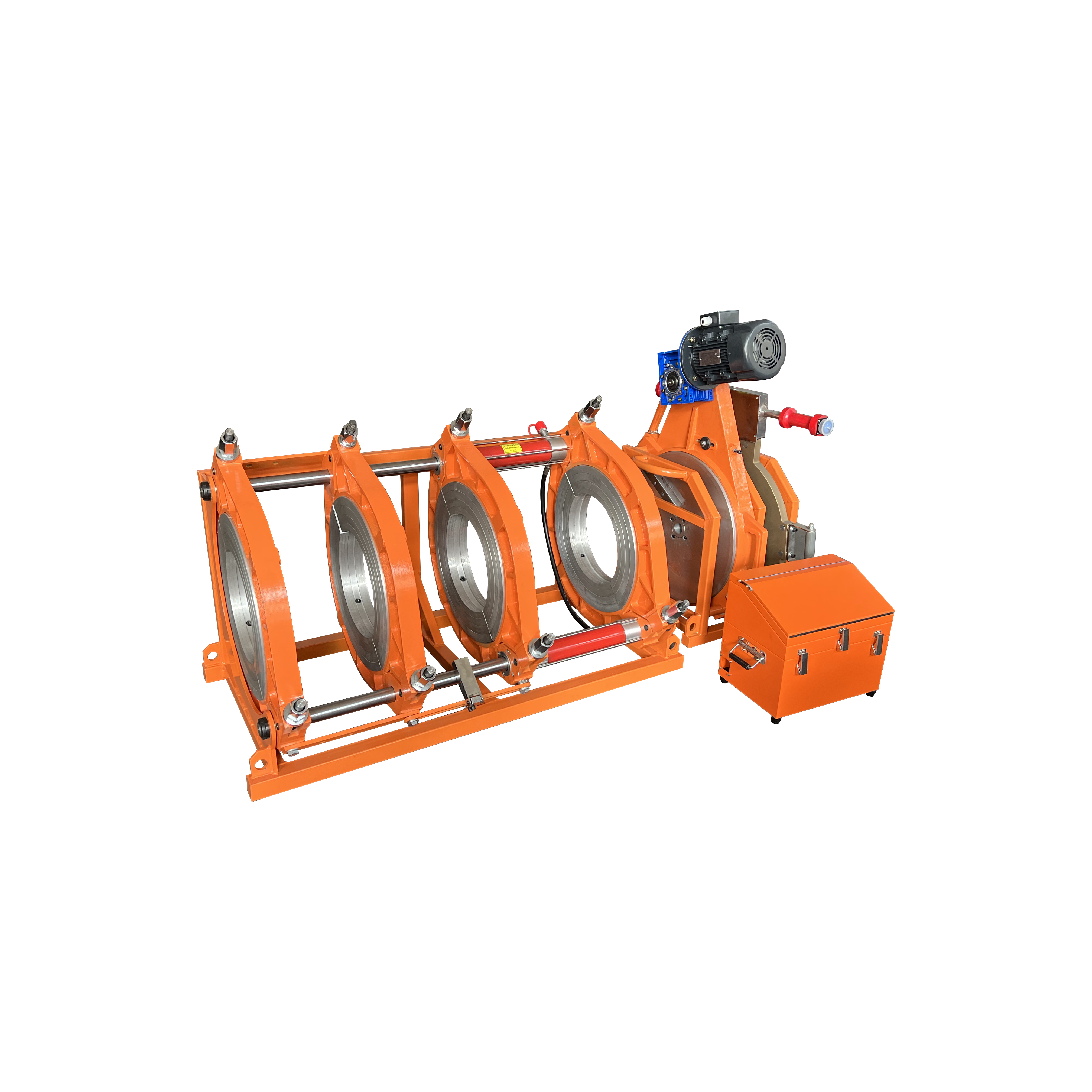
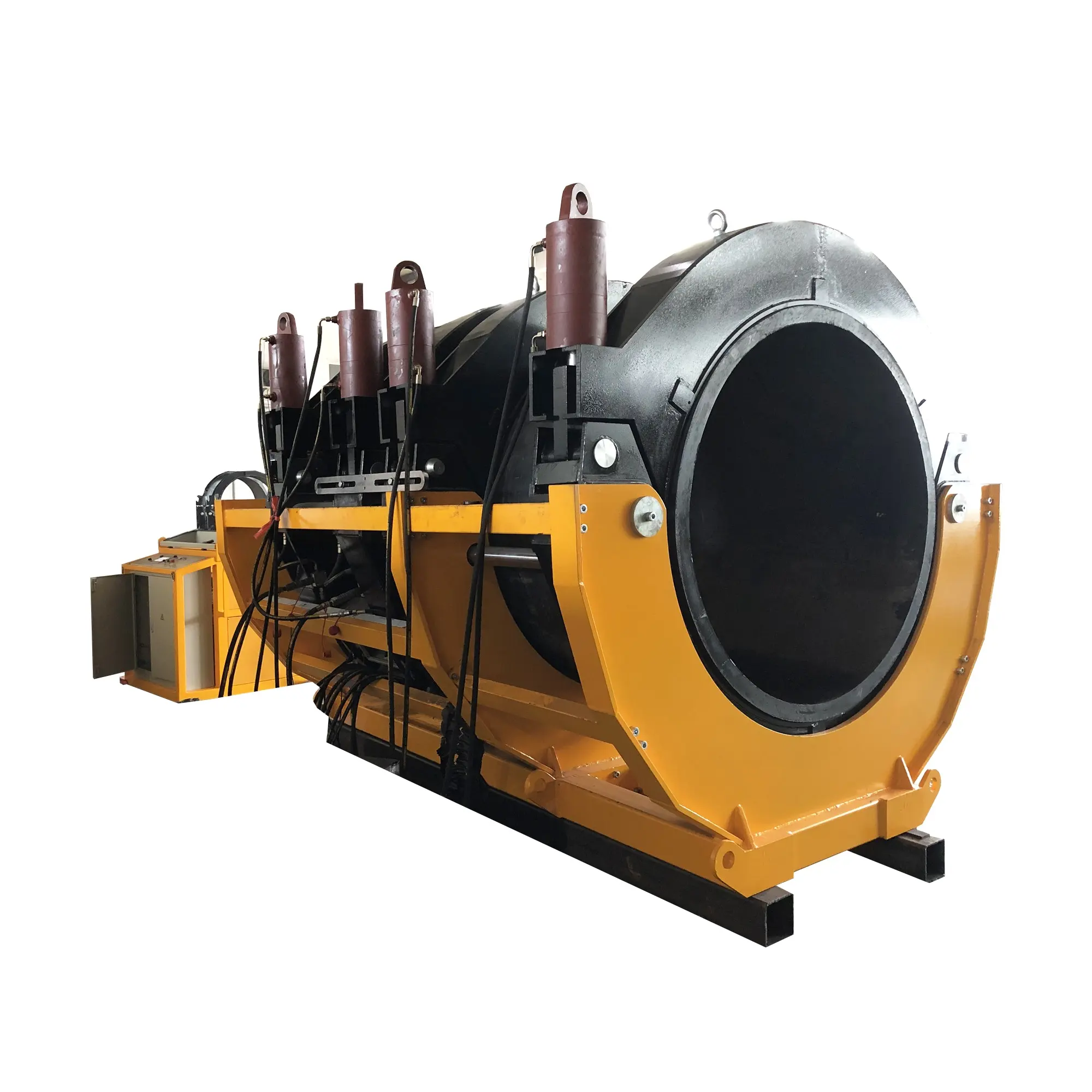
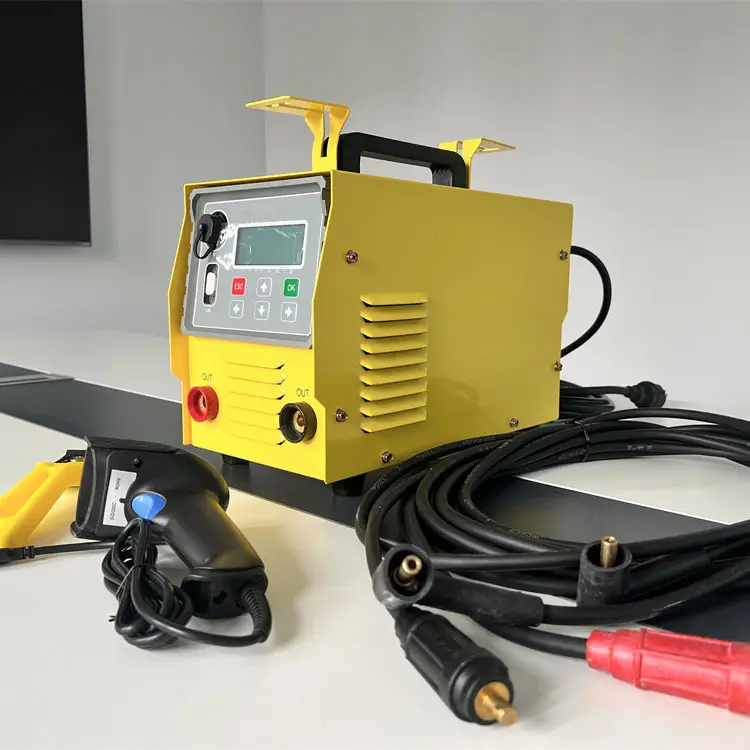
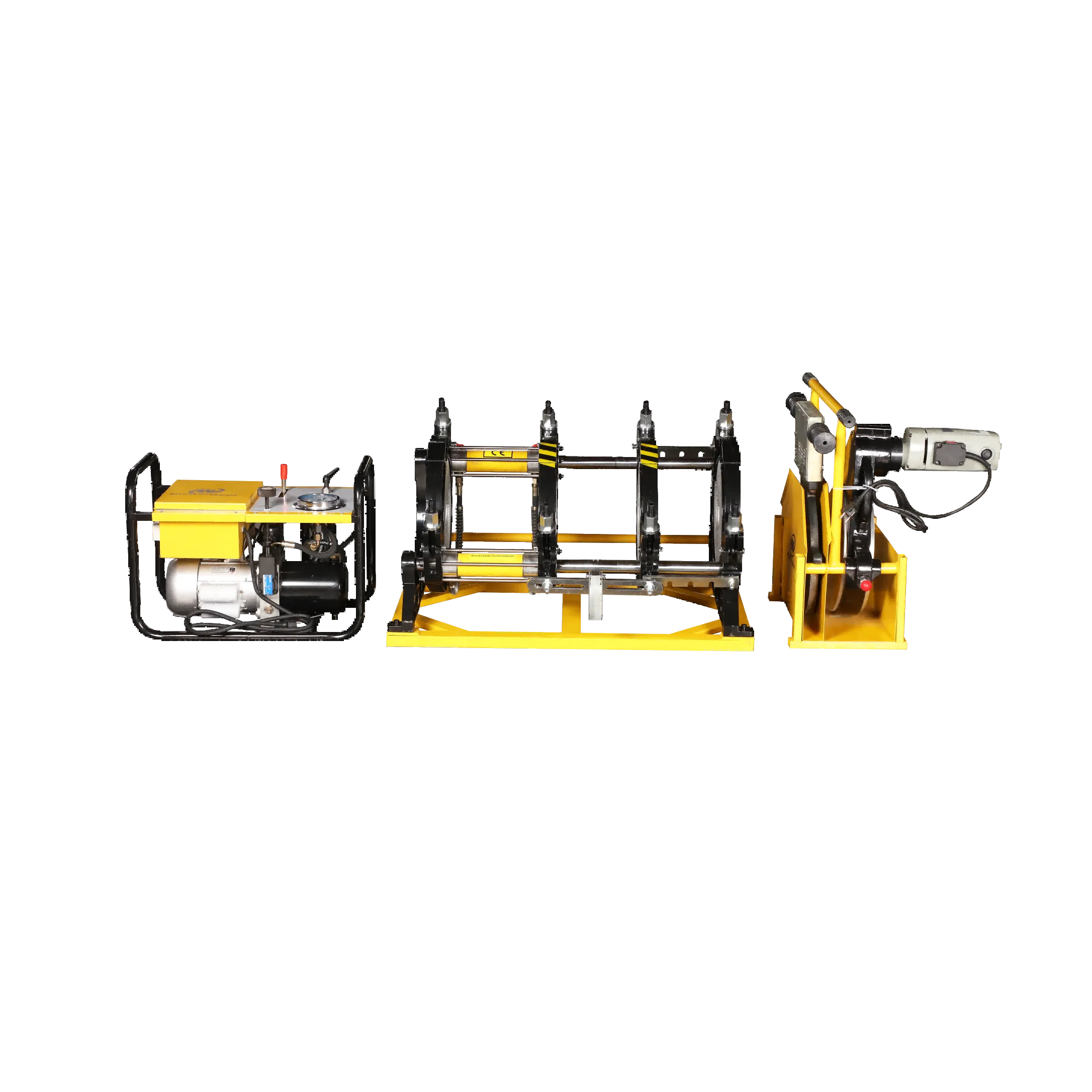
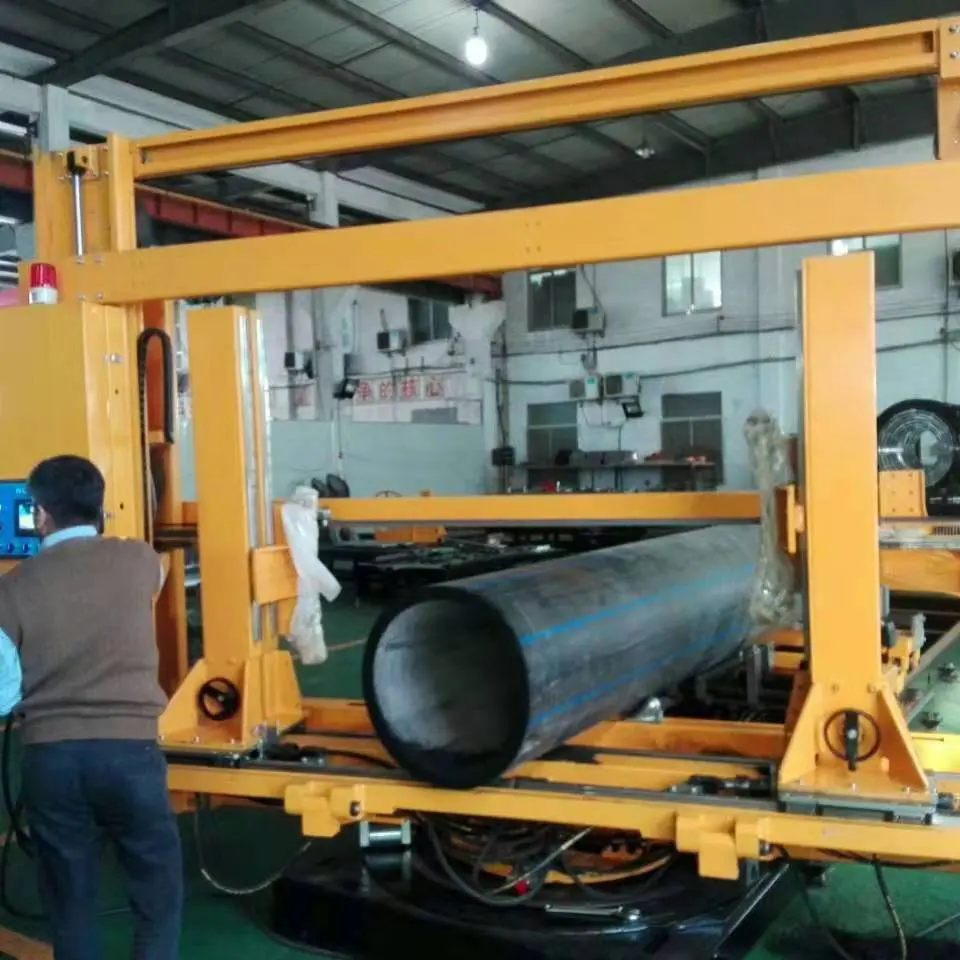
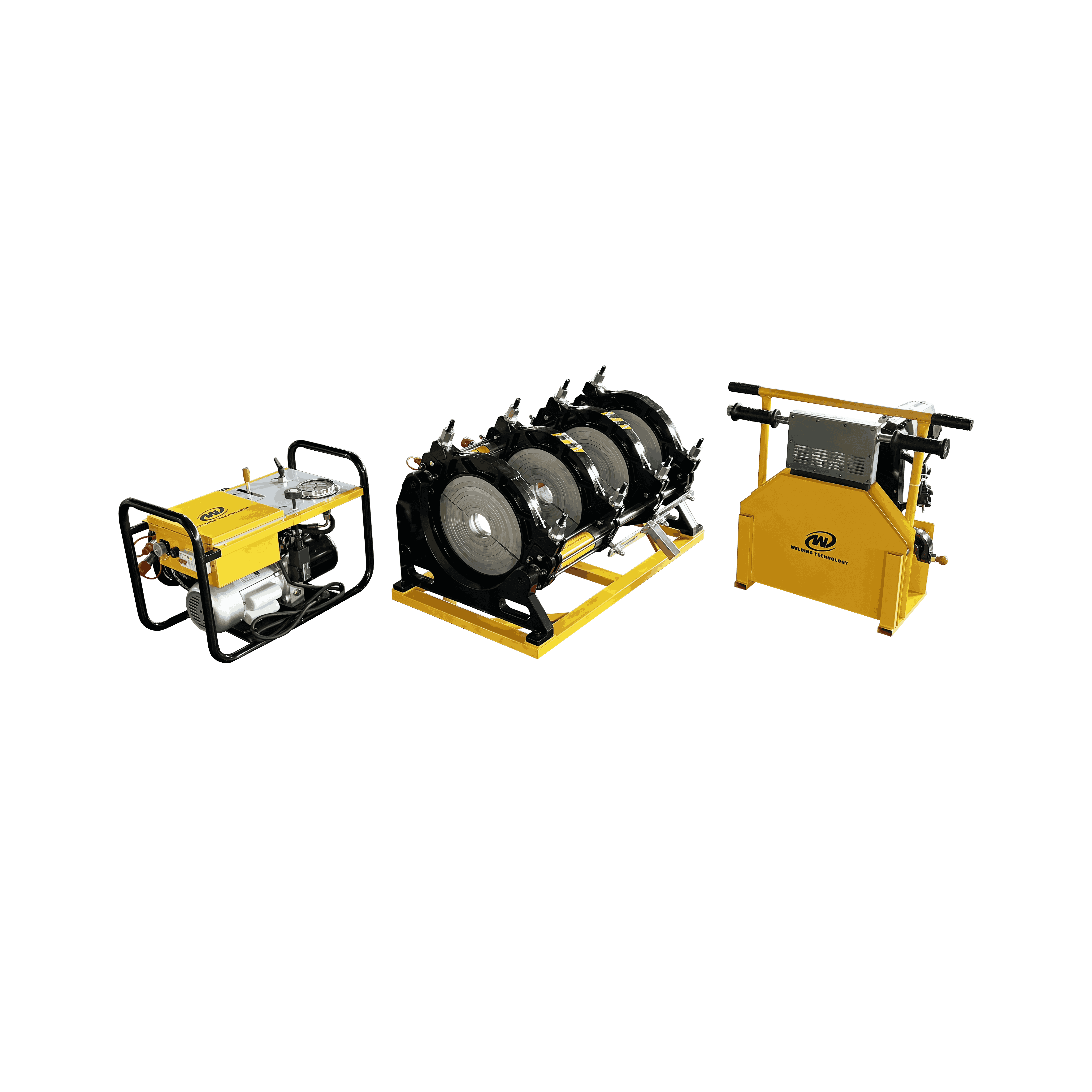
A pipeline welding machine represents a specialized piece of equipment designed to join metal pipes through various welding processes. These machines have become essential tools in industries where pipeline construction and maintenance are critical operations. The primary function of a pipeline welding machine centers on creating strong, reliable joints between pipe sections, ensuring structural integrity and preventing leaks in transportation systems. Modern pipeline welding machines incorporate advanced technology that allows operators to achieve consistent, high-quality welds across different pipe materials, diameters, and wall thicknesses. The equipment typically features adjustable parameters that control heat input, welding speed, and electrode positioning, giving operators precise control over the welding process. These machines work with various welding methods, including shielded metal arc welding, gas tungsten arc welding, and gas metal arc welding, depending on the specific application requirements. The technological features of contemporary pipeline welding machines include digital controls, automated tracking systems, and real-time monitoring capabilities that enhance weld quality and operator efficiency. Many models incorporate inverter technology, which reduces power consumption while delivering stable arc performance. The machines often feature cooling systems that maintain optimal operating temperatures during extended welding sessions, preventing overheating and equipment damage. Applications for pipeline welding machines span numerous industries, from oil and gas transmission to water distribution networks, chemical processing plants, and power generation facilities. Construction companies use these machines for installing new pipeline infrastructure, while maintenance teams rely on them for repair work and system upgrades. The versatility of pipeline welding machines makes them valuable assets in both field operations and fabrication shops, where they contribute to building complex piping systems that meet stringent safety and quality standards.


New Products

Pipeline welding machines deliver significant time savings compared to traditional manual welding methods. Operators can complete joints faster while maintaining consistent quality throughout the project, which translates directly into reduced labor costs and shorter project timelines. The machines eliminate much of the physical strain associated with manual welding, allowing workers to maintain productivity over longer periods without fatigue affecting weld quality. This efficiency gain becomes particularly valuable on large-scale projects where hundreds or thousands of joints require completion within tight deadlines. The precision offered by modern pipeline welding machines ensures that every weld meets specified standards without requiring extensive rework or repairs. Automated controls maintain optimal welding parameters throughout the process, reducing the risk of human error that can compromise joint integrity. This consistency proves especially important in critical applications where weld failures could result in dangerous leaks or system shutdowns. Companies benefit from lower defect rates, which means fewer costly repairs and reduced liability exposure. The machines also improve workplace safety by minimizing operator exposure to welding hazards. Advanced shielding systems protect workers from harmful fumes and radiation, while automated positioning reduces the need for workers to adopt awkward or dangerous postures during welding operations. Temperature management features prevent burns and heat-related injuries, creating a safer working environment that reduces accident rates and associated costs. Material versatility represents another major advantage, as pipeline welding machines can handle various metals including carbon steel, stainless steel, and specialized alloys. This flexibility allows companies to tackle diverse projects without investing in multiple specialized tools, maximizing equipment utilization and return on investment. The machines adapt to different pipe diameters and wall thicknesses, making them suitable for everything from small-diameter distribution lines to large transmission pipelines. Energy efficiency features in modern pipeline welding machines help reduce operational costs while supporting environmental sustainability goals. Inverter-based power supplies consume less electricity than traditional transformer-based systems, lowering utility expenses on every project. Some models include power-saving modes that reduce consumption during idle periods, further enhancing cost efficiency. The portability of many pipeline welding machines enables their use in remote locations where pipeline construction frequently occurs, eliminating the need to transport pipes to centralized fabrication facilities and reducing overall project logistics costs.

Latest News

How Can a Pipe Welding Machine Ensure Reliable Pipe Connections?

28

Apr

How Can a Pipe Welding Machine Ensure Reliable Pipe Connections?

Reliable pipe connections form the backbone of critical infrastructure systems across water distribution networks, natural gas pipelines, industrial processing facilities, and municipal wastewater management operations. The integrity of these connect...
View More
How Does a Plastic Pipe Electric Fusion Welder Improve Connection Strength?

03

Apr

How Does a Plastic Pipe Electric Fusion Welder Improve Connection Strength?

In industrial piping systems, the integrity of connections directly determines operational safety, longevity, and performance. Traditional mechanical joining methods such as threading, clamping, or adhesive bonding often introduce vulnerabilities inc...
View More
Why Do Contractors Choose HDPE Fusion Equipment for Water Systems?

01

Apr

Why Do Contractors Choose HDPE Fusion Equipment for Water Systems?

Water infrastructure projects demand reliability, longevity, and cost-effectiveness, making equipment selection a critical decision for contractors. The choice of joining technology directly impacts project timelines, long-term system integrity, and ...
View More
How Does a Plastic Band Cutting Saw Improve Cutting Efficiency?

03

Jun

How Does a Plastic Band Cutting Saw Improve Cutting Efficiency?

In industrial plastic fabrication and pipe processing environments, precision and throughput are non-negotiable. A plastic band cutting saw addresses both demands simultaneously, offering a level of cutting consistency that manual tools and conventio...
View More

Get a Free Quote

Our representative will contact you soon.
E-mail
Name
Mobile/WhatsApp
Company Name
Message
0/1000

pipeline welding machine

Advanced Control Systems for Unmatched Welding Precision

Advanced Control Systems for Unmatched Welding Precision

The sophisticated control systems integrated into modern pipeline welding machines represent a revolutionary advancement that separates professional-grade equipment from basic welding tools. These digital control interfaces allow operators to program and adjust welding parameters with extraordinary precision, ensuring that every joint receives exactly the right amount of heat, filler material, and shielding gas. The systems monitor arc voltage, current levels, and travel speed in real-time, automatically compensating for variations that might otherwise compromise weld quality. This level of control proves invaluable when working with challenging materials or in demanding environmental conditions where traditional welding methods struggle to maintain consistency. Operators can store multiple welding programs in the machine's memory, enabling quick switches between different joint configurations without manual recalibration. This programmability dramatically reduces setup time when moving between project phases or working on pipelines with varying specifications. The control systems also provide detailed feedback through digital displays, showing operators exactly what is happening during the welding process and alerting them to any deviations from optimal parameters. This transparency helps workers develop better technique while ensuring that quality standards are maintained throughout the project. The precision offered by these advanced controls translates into stronger, more reliable joints that withstand years of service under demanding conditions. Companies working on critical infrastructure projects particularly value this capability, as it provides confidence that welded joints will perform as designed without premature failures. The control systems also facilitate compliance with industry standards and regulatory requirements by documenting welding parameters for each joint, creating an auditable record that demonstrates adherence to specified procedures. This documentation capability proves essential during inspections and quality audits, protecting companies from liability while demonstrating their commitment to excellence. Training new operators becomes easier with intuitive control interfaces that guide users through proper setup and operation procedures, reducing the learning curve associated with complex welding equipment.
Robust Construction for Demanding Field Conditions

Robust Construction for Demanding Field Conditions

Pipeline welding machines designed for professional applications feature rugged construction that withstands the harsh conditions commonly encountered in pipeline construction environments. These machines must perform reliably in extreme temperatures, dusty conditions, and challenging terrain where delicate equipment would quickly fail. Manufacturers build pipeline welding machines using heavy-duty components and protective enclosures that shield sensitive electronics from moisture, vibration, and impact damage. This durability ensures that the equipment continues operating reliably even when subjected to the bumps and jolts of transportation to remote work sites. The robust construction includes reinforced frames that support the machine's weight while protecting internal components from damage during handling. Industrial-grade cooling systems maintain optimal operating temperatures even during extended welding sessions in hot climates, preventing thermal shutdowns that would interrupt work and delay project completion. These cooling systems typically incorporate large heat sinks, efficient fans, and sometimes liquid cooling circuits that dissipate heat more effectively than passive systems. The reliable thermal management extends component lifespan while ensuring consistent performance throughout the working day. Weatherproof housings protect pipeline welding machines from rain, snow, and humidity, allowing work to continue in adverse weather conditions that would sideline less robust equipment. This weather resistance proves particularly valuable on projects where schedule pressures demand continuous operation regardless of environmental challenges. The machines also feature sealed electrical connections and protected control panels that prevent moisture infiltration, which could cause short circuits or corrosion damage. Heavy-duty wheels and handles facilitate transportation across construction sites, enabling workers to move equipment between welding locations without requiring mechanical assistance. This mobility becomes essential on pipeline projects that span long distances, where welding teams must reposition frequently as work progresses along the route. The durable construction also reduces maintenance requirements and extends service intervals, lowering the total cost of ownership while maximizing equipment availability. Companies that invest in well-built pipeline welding machines benefit from years of reliable service with minimal downtime, protecting their investment while ensuring that equipment is available whenever needed.
Versatile Power Options for Maximum Operational Flexibility

Versatile Power Options for Maximum Operational Flexibility

The power supply capabilities of modern pipeline welding machines provide exceptional flexibility that allows operation in virtually any location, from well-equipped fabrication facilities to remote construction sites without reliable electrical infrastructure. Many pipeline welding machines offer multi-voltage compatibility, automatically adapting to different power sources without manual configuration or additional equipment. This adaptability proves invaluable for companies that work across multiple regions with varying electrical standards, eliminating the need to maintain separate equipment inventories for different markets. Some models incorporate generator-ready power supplies specifically designed to operate with portable generators commonly used on remote pipeline projects. These power supplies tolerate the voltage fluctuations and frequency variations typical of generator power, ensuring stable arc performance even when working far from grid connections. This capability expands the range of locations where pipeline welding can be performed efficiently, enabling projects in areas where traditional welding equipment would struggle or fail entirely. Advanced inverter technology in modern pipeline welding machines maximizes power efficiency while delivering the stable, consistent output required for high-quality welds. Inverter-based systems convert input power to high-frequency alternating current before transforming it to the direct current used in most welding processes. This conversion process allows for more precise control over output characteristics while significantly reducing the size and weight of the power supply components. The reduced weight makes pipeline welding machines more portable without sacrificing performance, a critical advantage for field operations where equipment must be moved frequently. The energy efficiency of inverter technology also reduces fuel consumption when operating from generators, lowering operational costs while extending generator run times between refueling. This efficiency becomes particularly important on large projects where fuel logistics can represent a significant expense and logistical challenge. Some pipeline welding machines also feature battery backup systems that maintain critical functions during brief power interruptions, preventing weld defects that could occur if power cuts off mid-process. The versatile power options extend to output ranges as well, with many machines capable of welding across a wide current range that accommodates different pipe sizes and materials without requiring multiple specialized machines. This versatility maximizes equipment utilization while reducing the capital investment required to handle diverse project requirements.

Get a Free Quote

Our representative will contact you soon.
E-mail
Name
Mobile/WhatsApp
Company Name
Message
0/1000