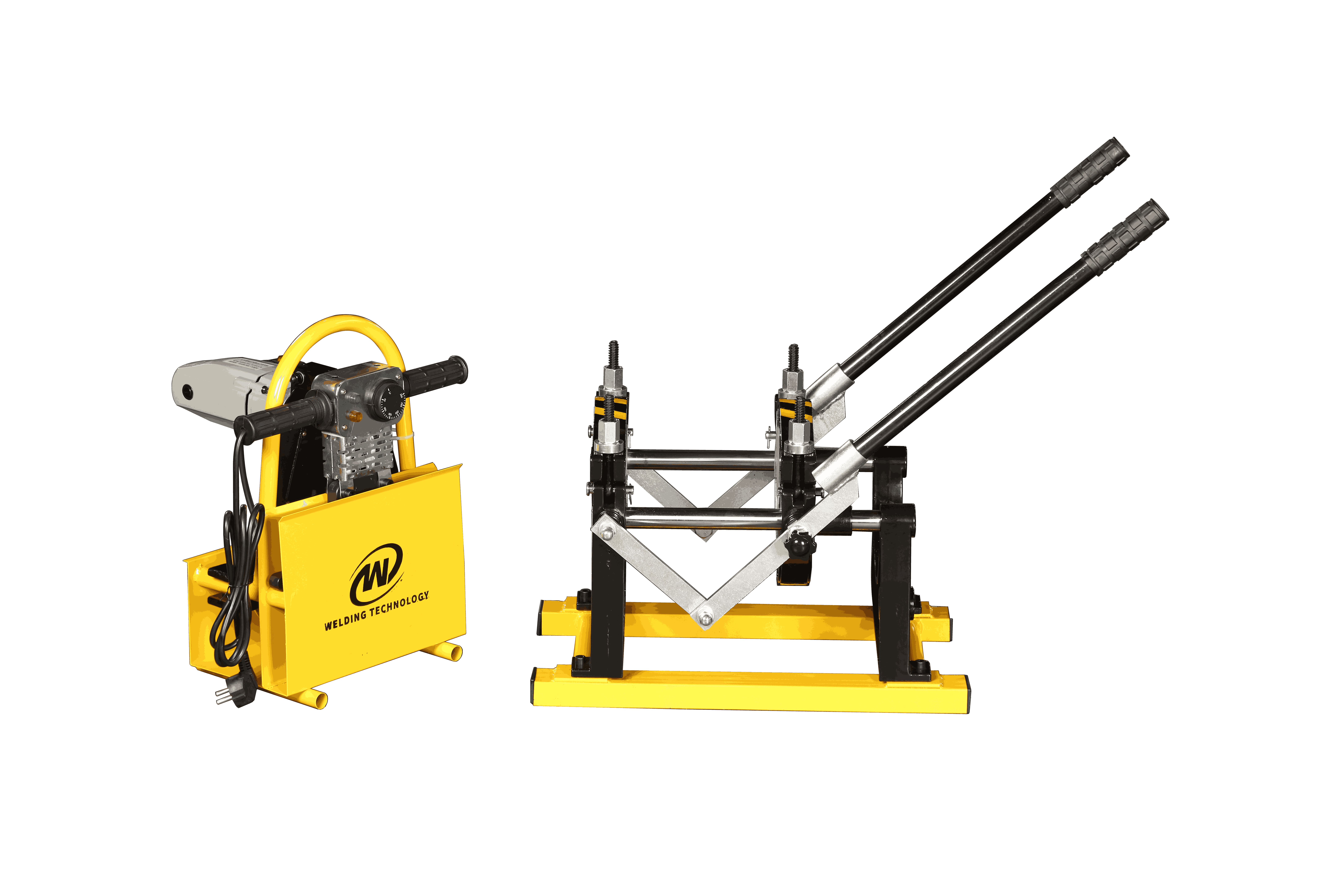
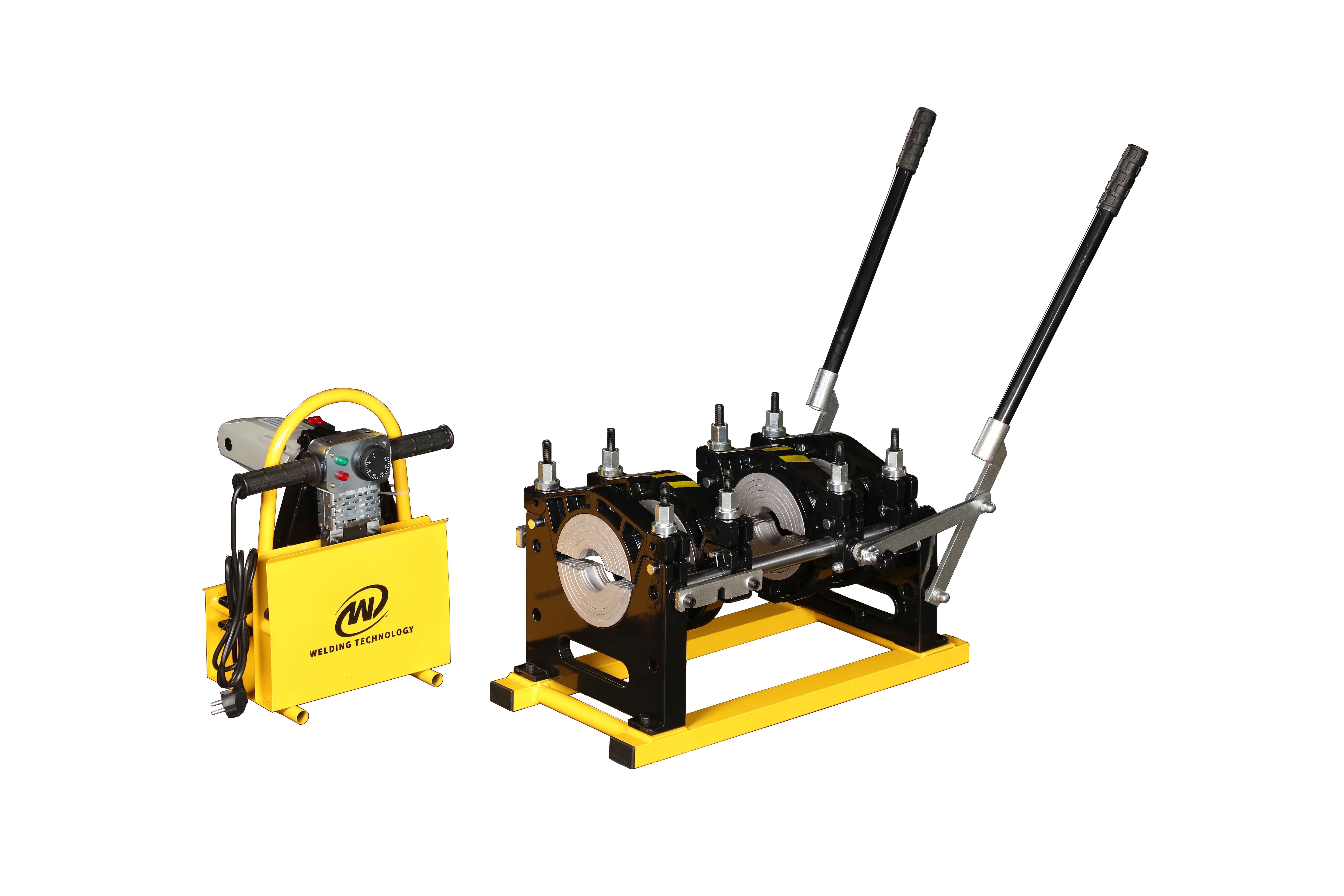
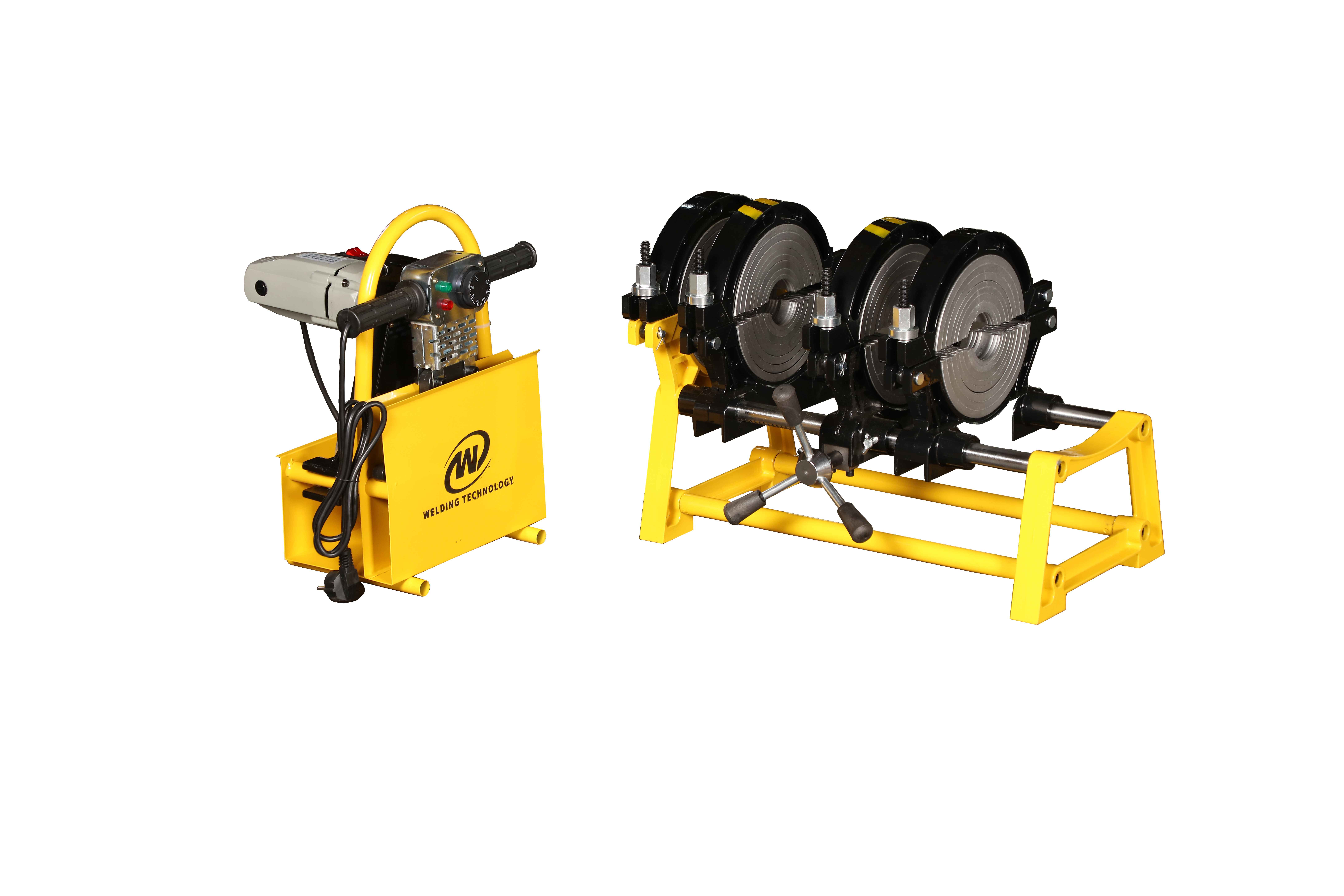
Professional Pipeline Welding Equipment - Advanced Solutions for Superior Pipeline Construction and Integrity

Get a Free Quote

Our representative will contact you soon.
E-mail
Name
Mobile/WhatsApp
Company Name
Message
0/1000

pipeline welding equipment

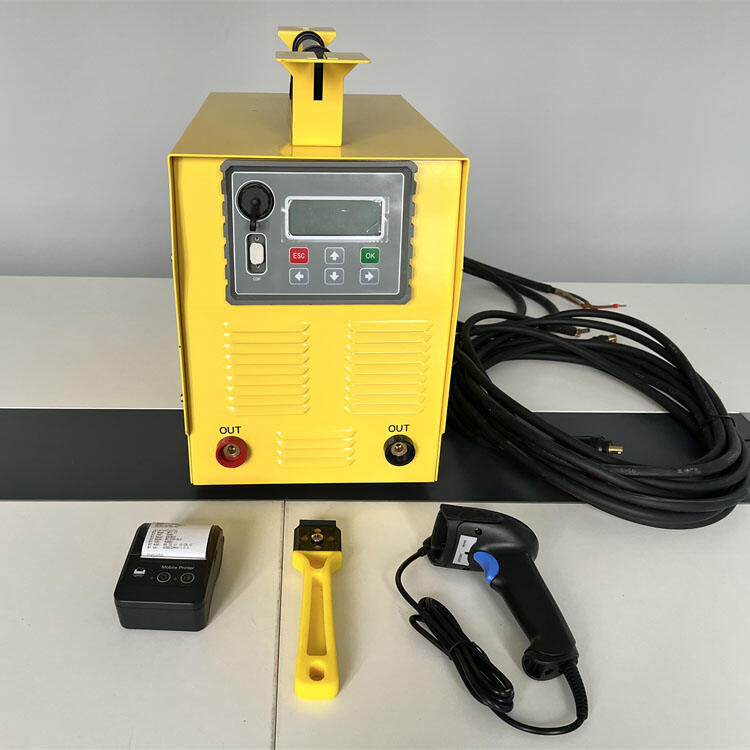
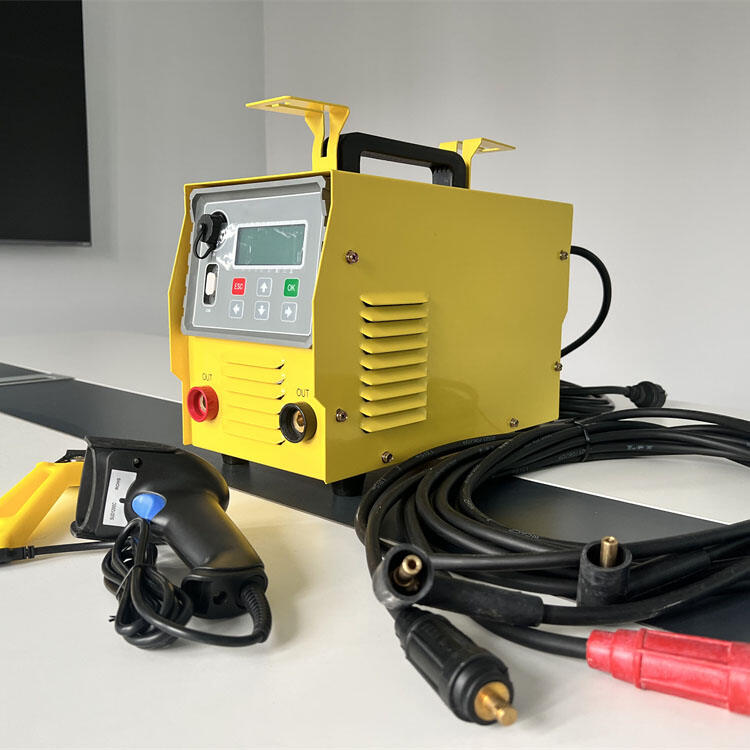
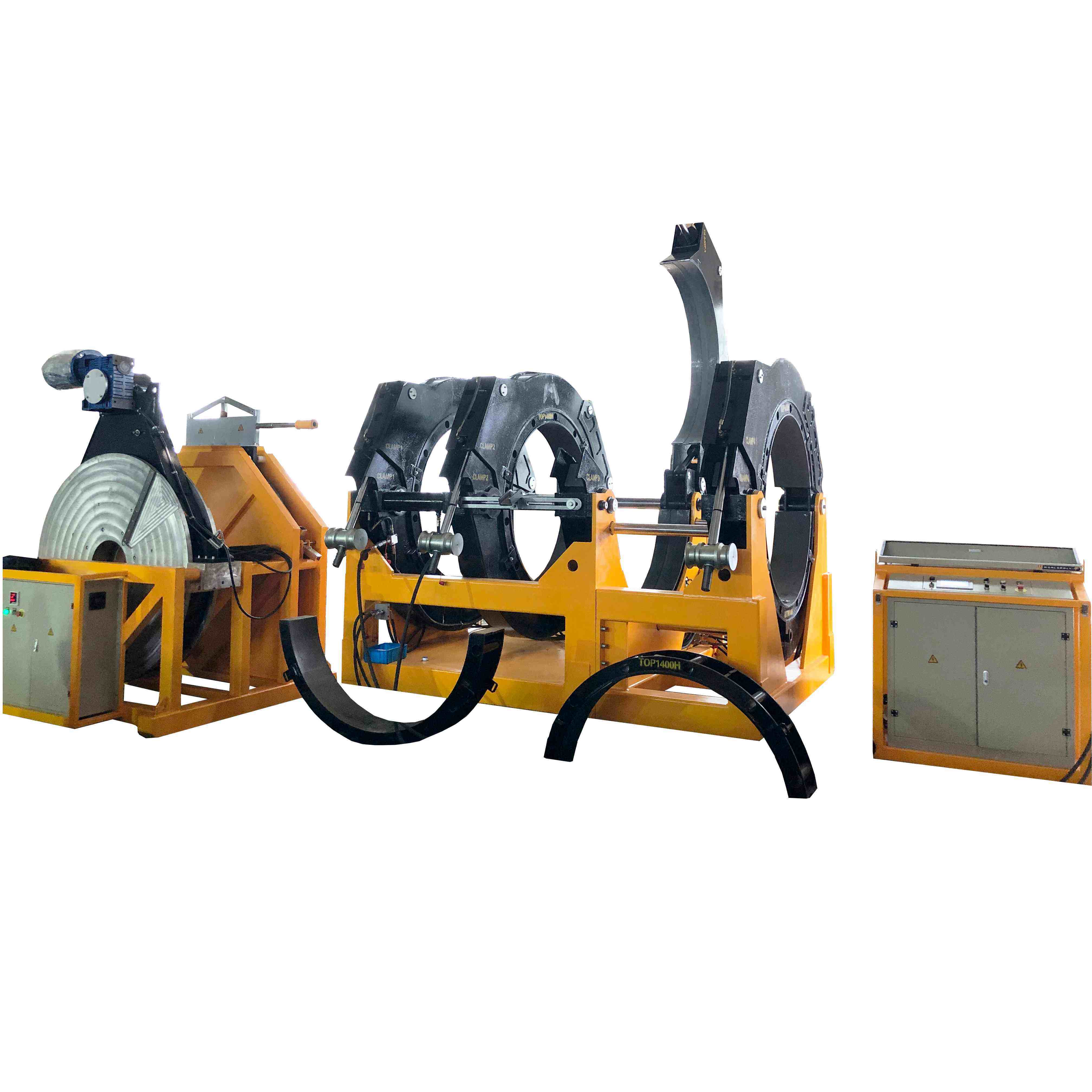
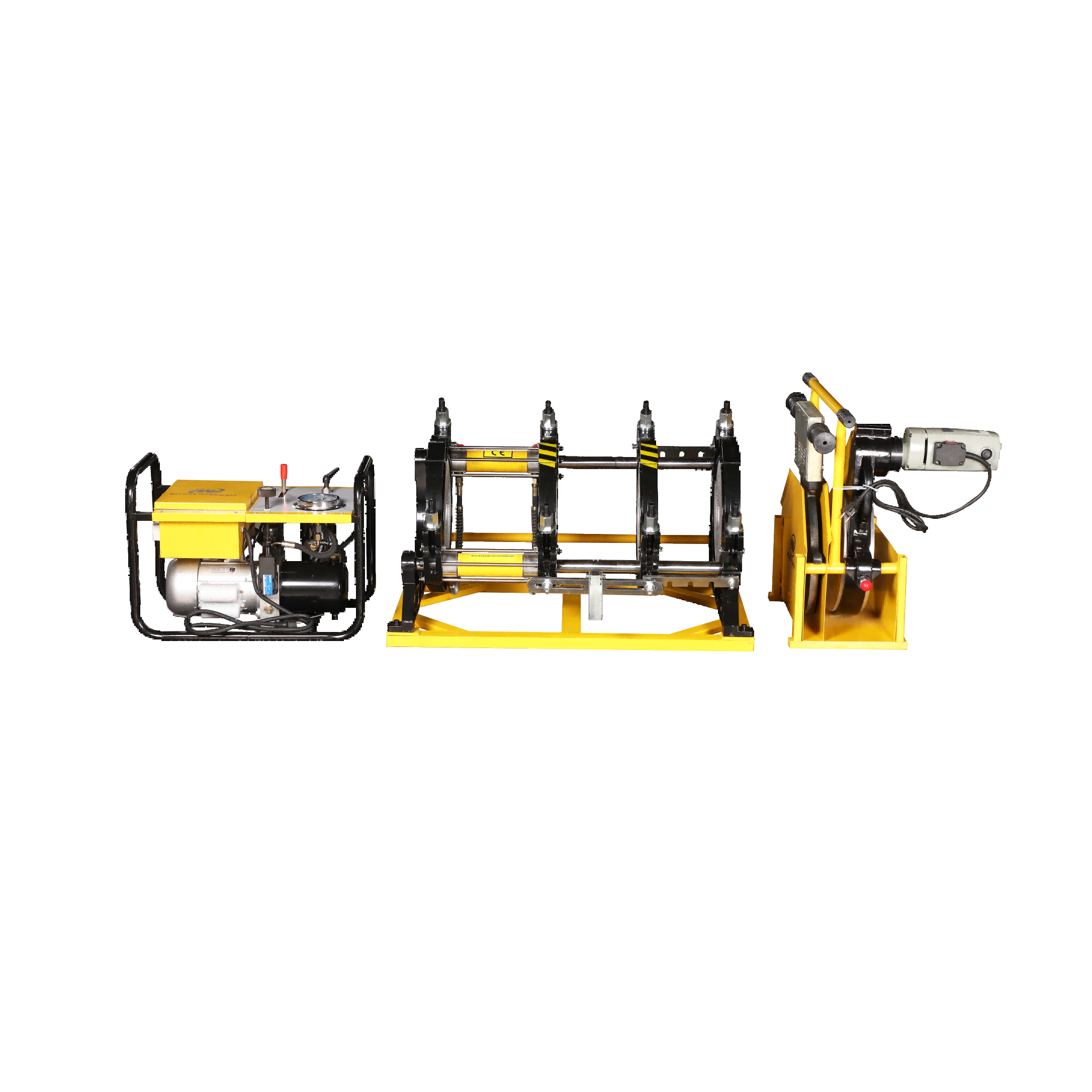
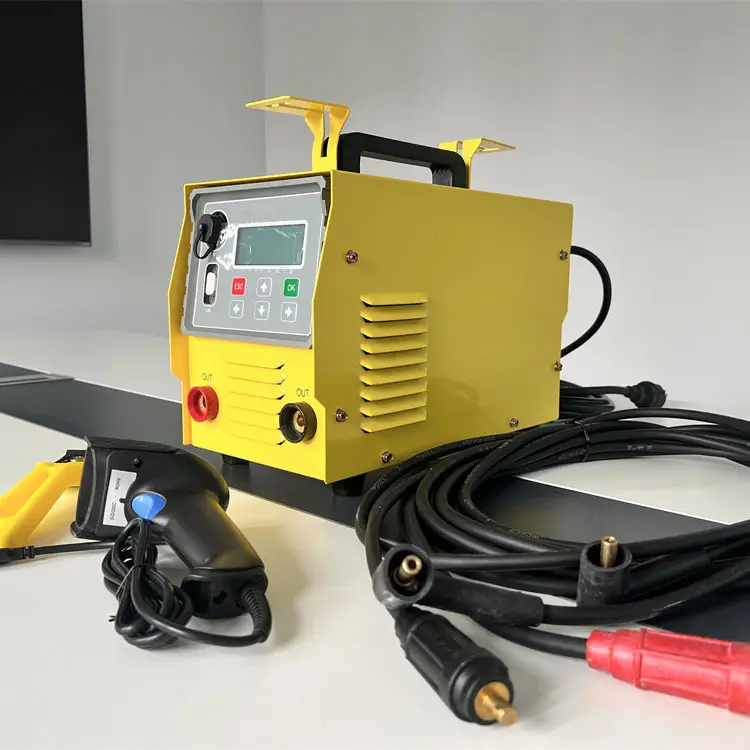
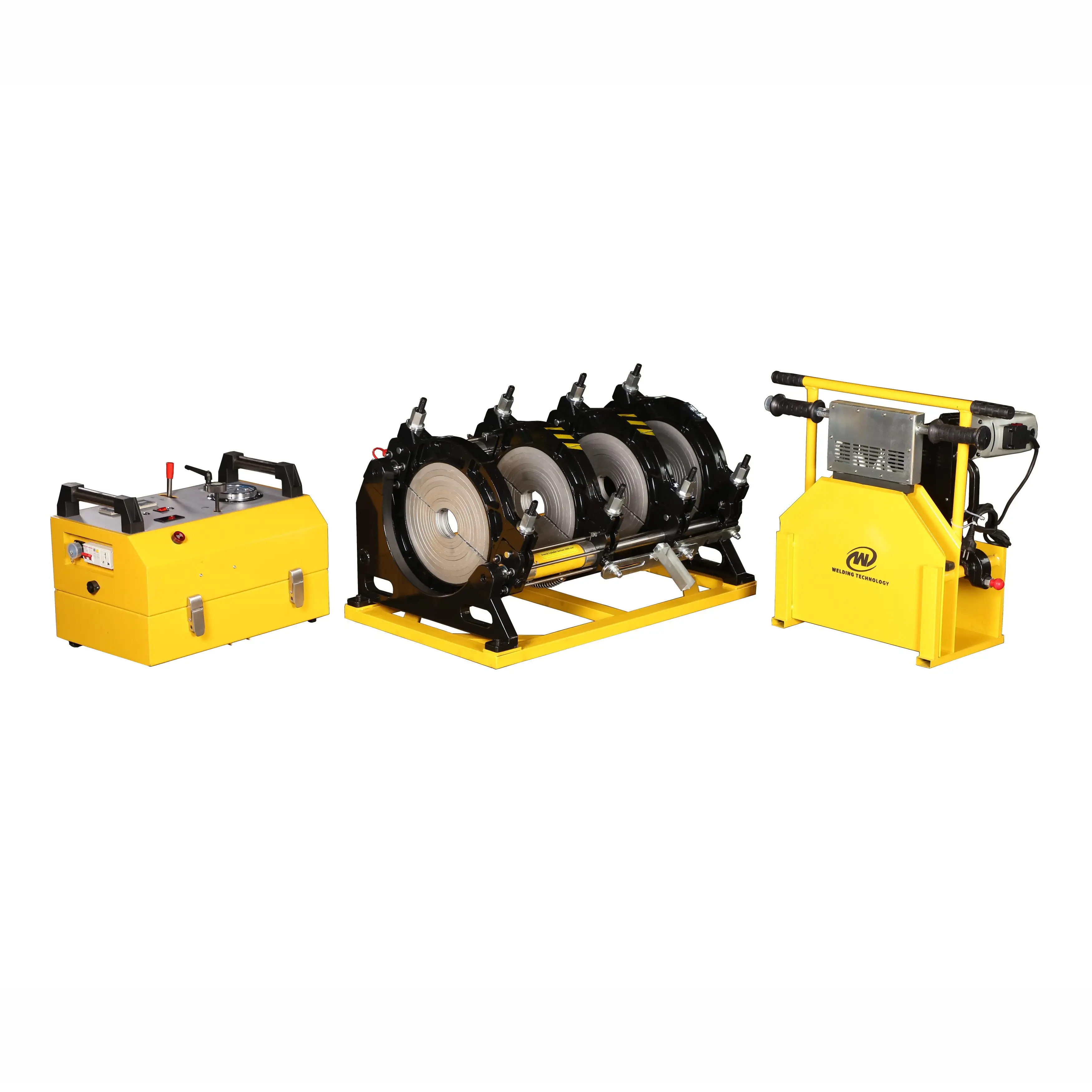
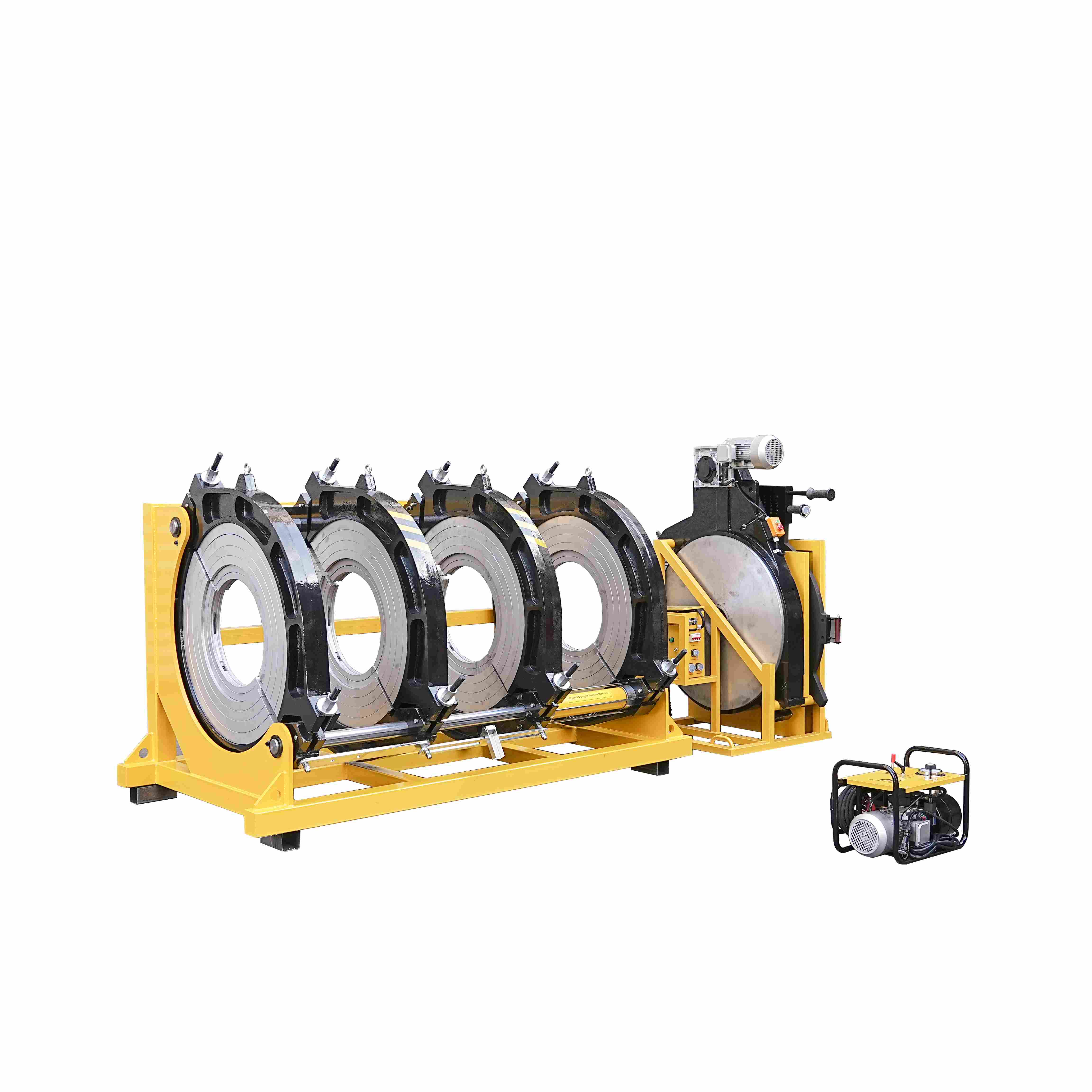
Pipeline welding equipment represents a critical investment for industries that depend on reliable and efficient joining of tubular structures across oil and gas, water distribution, chemical processing, and infrastructure development sectors. This specialized machinery encompasses automated welding systems, orbital welders, manual welding machines, and auxiliary tools designed specifically to create strong, leak-proof joints in pipelines of varying diameters and materials. The primary function of pipeline welding equipment centers on producing consistent, high-quality welds that meet stringent industry standards and withstand extreme operating conditions including high pressure, corrosive environments, and temperature fluctuations. Modern pipeline welding equipment integrates advanced technological features such as computerized control systems, real-time monitoring capabilities, automatic voltage and amperage adjustment, and precise torch positioning mechanisms that ensure optimal weld penetration and fusion. These systems accommodate multiple welding processes including SMAW (Shielded Metal Arc Welding), GMAW (Gas Metal Arc Welding), GTAW (Gas Tungsten Arc Welding), and FCAW (Flux-Cored Arc Welding), providing versatility for different pipeline materials ranging from carbon steel and stainless steel to exotic alloys. Applications extend across onshore and offshore pipeline construction projects, maintenance operations, pipeline rehabilitation programs, and facility piping installations. The equipment typically features portable designs for field deployment, allowing operators to perform welding tasks at remote locations where pipelines traverse challenging terrain. Safety mechanisms integrated into pipeline welding equipment include thermal protection systems, arc stability controls, and operator interface safeguards that minimize risks during operation. The technological sophistication of contemporary pipeline welding equipment significantly reduces manual intervention requirements while enhancing weld quality consistency, making these systems indispensable for contractors and operators committed to delivering infrastructure projects that meet regulatory compliance standards and operational longevity expectations in demanding industrial environments.


New Product Releases

Investing in quality pipeline welding equipment delivers transformative benefits that directly impact your project timelines, budget management, and final product quality. First and foremost, these systems dramatically increase your productivity levels by completing welds faster than traditional manual methods, allowing your teams to finish pipeline sections in significantly less time. This acceleration means you can take on more projects throughout the year, increasing your revenue potential while meeting tight construction deadlines that clients demand. The consistency that pipeline welding equipment provides eliminates the variability inherent in manual welding, where different operators produce different quality levels depending on their skill and fatigue. With automated or semi-automated systems, every weld meets the same high standard, reducing the rejection rates during inspection phases and eliminating costly rework that drains both time and materials from your budget. Your operators will appreciate the ergonomic advantages these systems offer, as the equipment handles the most physically demanding aspects of the welding process, reducing fatigue and the risk of repetitive strain injuries that lead to worker compensation claims and project delays. The precision controls built into modern pipeline welding equipment ensure optimal heat input and filler metal deposition, creating stronger joints that resist cracking, corrosion, and failure under operational stresses, which translates directly into longer service life for the pipelines you construct and fewer emergency repair calls that damage your reputation. You will notice immediate cost savings through reduced material waste, as the equipment calculates exact filler metal requirements and minimizes spatter and excess deposits that manual welding often produces. The digital monitoring systems integrated into pipeline welding equipment provide real-time documentation of welding parameters, creating automatic quality records that satisfy regulatory auditors and client quality assurance requirements without additional paperwork burdens on your administrative staff. Training new welders becomes faster and more effective when using pipeline welding equipment because the systems guide operators through proper techniques and prevent common errors that would otherwise take years of experience to avoid. Your competitive position strengthens considerably when you can guarantee consistent quality, faster completion times, and comprehensive documentation that risk-averse clients value when selecting contractors for critical infrastructure projects. The versatility of pipeline welding equipment allows you to bid on diverse projects involving different pipe materials, diameters, and specifications without needing to maintain separate specialized tools for each application, streamlining your equipment inventory and reducing capital expenditure. Finally, the reduced defect rates and elimination of expensive repair work mean your profit margins improve substantially on every project, providing the financial foundation for business growth and equipment fleet expansion.

Tips And Tricks

What Is a Plastic Pipe Electric Fusion Welder and How Does It Work?

15

Apr

What Is a Plastic Pipe Electric Fusion Welder and How Does It Work?

A plastic pipe electric fusion welder is a specialized welding device designed to join thermoplastic pipes and fittings through a controlled heating process known as electrofusion. This technology has revolutionized the way polyethylene, polypropylen...
View More
Why Is a Butt Welding Machine Used in Heavy Duty Fabrication Projects?

01

May

Why Is a Butt Welding Machine Used in Heavy Duty Fabrication Projects?

Heavy duty fabrication projects demand precision, structural integrity, and efficiency in joining thermoplastic components, particularly in industries handling large-diameter pipelines, industrial storage systems, and infrastructure installations. Th...
View More
How Can an HDPE Thermofusion Welding Machine Ensure Leak Free Systems?

23

Jun

How Can an HDPE Thermofusion Welding Machine Ensure Leak Free Systems?

In pipeline infrastructure across water treatment, gas distribution, and industrial fluid handling, achieving a truly leak-free system is one of the most demanding engineering challenges operators face. The HDPE thermofusion welding machine has emerg...
View More
How Can a Plastic Band Cutting Saw Ensure Accurate Cutting Results?

30

Jun

How Can a Plastic Band Cutting Saw Ensure Accurate Cutting Results?

In plastic fabrication and industrial processing environments, precision is not a luxury — it is a baseline requirement. A plastic band cutting saw is one of the most reliable tools available when consistent, clean, and accurate cuts are the goal. Wh...
View More

Get a Free Quote

Our representative will contact you soon.
E-mail
Name
Mobile/WhatsApp
Company Name
Message
0/1000

pipeline welding equipment

Advanced Automation Technology That Transforms Welding Efficiency

Advanced Automation Technology That Transforms Welding Efficiency

The automation capabilities integrated into modern pipeline welding equipment represent a revolutionary advancement that fundamentally changes how pipeline construction projects execute their joining operations. These sophisticated systems employ computer-controlled mechanisms that manage every critical aspect of the welding process with precision impossible to achieve through manual operation alone. The equipment continuously monitors and adjusts welding current, voltage, travel speed, and wire feed rate in real-time, responding instantly to variations in joint configuration, material thickness, and environmental conditions that would challenge even the most experienced human operators. This intelligent automation ensures that each weld receives exactly the right amount of heat input, preventing common defects such as incomplete fusion, excessive penetration, or heat-affected zone weakening that compromise pipeline integrity. The travel mechanisms built into pipeline welding equipment maintain consistent torch positioning and movement speed around the entire pipe circumference, eliminating the irregular bead appearance and strength variations that occur when welders manually circle large-diameter pipes while fighting fatigue and awkward positioning. Operators interface with these systems through intuitive touchscreen displays that present welding parameters in clear, understandable formats rather than requiring interpretation of analog gauges and manual calculations. The automation extends to pre-programmed welding procedures that store optimal settings for specific pipe materials, diameters, and wall thicknesses, allowing operators to select the appropriate program and begin welding immediately without trial-and-error setup time. This consistency proves especially valuable when welding critical applications where pipeline failures could result in environmental disasters, safety hazards, or massive financial losses from production shutdowns. The equipment automatically compensates for variables such as ambient temperature changes, electrode extension variations, and shielding gas flow fluctuations that would otherwise require constant manual adjustment. Documentation capabilities embedded in the automation systems record every welding parameter throughout each joint completion, creating comprehensive quality records that satisfy regulatory requirements and provide traceability if questions arise during inspections or operational service. The reduction in operator skill requirements that automation provides addresses the persistent shortage of experienced pipeline welders by enabling less-experienced workers to produce professional-quality results under the guidance of the intelligent control systems. Your project schedules become more predictable because the consistent welding speeds and reduced defect rates eliminate the uncertainty that manual welding introduces into timeline planning.
Exceptional Versatility Across Multiple Pipeline Applications

Exceptional Versatility Across Multiple Pipeline Applications

Pipeline welding equipment delivers remarkable versatility that allows contractors and facility operators to address diverse welding challenges with a single equipment investment rather than maintaining separate specialized tools for different applications. These adaptable systems accommodate an extensive range of pipe diameters from small-bore instrumentation tubing measuring just a few inches in diameter up to large transmission pipelines exceeding four feet across, providing the flexibility to bid on projects spanning the entire spectrum of pipeline construction work. The equipment easily transitions between different welding processes, supporting SMAW operations for field repairs where power sources are limited, GMAW applications that prioritize deposition rates on large-diameter pipes, GTAW work on stainless steel and exotic alloys requiring superior quality, and FCAW techniques for outdoor construction where wind conditions challenge gas shielding. This multi-process capability eliminates the need to transport multiple welding machines to job sites, reducing logistics costs and setup time while ensuring you always have the right tool available regardless of which welding method the specifications require. Material compatibility extends across carbon steels commonly used in oil and gas transmission, stainless steels for corrosive service applications, duplex alloys for offshore platforms, and specialized materials like Inconel and Hastelloy for chemical processing facilities. The adjustable clamping systems and adaptable torch mounting configurations allow pipeline welding equipment to work effectively on horizontal, vertical, and overhead pipe orientations, providing complete positional capability that manual welding struggles to match in terms of quality consistency. Position flexibility becomes especially critical during repair operations where existing pipeline configurations dictate welding positions rather than allowing fabricators to rotate pipes into convenient orientations. Your equipment investment generates returns across multiple market sectors including oil and gas midstream operations, municipal water and wastewater infrastructure, power generation facility piping, petrochemical processing plants, mining operations, and industrial manufacturing facilities that all require reliable pipeline welding capabilities. The quick-change tooling systems incorporated into modern pipeline welding equipment enable rapid reconfiguration between different pipe sizes, reducing changeover time from hours to minutes and allowing your crew to maintain productivity when project specifications vary. This versatility extends your competitive reach into specialized niches such as pipeline rehabilitation projects where existing infrastructure requires precise welding in confined spaces, offshore platform construction demanding corrosion-resistant materials, and high-purity applications in pharmaceutical or semiconductor manufacturing where contamination control is paramount.
Superior Weld Quality That Ensures Long-Term Pipeline Integrity

Superior Weld Quality That Ensures Long-Term Pipeline Integrity

The exceptional weld quality that pipeline welding equipment consistently produces stands as perhaps its most valuable attribute, directly impacting the long-term reliability, safety, and operational performance of pipeline systems throughout their service life. These systems achieve superior quality through precise control of heat input that creates optimal fusion between base metal and filler material while minimizing distortion and residual stress that can lead to premature failure. The controlled heat input prevents the excessive grain growth and phase transformations in the heat-affected zone that weaken the pipe material adjacent to the weld, maintaining strength properties throughout the joined section. Consistent arc stability maintained by advanced power source technology eliminates the porosity, lack of fusion, and slag inclusions that occur when arc characteristics fluctuate during manual welding operations. The equipment produces smooth, uniform weld bead profiles with proper reinforcement height and toe blending that eliminate stress concentration points where fatigue cracks typically initiate during pressure cycling service. Penetration depth control ensures complete fusion through the entire pipe wall thickness without excessive melt-through that weakens the joint or creates internal irregularities that disrupt flow characteristics. The precision torch positioning and travel speed control eliminate common defects such as undercut along the bead edges, overlap at the toes, and excessive convexity that traps corrosive substances. Quality advantages become particularly evident in root pass welding where pipeline welding equipment maintains consistent gap bridging and penetration despite variations in fit-up that challenge manual welders, producing smooth internal surfaces that prevent turbulence and erosion during fluid flow. The reduced heat input compared to manual processes minimizes distortion that can throw pipes out of alignment, reducing fit-up problems in subsequent joints and maintaining proper grade for gravity-flow applications. Repeatability ensures that every weld along a pipeline route meets identical quality standards rather than exhibiting the variation inevitable when multiple welders with different skill levels work on the same project. Non-destructive examination pass rates improve dramatically when using pipeline welding equipment because the consistent quality eliminates the random defects that require expensive repair procedures and project delays. The superior quality translates directly into extended service life for pipeline systems, reducing the total cost of ownership through fewer leak incidents, less frequent inspection requirements, and delayed replacement timelines. Your reputation for delivering reliable infrastructure strengthens with each successful project where pipelines perform flawlessly throughout their design life, generating referrals and repeat business that drive sustainable growth.

Get a Free Quote

Our representative will contact you soon.
E-mail
Name
Mobile/WhatsApp
Company Name
Message
0/1000