Auto Pipe Welding Machine - Precision Automated Welding Solutions for Industrial Pipe Fabrication

Get a Free Quote

Our representative will contact you soon.
E-mail
Name
Mobile/WhatsApp
Company Name
Message
0/1000

auto pipe welding machine

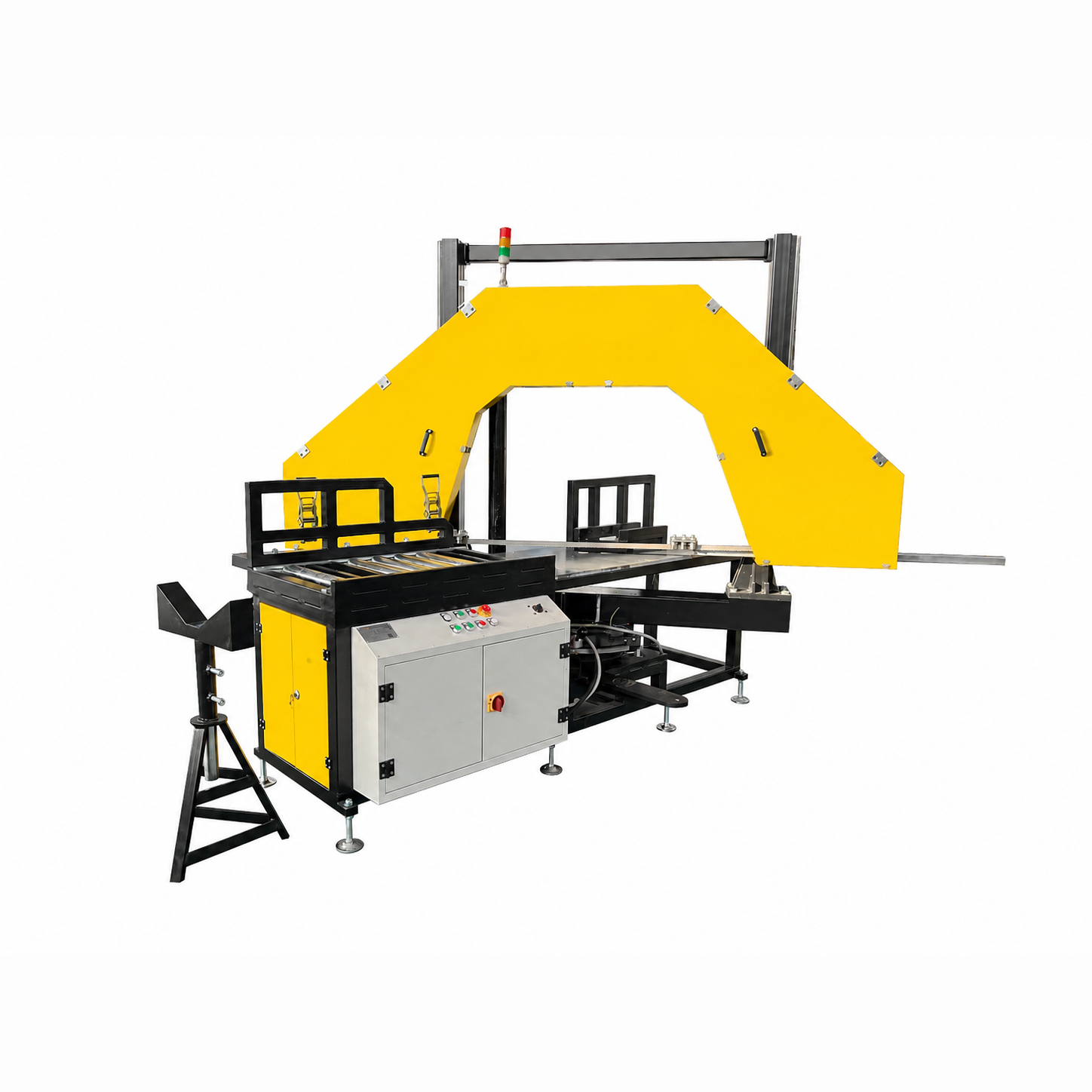
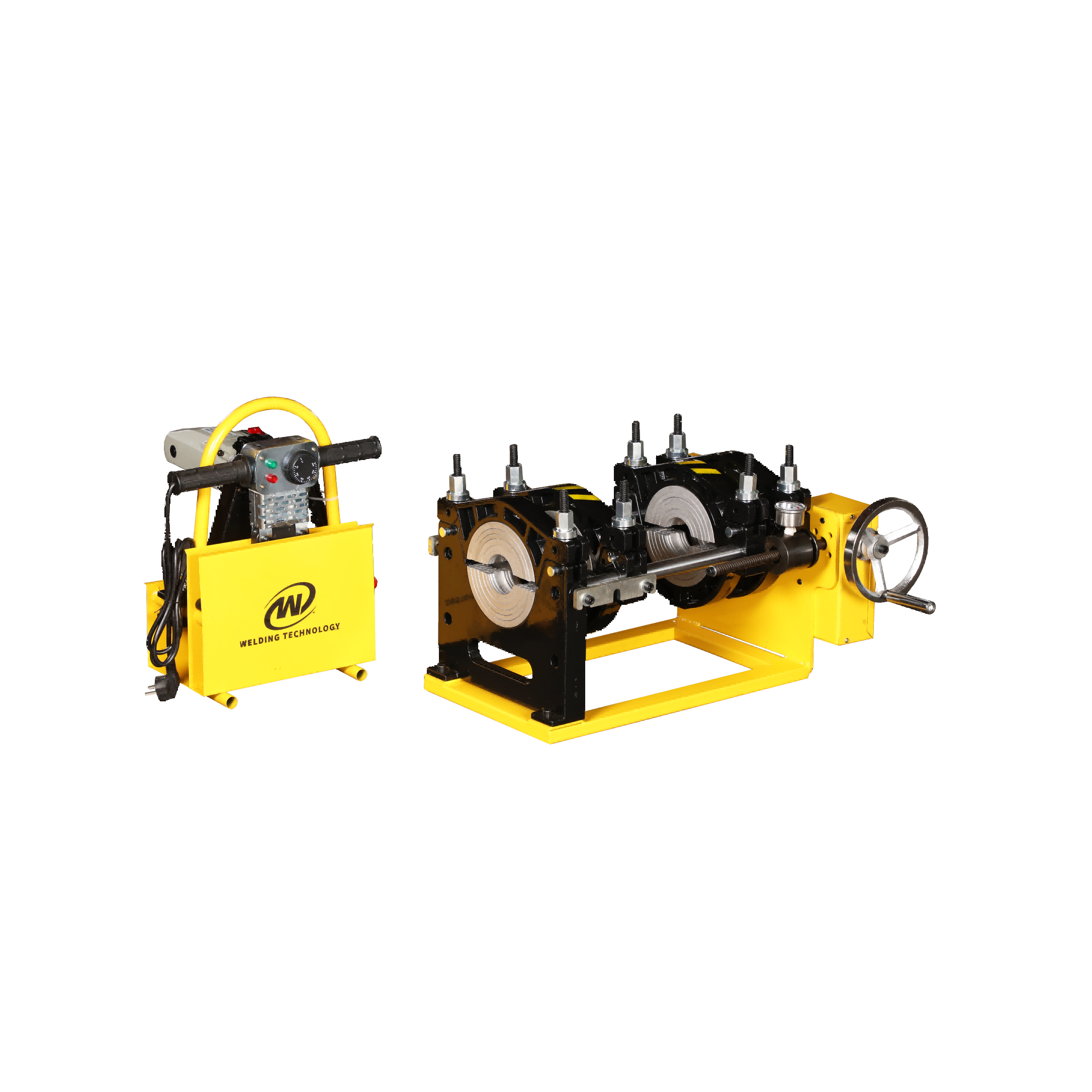
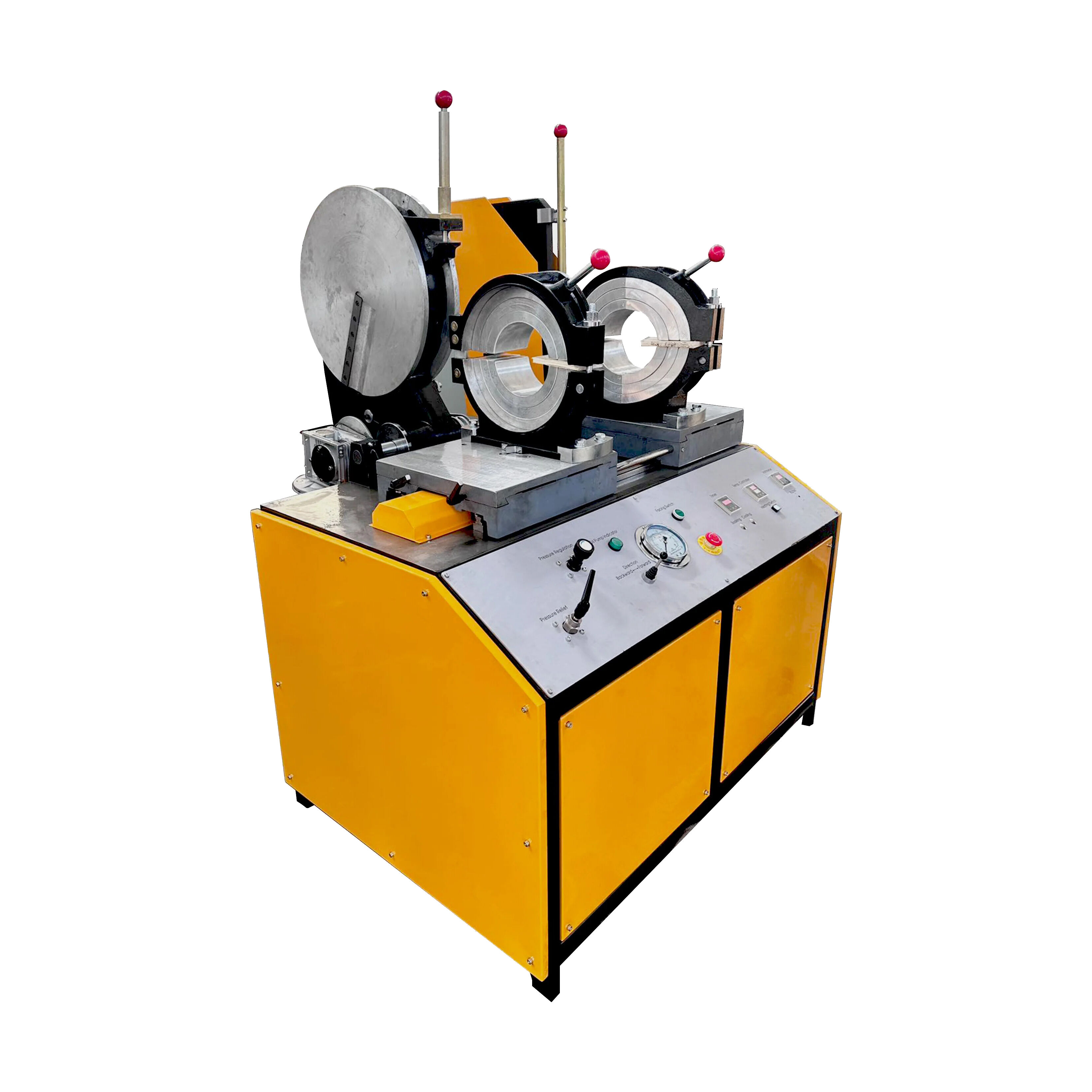
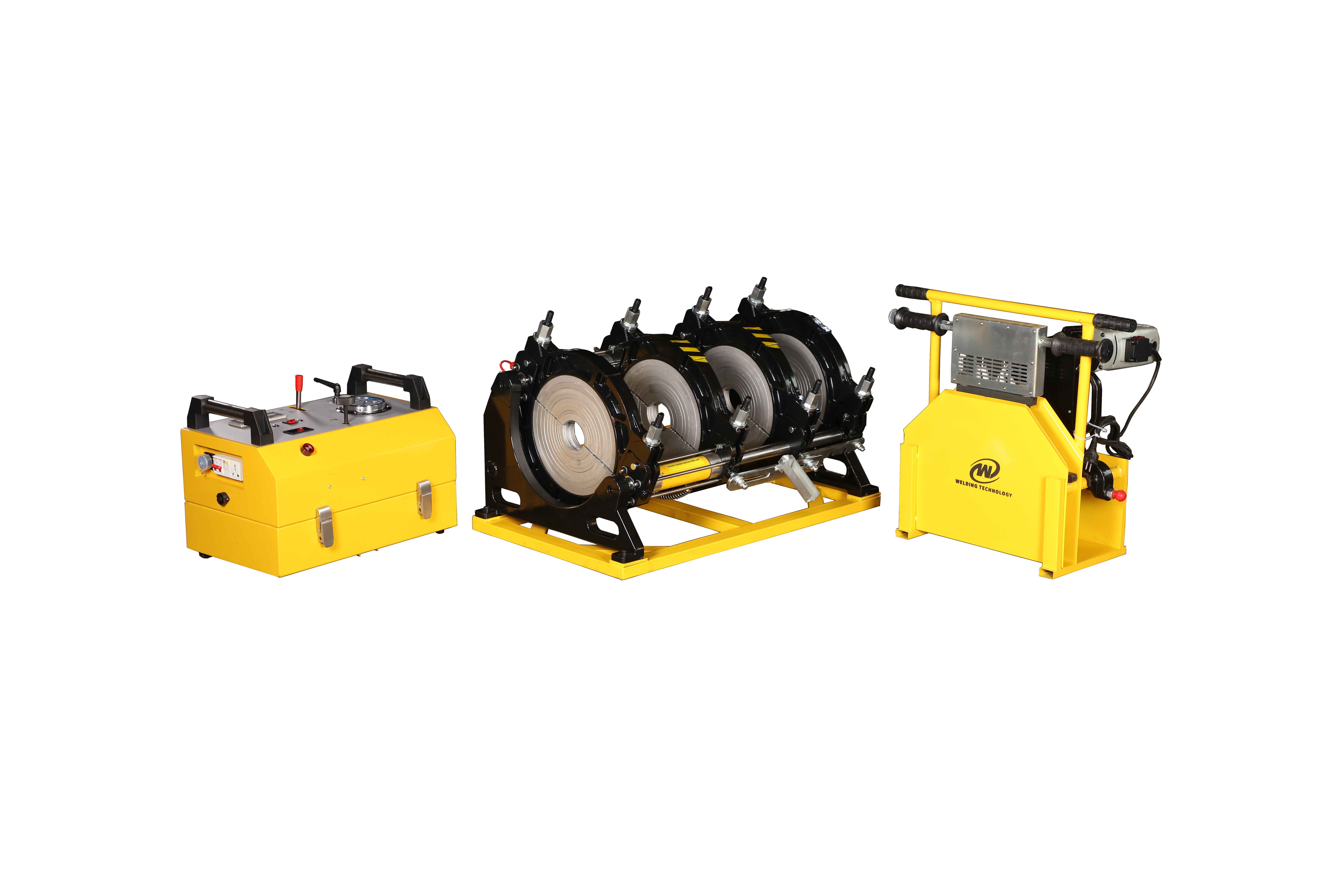
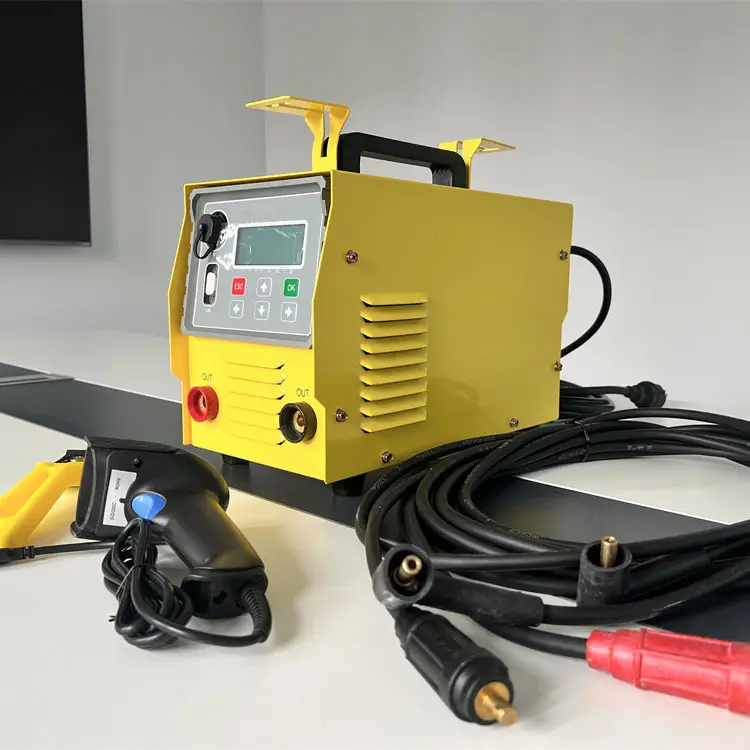
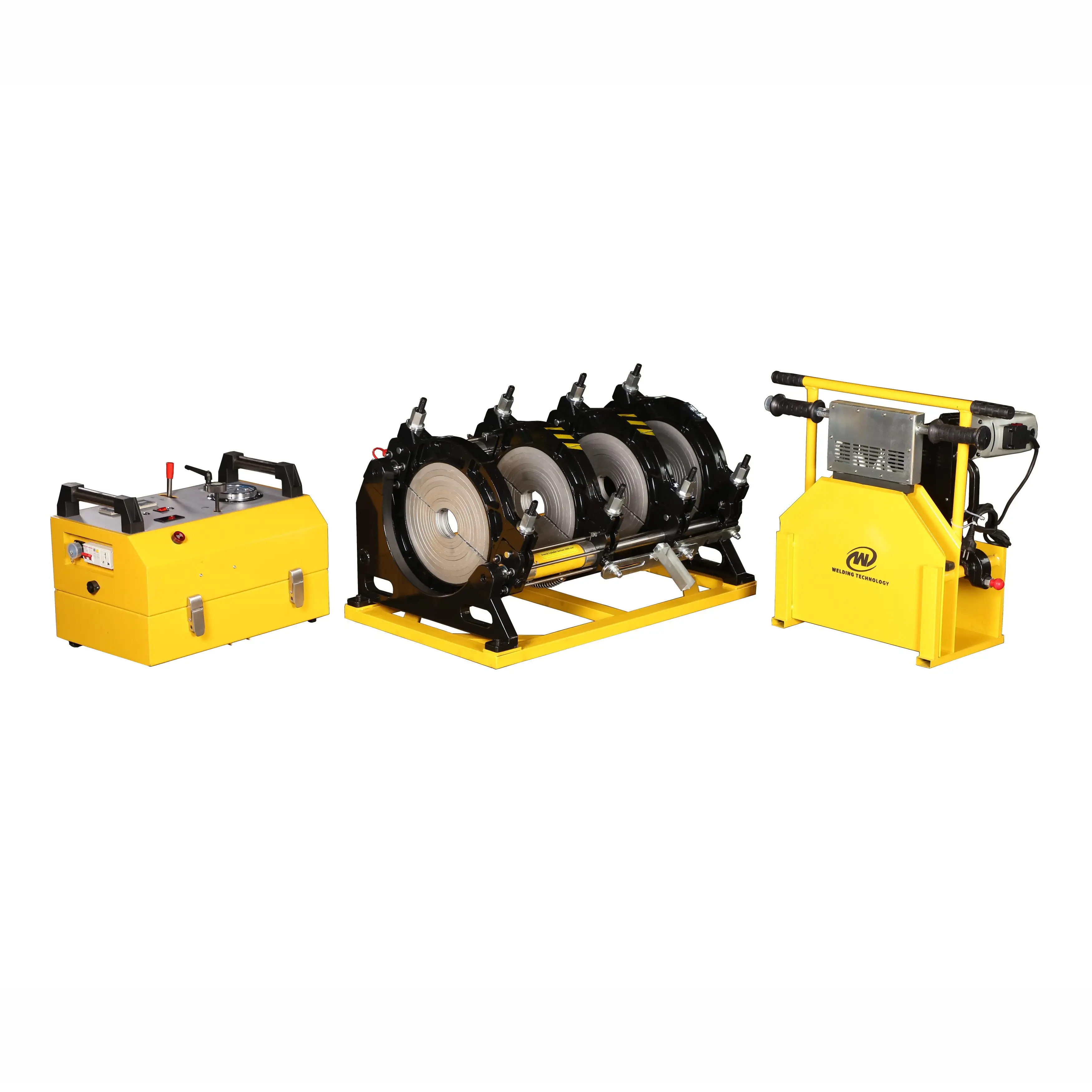
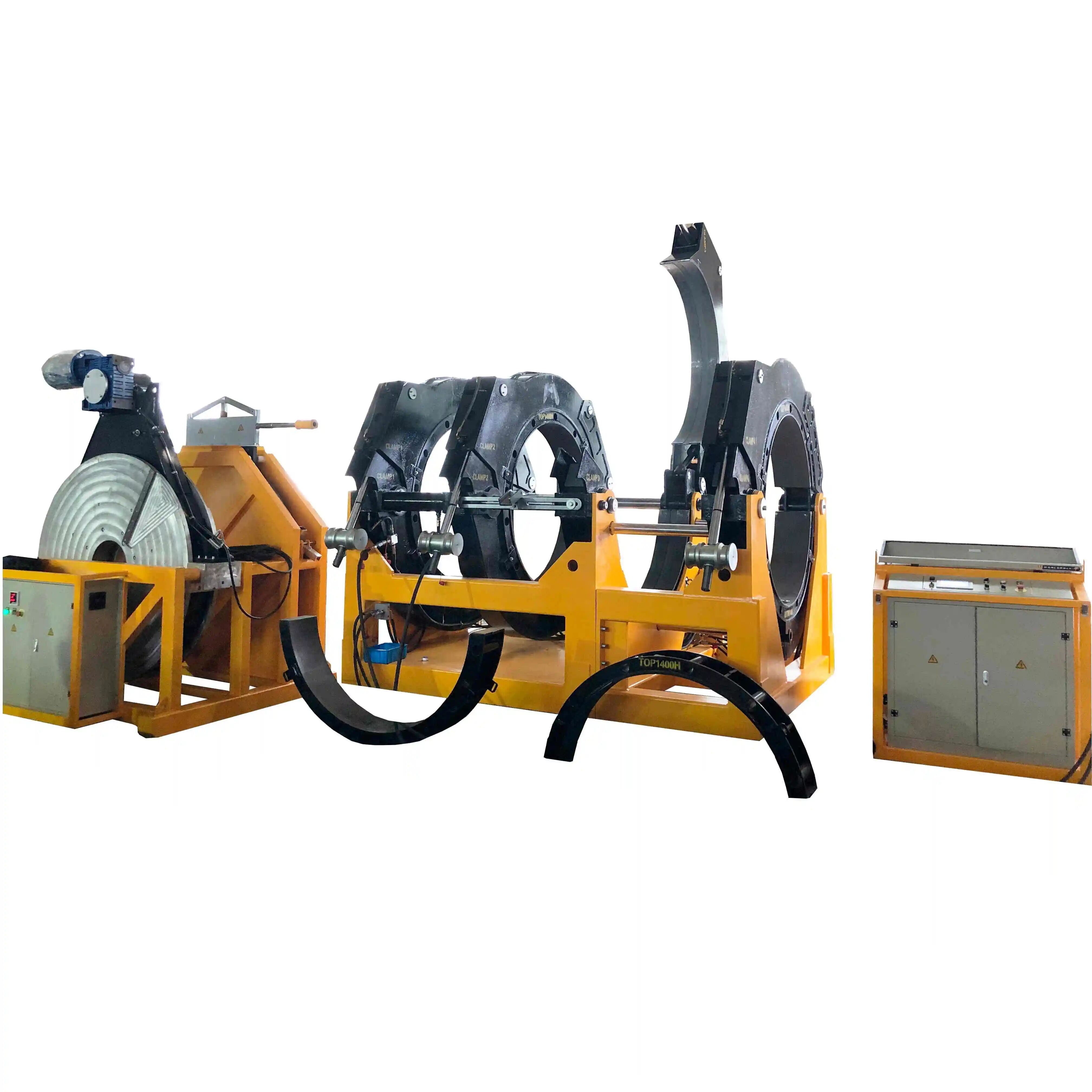
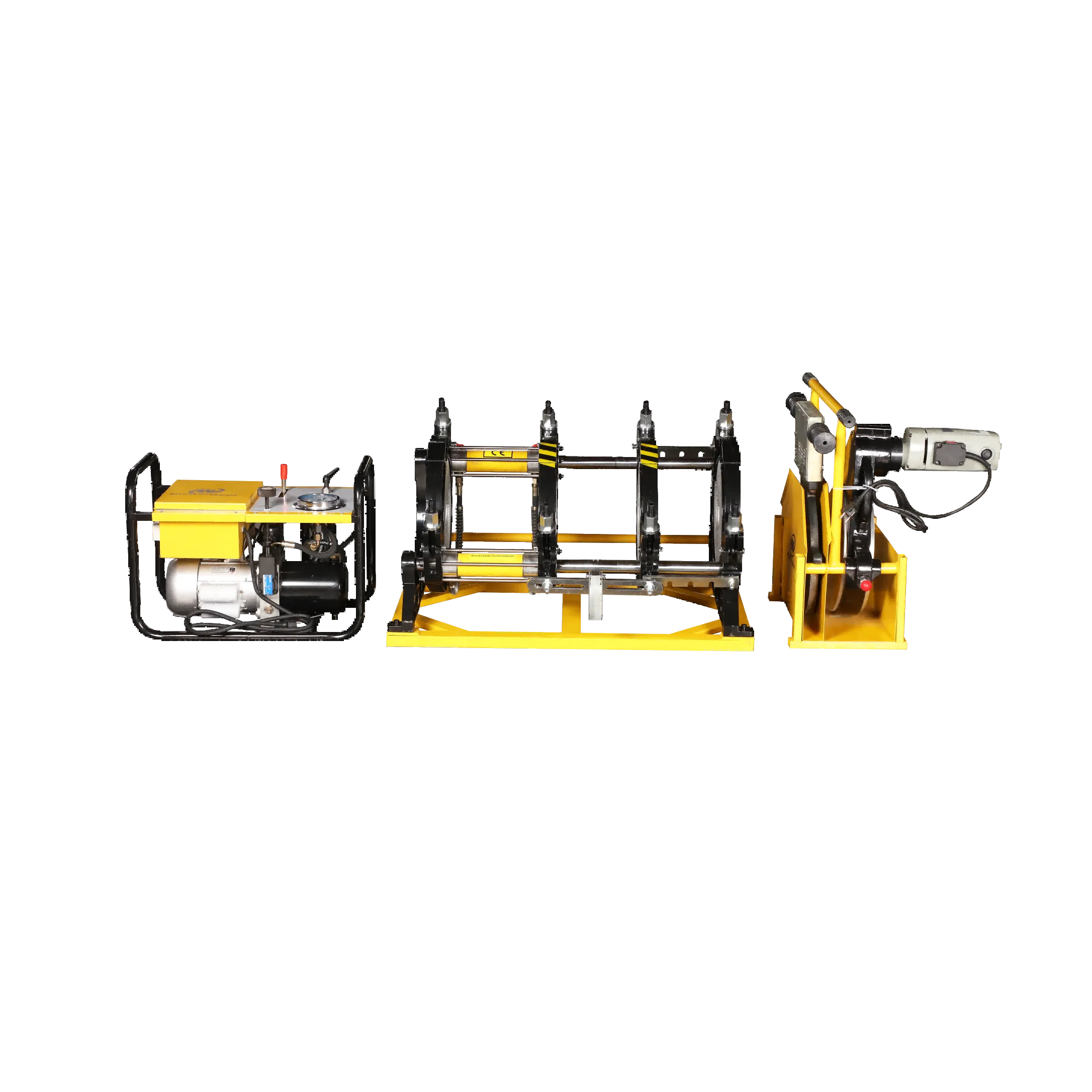
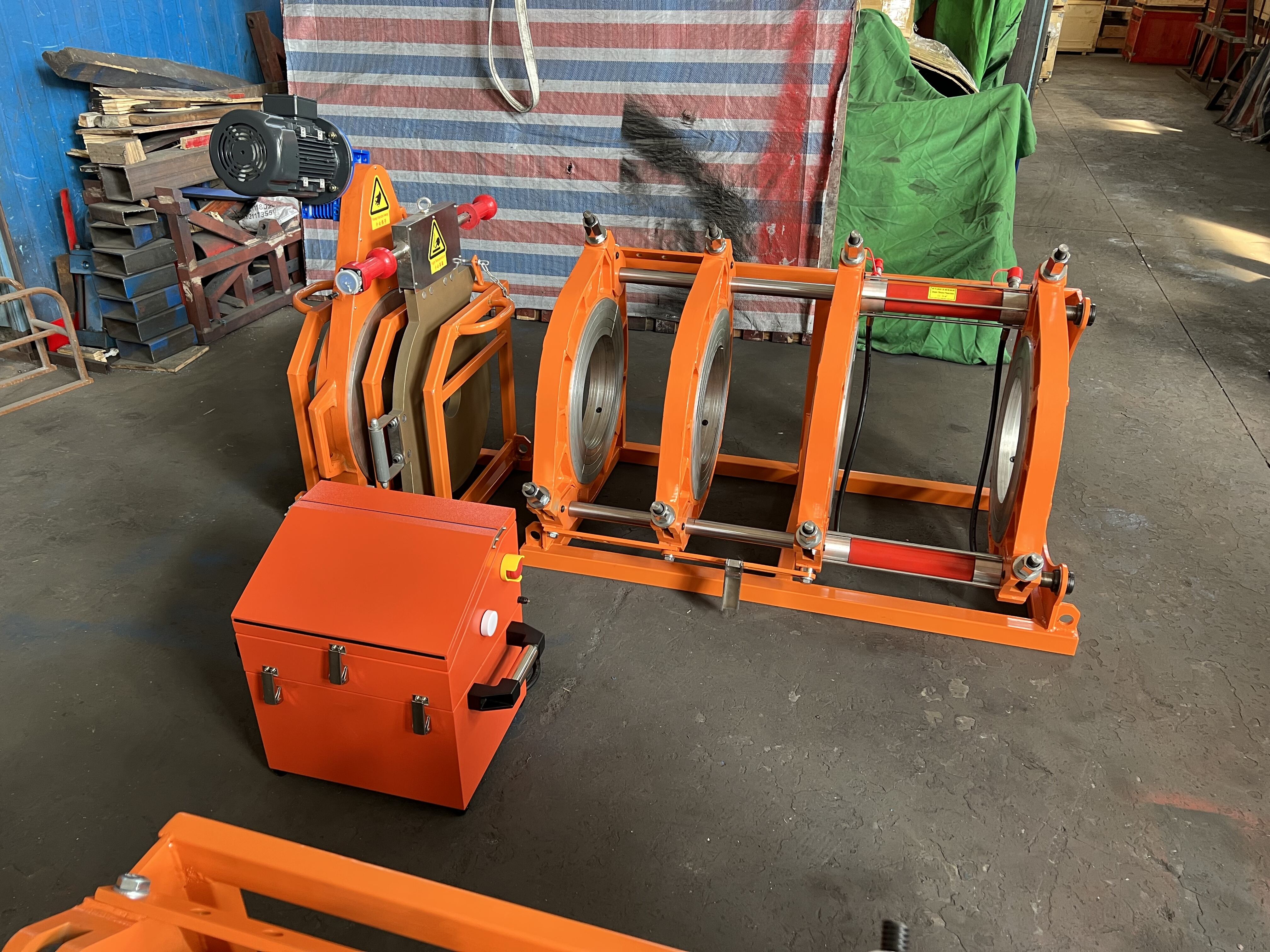
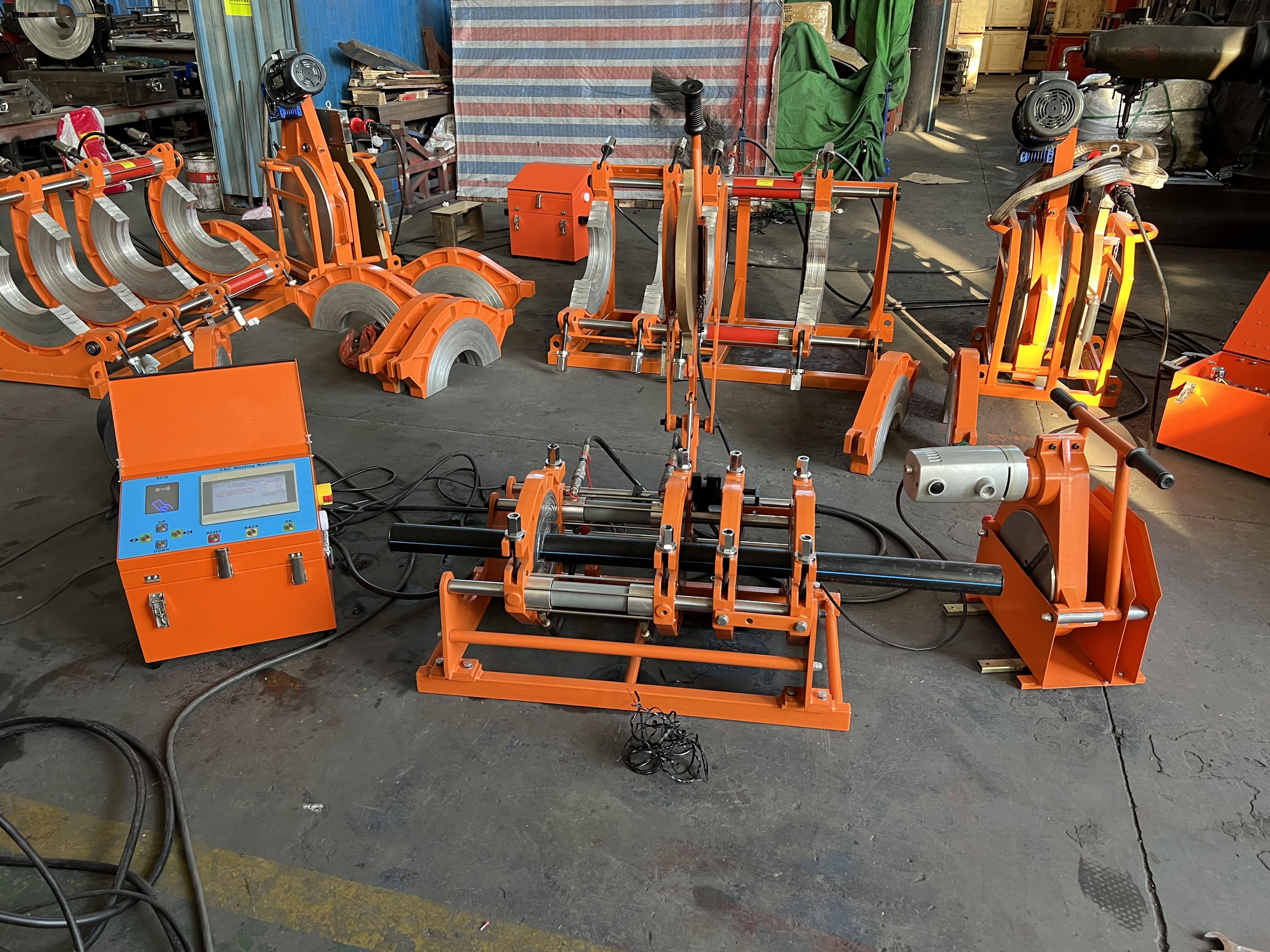
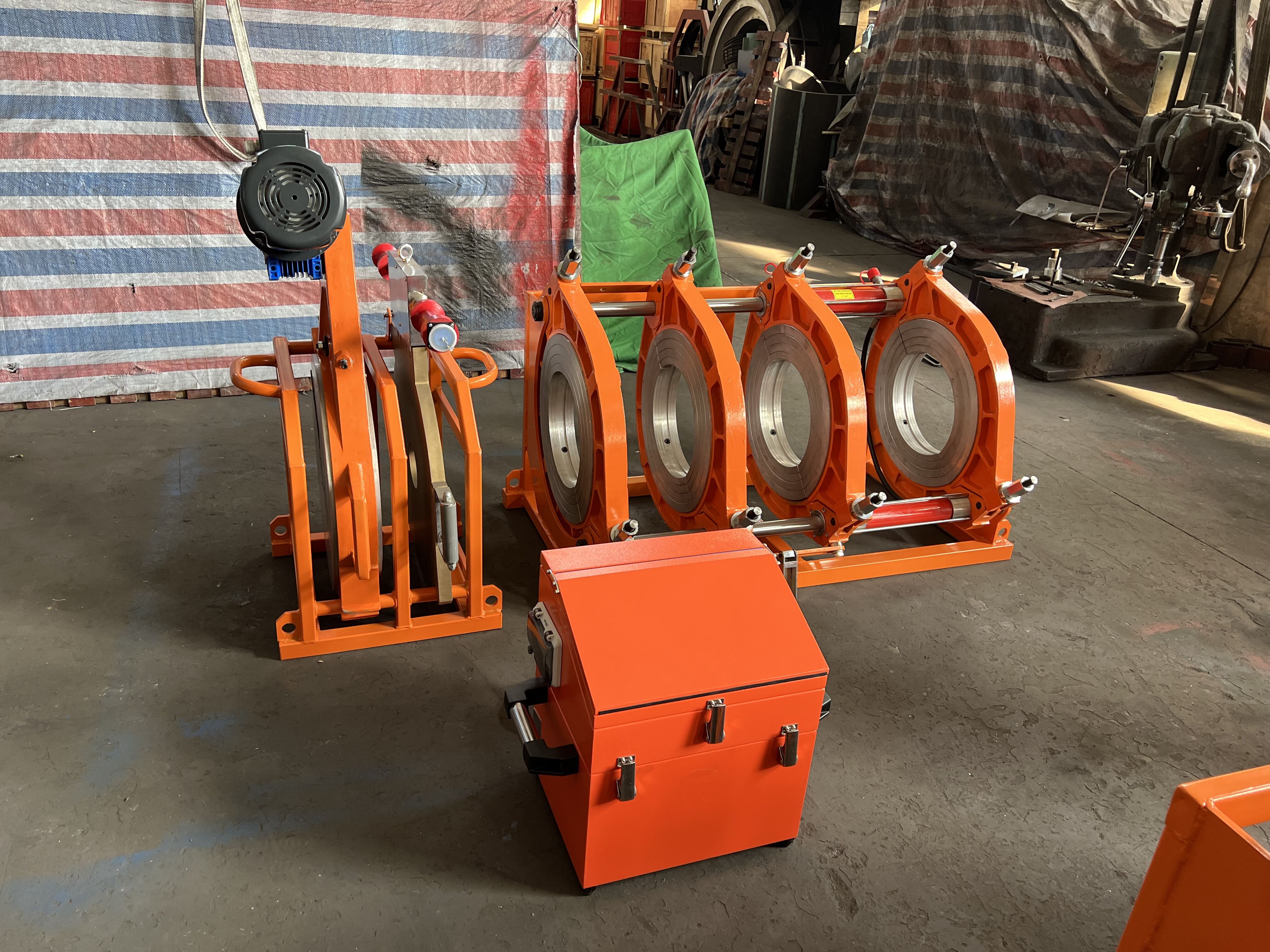
An auto pipe welding machine represents a sophisticated manufacturing solution designed to automate the welding process for cylindrical pipe sections across various industries. This advanced equipment combines precision engineering with automated controls to deliver consistent, high-quality welds on pipes of different diameters and materials. The primary function of an auto pipe welding machine centers on creating strong, leak-proof joints between pipe segments through controlled heat application and filler material deposition. These machines utilize programmable logic controllers that manage welding parameters such as voltage, current, travel speed, and wire feed rates to ensure optimal weld penetration and strength. The technological features include rotating fixtures that hold pipes securely while the welding head moves in coordinated patterns, real-time monitoring systems that detect defects during the welding process, and multi-axis positioning mechanisms that enable complex weld geometries. Modern auto pipe welding machines incorporate digital interfaces that allow operators to store welding programs for different pipe specifications, reducing setup time between production runs. The equipment typically features adjustable clamping systems to accommodate various pipe diameters, automatic wire feeding mechanisms that maintain consistent filler material supply, and cooling systems that prevent overheating during extended operation. Applications for auto pipe welding machines span numerous sectors including oil and gas pipeline construction, water distribution infrastructure, HVAC system manufacturing, automotive exhaust component production, and pressure vessel fabrication. The machines prove particularly valuable in shipbuilding operations where numerous pipe sections require reliable welding, in power plant construction where high-pressure steam lines demand flawless joints, and in chemical processing facilities where corrosion-resistant pipe materials need specialized welding techniques. The versatility of auto pipe welding machines extends to both carbon steel and stainless steel pipes, as well as specialty alloys used in demanding applications, making them indispensable tools for modern fabrication facilities seeking to maintain competitive production rates while ensuring structural integrity in their welded pipe assemblies.


Popular Products

The auto pipe welding machine delivers substantial time savings compared to manual welding methods, completing joints in a fraction of the time required by human welders while maintaining superior consistency across every weld. Production facilities experience dramatic throughput increases because the machine operates continuously without fatigue, breaks, or performance degradation throughout extended shifts. This consistent operation translates directly into predictable production schedules and faster project completion timelines. Cost efficiency emerges as another compelling advantage since automated welding reduces labor expenses associated with skilled welders while simultaneously decreasing material waste through precise filler metal application. The machine applies exactly the amount of welding wire needed for each joint, eliminating the excessive material usage that often occurs with manual techniques. Quality improvements represent perhaps the most significant benefit, as the auto pipe welding machine produces uniform welds that meet strict industry standards without the variability inherent in human performance. Each weld exhibits identical penetration depth, bead appearance, and structural strength because the machine follows programmed parameters without deviation. Safety enhancements protect workers by removing them from hazardous welding environments where exposure to intense light, fumes, and heat poses health risks. Operators monitor the process from safe distances while the machine handles the actual welding operations in enclosed or well-ventilated spaces. Reproducibility becomes effortless since the machine stores welding programs that can be recalled instantly for repeat orders, ensuring every production run matches previous quality standards. This feature proves invaluable for manufacturers supplying pipe assemblies to clients with rigorous specifications. Training requirements decrease substantially because operating an auto pipe welding machine demands less specialized skill than manual welding, allowing facilities to staff positions more easily and reduce training periods. The digital controls provide intuitive interfaces that guide operators through setup procedures and parameter adjustments. Documentation capabilities built into modern machines automatically record welding parameters for each joint, creating traceability records that satisfy quality management systems and regulatory compliance requirements. These detailed logs help identify process improvements and provide evidence of proper manufacturing practices. Flexibility in handling different pipe sizes and materials gives manufacturers the ability to diversify their product offerings without investing in multiple specialized machines, as parameter adjustments accommodate various specifications. The reduced rework rates resulting from consistent quality lower overall production costs by minimizing defective parts that require repair or scrapping. Energy efficiency features optimize power consumption during welding cycles, contributing to lower operating costs and reduced environmental impact compared to less sophisticated equipment.

Latest News

What Is a Plastic Pipe Electric Fusion Welder and How Does It Work?

15

Apr

What Is a Plastic Pipe Electric Fusion Welder and How Does It Work?

A plastic pipe electric fusion welder is a specialized welding device designed to join thermoplastic pipes and fittings through a controlled heating process known as electrofusion. This technology has revolutionized the way polyethylene, polypropylen...
View More
Why Is a Butt Welding Machine Used in Heavy Duty Fabrication Projects?

01

May

Why Is a Butt Welding Machine Used in Heavy Duty Fabrication Projects?

Heavy duty fabrication projects demand precision, structural integrity, and efficiency in joining thermoplastic components, particularly in industries handling large-diameter pipelines, industrial storage systems, and infrastructure installations. Th...
View More
How Can a Plastic Sheet Butt Welding Machine Ensure Strong Seams?

05

May

How Can a Plastic Sheet Butt Welding Machine Ensure Strong Seams?

The strength and integrity of welded plastic seams directly impact the performance, durability, and safety of countless industrial applications, from geomembranes in environmental containment to large-scale tank fabrication. Achieving consistently st...
View More
How Does an HDPE Thermofusion Welding Machine Improve Joint Quality?

16

Jun

How Does an HDPE Thermofusion Welding Machine Improve Joint Quality?

In pipeline construction and fluid transport infrastructure, the quality of every joint determines the long-term integrity of the entire system. A poorly fused joint is not simply a weak point — it is a liability that can lead to leaks, system failur...
View More

Get a Free Quote

Our representative will contact you soon.
E-mail
Name
Mobile/WhatsApp
Company Name
Message
0/1000

auto pipe welding machine

Precision Control Technology Ensures Flawless Weld Quality

Precision Control Technology Ensures Flawless Weld Quality

The precision control technology integrated into auto pipe welding machines represents a transformative advancement that fundamentally changes how manufacturers approach pipe fabrication quality. This sophisticated system employs multiple sensors and feedback loops that continuously monitor critical welding parameters throughout every phase of the joining process, making real-time adjustments to maintain optimal conditions. The control system measures arc voltage with millisecond precision, detecting even minor fluctuations that could indicate problems with electrode positioning or contamination on the pipe surface. When deviations occur, the machine instantly modifies power output to compensate, ensuring consistent heat input across the entire weld circumference. Wire feed speed regulation maintains uniform filler material deposition, preventing the weak spots that emerge from insufficient material or the excessive buildup that wastes resources and creates stress concentrations. The travel speed control coordinates the welding head movement with other parameters, ensuring proper dwell time at each point along the joint for adequate fusion without excessive heat that could distort thin-walled pipes. Temperature monitoring prevents overheating in heat-affected zones that could compromise material properties, particularly important when working with alloy steels or materials requiring specific heat treatment conditions. The programmable nature of these controls allows manufacturers to develop optimized welding procedures for each pipe specification in their product catalog, storing these programs for instant recall when orders arrive. This capability eliminates the trial-and-error approach often necessary with manual welding, where achieving the right combination of settings requires extensive experience and multiple test pieces. The precision control technology also enables welding of challenging materials that demand exacting conditions, such as duplex stainless steels that require careful heat management to preserve their corrosion resistance properties. For manufacturers serving industries with stringent quality requirements like aerospace, pharmaceutical processing, or nuclear power, this level of control provides confidence that every weld will meet specifications without costly inspection failures or field failures that damage reputation and trigger warranty claims. The system's ability to maintain consistency across thousands of welds eliminates the performance variability that plagues manual operations, where welder fatigue, distraction, or skill differences create unpredictable quality outcomes.
Automated Positioning System Maximizes Productivity and Versatility

Automated Positioning System Maximizes Productivity and Versatility

The automated positioning system built into modern auto pipe welding machines revolutionizes production efficiency by eliminating time-consuming manual adjustments and enabling operations that would be physically impossible for human welders to perform consistently. This system combines motorized fixtures, servo-controlled rotation mechanisms, and precision alignment tools that work together to position pipes at optimal angles for welding while maintaining perfect concentricity between joining sections. The rotating fixture holds pipes securely with adjustable clamping pressure that prevents slippage without deforming thin-walled sections, automatically centering each piece to ensure uniform gap spacing around the entire joint circumference. This automatic centering eliminates the tedious manual alignment process that consumes significant setup time in traditional welding operations, allowing operators to load the next pipe section while the machine completes the current weld. The servo motors provide smooth, consistent rotation at speeds precisely synchronized with welding parameters, ensuring the arc maintains proper position relative to the joint as the pipe turns beneath the welding head. This coordination proves critical for achieving uniform penetration and preventing defects like undercut or incomplete fusion that occur when rotation speed doesn't match welding speed. Multi-axis positioning capabilities enable the welding head to follow complex joint geometries such as branch connections or transition pieces between different pipe diameters, expanding the range of products a single machine can produce. The positioning system also accommodates pipes of vastly different sizes through quick-change tooling that adapts the fixtures from small-diameter tubing to large industrial pipes in minutes rather than hours. This versatility allows fabricators to accept diverse orders without maintaining separate machines for each size range, improving equipment utilization and return on investment. The automated system reduces physical strain on operators who would otherwise manually rotate heavy pipes or hold welding torches in awkward positions for extended periods, addressing ergonomic concerns that contribute to workplace injuries and long-term health issues. For high-volume production runs, the positioning system interfaces with robotic loading equipment that creates fully automated cells where pipes move from storage racks through welding stations to finished goods without human handling, achieving the throughput necessary to compete in cost-sensitive markets while maintaining the quality standards that differentiate premium suppliers from commodity producers.
Comprehensive Safety Features Protect Workers and Equipment

Comprehensive Safety Features Protect Workers and Equipment

The comprehensive safety features engineered into auto pipe welding machines address the numerous hazards associated with welding operations, creating a protected environment that safeguards both human operators and expensive equipment from damage while ensuring compliance with occupational health regulations. Physical barriers surround the welding zone with interlocked enclosures that prevent access during operation, blocking the intense ultraviolet and infrared radiation that causes eye damage and skin burns when workers are exposed to open welding arcs. These enclosures incorporate viewing windows with appropriate filtering to allow process monitoring without direct arc exposure, letting operators verify proper operation while remaining protected. Fume extraction systems capture welding smoke at the source before it disperses into the workspace, removing toxic metal vapors and particulates that accumulate in lungs and cause respiratory diseases when inhaled over extended periods. The extraction systems include filtration that removes hazardous particles before exhausting air, preventing environmental contamination and meeting emission standards. Automatic fire suppression systems detect sparks or flames that could ignite nearby combustible materials, deploying extinguishing agents within seconds to prevent equipment damage and facility fires that threaten lives and destroy property. Emergency stop controls positioned at multiple locations around the machine allow immediate shutdown when operators observe problems, providing quick response capability that prevents minor issues from escalating into serious incidents. Electrical safety features include ground fault detection that interrupts power when insulation failures create shock hazards, protecting personnel from electrocution and preventing equipment damage from short circuits. Thermal overload protection monitors motor temperatures and current draw, shutting down operations before components overheat and fail, extending equipment lifespan while preventing fires. The control system incorporates multiple redundant safety circuits that must all confirm safe conditions before allowing operation to commence, preventing accidental starts that could injure workers performing maintenance or loading materials. Gas leak detection monitors shielding gas supply lines for leaks that could displace oxygen in enclosed spaces, triggering alarms and automatic shutoffs that prevent asphyxiation hazards. The machine design eliminates pinch points where operators could trap fingers or hands during pipe loading, incorporating guards and sensors that detect obstructions before moving components can cause crushing injuries. Comprehensive operator training programs integrated with the machine's control system ensure personnel understand proper procedures and safety protocols before operating equipment independently, reducing accidents caused by unfamiliarity or improper techniques.

Get a Free Quote

Our representative will contact you soon.
E-mail
Name
Mobile/WhatsApp
Company Name
Message
0/1000