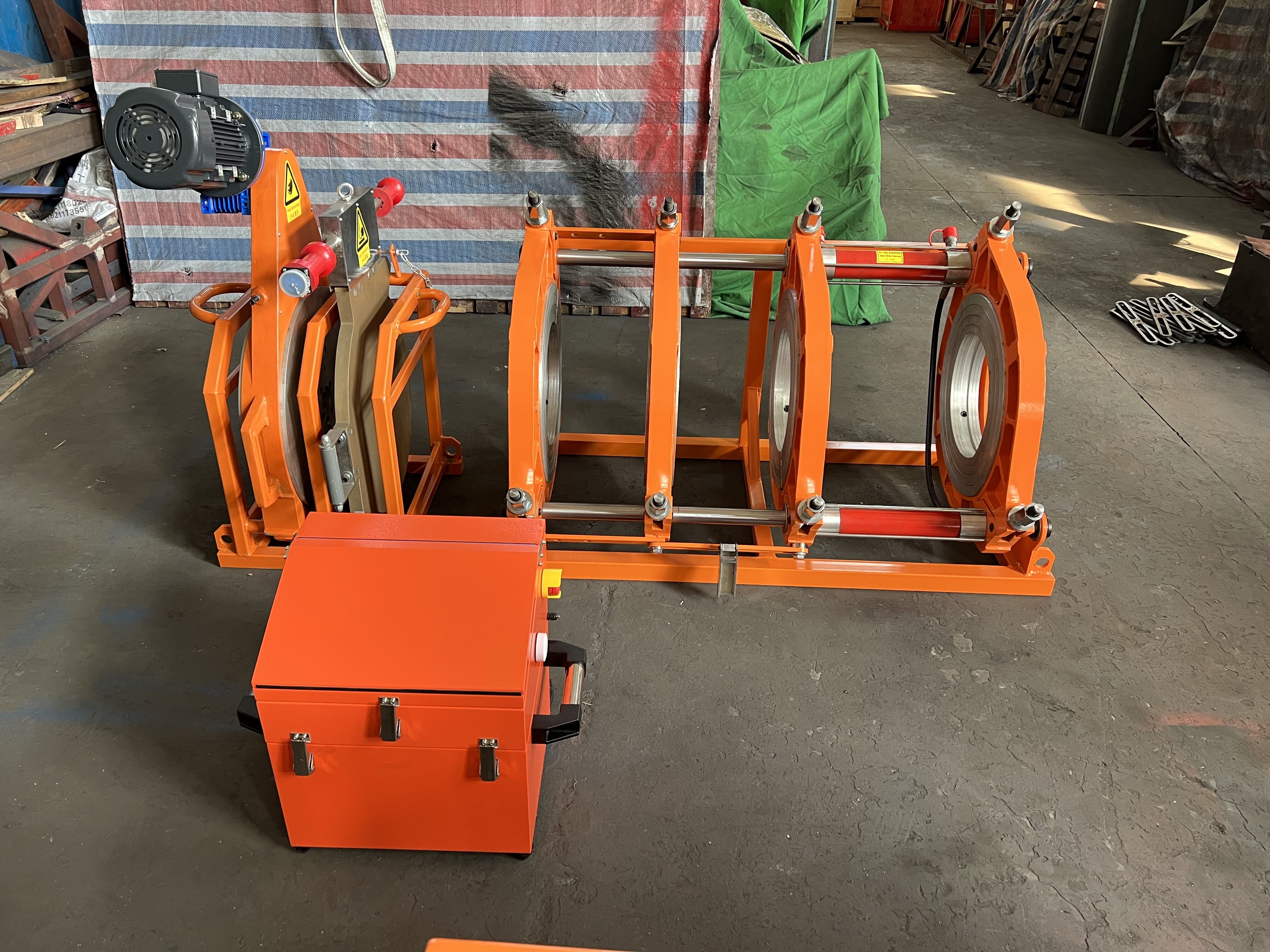
Automatic Pipe Welding Machine - Advanced Solutions for Precision Pipeline Fabrication

Get a Free Quote

Our representative will contact you soon.
E-mail
Name
Mobile/WhatsApp
Company Name
Message
0/1000

automatic pipe welding machine

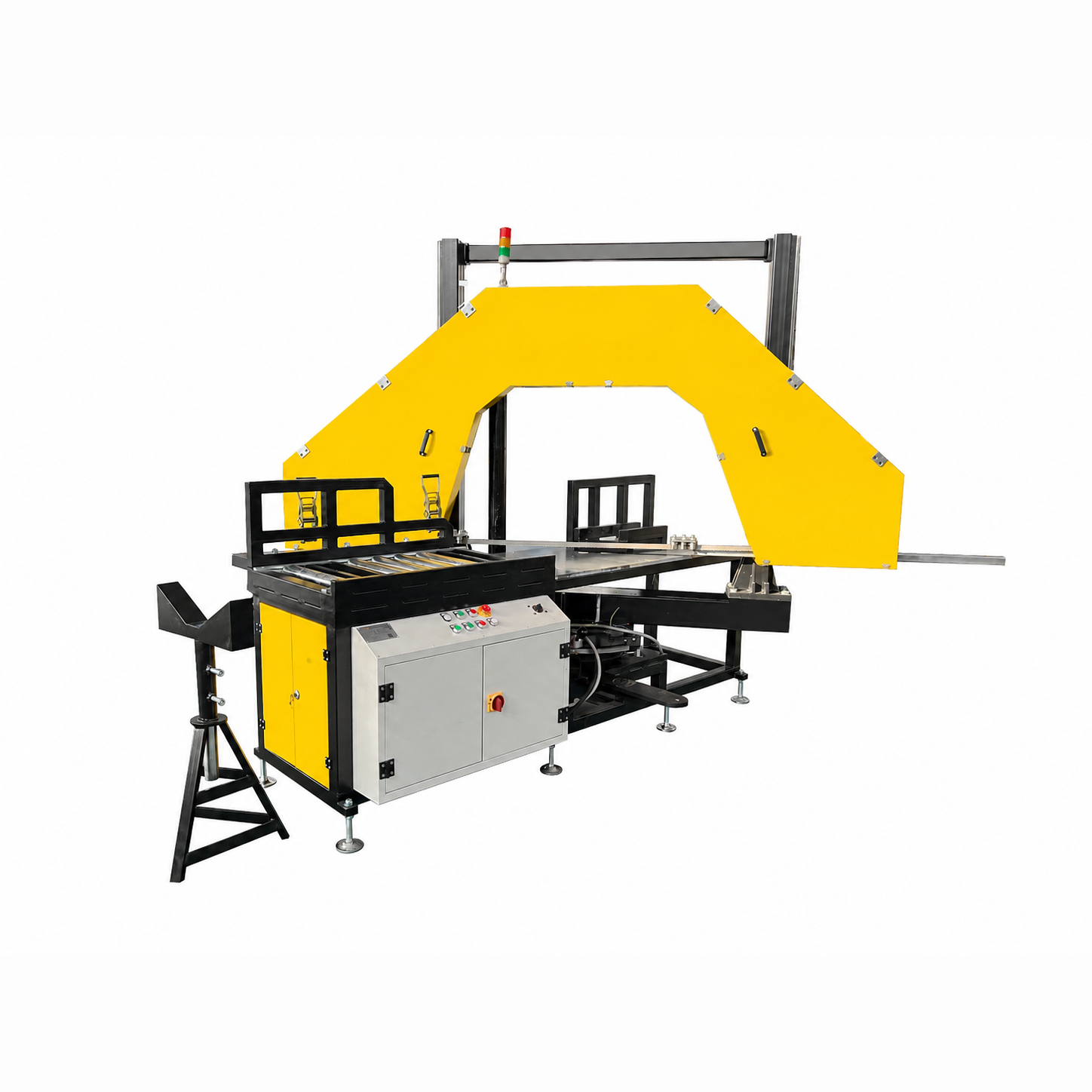
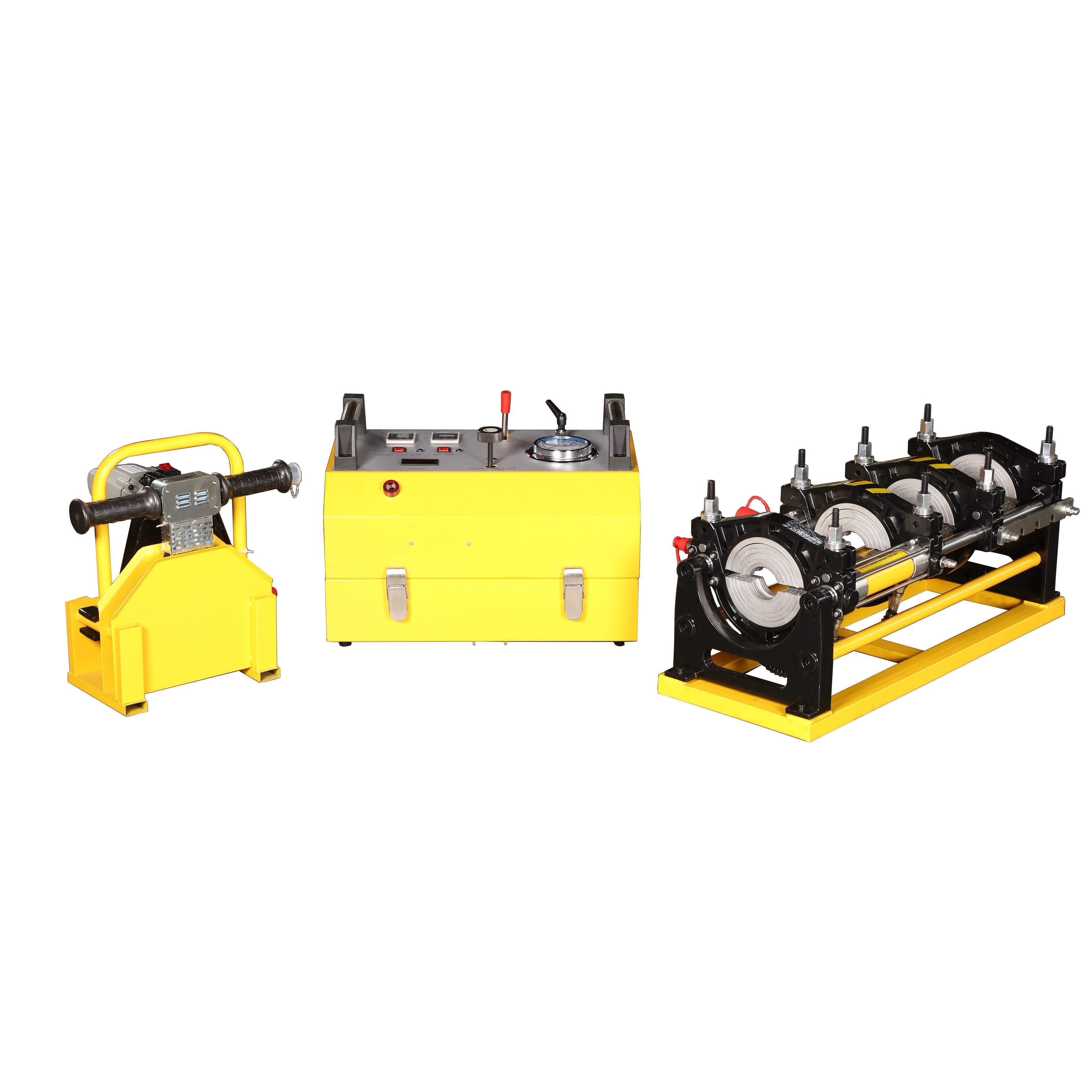
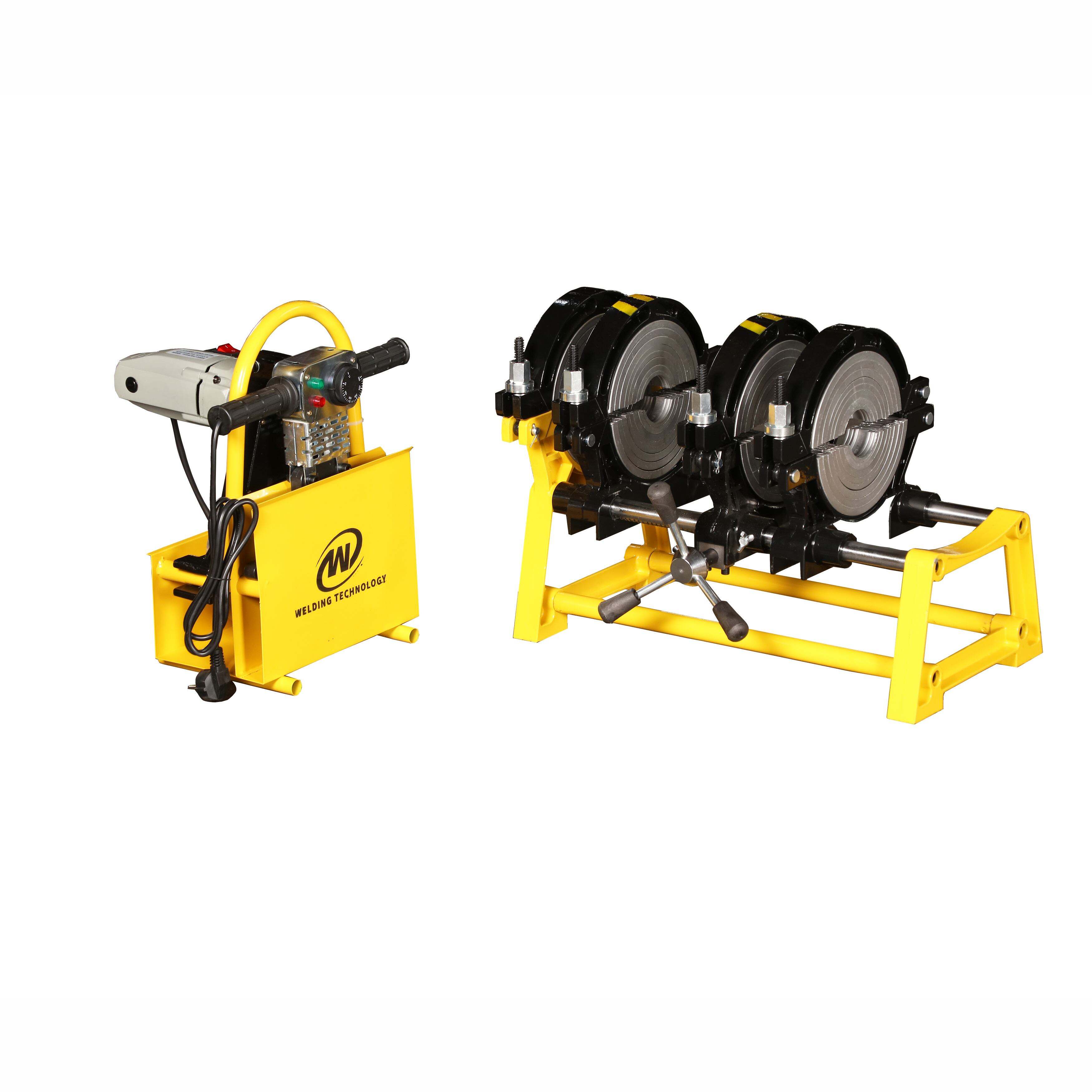
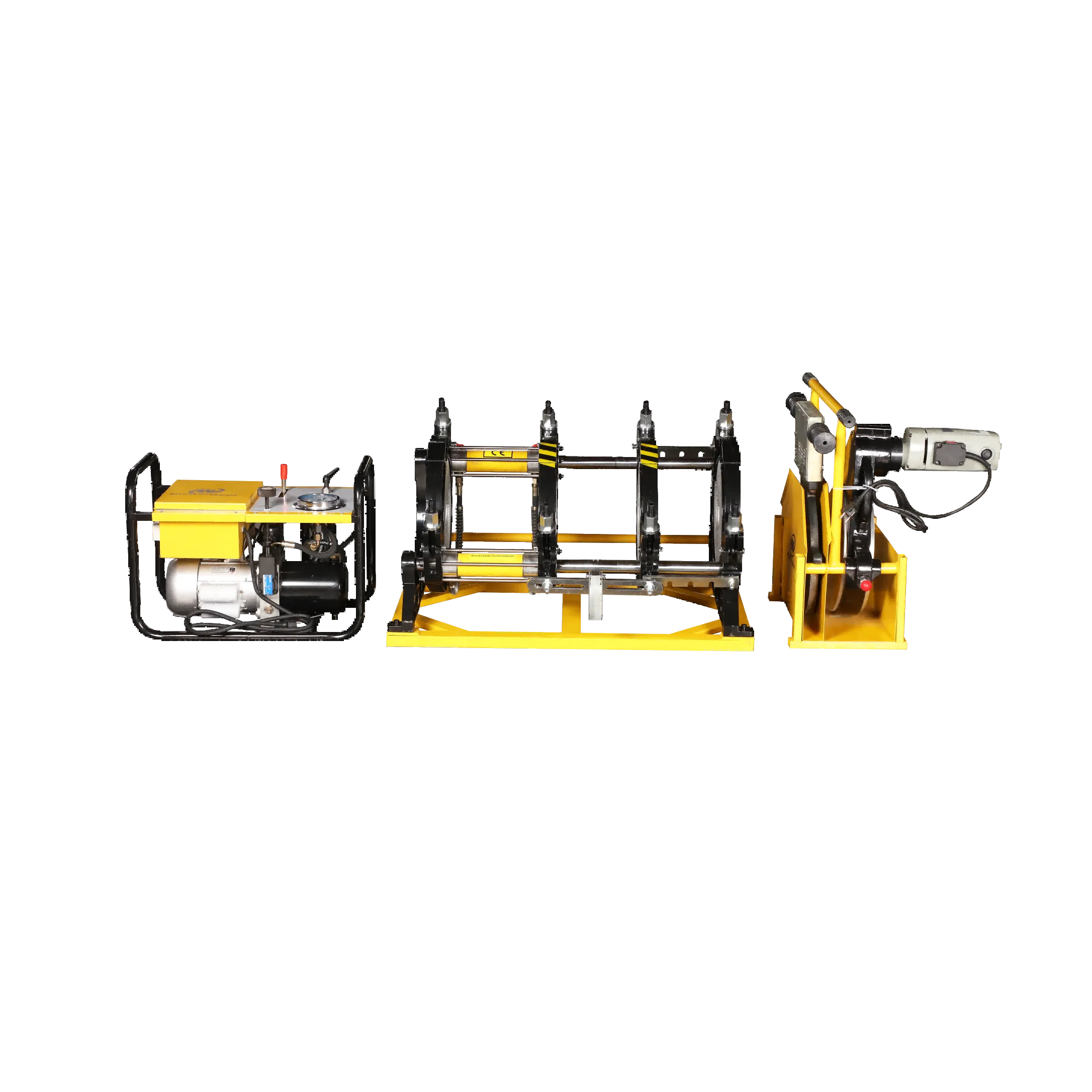
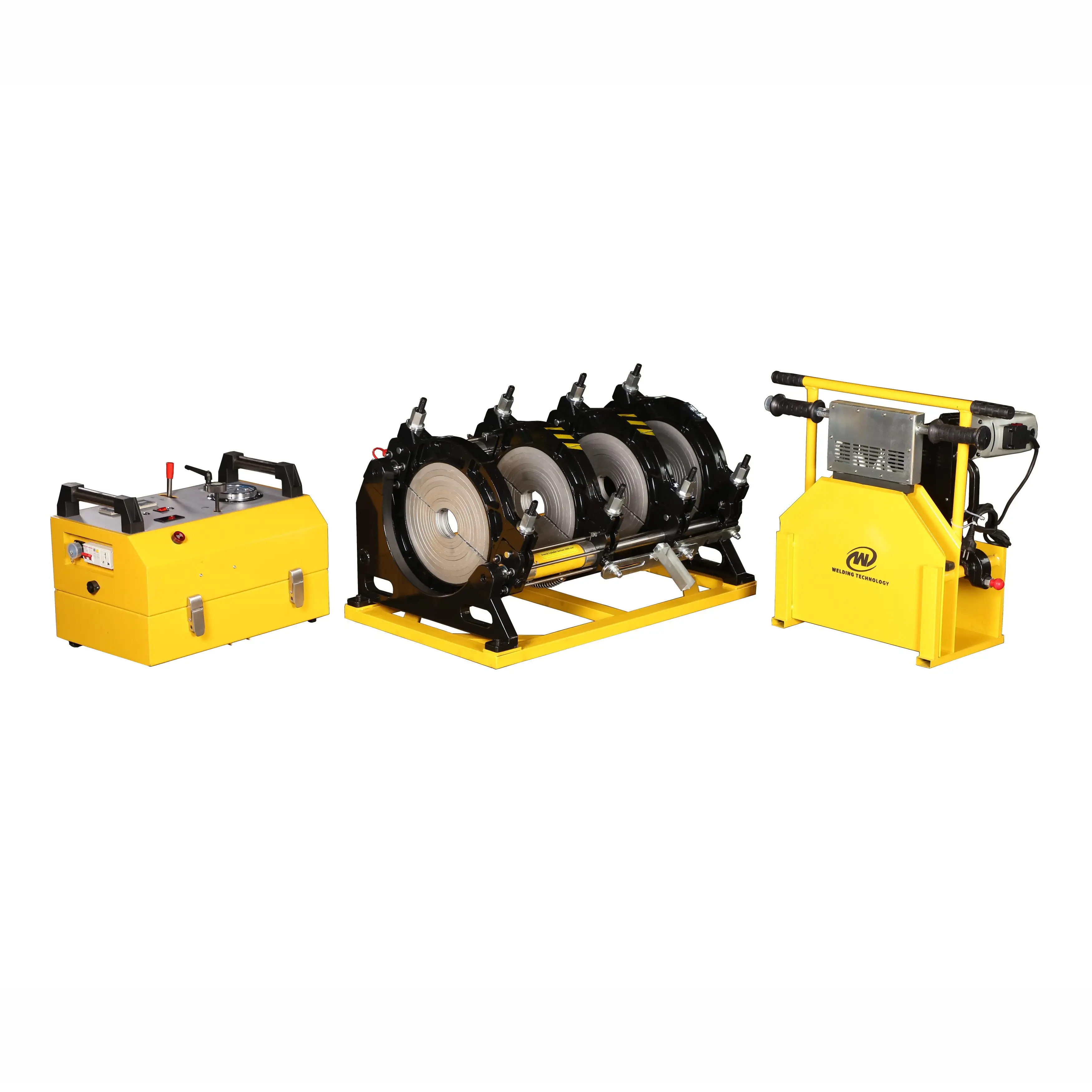
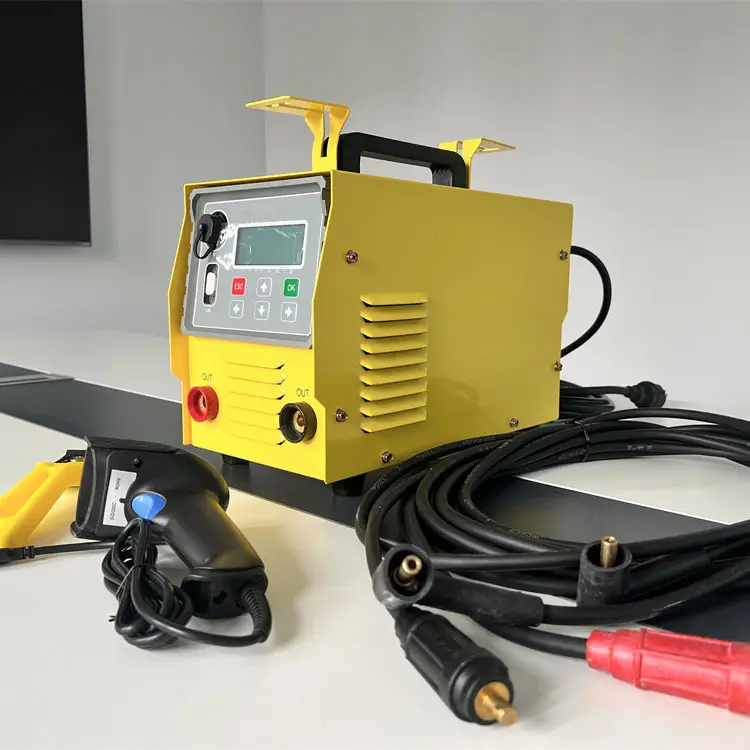
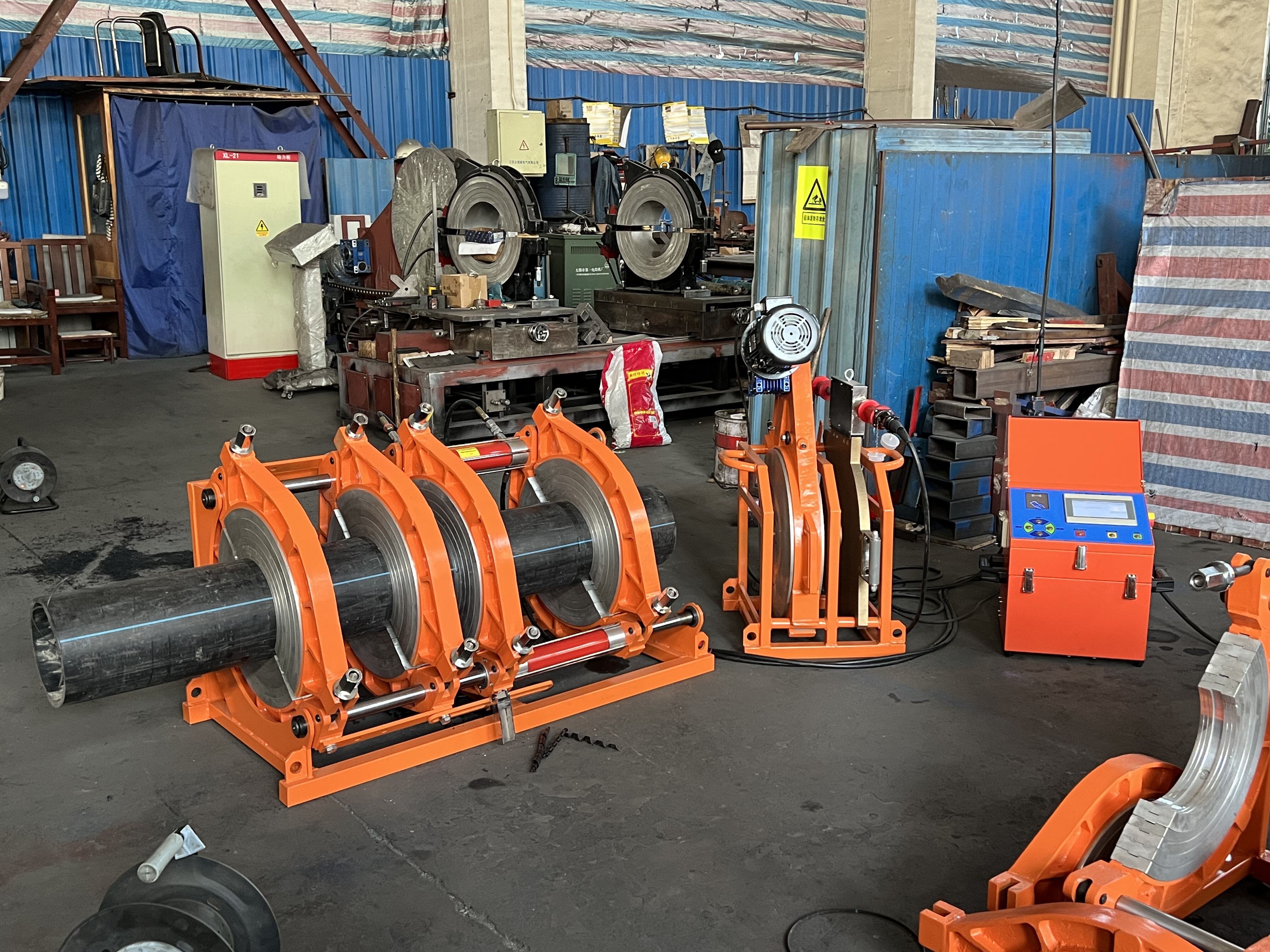
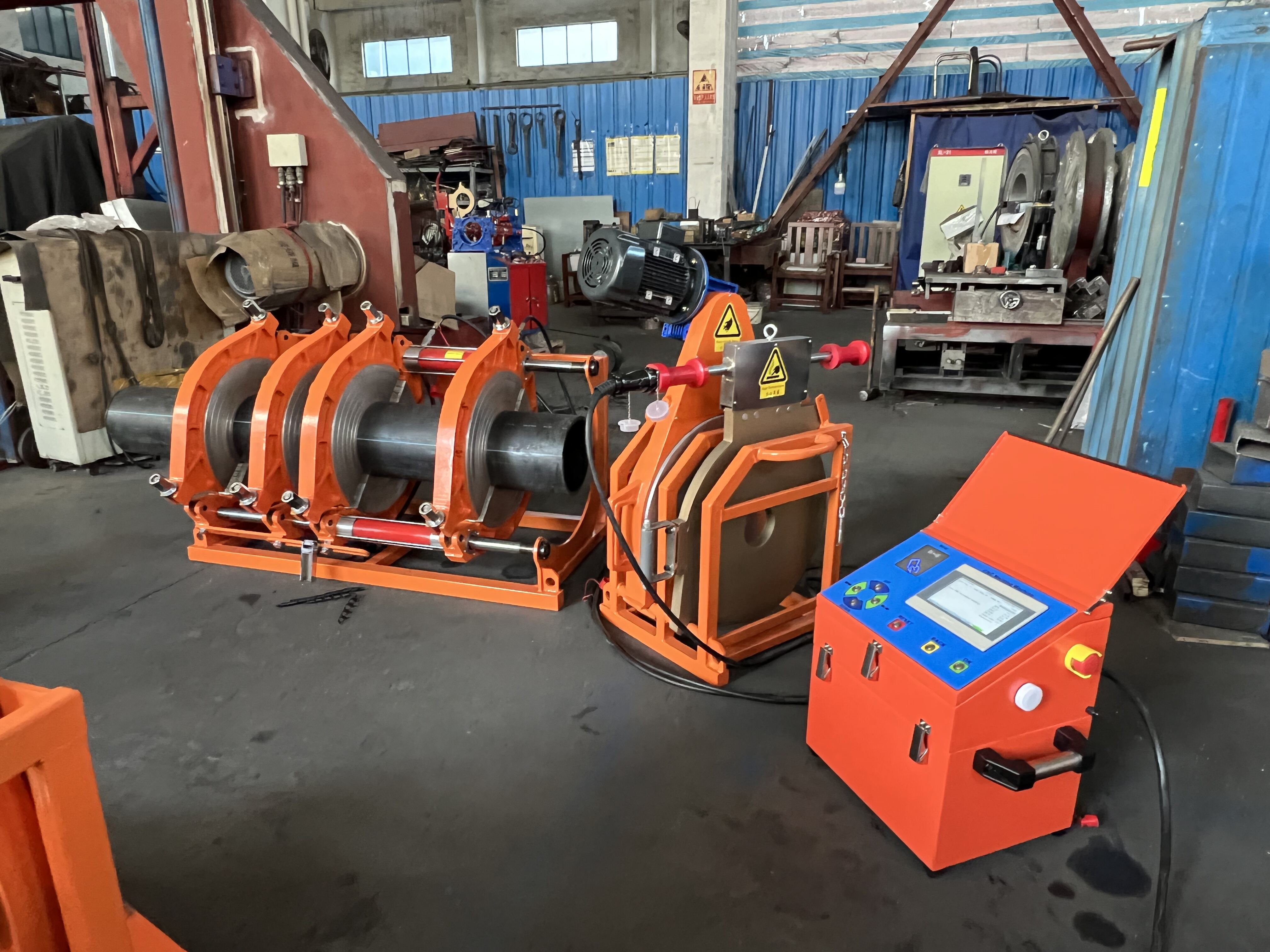
An automatic pipe welding machine represents a sophisticated piece of industrial equipment designed to join cylindrical pipes and tubular components through precise welding operations without requiring constant manual intervention. This advanced machinery has revolutionized the fabrication and construction industries by delivering consistent, high-quality welds on various pipe diameters and materials. The automatic pipe welding machine integrates cutting-edge control systems, motorized rotation mechanisms, and specialized welding heads to execute complex joining tasks with remarkable accuracy. These machines accommodate different welding processes including tungsten inert gas welding, metal inert gas welding, and shielded metal arc welding, making them versatile solutions for diverse industrial requirements. The core functionality centers on automated torch positioning, controlled arc generation, and synchronized pipe rotation to ensure uniform weld penetration around the entire circumference. Modern automatic pipe welding machine units feature programmable logic controllers that store multiple welding parameters, enabling operators to quickly switch between different pipe specifications and material types. The technological architecture incorporates precision motors, advanced sensors, and real-time monitoring systems that continuously adjust welding variables to maintain optimal conditions throughout the operation. Applications span numerous sectors including oil and gas pipeline construction, power generation facilities, chemical processing plants, shipbuilding operations, and infrastructure development projects. The automatic pipe welding machine excels in environments demanding repetitive welding tasks on standardized pipe dimensions, where consistency and productivity are paramount. These systems significantly reduce human error while maintaining superior weld quality that meets stringent industry standards and certification requirements. The equipment typically consists of a robust frame structure, pipe positioning rollers, welding power sources, wire feeding mechanisms, and comprehensive safety interlocks. Investment in an automatic pipe welding machine delivers substantial long-term value through increased production capacity, reduced labor costs, and improved workplace safety conditions.


Popular Products

The automatic pipe welding machine delivers transformative benefits that directly impact your bottom line and operational efficiency. First and foremost, these machines dramatically increase production speed compared to manual welding methods. Where a skilled welder might complete several joints per shift, the automatic pipe welding machine can finish dozens of high-quality welds in the same timeframe, multiplying your output without compromising quality standards. This acceleration translates to faster project completion, earlier revenue recognition, and enhanced competitive positioning in time-sensitive markets. The consistency factor cannot be overstated. Every weld produced by an automatic pipe welding machine adheres to the exact same parameters, eliminating the variability inherent in human performance. This uniformity means fewer rejected joints, reduced rework expenses, and greater confidence in structural integrity across your entire project portfolio. You will notice immediate improvements in quality control metrics as defect rates plummet and inspection pass rates soar. Cost reduction emerges as another compelling advantage. While the initial investment requires capital allocation, the automatic pipe welding machine quickly pays for itself through multiple savings channels. Labor costs decrease substantially since one operator can supervise multiple machines or handle other value-added tasks while welding proceeds autonomously. Material waste diminishes because precise control eliminates excessive spatter, improper penetration, and failed joints that consume expensive filler materials. Energy consumption optimizes as the machine applies exactly the required heat input without the inefficiencies of manual technique variations. Safety improvements protect your most valuable asset, your workforce. The automatic pipe welding machine removes operators from direct exposure to welding arcs, intense heat, hazardous fumes, and repetitive strain injuries. This safer working environment reduces accident rates, lowers insurance premiums, decreases workers compensation claims, and improves employee morale and retention. Your team can focus on skilled tasks like quality inspection, machine programming, and process optimization rather than physically demanding welding work. Flexibility represents another practical benefit. Modern automatic pipe welding machine systems adapt to various pipe diameters, wall thicknesses, and material compositions through simple parameter adjustments. This versatility eliminates the need for multiple specialized machines, reducing equipment costs and floor space requirements. You can respond quickly to changing customer specifications or project requirements without major retooling investments. Documentation and traceability become effortless as the automatic pipe welding machine automatically records welding parameters for each joint, creating comprehensive quality records that satisfy regulatory requirements and customer audits. This digital trail provides valuable data for continuous improvement initiatives and helps identify optimization opportunities across your welding operations.

Practical Tips

How Does an HDPE Thermofusion Machine Improve Pipeline Performance?

24

Apr

How Does an HDPE Thermofusion Machine Improve Pipeline Performance?

Pipeline integrity stands as a critical concern across industries ranging from municipal water distribution to industrial gas transport, and the welding technology employed directly determines long-term performance outcomes. An HDPE thermofusion mach...
View More
What Is an HDPE Thermofusion Machine and How Does It Work?

10

Apr

What Is an HDPE Thermofusion Machine and How Does It Work?

High-density polyethylene (HDPE) piping systems have become the backbone of modern infrastructure projects, from municipal water distribution networks to industrial chemical transport lines. At the heart of creating reliable, leak-free HDPE pipe conn...
View More
How Does a Plastic Pipe Electric Fusion Welder Improve Connection Strength?

03

Apr

How Does a Plastic Pipe Electric Fusion Welder Improve Connection Strength?

In industrial piping systems, the integrity of connections directly determines operational safety, longevity, and performance. Traditional mechanical joining methods such as threading, clamping, or adhesive bonding often introduce vulnerabilities inc...
View More
How Does an HDPE Thermofusion Welding Machine Improve Joint Quality?

16

Jun

How Does an HDPE Thermofusion Welding Machine Improve Joint Quality?

In pipeline construction and fluid transport infrastructure, the quality of every joint determines the long-term integrity of the entire system. A poorly fused joint is not simply a weak point — it is a liability that can lead to leaks, system failur...
View More

Get a Free Quote

Our representative will contact you soon.
E-mail
Name
Mobile/WhatsApp
Company Name
Message
0/1000

automatic pipe welding machine

Precision Control Technology That Guarantees Repeatable Quality

Precision Control Technology That Guarantees Repeatable Quality

The precision control technology embedded within the automatic pipe welding machine represents the cornerstone of its value proposition, fundamentally transforming how manufacturers approach pipe joining operations. At the heart of this capability lies an integrated system of sensors, actuators, and intelligent controllers that work in concert to maintain exact welding parameters throughout every operation cycle. Unlike manual welding where individual technique, fatigue levels, and environmental distractions introduce variability, the automatic pipe welding machine executes each weld with mathematical precision, ensuring that torch angle, travel speed, arc length, and heat input remain within narrowly defined tolerances. This technological sophistication translates directly into superior joint quality that consistently meets or exceeds code requirements across industries. The machine continuously monitors arc voltage and adjusts wire feed rates in real-time, compensating for minor variations in pipe surface conditions or joint geometry that would compromise manual welds. Advanced algorithms calculate optimal welding sequences to minimize distortion and residual stress, factors that traditionally required extensive welder expertise and often resulted in inconsistent outcomes. For manufacturers operating in regulated industries such as nuclear power, petrochemical processing, or pressure vessel fabrication, this repeatability provides invaluable assurance that every weld meets critical safety standards without exception. The economic implications extend beyond mere quality improvements. Predictable, repeatable welds eliminate the costly cycle of inspection failures, joint removal, re-preparation, and re-welding that plague operations relying on manual processes. Your quality assurance team spends less time identifying defects and more time on proactive process improvements. Customer confidence increases as delivery schedules become reliable and field failures virtually disappear. The automatic pipe welding machine creates a foundation of process stability that enables continuous improvement initiatives, as engineers can isolate and optimize individual variables without the confounding effects of human inconsistency. Training requirements also decrease substantially, since operators need only understand machine programming rather than developing the muscle memory and intuitive adjustments that manual welding demands. This democratization of welding capability allows you to maintain production continuity even with workforce turnover, protecting your operation from the skills gap affecting manufacturing sectors globally.
Adaptable Systems That Handle Diverse Pipe Specifications Efficiently

Adaptable Systems That Handle Diverse Pipe Specifications Efficiently

The adaptability engineered into modern automatic pipe welding machine platforms delivers exceptional operational flexibility that directly addresses the varied requirements encountered across construction and manufacturing projects. This versatility manifests through multiple dimensions of adjustability, beginning with accommodation of extensive pipe diameter ranges. Through interchangeable clamping systems and adjustable roller assemblies, a single automatic pipe welding machine can process pipes from small bore tubing measuring mere inches in diameter up to large diameter cylinders exceeding several feet across. This range eliminates the need for multiple dedicated machines, dramatically reducing capital equipment expenditures while simultaneously freeing valuable production floor space. Wall thickness variations present no obstacle, as the machine's programmable welding parameters automatically adjust current, voltage, and travel speed to achieve proper fusion regardless of material mass. Material compatibility further demonstrates the system's adaptive capability. Whether your projects involve carbon steel, stainless steel, duplex alloys, nickel-based superalloys, or titanium, the automatic pipe welding machine accommodates these diverse materials through stored welding procedure specifications that operators can recall with simple menu selections. This materials flexibility proves particularly valuable for fabricators serving multiple industries or handling custom projects with varying specifications. The machine transitions seamlessly between different material grades without time-consuming recalibration or setup procedures that interrupt production flow. Joint configuration adaptability adds another layer of practical utility. The automatic pipe welding machine handles butt joints, fillet welds, and socket welds with equal proficiency, adjusting torch angles and weaving patterns to match joint geometry requirements. Multi-pass capability ensures that thick-walled pipes receive appropriate fill sequences with proper inter-pass temperatures, while thin-walled tubes benefit from carefully controlled heat input that prevents burn-through. Process versatility enhances this adaptability further, as many automatic pipe welding machine models support multiple welding processes within a single platform. You might employ gas tungsten arc welding for root passes requiring maximum penetration control, then switch to gas metal arc welding for faster fill and cap passes. This process flexibility optimizes both quality and productivity, applying the ideal welding method for each phase of joint completion. For businesses experiencing fluctuating demand across different pipe specifications, this adaptability transforms the automatic pipe welding machine from a specialized tool into a universal solution capable of supporting your entire product portfolio without compromising efficiency or quality on any individual application.
Operational Efficiency That Maximizes Return On Investment

Operational Efficiency That Maximizes Return On Investment

The operational efficiency delivered by an automatic pipe welding machine fundamentally reshapes production economics, creating compelling financial returns that justify investment decisions and strengthen competitive positioning. This efficiency manifests first through dramatic reductions in cycle time per welded joint. The machine operates continuously at optimal welding speeds without the fatigue-induced slowdowns or rest breaks required by human welders. Production planning becomes more predictable as you can accurately calculate throughput based on consistent machine performance rather than estimating around variable human productivity. This predictability enables more aggressive bidding on contracts, tighter delivery commitments to customers, and improved inventory management throughout your supply chain. The efficiency extends beyond mere speed to encompass comprehensive resource utilization improvements. Filler metal consumption decreases as the automatic pipe welding machine applies precisely the required amount of weld material with minimal spatter loss or excessive reinforcement. This optimization might seem minor on individual joints, but across thousands of welds annually, the consumable savings accumulate to substantial cost reductions. Shielding gas usage similarly optimizes as the machine activates gas flow only during actual welding operations, eliminating the waste associated with manual torch handling and operator inefficiency. Energy consumption per weld decreases because the automatic pipe welding machine completes joints faster and applies heat more efficiently than manual processes, reducing both electricity costs and environmental impact. Labor efficiency represents perhaps the most significant economic benefit. A single operator can simultaneously supervise multiple automatic pipe welding machine units while they operate independently, or can perform complementary tasks such as fit-up preparation, quality inspection, or documentation during welding cycles. This multiplication of labor productivity allows you to increase output without proportional workforce expansion, addressing the skilled labor shortages challenging manufacturing sectors worldwide. The reduced physical demands also mean operators remain productive throughout entire shifts without the fatigue-related quality degradation that affects manual welding performance. Maintenance efficiency contributes to overall operational excellence as well. Modern automatic pipe welding machine designs incorporate predictive maintenance capabilities that monitor component wear and alert operators before failures occur, minimizing unplanned downtime. Modular construction facilitates rapid component replacement when service becomes necessary, keeping machines operational and productive. The comprehensive efficiency improvements combine to deliver impressive return on investment timelines, with many operations recovering their automatic pipe welding machine costs within months through productivity gains, quality improvements, and resource optimization, then continuing to generate ongoing value throughout the equipment's extended service life.

Get a Free Quote

Our representative will contact you soon.
E-mail
Name
Mobile/WhatsApp
Company Name
Message
0/1000