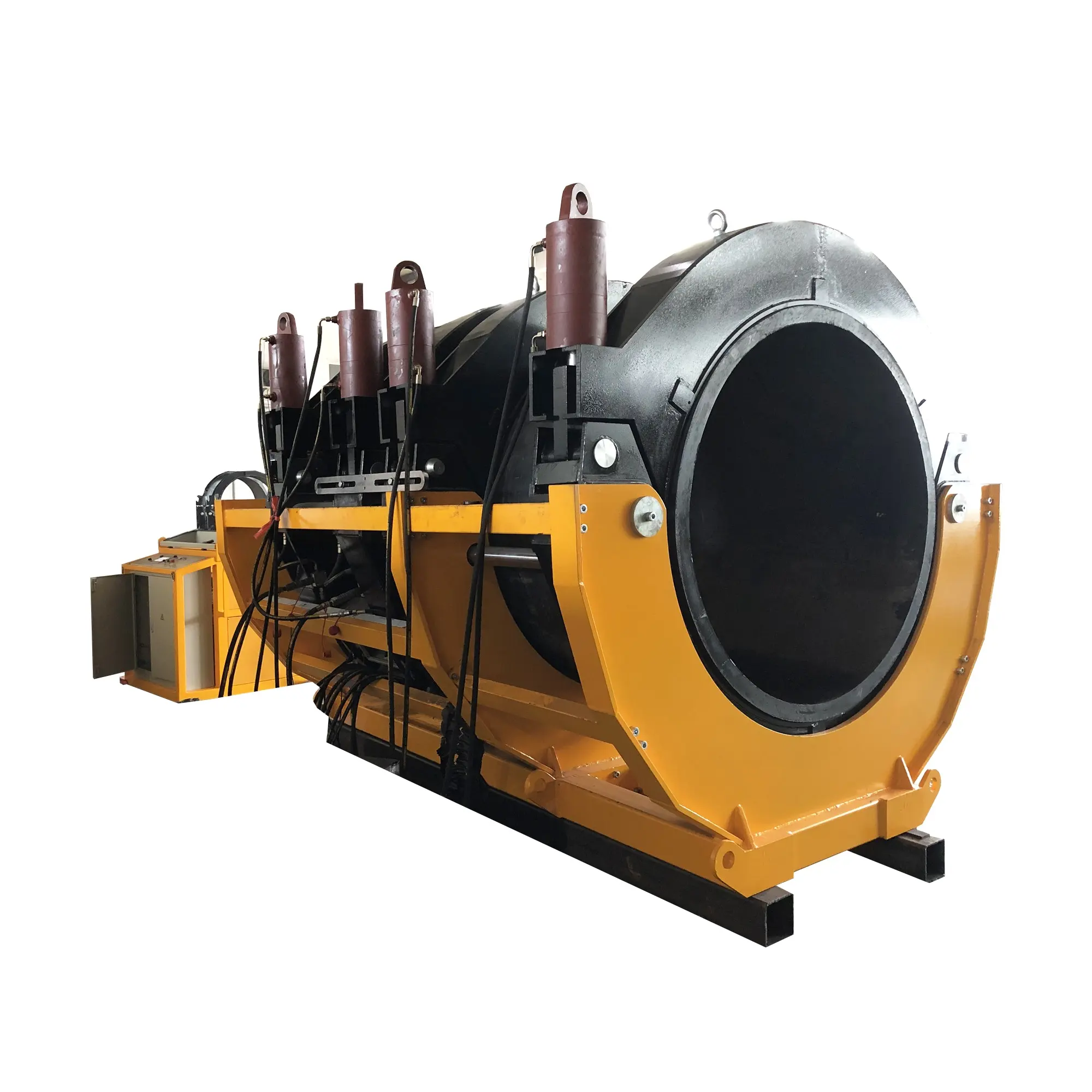
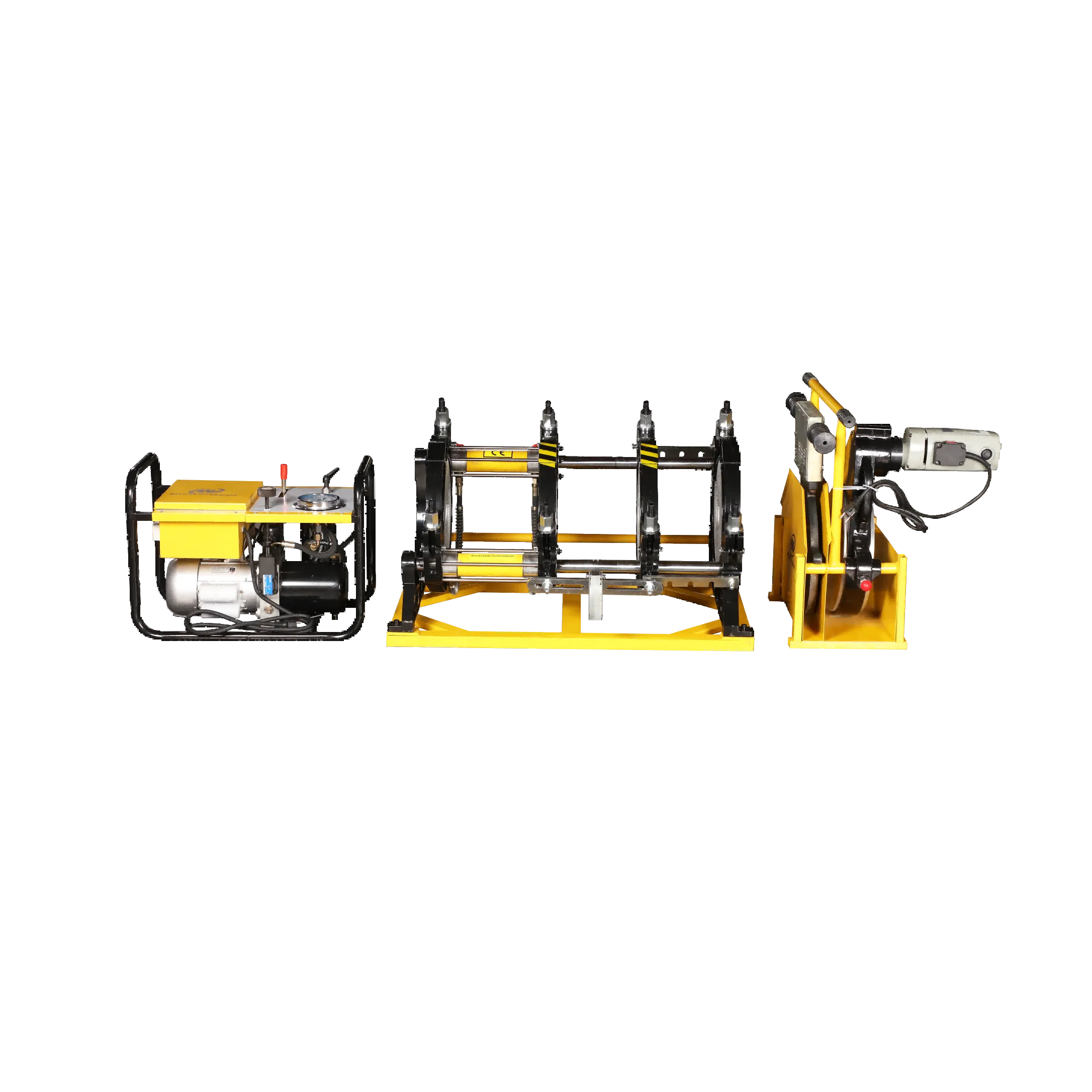
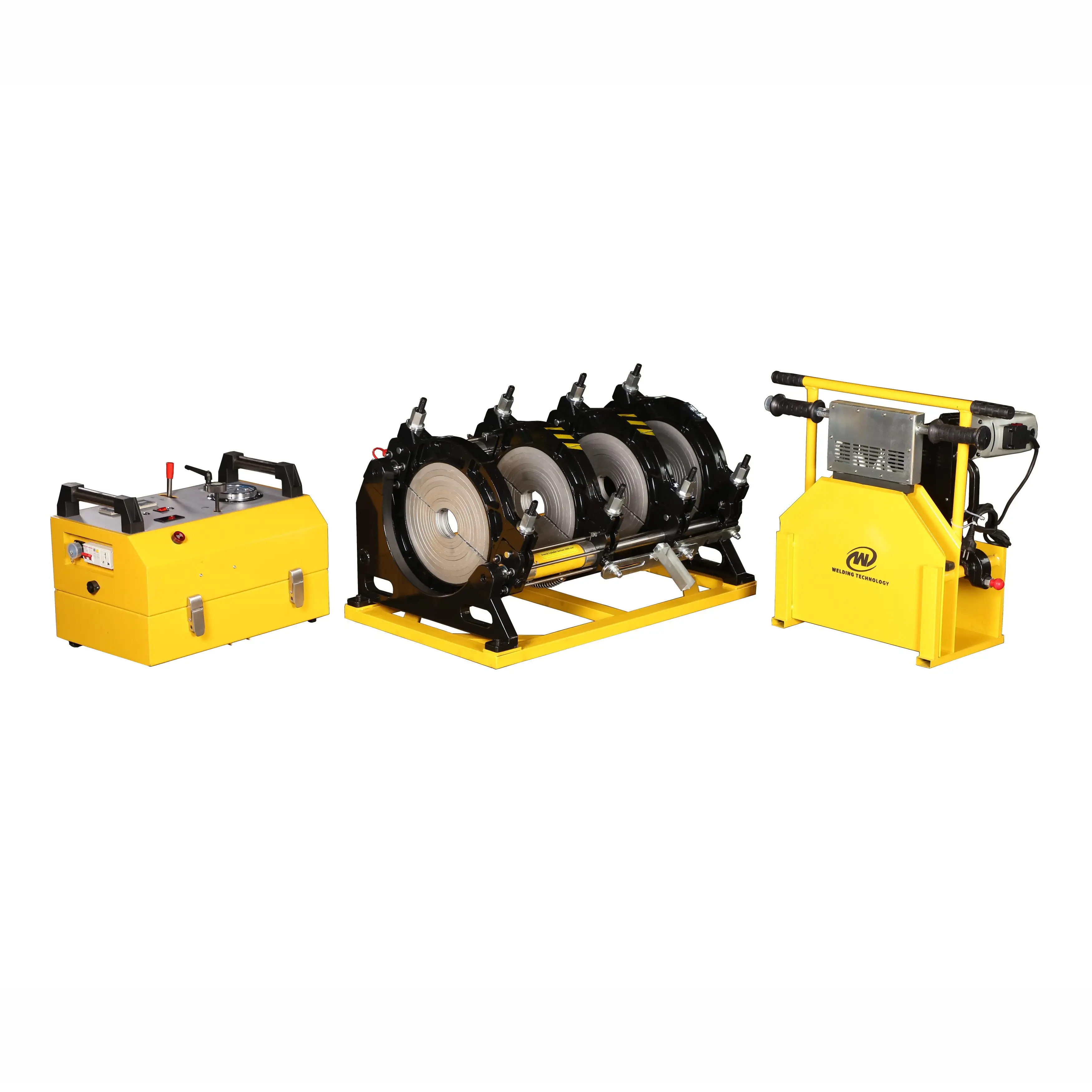
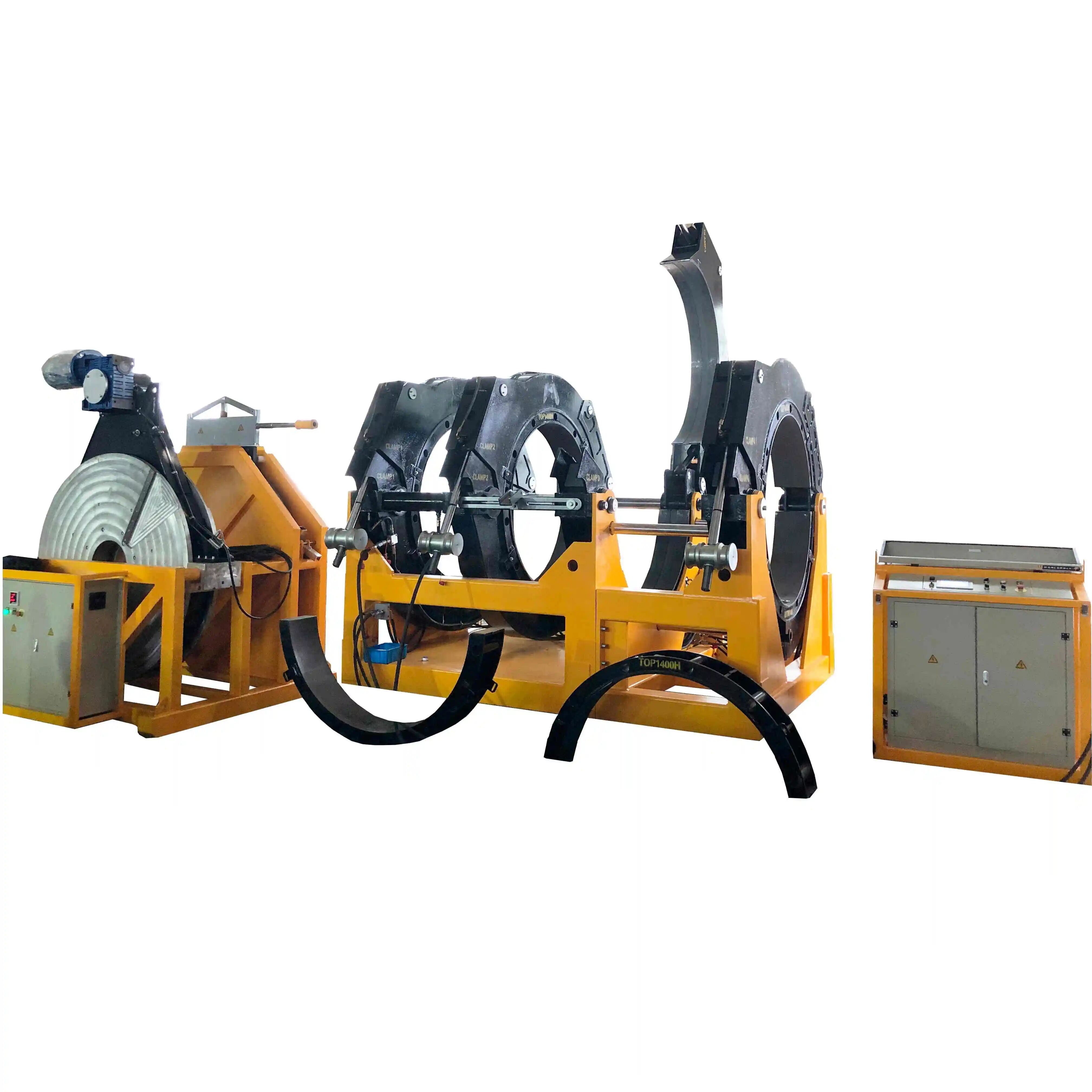
Professional Electrofusion Pipe Welder - Advanced Polyethylene Pipeline Joining Equipment

Get a Free Quote

Our representative will contact you soon.
E-mail
Name
Mobile/WhatsApp
Company Name
Message
0/1000

electrofusion pipe welder

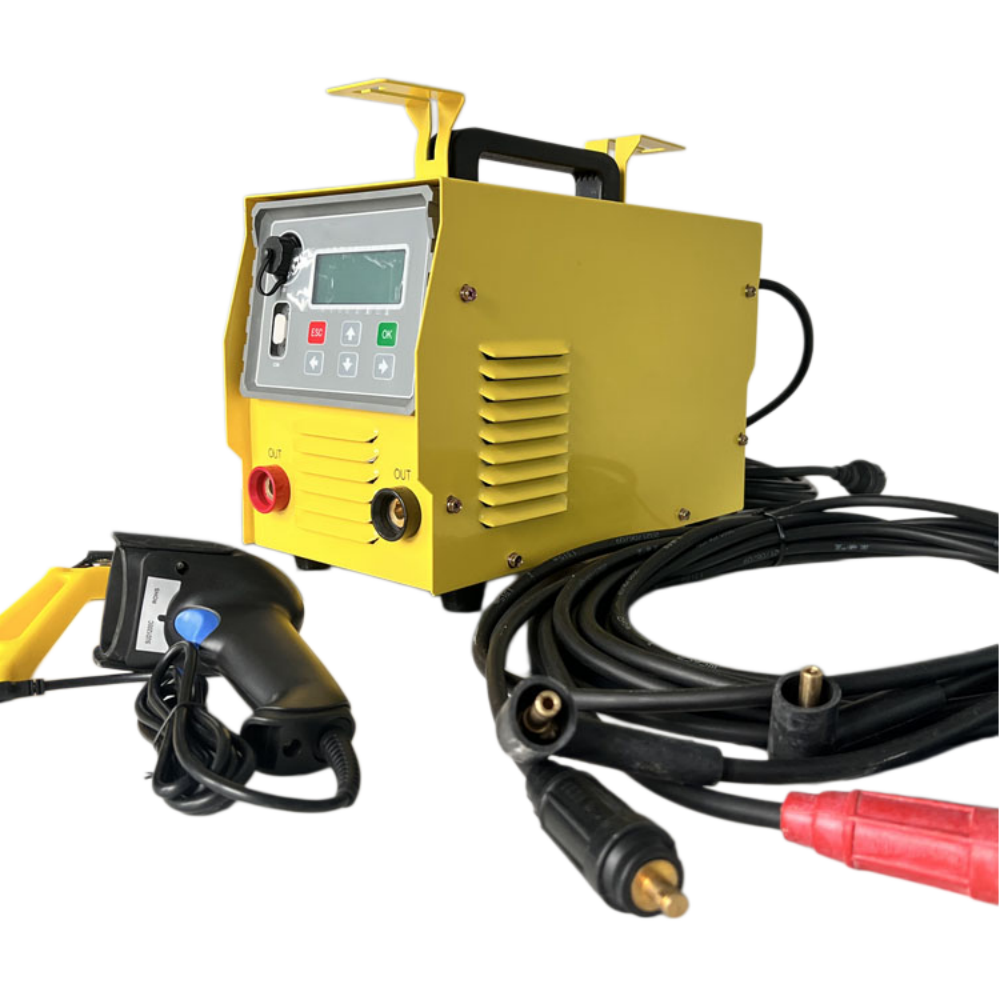
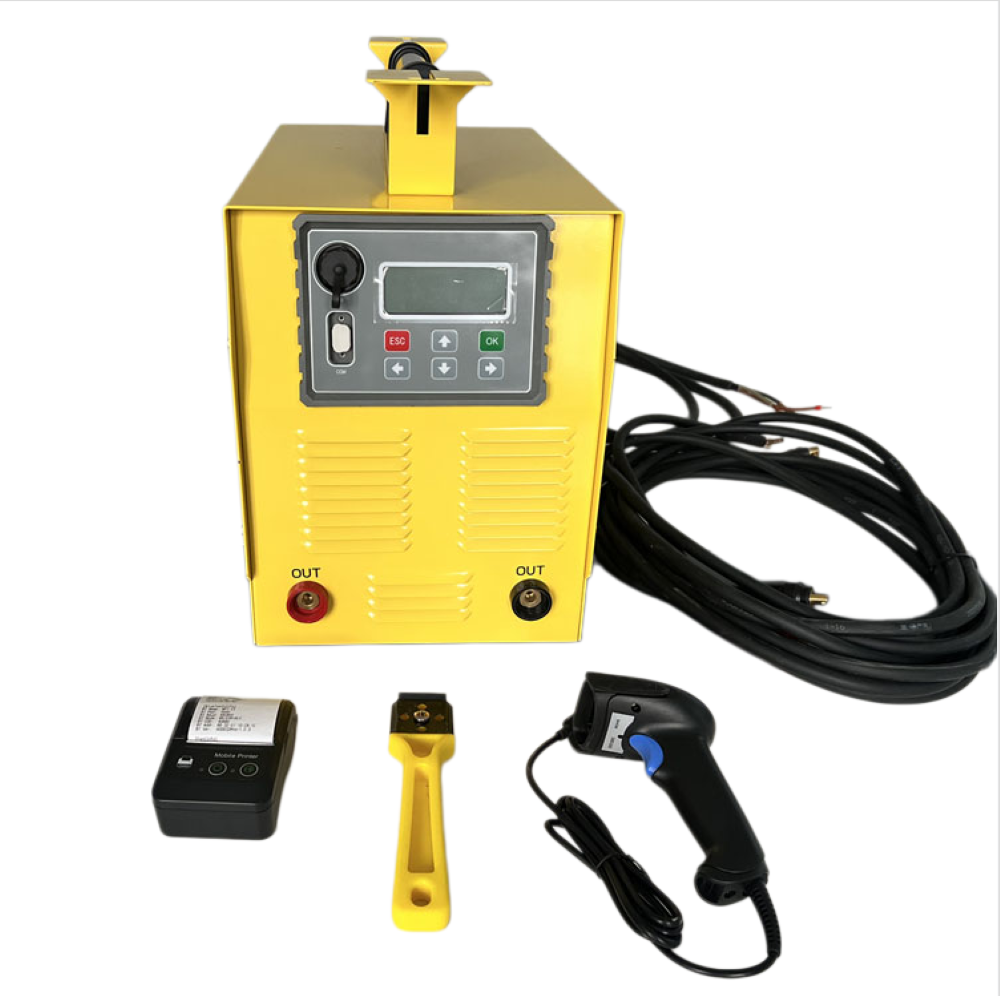
An electrofusion pipe welder represents a sophisticated joining solution designed specifically for connecting polyethylene pipes through controlled electrical heating. This specialized equipment creates permanent, leak-proof connections by melting the pipe material and electrofusion fittings together at a molecular level. The device operates by passing electrical current through embedded heating coils within specially designed fittings, generating precise temperatures that fuse the materials seamlessly. Modern electrofusion pipe welders incorporate microprocessor technology that automatically calculates and applies the exact voltage, current, and heating duration required for each specific fitting size and manufacturer specification. The equipment typically features a digital display interface that guides operators through the entire welding process, from barcode scanning to completion verification. These machines accommodate a wide range of pipe diameters, commonly from 20mm to 630mm, making them versatile for various project scales. The electrofusion pipe welder maintains detailed records of each weld, including parameters such as temperature, time, voltage, and date, ensuring complete traceability for quality assurance purposes. Built-in safety mechanisms prevent incorrect connections and ensure optimal fusion conditions before initiating the welding cycle. The technology proves particularly valuable in infrastructure projects involving water distribution systems, gas pipeline networks, industrial fluid transport, and mining applications. Unlike traditional welding methods, electrofusion pipe welders eliminate the need for open flames, making them suitable for confined spaces and hazardous environments. The equipment's portability allows field technicians to perform high-quality joints at remote locations without compromising connection integrity. Environmental resistance features protect the electronics from dust, moisture, and temperature extremes encountered during outdoor installations. The fusion process creates joints that match or exceed the strength of the pipe itself, ensuring long-term reliability under pressure and environmental stress.

New Product Releases

The electrofusion pipe welder delivers consistent, reliable connections that eliminate human error common in manual welding techniques. Each joint receives precisely calibrated heat distribution, ensuring uniform fusion across the entire connection surface without weak spots or inconsistencies. This consistency translates directly into reduced failure rates and lower maintenance costs throughout the pipeline's operational lifetime. The automated nature of the process means that welders of varying skill levels can achieve professional-grade results after minimal training, democratizing access to high-quality pipe joining capabilities. Projects benefit from dramatically reduced installation time compared to alternative methods, as the equipment handles complex calculations and adjustments automatically. The welder's ability to store and recall specific parameters for different fitting manufacturers eliminates guesswork and speeds up repetitive tasks on large-scale installations. Safety improvements represent another significant advantage, as the enclosed heating process eliminates fire hazards associated with open-flame welding, protecting both workers and surrounding environments. The detailed documentation generated by each fusion cycle provides invaluable records for regulatory compliance, warranty claims, and quality audits. This traceability proves especially important for critical infrastructure projects where accountability and verification requirements are stringent. Energy efficiency stands out as a practical benefit, with modern electrofusion pipe welders consuming minimal power while delivering optimal heating performance. The equipment operates effectively on standard generators or battery packs, enabling work in locations without grid electricity access. Maintenance requirements remain minimal, with most machines requiring only periodic calibration and basic cleaning to maintain peak performance. The fusion joints created resist corrosion, chemical exposure, and ground movement better than mechanical connections, extending pipeline service life significantly. Installation teams appreciate the compact, portable design that allows easy transportation between job sites without requiring specialized vehicles or handling equipment. Weather independence represents another practical advantage, as electrofusion pipe welders function reliably in cold, hot, wet, or dusty conditions that would compromise other joining methods. The technology eliminates consumables like welding rods or flux, reducing ongoing operational costs and simplifying logistics for remote projects. Quality assurance becomes straightforward with built-in diagnostic systems that verify proper fusion before releasing the connection, catching potential problems before they become expensive failures.

Latest News

How Can a Pipe Welding Machine Ensure Reliable Pipe Connections?

28

Apr

How Can a Pipe Welding Machine Ensure Reliable Pipe Connections?

Reliable pipe connections form the backbone of critical infrastructure systems across water distribution networks, natural gas pipelines, industrial processing facilities, and municipal wastewater management operations. The integrity of these connect...
View More
How Does an HDPE Thermofusion Machine Improve Pipeline Performance?

24

Apr

How Does an HDPE Thermofusion Machine Improve Pipeline Performance?

Pipeline integrity stands as a critical concern across industries ranging from municipal water distribution to industrial gas transport, and the welding technology employed directly determines long-term performance outcomes. An HDPE thermofusion mach...
View More
Why Is a Butt Welding Machine Used in Heavy Duty Fabrication Projects?

01

May

Why Is a Butt Welding Machine Used in Heavy Duty Fabrication Projects?

Heavy duty fabrication projects demand precision, structural integrity, and efficiency in joining thermoplastic components, particularly in industries handling large-diameter pipelines, industrial storage systems, and infrastructure installations. Th...
View More
How Can a Plastic Sheet Butt Welding Machine Ensure Strong Seams?

05

May

How Can a Plastic Sheet Butt Welding Machine Ensure Strong Seams?

The strength and integrity of welded plastic seams directly impact the performance, durability, and safety of countless industrial applications, from geomembranes in environmental containment to large-scale tank fabrication. Achieving consistently st...
View More

Get a Free Quote

Our representative will contact you soon.
E-mail
Name
Mobile/WhatsApp
Company Name
Message
0/1000

electrofusion pipe welder

Intelligent Automated Welding Process

Intelligent Automated Welding Process

The electrofusion pipe welder incorporates advanced microprocessor control systems that transform complex pipe joining into a streamlined, foolproof operation. At the heart of this technology lies sophisticated software that manages every aspect of the fusion cycle with precision impossible to achieve through manual methods. When an operator scans the barcode on an electrofusion fitting, the machine instantly retrieves manufacturer-specific fusion parameters from its comprehensive database, eliminating manual input errors and ensuring perfect compatibility. The system automatically adjusts voltage output based on real-time resistance measurements, compensating for variations in ambient temperature, pipe material composition, and electrical supply fluctuations. This dynamic adjustment capability ensures that each joint receives exactly the energy required for optimal fusion, regardless of environmental conditions or equipment age. The welding process follows a strictly controlled sequence that begins with a thorough diagnostic check, verifying that all connections are secure and electrical resistance falls within acceptable parameters before committing to the heating cycle. During fusion, multiple sensors continuously monitor current flow, temperature development, and time progression, comparing actual values against predetermined specifications thousands of times per second. If any parameter deviates from the acceptable range, the electrofusion pipe welder immediately alerts the operator and either adjusts automatically or halts the process to prevent defective joints. The cooling phase receives equal attention, with the system enforcing mandatory waiting periods that ensure complete molecular bonding before the connection can be disturbed. Visual and audible indicators guide operators through each step, from initial setup through final approval, making the process intuitive even for technicians new to electrofusion technology. The machine's memory stores detailed records of hundreds or thousands of completed welds, including operator identification, date, time, fitting type, and all measured parameters throughout the cycle. This comprehensive data logging supports quality management systems, enables troubleshooting of questionable joints, and provides evidence of proper installation procedures for warranty and liability purposes. Advanced models offer wireless connectivity that uploads fusion records to cloud-based project management platforms in real-time, giving supervisors and quality control personnel immediate visibility into field operations.
Universal Compatibility and Adaptability

Universal Compatibility and Adaptability

Modern electrofusion pipe welders demonstrate remarkable versatility by accommodating an extensive range of pipe sizes, fitting types, and manufacturer specifications within a single compact unit. This universal compatibility eliminates the need for multiple specialized machines, reducing equipment investment costs and simplifying logistics for contractors managing diverse project portfolios. The voltage output adjusts across a broad spectrum, typically from 8 volts to 48 volts, enabling the same machine to handle tiny 20mm service connections and massive 630mm transmission mains with equal proficiency. Sophisticated algorithms within the electrofusion pipe welder automatically calculate the precise energy delivery required for each specific combination of pipe diameter, wall thickness, and fitting design. The equipment recognizes and adapts to products from virtually every major fitting manufacturer worldwide, accessing extensive libraries of fusion protocols stored in firmware that receives regular updates as new products enter the market. This manufacturer-agnostic approach gives installation teams flexibility to select fittings based on availability, cost, or performance requirements rather than equipment limitations. The machine's input power adaptability represents another dimension of versatility, with most models accepting voltage ranges from 110 to 240 volts and frequencies of 50 or 60 hertz without manual switching or configuration changes. This global compatibility proves invaluable for international contractors and equipment rental operations serving diverse markets with varying electrical standards. Battery-powered operation extends adaptability further, enabling fully autonomous field work in locations completely lacking electrical infrastructure. Interchangeable cable sets accommodate different connection scenarios, from standard installations to specialized applications requiring extended reach or enhanced protection against environmental contamination. The electrofusion pipe welder's interface supports multiple languages, allowing the same equipment to serve multilingual crews or move between different geographical markets without requiring separate regional variants. Firmware update capabilities ensure that machines remain current with evolving industry standards, new fitting technologies, and enhanced diagnostic features throughout their operational lifetime. This updateability protects equipment investments by extending useful life and maintaining compatibility with advancing pipe joining technologies.
Robust Construction for Demanding Field Conditions

Robust Construction for Demanding Field Conditions

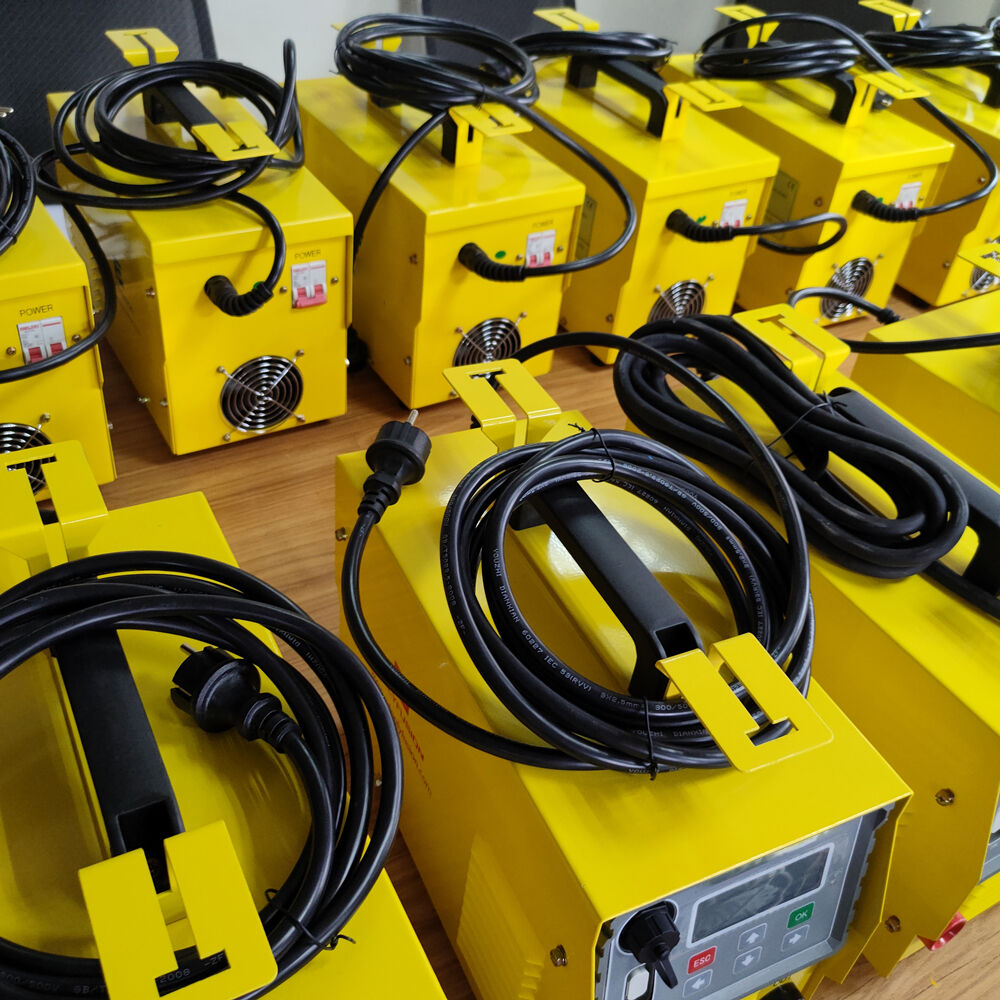
The electrofusion pipe welder's physical design reflects deep understanding of the harsh realities faced during pipeline construction and maintenance operations. Manufacturers engineer these machines to withstand the dust, moisture, vibration, and temperature extremes that characterize real-world installation environments. Rugged enclosures constructed from impact-resistant polymers or reinforced metals protect sensitive electronics from the knocks, drops, and rough handling inevitable during field deployment. Sealed control panels with membrane keyboards or touchscreen interfaces resist infiltration by water, mud, and airborne contaminants that would quickly disable conventional electronics. Internal components receive conformal coating treatments that provide additional protection against moisture condensation and corrosive atmospheres encountered in industrial or coastal settings. The power supply circuitry incorporates surge protection and voltage regulation that maintain stable operation despite poor-quality generator power or unstable grid connections common at construction sites. Thermal management systems actively cool critical components during extended welding sessions in hot climates while protecting against cold-related malfunctions in winter conditions. The electrofusion pipe welder's connector systems feature heavy-duty construction with positive locking mechanisms that maintain secure electrical connections despite cable tension, operator movement, and accidental impacts. Cable assemblies themselves utilize durable insulation materials and strain relief designs that resist abrasion, cutting, and degradation from UV exposure during outdoor storage and use. Ergonomic carrying handles and balanced weight distribution facilitate safe transportation across uneven terrain, into excavations, and through confined access points. Many models incorporate protective carrying cases or integrated storage solutions that organize cables, accessories, and documentation while shielding everything from environmental damage during transport and storage. The display screens feature anti-glare coatings and high-brightness backlighting that maintain readability in direct sunlight or dimly lit underground installations. Intuitive control layouts with clearly labeled functions reduce operator fatigue and minimize errors during long work shifts or challenging conditions. Maintenance access points allow field technicians to perform routine cleaning, inspection, and minor repairs without requiring factory service or specialized tools. The robust construction philosophy extends to internal components, with industrial-grade circuit boards, connectors, and switching elements selected for longevity rather than minimum cost.

Get a Free Quote

Our representative will contact you soon.
E-mail
Name
Mobile/WhatsApp
Company Name
Message
0/1000