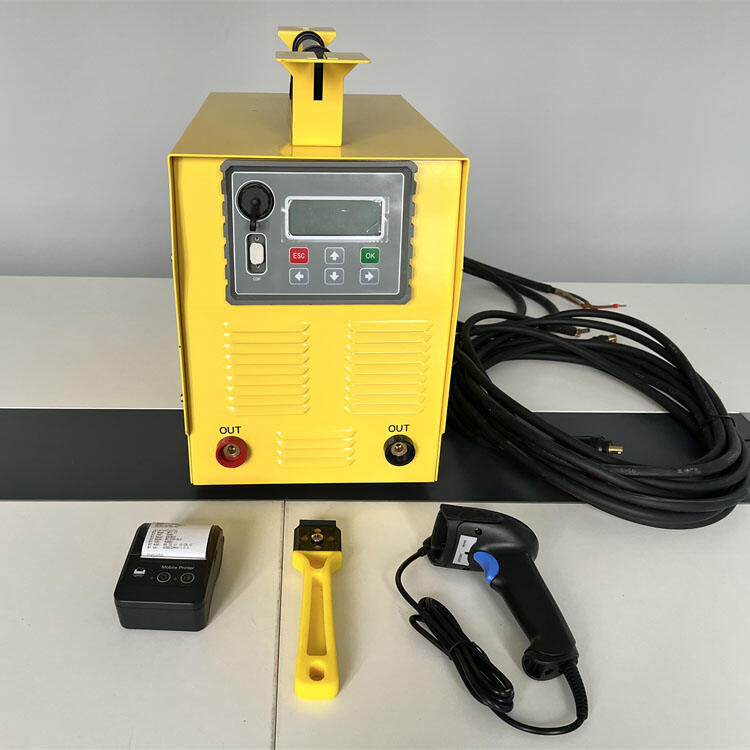
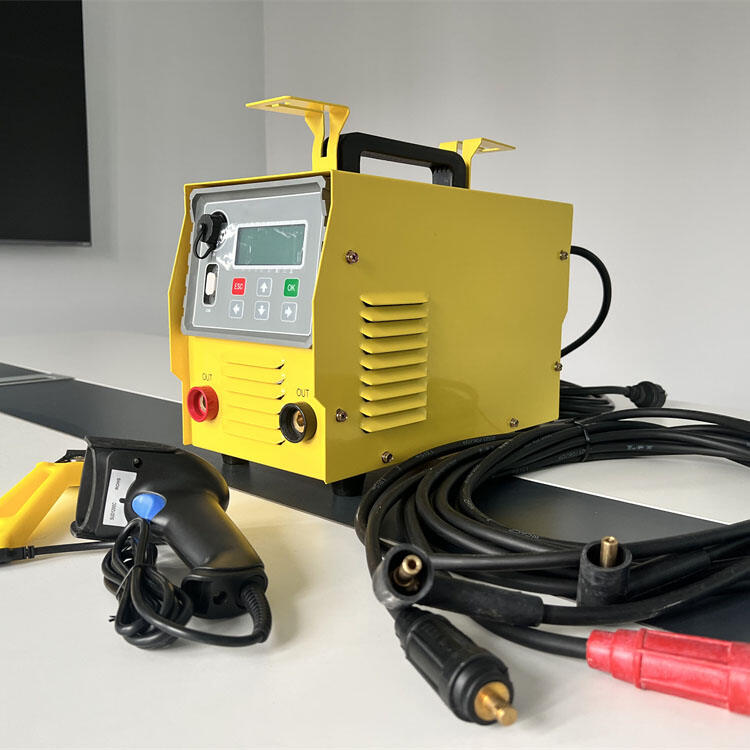
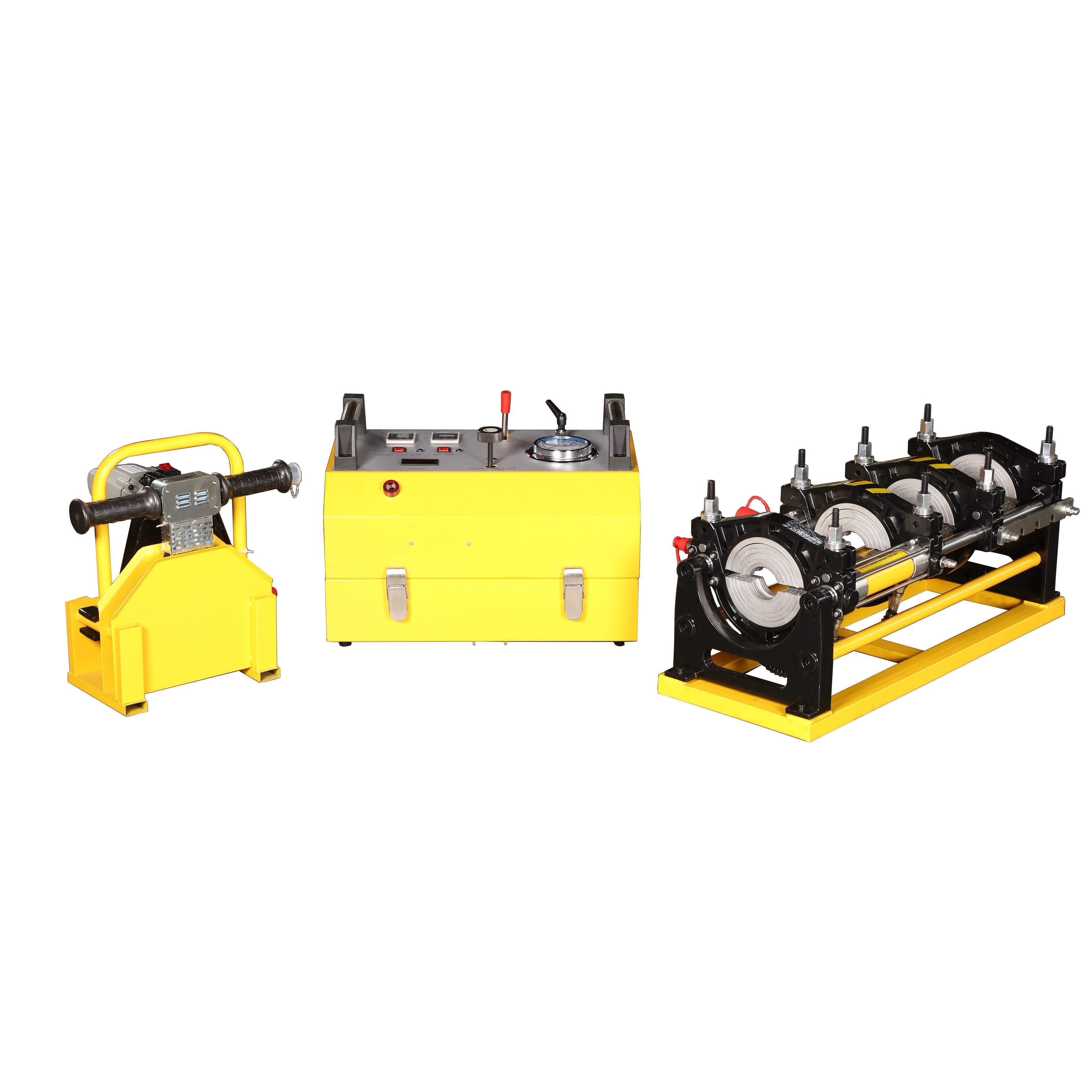
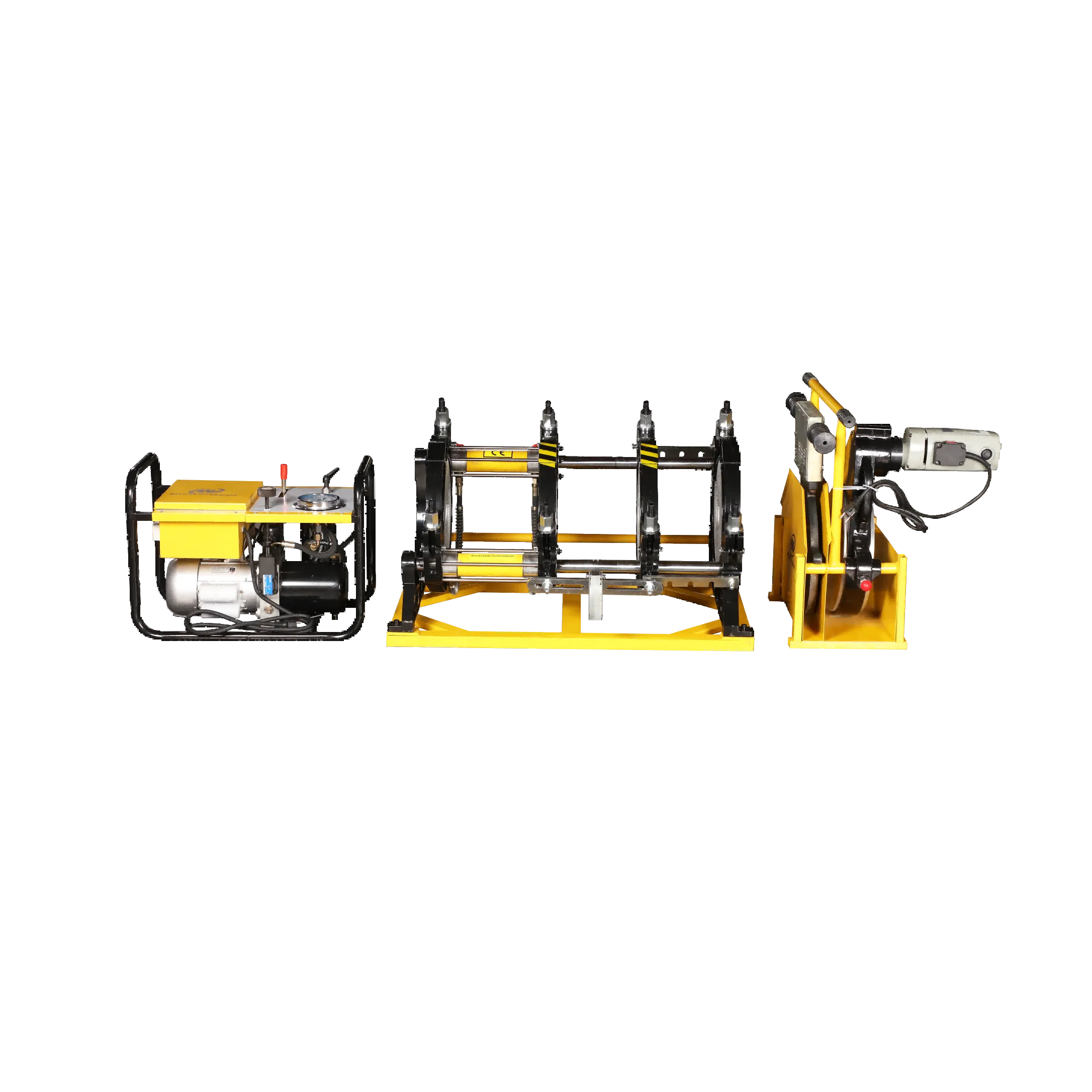
Professional Welding Pipe Machine - High-Efficiency Automated Tube Production Equipment for Industrial Manufacturing

Get a Free Quote

Our representative will contact you soon.
E-mail
Name
Mobile/WhatsApp
Company Name
Message
0/1000

welding pipe machine

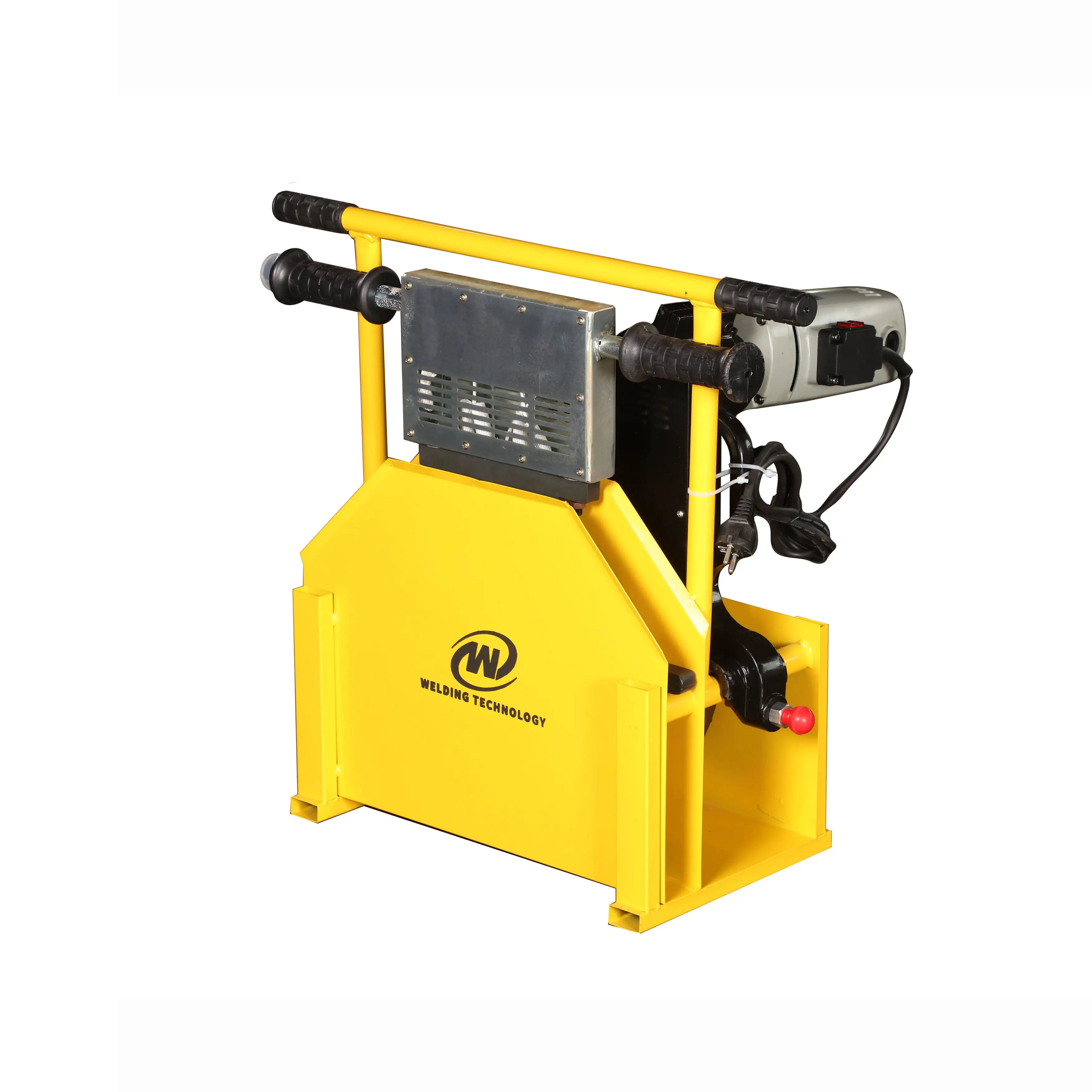
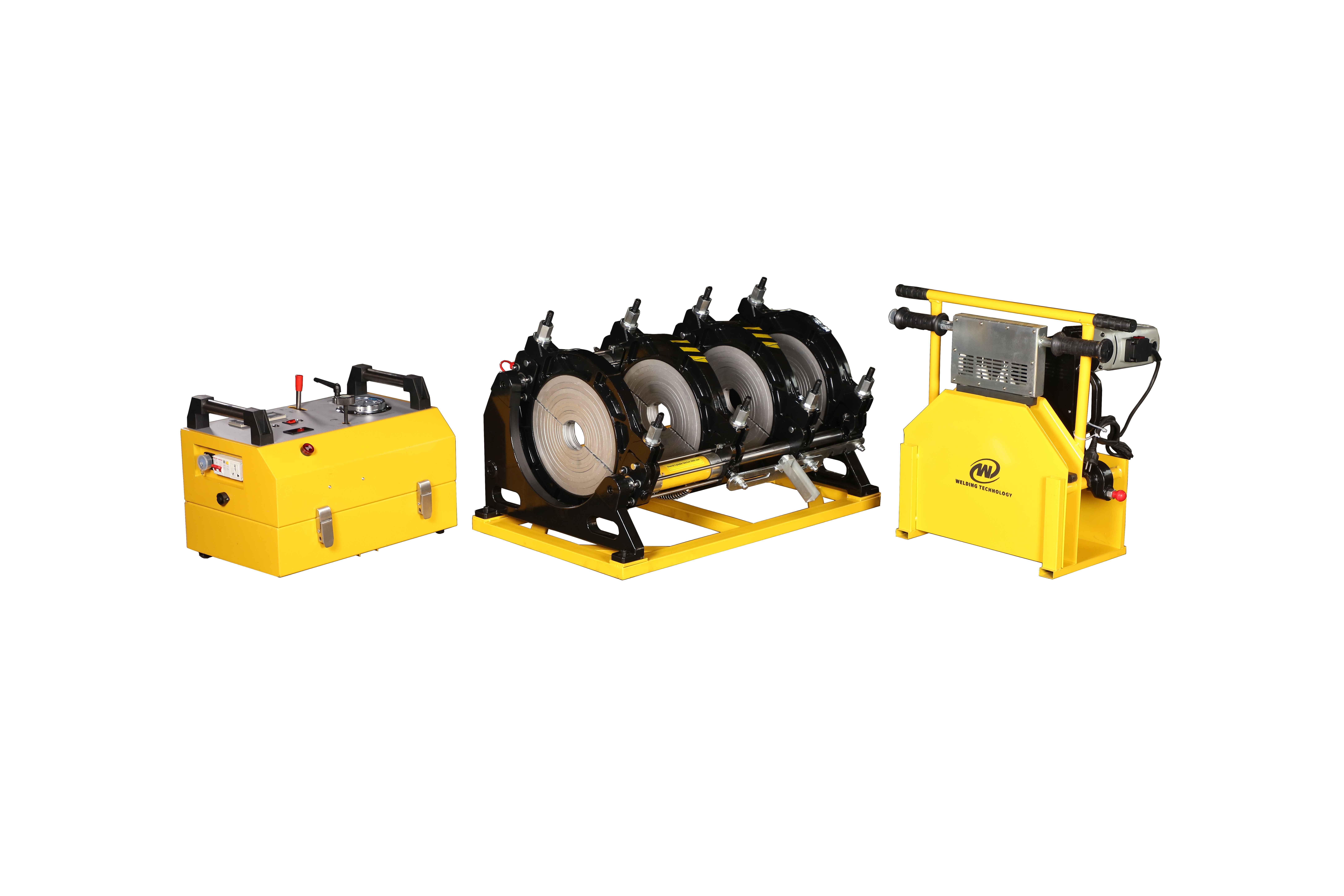
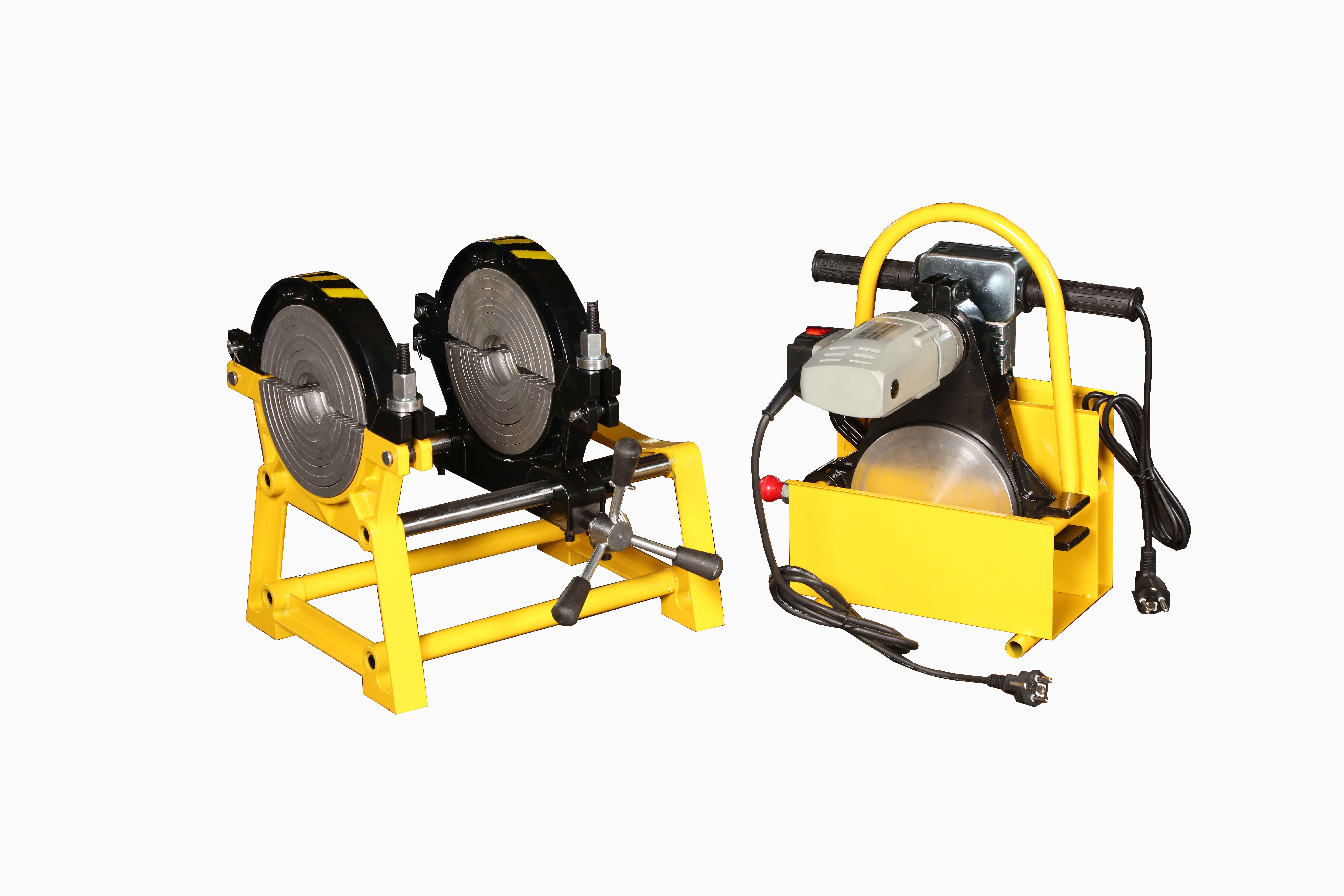
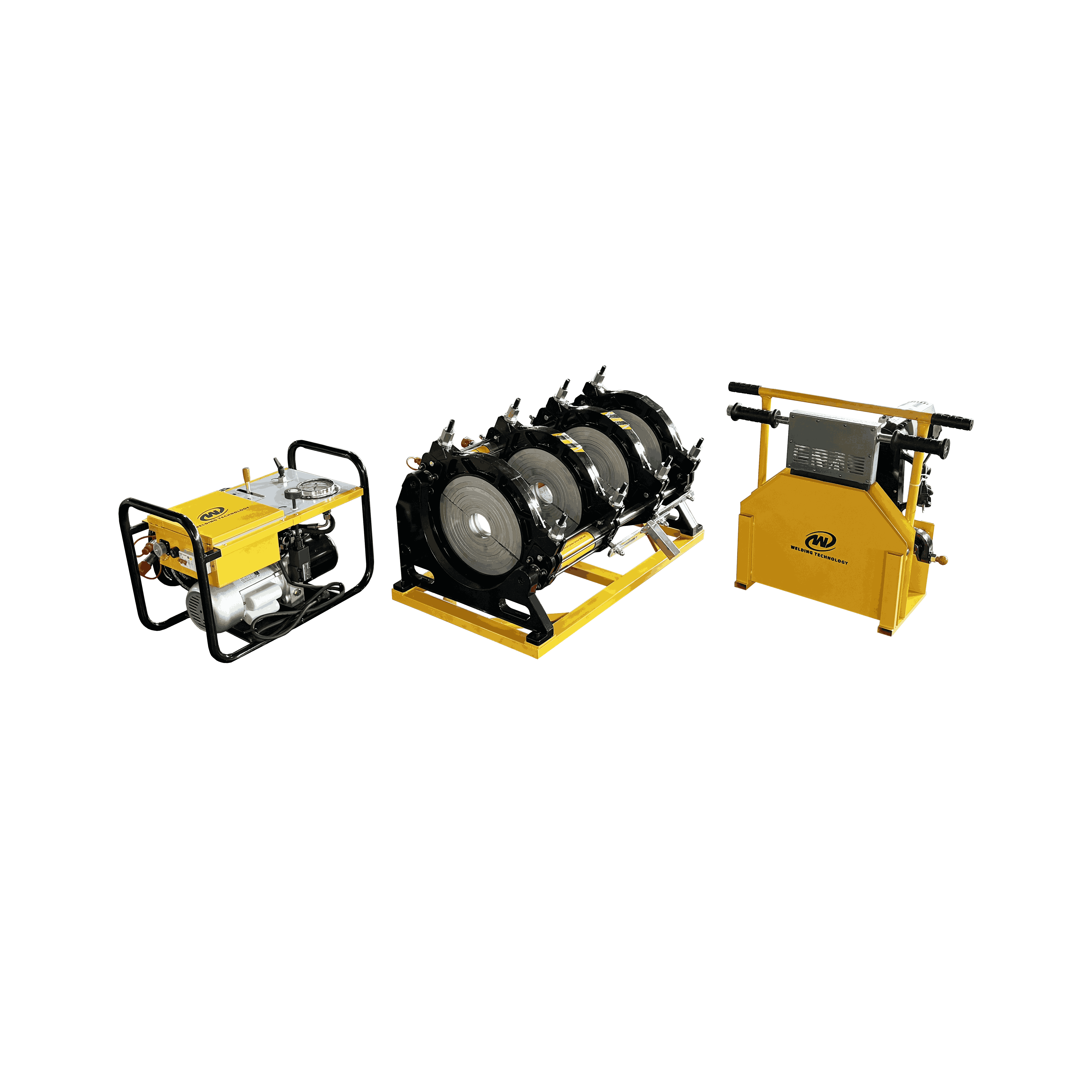
A welding pipe machine represents a sophisticated manufacturing solution designed to produce high-quality metal pipes through automated welding processes. This industrial equipment transforms flat metal strips or coils into tubular structures by forming them into cylindrical shapes and welding the seam along the length. Modern welding pipe machines integrate advanced technology to ensure precision, consistency, and efficiency in pipe production across various diameters and wall thicknesses. The core function of a welding pipe machine involves several synchronized operations including uncoiling, leveling, forming, welding, sizing, and cutting. The machine begins by feeding metal coils through a series of rollers that gradually shape the flat material into a tubular form. Once the edges meet, the welding pipe machine employs high-frequency induction welding, submerged arc welding, or TIG welding methods to create a permanent seam. The technological features of contemporary welding pipe machines include programmable logic controllers for automated operation, real-time monitoring systems for quality control, and adjustable parameters to accommodate different pipe specifications. These machines incorporate precision sensors that detect edge alignment, ensuring the weld seam maintains consistent quality throughout production. Temperature control systems regulate the welding heat to prevent material distortion while achieving optimal fusion. The applications of welding pipe machines span numerous industries including construction, oil and gas, automotive manufacturing, furniture production, and infrastructure development. These machines produce pipes for structural applications, fluid transportation, hydraulic systems, exhaust components, and architectural elements. The versatility of welding pipe machines allows manufacturers to produce round, square, rectangular, and specialty-shaped tubing depending on the forming rollers and tooling configuration. Production capacity varies from small-diameter precision tubes to large-diameter industrial pipes, making welding pipe machines essential equipment for modern metalworking facilities seeking efficient, cost-effective pipe manufacturing solutions.

New Product Releases

The welding pipe machine delivers substantial cost savings by reducing labor requirements and minimizing material waste during production. Traditional pipe manufacturing methods demand multiple workers to operate separate stations, but modern welding pipe machines consolidate these operations into a single automated system. This consolidation means your facility can produce more pipes with fewer employees, directly reducing payroll expenses while maintaining consistent output quality. The machine operates continuously with minimal supervision, allowing your team to focus on quality control and process optimization rather than manual fabrication tasks. Material efficiency represents another significant advantage as the welding pipe machine precisely forms metal strips without excess trimming or scrap generation. The automated feeding system ensures optimal material usage, and the consistent forming process eliminates errors that would otherwise result in rejected products. Your business benefits from higher yield rates, meaning more sellable pipes from each ton of raw material purchased. Production speed increases dramatically when you implement a welding pipe machine in your manufacturing operation. These systems can produce hundreds of meters of pipe per hour depending on diameter and wall thickness specifications. This rapid throughput enables you to fulfill large orders quickly, respond to market demands efficiently, and maintain competitive delivery schedules. Your customers receive their products faster, strengthening business relationships and opening opportunities for repeat orders. Quality consistency stands out as a crucial advantage because the welding pipe machine maintains uniform specifications throughout production runs. The automated controls ensure each pipe meets exact dimensional tolerances, wall thickness requirements, and weld integrity standards. This consistency eliminates the variations common in manual production methods, reducing customer complaints and warranty claims. Your reputation for reliable quality helps attract new clients while retaining existing partnerships. Flexibility in production allows the welding pipe machine to manufacture various pipe sizes and shapes by adjusting settings and changing tooling. This adaptability means your facility can serve diverse market segments without investing in multiple specialized machines. You can switch between producing small-diameter tubes for furniture applications and larger pipes for construction projects, maximizing equipment utilization and return on investment. Energy efficiency has improved significantly in modern welding pipe machines through optimized welding processes and intelligent power management systems. These machines consume less electricity per meter of pipe produced compared to older equipment, reducing your operational costs and environmental impact. The precise heat application minimizes energy waste while achieving strong, durable welds that meet industry standards. Safety features integrated into welding pipe machines protect operators from potential hazards associated with metalworking operations. Enclosed welding zones contain sparks and fumes, automated emergency stops prevent accidents, and ergonomic designs reduce physical strain on workers. Your facility maintains compliance with workplace safety regulations while creating a more comfortable environment for your team members.

Practical Tips

How Does an HDPE Thermofusion Machine Improve Pipeline Performance?

24

Apr

How Does an HDPE Thermofusion Machine Improve Pipeline Performance?

Pipeline integrity stands as a critical concern across industries ranging from municipal water distribution to industrial gas transport, and the welding technology employed directly determines long-term performance outcomes. An HDPE thermofusion mach...
View More
Why Do Contractors Choose HDPE Fusion Equipment for Water Systems?

01

Apr

Why Do Contractors Choose HDPE Fusion Equipment for Water Systems?

Water infrastructure projects demand reliability, longevity, and cost-effectiveness, making equipment selection a critical decision for contractors. The choice of joining technology directly impacts project timelines, long-term system integrity, and ...
View More
What Is an HDPE Thermofusion Welding Machine Used for in Pipelines?

09

Jun

What Is an HDPE Thermofusion Welding Machine Used for in Pipelines?

When engineers and project managers plan modern pipeline infrastructure, the method used to join pipe segments is just as critical as the material chosen for the pipes themselves. An HDPE thermofusion welding machine is at the center of this process,...
View More
How Does an HDPE Thermofusion Welding Machine Improve Joint Quality?

16

Jun

How Does an HDPE Thermofusion Welding Machine Improve Joint Quality?

In pipeline construction and fluid transport infrastructure, the quality of every joint determines the long-term integrity of the entire system. A poorly fused joint is not simply a weak point — it is a liability that can lead to leaks, system failur...
View More

Get a Free Quote

Our representative will contact you soon.
E-mail
Name
Mobile/WhatsApp
Company Name
Message
0/1000

welding pipe machine

Advanced Automated Control Systems for Precision Manufacturing

Advanced Automated Control Systems for Precision Manufacturing

Modern welding pipe machines incorporate sophisticated automated control systems that revolutionize the pipe manufacturing process through digital precision and intelligent operation management. These control systems utilize programmable logic controllers combined with human-machine interfaces that allow operators to input specifications, monitor production parameters, and adjust settings with remarkable ease. The digital interface displays real-time information about production speed, material consumption, welding temperature, and quality metrics, empowering your team to make informed decisions instantly. The automation extends throughout the entire production sequence, from initial material feeding through final pipe cutting, ensuring each step occurs with perfect timing and coordination. Sensors positioned strategically along the production line continuously measure critical parameters such as edge alignment, forming pressure, welding current, and dimensional accuracy. When the system detects any deviation from preset tolerances, it automatically makes micro-adjustments to maintain optimal conditions without requiring manual intervention. This self-correcting capability eliminates the quality variations that occur with manual operation, ensuring every pipe meets exact specifications regardless of production duration or operator experience level. The welding pipe machine control system stores multiple production recipes in its memory, allowing rapid changeovers between different pipe specifications. Your facility can switch from producing one pipe size to another within minutes rather than hours, simply by selecting the appropriate program. This capability maximizes production flexibility and minimizes downtime between orders, improving overall equipment effectiveness and profitability. The data logging functionality records comprehensive production information including output quantities, quality measurements, maintenance alerts, and operational efficiency metrics. This information helps you identify optimization opportunities, predict maintenance needs before breakdowns occur, and demonstrate quality compliance to customers and regulatory authorities. The historical data analysis reveals trends in machine performance, enabling proactive improvements that enhance productivity and reduce operational costs over time. Remote monitoring capabilities in advanced welding pipe machines allow technical support teams to diagnose issues, optimize parameters, and provide assistance without physical presence at your facility. This connectivity reduces downtime when technical questions arise and accelerates problem resolution, keeping your production running smoothly and maintaining delivery commitments to customers.
Superior Weld Quality Through High-Frequency Induction Technology

Superior Weld Quality Through High-Frequency Induction Technology

The welding pipe machine achieves exceptional weld quality through high-frequency induction welding technology that creates strong, consistent seams without compromising material properties or introducing defects. This welding method applies electromagnetic energy precisely to the edges being joined, heating only the immediate weld zone to fusion temperature while leaving surrounding material unaffected. The concentrated heat application prevents distortion, maintains material strength characteristics, and produces clean welds with minimal post-processing requirements. High-frequency induction welding operates at speeds significantly faster than traditional arc welding methods, enabling your welding pipe machine to maintain high production rates without sacrificing quality. The process occurs in milliseconds as the formed edges pass through the induction coil, creating a molecular bond that equals or exceeds the strength of the base material. This rapid welding cycle contributes to the overall efficiency of pipe production, allowing your facility to meet demanding production schedules while maintaining superior quality standards. The precision of induction welding eliminates common defects such as porosity, incomplete fusion, and excessive spatter that plague conventional welding methods. The controlled energy input and focused heat zone ensure complete penetration and fusion across the entire weld seam, creating joints that withstand pressure testing, bending operations, and demanding service conditions. Your customers receive pipes with reliable performance characteristics and long service life, building confidence in your products and generating positive reputation in competitive markets. Weld appearance represents another advantage of high-frequency induction technology as the process produces smooth, uniform seams with minimal surface irregularities. The clean weld profile reduces or eliminates secondary finishing operations, lowering production costs and accelerating throughput. For applications where appearance matters, such as architectural elements or visible structural components, the superior cosmetic quality of induction-welded pipes provides a competitive advantage. The welding pipe machine induction system includes impedance control that automatically adjusts power delivery based on material thickness, composition, and production speed. This intelligent power management ensures optimal welding conditions across varying production parameters, maintaining consistent quality when switching between different pipe specifications. The system compensates for variations in incoming material properties, preventing quality issues that might otherwise occur with manual welding operations. Environmental benefits accompany high-frequency induction welding as the process generates minimal fumes, reduces energy consumption compared to arc welding, and eliminates consumable electrode materials. Your facility maintains a cleaner working environment, reduces waste disposal costs, and demonstrates commitment to sustainable manufacturing practices that appeal to environmentally conscious customers and regulatory agencies.
Versatile Production Capabilities Across Multiple Pipe Profiles

Versatile Production Capabilities Across Multiple Pipe Profiles

The welding pipe machine demonstrates remarkable versatility by producing diverse pipe profiles including round, square, rectangular, and specialty shapes through interchangeable tooling and adjustable forming systems. This multi-profile capability transforms a single machine into a comprehensive pipe manufacturing solution that serves various market segments and application requirements. The flexibility eliminates the need for multiple dedicated machines, reducing capital investment, facility space requirements, and equipment maintenance complexity while maximizing production capacity utilization. Round pipe production represents the most common application, with the welding pipe machine accommodating diameter ranges from small precision tubes measuring millimeters across to large industrial pipes exceeding several inches in diameter. The adjustable forming rollers and sizing stands accommodate this wide range through mechanical adjustments or servo-controlled positioning systems that respond to programmed specifications. Your facility can produce exact diameters matching customer requirements without compromise, supporting applications from hydraulic tubing to structural columns with equal proficiency. Square and rectangular tube production utilizes specialized forming sections that transition the round profile emerging from the welding station into angular shapes through progressive forming stands. The welding pipe machine accomplishes this transformation while maintaining weld integrity and dimensional accuracy, producing tubes with precise corner radii, flat surfaces, and consistent wall thickness distribution. These profiles serve construction applications, furniture manufacturing, automotive components, and architectural elements where angular shapes provide functional or aesthetic advantages over round pipes. Specialty profiles expand production possibilities to include oval tubes, hexagonal shapes, and custom configurations designed for specific applications. The welding pipe machine accommodates these specialty requirements through custom tooling that guides material through unique forming sequences. This capability allows your facility to differentiate products in competitive markets, serve niche applications with specialized requirements, and command premium pricing for custom solutions that standard pipe producers cannot provide. Wall thickness versatility enables the welding pipe machine to process material ranging from thin-gauge strips suitable for lightweight applications to heavy-wall material for high-pressure or structural applications. The forming and welding systems adjust to material thickness variations, maintaining proper edge preparation, adequate welding energy, and appropriate sizing pressure throughout the thickness range. Your production capabilities extend across the full spectrum of pipe applications, from decorative thin-wall tubing to heavy-duty industrial pipes. Material compatibility represents another dimension of versatility as welding pipe machines process various metals including carbon steel, stainless steel, aluminum, copper, and specialty alloys. The machine parameters adjust to accommodate different material properties such as forming characteristics, welding temperatures, and thermal expansion coefficients. This material flexibility allows your facility to respond to diverse customer requirements, explore new market opportunities, and adapt to changing material availability or cost considerations without equipment limitations constraining business decisions.


Get a Free Quote

Our representative will contact you soon.
E-mail
Name
Mobile/WhatsApp
Company Name
Message
0/1000