Advanced Welding Pipe Machine - High-Efficiency Industrial Pipe Manufacturing Solutions

Get a Free Quote

Our representative will contact you soon.
E-mail
Name
Mobile/WhatsApp
Company Name
Message
0/1000

welding pipe machine

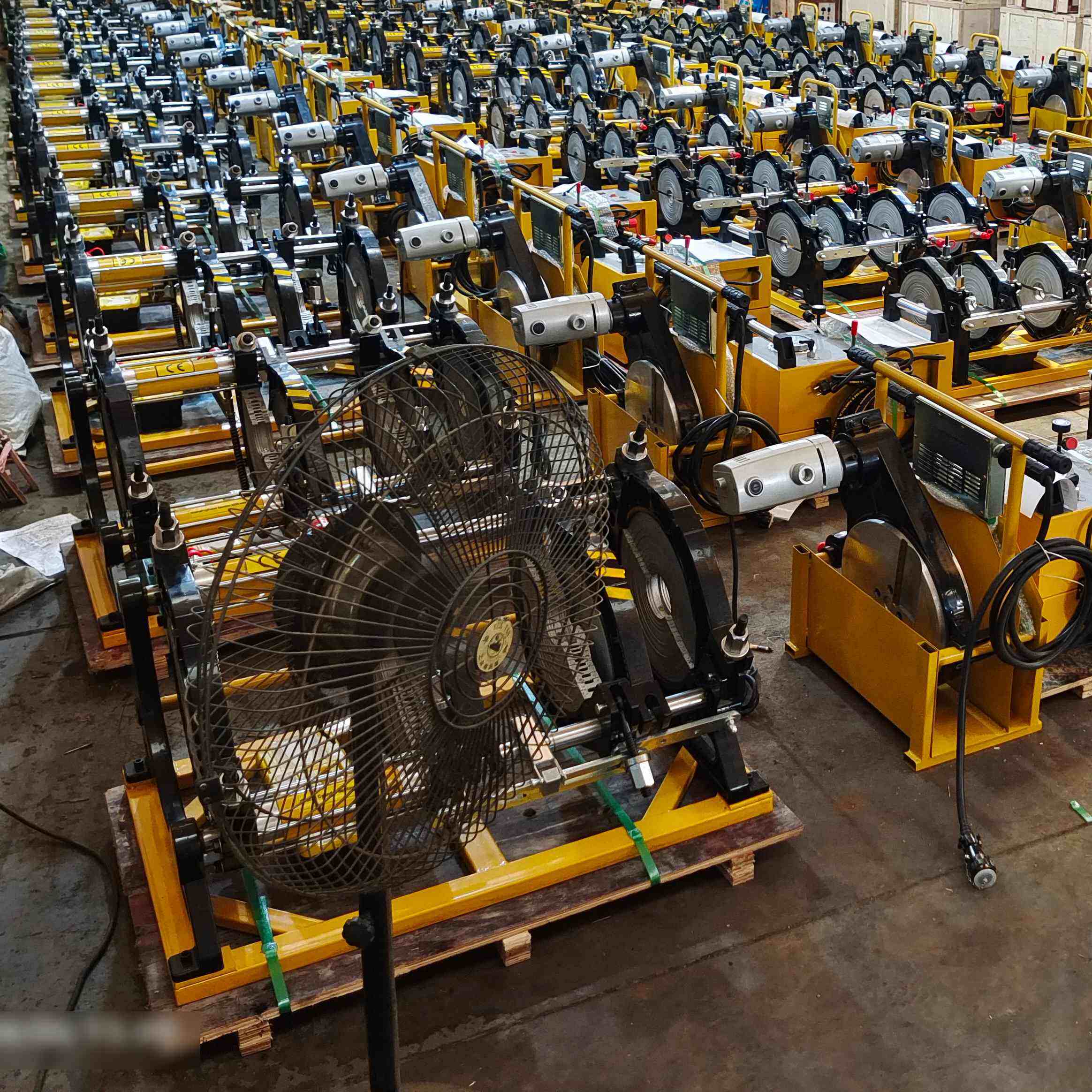
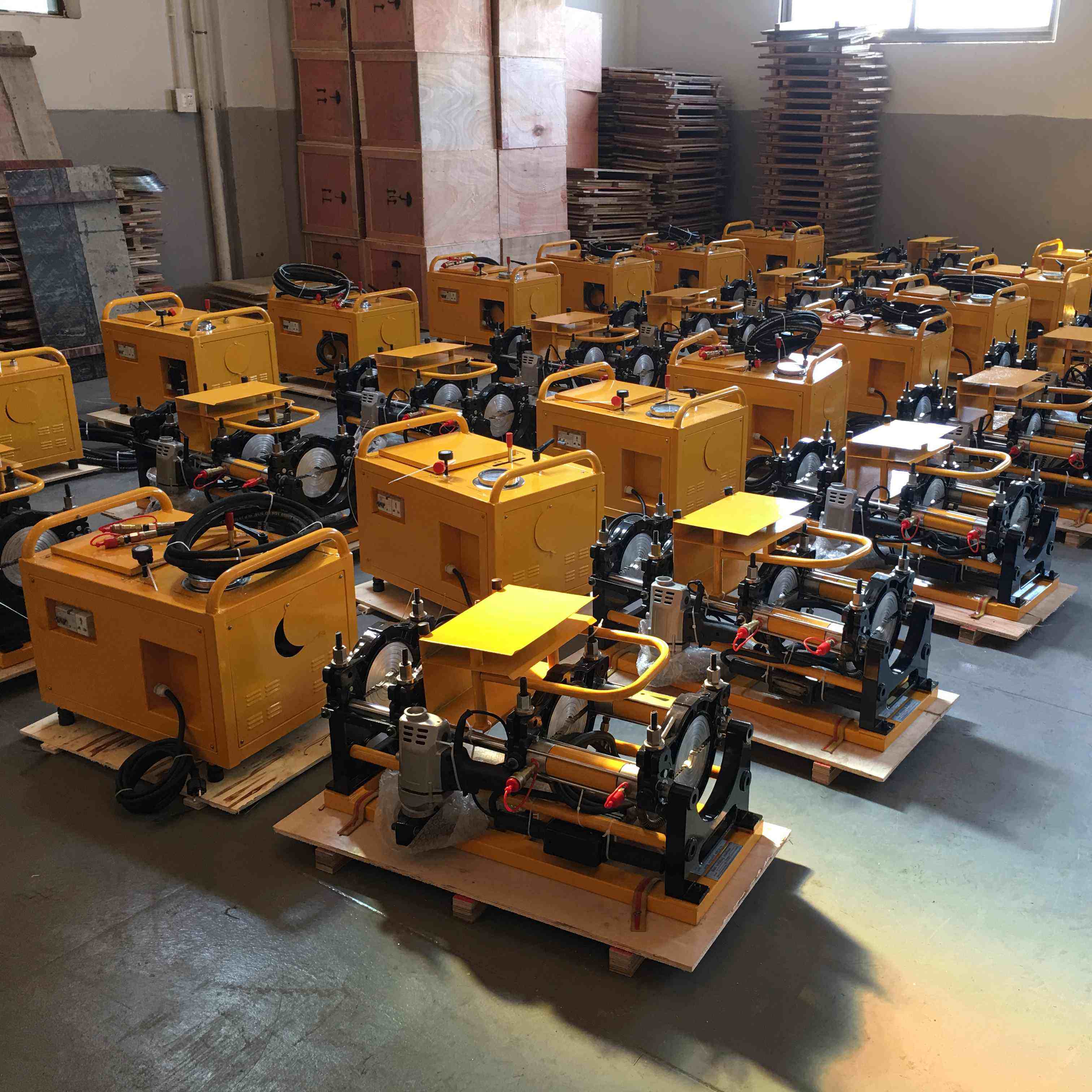
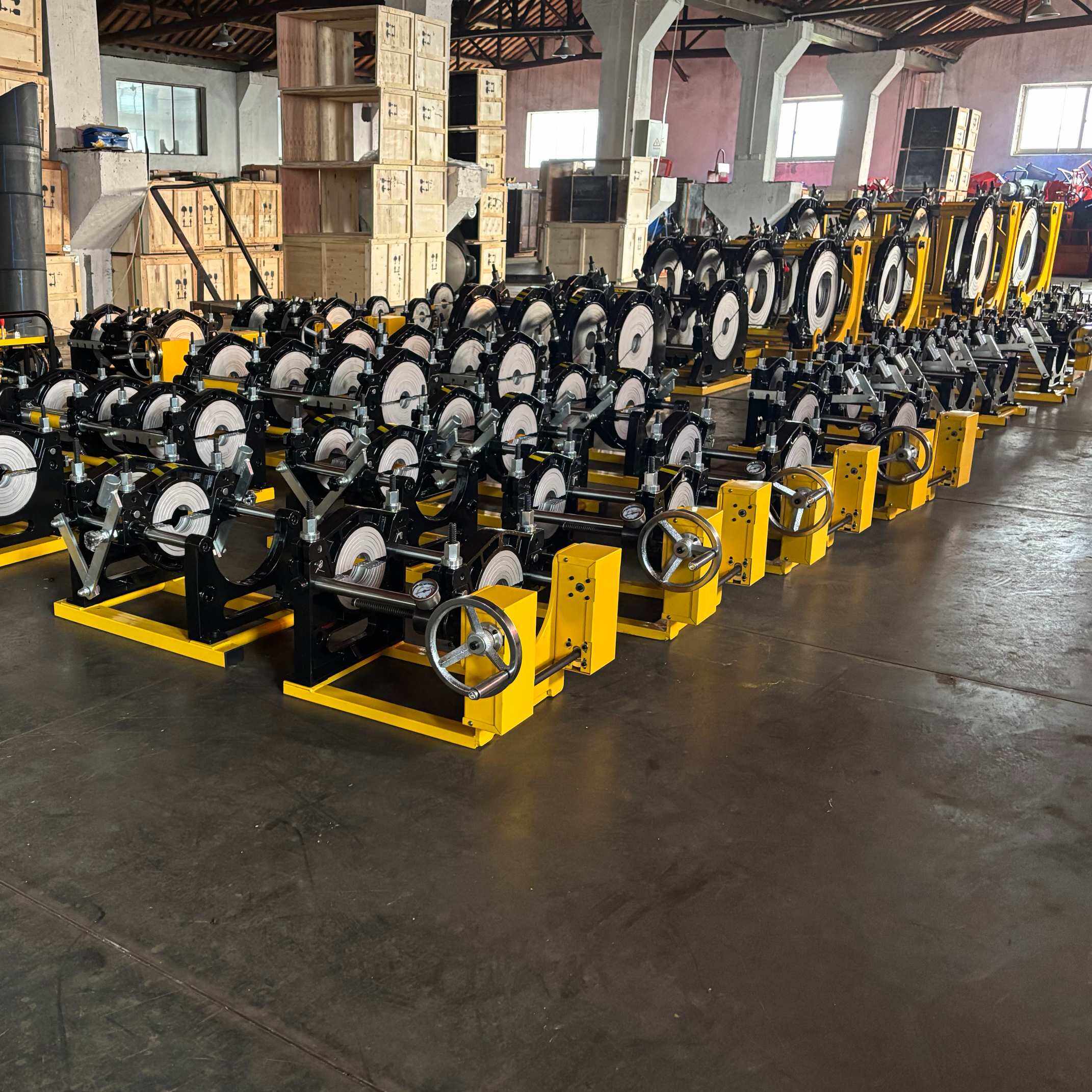
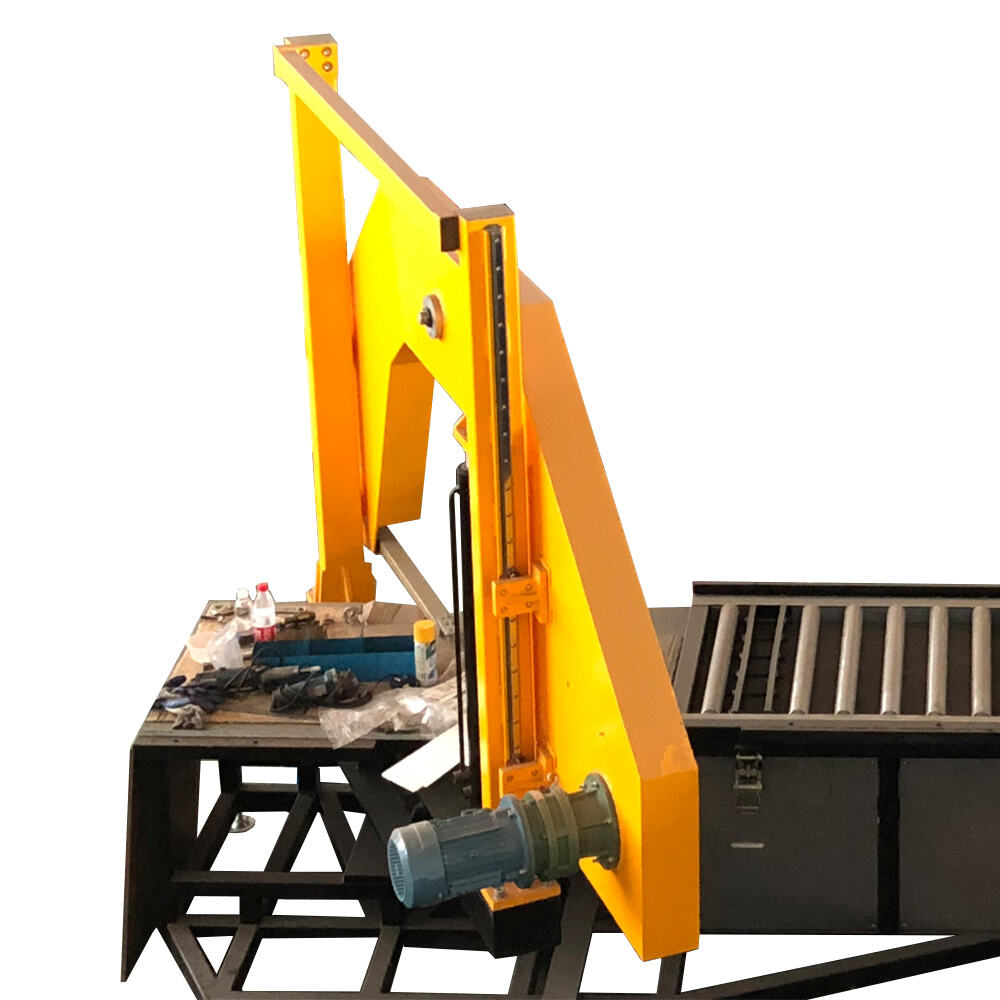
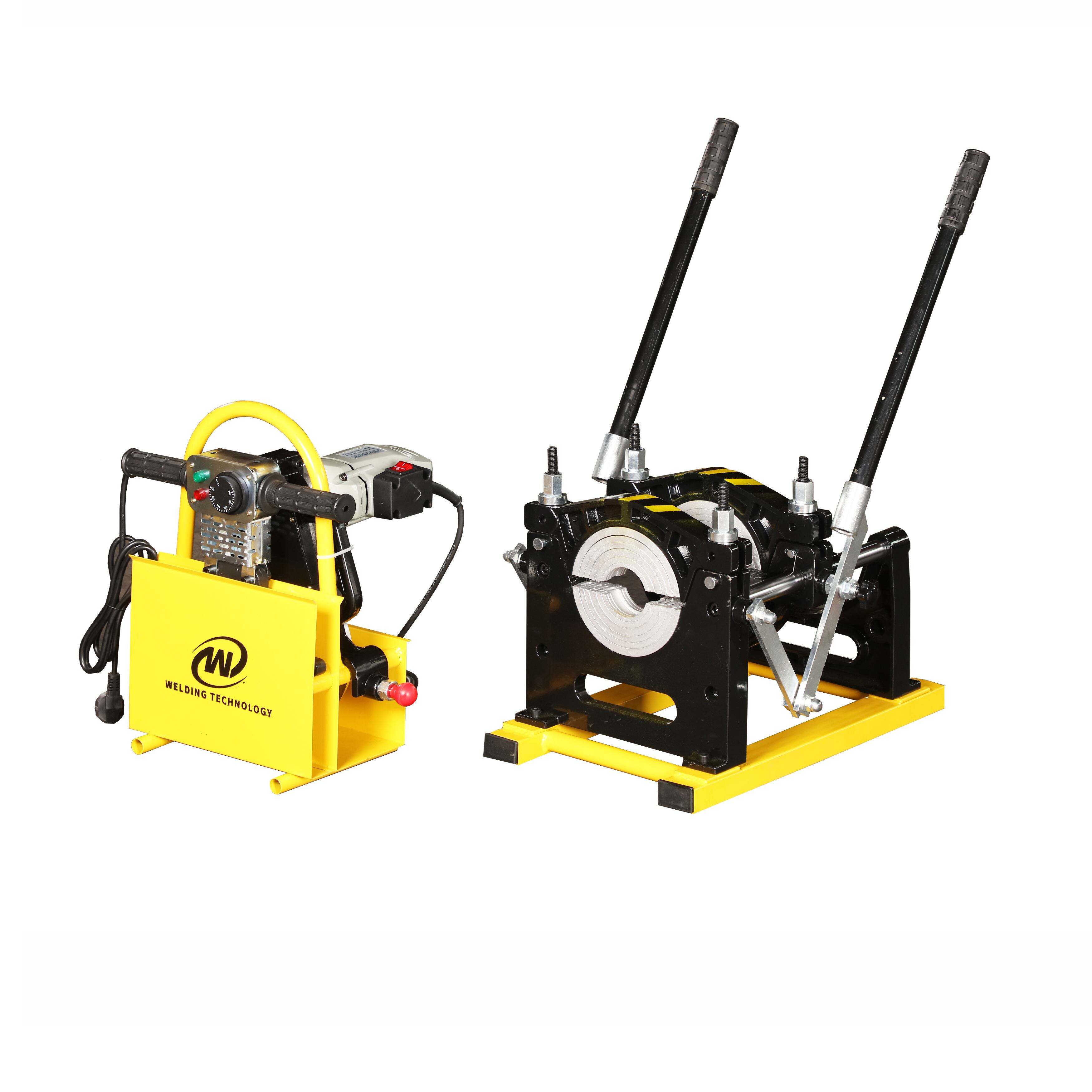
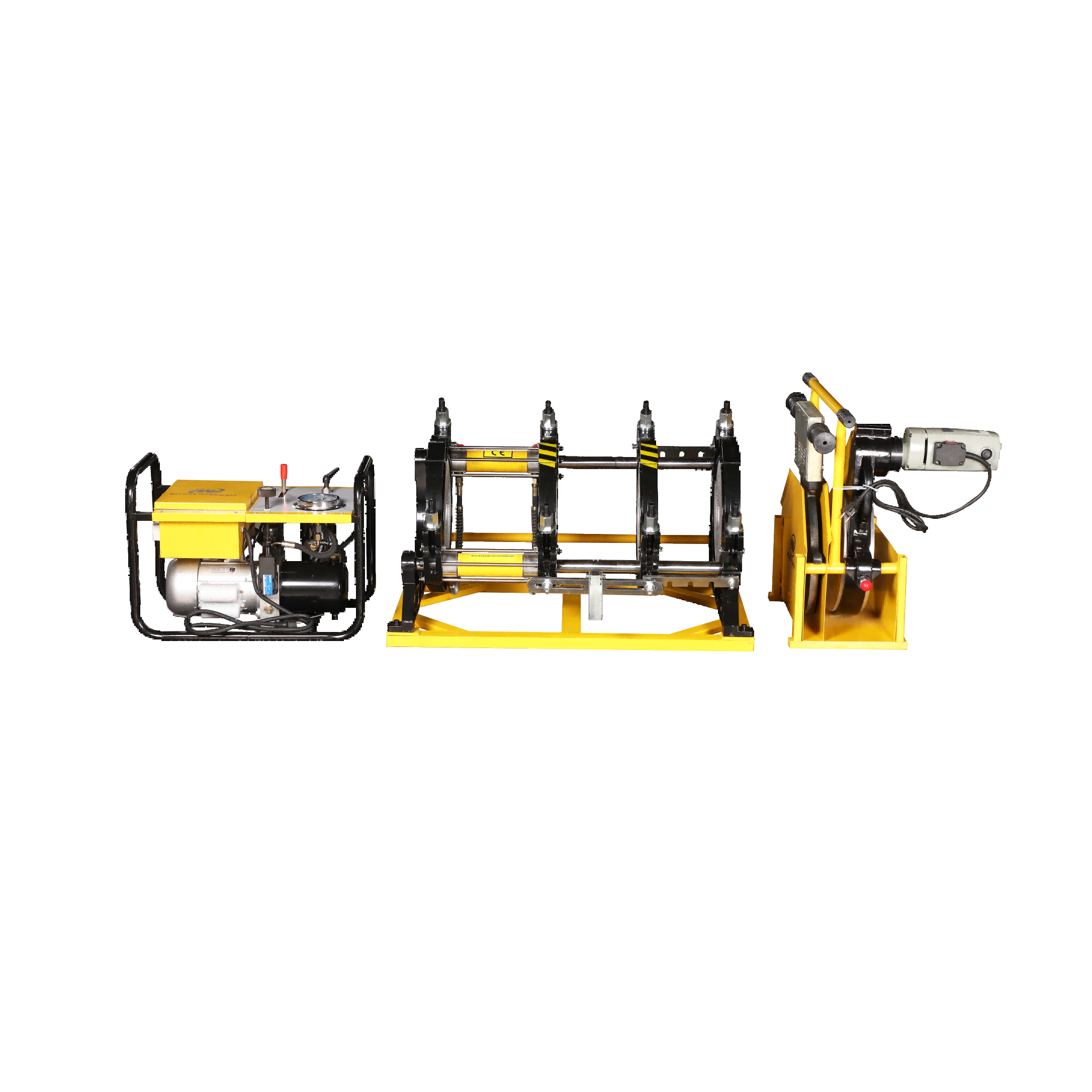
A welding pipe machine represents a sophisticated industrial solution designed to manufacture high-quality metal pipes through advanced welding processes. This specialized equipment transforms flat metal strips or coils into seamless cylindrical structures by forming and permanently joining the edges through precise welding techniques. The welding pipe machine operates through a continuous production process that begins with material feeding, followed by forming the metal into a pipe shape, and concluding with the critical welding stage that creates a strong, durable seam. Modern welding pipe machines incorporate cutting-edge technology including computerized control systems, automatic adjustment mechanisms, and real-time monitoring capabilities to ensure consistent output quality. These machines typically feature multiple stations including uncoiling units, forming sections, welding heads, sizing equipment, and cutting mechanisms that work in perfect synchronization. The welding process itself can utilize various methods such as high-frequency welding, submerged arc welding, or laser welding depending on the specific requirements and pipe specifications. Temperature control systems maintain optimal welding conditions while cooling sections ensure proper metallurgical properties in the finished product. Quality control sensors continuously monitor wall thickness, diameter accuracy, and seam integrity throughout the production cycle. The welding pipe machine can accommodate different material types including carbon steel, stainless steel, and various alloy compositions, making it versatile for diverse industrial applications. Production capacity varies significantly based on pipe diameter, wall thickness, and material properties, with modern machines capable of producing hundreds of meters per hour. These machines serve critical roles in industries requiring reliable pipe infrastructure including oil and gas, construction, automotive, furniture manufacturing, and infrastructure development projects.

New Products

The welding pipe machine delivers exceptional production efficiency that significantly reduces manufacturing time compared to traditional pipe-making methods. This equipment operates continuously with minimal downtime, allowing manufacturers to meet demanding production schedules and tight delivery deadlines. The automated nature of the welding pipe machine eliminates many manual processes, reducing labor costs and minimizing human error while maintaining consistent quality standards throughout the production run. Cost-effectiveness emerges as a primary advantage because the machine maximizes material utilization with minimal waste generation. The precise forming and welding processes ensure that raw materials are used efficiently, contributing to better profit margins and reduced environmental impact. Quality control features built into the welding pipe machine guarantee that each pipe meets strict specifications for diameter, wall thickness, and structural integrity. Advanced monitoring systems detect potential defects early in the production process, preventing costly rework and ensuring that only high-quality products reach customers. Flexibility represents another significant benefit as modern welding pipe machines can quickly switch between different pipe sizes and specifications without extensive retooling. This adaptability allows manufacturers to respond rapidly to changing market demands and customer requirements. The welding pipe machine produces pipes with superior mechanical properties including excellent strength-to-weight ratios, uniform wall thickness, and reliable seam integrity. These characteristics make the finished products suitable for demanding applications where structural reliability is paramount. Maintenance requirements are relatively straightforward with well-designed service access points and durable components that minimize unexpected breakdowns. The machine operates with reduced energy consumption compared to alternative manufacturing methods, contributing to lower operational costs and improved sustainability profiles. Training requirements for operators are manageable because modern welding pipe machines feature intuitive control interfaces and automated safety systems that protect both personnel and equipment. Long-term reliability ensures consistent production output over many years of operation, making the welding pipe machine a sound investment for manufacturing businesses seeking to expand their capabilities and market reach.

Tips And Tricks

Global Fusion Welding Machinery Market Booms, Hangzhou Welding Leads Chinese Manufacturing to Serve 100+ Countries

11

Feb

Global Fusion Welding Machinery Market Booms, Hangzhou Welding Leads Chinese Manufacturing to Serve 100+ Countries

View More
Technological Innovation Drives Industry Upgrade, Hangzhou Welding Leads the Development of Thermoplastic Welding Technology

11

Feb

Technological Innovation Drives Industry Upgrade, Hangzhou Welding Leads the Development of Thermoplastic Welding Technology

View More
Accelerating Global Layout, Hangzhou Welding Technology Drives International Market Development with the Dual Wheels of

11

Feb

Accelerating Global Layout, Hangzhou Welding Technology Drives International Market Development with the Dual Wheels of "Products + Services"

View More

Get a Free Quote

Our representative will contact you soon.
E-mail
Name
Mobile/WhatsApp
Company Name
Message
0/1000

welding pipe machine

Advanced High-Frequency Welding Technology

Advanced High-Frequency Welding Technology

The welding pipe machine incorporates state-of-the-art high-frequency welding technology that revolutionizes the pipe manufacturing process through superior seam quality and production speed. This innovative welding method utilizes electromagnetic induction to generate localized heat precisely at the pipe seam, creating a forge weld that achieves molecular bonding between the metal edges. The high-frequency welding process operates at frequencies typically ranging from 200 to 450 kHz, allowing for rapid heating and joining of the pipe edges within milliseconds of contact. This technology eliminates the need for filler materials, resulting in a clean, narrow seam that maintains the base material properties throughout the welded joint. The electromagnetic field penetrates only a few millimeters into the metal surface, concentrating the heat exactly where needed while keeping the surrounding material at lower temperatures. This precise heat control prevents distortion and maintains dimensional accuracy across the entire pipe length. The welding pipe machine equipped with this technology can process various materials including carbon steel, stainless steel, and specialized alloys with exceptional consistency. Power output adjustment capabilities ensure optimal welding parameters for different material thicknesses and compositions, providing flexibility for diverse production requirements. Real-time monitoring systems track welding current, frequency stability, and temperature profiles to maintain consistent weld quality throughout the production run. The high-frequency welding technology enables the welding pipe machine to achieve production speeds that far exceed conventional welding methods while delivering superior metallurgical properties. Quality benefits include uniform grain structure, excellent corrosion resistance, and mechanical properties that match or exceed those of the base material. The welded seam exhibits high strength characteristics with minimal heat-affected zone, ensuring reliable performance in demanding applications. Maintenance of the high-frequency welding system is streamlined through modular component design and diagnostic capabilities that identify potential issues before they affect production quality.
Precision Forming and Sizing Control

Precision Forming and Sizing Control

The welding pipe machine features an advanced forming and sizing control system that ensures exceptional dimensional accuracy and consistent pipe geometry throughout the entire production process. This sophisticated system begins with precision strip feeding mechanisms that maintain proper material alignment and tension as the flat metal transforms into cylindrical pipe form. Multiple forming stations progressively shape the material through carefully calculated bend radii, preventing material stress concentrations that could compromise pipe integrity. The forming process utilizes adjustable roll sets with hardened surfaces that resist wear while maintaining precise dimensions over extended production runs. Computer-controlled positioning systems automatically adjust forming rolls based on material thickness, width, and desired pipe diameter, eliminating manual setup time and reducing potential for human error. The welding pipe machine incorporates real-time measurement systems that continuously monitor pipe diameter, ovality, and wall thickness throughout the forming process. Feedback control loops automatically make micro-adjustments to forming parameters, compensating for material variations and maintaining tight dimensional tolerances. Sizing stations downstream from the welding operation provide final dimensional control, ensuring that finished pipes meet exact customer specifications. These sizing operations can accommodate various pipe standards including ASTM, API, and custom requirements with repeatability that exceeds industry expectations. The precision forming system handles material property variations seamlessly, adjusting forming forces and speeds based on steel grade, hardness, and thickness characteristics. Temperature compensation algorithms account for thermal expansion effects, maintaining consistent dimensions regardless of ambient temperature fluctuations. Quality documentation systems record dimensional measurements throughout production, providing complete traceability and quality assurance records for each pipe produced. The forming and sizing control system reduces material waste by minimizing off-specification production and eliminates the need for secondary machining operations in most applications. Advanced servo-drive technology provides smooth, precise motion control that prevents material marking and surface defects while extending equipment life through reduced mechanical stress.
Integrated Quality Monitoring and Control Systems

Integrated Quality Monitoring and Control Systems

The welding pipe machine incorporates comprehensive quality monitoring and control systems that provide real-time oversight of every aspect of the production process, ensuring consistent output quality and immediate detection of any deviations from specifications. This integrated approach combines multiple sensing technologies including ultrasonic testing, eddy current inspection, optical measurement systems, and thermal monitoring to create a complete quality assurance framework. Ultrasonic testing equipment continuously examines the welded seam for internal defects such as lack of fusion, inclusions, or porosity that could compromise pipe integrity. The system operates at production speed without slowing the manufacturing process, providing immediate feedback on weld quality parameters. Eddy current sensors detect surface discontinuities and measure wall thickness variations with exceptional precision, ensuring that every pipe meets strict dimensional requirements. Optical measurement systems utilize laser technology to verify pipe diameter, ovality, and straightness with micron-level accuracy throughout the production run. Thermal monitoring cameras track temperature profiles during the welding process, ensuring optimal heat input for consistent metallurgical properties. Data acquisition systems collect and analyze quality parameters in real-time, comparing measurements against predetermined specifications and generating immediate alerts when values approach tolerance limits. Automated rejection systems remove non-conforming pipes from the production line without operator intervention, preventing defective products from reaching customers. Statistical process control algorithms identify trends in quality data, enabling predictive maintenance and process optimization before problems affect production quality. The welding pipe machine quality monitoring system generates comprehensive production reports that document all quality measurements, providing complete traceability for regulatory compliance and customer requirements. Integration with plant management systems enables remote monitoring and control capabilities, allowing quality personnel to oversee multiple production lines from centralized locations. Calibration management systems ensure that all measurement equipment maintains accuracy through automated calibration schedules and verification procedures. The quality control system reduces inspection costs by eliminating the need for extensive offline testing while providing superior defect detection capabilities compared to traditional sampling methods.

Get a Free Quote

Our representative will contact you soon.
E-mail
Name
Mobile/WhatsApp
Company Name
Message
0/1000